
REVIEW · JAPANESE CRAFT AND CALLIGRAPHY WORKSHOPS
Japanese paper Notebook and Mizuhiki Belt Bookmark Workshop
Paper turns into something useful. In a private workshop in Honshu, you make an A6 washi notebook and a mizuhiki knot bookmark belt, then slow down with tea and sweets while you craft. I love that it feels hands-on and personal, and I also like that mizuhiki is tied to real Japanese life, from weddings to funerals. One consideration: this is a craft class first, so if you want big-picture sightseeing and photo stops, you might feel it’s too focused.
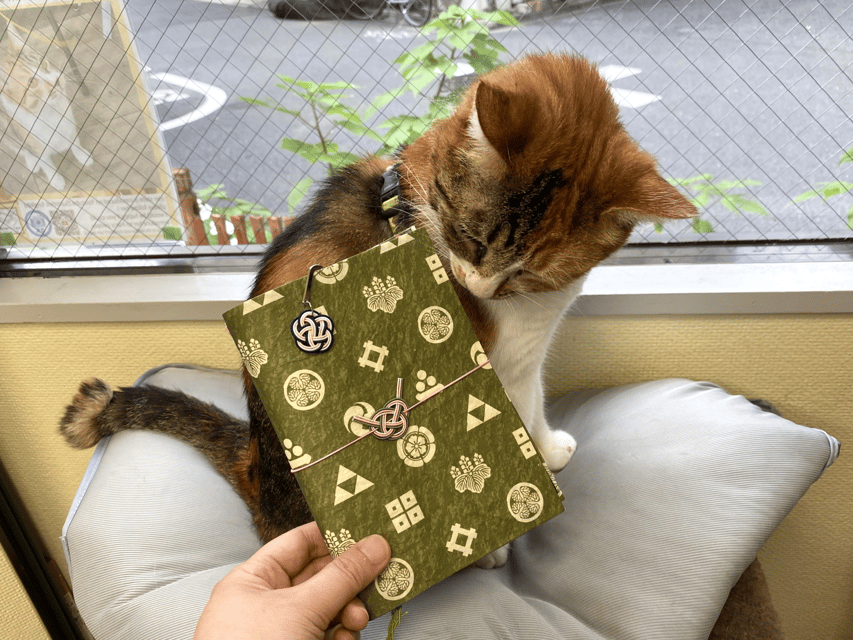
The format is built for attention. You work with an instructor who supports in Japanese and English, and the studio time is paced so you can actually finish your notebook and learn the knot steps safely. You might also get a bonus smile, because the cat mascot is part of the studio vibe and can be an easy photo moment.
In This Review
- Key things that make this workshop worth your time
- Was It Just Crafting? How Wasli Paper and Mizuhiki Work Together
- Your Finished Set: A6 Washi Notebook Plus a Mizuhiki Belt Bookmark
- Tea, Sweets, and the Pace That Keeps the Class Comfortable
- Private, Small, and Taught in Japanese or English
- Materials Quality, Color Choices, and What You’ll Notice After
- Price and Value: Is $113 Reasonable for 150 Minutes?
- Who Should Book This Workshop (And Who Might Not Love It)
- What the Experience Feels Like in Real Terms
- Should You Book This Japanese Paper Notebook and Mizuhiki Belt Bookmark Workshop?
- FAQ
- How long is the workshop?
- Where is it located?
- How much does it cost?
- What will I make during the class?
- What language is the workshop taught in?
- Is it a private class or a group class?
- What is included in the price?
- What is not included?
- Are there any age limits?
- Is there a cancellation and payment flexibility option?
Key things that make this workshop worth your time
- You build an A6 notebook cover and pages from Japanese paper washi, so the final result is practical, not just a souvenir.
- You learn mizuhiki knots step-by-step and make a notebook belt plus bookmark using traditional paper string.
- Three knots are taught, with an option to try a slightly more advanced one if you already know the basics.
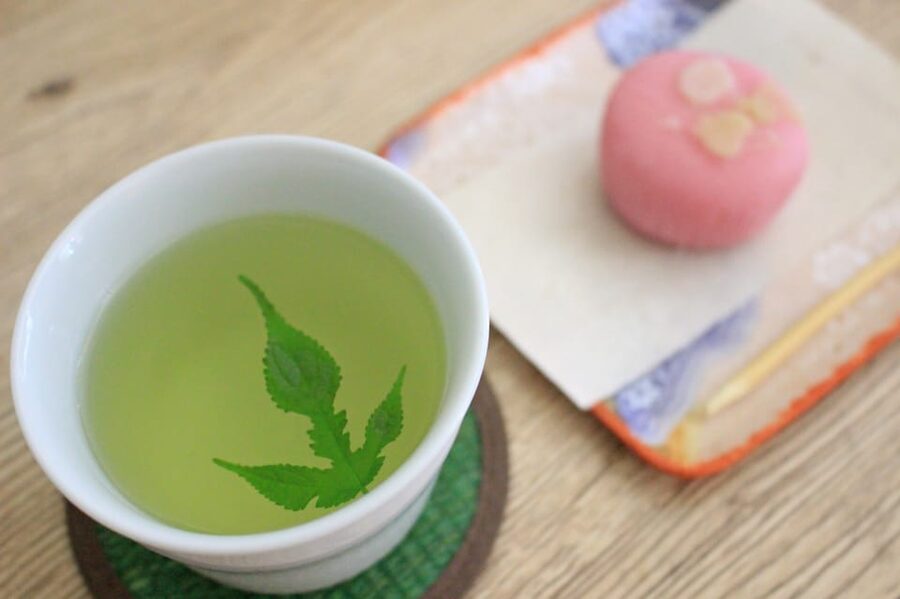
- Tea and sweets are included, giving the session a calm rhythm that helps your hands and your brain stay in the moment.
- Safety guidance comes first, including how to handle sharp tools properly.
- It is private, so you get help when you’re stuck, not after a crowd moves on.
Still weighing up options in Taito City? These are the ones our reviewers rated highest.
- Tokyo Asakusa: Miu Kimono Rental and Optional Photoshoot
★ 4.9 · 54 reviews - Tokyo: Karate Experience with Former All-Japan Champion
★ 4.9 · 46 reviews - Made from flour in 30min! Ramen-noodle Making Experience!
★ 4.8 · 24 reviews - Tokyo : Kimono Rental in Asakusa Provided by KanoWafuku
★ 4.4 · 18 reviews
Was It Just Crafting? How Wasli Paper and Mizuhiki Work Together
This class is interesting because it’s not one craft, it’s two traditions that share the same mindset. Washi is the foundation, paper with texture and character that makes your notebook feel alive. Mizuhiki adds the structure for a bookmark belt, using paper string made into knots that have meaning in everyday Japanese ceremonies.
What I like about that combo is how the skills connect. You start by choosing your washi and shaping a notebook that you can actually use, then you switch to mizuhiki, where the goal is control, patience, and clean knot form. By the end, you have two pieces that match in style, but each one teaches something different.
There’s also a quieter cultural layer. Mizuhiki has been used for about 680 years, and it still shows up in modern wedding and funeral ceremony traditions. That means your bookmark belt is not just a decorative accessory, it’s a small, tangible link to a living practice.
Your Finished Set: A6 Washi Notebook Plus a Mizuhiki Belt Bookmark
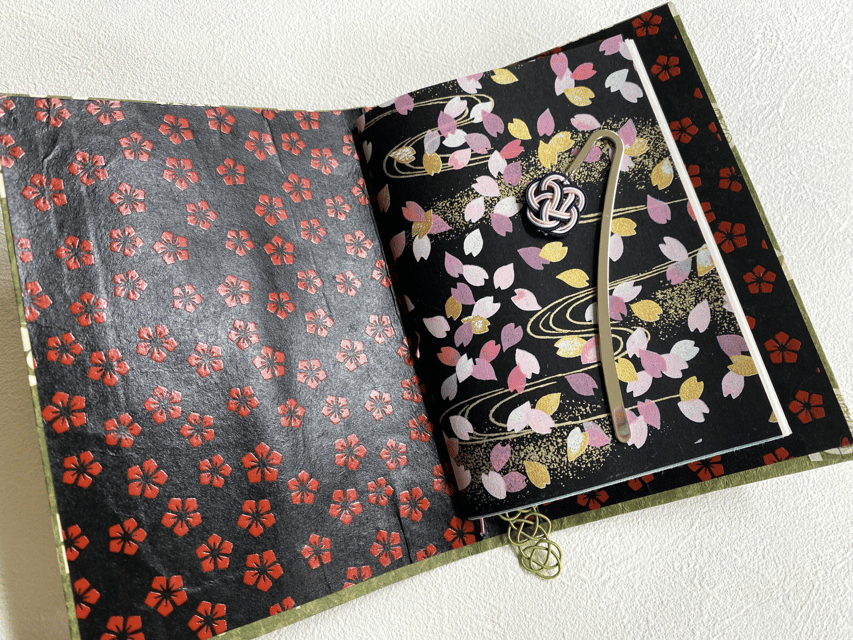
You’ll leave with a set you can keep using long after the workshop photos fade. The core notebook is an A6 size notebook with a cover you assemble yourself using Japanese washi paper. The class frames it as a choose-your-style experience, so you can pick paper you like and end up with something that feels closer to a traveler notebook or a junk journal vibe than a blank, generic diary.
That matters for value. A lot of souvenirs are decorative but never get opened. This one is built for daily use because you’re making the actual pages and cover.
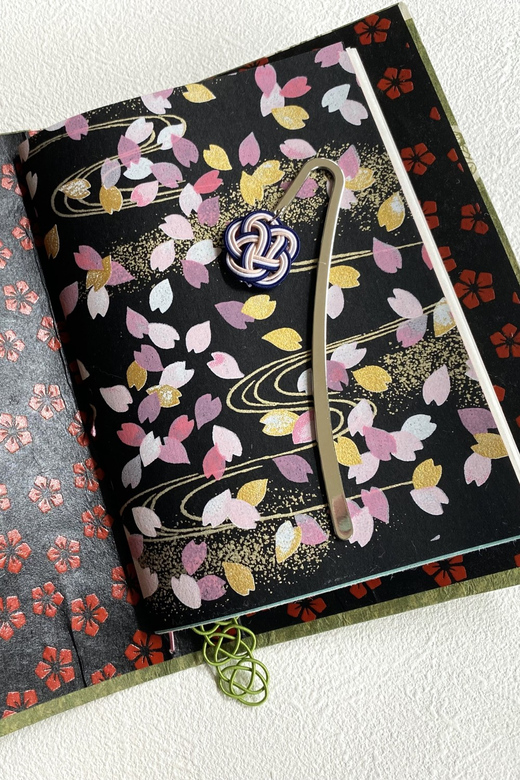
Then you move to the mizuhiki part: a notebook belt and bookmark. You learn the steps for knotting and build your own functional “strap” style accessory. The workshop teaches three knots, and if you already know the basics, you can attempt a slightly more difficult knot. Even if you do the standard set, the process trains your hands to follow a pattern and make consistent loops and pulls.
Practical tip for you: take your time on knot tension. The knots will still look like knots even if they’re not perfect, but tightness and alignment are what make the finished belt feel clean and professional, not scrappy.
Tea, Sweets, and the Pace That Keeps the Class Comfortable
This workshop doesn’t feel like a factory line. The length is 150 minutes, and the session is structured so you can actually work through the notebook build and then do the mizuhiki steps without feeling rushed to the next thing every three minutes.
A key part of the rhythm is the included refreshment. You get tea and sweets, and in the included details you may also see coffee or tea noted, so expect a proper break rather than a tiny snack. People often appreciate that the tea is light and refreshing, which makes sense because it helps you reset between the paper work and the knot work.
Why this matters: both notebook crafting and mizuhiki require fine motor control. If you’re tired, your hands fight you. A short pause with something warm and sweet helps you keep focus, especially if you’re learning new knot patterns.
You’ll also get the instructor’s attention in real time. That’s part of why the class works for both first-timers and people who like crafts. You’re not guessing from pictures online. You’re watching, copying, and then getting corrected while you still have a chance to adjust.
- Japanese paper Notebook and Mizuhiki Belt Bookmark Workshop★ 4.9 · 14 reviews
Private, Small, and Taught in Japanese or English
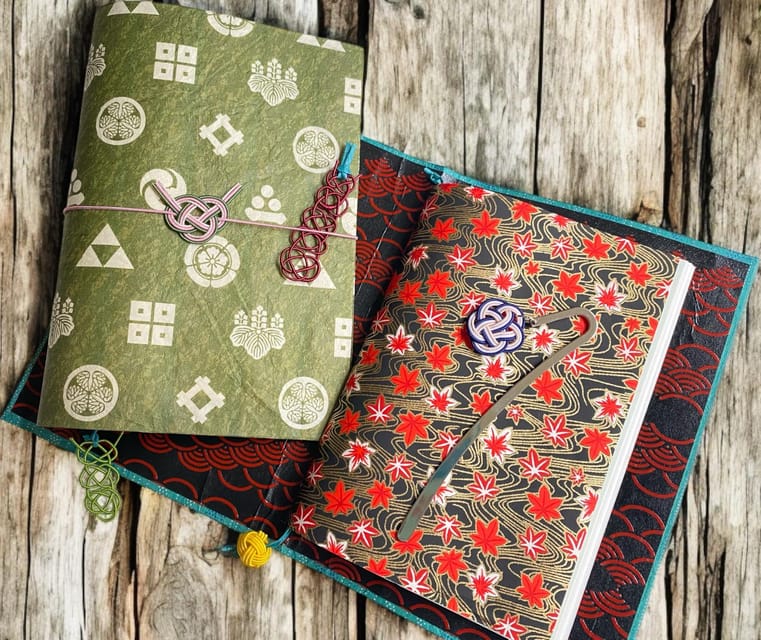
This is a private group experience, so the energy is different from a crowded demo. You and your group work directly with the instructor, which means you can ask questions as they come up. The instructor supports in Japanese and English, so you’re not left alone with tools and silence.
From what guests highlight, the teaching style is what makes the craft feel doable. People often mention that the instructor is patient with the trickier parts and that their English is clear enough to explain the steps properly. That’s a big deal, because mizuhiki knots can look simple until you try making them with your own hands.
Also, you’re getting safety coaching. Sharp tools are involved, so the class emphasizes how to use them safely. If you’re the kind of person who hesitates around craft knives or cutters, you should still feel okay as long as you listen and follow the instructor’s guidance. The goal is steady work, not speed.
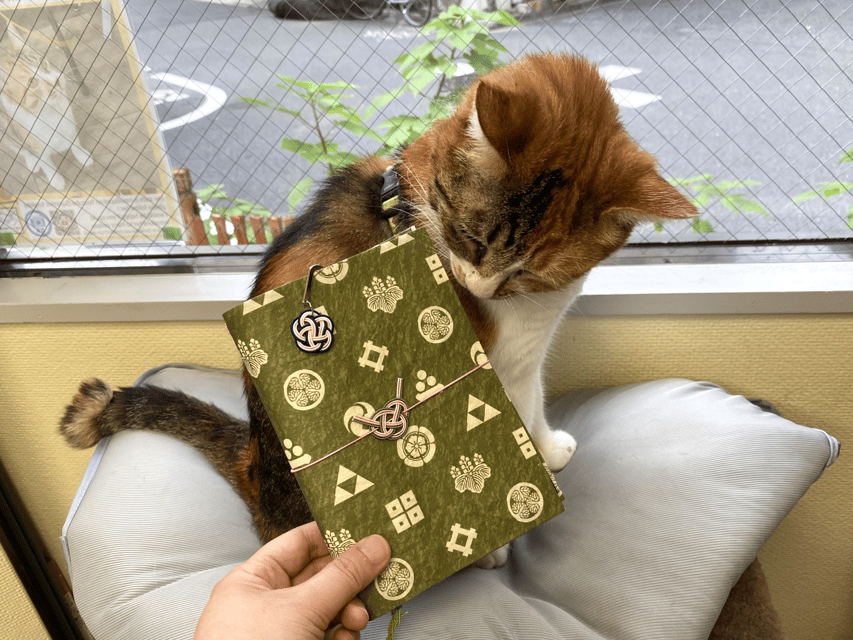
One more small but real detail: there’s a cat mascot at the studio. It’s listed as possible to take a picture with the cat, and that adds a friendly studio break without turning the class into a performance.
Materials Quality, Color Choices, and What You’ll Notice After
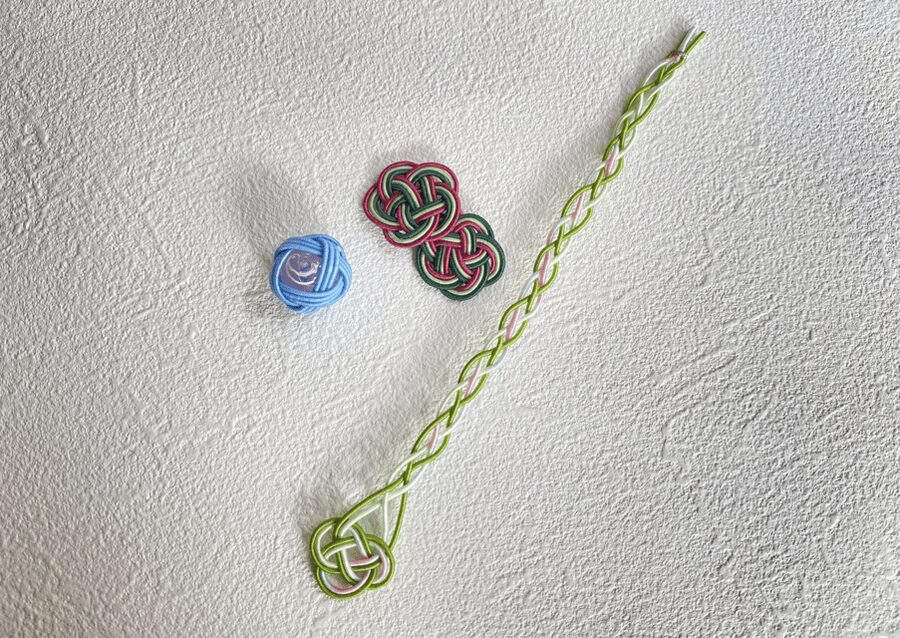
Washi isn’t just a word here. The workshop uses authentic Japanese paper made from premium materials, and that shows up in the way the notebook cover and pages feel. Washi has a subtle texture and sturdiness that normal craft paper often lacks. When you press it, fold it, and attach it, it behaves more like a carefully made material than a disposable sheet.
The class also gives you choice. You can pick from colors and designs, which helps your notebook feel personal instead of generic. And once you make your cover, the final notebook looks like it belongs on a desk or in a bag, not in a display case.
For mizuhiki, the paper string is part of the charm. It’s traditional paper string used in ceremonies, and it holds enough structure to form knots that stay put. You’re not just tying decorative loops. You’re shaping a belt-and-bookmark that can slide around your notebook and keep a page marked in a tidy way.
Practical note: paper crafts are sensitive to handling. If you want your notebook to look crisp, keep your hands clean and avoid rough rubbing right after you attach pieces. The good news is that the workshop itself guides you through the process, so you’re not figuring out your mistakes alone.
Price and Value: Is $113 Reasonable for 150 Minutes?
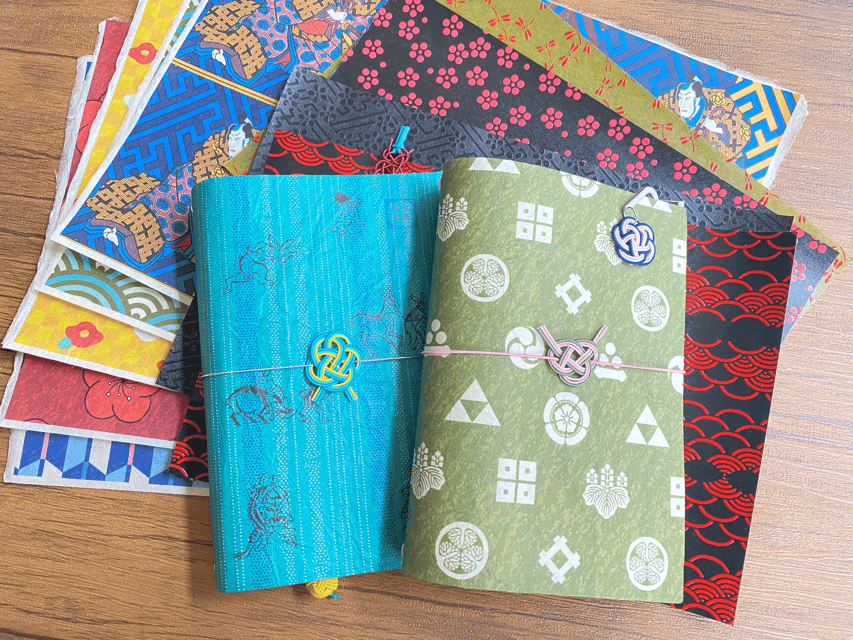
At $113 per person for 150 minutes, you’re paying for three things: guided instruction, premium materials, and a finished keepsake that’s actually usable.
Here’s the value math in plain terms:
- Your materials are included, so you are not paying extra for the washi paper and mizuhiki supplies.
- Tea and sweets are included, which adds real comfort and helps justify the longer session length.
- It is a private group format, which means more instructor time than you’d get in a large public class.
Transportation is not included, so you’ll want to factor that into your day plan. If the studio is out of your way, that can shift the value slightly. But if you’re already in the area, the included instruction and materials make the price feel more straightforward.
You’re also buying a skill, not only an item. Making a notebook cover with washi and learning mizuhiki knot patterns is the kind of craft knowledge you can repeat later. Even if you don’t make another notebook immediately, you’ll understand how to approach the paper and how knots should sit.
Who Should Book This Workshop (And Who Might Not Love It)
This workshop is a great fit if you:
- like crafts and want a structured, guided session instead of a free-form hobby tryout
- enjoy Japanese stationery and want something you’ll actually use
- want a meaningful activity to do with a partner or with a kid who enjoys making things
- like learning traditional techniques tied to real cultural use
The session is not suitable for children under 10, which you should respect when planning. That said, the class can still work well for older kids, especially those who can focus for about two and a half hours and are comfortable with careful tool use. If your child is close to the minimum age, ask ahead so the instructor can advise what will be comfortable.
You might want to skip it if:
- your ideal Japan day is heavy on temples, streets, and long sightseeing stops
- you dislike hands-on work and prefer only watching from the outside
- you need a very fast, one-hour activity to fit a tight schedule
What the Experience Feels Like in Real Terms
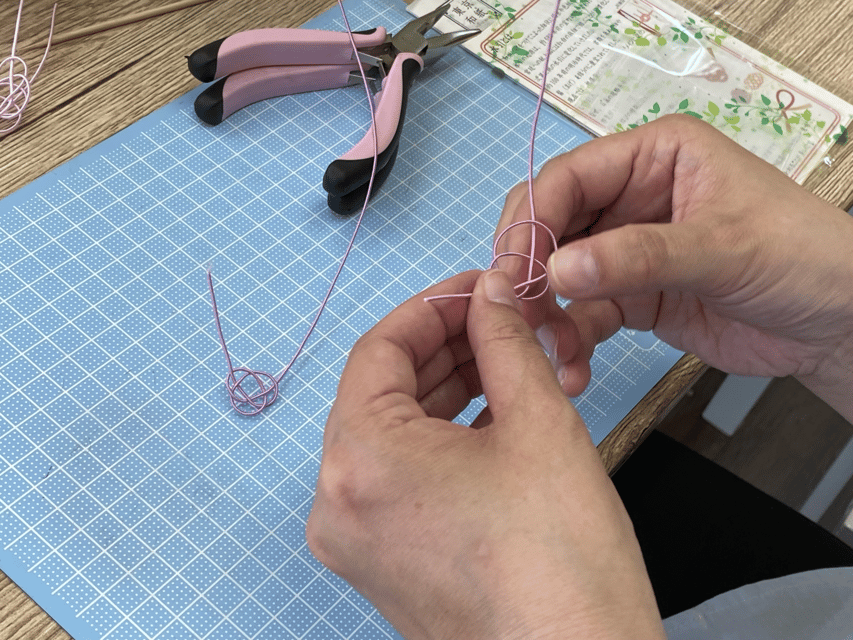
Expect a calm, step-by-step progression. You select washi for your notebook, you build the notebook cover with attention to how everything lines up, and then you move into mizuhiki knotting where you follow patterns and learn how the knots form cleanly.
The biggest difference from a typical “activity” is that the final item looks designed. It’s not an assembly of pre-made parts. You are making the structure. That’s why people tend to mention that the notebook turns out so cute and meaningful, and why they also appreciate the keepsake value.
If you care about gift ideas, this also works. A handmade notebook with a matching bookmark belt looks thoughtful, especially if you pick a washi style that feels personal. The class even feels like it supports small ceremonial thinking, since mizuhiki is tied to wedding and funeral knot traditions, even though your project is meant as a notebook accessory.
Should You Book This Japanese Paper Notebook and Mizuhiki Belt Bookmark Workshop?
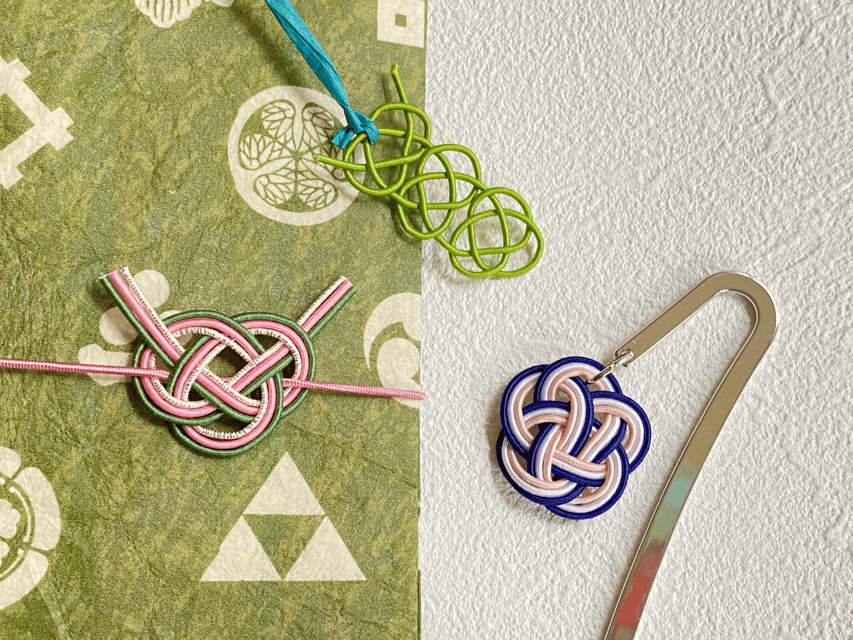
Book it if you want a Japanese craft experience that feels specific, skill-based, and genuinely useful afterward. For $113, you get a private class, premium materials, and a finished notebook plus mizuhiki bookmark set, with tea and sweets included to keep the session comfortable.
I’d skip it only if you’re chasing big sightseeing energy or you want a short, low-focus stop. This is about making and learning, with safety guidance and real instruction.
If you’re deciding between “something to do” and “something you’ll keep,” this workshop tilts toward the keep category. You’ll walk away with a notebook you can use and a traditional knot craft you can reference later.
FAQ
How long is the workshop?
The workshop duration is 150 minutes.
Where is it located?
It takes place in Honshu, Japan.
How much does it cost?
The price is $113 per person.
What will I make during the class?
You make an A6 washi notebook and a mizuhiki knotting notebook belt and bookmark (including learning three knots). If you already know the basic knots, you may try a slightly more difficult one.
What language is the workshop taught in?
Instruction is available in Japanese and English.
Is it a private class or a group class?
It is a private group experience.
What is included in the price?
Included items are coffee or tea, a friendly instructor, and the required materials for the workshop. Tea and sweets are also part of the experience.
What is not included?
Transportation to the store is not included.
Are there any age limits?
It is not suitable for children under 10.
Is there a cancellation and payment flexibility option?
Yes. You can cancel up to 24 hours in advance for a full refund, and you can reserve now and pay later.
Newest Taito City write-ups from the Loving Japan desk

Japanese Craft and Calligraphy Workshops, side by side.
 ★ 5.0Tokyo Shinjuku Chopsticks Making ClassFrom $201,763 reviews
 ★ 4.8Chopstick Making Workshop in GinzaFrom $251,366 reviews
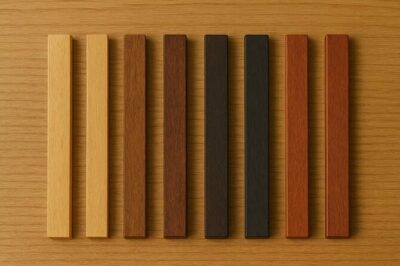 ★ 5.0Chopsticks Making Workshop in Gion with Engraving OptionFrom $15958 reviews
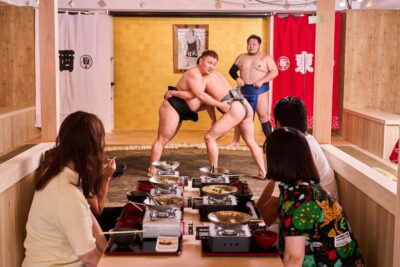 ★ 4.8Tokyo Sumo Experience: Chanko & Mochi with a Former ProFrom $103567 reviews
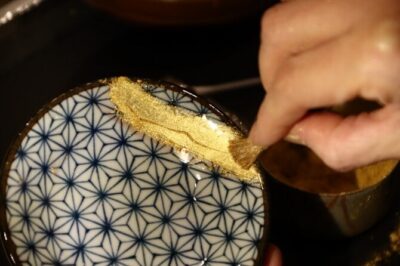 ★ 5.0Kintsugi Experience: Art of Golden Joinery in TokyoFrom $59467 reviews
 ★ 5.0Tokyo Chopstick Making Workshop with ArtisanFrom $26466 reviews
 ★ 4.9Matcha Making Experience with Mochi Sweets in AsakusaFrom $22388 reviews
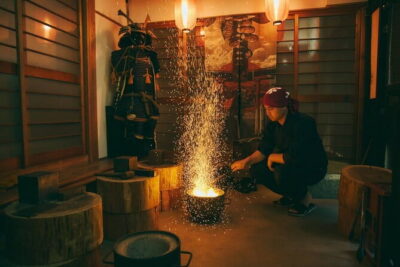 ★ 4.8Authentic knife making experience at a blacksmith in KyotoFrom $154350 reviews
Filed on these lists too