
REVIEW · AKIHABARA, ANIME AND OTAKU CULTURE
Tokyo Manga Drawing Workshop Guided by Active Pro Manga Artist
Tokyo lets you do a lot of things. Drawing manga with working artists is not one of the usual tourist boxes. This 2 hour 30 minute Tokyo workshop pairs hands on drawing with real techniques, and you create something you can actually take home.
I especially love that you can come as you are, no art background required, and the instructor guides you step by step. I also like the small group size, capped at 8, so you are not just stuck watching from the sidelines. The materials include tools plus screen tone, so your final page looks more like what you see in manga.
One thing to watch: the address can be tricky. I’d double-check where you’re supposed to go before you set off, since there have been mix ups in the past.
In This Review
- Key highlights to know before you go
- Where This Manga Workshop Actually Fits in Your Tokyo Plans
- Getting to Ishikawa3-chōme-8-11 Shibuya, and Avoiding Address Headaches
- Inside the Small Group: What the 2 Hour 30 Minute Class Really Does
- Choosing Your Character Idea (Yes, You Can Be a Beginner)
- From Sketch to Manga Page: The Process You’ll Follow
- Screen Tone and Tools: Why the Workshop Feels More Authentic
- Meet the Artists: Masa and Chie Sensei (and the Translator Support)
- What You Take Home, and Why It’s More Than a Souvenir Photo
- Price and Value: Is $132.10 Worth It?
- Who Should Book This Manga Drawing Workshop
- One Possible Drawback to Plan Around
- Should You Book This Tokyo Manga Drawing Workshop?
- FAQ
- How long is the Tokyo Manga Drawing Workshop?
- Where do I meet for the workshop?
- How many people are in the group?
- What does the price include?
- What is not included?
- Do I need prior drawing experience?
- Is there a minimum number of participants?
Key highlights to know before you go
- Professional instruction, not a generic craft session: you learn the manga process from a working artist
- You choose your subject: pick a character or idea you want to draw
- Screen tone gets attention: the workshop includes tools like screen tone
- Small group cap (8 people): more help, less waiting
- Your keepable artwork: you leave with your finished piece as a souvenir
Deeper into Akihabara, if that is your afternoon
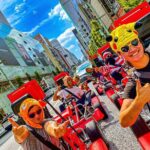
- Official Street Go-Kart Tour – Akihabara
★ 5.0 · 1,578 reviews - Tokyo Go Kart: Asakusa, Skytree, and Akihabara **IDP MUST**
★ 5.0 · 988 reviews - Akihabara Anime & Game Adventure Walking Tour (Group or Private)
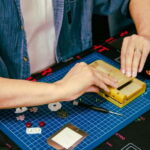
★ 5.0 · 404 reviews - Tokyo: Gameboy Mod Workshop at Akihabara
★ 5.0 · 253 reviews
Where This Manga Workshop Actually Fits in Your Tokyo Plans
This is a short, focused activity in Tokyo, designed for busy days. The duration is about 2 hours 30 minutes, which is long enough to produce a satisfying result, but not so long that it wrecks your sightseeing schedule.
You meet at Ishikawa3-chōme-8-11 Shibuya, Tokyo 150-0002, and the activity ends back at the meeting point. The studio area is close to Ebisu Station, so you can typically connect to it without complicated transfers.
If you like Tokyo planning that feels efficient, this works well. You can pair it with a day in Shibuya or nearby neighborhoods and keep the rest of your evening open for food and wandering.
Getting to Ishikawa3-chōme-8-11 Shibuya, and Avoiding Address Headaches
Your start point is the address in Shibuya (Ishikawa3-chōme-8-11 Shibuya). Since it is not a giant landmark, take the meeting address seriously. I’d zoom in on your map app and compare what you see on the street with the number, because one missed building can add stress fast.
A practical tip from people’s real experience: double check the exact location shown to you right before the class. Some past tickets or directions have pointed folks to the wrong office, which then forces you to re-train your route while time is ticking.
Good news: the studio is near public transportation, so if you do need to adjust, you usually can. But plan to arrive a bit early anyway, especially if you’re unfamiliar with Ebisu and Shibuya station areas.
Inside the Small Group: What the 2 Hour 30 Minute Class Really Does
The workshop runs with a maximum of 8 travelers, and that matters. You get more chances to ask questions and get direct feedback on your page, which is exactly what you want when manga techniques involve small decisions like line weight, proportion, and texture.
The class is guided by an active professional manga artist. If you’ve watched anime or read manga for years, this is the closest thing to seeing the craft behind it without needing months of practice.
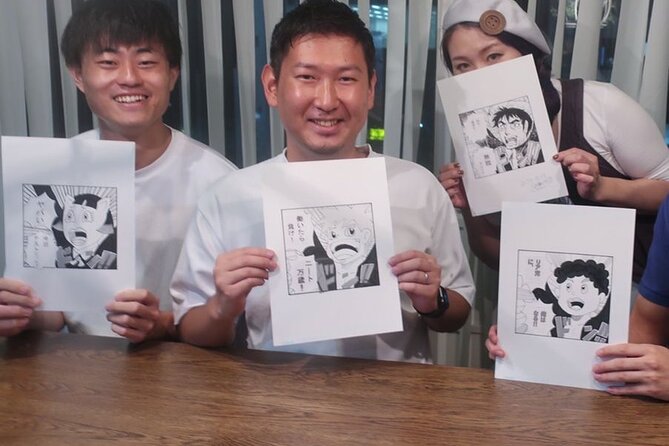
Even better, you can tailor your work. You pick a character or idea, and the artist helps you translate it into manga style. One family used the approach to turn both a character concept and a personal photo into a manga-like illustration, which shows how flexible the guidance can be.
Make something to take home. Other workshops
- Tokyo Shinjuku Chopsticks Making Class★ 5.0 · 1,763 reviews
- Chopstick Making Workshop in Ginza★ 4.8 · 1,366 reviews
- Tokyo Sumo Experience: Chanko & Mochi with a Former Pro★ 4.8 · 567 reviews
- Kintsugi Experience: Art of Golden Joinery in Tokyo★ 5.0 · 467 reviews
- Tokyo Chopstick Making Workshop with Artisan★ 5.0 · 466 reviews
Choosing Your Character Idea (Yes, You Can Be a Beginner)
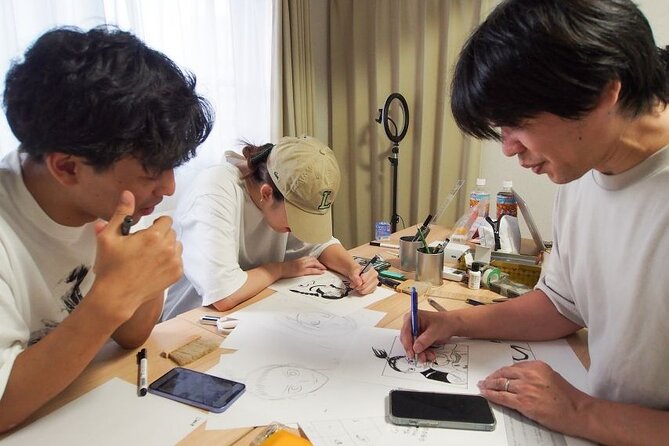
This is a class built for mixed skill levels. You do not need to know manga drawing ahead of time. The instruction is step-by-step, and the teaching style is friendly and practical, the kind that helps your confidence catch up with your hand.
That said, you’ll get more out of it if you show up with a starting point. Think of one character you like, or decide on a simple scene you understand. Even a rough thought helps, because you will be sketching and refining within a limited time.
If you are an experienced drawer, you can still benefit. People with prior drawing experience have used the class to adjust their sketches to match manga techniques and their own tastes, then finish it with the teacher’s guidance.
From Sketch to Manga Page: The Process You’ll Follow
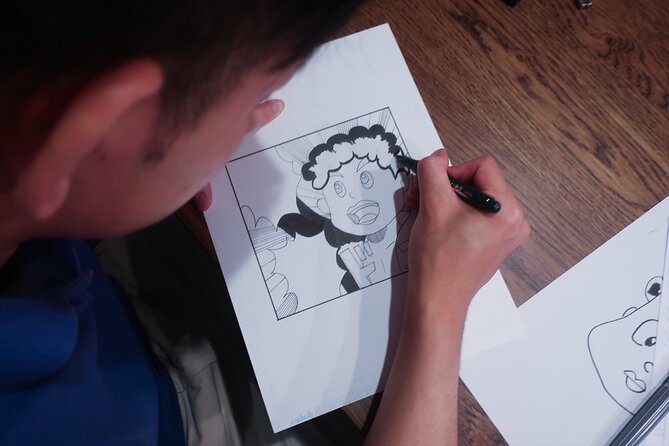
The workshop walks you through the manga creation flow, from early planning to the finished result. Here’s what you should expect, in the order that makes sense for manga drawing:
First, you start with initial sketching. The instructor helps you place the character and get the basics down quickly, without turning it into a long anatomy lesson.
Next, you refine the drawing. This is where manga style starts to look like manga style: clearer outlines, more confident shapes, and details that read well on the page.
Then comes the finishing stage, where you add the elements that make the work feel “published.” The materials include tools, including screen tone, so you’re not just coloring randomly. You learn how tone and texture are used to create depth and contrast.
Finally, you put the last touches on your own piece. You’ll leave with your completed artwork as a keepsake. Some participants note their illustration was plastified, which helps with travel and packing.
Screen Tone and Tools: Why the Workshop Feels More Authentic
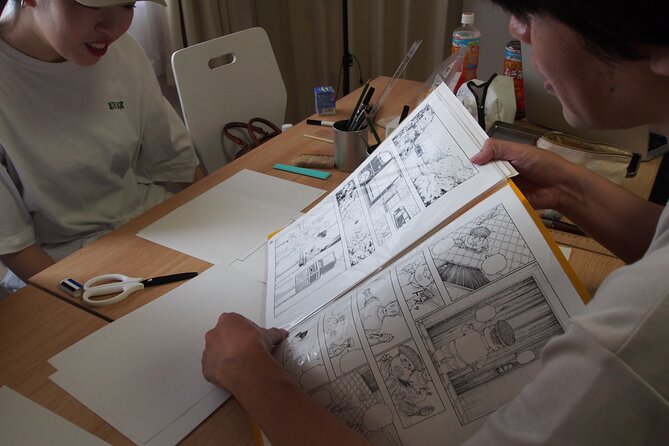
Many “manga classes” are basically coloring sessions. This one is different because it teaches you how manga tools are used. Screen tone is the giveaway. It’s a classic technique and it changes the look fast, especially for shadows and atmosphere.
The workshop includes manga drawing tools, including screen tone. That’s a big value point. Buying the right supplies in Japan can cost more than you expect, and you don’t always know what you actually need until you use it.
During the class, you’ll also learn practical technique choices. For example, people have described tracing and updating their sketch when needed, and then finishing with the instructor’s help. That tells me the teaching approach is flexible, not rigid. It adapts so the result looks good, even if you are new.
Meet the Artists: Masa and Chie Sensei (and the Translator Support)
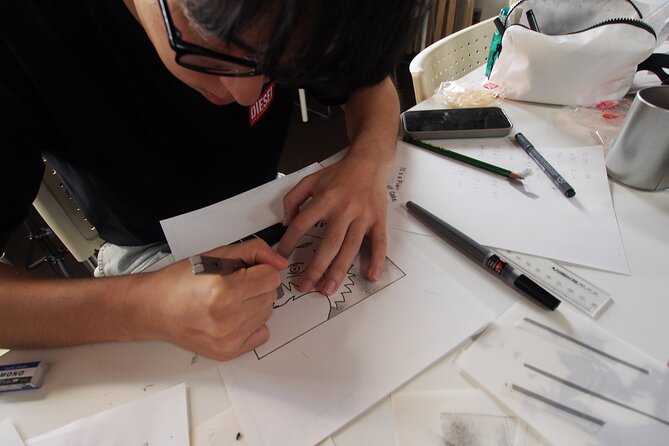
From real class experiences, the vibe is that the team is both talented and approachable. Names that come up include Masa and instructor Chie Sensei.
You may also have translator support, depending on your session. This matters because manga drawing instruction is visual. When translation is smooth, you can understand small instructions like where to place a line or how to treat a shadow, and you can correct quickly.
If you’re worried about language barriers, don’t. The class is designed so you can follow along through guidance, demonstrations, and step-by-step help.
What You Take Home, and Why It’s More Than a Souvenir Photo
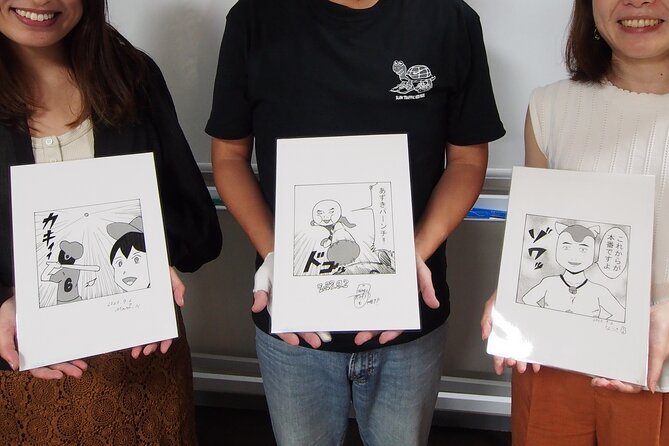
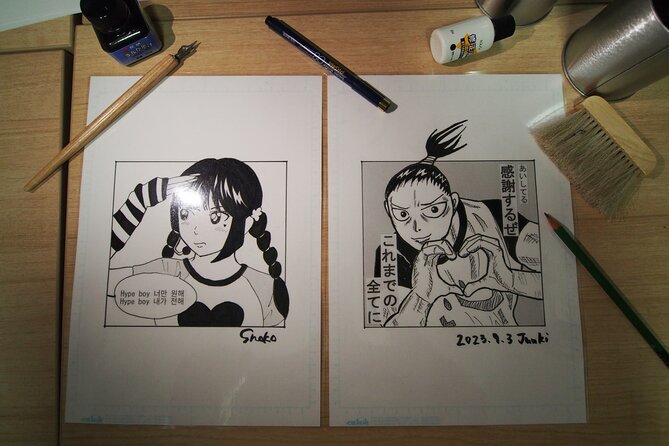
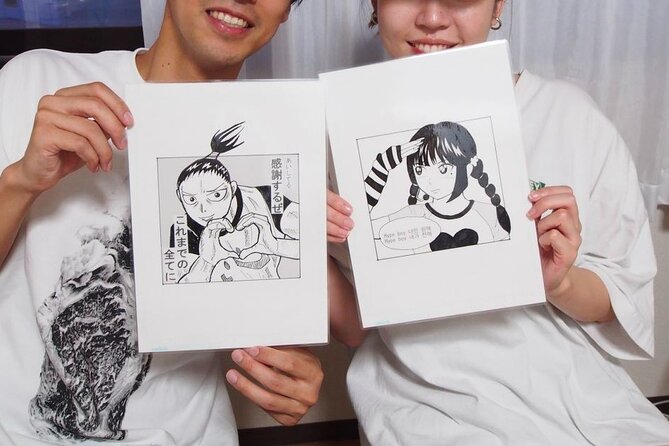
You keep your own manga masterpiece. That’s not just a marketing line. It changes the whole value of the experience, because you’re creating something physical and personal.
A keepsake like this also works better than a photo when you want a memory you can revisit. You can show it to friends later and actually explain what you did, like picking a character, building the sketch, adding tone, and finishing the page.
It’s also a great way to walk away with motivation. Several participants mention that the class made them want to keep drawing, which is the best kind of souvenir because it lasts beyond your trip.
Price and Value: Is $132.10 Worth It?
At $132.10 per person, this is not a bargain-basement activity. But it also isn’t overpriced for what you’re getting.
Here’s what you’re paying for, based on the details that matter:
- A small group size (max 8), which usually means more attention
- A professional manga artist leading the session
- Tools provided, including screen tone
- The finished artwork you take home
- A session length (about 2 hours 30 minutes) that’s long enough to actually complete a page
There’s also a minimum of 2 participants. The fee for participation alone is the same as for two people, so if you’re traveling solo, you might effectively pay more than you’d pay in a per-person group rate. If you’re okay with that, it’s still a meaningful workshop, not just a quick demo.
If you’re comparing value, think about cost versus outcomes. You’re leaving with a real drawing plus technique learning. That usually beats paying for a bigger “touristy” activity where you come home with only photos.
Who Should Book This Manga Drawing Workshop
This works best if you want a hands on Tokyo experience tied to Japanese pop culture. It’s great for:
- Manga and anime fans who want craft, not just cosplay pics
- Couples or small groups who like interactive activities
- Teenagers who enjoy creative challenges
- Families where kids can follow visual instructions and end with a finished piece
It also works for beginners. In fact, the class is built to help beginners produce impressive results through guidance and materials.
If you’re a serious artist, you might still enjoy it. Just bring a clear idea of what you want to draw so the time is spent on improving manga style rather than figuring out the subject from scratch.
One Possible Drawback to Plan Around
The biggest downside is location confusion, not the drawing experience itself. If your ticket instructions point you to the wrong office, you lose time and feel flustered.
My advice is simple: confirm the meeting address and plan to arrive with buffer time. If you’re traveling with kids or a group, this buffer is even more important.
Also note that bottled water and snacks are not included. If you get snacky, bring something small, or plan a snack stop before class.
Should You Book This Tokyo Manga Drawing Workshop?
Yes, I think it’s a strong booking for the right traveler. If you like manga and you want a souvenir that’s actually made by you, this workshop delivers. The combination of professional instruction, small group size, and tools like screen tone turns it into more than a “try it once” activity.
Book it if:
- You want a real keepsake you can show later
- You’d rather draw than shop for yet another Tokyo trinket
- You enjoy guided practice, even if you’re new
Skip it only if:
- You hate any chance of location mix ups and you refuse to plan extra buffer time
- You’re expecting a quick photo and a short demo, because this is hands on and skill based
If you’re on the fence, aim to choose one character idea before you go. It saves time, and it makes your finished page feel like you.
FAQ
How long is the Tokyo Manga Drawing Workshop?
The class lasts about 2 hours 30 minutes.
Where do I meet for the workshop?
You start at Ishikawa3-chōme-8-11 Shibuya, Tokyo 150-0002, Japan. The activity ends back at the meeting point.
How many people are in the group?
The workshop has a maximum of 8 travelers.
What does the price include?
It includes manga drawing tools, including screen tone.
What is not included?
Bottled water and snacks are not included.
Do I need prior drawing experience?
No. The workshop is designed for both beginners and people with drawing experience, with step-by-step instruction.
Is there a minimum number of participants?
Yes, the minimum number of participants is 2 people. The fee for participation alone is the same as for two people.
If you want, tell me your group size and whether you have a character in mind, and I’ll suggest how to pick an idea that fits the time.
Made by Hand, and Yours to Keep

Akihabara After the First Stop


Newest Tokyo write-ups from the Loving Japan desk


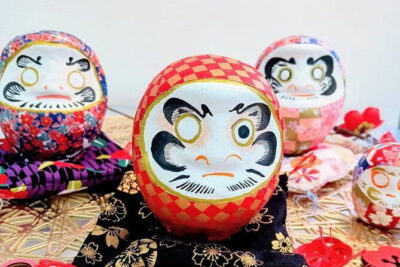
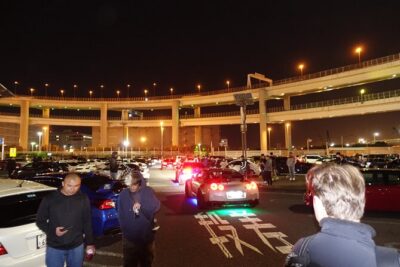
Akihabara, Anime and Otaku Culture, side by side.
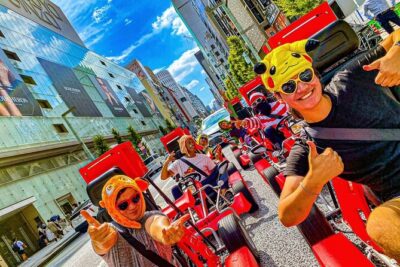 ★ 5.0Official Street Go-Kart Tour – AkihabaraFrom $611,578 reviews
 ★ 5.0Tokyo Go Kart: Asakusa, Skytree, and Akihabara **IDP MUST**From $99988 reviews
 ★ 5.0Akihabara Anime & Game Adventure Walking Tour (Group or Private)From $90404 reviews
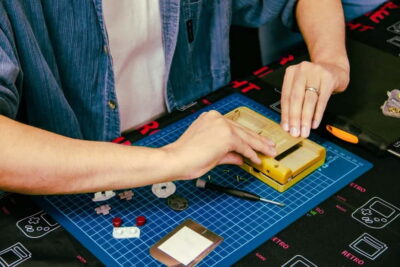 ★ 5.0Gameboy Mod Workshop at AkihabaraFrom $360253 reviews
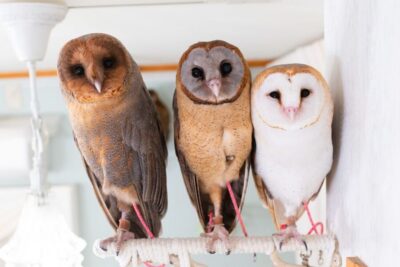 ★ 4.8Owl Cafe Tokyo Akiba FukurouFrom $35154 reviews
 ★ 5.0Akihabara Tailor-made Private Tour for Anime FansFrom $132142 reviews
 ★ 5.0Tokyo Cute Bento Cooking Class – Make a Kawaii Character LunchboxFrom $66126 reviews
 ★ 5.0Original Street Kart Experience from AkihabaraFrom $51111 reviews
Filed on these lists too