
REVIEW · SHIBUYA, SHINJUKU AND HARAJUKU WALKS
Tokyo: Meiji Jingu, Harajuku, Shibuya, and Shijuku Tour
Tokyo shifts mood fast. That is what makes this West Tokyo mix so fun.
I love the Meiji Jingu forest break, where the city noise drops away and you can try classic Shinto touches like ema wishes and purification at the temizuya. I also like the photo-and-people-watching factor of Shibuya Crossing, because your guide helps you time the big moment instead of wandering for it.
One consideration: in just 4 hours you cover several neighborhoods, so you will do some train rides and a fair bit of walking. If you come wanting long, slow stretches in a single area, this is more of a sampler than a stay-all-day plan.
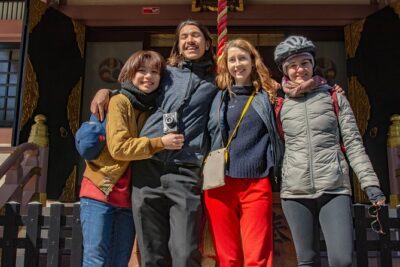
The good news is the tour feels flexible because the guides really tailor the pace. People have praised guides like Joe for fun cultural stories, Ayoub for customization on the fly, Emir for clear explanations, and Erica for steering a tour that worked especially well for a 12-year-old.
In This Review
- Key things worth your attention
- Why this West Tokyo loop is such a smart 4-hour use of time
- Meiji Jingu: how to make the shrine visit feel personal, not rushed
- Harajuku on Takeshita Street: trend chaos you can navigate
- Moving through Harajuku beyond Takeshita: Kiddy Land, boutiques, and street art
- Cat Street: the style upgrade you get when you want something calmer
- Shibuya break time: Pokémon Center, shopping, and the main crossing
- Optional animal or snake cafe in Shibuya, if you want the oddball story
- Shinjuku at sunset: Omoide Yokocho, Golden Gai, and the Godzilla moment
- Don Quijote and practical shopping advice without turning your day into chores
- How the guide makes the difference: stories, safety, and great photos
- Value and who this tour is best for
- Should you book this Tokyo West loop?
- FAQ
- Where are the pickup locations for this tour?
- How long is the tour?
- Is this a private tour?
- What language is the guide?
- What major stops are included in the tour?
- What is included in the price besides the guide?
- Are meals included?
- Can I add an animal or snake cafe stop?
Key things worth your attention
- A private route through four districts with an English-speaking guide doing the heavy lifting on timing and context
- Meiji Jingu calm first, so you get a real mental reset before the shopping streets start
- Harajuku plus Cat Street in one flow, letting you compare loud trend energy with a more relaxed style
- Shibuya time for photos and errands, including a stop at the Pokémon Center
- Shinjuku nights like Omoide Yokocho and Golden Gai, plus free time to explore at your speed
- Optional animal or snake cafe add-on, when you want something more unusual (extra fees may apply)
Other routes through the west side of Tokyo, compared
- Tokyo: Shinjuku Food Tour (13 Dishes at 4 Local Eateries)
★ 5.0 · 6,603 reviews - Tokyo Bar Hopping Tour in Shinjuku (All-You-Can-Drink + Dinner)
★ 5.0 · 3,587 reviews - Official Street Go-Kart in Shibuya
★ 5.0 · 3,435 reviews - Tokyo: Shinjuku Food Tour (15 Dishes and 4 Eateries)
★ 4.9 · 2,033 reviews
Why this West Tokyo loop is such a smart 4-hour use of time
This tour is built for people who want Tokyo without the stress of planning every hop. You start with pickup from one of four areas (Minato City, Shibuya City, Taito City, or Shinjuku City), then a guide leads you through the parts that are easiest to enjoy but hardest to piece together solo.
I also like the balance of stops. You get the spiritual reset at Meiji Jingu, then you move into fashion streets and shopping, then you end in Shinjuku for nightlife-style lanes. It is a classic “west Tokyo mood rollercoaster,” but you do it without getting lost.
And because it is private, your guide can adjust the pace to your group. That matters when you have different travel speeds, kids in tow, or someone who cares more about photos than shopping.
Meiji Jingu: how to make the shrine visit feel personal, not rushed
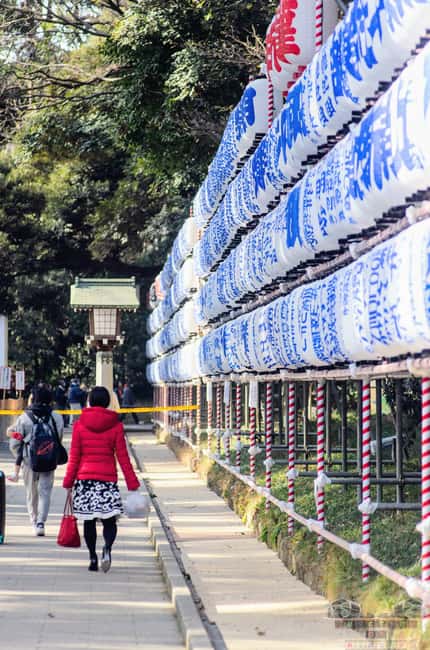
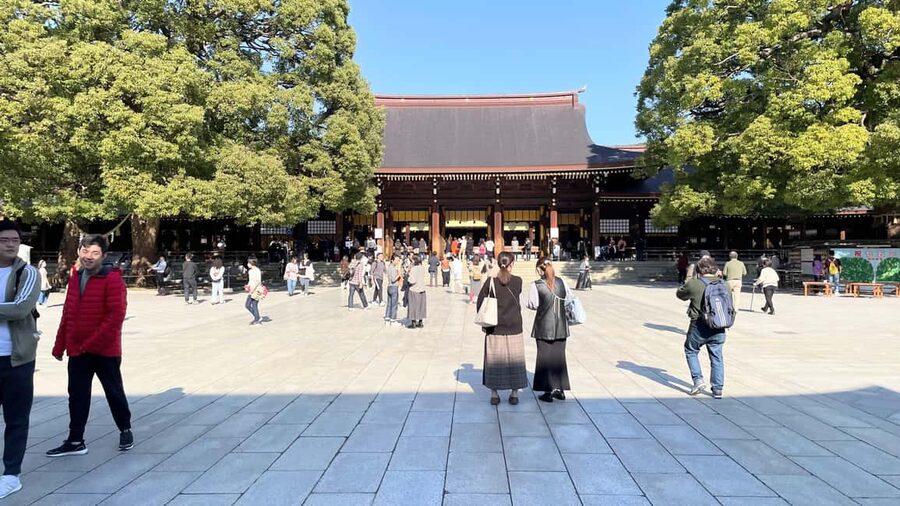
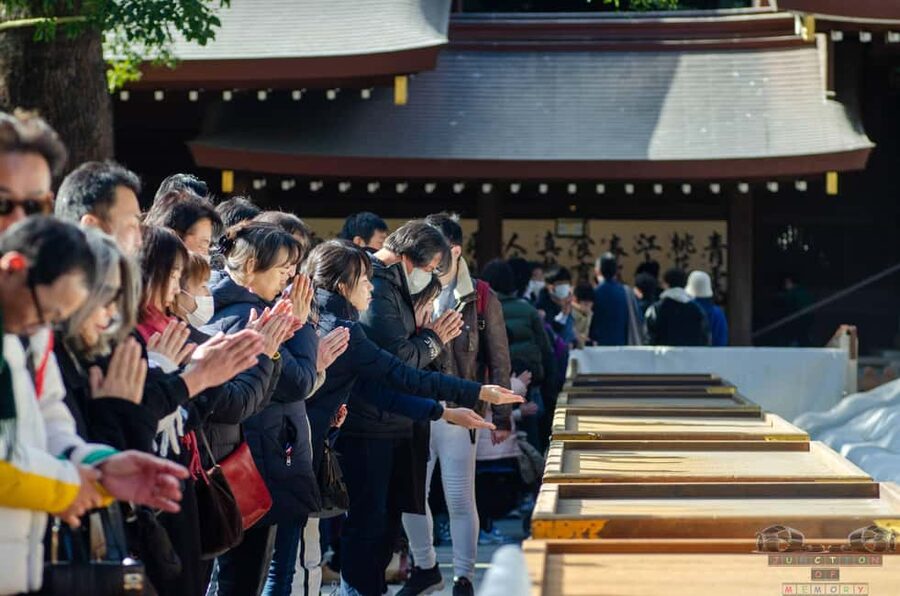
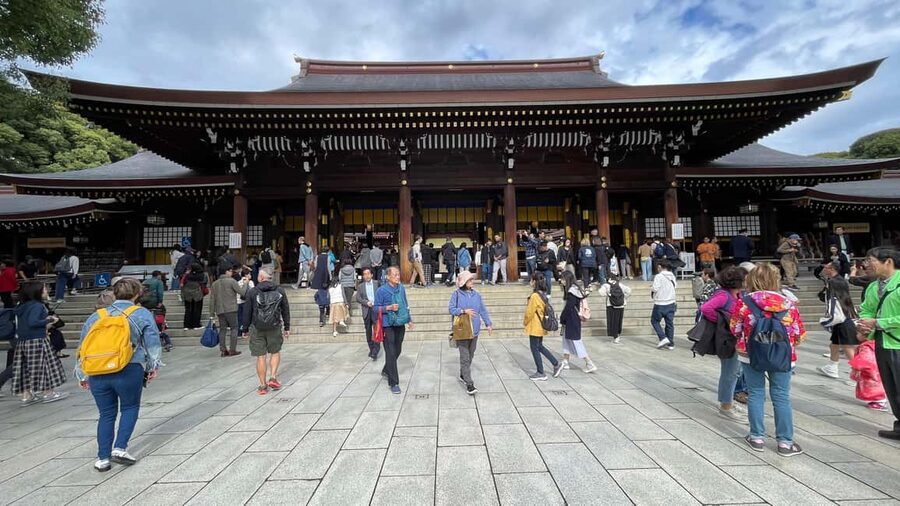
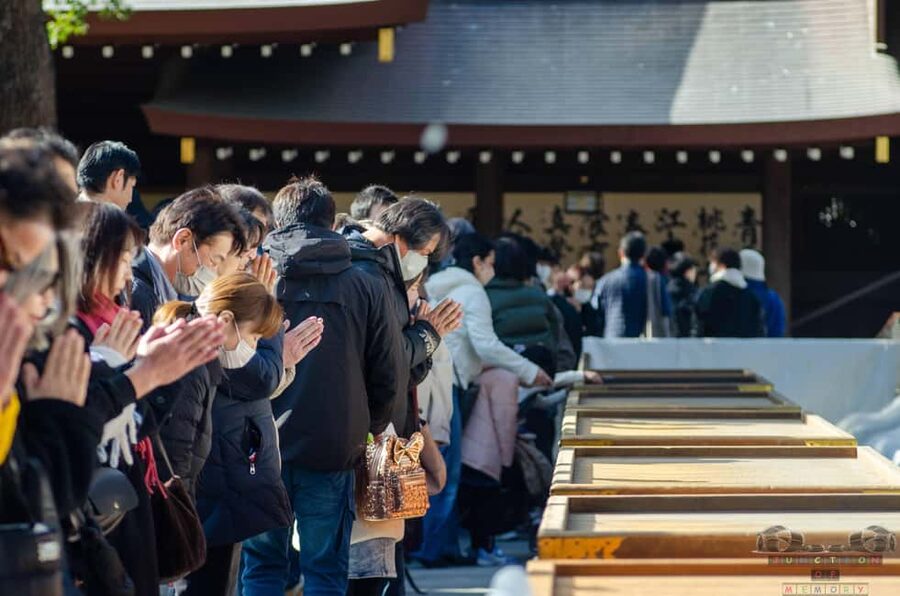
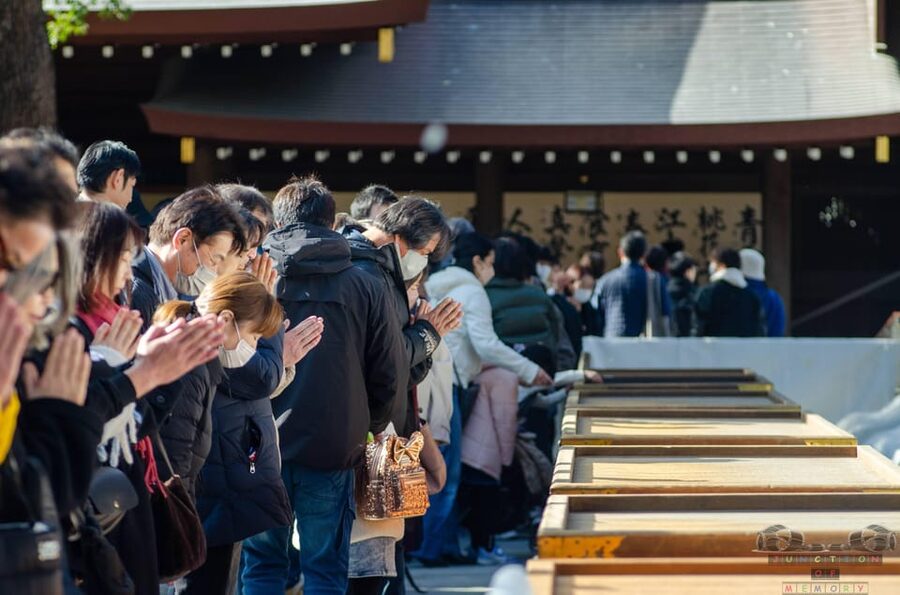
Meiji Jingu is the quiet start you need in a city that rarely slows down. The shrine is dedicated to Emperor Meiji and Empress Shoken, and the approach is surrounded by a lush forest that makes Tokyo feel distant.
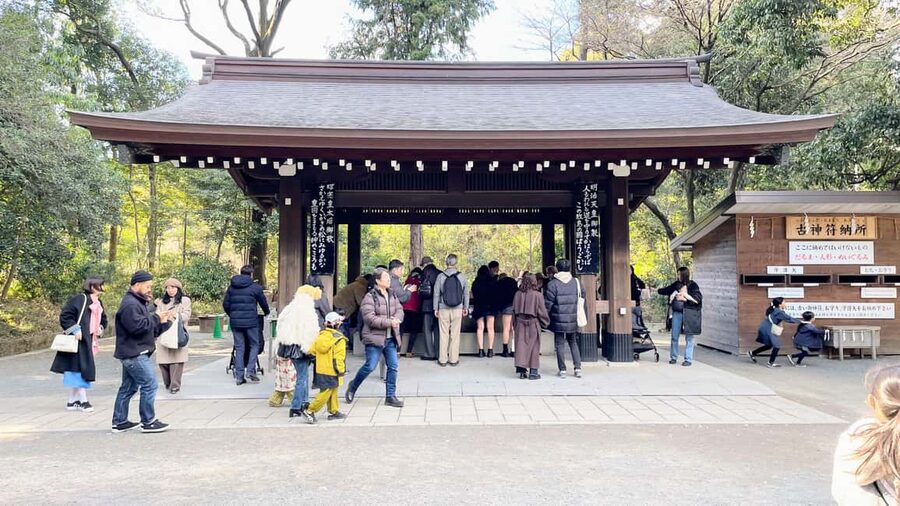
This is the part of the tour where I’d tell you to switch off your phone for a few minutes and actually look up. Your guide explains the significance of the site, and you can also try traditional touches such as writing wishes on ema and purifying yourself at the temizuya (water pavilion). Even if you are not fluent in Shinto details, the rituals make the place feel meaningful right away.
Practical tip: wear shoes you can walk in comfortably. The shrine area can involve steady walking, and you will enjoy it more if your feet are happy.
Harajuku on Takeshita Street: trend chaos you can navigate
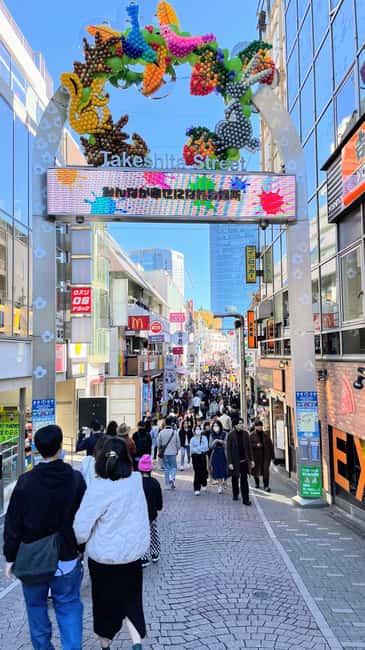
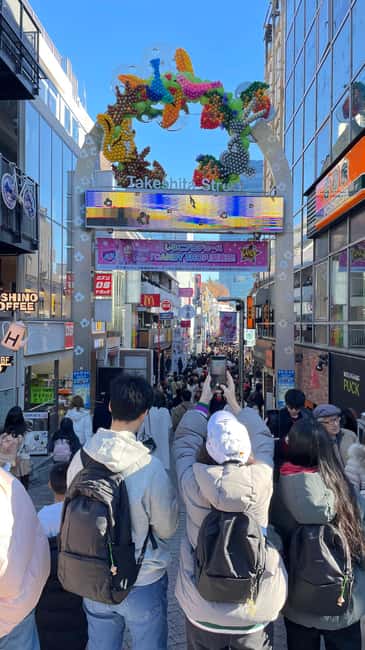
After the forest quiet, Harajuku hits like a color and style switch. Takeshita Street is where you go for the youthful fashion energy and the quirky shops that make the neighborhood famous. It is also a natural place for a photo pause, since the storefronts and crowds are basically a visual show.
You also get time for classic street treats here, including options like crepes and rainbow-colored cotton candy. That matters because Harajuku is not only about shopping, it is also about tasting the vibe. Your guide can steer you toward what to try and how to order without turning it into a mini language project.
One more reason I like this stop: your guide doesn’t just point at things. They share how Harajuku evolved into a cultural hub and how that youth style influenced fashion far beyond Japan.
The central Tokyo landmarks, reviewed one by one
- Flagship 2-Hours Official Street Go-Kart Tour – Tokyo Bay Shop★ 5.0 · 4,974 reviews
- Tokyo: Imperial Palace and Shogun Historical Walking Tour★ 5.0 · 2,251 reviews
- Tokyo: Meiji Shrine, Asakusa, Skytree Bus Tour and Cruise★ 4.7 · 1,986 reviews
- Chopstick Making Workshop in Ginza★ 4.8 · 1,366 reviews
- Tokyo Panoramic 1 Day: Meiji Shrine, Asakusa, Odaiba and SKYTREE®★ 4.5 · 1,222 reviews
Moving through Harajuku beyond Takeshita: Kiddy Land, boutiques, and street art
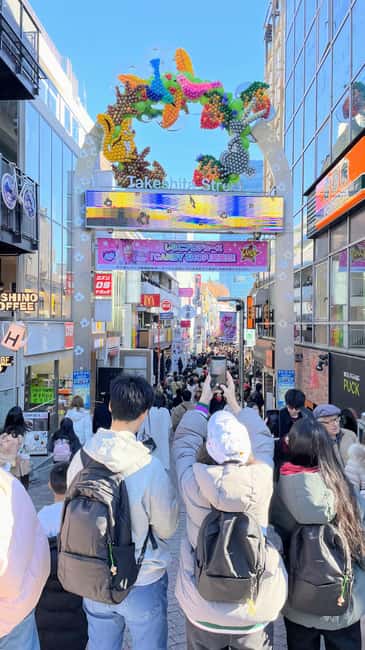
Harajuku is bigger than one street. You also get a broader walk where the mix of boutiques, cafes, and cultural landmarks helps you see the neighborhood as more than just a selfie backdrop.
There is time for sightseeing, passes by, and guided context, so you can understand what you are seeing instead of scanning names like a tourist checklist. Kiddy Land is specifically mentioned as an iconic stop, which is great if you want something playful and photo-friendly.
If you care about art and design, watch for the street art and smaller creative details your guide points out. That is where Harajuku feels real, not staged.
Cat Street: the style upgrade you get when you want something calmer
Cat Street connects Harajuku and Shibuya, but it has a different tempo. If Takeshita feels like constant noise, Cat Street is often where you can slow down, browse, and feel the style without the crush.
This is the stretch where you can find a mix of high-end and vintage shops. Even if you do not plan to buy anything, it is a good area for window shopping because you can compare looks from streetwear to more refined pieces.
Your guide keeps you moving at a comfortable pace, and this part of the route is also a smart bridge into Shibuya so you do not arrive there overstimulated.
Shibuya break time: Pokémon Center, shopping, and the main crossing
Shibuya is famous for a reason, but the best part is that it works for different travel personalities. Need classic Tokyo energy and photos? You get it. Want a fun indoor errand? There is a Pokémon Center stop included. Shopping time and free time are built in, so you can decide how much you want to browse versus simply watch the city.
Then comes Shibuya Crossing, the iconic pedestrian intersection where traffic lights flip and hundreds of people flow in multiple directions. Your guide helps with timing, which is a big deal. If you show up at random, you get a glimpse. If you time it, you get the show.
This is also a good moment to practice being a quiet observer. Watch how people move in organized streams and notice how often locals use the crossing like it is just another normal step, not an event.
Optional animal or snake cafe in Shibuya, if you want the oddball story
One of the more memorable options in this tour is the possibility of adding an animal or snake cafe stop in Shibuya. If you want it, you should tell your guide at the start, because the tour will need to adjust time, and additional fees may apply.
The provider notes that your guide can help choose a cafe based on what you like, whether that is cats, owls, or snakes. If your group is more into quirky culture than classic sightseeing, this is the kind of stop that can turn your day from good to memorable.
If you are traveling with kids, this can be a hit, but keep expectations realistic. You are fitting it into a 4-hour plan, so it is best if everyone is flexible.
Shinjuku at sunset: Omoide Yokocho, Golden Gai, and the Godzilla moment
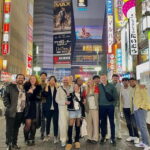
Shinjuku is where Tokyo feels like it is living after dark. The tour spends a full hour here with photo time, guided sightseeing, shopping, and free time, and it even works toward sunset, which helps the streets look dramatic.
You also get specific stops in the legendary alley areas: Omoide Yokocho (Memory Lane) and Golden Gai are both included. These are the kind of places where the atmosphere is the attraction, with narrow lanes and a nightlife vibe that feels different from the wider avenues.
There is also a mention of the Godzilla Head, which is a fun landmark if you want a quick, instantly recognizable Tokyo icon.
Then comes the best part of a tour like this: free time. You are in the neighborhood that most people associate with nightlife entertainment, so you can pick what fits your energy level, whether that is more browsing, grabbing a snack, or simply taking in street scenes.
Don Quijote and practical shopping advice without turning your day into chores
Shopping shows up in two ways during this tour. First, you get time at Don Quijote, which is known as a discount store and a convenient place to grab small items. Second, you have browsing time built into Shibuya and Shinjuku.
What I’d do: keep your shopping list short and focus on “easy wins,” like snacks, simple essentials, or souvenirs that you can carry without stress. Tokyo has a lot of tempting options, and when your schedule is tight, a simple plan keeps you from losing 45 minutes to comparing the same item in three aisles.
Also, bring a little extra cash if you can. The tour includes many guided stops, but personal purchases are not included, and street shopping often works best when you can pay quickly.
How the guide makes the difference: stories, safety, and great photos
The strongest praise across guide experiences is not just about knowing facts. It is about how the tour feels.
Joe is singled out for being fun and full of stories about life and culture in Japan, plus showing quirky places that are hard to find on your own. Ayoub is praised for customizing the tour as you go. Amir and Maruf get credit for being patient, informative, and helpful, with Maruf also noted as an excellent photographer who took lots of photos.
There is also a recurring theme of guides adapting for your group. Erica is specifically mentioned for working with a family and supporting a 12-year-old. Others are praised for answering questions and making sure everyone stays safe.
That is why private is worth it here. You are not just moving through locations, you are getting a human layer that helps you interpret what you see and feel more confident navigating Tokyo.
Value and who this tour is best for
At $103 per person for a private 4-hour tour, the value comes from what is bundled. You get the guided experience throughout, admission fees for Meiji Jingu, and public transportation fees within Tokyo. You also get specific included stops like the Pokémon Center in Shibuya, plus shopping and exploration time at Don Quijote and the Shinjuku alley areas (Omoide Yokocho and Golden Gai).
If you do the math in your head, the guide saves time. And time in Tokyo is money, especially when you are trying to fit multiple neighborhoods into one half day.
This tour is a great fit if you:
- are visiting Tokyo for the first time and want a high-impact west-side overview
- care about photos, people-watching, and photo timing at Shibuya Crossing
- want a mix of culture, fashion street energy, and nightlife-style lanes
- want a guide to explain what you see so you feel oriented faster
It may not be the best fit if you want a slow, deep study of just one area. This is designed as a route, not a long sit-and-stare day.
Should you book this Tokyo West loop?
I’d book it if you want a clear, guided path through Meiji Jingu, Harajuku shopping streets, Shibuya Crossing, and Shinjuku’s alley nightlife, without spending your energy on train planning. The private format and the repeated praise for customization makes it feel like a real experience, not a scripted walk.
I would reconsider if your top priority is staying put in one neighborhood for hours. The schedule moves, and meals are not included, so you will want to plan snacks or dinner around the tour.
If you want a half-day that shows you Tokyo’s moods in one shot, this one makes a lot of sense.
FAQ
Where are the pickup locations for this tour?
Pickup options include Minato City, Shibuya City, Taito City, and Shinjuku City.
How long is the tour?
The tour duration is 4 hours.
Is this a private tour?
Yes. It is a private group tour.
What language is the guide?
The tour includes an English-speaking guide.
What major stops are included in the tour?
You’ll visit Meiji Shrine, Takeshita Street in Harajuku, Cat Street, Shibuya including Shibuya Crossing, and conclude in Shinjuku.
What is included in the price besides the guide?
The price includes admission fees for Meiji Shrine, public transportation fees within Tokyo, and specific visits such as the Pokémon Center in Shibuya and shopping/exploration at Don Quijote. In Shinjuku, Omoide Yokocho and Golden Gai are included.
Are meals included?
No. Meals and beverages are not included unless specified in the itinerary.
Can I add an animal or snake cafe stop?
You can request an optional animal or snake cafe stop in Shibuya. You need to inform your guide at the beginning, and additional fees may apply.
Central Tokyo Landmarks

West Tokyo on Foot: Seven More

Newest Tokyo write-ups from the Loving Japan desk
Shibuya, Shinjuku and Harajuku Walks, side by side.
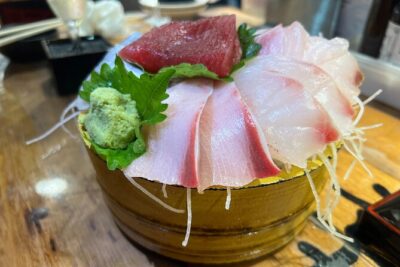 ★ 5.0Shinjuku Food Tour (13 Dishes at 4 Local Eateries)From $866,603 reviews
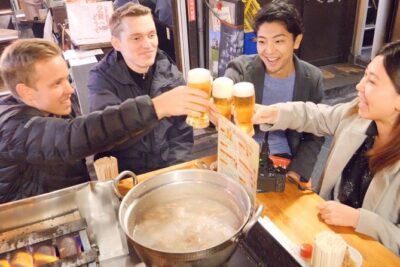 ★ 5.0Tokyo Bar Hopping Tour in Shinjuku (All-You-Can-Drink + Dinner)From $1063,587 reviews
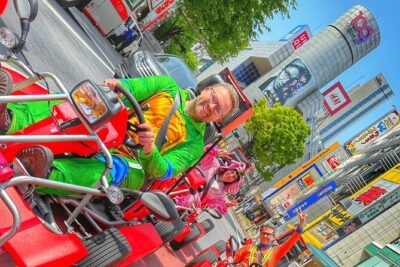 ★ 5.0Official Street Go-Kart in ShibuyaFrom $763,435 reviews
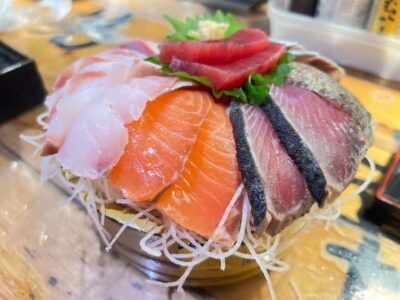 ★ 4.9Shinjuku Food Tour (15 Dishes and 4 Eateries)From $852,033 reviews
 ★ 4.9Shinjuku Local Bar and Izakaya Guided Walking TourFrom $341,794 reviews
 ★ 5.0Tokyo Shinjuku Chopsticks Making ClassFrom $201,763 reviews
 ★ 5.0Tokyo Shinjuku Sumo Show & Experience with PhotoFrom $791,750 reviews
 ★ 4.9Street Kart Experience in ShibuyaFrom $741,484 reviews
Filed on these lists too