
REVIEW · MORNING
Tokyo: Morning Sightseeing Bus Tour
Tokyo at 8am feels like a checklist. This morning coach tour packs in Meiji Jingu, the Imperial Palace area, and Asakusa, with a professional English-speaking guide plus a proper matcha moment. You’ll also get a Shinto-visit lesson so you’re not just standing there guessing what to do.
The main trade-off is time. It is 210 minutes, you ride a lot, and the day ends in Asakusa with no extra drop-off, so you need to plan your next stop carefully.
In This Review
- Key highlights worth your morning
- A coach tour that actually helps you plan Tokyo
- Where you start matters: Ginza or the Love statue meeting point
- Meiji Jingu: sacred forest mood right inside the city
- Riding past Tokyo’s layers: Harajuku, Omotesando, Diet Building, Kabukicho
- Imperial Palace area: a photo-focused moment plus garden or Nijubashi
- Akihabara and Ueno area: where Tokyo gets nerdy and old at the same time
- Asakusa on foot: Nakamise shopping and the Kaminari-mon photo you came for
- The matcha experience at Asakusa: a real tasting moment
- Coach comfort and small details that change the experience
- Price and value: why $90 can feel fair for a first Tokyo morning
- English guide quality: the reason people rate this tour highly
- Who should book this morning bus tour
- Booking choice: should you book this Tokyo morning coach tour?
- FAQ
- What’s the duration of the Tokyo morning sightseeing bus tour?
- Where does the tour start?
- What time does the tour start?
- Is there hotel pickup or drop-off?
- What stops are included in the morning route?
- Do you get matcha on this tour?
- What languages are available on the tour?
- Is Wi-Fi provided on the coach?
- What should I bring?
Key highlights worth your morning
- English live guide who explains the big pieces clearly and answers questions
- Premium matcha experience in Asakusa, with options like matcha gelato or matcha beer mentioned
- Shinto shrine etiquette lesson so you feel confident during the Meiji Jingu stop
- A long list of Tokyo icons covered fast: Meiji, Imperial Palace area, Akihabara, Ueno area, and Asakusa
- Comfort features on board, including AC, free Wi-Fi, and an antibacterial-coated coach
- Multilingual audio headsets in multiple languages in addition to the guide
Let something else do the walking
- Mt Fuji and Hakone 1-Day Bus Tour Return by Bullet Train
★ 5.0 · 26,383 reviews - Tokyo Mt Fuji 5th St & Hakone Cruise Bus Tour w/Bullet Train
★ 4.4 · 5,024 reviews - Tokyo: Hop-On Hop-Off Sightseeing Bus Ticket
★ 3.9 · 4,207 reviews - Tokyo: Meiji Shrine, Asakusa, Skytree Bus Tour and Cruise
★ 4.7 · 1,986 reviews
A coach tour that actually helps you plan Tokyo
Tokyo can be intense in the best way, but the first morning is often where people lose time. This tour tackles that problem head-on by turning a handful of must-sees into one organized route. You start in central Tokyo around 8am and then let the coach do the heavy lifting while you get context from the guide.
What I like most is that it is not just photo stops on autopilot. You get a guide-led Shinto experience at Meiji Jingu, plus you get a matcha tasting in Asakusa that feels tied to the place, not pasted on at the end. If you only have a short window in Tokyo, that structure gives you a strong first mental map.
Where you start matters: Ginza or the Love statue meeting point
You’ll meet at a central location that can vary depending on the option you booked. One option is the LOVE sculpture in Ginza (listed at 4-chōme-1-2). Another start point described is the LOVE statue area in Shinjuku, with the tour running from 8am.
Either way, the value here is convenience. This is not a hotel pickup tour, so you are expected to get yourself to a central meeting spot. If you are staying somewhere else, plan your route early so you arrive calmly, not sprinting through Tokyo rail timing.
Meiji Jingu: sacred forest mood right inside the city
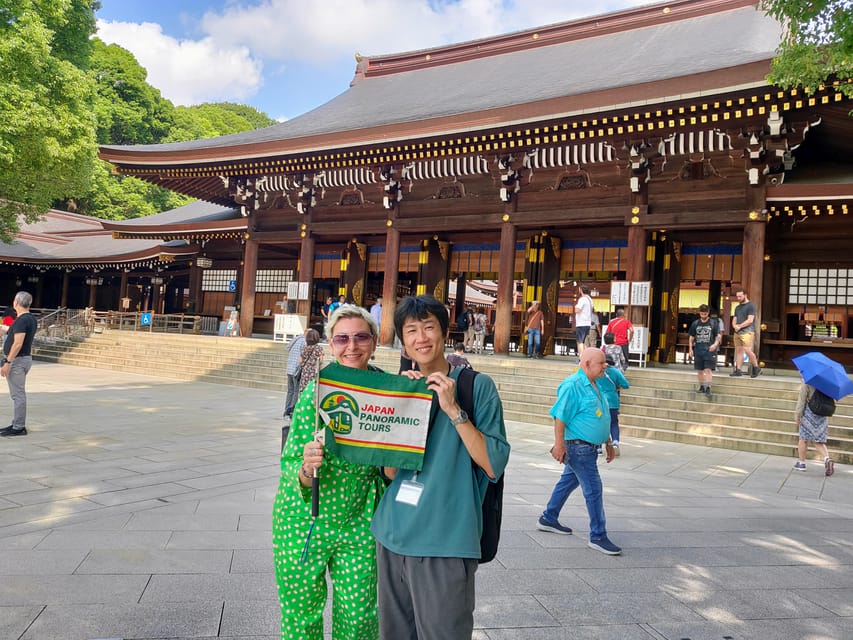
The first major stop is Meiji Jingu Shinto Shrine. The shrine is famous in Japan and built in 1921, and the coach brings you from city motion into a quieter, forest-like feel. This is where the tour earns its reputation for being more than a drive-by.
You’ll get time to visit and learn the traditional way to approach a Shinto shrine. Even if you’ve been to shrines before, a quick lesson helps you act confidently. You are in Tokyo, but Meiji Jingu changes your pace fast.
Practical tip: wear shoes you can stand in for a while. The tour is short on total hours, so this stop is one of the key moments where your comfort matters.
- Mt Fuji and Hakone 1-Day Bus Tour Return by Bullet Train★ 5.0 · 26,383 reviews
- 1-Day Tokyo Bus Tour★ 5.0 · 14,250 reviews
- Tokyo: teamLab Planets TOKYO Digital Art Museum Entry Ticket★ 4.6 · 9,779 reviews
- Mt Fuji & Hakone Cruise, Drum Show Bullet Train 1 Day from Tokyo★ 4.0 · 7,413 reviews
- Tokyo: Shinjuku Food Tour (13 Dishes at 4 Local Eateries)★ 5.0 · 6,603 reviews
Riding past Tokyo’s layers: Harajuku, Omotesando, Diet Building, Kabukicho
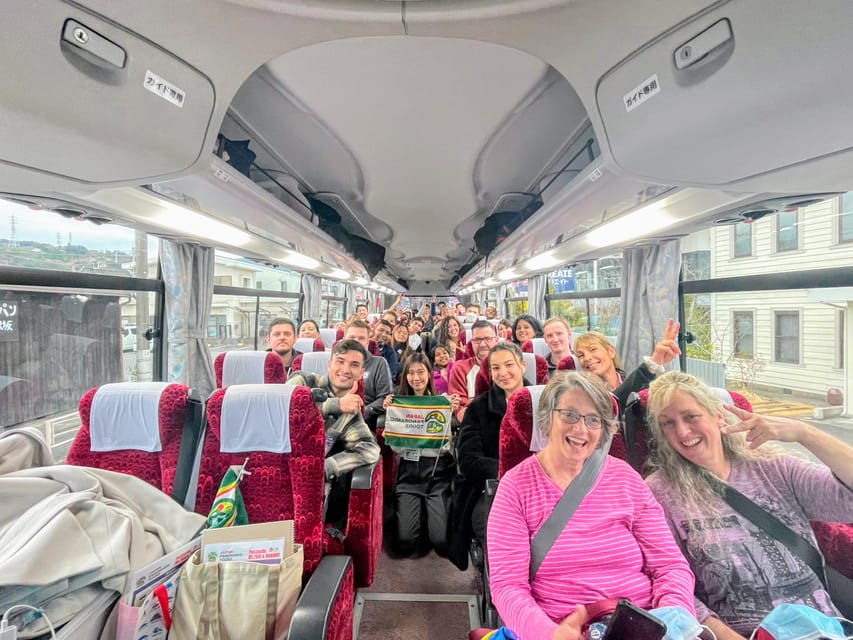
After Meiji Jingu, you’ll drive through several recognizable Tokyo zones. The tour passes by Takeshita Avenue (Harajuku pop culture), the Omotesando shopping area, and the National Diet Building with its symmetrical look built in 1936. You also pass by Kabukicho, known as a pub-hopping area.
This is a good use of the morning because it gives you visual cues. You might not stop inside each area, but you can still connect neighborhoods to what they are known for. If you later want to return, you’ll know which direction to head.
One caution: traffic and operational realities can affect the order of stops. The route is planned, but Tokyo can move slowly. Keep your expectations flexible.
Imperial Palace area: a photo-focused moment plus garden or Nijubashi
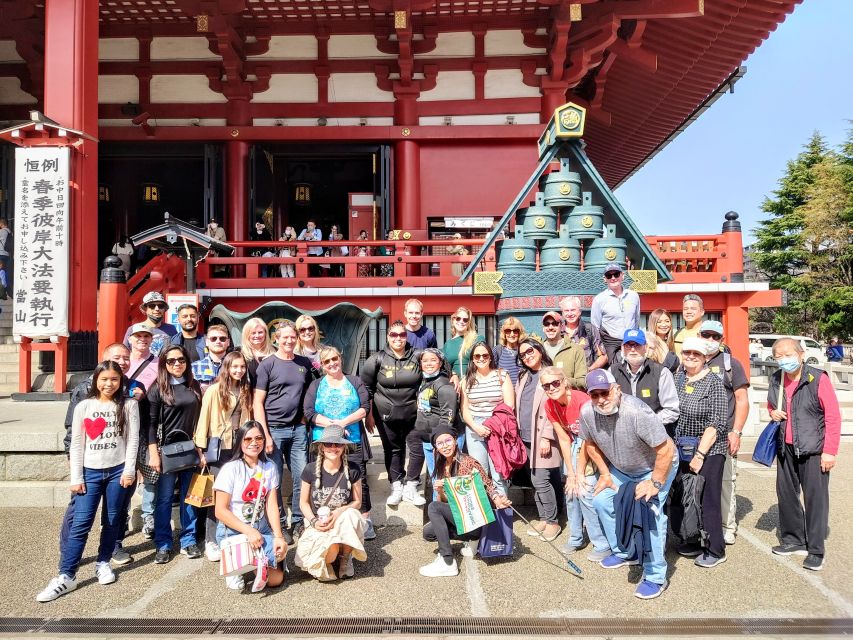
The tour then heads to the Imperial Palace area for a photo stop. The Imperial Palace is the current residence of Japan’s Imperial family, and the site is also connected to the old Edo Castle history. So you get both a living present and a historical foundation.
From there, the tour visits either:
- the East Garden (traditional Japanese gardens), or
- the Niju-bashi Bridge in the Outer Garden
Which one you see depends on conditions, but the intent is clear: you get one iconic look at the palace grounds rather than trying to cram everything in on your own.
Practical takeaway: this stop is mostly about positioning and photos, not a long wander. If you love gardens, aim for the garden option when you can. If you mainly want a quick palace landmark check, either option works well.
Akihabara and Ueno area: where Tokyo gets nerdy and old at the same time
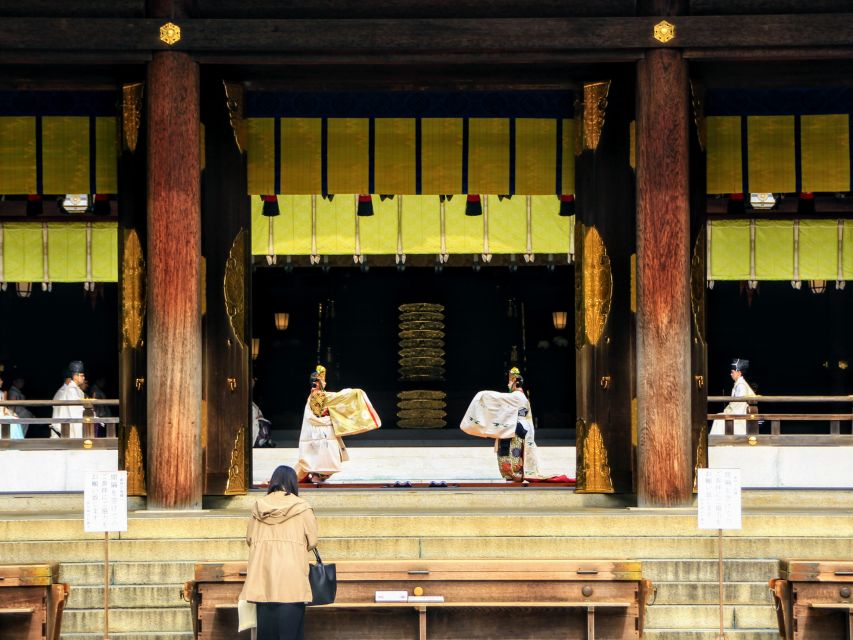
Next the coach travels through Akihabara, the center of “Otaku” anime and electronics culture. You’ll also pass by Ueno, described as Japan’s oldest park, and the Kappa-bashi market street where you can see kitchen items and food replicas.
This section is useful because it widens the Tokyo picture. Morning sightseeing can skew too temple-heavy, but here you get variety. Akihabara makes sense for first-timers because you can later decide if you want a full neighborhood crawl. Kappa-bashi is a different kind of Tokyo charm, practical and visual, and food replicas can be oddly satisfying to spot even from the street.
Tip: if you are doing this with kids or friends who love shopping, take advantage of the quick scan from the bus. Then, if you want, you can plan a more focused return later.
Asakusa on foot: Nakamise shopping and the Kaminari-mon photo you came for
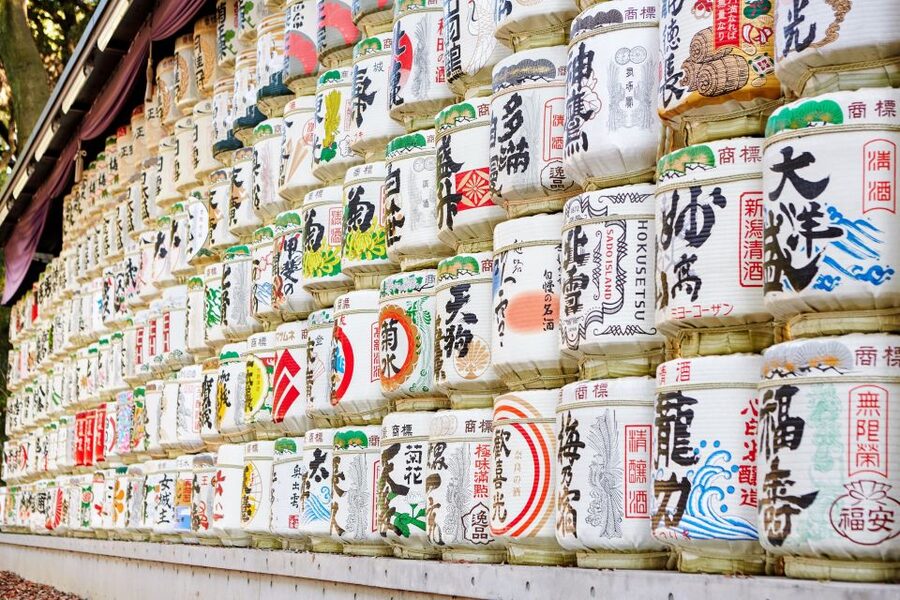
Asakusa is the big finishing point, and this is where the tour stops being a ride and becomes a real neighborhood experience. The tour ends at Sensō-ji, and you spend time exploring around the area.
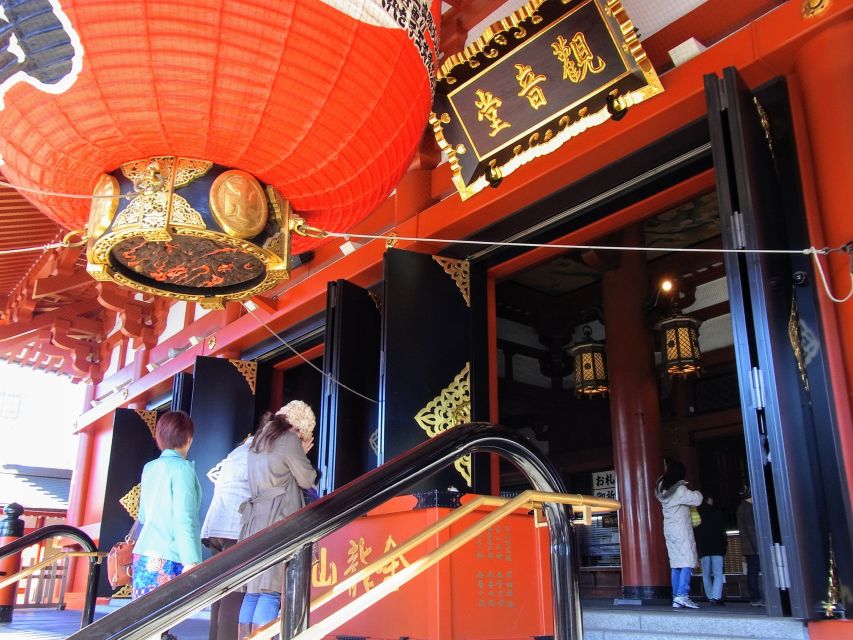
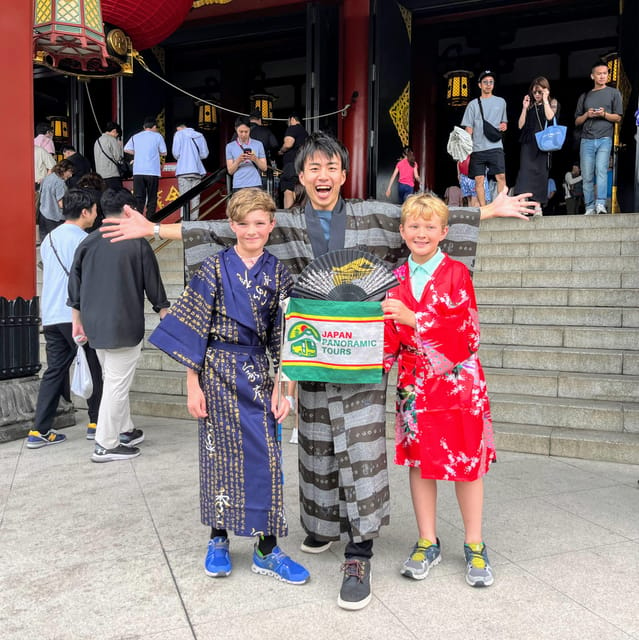
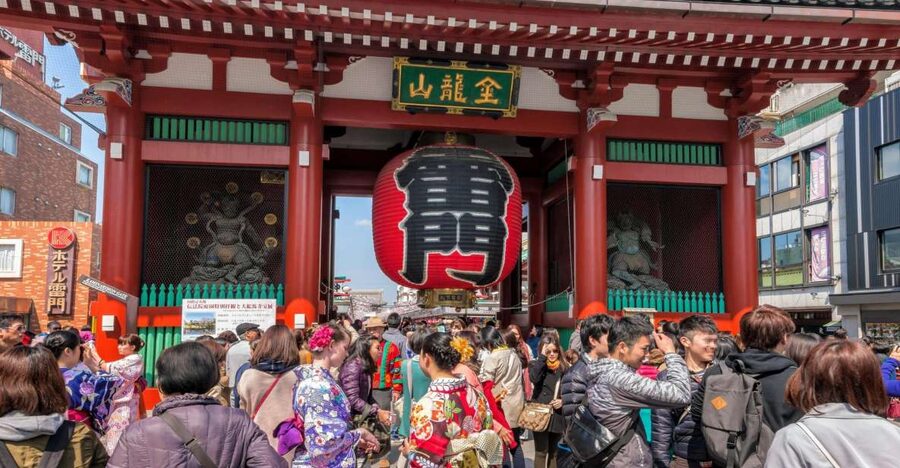
You’ll head to Nakamise Avenue, a famous shopping street, and you’ll have the chance to take photos at Kaminari-mon Gate, the landmark red lantern entrance. Even if you’ve seen images online, being there is different. It’s crowded, energetic, and built for walking, so slow down and let your eyes adjust.
Wear comfortable shoes here. This is the part where your feet do the work. The coach gets you close to everything, but Asakusa is still Asakusa, with sidewalks and browsing.
The matcha experience at Asakusa: a real tasting moment
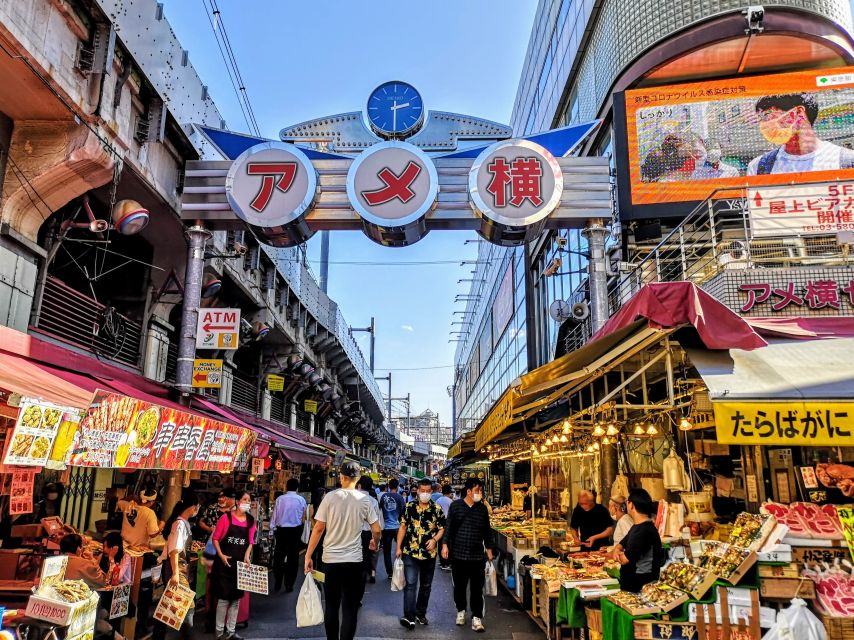
This tour includes an authentic matcha moment in Asakusa. The matcha is described as Not Bitter Matcha Green Tea, also labeled as Premium Matcha, and it uses Ichibancha, meaning the first flush, from Uji, Kyoto.
You’ll also have options mentioned for sweet matcha gelato or matcha beer. In the included list, the tour specifically says matcha drink or matcha gelato, so treat the beer as an option that may depend on availability.
What makes this worth your money is timing. Instead of doing matcha as an afterthought, you do it right where people actually come for it. It’s easy to remember when it’s tied to a stroll down Nakamise and a photo at Kaminari-mon.
One small seasonal note: the matcha store is listed as closed on May 14th, and in that case you’ll receive matcha souvenirs as part of the matcha experience. If your travel dates land on that day, you won’t be left without a token.
Coach comfort and small details that change the experience
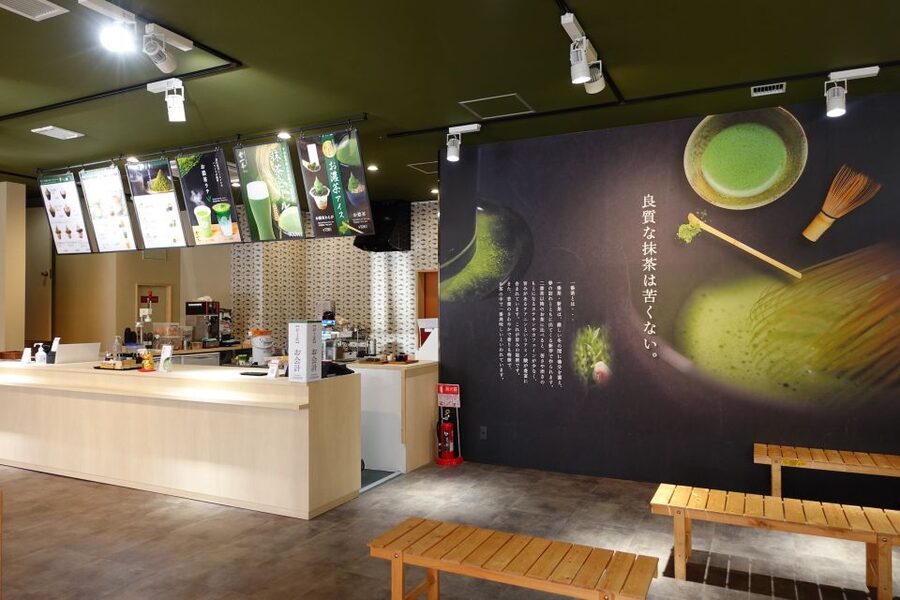
It is a morning tour, and you do spend time on the bus. That makes comfort worth mentioning. The coach is air-conditioned, includes free Wi-Fi, and the vehicle is described as having antibacterial coating plus regular ventilation.
Even if you don’t care about the technical details, the practical outcome is that you can sit comfortably while the guide sets up what you’re seeing next. It also helps if you’re traveling with jet lag. A stable, comfortable ride means you’re less likely to tune out.
Also, you’ll have audio headsets for multilingual support. That matters in a group setting, because not everyone hears the guide equally well from their seat.
Price and value: why $90 can feel fair for a first Tokyo morning
At $90 per person for 210 minutes, you are paying for three things:
First, you’re paying for transport efficiency. Instead of trying to stitch together Meiji Jingu, the Imperial Palace area, and Asakusa yourself, the coach strings the route together in one package.
Second, you’re paying for interpretation. The live English guide is the real service here, especially for the shrine visit and for making sense of what you’re seeing in neighborhoods like Akihabara and Harajuku areas.
Third, you’re paying for a structured matcha stop. A matcha tasting at a scenic sightseeing point is often more expensive when you book it separately, and here it is built into the schedule.
If you are the kind of traveler who hates wasting time, this can be good value. If you prefer total freedom and want to spend half the day somewhere deeply, you might feel the limits of a short tour window. Either way, it is a strong option for a first-time Tokyo touch.
English guide quality: the reason people rate this tour highly
The consistent praise is about the guide. Names like Aoi, Angela, Taka, and Levin show up for clear English and for being friendly enough that you can ask questions. That matters because Tokyo signage and etiquette can be intimidating early on.
A good guide also makes the bus segments feel useful. When someone explains each stop as the coach passes key areas, you get context while you’re moving, instead of waiting to be bored at traffic lights.
You also get a multilingual audio guide in multiple languages alongside the English live guide. Audio languages listed include Spanish, French, Italian, German, Portuguese, and Ukrainian, and the tour description also notes English and UK options. If your group includes different language needs, that support is a real convenience.
Who should book this morning bus tour
This tour is a smart fit if you:
- want a first-time Tokyo overview with iconic stops in one morning
- like having a guide explain Shinto shrine basics
- want an easy matcha experience without hunting for it
- are short on time and would rather get a lot of hits in 210 minutes than plan multiple separate outings
It might be less ideal if you:
- want a slow, deep neighborhood day
- hate group pacing
- need a hotel pickup or a guaranteed end location back near your lodging (the tour ends at Asakusa at Sensō-ji)
Booking choice: should you book this Tokyo morning coach tour?
If you’re trying to build confidence fast in Tokyo, I think this is an easy “yes.” For $90, you get transport, a live English guide, audio headsets, and a premium matcha moment, plus you visit Meiji Jingu and the Imperial Palace area, then finish in Asakusa where it’s easy to keep exploring on your own.
Book it especially if your plan is short, because it gives you the Tokyo landmark checklist without making you do the logistics under pressure. Just keep your schedule flexible after the tour since you finish in Asakusa and you’ll need to make your own way from there. If that works for you, this is a practical way to start Tokyo strong.
FAQ
What’s the duration of the Tokyo morning sightseeing bus tour?
The tour duration is 210 minutes.
Where does the tour start?
The start location can vary by the option booked. It may begin at the LOVE sculpture in Ginza, or at the LOVE statue area in Shinjuku. The meeting point may also vary.
What time does the tour start?
The tour starts at 8am.
Is there hotel pickup or drop-off?
No hotel pickup and drop-off is included. Pickup is available from Ginza depending on the option, and the tour ends in Asakusa with no additional drop-off service.
What stops are included in the morning route?
The tour includes Meiji Shrine, a photo stop at the Tokyo Imperial Palace, and an Asakusa visit. It also includes bus passing segments such as Kabukicho, Takeshita Avenue, Omotesando, National Diet Building, Akihabara, Ueno area, and Kappa-bashi market street.
Do you get matcha on this tour?
Yes. The tour includes a matcha drink or matcha gelato as part of the Asakusa experience, and the description also lists matcha beer as an option.
What languages are available on the tour?
The live guide is in English. Multilingual audio headsets are available in Spanish, French, Italian, German, Portuguese, and Ukrainian, and the tour description also notes English and UK options.
Is Wi-Fi provided on the coach?
Yes, there is free Wi-Fi service on the bus.
What should I bring?
Bring comfortable shoes. The schedule can involve walking during the Asakusa portion.
Let Something Else Do the Walking
Newest Tokyo write-ups from the Loving Japan desk
Morning, side by side.
 ★ 5.0Kyoto Early Morning Tour with English-Speaking GuideFrom $681,427 reviews
★ 4.9Early Morning Tour with English-Speaking GuideFrom $1011,128 reviews
★ 5.0Kyoto Early Morning Tour with English-Speaking GuideFrom $681,427 reviews
★ 4.9Early Morning Tour with English-Speaking GuideFrom $1011,128 reviews
 ★ 4.9World Heritage Shirakawa-go Morning Guided TourFrom $77988 reviews
 ★ 5.0Nara Early Morning Tour (Kyoto or Osaka Departure Available)From $61676 reviews
 ★ 4.8Sumo Morning Practice Viewing TourFrom $81570 reviews
 ★ 5.0Hiroshima in a Nutshell: Morning Bike AdventureFrom $72524 reviews
 ★ 4.4Sumo Morning Training VisitFrom $77370 reviews
 ★ 4.6From Kyoto: Nara Guided Morning TourFrom $77335 reviews
Filed on these lists too