
REVIEW · SUMO WRESTLING EXPERIENCES
Tokyo: Sumo Morning Practice Viewing Tour
Sumo practice gets real fast. This tour takes you inside an actual sumo stable in Ryogoku, where wrestlers train up close in a way most people never see. Guides like Oku San and Yoko help translate what you are watching, right where it happens.
I love two things most: the chance to step into a real training space that is usually closed to the public, and the way a licensed English-speaking guide makes sumo’s rules and customs click. It turns an early-morning spectacle into something you can actually understand.
One possible drawback: the stable is a workplace, so you have to follow strict behavior rules. Plan on sitting still for a stretch, staying quiet, and dressing modestly, or the experience will feel like a chore instead of a privilege.
In This Review
- Key points to know before you go
- Ryogoku mornings, where sumo is part of daily life
- First 15 minutes: walking in with the rules in your head
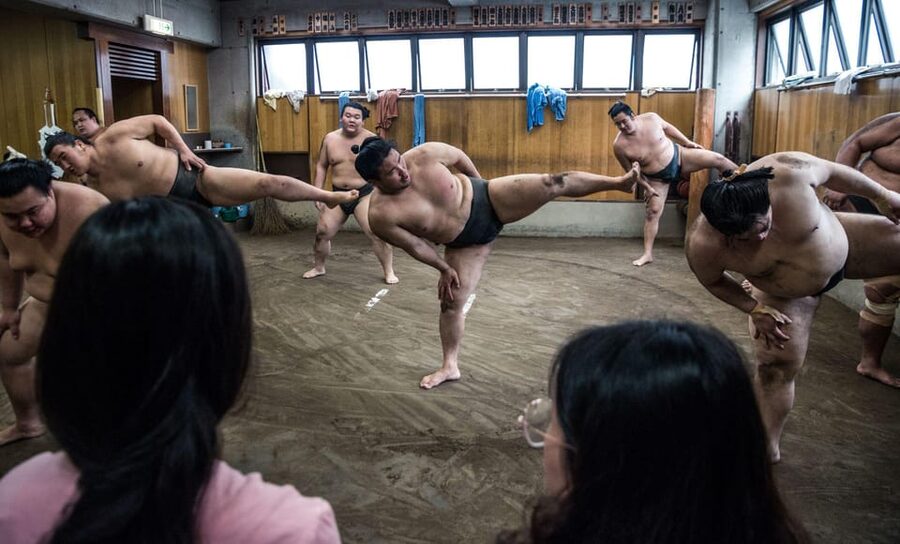
- Watching real training: what the 60 to 90 minutes really look like
- Understanding sumo quickly: what your guide translates for you
- Price and value: why $81 can feel worth it
- Photo rules and etiquette: how to get great results without breaking rules
- Who this tour fits best, and who should skip it
- What you might see: famous names, but the real win is process
- Turning this morning into a full Ryogoku day
- Should you book this sumo morning practice viewing tour?
- FAQ
- How long is the Sumo morning practice viewing tour?
- Where in Tokyo does the tour take place?
- Can I take photos or record video during the practice?
- Do I need to stay until the end of the practice?
- Is re-entry allowed once I leave the stable?
- Is this tour suitable for children or people with mobility impairments?
Key points to know before you go
- Real stable access in Ryogoku, not a staged arena show
- Up-close morning training that runs about 60 to 90 minutes
- English guidance with context on sumo technique, history, and tournaments
- Photo chances on some days after the practice
- Strict etiquette like no flash, no video, and no standing during practice
Morning practice or an evening show. Both reviewed
- Tokyo: Sumo Show and Dining Experience
★ 4.8 · 2,742 reviews - the SUMO show
★ 5.0 · 1,960 reviews - Tokyo Shinjuku Sumo Show & Experience with Photo
★ 5.0 · 1,750 reviews - Tokyo: Sumo Show and Experience in Shinjuku
★ 4.8 · 1,001 reviews
Ryogoku mornings, where sumo is part of daily life
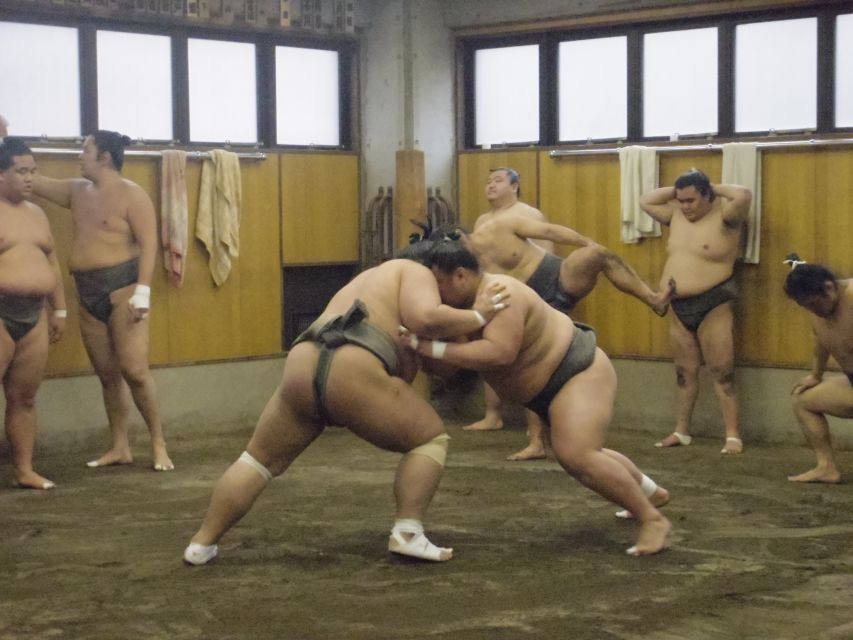
Ryogoku is Tokyo’s sumo neighborhood. This is where the sport is woven into the geography, with the stadium area nearby and other stables around the neighborhood. Going in the morning matters, because training looks different before the crowds. You see work, not performance.
The big reason this tour feels special is access. Sumo stables are not generally open, and many visits only happen for sponsors. So when a stable lets a small group observe practice, it is not the same as buying a ticket to a themed show. You get a genuine window into how wrestlers live and train, and that is the heart of the value.
Even better, you get an English-speaking guide, so you are not stuck guessing. Sumo has rules that are simple to describe but hard to truly read unless someone explains what is happening, why it matters, and how it connects to tournaments held six times a year. You will come away with more than cool photos, you will come away with understanding.
First 15 minutes: walking in with the rules in your head
Right after you meet, the tour heads toward the stable, and that short transfer is not just transit. It is where your guide sets expectations so you do not accidentally break the flow once you arrive.
Here is what you should mentally prepare for: the stable is a workplace. That means you are not there to wander, chat loudly, or treat the scene like a museum. You will be asked to follow conduct rules such as modest clothing, no hats, and no sunglasses. You should also expect a strict no standing and no moving around requirement once the practice begins. Phones go on silent, and you keep them put away.
This matters because sumo training is intense and sometimes loud, even when everyone is supposed to stay quiet. The energy comes from the wrestlers, and your job is to watch respectfully. Guides on this type of tour often use quick notes or explanation cards during practice so you can stay still without feeling lost.
Tip I’d give you: if you like food stops, eat before you go. Food and drinks are not allowed during the stable session, so you will want to be comfortable on an early schedule.
Watching real training: what the 60 to 90 minutes really look like
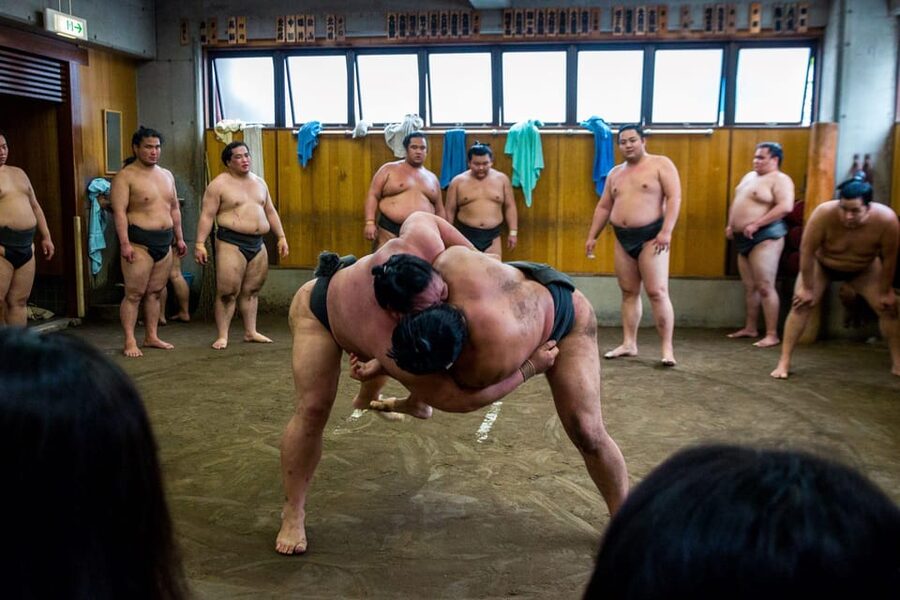
The core of the experience is the morning practice viewing. The viewing portion typically lasts around 60 to 90 minutes, depending on the day. You will stay through the end of the practice, and once you leave the stable there is no re-entry, so it helps to plan the rest of your morning carefully.
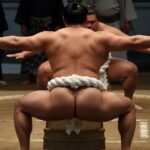
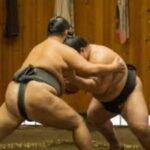
What makes this different from an arena match is how training feels in your body. You notice power and timing more than drama. Wrestlers practice techniques with focus, and they are preparing for competition. Sumo fights are fast, and training is the slow, disciplined work that makes those bursts possible. You also see the rhythm of daily routine since many stables train almost every day early in the morning.
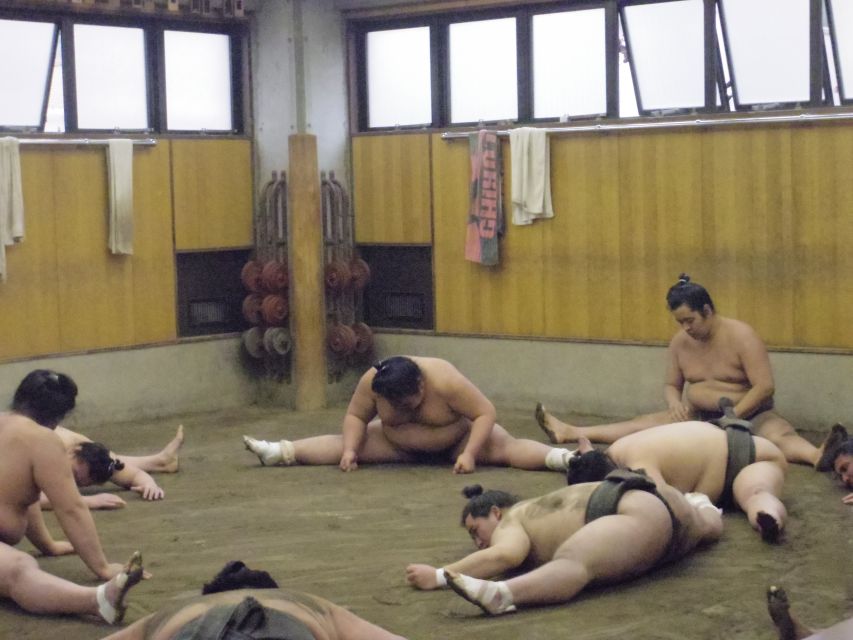
You might also notice that not every “moment” is a full bout. Practice can include drills, technique testing, and coaching from the stable side. The point is repetition and refinement, not entertainment. That can be a wonderful thing if you like learning how sports are built.
And yes, the viewing is up close. You are close enough to see details, which is why the experience lands for many people. One of the most common takeaways from past groups is that the training looks and sounds far more intense than TV.
- Mt Fuji and Hakone 1-Day Bus Tour Return by Bullet Train★ 5.0 · 26,383 reviews
- 1-Day Tokyo Bus Tour★ 5.0 · 14,250 reviews
- Tokyo: teamLab Planets TOKYO Digital Art Museum Entry Ticket★ 4.6 · 9,779 reviews
- Mt Fuji & Hakone Cruise, Drum Show Bullet Train 1 Day from Tokyo★ 4.0 · 7,413 reviews
- Tokyo: Shinjuku Food Tour (13 Dishes at 4 Local Eateries)★ 5.0 · 6,603 reviews
Understanding sumo quickly: what your guide translates for you
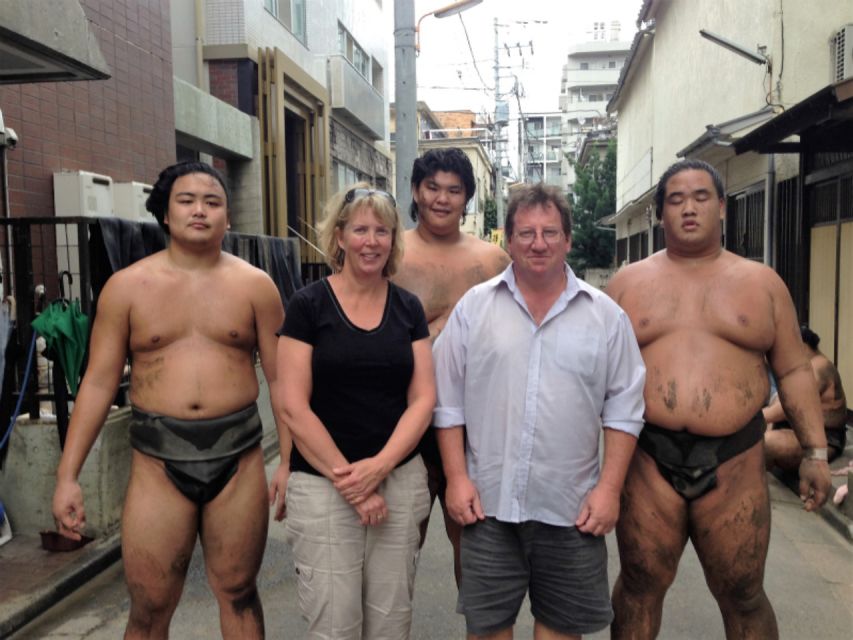
Sumo is deeply tied to tradition, including Shinto beliefs. The sport centers on forcing your opponent out of the ring or making any part of the opponent’s body touch the ground. On paper, that is simple. In practice, it is all about positioning, timing, balance, and leverage.
A good guide turns that into something you can follow moment to moment. With a licensed English-speaking guide, you get explanations that cover both the sport and the stable culture. You also learn how tournaments work across the year, since these wrestlers train with those six yearly tournament cycles in mind.
You may also get Q&A time or at least a chance to ask questions after the practice, depending on the stable and what the session schedule allows. When the stable master or coach shares even short answers, the sport stops feeling abstract. You start to understand the training mentality, the discipline, and why these rituals matter.
One thing I especially value: guides often help you track names and details during practice through handouts or notes. That reduces the mental load. Instead of watching blankly, you are watching with a little map in your head.
Price and value: why $81 can feel worth it
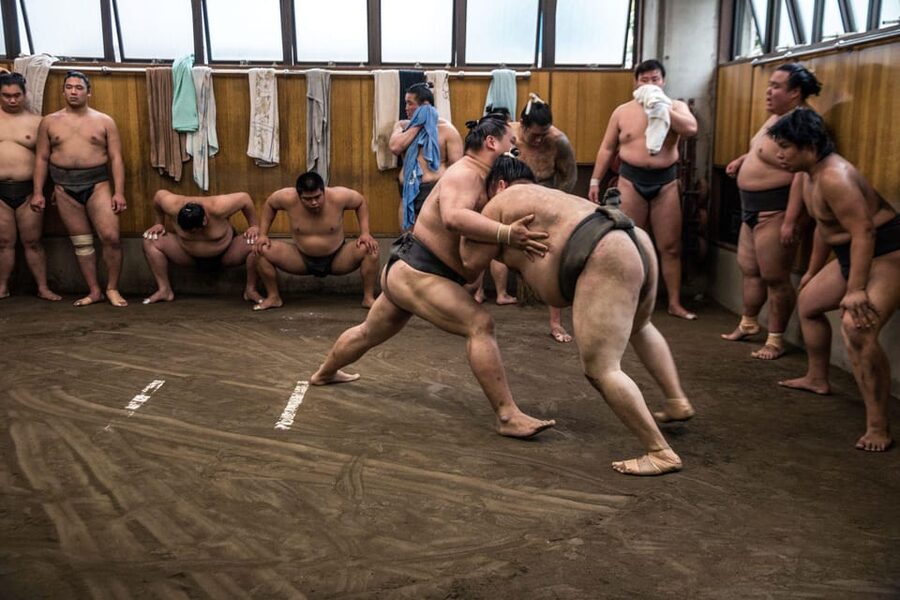
At about $81 per person, this is not a casual add-on. If you are just chasing entertainment, there are cheaper ways to watch sumo-related shows. But if you want access plus context, this is one of the better trades you can make in Tokyo.
You are paying for three things that are hard to replicate on your own:
- Stable access that most people cannot get without special connections
- An English-speaking guide who explains technique, rules, and customs without you needing to study beforehand
- A structured experience that keeps you inside the stable etiquette system, so you do not lose time or seats because you did the wrong thing
It also helps that the tour is short. You get a meaningful window into daily training without spending half a day in transit. The whole thing is roughly 90 minutes to 2 hours, and the format is built around morning practice timing.
One more value angle: after the tour, you can easily access places to eat. This is a practical advantage because sumo mornings often pair well with Ryogoku food options, and you are already in the right neighborhood to do it.
Photo rules and etiquette: how to get great results without breaking rules
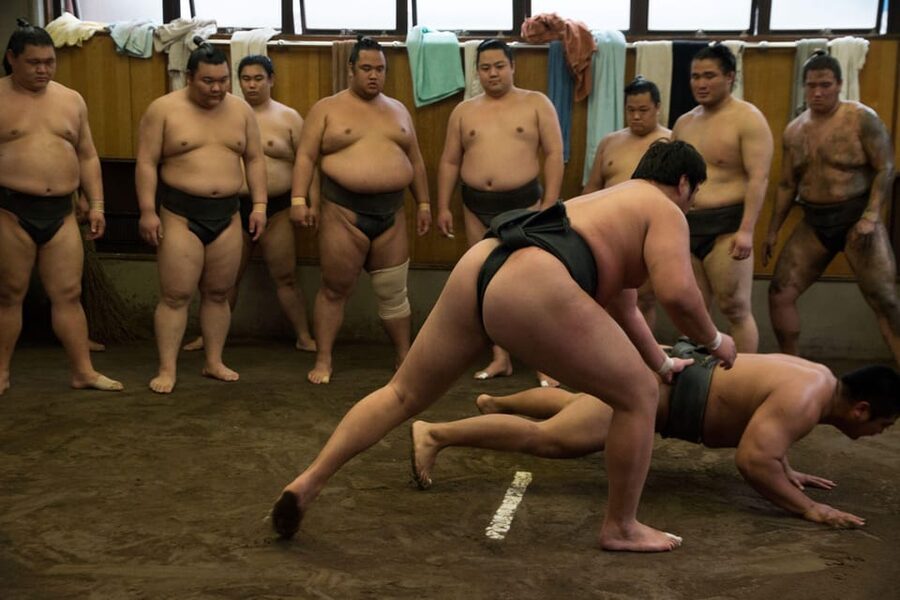
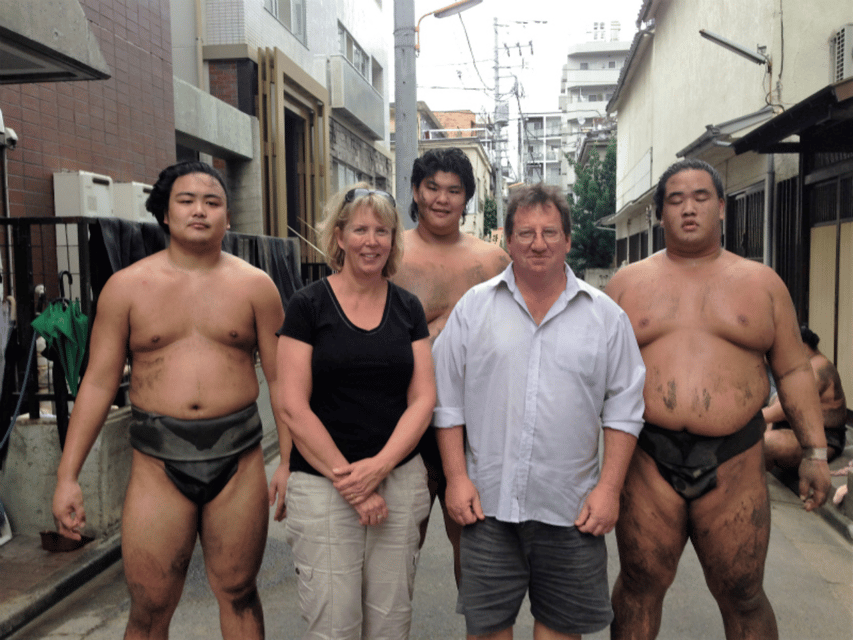
Photography can be confusing in Japan because rules can be strict in sacred or working spaces. Here, the limits are clear: no flash photography and no video recording. You also might be able to take photos with wrestlers afterward, but that depends on the day and what the stable allows.
So how do you come home with good memories?
- Use your camera for the permitted viewing period with natural light, no flash
- Keep your phone silent and out of the way during the practice portion
- Be ready for the possibility of a photo after training, if it is offered that morning
Also remember the stable is a place of work. You will not be able to stand up to get a better angle. You will watch seated and still, and you do not want to spend your attention wrestling with your own posture.
Seat position can make a big difference for photos. Some past groups noted that arriving early helped them get better views. Since the seating and flow are not described as flexible once you are inside, my practical advice is to show up at the meeting time early and keep your group together after that. Follow your guide’s lead so you are not stuck in an awkward spot.
Who this tour fits best, and who should skip it
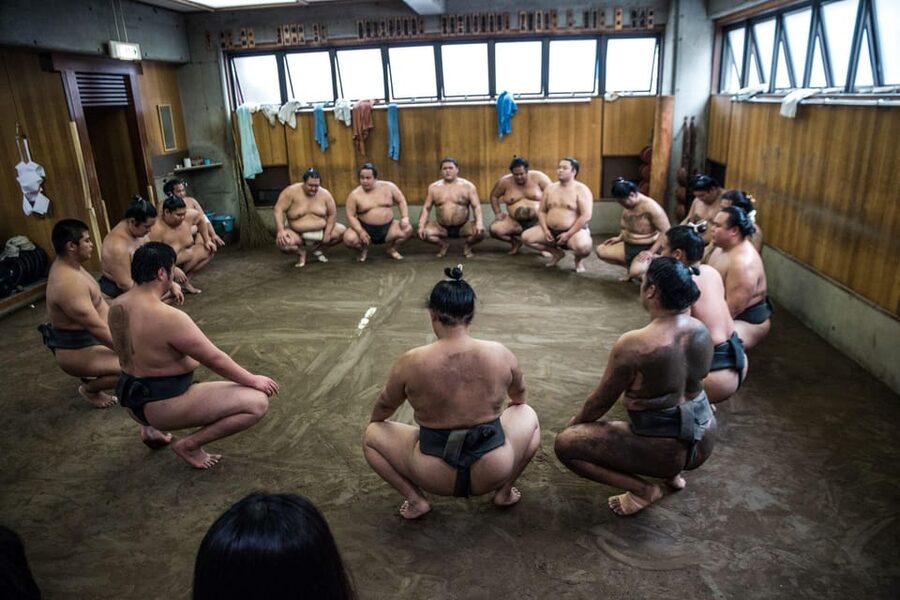
This tour fits best if you:
- Love sumo or want a serious introduction to it
- Like sports you can understand through technique and rules
- Enjoy quiet, respectful cultural experiences more than loud performances
- Want a morning activity that feels authentic, not touristy
It is likely not the best fit if you:
- Need lots of movement during the session, because you must not stand up or move around during practice
- Prefer flexible pacing, because the tour timing depends on the practice flow and you must stay until the end
- Are traveling with children under 11, since the tour is not suitable for kids under that age
- Have mobility impairments, since the activity is not suitable for that situation
If you are on the fence because you worry about boredom, consider this: the intensity of training can surprise you. Even if you do not know sumo well, watching repeated technique and body contact up close can be fascinating, especially once your guide gives you the basics to read what you are seeing.
What you might see: famous names, but the real win is process
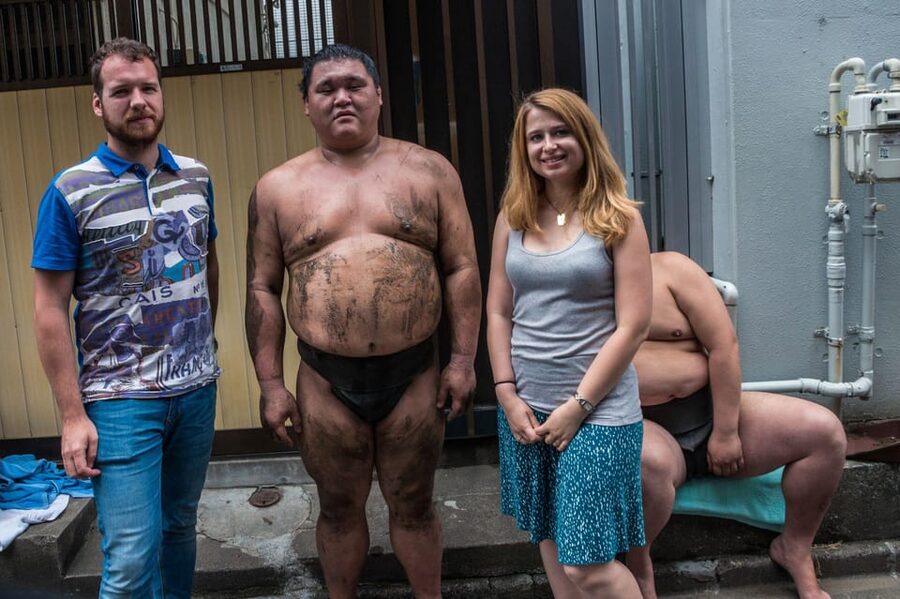
Some days training includes higher-profile wrestlers, depending on who is present and how the stable’s schedule lines up. Past participants have mentioned seeing wrestlers such as Terunofuji, Enho, and Takerufuji during specific sessions. Other days might be more focused on younger wrestlers chasing their climb in rank.
Here is the key point for your expectations: you are not just hunting stars. You are there to understand the practice itself. When you watch the technique work, the power becomes easier to understand, and the rituals make more sense. That is the part that keeps paying off after the tour ends, especially if you later attend a tournament.
If you are in Tokyo during a sumo tournament, this tour can be a smart warm-up. You will recognize the training mentality and the meaning behind what you see in competition.
Turning this morning into a full Ryogoku day
After the tour, you are in Ryogoku, which makes it easy to extend your morning. You can visit sumo meal restaurants nearby, and you can also pair your trip with other sumo-town stops since the area is built around the sport.
If you are planning the rest of your day, think about energy. This is an early, rule-heavy experience, so save the long walking for later if you can. You will likely be mentally stimulated, and it can be nice to let it settle with food and a slow stroll.
Also, consider your schedule for the end time. The practice and tour run can be a bit shorter or longer than expected depending on the day. If you have a commitment right after, tell your operator in advance so they can help you plan around it.
Should you book this sumo morning practice viewing tour?
Book it if you want the best kind of Tokyo sports memory: close access to daily training, explained in plain English, in a real stable setting. For many people, the standout part is how authentic and intimate it feels compared with arena entertainment.
Skip it if you cannot handle sitting still quietly for a long stretch, if you need mobility support during the session, or if you are traveling with kids under 11.
If you fit the first group, this is one of the more meaningful ways to spend a morning in Tokyo, because it gives you something most visitors miss: the discipline behind sumo, not just the spectacle.
FAQ
How long is the Sumo morning practice viewing tour?
The tour runs about 90 minutes to 2 hours, with the sumo training viewing lasting roughly 60 to 90 minutes depending on the day.
Where in Tokyo does the tour take place?
The tour visits a real sumo stable in Ryogoku, an area known for sumo in Tokyo.
Can I take photos or record video during the practice?
Flash photography is not allowed, and video recording is not allowed. Photos with sumo wrestlers may be possible after the practice when available.
Do I need to stay until the end of the practice?
Yes. You must stay until the end of the practice, which is around 09:00 to 10:00 AM.
Is re-entry allowed once I leave the stable?
No. Once you leave the stable, there is no re-entry.
Is this tour suitable for children or people with mobility impairments?
It is not suitable for children under 11. It is also not suitable for people with mobility impairments.
Practice Rooms and Show Nights

Newest Tokyo write-ups from the Loving Japan desk

Sumo Wrestling Experiences, side by side.
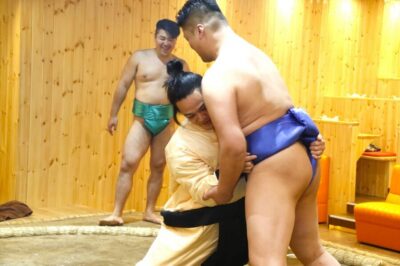 ★ 4.8Sumo Show Experience with Chicken Hot Pot and a PhotoFrom $1036,678 reviews
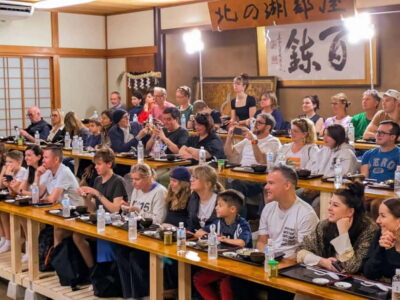 ★ 4.8Sumo Show and Dining ExperienceFrom $792,742 reviews
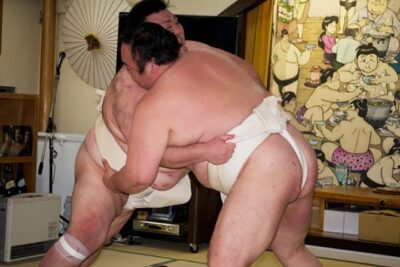 ★ 5.0the SUMO showFrom $891,960 reviews
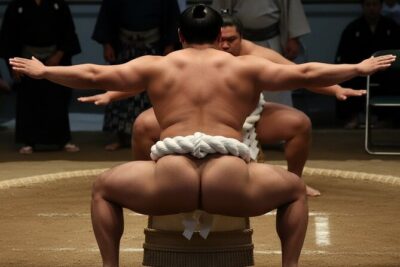 ★ 5.0Tokyo Shinjuku Sumo Show & Experience with PhotoFrom $791,750 reviews
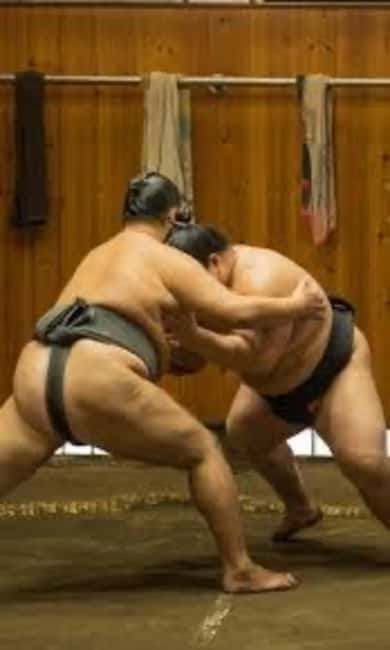 ★ 4.8Sumo Show and Experience in ShinjukuFrom $691,001 reviews
 ★ 4.6Sumo Tournament Tour with Chair Seat TicketsFrom $141753 reviews
 ★ 4.5Sumo Show & Experience w/ Optional Kimono & Hot PotFrom $77609 reviews
 ★ 5.0Authentic Sumo Experience in Tokyo: Enter the SanctuaryFrom $171603 reviews
Filed on these lists too