
REVIEW · ASAKUSA, SENSO-JI AND TOKYO SKYTREE
Tokyo Morning Tour : Meiji Shrine, Asakusa and Fish Market
Tokyo at first light feels surprisingly calm. This morning route strings together Meiji Jingu, Tsukiji outer market bites, and Asakusa’s Senso-ji into one smooth few hours. You get the early-day Tokyo vibe, with iconic sights and food stops that make the time feel well spent.
I especially like that the tour is built around a strong English speaking guide and on-the-ground explanations. In the same group size, you’ll hear context you would miss on your own, and you even get photos taken during the tour.
One consideration: public transportation cost is not included, and you should budget about 550 yen for getting to and from the meeting area and the route to the end at Asakusa Station. Also, expect walking and standing time, since shrine and market areas are lively on foot.
In This Review
- Key Highlights Worth Getting Up For
- A 4-Hour Morning Route That Makes Tokyo Feel Manageable
- First Stop: Meiji Jingu Shrine and Its Forest Quiet
- Tsukiji Jogai Market, Sweet Mochi, and Savory Bites You Can Grab Fast
- Senso-ji Temple and Nakamise-dori: The Classic Asakusa Finish
- What the Guide Adds (and Why the Group Size Feels Different)
- Price and Value: Why $72.67 Can Make Sense
- Practical Tips for a Smooth Morning (No Guesswork Needed)
- Where You Should Stay Thinking About This Route
- Who This Tour Suits Best
- Should You Book This Morning Tour?
- FAQ
- How long is the Tokyo Morning Tour?
- What stops are included on the tour?
- Is admission included for the main sites?
- What food do you try during the tour?
- Is a guide included, and do they speak English?
- Does the tour include photos?
- Where does the tour start and end?
- Is the tour ticket mobile?
- How big is the group?
- How much does it cost, and what extra costs should I expect?
Key Highlights Worth Getting Up For
- Small group size (maximum 8) makes the morning feel personal instead of chaotic
- Meiji Jingu’s shrine forest and torii gates give you a quiet reset before the food stops
- Tsukiji outer market street foods like sweet mochi, sweet potato, and savory cutlet
- English guide with historical insights helps you understand what you are seeing
- Senso-ji via Kaminarimon Thunder Gate turns Asakusa into a practical, walkable finale
- Photos included, so you are not worrying about your camera skills at every stop
Still on the Sumida side? A few more Asakusa options
- Tokyo: Japanese Dance Cabaret Theater Asakusa-Kaguwa Ticket
★ 4.8 · 2,270 reviews - Tokyo: Meiji Shrine, Asakusa, Skytree Bus Tour and Cruise
★ 4.7 · 1,986 reviews - Tokyo: Roll and Authentic Sushi Making Class in Asakusa
★ 4.9 · 1,957 reviews - Tokyo: Asakusa Walking Tour with Sensoji Temple Visit
★ 4.8 · 1,583 reviews
A 4-Hour Morning Route That Makes Tokyo Feel Manageable
Four hours can sound short in Tokyo, but this tour does something smart. It focuses on three early-morning zones that are far apart in feel but easy to connect as a single story: nature and tradition at Meiji Jingu, food energy at Tsukiji’s outer market, and temple and shopping street momentum at Asakusa.
The big value is not just that you hit famous places. It is how the morning is paced. Early hours tend to mean less crowd stress than peak times, and your guide can keep the group moving at a comfortable rhythm. You also do not have to spend your trip time figuring out what to eat, where to stand, and how to read the vibe of each area.
At $72.67 per person for about four hours, you are paying for the guide, the organization, the covered entries, and the time saved. You are also getting photos along the way, which is a sneaky practical benefit. In Japan, it is easy to burn time trying to get your own shot while a line forms behind you. Here, you get that handled.
First Stop: Meiji Jingu Shrine and Its Forest Quiet
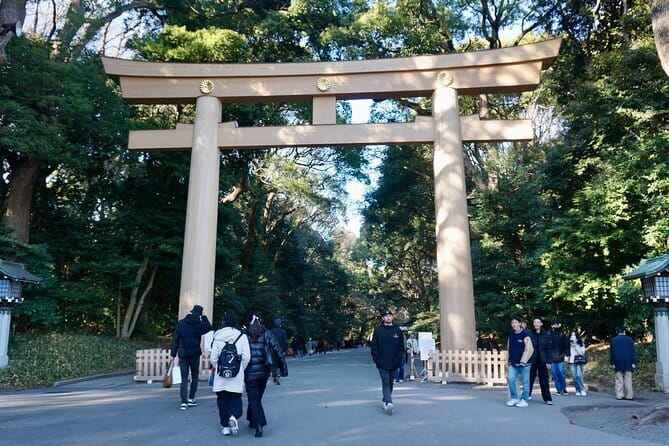
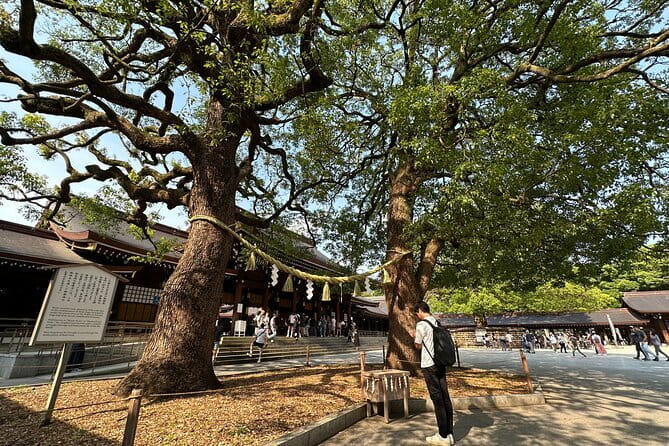
Meiji Jingu is the kind of place where Tokyo noise fades fast. You will spend about an hour at the shrine, which is dedicated to Emperor Meiji and Empress Shoken. The experience starts with walking through forested pathways and moving under towering torii gates, so the route naturally gives you visual wayfinding and a clear sense of arrival.
Why this stop matters early in the day: Meiji Jingu gives you a mental reset. After travel days, trains, and maps, this is the moment Tokyo slows down. Even if you know nothing about Shinto practice, the physical experience does most of the work. The rhythm is straightforward: walk in, follow the grounds, and let the space do its job.
Practical expectation: you will likely spend more time standing or strolling slowly than taking quick photos. That is good. If you treat this like a checklist, you miss the point. Think of it as your chance to absorb the atmosphere before you jump into food and crowds.
Also, the entry is included, and it is free as part of the experience, which keeps your morning simple.
Tsukiji Jogai Market, Sweet Mochi, and Savory Bites You Can Grab Fast
Tsukiji is famous, and part of the reason is that it still reads like a real working food area. The inner auction part moved to Toyosu, but Tsukiji Jogai Market, the outer market, keeps the public-facing energy and food stands.
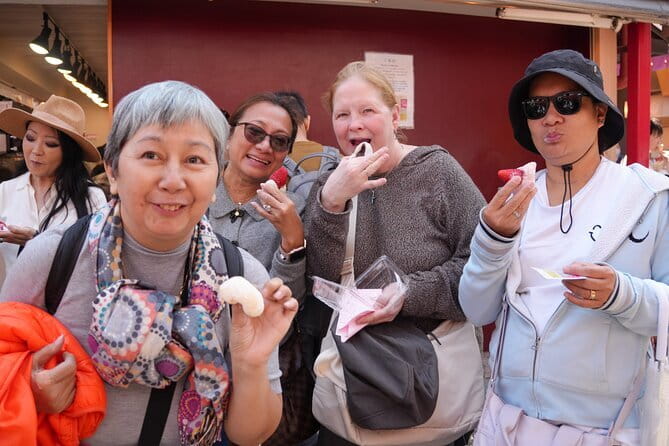
You will spend about an hour here, and you will not leave empty-handed. The tour includes street food tasting, with items such as sweet mochi, sweet potato, and a savory cutlet. This is a smart way to do Tsukiji if you do not want to turn your day into a scavenger hunt. Instead of guessing what is worth the line, you get a guided route to the tastings that match the market setting.
One thing I like about this approach is speed with flavor. Market stalls can be overwhelming, especially if you are hungry and trying to read Japanese menus. Having a guide helps you avoid the common rookie mistake of buying one random snack and calling it lunch. Here, the food is part of the itinerary logic, not an afterthought.
What to watch for: markets are crowded even in the morning. You will still want to be comfortable with standing shoulder-to-shoulder while you eat. If you are someone who hates close quarters, pick your pace, and be ready to step aside when needed.
Entry is also included, so you are not adding surprise costs in the middle of the busiest food stop of the day.
Hungry earlier than that? Other market breakfasts we tried
- Tokyo Tsukiji Fish Market Food and Culture Walking Tour★ 5.0 · 3,184 reviews
- Tokyo: Tsukiji Fish Market Food and Walking tour★ 5.0 · 1,724 reviews
- Tokyo: Tsukiji Fish Market Guided Walking Tour★ 4.9 · 1,397 reviews
- Tokyo Sushi Making Class in Tsukiji with Professional Chef★ 5.0 · 1,177 reviews
- Tsukiji Fish Market Guided Tour and Sushi Making with Pro Chef★ 5.0 · 775 reviews
Senso-ji Temple and Nakamise-dori: The Classic Asakusa Finish
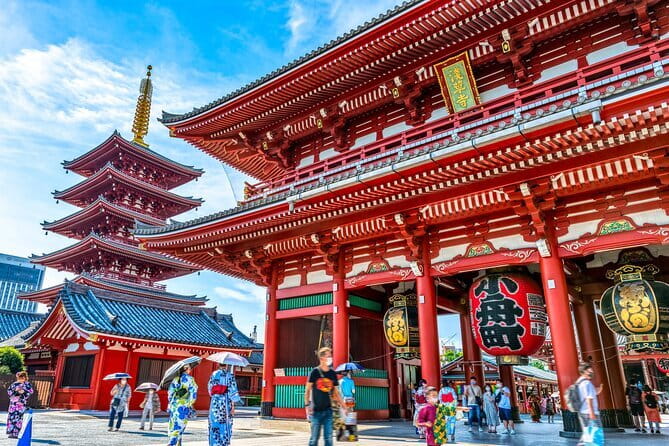
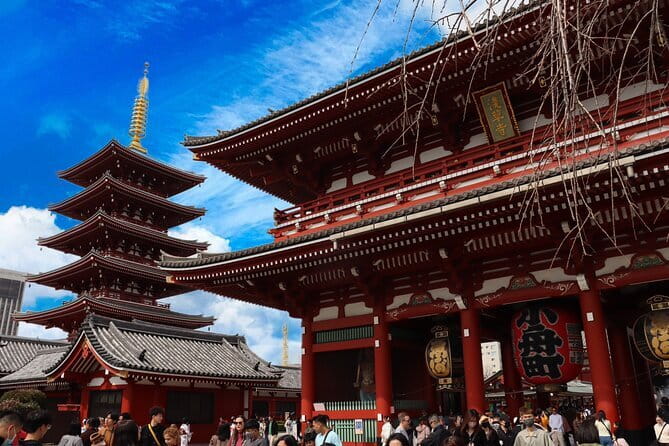
The tour closes at Senso-ji, Tokyo’s oldest Buddhist temple, in Asakusa. You will spend about an hour here, starting with the most recognizable entrance approach, Kaminarimon (Thunder Gate).
This is where the morning tour pays off. When you arrive at Senso-ji after Meiji and Tsukiji, you have a full sense of Tokyo’s range: shrine grounds and market food energy have you warmed up to the sights and sounds of Asakusa. From there, you walk into Nakamise-dori, the shopping street leading into and around the temple area.
Why the order works: by the time you reach Senso-ji, you are ready for movement and browsing, not just sightseeing. Nakamise-dori has lots of small shops and snacks, and even if you do not buy much, just walking it gives you a feel for what Asakusa is built on.
A realistic expectation: this is a popular area. You will see a lot of people. That is not a problem with the tour, it is the city. The guide helps you keep your bearings and choose a simple path through the busiest parts so you can enjoy the atmosphere without turning it into a fight.
The tour ends at Asakusa Station, which is exactly what you want for your next step. You can head off easily, rather than backtracking.
What the Guide Adds (and Why the Group Size Feels Different)
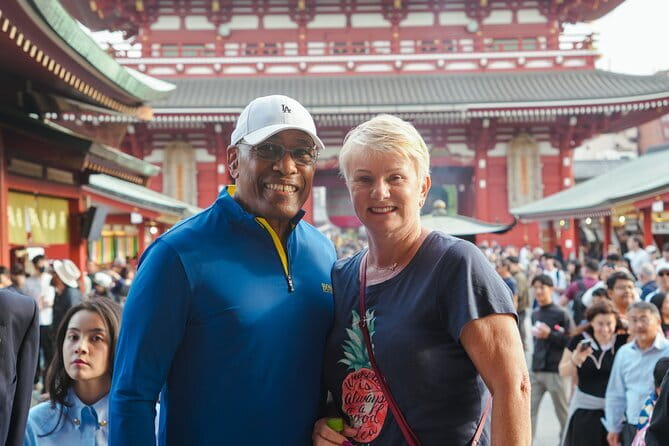
The most consistently praised part of this tour is the guide experience. People talk about guides being fun and professional, but more importantly, being patient and explanatory. Names that show up in the feedback include Shoma Sato and Yosuke, and both are described as giving clear context and adjusting to the group as needed.
That matters because these places are meaningful, but not always obvious. Meiji Jingu is beautiful, yet without context, you might not know what to look for beyond gates and trees. Tsukiji is easy to see, but harder to navigate for food decisions. Senso-ji is famous, but the temple space, etiquette, and the flow of the area are easier when someone else points out what to notice.
Also, the tour caps at maximum 8 people. That small group size changes the whole feel. You are not stuck waiting at the back while the front has already figured out what to do. It is also easier for the guide to take breaks when the group needs them, and to keep the pace comfortable for different comfort levels.
There is another practical perk that often gets overlooked: photos are included. That means you can spend more time looking around and less time negotiating self-timer angles while the morning slips by.
Price and Value: Why $72.67 Can Make Sense
Let’s talk money in a practical way. At $72.67 per person for about four hours, you are paying for a lot of small things that add up fast if you plan solo:
- An English speaking guide who handles the flow of three separate areas
- Entry fees covered for Meiji Jingu, the market area, and Senso-ji
- Photos taken during the tour
- Historical insights and on-the-ground explanations
- A planned food tastings component that includes items like sweet mochi, sweet potato, and a savory cutlet
You still need to pay public transportation fare, listed around 550 yen. That cost is relatively small compared with the overall day plan, but it is worth factoring in so you are not surprised.
So when does this price feel like a good deal? If you are short on time, tired of map math, or you want to eat well without turning Tsukiji into a guessing game, this tour earns its keep. If you are a hardcore independent planner with strong Japanese and the energy to sort everything out yourself, you might feel you could piece it together. But that is more work, more research, and more decision fatigue.
Practical Tips for a Smooth Morning (No Guesswork Needed)
Here is how you set yourself up for an easy, enjoyable experience.
Show up ready to walk. The stops are connected by short stretches, but shrine and market areas involve moving through crowds and uneven foot traffic. Wear comfortable shoes. Think early morning, standing, and short walks.
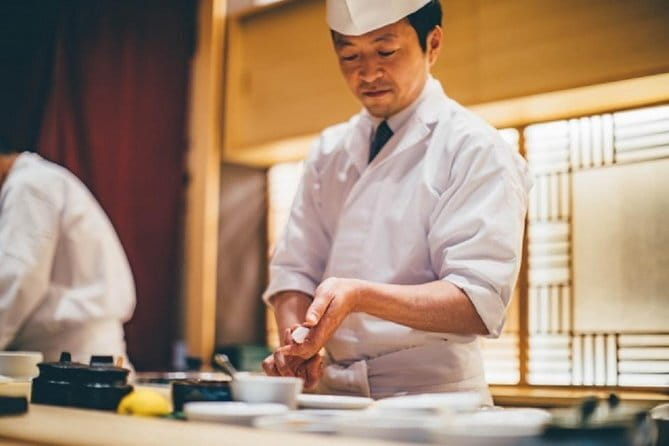
Eat enough to enjoy, not enough to ruin it. The tour includes street foods at Tsukiji, so you do not want to go in so full that the tastings feel like an obligation. At the same time, do not arrive on an empty stomach and rush through every shop. Aim for a normal meal schedule, then let the tastings be the fun part.
Have cash and a card mindset. The tour includes entries and tastings, but additional items around Nakamise-dori and other nearby stalls can tempt you. The data provided only guarantees the included items, so it is smart to keep payment options ready.
Plan for a simple start and a clean finish. You start at IKEA Sweden Cafe in Harajuku, Japan, and you end at Asakusa Station. That means your day can be very flexible afterward. You can stay in Asakusa for longer, or continue sightseeing without backtracking.
Where You Should Stay Thinking About This Route
Since you start in the Harajuku area and end at Asakusa Station, this tour is easiest if you are already near central Tokyo transit lines. The meeting point is described as near public transportation, which helps. If your hotel is elsewhere, you will still need transit time to reach the start, but the end at Asakusa Station can be a good payoff if you plan to spend the rest of the day in that part of town.
If you are only in Tokyo for a short window, this kind of morning structure can be a lifesaver. You get three big hits with a guide keeping things organized, and you are done while the rest of the city is still waking up.
Who This Tour Suits Best
This is a great fit if you want Tokyo to feel organized and meaningful without spending hours planning. It also suits different trip styles:
- First-time Tokyo visitors who want a fast overview of major classic areas
- People who care about food but do not want to gamble on what is worth ordering
- Travelers who like guided context for cultural sites, not just photos
- Anyone who prefers smaller groups and a calmer pace in the morning
The tour is described as suitable for most participants, and the group size is capped at eight, which tends to make it comfortable for a wide range of schedules.
Should You Book This Morning Tour?
Yes, if you want an early Tokyo plan that hits Meiji Jingu, Tsukiji outer market, and Senso-ji with minimal stress. The value is strongest when you are short on time, want clear explanations, and appreciate having photos and food tastings built into the schedule.
I would only hesitate if you dislike standing and walking in crowded areas, or if you prefer to wander without any structure. In that case, you might enjoy building your own route. But if you want the morning to feel smooth, this tour is one of the easiest ways to make Tokyo’s classics fit into a single half-day.
FAQ
How long is the Tokyo Morning Tour?
The tour lasts about 4 hours.
What stops are included on the tour?
You visit Meiji Jingu Shrine, Tsukiji Jogai Market, and Senso-ji Temple in Asakusa.
Is admission included for the main sites?
Yes. Entry and admission for Meiji Jingu Shrine, the fish market area, and Senso-ji Temple are included.
What food do you try during the tour?
You try street foods such as sweet mochi, sweet potato, and a savory cutlet.
Is a guide included, and do they speak English?
Yes. The tour includes an English speaking guide.
Does the tour include photos?
Yes. Photos are taken during the tour and included.
Where does the tour start and end?
It starts at IKEA Sweden Cafe in Harajuku (Japan). It ends in Asakusa at Asakusa Station.
Is the tour ticket mobile?
Yes, the tour uses a mobile ticket.
How big is the group?
The tour has a maximum of 8 travelers.
How much does it cost, and what extra costs should I expect?
The price is $72.67 per person. Public transportation fare is not included and is listed as around 550 yen.
Market Mornings We Have Reviewed

Asakusa and the Skytree, Keep Going
Newest Tokyo write-ups from the Loving Japan desk
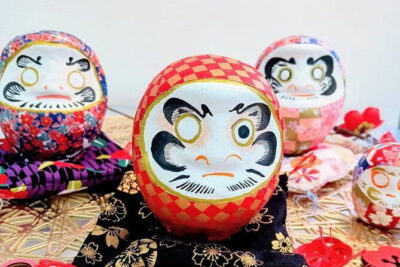
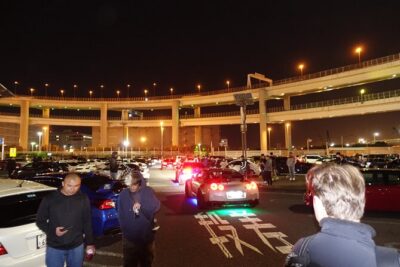
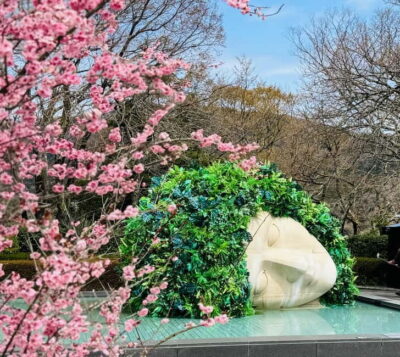
Asakusa, Senso-ji and Tokyo Skytree, side by side.
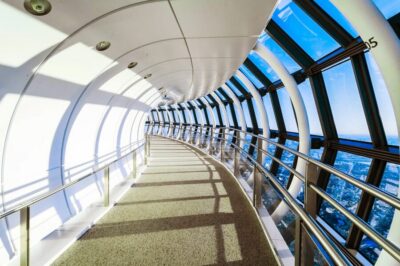 ★ 4.5TOKYO SKYTREE® Admission ticketFrom $1311,192 reviews
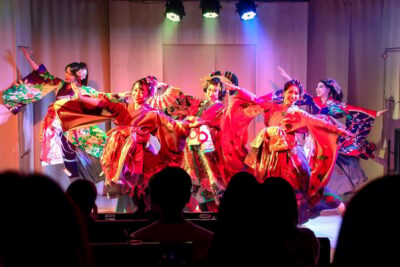 ★ 4.8Japanese Dance Cabaret Theater Asakusa-Kaguwa TicketFrom $492,270 reviews
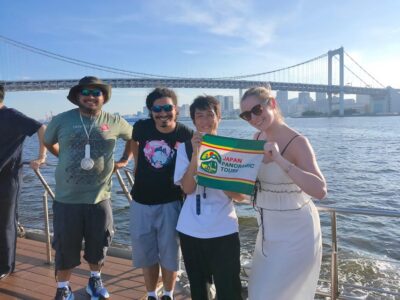 ★ 4.7Meiji Shrine, Asakusa, Skytree Bus Tour and CruiseFrom $1221,986 reviews
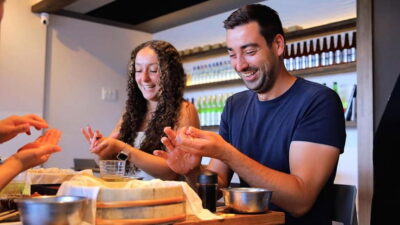 ★ 4.9Roll and Authentic Sushi Making Class in AsakusaFrom $581,957 reviews
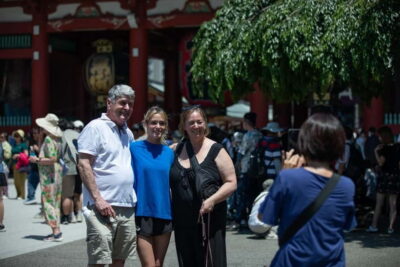 ★ 4.8Asakusa Walking Tour with Sensoji Temple VisitFrom $221,583 reviews
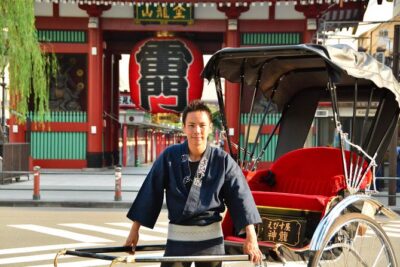 ★ 5.0Tokyo Asakusa Rickshaw TourFrom $421,375 reviews
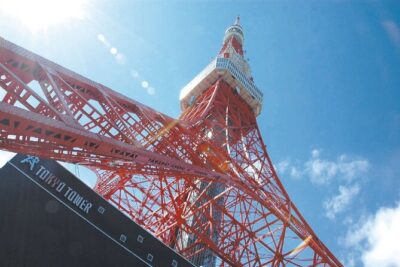 ★ 4.5Tokyo Panoramic 1 Day: Meiji Shrine, Asakusa, Odaiba and SKYTREE®From $851,222 reviews
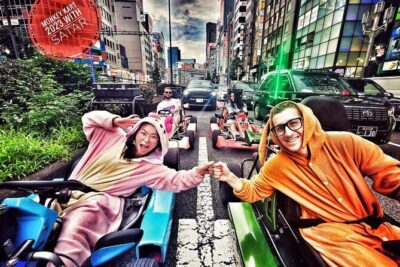 ★ 5.0Tokyo Go Kart: Asakusa, Skytree, and Akihabara **IDP MUST**From $99988 reviews