
REVIEW · ASAKUSA, SENSO-JI AND TOKYO SKYTREE
Tokyo Morning Tour: Meiji Shrine, Asakusa & Fish Market
Tokyo mornings have a special tempo, and this tour follows it. You start with Meiji Jingu calm, then switch gears to food at Tsukiji Outer Market, and end in Asakusa with classic temple sights and snack stops. It is a smart way to hit Tokyo’s big names while keeping your feet moving at a human pace.
I especially like how the guide connects the dots between daily life and what you see, and how you get to taste street-level Tokyo foods like sushi, sashimi, croquettes, and traditional sweets. The only drawback to watch for is that you will likely have less flexibility to wander at your own rhythm, since the morning is scheduled and you finish in Asakusa.
In This Review
- Key Highlights You Should Expect
- A Tokyo Morning Built Around Calm, Food, and Faith
- Meeting at IKEA Harajuku and Getting Your Bearings
- Meiji Jingu Shrine: Peaceful Grounds and a Fire Ceremony Moment
- Tsukiji Outer Market: Sushi and Sashimi Without the Guesswork
- Asakusa: Croquettes, Traditional Sweets, and Senso-ji Temple
- Price and What You Actually Get for $83
- Timing, Transportation, and What to Bring
- Best Fit: Who This Tour Works for
- FAQ
- How long is the Tokyo Morning Tour?
- What are the main stops on this tour?
- Where does the tour start and where does it finish?
- Is the tour guided, and what language is used?
- What is included in the price?
- What is not included in the price?
- Can I cancel or book later?
- Should You Book This Tokyo Morning Tour?
Key Highlights You Should Expect
- Meiji Jingu calm with practical context: You get shrine customs explained, not just sightseeing checkmarks.
- Tsukiji Outer Market sushi and sashimi tastings: Fresh, lively stalls set the tone for the rest of your day.
- Asakusa snack stops: Crispy croquettes and traditional sweets keep the walk fun.
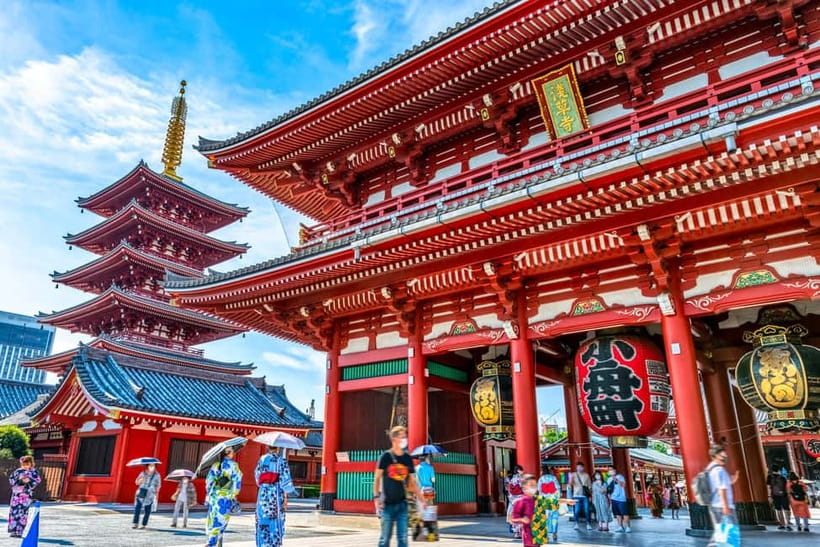
- Senso-ji Temple included: You do the Asakusa anchor site with entry taken care of.
- English guides who stay engaged: Names that came up often include Yosuke, YoYo, Lex, Remu, and Ken, with lots of Q and A time.
Still on the Sumida side? A few more Asakusa options
- Tokyo: Japanese Dance Cabaret Theater Asakusa-Kaguwa Ticket
★ 4.8 · 2,270 reviews - Tokyo: Meiji Shrine, Asakusa, Skytree Bus Tour and Cruise
★ 4.7 · 1,986 reviews - Tokyo: Roll and Authentic Sushi Making Class in Asakusa
★ 4.9 · 1,957 reviews - Tokyo: Asakusa Walking Tour with Sensoji Temple Visit
★ 4.8 · 1,583 reviews
A Tokyo Morning Built Around Calm, Food, and Faith
This tour works because it balances three different Tokyo moods. You begin with a serene shrine setting. Then you shift into the sensory energy of a market. Finally, you land in Asakusa, where old streets and temple gates slow you down again.
For me, the best part is the flow. You are not stuck in one theme all morning. You get a spiritual stop, a food-focused stop, and a neighborhood-with-character stop, all in a single block of about 4.5 hours.
You will also appreciate the format if you are new to Tokyo. The route starts at IKEA Harajuku, which is easy to find if you are using transit apps. From there, the guide helps you understand what you are seeing as you go, including customs and how Shinto and Buddhism show up in everyday ritual and symbolism.
Meeting at IKEA Harajuku and Getting Your Bearings
The meeting point is right out in the open, in front of IKEA HARAJUKU. That matters in Tokyo because the difference between easy and stressful is often one wrong turn or one confusing exit.
Once you are grouped up, the guide typically sets the tone fast. Expect a mix of practical pointers and background so the morning does not feel like you are just being escorted from one photo spot to another. Many guide notes praised how active, patient, and engaging they were, with plenty of time for questions.
A quick mindset tip: treat this as a guided walk where the food and sights are the main events. Wear comfortable shoes, because even with scheduled stops, you will be on your feet through market sidewalks and temple-area streets.
Meiji Jingu Shrine: Peaceful Grounds and a Fire Ceremony Moment
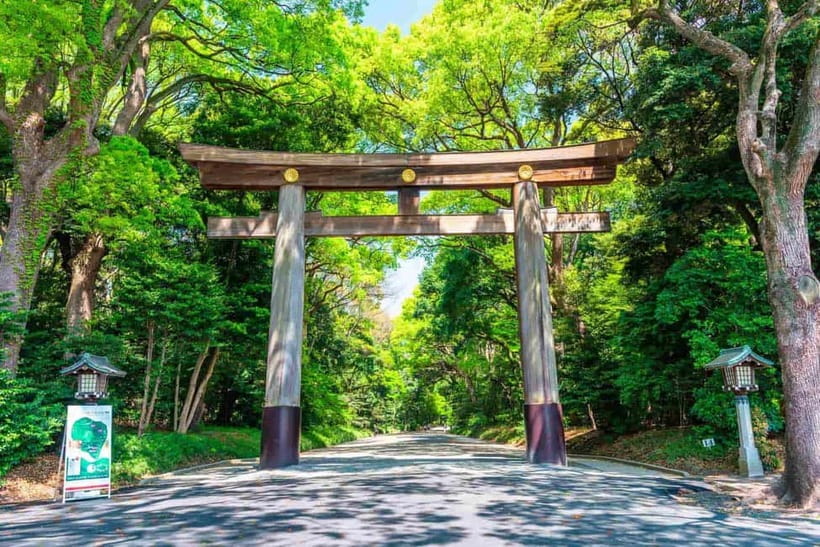
Meiji Jingu is the reset button in this morning. You trade city noise for a quieter world where the shrine path and atmosphere do the heavy lifting. The tour includes entry to Meiji Jingu Shrine, so you can focus on the experience instead of looking up tickets.
What makes this stop stand out is the way the guide explains what people are doing and why. Multiple guide accounts mention Shinto and Buddhism comparisons, including how worship practices and ideas show up side-by-side. Guides like Yosuke, YoYo, and Remu were specifically praised for making the religion and customs feel understandable, not like a lecture.
You may also get to watch a fire ritual moment during the shrine visit, including the sound and timing of a drum that marks the event. That kind of detail is exactly why a guide helps. It is easier to follow what is happening, and you are less likely to miss the meaning behind the moment.
Practical note: Meiji Jingu is calming, but it can still involve walking on uneven ground. If you have any mobility limits, bring it up early to the guide so they can keep you on the best route.
Hungry earlier than that? Other market breakfasts we tried
- Tokyo Tsukiji Fish Market Food and Culture Walking Tour★ 5.0 · 3,184 reviews
- Tokyo: Tsukiji Fish Market Food and Walking tour★ 5.0 · 1,724 reviews
- Tokyo: Tsukiji Fish Market Guided Walking Tour★ 4.9 · 1,397 reviews
- Tokyo Sushi Making Class in Tsukiji with Professional Chef★ 5.0 · 1,177 reviews
- Tsukiji Fish Market Guided Tour and Sushi Making with Pro Chef★ 5.0 · 775 reviews
Tsukiji Outer Market: Sushi and Sashimi Without the Guesswork
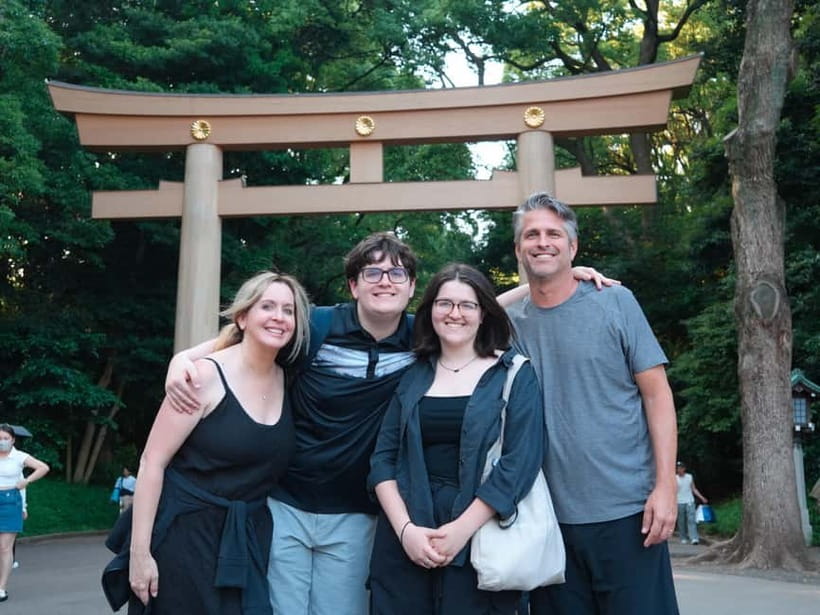
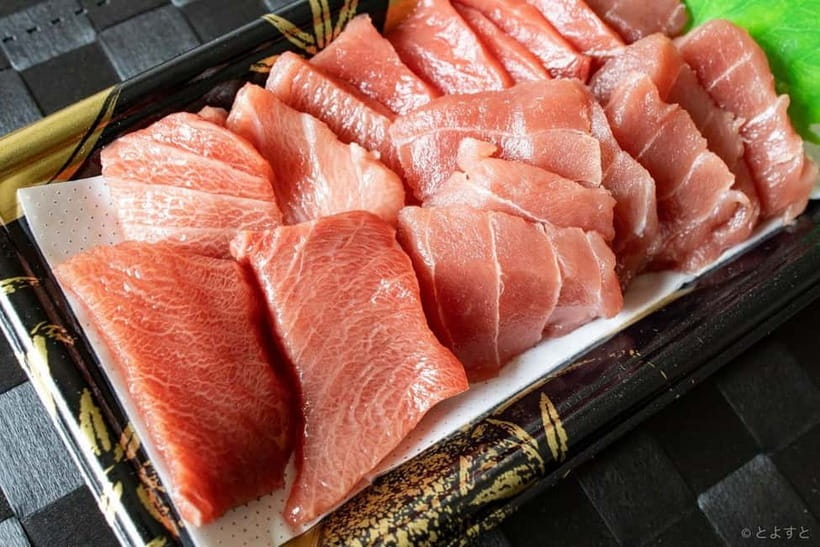
Then the morning turns delicious. At Tsukiji Outer Market, you get tastings of fresh sushi and sashimi from lively stalls. This is where the tour turns into a real food experience, not just window shopping.
Why this stop is worth paying for: market food is not just about taste. It is about timing, ordering, and knowing what to ask for. Your guide helps you navigate the practical side so you spend less time figuring out logistics and more time enjoying what you came for.
Also, the context matters. Many guide notes singled out Tsukiji as a learning highlight, with explanations that went beyond food to include culture and religion in a way that made Japan feel connected rather than compartmentalized. If you like to understand how places work, you will appreciate that your guide ties the morning together.
A smart way to handle this part: keep your appetite adjustable. You are tasting, and you are walking. If you go in overly full, you may end up enjoying less of what comes next. If you go hungry and ready, you get the most out of the tastings and any extra items you choose to buy on your own.
Asakusa: Croquettes, Traditional Sweets, and Senso-ji Temple
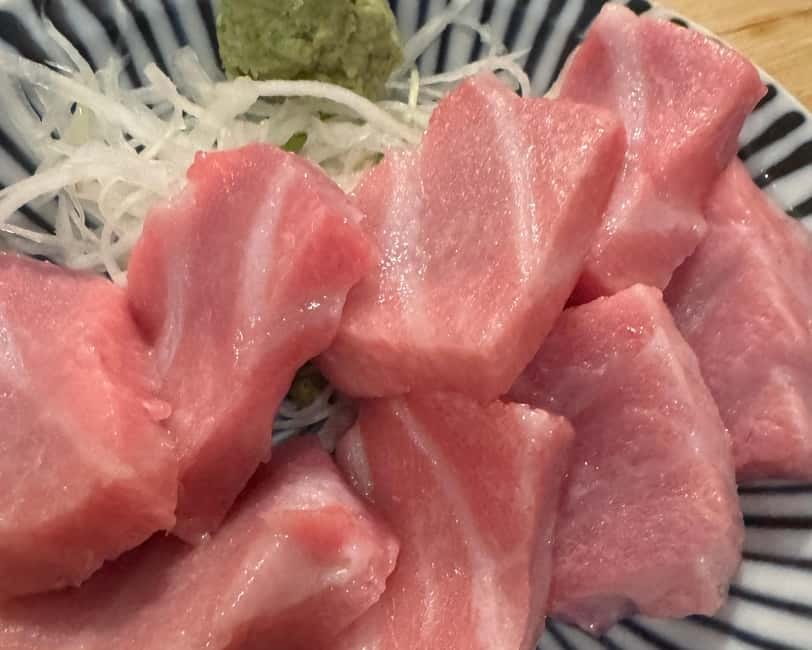
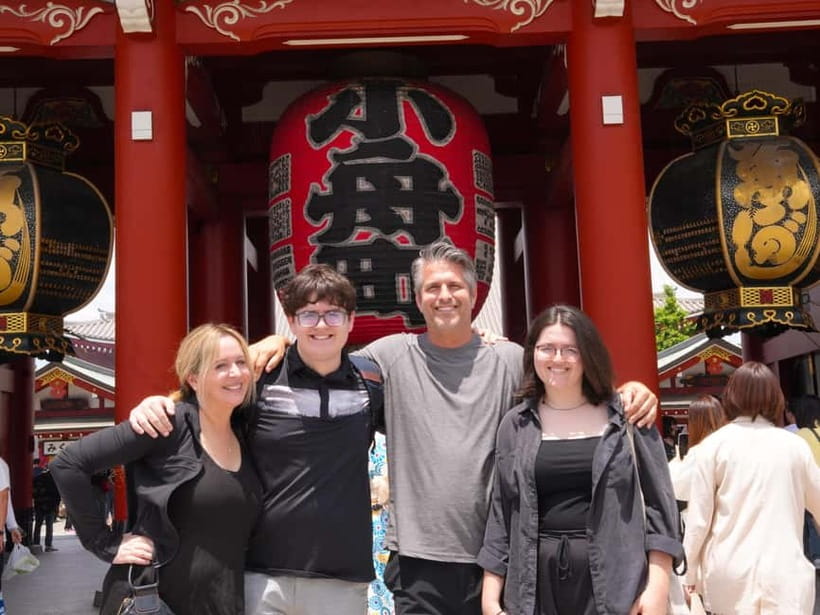
Asakusa is where the morning gets warmer and more old-school. The tour includes time for sightseeing, shopping, and walking, plus entry to Senso-ji Temple. That combination is handy because Senso-ji is the anchor, but the surrounding streets are often where the memories form.
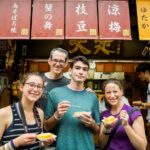
You can also expect snack moments. The highlights call out crispy croquettes and traditional Japanese sweets, and that food stop is a big reason this tour feels fun instead of purely ceremonial. It gives you a break without losing momentum.
Asakusa also works well for photos, but again, the guide adds value by pointing out what to look for and how to interpret what you see. A few experiences described the tour as spiritual and calming, with guides spending time on the difference between Shinto and Buddhism and how that shows up around major sites.
Finish point is Asakusa. That is good if you want to keep exploring on your own right after. It is also helpful because you end near a neighborhood where you can choose your next move based on what mood hits you after a food-and-temple morning.
Price and What You Actually Get for $83
At $83 per person for about 270 minutes, this tour is priced like a guided morning, not like a cheap bus ride with a camera. The value is not just the three stops. It is the mix of included admissions, guide time, and added touches.
Included items you are paying for:
- English speaking guide
- Photos taken during the tour
- Historical and cultural insights at the districts
- Entry/admission to Meiji Jingu Shrine
- Entry/admission to Tsukiji Fish Market (as listed)
- Entry/admission to Senso-ji Temple
Not included:
- Public transportation fare, listed at around 550 yen
That admission coverage is a real chunk of the cost you would otherwise handle yourself. Then you add the fact that you are getting organized tastings at Tsukiji, which is harder to replicate without either planning heavily or booking another food-focused experience.
If you are comparing options, think about time and friction. This tour reduces the mental load of getting the right route, understanding customs, and making sure you do the key sites without losing half your morning to navigation.
Timing, Transportation, and What to Bring
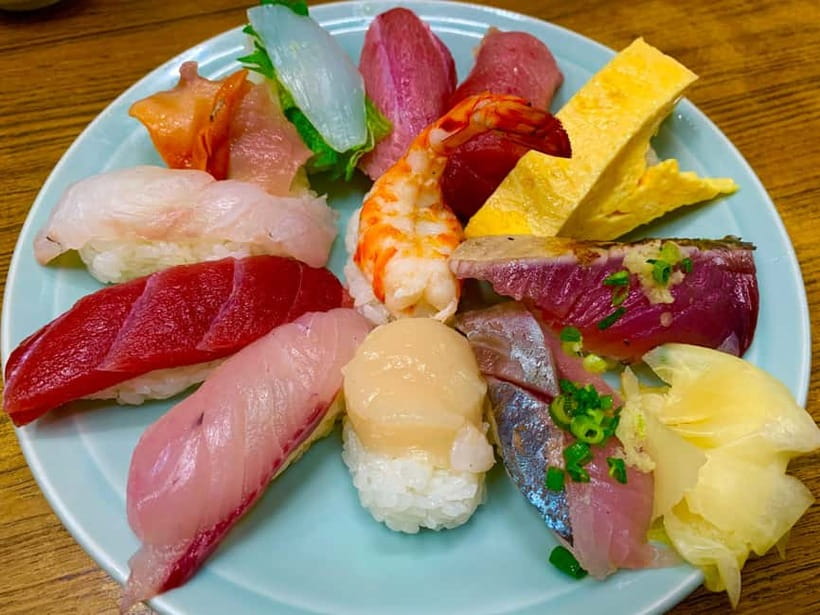
This is a morning tour designed to start early, which means you get the sites before the day fully heats up. That can matter at both the shrine and market areas. You get better attention, calmer walking, and more time to enjoy the moment instead of rushing.
For transportation, plan for a transit add-on. The tour notes public transport costs around 550 yen, so you should keep some yen handy.
What to bring is simple:
- Comfortable walking shoes
- A light layer, because mornings can feel cooler than you expect
- Your appetite, since tastings plus walking is the core idea
If you are sensitive to crowds, Tsukiji can still be active. The guide helps you move through it efficiently, but you should still treat it as a market environment where energy is part of the experience.
Best Fit: Who This Tour Works for
This tour is ideal if you want Tokyo’s big-name sites with structure, and you care about the meaning behind what you see. If you like asking questions and you enjoy explanations about Shinto and Buddhism, your guide becomes a big part of the value.
It also suits food-focused mornings. You are not just eating random street snacks. You get sushi and sashimi tastings at Tsukiji and snack stops like croquettes and sweets in Asakusa.
On top of that, the guide style seems to matter a lot here. Several names came up repeatedly, including Yosuke, YoYo, Lex, Remu, and Ken, and many notes praised how engaged and caring they were. One account even described a solo booking that felt like a full private experience, which hints that smaller group moments can happen.
If you prefer zero structure and maximum wandering, you might find the schedule a little limiting. But if you want a guided morning that covers a lot without feeling frantic, this format is a strong match.
FAQ
How long is the Tokyo Morning Tour?
The duration is listed as 270 minutes.
What are the main stops on this tour?
The stops are Meiji Shrine, Tsukiji Outer Market (listed as Tsukiji Fish Market), and Asakusa, ending in Asakusa.
Where does the tour start and where does it finish?
Meet up is in front of IKEA HARAJUKU. The tour finishes in Asakusa.
Is the tour guided, and what language is used?
Yes. The tour includes an English speaking guide.
What is included in the price?
Included items are the guide, photos taken during the tour, historical insights, entry/admission for Meiji Jingu Shrine, entry/admission for Tsukiji Fish Market, and entry/admission for Senso-ji Temple.
What is not included in the price?
Public transportation fare is not included, noted as around 550 yen.
Can I cancel or book later?
The activity lists free cancellation up to 24 hours in advance for a full refund. It also notes reserve now & pay later, so you can book without paying immediately.
Should You Book This Tokyo Morning Tour?
Book it if you want a well-paced morning that mixes food and culture without spending your day piecing together directions. This is especially worth it if you like learning the meaning behind Meiji Jingu and how religious practices show up in what you see.
Skip it only if you want total free-form wandering and you do not care much about guides or tastings. Otherwise, this is a strong value way to experience three of Tokyo’s most memorable morning scenes in one go.
Market Mornings We Have Reviewed

Asakusa and the Skytree, Keep Going
Newest Tokyo write-ups from the Loving Japan desk
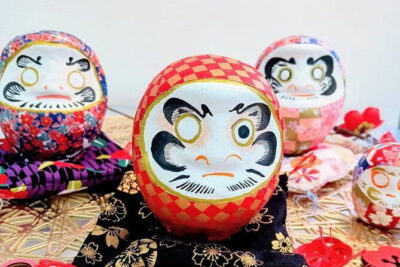
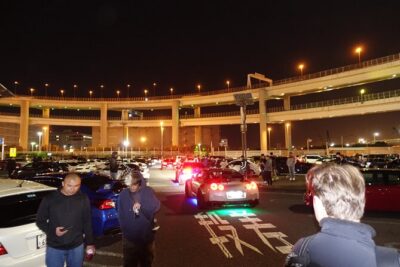
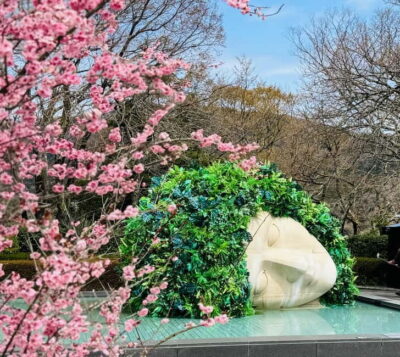
Asakusa, Senso-ji and Tokyo Skytree, side by side.
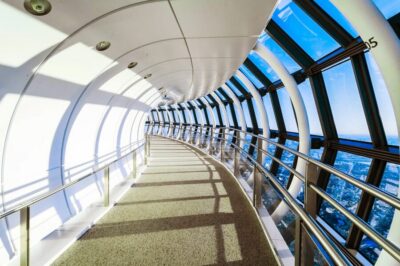 ★ 4.5TOKYO SKYTREE® Admission ticketFrom $1311,192 reviews
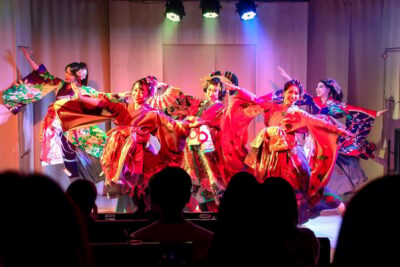 ★ 4.8Japanese Dance Cabaret Theater Asakusa-Kaguwa TicketFrom $492,270 reviews
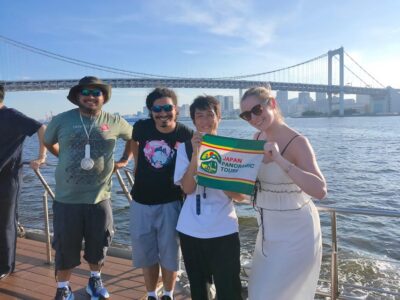 ★ 4.7Meiji Shrine, Asakusa, Skytree Bus Tour and CruiseFrom $1221,986 reviews
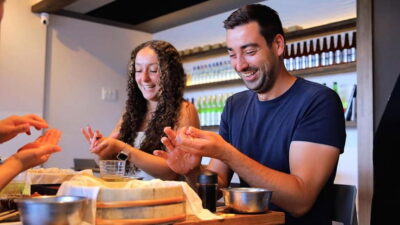 ★ 4.9Roll and Authentic Sushi Making Class in AsakusaFrom $581,957 reviews
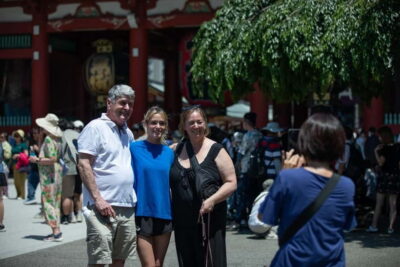 ★ 4.8Asakusa Walking Tour with Sensoji Temple VisitFrom $221,583 reviews
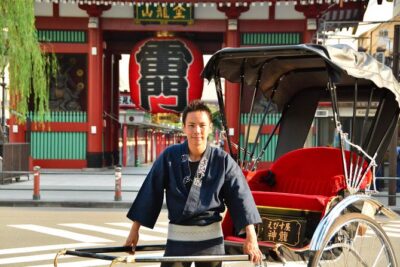 ★ 5.0Tokyo Asakusa Rickshaw TourFrom $421,375 reviews
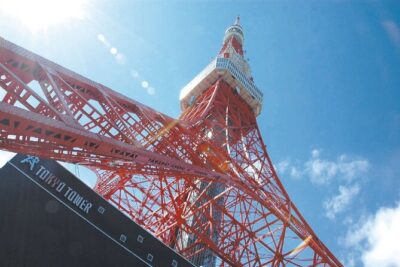 ★ 4.5Tokyo Panoramic 1 Day: Meiji Shrine, Asakusa, Odaiba and SKYTREE®From $851,222 reviews
 ★ 5.0Tokyo Go Kart: Asakusa, Skytree, and Akihabara **IDP MUST**From $99988 reviews