
REVIEW · SHIBUYA, SHINJUKU AND HARAJUKU WALKS
Tokyo Night Bike Tour: From Shibuya to Tokyo Tower via Roppongi
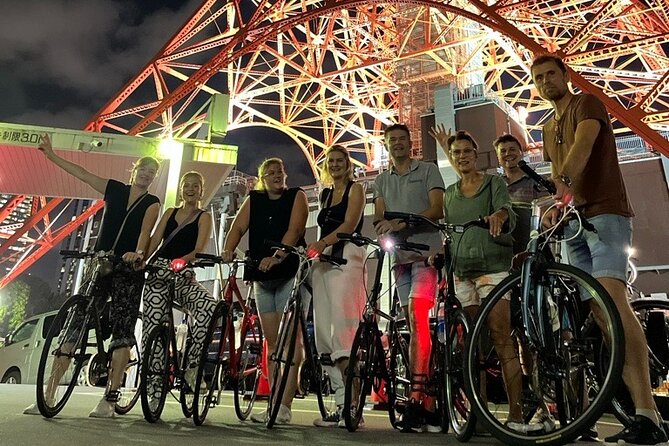
Tokyo at 8 PM is a different city, and pedaling makes it feel simple fast. This 2-hour small-group ride takes you from the Shibuya area toward Tokyo Tower and through Roppongi, with the neon skyline glowing over well-lit roads.
I love how the tour mixes iconic stops with quieter streets you might never find on your own, especially around Jingu Gaien and Aoyama Cemetery. I also like that the guide is hands-on, giving a clear lead so you can relax and watch the city instead of worrying about directions.
In This Review
- Two reasons it feels worth your time
- What makes this Tokyo night route special
- Why Shibuya to Tokyo Tower by bike is such a good idea at night
- Getting it right at the start: meeting point, timing, and the ride pace
- The route, stop by stop: Tokyo Tower, Meijijingu Gaien, Omotesando, and more
- Stop 1: Tokyo Tower after dark
- Stop 2: Meijijingu Gaien
- Stop 3: Omotesando
- Stop 4: Roppongi Keyakizaka Dori
- Stop 5: Azabujuban
- Stop 6: Aoyama Cemetery at night
- Stop 7: Roppongi
- Stop 8: Nishiazabu
- Why biking at 8 PM lets you see more than a daytime tour
- Safety, comfort, and what you should do before you go
- Wear and bring the basics
- Match your cycling comfort to the route
- Expect light rain, possibly not worse
- Who this tour is best for, and who should skip it
- Value check: why $56.01 for a 2-hour guided ride can make sense
- Practical photo and enjoyment tips for the best experience
- Should you book the Tokyo Night Bike Tour from Shibuya to Tokyo Tower via Roppongi?
- FAQ
- What is the duration of the Tokyo Night Bike Tour?
- What time does the tour start?
- What does the price include?
- Is dinner included during the tour?
- Where do I meet for the tour?
- Is the meeting point near public transportation?
- What size of bicycles are used?
- Do I need to be an experienced cyclist?
- What should I expect for riding speed?
- What happens in rain or bad weather?
- What is the group size limit?
- Is cancellation possible for a full refund?
Two reasons it feels worth your time
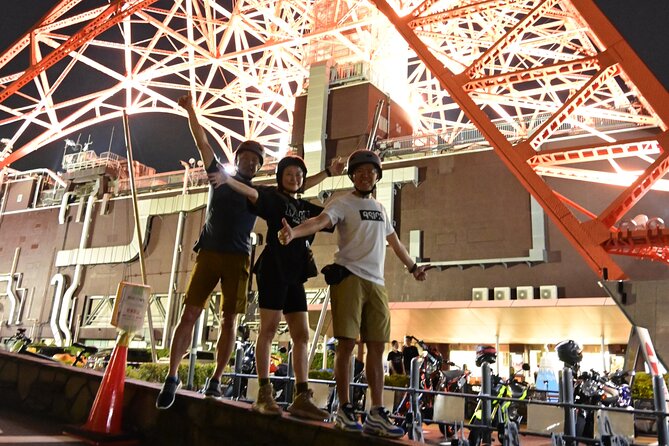
First, you get the practical stuff covered: bicycle and helmet included, so you can show up and go. Second, the guides, including names like Taichi and Ikeda, get praised for being easy to follow, professional, and focused on making the ride feel safe.
The main thing to consider is that this isn’t a casual stroll. You’re expected to cycle confidently at about 15 km/h and handle pavements, cross traffic lights, and tight spaces.
Other routes through the west side of Tokyo, compared
- Tokyo: Shinjuku Food Tour (13 Dishes at 4 Local Eateries)
★ 5.0 · 6,603 reviews - Tokyo Bar Hopping Tour in Shinjuku (All-You-Can-Drink + Dinner)
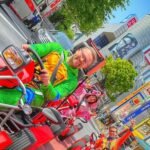
★ 5.0 · 3,587 reviews - Official Street Go-Kart in Shibuya
★ 5.0 · 3,435 reviews - Tokyo: Shinjuku Food Tour (15 Dishes and 4 Eateries)
★ 4.9 · 2,033 reviews
What makes this Tokyo night route special
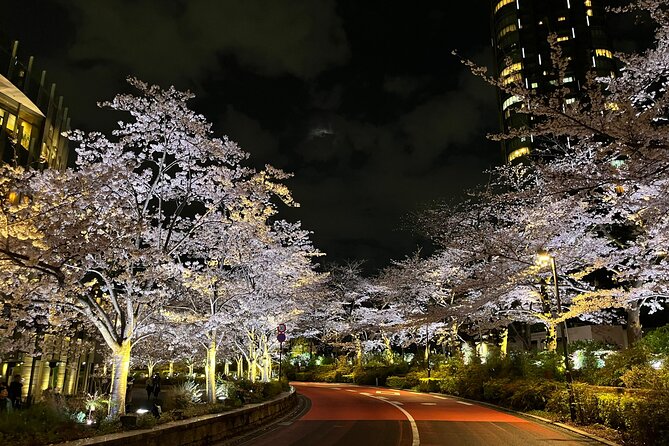
- Tokyo Tower under the lights plus skyline views from the Roppongi area
- Off-the-train streets like Jingu Gaien and Aoyama Cemetery, where biking pays off
- Max 6 people so you get attention and aren’t lost in a big crowd
- Bike fit matters, with bikes for heights roughly 155 cm to 185 cm
- Night timing, not heat, since the ride happens after dark with cooler air
- Plan a snack, because there’s no dinner stop during the tour
Why Shibuya to Tokyo Tower by bike is such a good idea at night
Tokyo is impressive in daylight. At night, though, it’s moodier, softer, and usually easier to move around. You’ll feel it the moment you start pedaling after 8:00 pm. Streets tend to loosen up a bit, and the air often feels kinder than mid-day heat. That matters in a city where you can burn time fast just figuring out how to get from one highlight to the next.
The big strength of this tour is that it turns “I want to see a lot” into something doable. You cover enough ground to hit major sights like Tokyo Tower and move through Roppongi, but you do it at a human pace. Instead of sprinting between stations, you glide through neighborhoods, storefronts, and side streets that buses and trains just can’t touch the same way.
And the small-group setup makes a difference. With a guide keeping things organized, you’re not constantly checking maps. That’s a real value add in Tokyo, where even with excellent transit, transfers and station layouts can be mentally draining after a full day.
Getting it right at the start: meeting point, timing, and the ride pace
You meet at Umayamichi Park, 5-chōme-24-11 Sendagaya, in the Shibuya area. It’s listed as about 10 minutes from Shinjuku Station and only about a minute from Yoyogi Station, so you have options for arriving.
The start time is 8:00 pm, and the tour runs about 2 hours. That timing is usually ideal for first-timers because you still have energy, but the city has switched into “lights on” mode. It also helps if you’re trying to balance sightseeing with jet lag. Two hours is a chunk, but it’s not the kind of all-night commitment that messes with your next day.
Now, the practical piece you should take seriously: you’re riding at around 15 km/h. That’s a typical cycling speed, but the tour expects confidence. You should feel comfortable cycling on pavements, handling cross traffic lights, and moving through crowded or tight areas. If you’re a relaxed, slower rider, you may find yourself working to keep pace.
There’s also a weather note. The tour goes ahead in light rain, but it may cancel with sudden weather changes. If you’re choosing this as a “must do” on a tight schedule, I’d still keep a backup plan in mind for the evening.
The central Tokyo landmarks, reviewed one by one
- Flagship 2-Hours Official Street Go-Kart Tour – Tokyo Bay Shop★ 5.0 · 4,974 reviews
- Tokyo: Imperial Palace and Shogun Historical Walking Tour★ 5.0 · 2,251 reviews
- Tokyo: Meiji Shrine, Asakusa, Skytree Bus Tour and Cruise★ 4.7 · 1,986 reviews
- Chopstick Making Workshop in Ginza★ 4.8 · 1,366 reviews
- Tokyo Panoramic 1 Day: Meiji Shrine, Asakusa, Odaiba and SKYTREE®★ 4.5 · 1,222 reviews
The route, stop by stop: Tokyo Tower, Meijijingu Gaien, Omotesando, and more
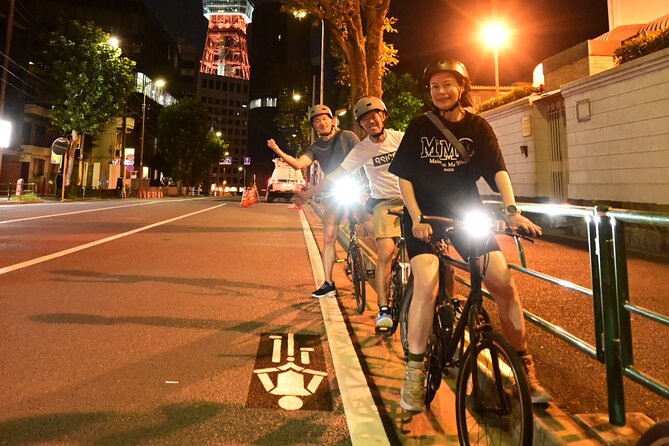
This ride is planned as a back-to-back highlight sequence, with enough variety to feel like more than just “look at famous places.” You also get segments that are more about atmosphere, which is where nighttime biking really shines.
Stop 1: Tokyo Tower after dark
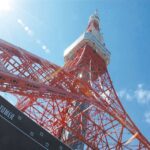
Seeing Tokyo Tower at night is the point where the city clicks into place. The tower is a landmark you recognize instantly, but it looks different under streetlights. From a bike, you get a moving perspective, so views come in layers rather than as one static photo.
What’s great here is the rhythm: you’re not just stopping, you’re arriving into the sight. The whole tour builds toward moments like this, so it doesn’t feel random.
Potential drawback: if you’re hoping for a long time to linger at the base, this is still a 2-hour ride. The photo angle you choose is up to you, but your best strategy is to be ready when the group stops.
Stop 2: Meijijingu Gaien
This area gives you a different kind of Tokyo mood. Instead of only neon and shopping streets, you get a more atmospheric, slightly more spaced-out feeling. Meijijingu Gaien is a strong contrast after Roppongi-style brightness.
On a bike, you get to experience the space in motion. You don’t feel trapped standing in a single spot. If you like architectural and street-level lighting details, this segment is often where night photography starts to look more interesting.
Stop 3: Omotesando
Omotesando is known for stylish streets and storefront energy. At night, it shifts from daytime shopping flow into something more visual. You’re still in a lively part of the city, but it feels more like walking past lights and design than scanning crowds for directions.
The nice part for cyclists is that you can cover distance without losing the feeling of being part of the street scene. If you spend too much time in stations during a trip, this is a refreshing change.
Stop 4: Roppongi Keyakizaka Dori
Keyakizaka Dori is where the ride leans into that Roppongi vibe. It’s well-lit and made for nighttime wandering, and biking lets you keep your eyes up. You’re not just getting “a stop,” you’re traveling through a recognizable atmosphere.
What I like about this stop as a concept is that it gives you the sense of being in the right neighborhood, not just looking at it from the edge. You get that layered experience of streets, signage, and nighttime movement.
Stop 5: Azabujuban
Azabujuban is more about neighborhood character than one single famous landmark. That’s useful on a tour like this because it keeps the evening from feeling like a checklist.
If you enjoy side-street Tokyo, this is the kind of area where you can spot small details that don’t make it into every photo guide. The bike pace helps too, because you can notice things while still moving.
Stop 6: Aoyama Cemetery at night
This is a contrast stop that changes the tone. Aoyama Cemetery at night is quiet in a way that’s hard to replicate in more tourist-heavy zones.
On a practical level, this stop is also a reminder why biking matters. Some places are awkward or slow to reach using public transport. Having a route that includes a place like this makes the whole tour feel like more than standard “big sights only.”
Potential drawback: if you’re sensitive to dim or quiet areas, pace yourself mentally. Night rides can feel peaceful, but the setting is still a cemetery, so treat it with respect and stay focused on the ride.
Stop 7: Roppongi
After the cemetery and calmer segments, returning to Roppongi brings you back to bright energy and skyline focus. This stop helps close the loop with the classic “Tokyo at night” feel.
Stop 8: Nishiazabu
Nishiazabu rounds out the ride with another neighborhood feel. It’s a good way to end without the tour feeling like it finished too abruptly. When you’re traveling, it’s the last stretch that tells you whether a tour gave you actual balance or just a string of photos.
Ending back at the meeting point means you can keep your evening plans simple. No late-night station juggling.
Why biking at 8 PM lets you see more than a daytime tour
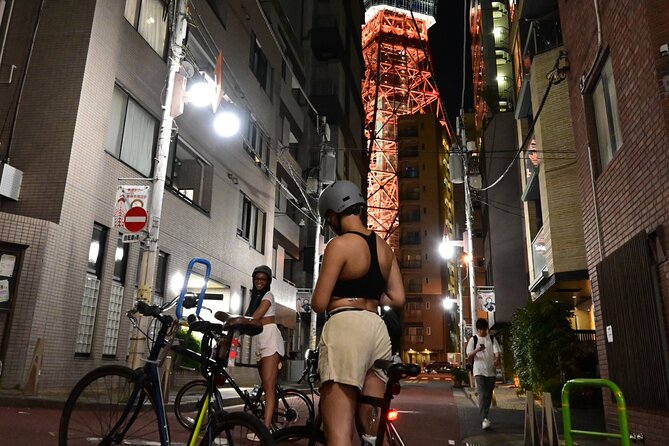
Daytime Tokyo can be a lot of scanning, sweating, and navigating crowds. Night has its own set of challenges, like fewer places to cool down and darker streets. But for sightseeing, it often delivers better “city mood” and less heat stress.
Here’s what biking fixes for you:
- You cover more distance without the stop-and-go of transit.
- You can reach areas that are less convenient by public transport.
- You get moving views, which is a real advantage for skyline moments like Tokyo Tower and Roppongi lighting.
And your guide reduces the biggest risk: getting lost while trying to enjoy the ride. For people who want Tokyo context and street-level guidance, this kind of guided cycling is a fast way to build your bearings.
In reviews, guides like Taichi and Ikeda are praised for being easy to follow and making the route feel safe. That matters more than people expect. In a city of traffic and tight corners, feeling confident changes your whole experience.
Safety, comfort, and what you should do before you go
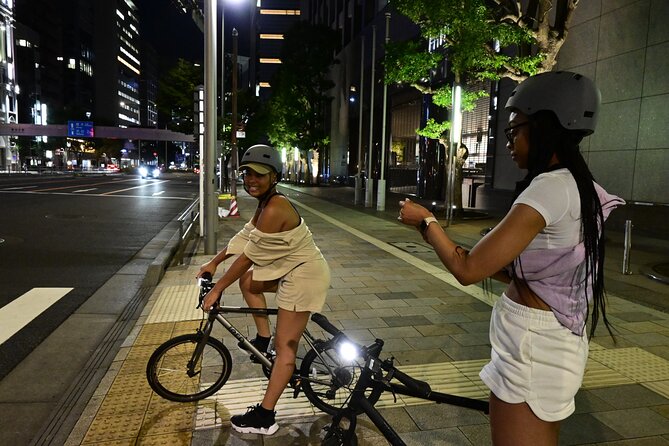
Since this is a bicycle tour on city streets, your preparation affects everything. Here’s how to set yourself up.
Wear and bring the basics
- Dress for night air, and expect it to feel cooler than daytime, especially in summer.
- Wear shoes that grip well on pavements.
- If you get hungry easily, eat before you go or bring a snack. There’s no dinner stop during the tour.
Match your cycling comfort to the route
This isn’t for people who only feel comfortable riding on a flat bike path. The tour expects you to cycle at about 15 km/h and handle cross traffic lights confidently. You should also be okay riding through crowded or tight sections.
If you’re a confident cyclist, the speed and traffic interactions feel manageable because the group stays organized. If you’re not, you might spend the whole time concentrating instead of enjoying.
Expect light rain, possibly not worse
If the sky is threatening, you can’t assume it will be canceled. The tour goes in light rain, but it may cancel due to sudden weather changes. Having a simple plan for an indoor alternative the same evening is smart.
Who this tour is best for, and who should skip it
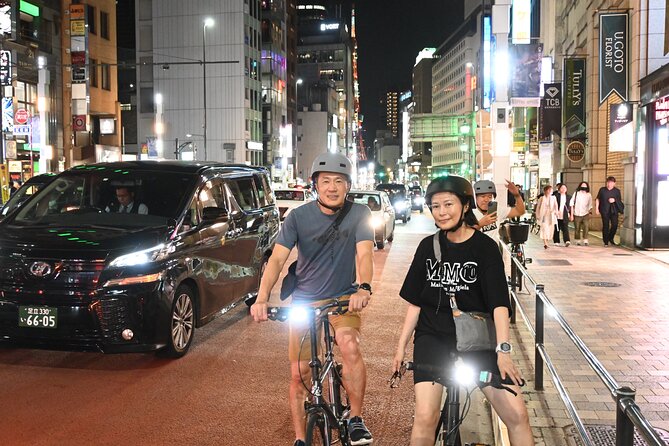
This is a strong match for active people who like to move and see neighborhoods at street level. It’s also a good choice if you want an overview of multiple areas without building a complex transit plan.
It tends to work well for:
- First-time visitors who want Tokyo highlights plus local context
- Couples and small groups who prefer a guided flow over self-navigation
- Travelers who don’t want day-time heat and crowds
It’s not ideal if:
- You’re not comfortable cycling in real city conditions (pavements, cross traffic lights, tight spots)
- You need a guaranteed food stop during the tour
- You’re looking for a slow, scenic cruise with lots of stopping time
If you’ve got limited time in Tokyo and want a “see a lot in a controlled way” activity, this fits. It’s also a nice option for people traveling alone who want a guided structure and a safety-first approach.
Value check: why $56.01 for a 2-hour guided ride can make sense
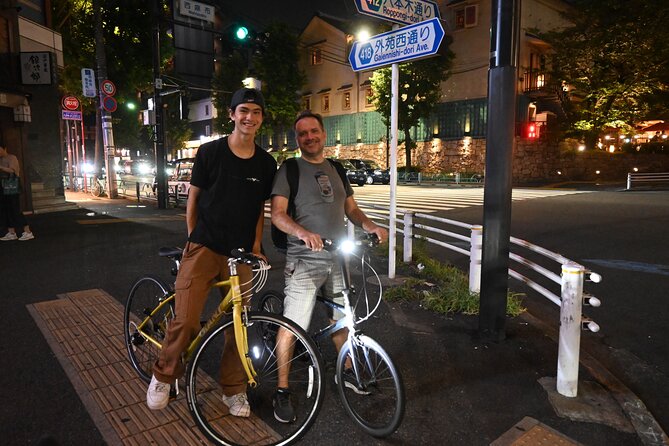
At $56.01 per person for about 2 hours, the value comes from what’s included and how much ground you cover. You’re not paying extra for a bike rental and helmet. And you’re paying for the guide’s route planning, which means you can reach areas that are less convenient by public transport.
The small-group cap of 6 travelers matters for value too. You’re more likely to get personalized attention, and the ride feels organized rather than like a line of strangers trying to copy each other.
If you compare this to paying for taxis, it can also be a money-saver for the “tourist route” segments. You still get the Tokyo nighttime look without adding transport costs between every stop.
Practical photo and enjoyment tips for the best experience
A night tour is not only about sights. It’s about moments. You can make those moments easier to catch.
- Keep your hands free for the photos you want. Cycling is not the time for complicated camera handling.
- Listen for the guide’s cues, especially when you stop. If there’s a specific angle for a skyline view, you’ll get the best results by being ready.
- If you care about photos, you might appreciate that guides are reported to take good pictures at the best spots. You can ask for a quick setup before you ride away.
Also, aim to be mentally present. Night biking can feel fast, but the point is to notice the way streets change after dark. Neon reflections, signage glow, and the quieter street texture are the things that make Tokyo look like Tokyo.
Should you book the Tokyo Night Bike Tour from Shibuya to Tokyo Tower via Roppongi?
I’d book it if you match two things: you’re comfortable cycling in city traffic conditions, and you want a guided way to see major highlights plus less convenient areas. This tour is especially appealing as an evening activity when you want fewer heat issues and more night lighting.
I’d skip it if you’re expecting a leisurely bike cruise or if cycling at about 15 km/h on pavements and through tight spots makes you uneasy. In that case, a slower walking-based plan or a less demanding format may fit better.
One smart move: since it’s typically booked in advance, don’t wait until the last minute. If your schedule is fixed, grab a date that matches your energy level and then plan one simple fallback activity if weather changes.
If you want Tokyo in one organized, energetic evening, this is a great way to do it.
FAQ
What is the duration of the Tokyo Night Bike Tour?
The tour lasts about 2 hours.
What time does the tour start?
It starts at 8:00 pm.
What does the price include?
The price includes a bicycle and a helmet.
Is dinner included during the tour?
No. The tour does not stop for dinner. Eat before the tour, or bring a snack.
Where do I meet for the tour?
You meet at Umayamichi Park, 5-chōme-24-11 Sendagaya, Shibuya, Tokyo 151-0051, Japan. The tour ends back at the meeting point.
Is the meeting point near public transportation?
Yes, it is near public transportation.
What size of bicycles are used?
The bicycles are suitable for heights between 155 cm and 185 cm.
Do I need to be an experienced cyclist?
You should be proficient in cycling on pavements, confident with cross traffic lights, and comfortable riding through crowded or tight spaces.
What should I expect for riding speed?
The tour travels at approximately 15 kilometers per hour.
What happens in rain or bad weather?
The tour proceeds in light rain, but it may be canceled due to sudden weather changes. If it is canceled due to poor weather, you are offered a different date or a full refund.
What is the group size limit?
The tour has a maximum of 6 travelers.
Is cancellation possible for a full refund?
Yes. Free cancellation is available up to 24 hours in advance for a full refund.
Central Tokyo Landmarks


West Tokyo on Foot: Seven More

Newest Tokyo write-ups from the Loving Japan desk
Shibuya, Shinjuku and Harajuku Walks, side by side.
 ★ 5.0Shinjuku Food Tour (13 Dishes at 4 Local Eateries)From $866,603 reviews
 ★ 5.0Tokyo Bar Hopping Tour in Shinjuku (All-You-Can-Drink + Dinner)From $1063,587 reviews
 ★ 5.0Official Street Go-Kart in ShibuyaFrom $763,435 reviews
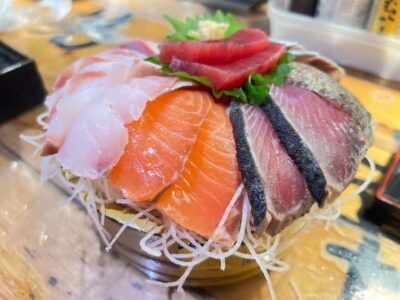 ★ 4.9Shinjuku Food Tour (15 Dishes and 4 Eateries)From $852,033 reviews
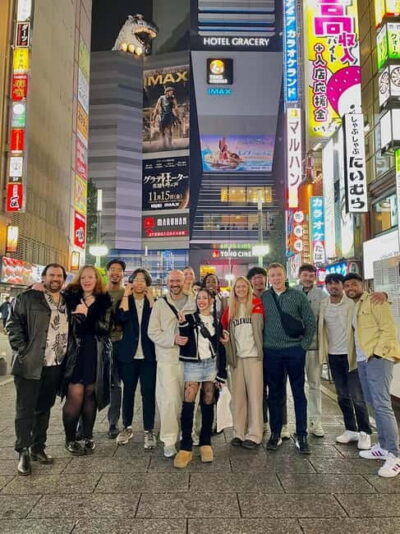 ★ 4.9Shinjuku Local Bar and Izakaya Guided Walking TourFrom $341,794 reviews
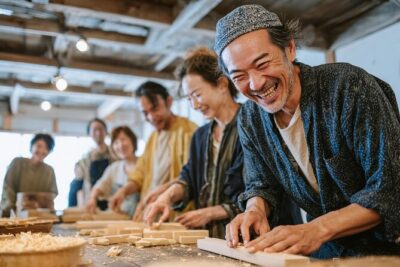 ★ 5.0Tokyo Shinjuku Chopsticks Making ClassFrom $201,763 reviews
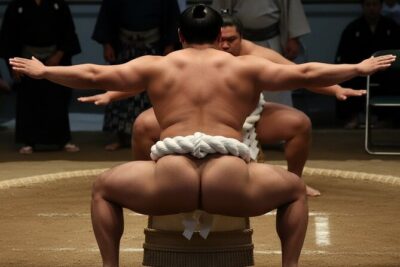 ★ 5.0Tokyo Shinjuku Sumo Show & Experience with PhotoFrom $791,750 reviews
 ★ 4.9Street Kart Experience in ShibuyaFrom $741,484 reviews