
REVIEW · JAPANESE COOKING CLASSES
Tokyo Night Cooking Class: 5 Home-Cooked Japanese Dishes
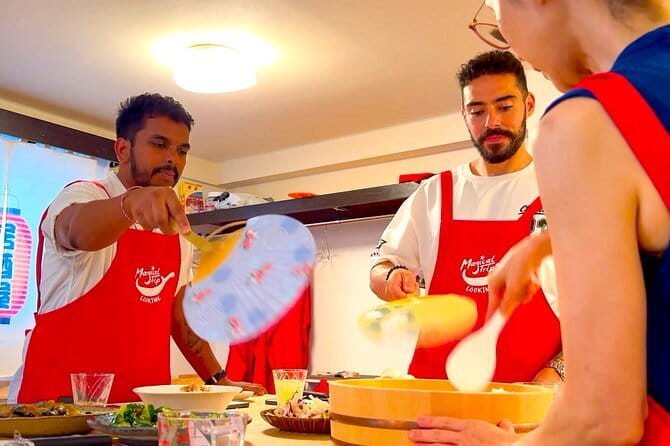
Cook Tokyo nights, then eat everything. This small-group, night-time class is built around izakaya flavors you can actually copy at home, from hand-rolled sushi to miso and shiso notes. I like that it is hands-on, not a lecture, and you make a multi-course meal that you eat right afterward.
I especially like the included shopping and ingredients. It saves you time and keeps the class flowing, and the vibe feels social, like a casual nomikai night. The guide experience matters too, and I keep seeing great energy tied to named hosts like Alice and Fuji.
One consideration: the class has age and diet limits. You cannot count on a vegan or gluten-free option, and knife and heat tasks plus sake tasting come with age rules.
In This Review
- Key things to know before you go
- A 5:30 pm Tokyo plan that feels like an izakaya night
- Price and value: what $79.28 buys you in practice
- Finding your way to Shitaya and keeping the night stress-free
- Ingredient shopping first: why it makes the class easier later
- Cooking like local izakaya nights: the multi-course format
- What you actually get good at (even if you are a beginner)
- Three drinks included: how the class uses sake and beer
- The small-group kitchen vibe, with guides like Alice and Fuji
- Dietary limits and substitutions: what changes, and what does not
- Photos and the take-home value beyond recipes
- Practical tips: heat, timing, and what to wear
- Who this class is best for
- Should you book this Tokyo night cooking class?
- FAQ
- What time does the Tokyo night cooking class start?
- What is included in the price?
- Are drinks and sake tasting included?
- Can vegetarians join?
- Is the class available for vegan or gluten-free diets?
- Are kids allowed, and can they use knives or heat?
Key things to know before you go
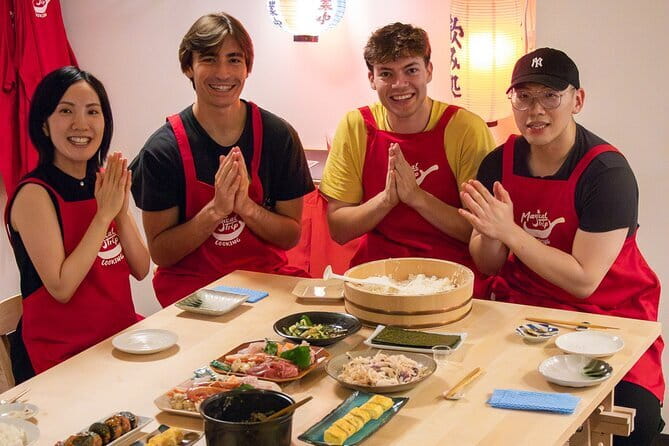
- Small-group size (max 7) keeps the kitchen chat going and helps beginners stay comfortable.
- Five dishes as the goal, with menu reductions if you cannot eat meat and eggs or if eggs are off-limits.
- All ingredients provided, plus a built-in ingredient shopping stop so you are not guessing what to buy later.
- Three drinks included, and alcohol or sake tasting follows Japan’s age rules (20+).
- You leave with photos, which is a nice bonus for such an at-home-cookable experience.
- Not vegan or gluten-free, and allergies are not guaranteed since the kitchens are not run by the operator.
Cook it yourself instead. Other kitchens in Tokyo
- Tokyo: Roll and Authentic Sushi Making Class in Asakusa
★ 4.9 · 1,957 reviews - Tokyo: Sushi Making Class in a Happi Coat near a Famous Spot
★ 4.9 · 1,377 reviews - Tokyo Sushi Making Class in Tsukiji with Professional Chef
★ 5.0 · 1,177 reviews - Ramen & Gyoza Cooking Class in Tokyo with Local Supermarket Visit
★ 5.0 · 823 reviews
A 5:30 pm Tokyo plan that feels like an izakaya night
Tokyo at night can be a blur of neon and lines, but this is a simpler kind of evening. You start at 5:30 pm and build dinner in real time, with the meal part included. By the time you sit down to eat what you made, the experience already feels personal, like you earned every bite.
The timing is also smart for day-stuffed itineraries. If you have museums, temples, or neighborhoods to cover earlier, this slots in cleanly. Three hours is long enough to learn, cook, and eat, but short enough that you can still enjoy Tokyo after.
Price and value: what $79.28 buys you in practice
At $79.28 per person, this is not just a cooking “demo.” You are paying for ingredients, dinner, guidance, and the social pacing that comes with a small-group class. In other words, your money goes into producing a full meal worth of dishes, not just one recipe.
The inclusions are the big value driver: you get a cooking experience and dinner, ingredients, tour photos, a certified guide by MagicalTrip, a shopping experience, and three cans of alcoholic or soft drinks. That is a lot of covered cost for an activity that also teaches you how to recreate the food later.
If you enjoy hands-on travel, you will likely feel like this is money well spent. If you only want to taste, you might decide it is pricier than a restaurant meal. Your best bet is to be honest with yourself about whether you want to cook, not just sample.
Finding your way to Shitaya and keeping the night stress-free
The meeting point is in Taito City, Shitaya, starting at Japan, 110-0004 Tokyo, Taito City, Shitaya, 2-chōme 1-10 ファミリーマート入谷店 (a FamilyMart). It is near public transportation, which matters in Tokyo where train changes can eat time.
Because the start is on time and the tour ends back at the same meeting point, treat this like a fixed dinner reservation. Show up a bit early so you can get oriented before the group moves to shopping and cooking.
Also, this is the kind of activity where being late can cut you out of joining the group. If you are the type who likes a slow walk and a photo stop, give yourself a buffer.
- Mt Fuji and Hakone 1-Day Bus Tour Return by Bullet Train★ 5.0 · 26,383 reviews
- 1-Day Tokyo Bus Tour★ 5.0 · 14,250 reviews
- Tokyo: teamLab Planets TOKYO Digital Art Museum Entry Ticket★ 4.6 · 9,779 reviews
- Mt Fuji & Hakone Cruise, Drum Show Bullet Train 1 Day from Tokyo★ 4.0 · 7,413 reviews
- Tokyo: Shinjuku Food Tour (13 Dishes at 4 Local Eateries)★ 5.0 · 6,603 reviews
Ingredient shopping first: why it makes the class easier later
One of the most satisfying parts is the shopping experience. You get a look at how to select ingredients and you start connecting flavors to what they actually are. That matters because Japanese home cooking is precise about balance, even when recipes are straightforward.
In at least some cases, the experience is described as especially memorable because picking ingredients feels like part of the fun, not an extra chore. It also makes the home-recreation step less intimidating. When you have seen what the ingredients look like and how they are used, you are less likely to substitute blindly later.
Cooking like local izakaya nights: the multi-course format
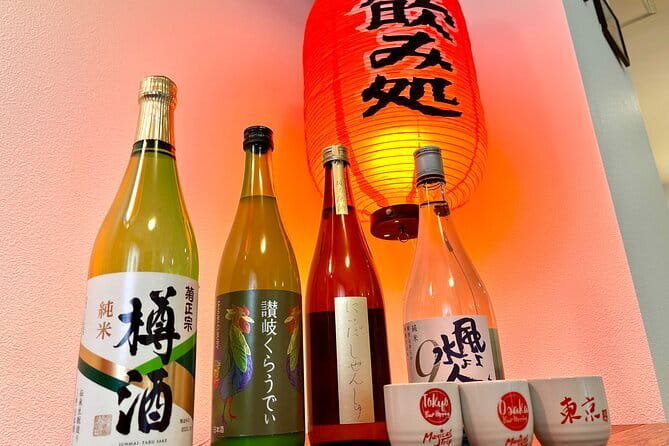
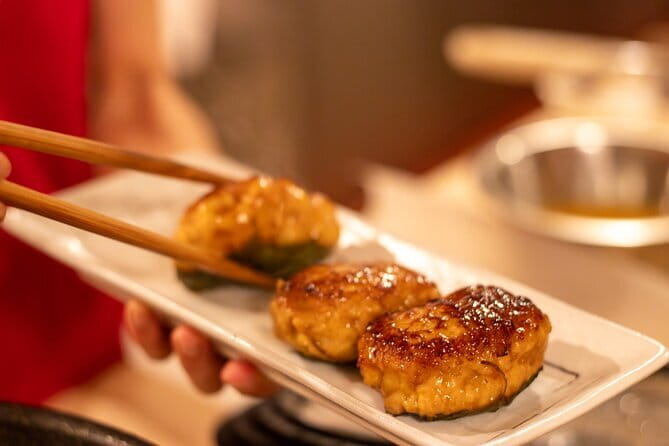
The core idea is simple: instead of one dish, you cook a small set of classic “tavern-style” plates you can imagine ordering in an izakaya. You learn authentic recipes locals eat, and the class is designed so you can reproduce the flavor at home.
The examples you may see include:
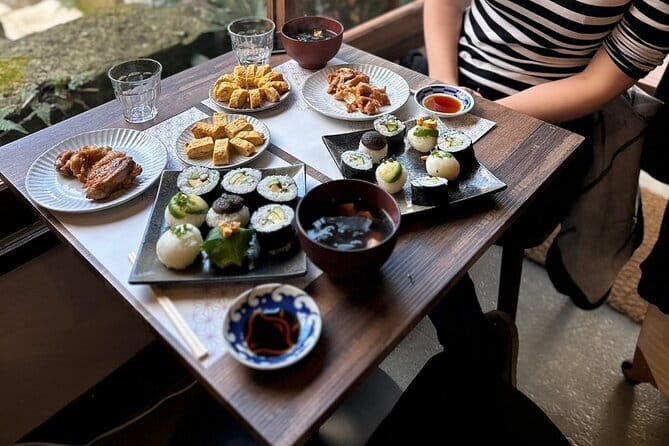
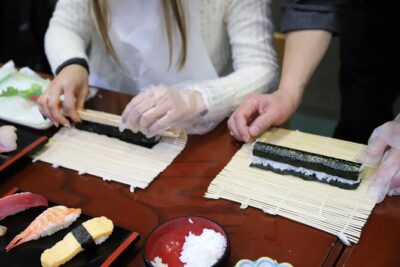
- Sushi rolls (hand-rolled style)
- Chicken balls with shiso leaves
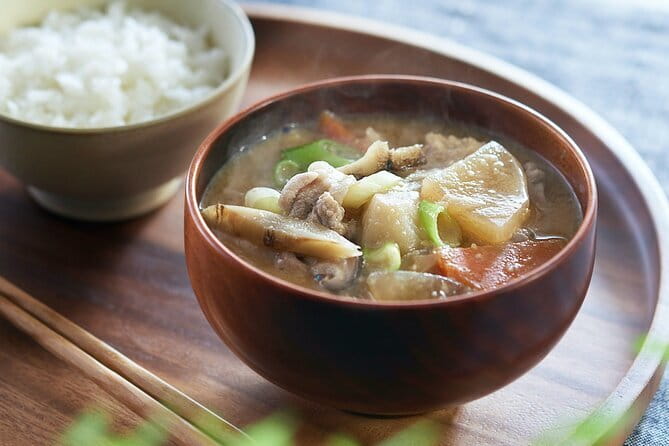
- Eggplant with miso sauce
- Teriyaki chicken
- Japanese omelette
The menu is presented as a five-dish multi-course plan, but it can adjust based on dietary needs. Either way, the structure teaches you how Japanese flavors stack: umami from miso and soy notes, fresh herbal contrast from shiso, and sweet-salty balance from teriyaki-style sauces.
What you actually get good at (even if you are a beginner)
This class is open to participants aged 6 and up, but practical kitchen tasks have rules. Knife and heat work is only permitted for those aged 12 and over, under parent or guardian supervision. That is a helpful boundary, because it means beginners can still participate without feeling out of place.
In a good cooking class, you do two things: you learn technique and you learn order. Here, you get both because you are building multiple plates during the evening. That is also why it feels fun rather than stressful. You will spend more time making than watching.
The recipes are also described as easy to reproduce at home, which is what you want from a Tokyo class. It is not enough to have a great meal in Japan. You want the method you can repeat without a special supplier or fancy gear.
Three drinks included: how the class uses sake and beer
A key perk is three cans of alcoholic or soft drinks included with the dinner portion. The class frames these as part of the nomikai style pairing, the casual home-drinking culture that goes with izakaya food.
Sake tasting and alcoholic beverages are only available to guests aged 20 and over. If you are under that age, you can still enjoy the included soft drink options and the meal.
Practically, having drinks included can change the whole feel of the evening. It nudges the conversation, and it also encourages you to slow down after the cooking steps. The result is that dinner feels like a real night out, not a rushed finish line.
The small-group kitchen vibe, with guides like Alice and Fuji
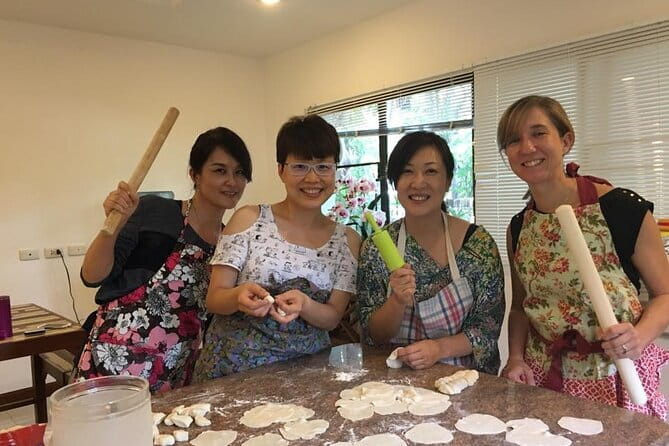
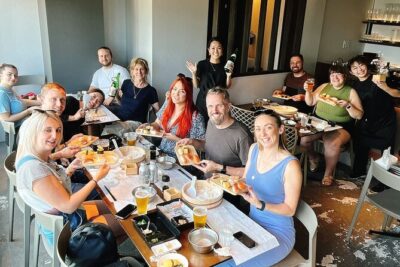
This is built as a maximum of 7 travelers. That group size is a sweet spot. You get enough people to make it social, but not so many that you are waiting around for your turn.
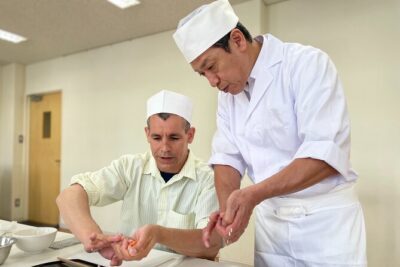
The guide role is part of the reason people rate it so highly. I keep seeing praise connected to specific hosts and chef-style guidance, including Alice and Fuji. When a host is good, the cooking becomes calmer. You get step-by-step clarity, plus small tips that help you avoid common mistakes like overcooking or under-seasoning.
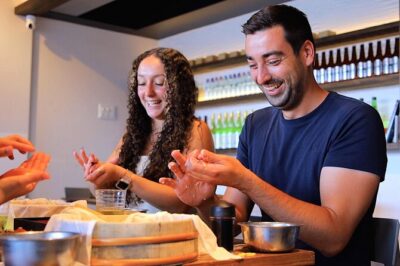
Even if you are traveling solo, this format helps you meet people without forcing you into awkward icebreakers. You are naturally talking because you are cooking side-by-side.
Dietary limits and substitutions: what changes, and what does not
You can go as a vegetarian. The class states that vegetarians are welcome, and they arrange ingredients and the cooking process. That is reassuring if you are used to adapting in restaurants.
But it is also clear where the limits are:
- It is not available for people who are vegan and gluten-free.
- Allergy-free certainty is not guaranteed because the food is prepared in kitchens that do not belong to MagicalTrip.
- If you cannot eat meat and eggs, the menu can reduce from five dishes to three.
- If you can eat meat but cannot eat eggs, the menu can reduce from five dishes to four.
This is worth reading closely. The class is designed for flexible participation, but it is not a medical dietary program. If you have serious allergies or strict medical requirements, you should plan extra caution.
Photos and the take-home value beyond recipes
You get tour photos included. That might sound minor, but it matters in a hands-on class. When you are focused on cooking, you often do not take many pictures yourself. Having them provided lets you remember the food and the moments without turning the kitchen into a selfie station.
More importantly, the true take-home value is the method. Since you will cook multiple dishes and feast on them, the night teaches how Japanese seasoning works in context. That is how you get better faster at home cooking.
Practical tips: heat, timing, and what to wear
Summer in Japan is hot and humid, and the class specifically recommends you bring water and wear a hat. That advice is smart even if your kitchen time is indoors, because Tokyo weather can hit you the second you step outside.
Wear comfortable clothes you do not mind getting a little messy. Cooking classes often involve sauces, steam, and handling ingredients. Also, keep an eye on when tasks involving knives and heat are offered. If you are traveling with kids, confirm the age rule so everyone knows what is safe to do.
Who this class is best for
This is a strong fit if you want a cultural evening that is practical, not just sightseeing. It works well for:
- Couples who want a fun date-night with shared food
- Friends who like group activities with a clear payoff
- Solo travelers who want a guided social setting
- Families with kids 6 and up, especially if an included kids’ playroom helps
It is less ideal if you have mobility issues, since the class is not recommended for people with walking problems. In that case, you might want a private setup that can better match your pace.
Also consider skipping if you need vegan or gluten-free food. The class is not offered for those needs based on the tour information provided.
Should you book this Tokyo night cooking class?
If your goal is to leave Tokyo with real cooking skills, this is an easy yes. You get a five-dish izakaya style meal, you cook and eat everything, and you receive help that makes the recipes more repeatable later. The included three drinks also make it feel like a complete evening plan, not a short workshop.
Book it if you:
- Want a guided, hands-on dinner experience in a small group
- Like recipes that are meant to be cooked again at home
- Are comfortable with the idea of sake or alcohol being age-restricted
Skip or reconsider if:
- You need a vegan or gluten-free menu
- You have serious allergy concerns that require guaranteed substitutions
- Mobility is a concern and you need a more tailored format
FAQ
What time does the Tokyo night cooking class start?
It starts at 5:30 pm and runs for about 3 hours.
What is included in the price?
The price includes cooking experience and dinner, ingredients, tour photos, a certified guide by MagicalTrip, a shopping experience, and 3 cans of alcoholic or soft drinks.
Are drinks and sake tasting included?
You get three drinks (cans). Sake tasting and alcoholic beverages are only available to guests aged 20 and over, following Japanese law.
Can vegetarians join?
Yes. Vegetarians are welcome, and the class arranges ingredients and the cooking process.
Is the class available for vegan or gluten-free diets?
No. It is stated that the class is not available for people who are vegan and gluten-free.
Are kids allowed, and can they use knives or heat?
The class is open to participants aged 6 and above. However, steps involving knives and heat are only permitted for those aged 12 and over, under supervision of a parent or guardian.
Kitchens You Can Book Into


Newest Tokyo write-ups from the Loving Japan desk




Japanese Cooking Classes, side by side.
 ★ 5.0Sushi Making Tokyo Roll and Authentic Japanese Sushi ClassFrom $593,971 reviews
 ★ 4.9Roll and Authentic Sushi Making Class in AsakusaFrom $581,957 reviews
 ★ 5.0Ramen Cooking Class at Ramen Factory in KyotoFrom $1311,937 reviews
 ★ 4.9Sushi Making Class in a Happi Coat near a Famous SpotFrom $421,377 reviews
 ★ 5.0Sushi Making Osaka Roll and Authentic Japanese Sushi ClassFrom $311,220 reviews
 ★ 5.0Tokyo Sushi Making Class in Tsukiji with Professional ChefFrom $491,177 reviews
 ★ 5.0Ramen & Gyoza Cooking Class in Tokyo with Local Supermarket VisitFrom $122823 reviews
 ★ 5.0Tsukiji Fish Market Guided Tour and Sushi Making with Pro ChefFrom $104775 reviews
Filed on these lists too