
REVIEW · JAPANESE COOKING CLASSES
Tokyo: Private Japanese Cooking Class with a Local Chef
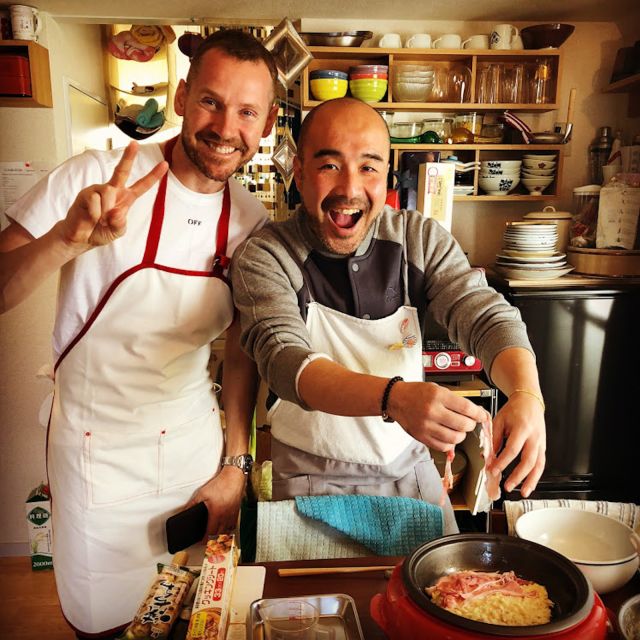
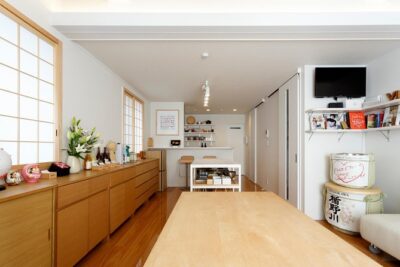
Tokyo can be loud. Then you step into a calm kitchen. This private cooking class with Chef Sato is a real Tokyo, at home feel, centered on seasonal Japanese cooking in a cute Shinjuku apartment.
I love the focus on seasonal ingredients and practical technique, not just watching from the sidelines. I also love that the class feels personal, with relaxed teaching and conversation alongside the cooking.
One consideration: you’re paying for a private, home-based experience, so it costs more than joining a big group class. If you just want cheap ramen, this may feel like overkill.
In This Review
- Key things that make this class work
- Shinjuku, Apartment-Style Cooking With Chef Sato
- What You’ll Cook: The Weekly Menu Schedule by Day
- Standard meal days (Saturday, Sunday, Monday, Tuesday)
- Popular food days (Wednesday, Thursday, Friday)
- How much you cook
- The 3-Hour Plan: From Ingredients to Sitting Down Together
- Step 1: Meet, get to the apartment, and start with prep
- Step 2: Cooking in an actual home-kitchen rhythm
- Step 3: Eat what you made
- Step 4 (Morning classes only): A short Tokyo neighborhood trip
- What Makes Chef Sato’s Teaching Style Different
- He ties technique to ingredient meaning
- Conversation is part of the lesson
- The class feels supportive
- You may leave with recipe help
- Price and Value: Why $120 Can Make Sense in Tokyo
- Logistics That Matter: Times, Private Group Setup, and Meeting Point
- Class times
- Private group
- Pickup and meeting
- Who This Cooking Class Is Best For
- Should You Book This Tokyo Private Cooking Class?
- FAQ
- Where is the meeting point?
- What times are the classes offered?
- How long is the experience?
- What can I expect to cook?
- Is the class private and taught in English?
- What is included in the price?
- Is there an optional activity after the morning class?
Key things that make this class work
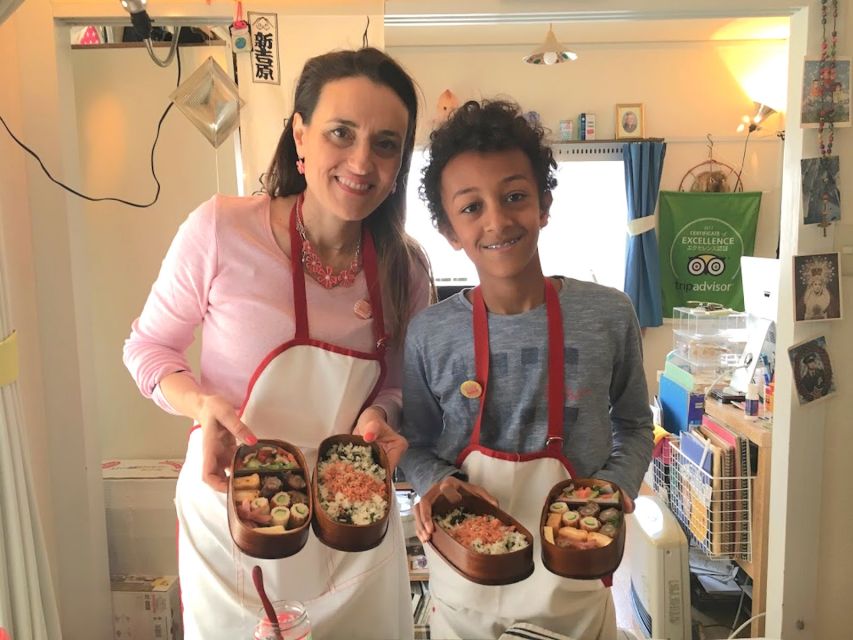
- Chef-led home cooking in Shinjuku with a relaxed, friendly pace
- Seasonal menus by day so your dishes match the weekly schedule
- You cook 2 to 4 items rather than mostly watching
- Free Japanese barley tea plus the meal you prepare
- Optional post-class neighborhood walk after the morning session
Cook it yourself instead. Other kitchens in Tokyo
- Tokyo: Roll and Authentic Sushi Making Class in Asakusa
★ 4.9 · 1,957 reviews - Tokyo: Sushi Making Class in a Happi Coat near a Famous Spot
★ 4.9 · 1,377 reviews - Tokyo Sushi Making Class in Tsukiji with Professional Chef
★ 5.0 · 1,177 reviews - Ramen & Gyoza Cooking Class in Tokyo with Local Supermarket Visit
★ 5.0 · 823 reviews
Shinjuku, Apartment-Style Cooking With Chef Sato
The meeting point is simple: Shinjuku Station East Exit Police Box (3-38-38-1, Shinjuku, Shinjuku-ku). From there, you’re picked up to head to Chef Sato’s place, which is the whole point of the experience. This isn’t a restaurant “show.” It’s a local home setup where you can see how Japanese cooking actually happens when someone is feeding their family.
The vibe is consistently described as welcoming and stress-free. That matters, because good cooking classes do two jobs. They teach, and they make you feel comfortable enough to try. Here, you’re chopping, seasoning, prepping, and cooking as part of the flow, not just a polite observer.
One nice detail: you start with a free drink of Japanese barley tea. It may sound small, but it helps you switch into local rhythm fast, especially if you arrive straight from shopping or trains.
Chef Sato teaches in English, and the class stays small and private. That means questions don’t get lost in a crowd, and the pace can match your comfort level.
What You’ll Cook: The Weekly Menu Schedule by Day
Your exact menu depends on which day you book, and that structure is genuinely useful. Instead of guessing what you’ll get, you can plan around the style you want.
Standard meal days (Saturday, Sunday, Monday, Tuesday)
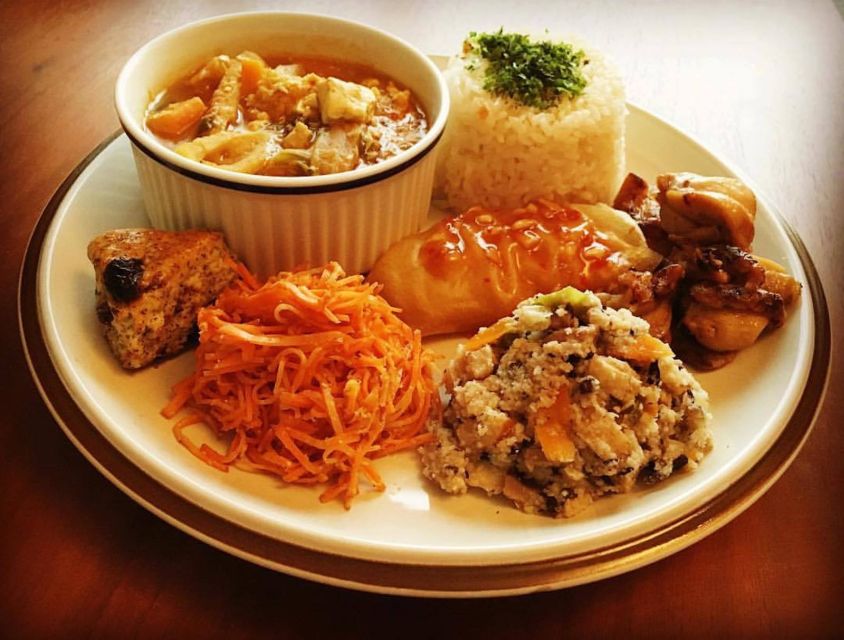
These days lean traditional and home-style. You’ll see options like:
- Teishoku set (rice, a seasonal main dish, plus two seasonal side dishes)
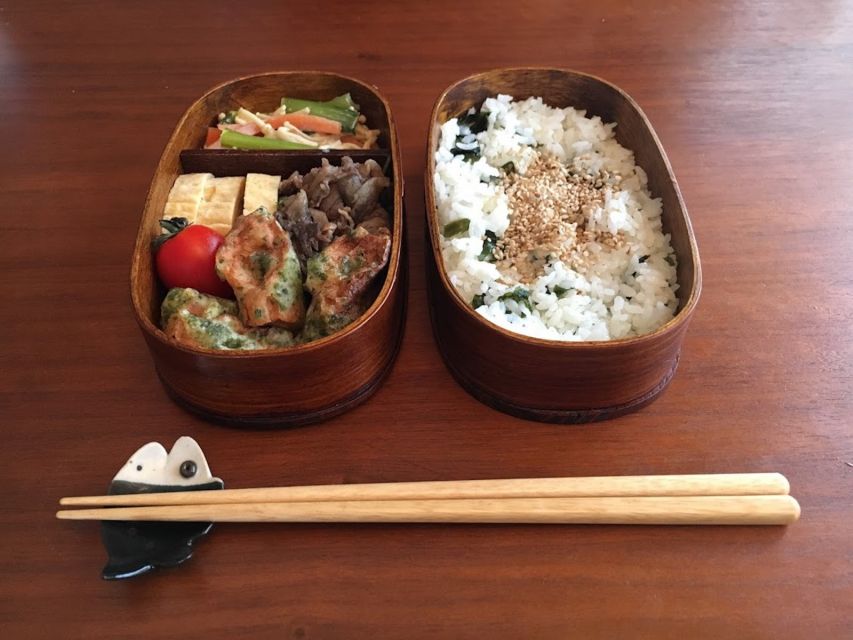
- Donburi or obento
- Tonjiru and sometimes rice balls and similar items
The core idea is simple: Japanese cooking starts with the ingredient season. If you like flavors that feel light, balanced, and ingredient-driven, this is your lane.
- Mt Fuji and Hakone 1-Day Bus Tour Return by Bullet Train★ 5.0 · 26,383 reviews
- 1-Day Tokyo Bus Tour★ 5.0 · 14,250 reviews
- Tokyo: teamLab Planets TOKYO Digital Art Museum Entry Ticket★ 4.6 · 9,779 reviews
- Mt Fuji & Hakone Cruise, Drum Show Bullet Train 1 Day from Tokyo★ 4.0 · 7,413 reviews
- Tokyo: Shinjuku Food Tour (13 Dishes at 4 Local Eateries)★ 5.0 · 6,603 reviews
Popular food days (Wednesday, Thursday, Friday)
These days lean more toward crowd favorites, often with fried or comfort-food energy. Menu options can include:
- Teishoku with a seasonal main that’s a fried dish
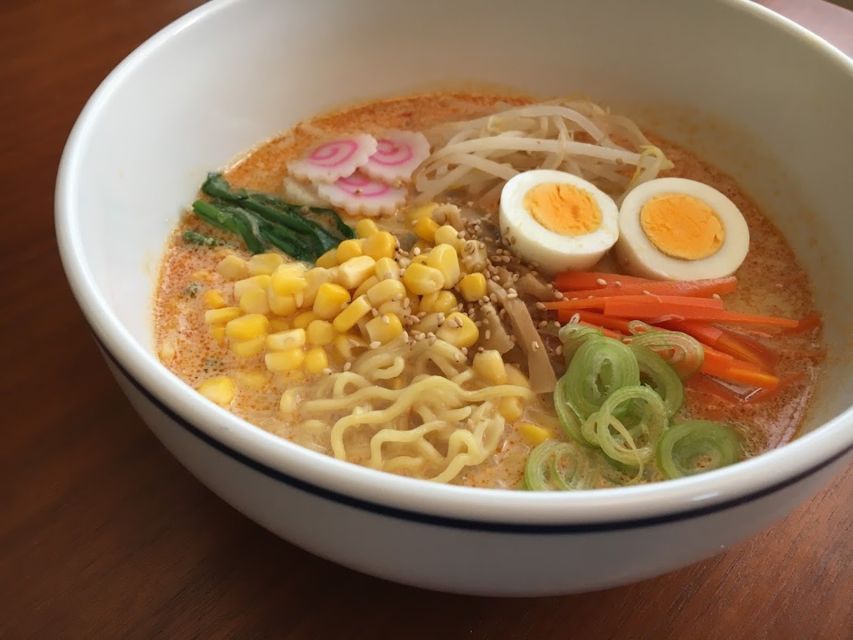
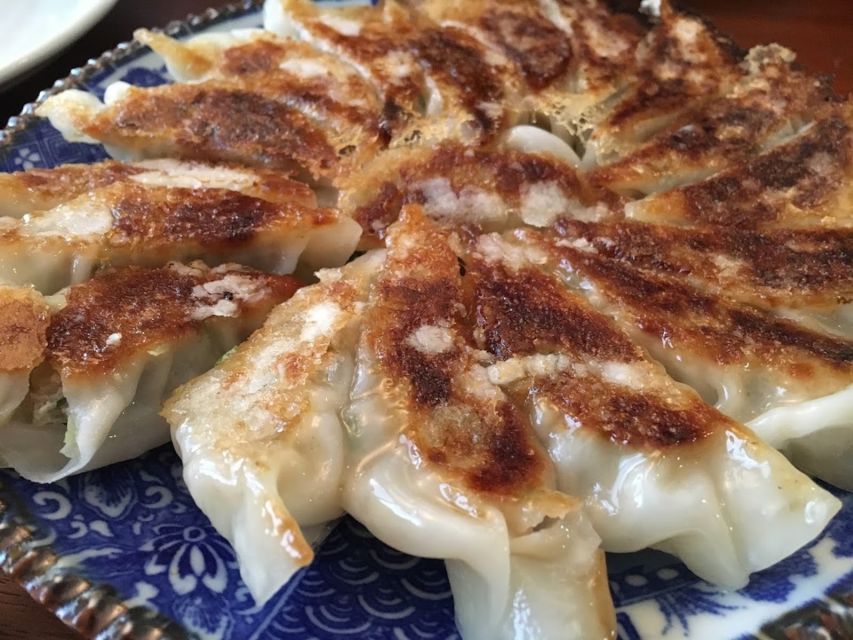
- Curry rice, okonomiyaki, gyoza, ramen
- Rice burger, kara-age, yakisoba, and other popular staples
If you’ve been daydreaming about ramen and gyoza but want to understand how they’re built, these days are a great match. You’re not just eating iconic food, you’re learning the steps behind it.
How much you cook
You’ll cook 2 to 4 items. That’s the sweet spot. Enough variety to learn real technique, but not so many dishes that the class turns chaotic.
The 3-Hour Plan: From Ingredients to Sitting Down Together
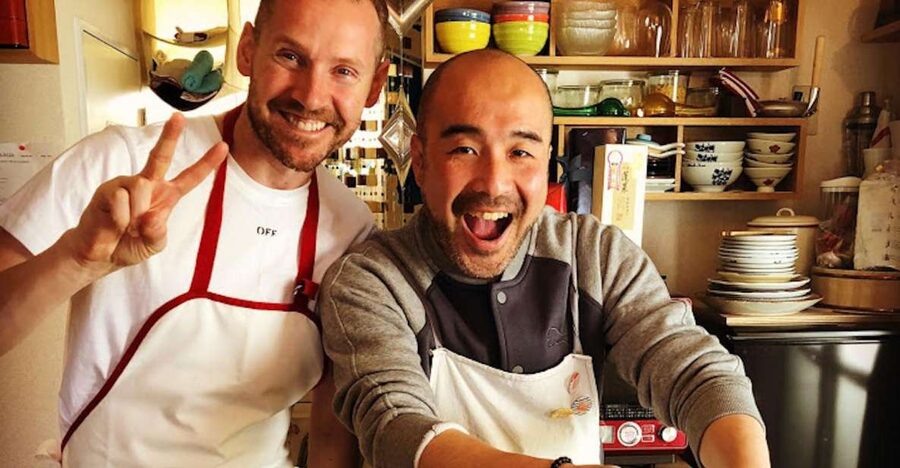
Even though the schedule shows time windows that look like 2.5 hours, the experience overall totals about 3 hours, which usually includes meeting time and transition into the kitchen. Think of it as a full afternoon-style cooking session, just packed tighter.
Step 1: Meet, get to the apartment, and start with prep
You meet at the station, then you’re brought to the apartment. Once inside, you typically get oriented fast: where things are, what you’ll cook, and what Chef Sato wants you to do. In this kind of class, the first 20 to 30 minutes matter because that’s when you stop guessing and start moving.
Step 2: Cooking in an actual home-kitchen rhythm
You’ll work through the items for your menu. The teaching style is practical, with clear explanations and lots of room for questions. People often mention that Chef Sato encourages participation, so you’re not just learning theory.
You can expect to handle key tasks like chopping, seasoning, assembling, and cooking until the dishes come together. One fun detail that shows the hands-on nature: you might even pick up small knife and prep tricks, like how to manage potato spots before cooking, because home cooking is where those details show up.
Step 3: Eat what you made
Then comes the part that makes this worth doing in Tokyo at all: you eat the meal you cooked in the apartment setting. It’s not rushed, and it feels more like sharing dinner than finishing a class.
Chef Sato also uses the meal to explain why things taste the way they do, including how Japanese cooking balances flavor and texture through seasonal ingredients.
Step 4 (Morning classes only): A short Tokyo neighborhood trip
If you book the morning class, there’s an optional add-on: 1:00 PM to 3:30 PM. This is a short trip that runs daily after the morning session.
The point is simple: you go to several places that don’t feel like a “guidebook checkbox.” In past experiences, the walk often included areas around Shinjuku and even Nakano, with Chef Sato pointing out what makes neighborhoods tick at street level. You also tend to get local hints on what to eat next, like dessert recommendations, which can be gold after a cooking-heavy morning.
If you’re the type who wants one final taste of local life after lunch, this walk gives you that.
What Makes Chef Sato’s Teaching Style Different
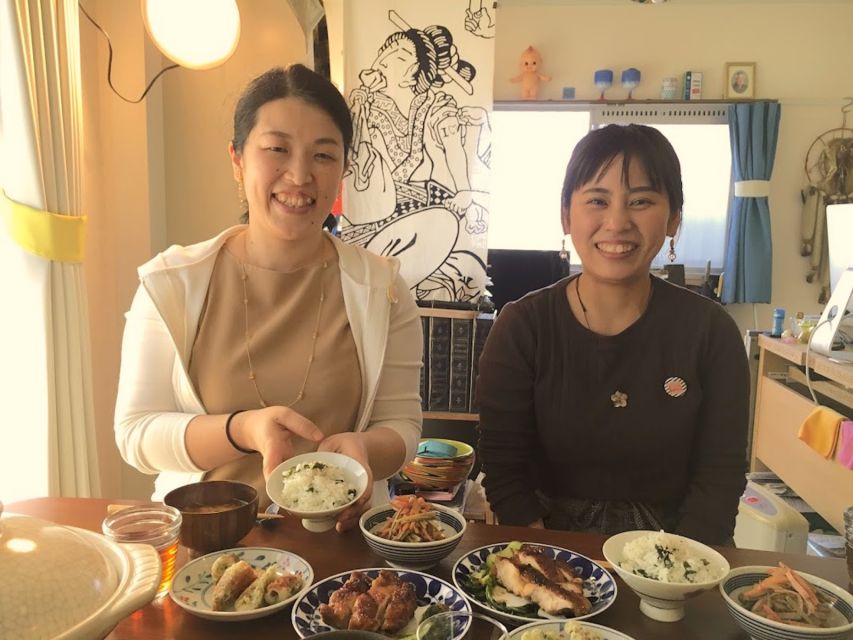
Plenty of cooking classes teach recipes. Fewer teach the thinking behind them. Chef Sato’s approach comes through in a few consistent ways.
He ties technique to ingredient meaning
Japanese cooking is often explained through seasonality, and that’s a big theme here. Chef Sato explains the significance of dishes and how the ingredient choices shape flavor, texture, and balance. It’s not just “add this sauce.” It’s why that sauce belongs.
Conversation is part of the lesson
You might hear personal stories, family food history, and the reasons he cooks the way he does. People describe it as like being invited into a home for a few hours, where food and talk go side by side. That human side is not fluff. It helps you remember what you made and how to recreate it later.
The class feels supportive
Many guests highlight that Chef Sato is patient and encourages questions. That makes a real difference if your Japanese cooking confidence is low. Even if you’ve cooked at home before, Japanese flavors and methods can feel unfamiliar. A supportive teacher helps you avoid the common trap of rushing and then getting stuck.
You may leave with recipe help
Some experiences include handouts of recipes, which is a practical win. If you want to cook again at home, having a written outline makes it easier to reproduce the dishes without relying on memory.
Price and Value: Why $120 Can Make Sense in Tokyo
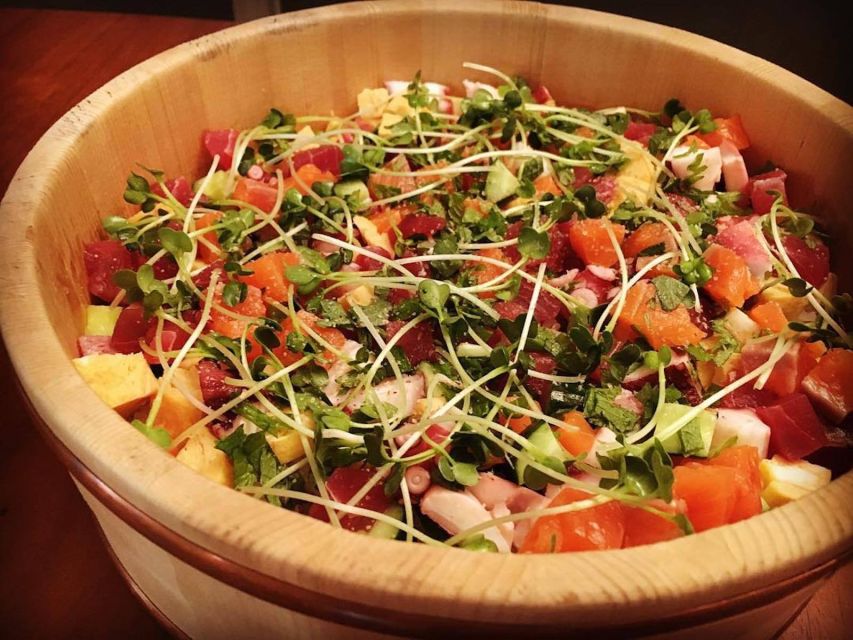
At $120 per person for about 3 hours, this isn’t a budget activity. So the question isn’t whether it’s cheap. The question is whether it gives you something you can’t get elsewhere.
Here’s the value logic that makes it work:
- Private class in a home setting. You’re not sharing kitchen time with a big crowd.
- You actively cook 2 to 4 items, then eat the results. That’s a built-in meal, not a demo.
- You get ingredient-focused teaching. Seasonal basics and technique matter if you cook at home after the trip.
- English instruction plus conversation helps you connect the dots between Japanese food and Japanese culture.
- Optional neighborhood walk after the morning class can add extra local context without another ticketed tour.
If you’re doing Tokyo mostly through restaurants, you’ll understand the flavors. But cooking teaches the mechanics. You start to notice why Japanese dishes taste clean and balanced, why certain textures work together, and how seasonal changes show up on the plate.
If you want maximum variety without thinking, you can absolutely eat your way through Tokyo for less. But if you want a single experience that gives you skills and a story, this can be money well spent.
Logistics That Matter: Times, Private Group Setup, and Meeting Point
This is straightforward, but it’s worth planning around the schedule.
Class times
You choose between:
- Morning class: 10:30 AM to 1:00 PM
- Evening class: 6:00 PM to 8:30 PM
Because your total experience runs about 3 hours, plan buffer time around transit so you’re not sprinting from the train. Tokyo trains are efficient, but Shinjuku is still Shinjuku.
Private group
Your group is private. That helps with comfort and questions, but it also means you’ll want to confirm the experience fits your cooking comfort level. If you’re coming with picky eaters, it can still work because Chef Sato has tailored the menu based on preferences before in past experiences.
Pickup and meeting
Your anchor point is the station police box at the East Exit. That’s specific, and it helps reduce stress. Still, I’d recommend arriving a few minutes early so you’re not scanning crowds while hungry.
Who This Cooking Class Is Best For
This class fits best if you want more than a meal.
You’ll probably love it if:
- You like cooking and want to bring Japanese home cooking back with you.
- You want seasonal ingredients explained in plain language.
- You prefer smaller experiences over crowded group tours.
- You enjoy meeting a host and hearing how food connects to family and everyday life.
You might reconsider if:
- You only want the cheapest Tokyo food and zero participation.
- You’re in a rush and can’t spare about three hours with shopping-free focus.
- You don’t really care about cooking skills and just want to eat.
Should You Book This Tokyo Private Cooking Class?
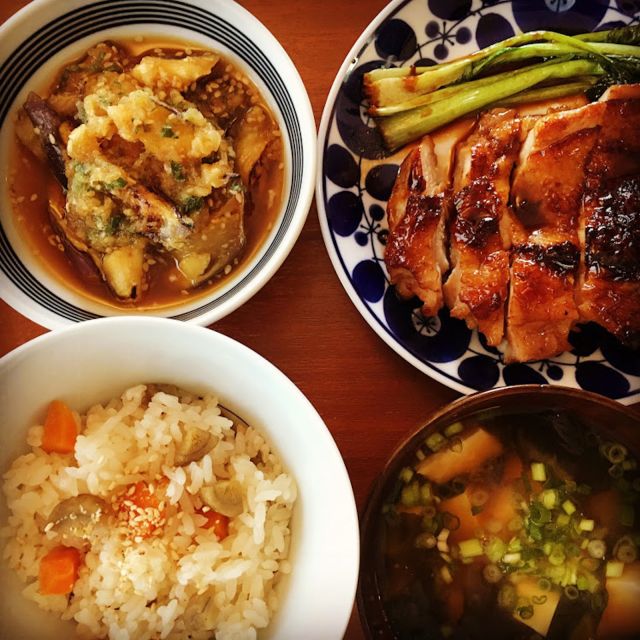
I’d book it if you’re the kind of traveler who wants one memorable Tokyo experience that changes how you cook after you go home. The combination of Chef Sato’s teaching style, the seasonal menu structure, and the fact that you actively cook then eat in a Shinjuku home makes it a strong value, even at $120.
Skip it if your priority is only sightseeing or only budget food. In that case, Tokyo has endless cheap eats that won’t require kitchen time.
If you want a hands-on evening, or a morning session plus a short neighborhood walk, this is one of the more personal ways to understand Japanese cuisine.
FAQ
Where is the meeting point?
You meet at Shinjuku Station East Exit Police Box (3-38-38-1, Shinjuku, Shinjuku-ku, Tokyo, 160-0022, Japan).
What times are the classes offered?
There is a morning class from 10:30 AM to 1:00 PM, and an evening class from 6:00 PM to 8:30 PM.
How long is the experience?
The experience runs about 3 hours (listed as 270 minutes).
What can I expect to cook?
The menu depends on the day of the week. You cook 2 to 4 items, such as teishoku sets on standard meal days or popular dishes like gyoza, ramen, curry rice, okonomiyaki, kara-age, and yakisoba on popular food days.
Is the class private and taught in English?
Yes, it is a private group, and the instructor speaks English.
What is included in the price?
Meals are included, along with a free drink (Japanese barley tea) and pick-up at the meeting point.
Is there an optional activity after the morning class?
Yes. After the morning class, there is an optional short trip from 1:00 PM to 3:30 PM that takes you to several places not found in guidebooks.
Kitchens You Can Book Into


Newest Tokyo write-ups from the Loving Japan desk




Japanese Cooking Classes, side by side.
 ★ 5.0Sushi Making Tokyo Roll and Authentic Japanese Sushi ClassFrom $593,971 reviews
 ★ 4.9Roll and Authentic Sushi Making Class in AsakusaFrom $581,957 reviews
 ★ 5.0Ramen Cooking Class at Ramen Factory in KyotoFrom $1311,937 reviews
 ★ 4.9Sushi Making Class in a Happi Coat near a Famous SpotFrom $421,377 reviews
 ★ 5.0Sushi Making Osaka Roll and Authentic Japanese Sushi ClassFrom $311,220 reviews
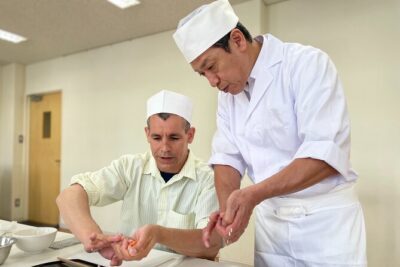 ★ 5.0Tokyo Sushi Making Class in Tsukiji with Professional ChefFrom $491,177 reviews
 ★ 5.0Ramen & Gyoza Cooking Class in Tokyo with Local Supermarket VisitFrom $122823 reviews
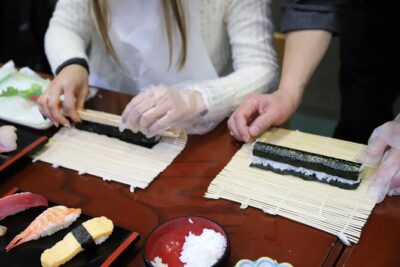 ★ 5.0Tsukiji Fish Market Guided Tour and Sushi Making with Pro ChefFrom $104775 reviews
Filed on these lists too