
REVIEW · TSUKIJI AND TOYOSU FISH MARKETS
Tokyo: Private Tsukiji Fish Market Tour with 3 food stops
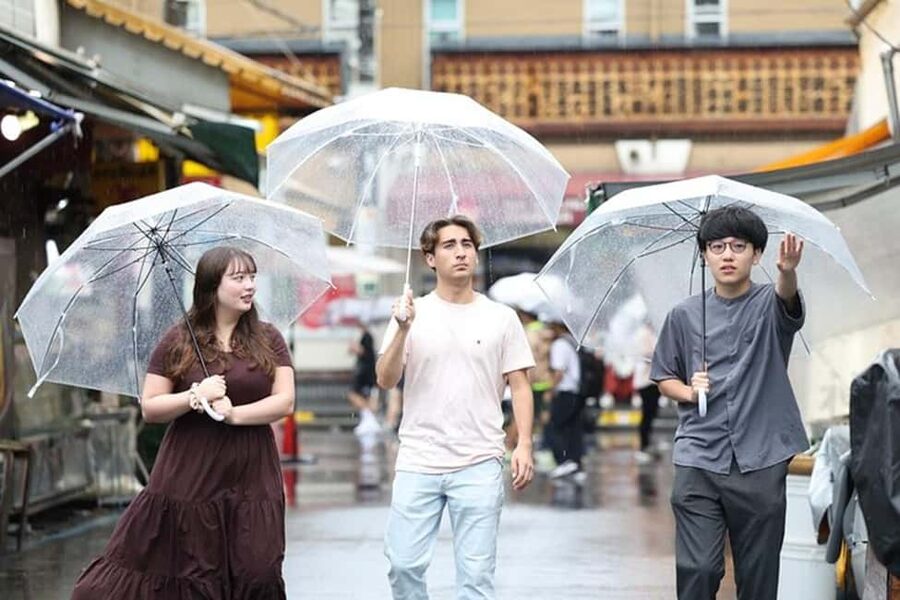
Tsukiji is loud, then suddenly understandable. What makes this tour work so well is the mix of a friendly local guide and three included food stops, all paced for real walking and real eating. You get the kind of context that turns random stalls into a story you can follow.
The only catch is the 2-hour schedule: it is tight, so if you want heavy market history or tons of extra time to browse, you may wish you had booked a longer food-focused walk.
In This Review
- Key things that make this Tsukiji tour worth your time
- Meeting At LAWSON Tsukiji 4 Chome, Then Walking With a Plan
- 築地魚河岸 海幸橋棟: A Short Taste of the Market World
- Namiyoke Inari Jinja: Shinto Etiquette That Makes Your Visit Make Sense
- Tsukiji Outer Market: The 55-Minute Core of the Food Experience
- Tsukiji Hongan-ji: Buddhist Calm After Market Noise
- What the Best Guides Actually Do During the Walk
- Price and Value: When $49 Makes Sense
- Who Should Book This Tsukiji Private Tour (And Who Might Skip)
- Should You Book This Tour?
- FAQ
- Where does the tour start?
- How long is the Tsukiji private tour?
- What is included in the tour price?
- How many food stops are included?
- What languages is the guide available in?
- Is the tour wheelchair accessible?
- What if I need to cancel?
Key things that make this Tsukiji tour worth your time
- Private pace from start to finish so you can slow down when something catches your eye
- Three included food tastings chosen with local priorities, not random tourist sampling
- Religious sites for cultural balance, with a Shinto shrine and a Buddhist temple on the route
- Guide-led prayer and etiquette help if you want to understand what you are seeing
- Easy meeting logistics at LAWSON Tsukiji 4 Chome, with the tour ending near Tsukiji Station
Hungry earlier than that? Other market breakfasts we tried
- Tokyo Tsukiji Fish Market Food and Culture Walking Tour
★ 5.0 · 3,184 reviews - Tokyo: Tsukiji Fish Market Food and Walking tour
★ 5.0 · 1,724 reviews - Tokyo: Tsukiji Fish Market Guided Walking Tour
★ 4.9 · 1,397 reviews - Tokyo Sushi Making Class in Tsukiji with Professional Chef
★ 5.0 · 1,177 reviews
Meeting At LAWSON Tsukiji 4 Chome, Then Walking With a Plan
This tour starts right where you can actually find it, at LAWSON Tsukiji 4 Chome Store. The guide stands out front, so once you spot them, you can stop worrying and start focusing on the day. It also ends at Tsukiji Station, which is a nice convenience when you want to keep moving instead of figuring out trains after you eat.
The big promise here is a private group experience. That means you are not stuck adjusting to other people’s pace, bathroom breaks, or indecision at a counter. You can take your time at the food stalls, or you can move along when the line grows. And because the route is structured, you still get a coherent tour, not just wandering.
Timing matters for the whole market area. This is a 2-hour walking tour, and the stops are specifically timed: a short first look at the fish market area, then a shrine, then the Outer Market food time, and finally the temple. If you show up late, the schedule will still keep moving, so build in a little buffer.
Also, the guide works in English and Japanese, and you get photos during the tour that get sent after. That is a small thing, but it helps when you are trying to eat and also remember what you just tried.
築地魚河岸 海幸橋棟: A Short Taste of the Market World
The first named stop is 築地魚河岸 海幸橋棟, about 15 minutes. Think of this as your orientation moment. You get placed inside the market flow, you notice what people are doing, and you start picking up the rhythm of the area before you head into the longer food stretch.
Why this matters: Tsukiji can feel overwhelming fast, especially if you are thinking in terms of traditional sightseeing. This stop helps you shift your mindset from sightseeing to food culture. You are not just looking, you are learning how the space works.
The downside is obvious but worth stating: you only get a short look here. If you are the type who wants to spend an hour just watching everything, you might wish this first stop had more time. Still, the value is that you are not “wasting” time later trying to figure out where to stand or what to do first.
Namiyoke Inari Jinja: Shinto Etiquette That Makes Your Visit Make Sense
From there, you head to Namiyoke Inari Jinja for about 10 minutes. This is one of the stops that makes the tour feel more than just food. You get to see how the market connects to spiritual routines and neighborhood traditions.
What elevates this visit is that your guide can help you with how to pray and what to pay attention to. One guide example from past tours, Shuto, is specifically mentioned for teaching guests how to pray at both the shrine and the temple, not just pointing and rushing on. That kind of guidance can turn a quick temple stop into something you actually understand.
Practically, this is also a nice time break from eating and walking through food stalls. You can slow your pace for a moment, look around, and reset.
Possible consideration: if you are visiting mainly for seafood snacks, a shrine stop can feel like a detour. But in this itinerary it is short, and it gives context for why this area has more than one kind of “daily life” happening.
- Mt Fuji and Hakone 1-Day Bus Tour Return by Bullet Train★ 5.0 · 26,383 reviews
- 1-Day Tokyo Bus Tour★ 5.0 · 14,250 reviews
- Tokyo: teamLab Planets TOKYO Digital Art Museum Entry Ticket★ 4.6 · 9,779 reviews
- Mt Fuji & Hakone Cruise, Drum Show Bullet Train 1 Day from Tokyo★ 4.0 · 7,413 reviews
- Tokyo Mt Fuji 5th St & Hakone Cruise Bus Tour w/Bullet Train★ 4.4 · 5,024 reviews
Tsukiji Outer Market: The 55-Minute Core of the Food Experience
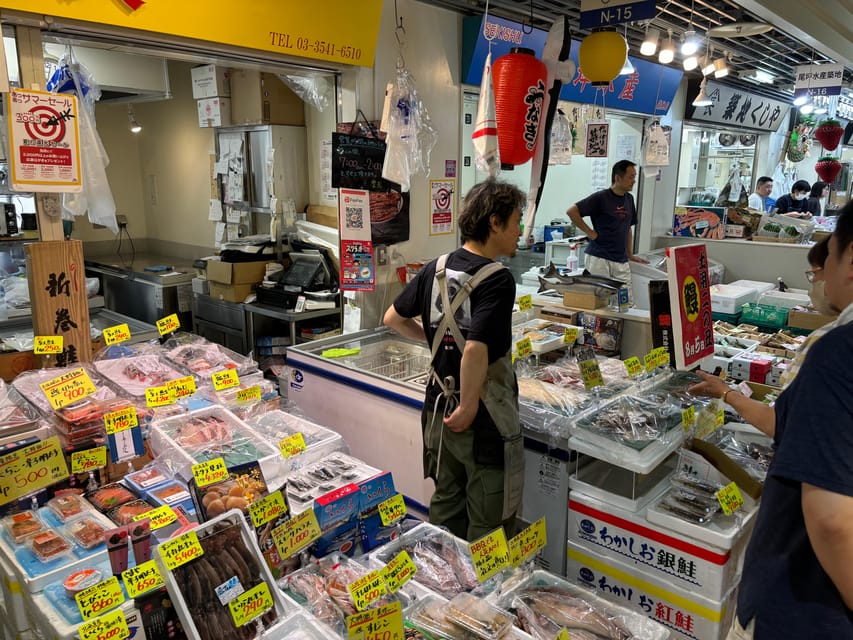
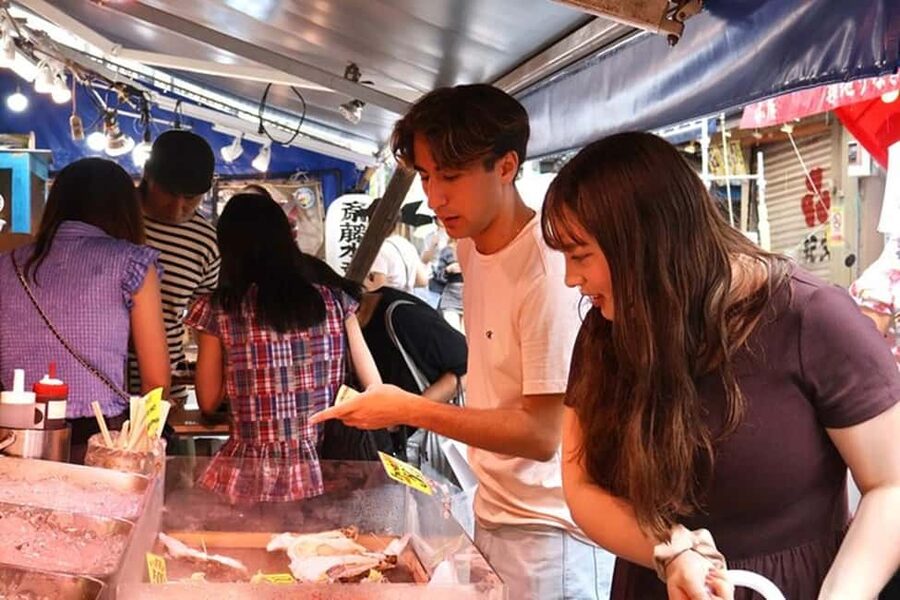
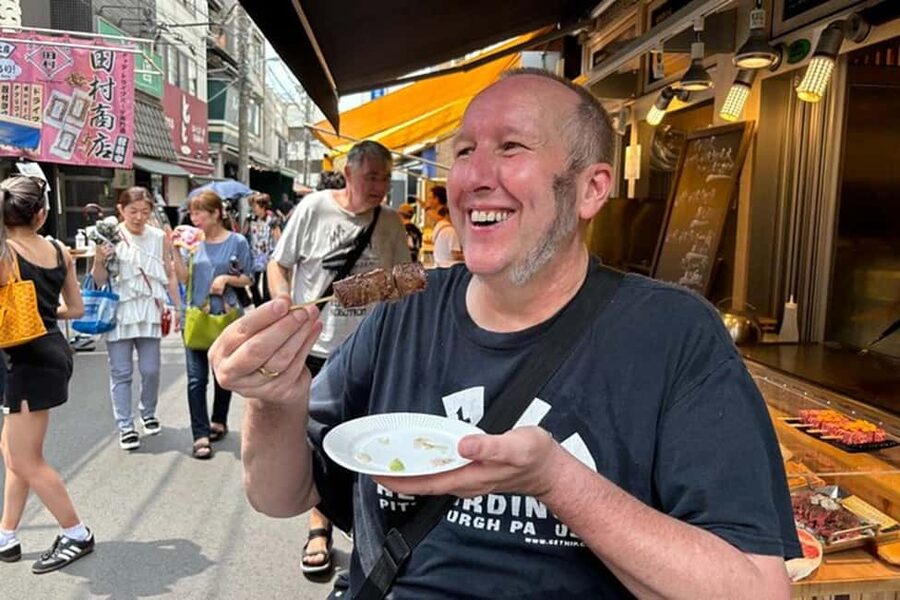
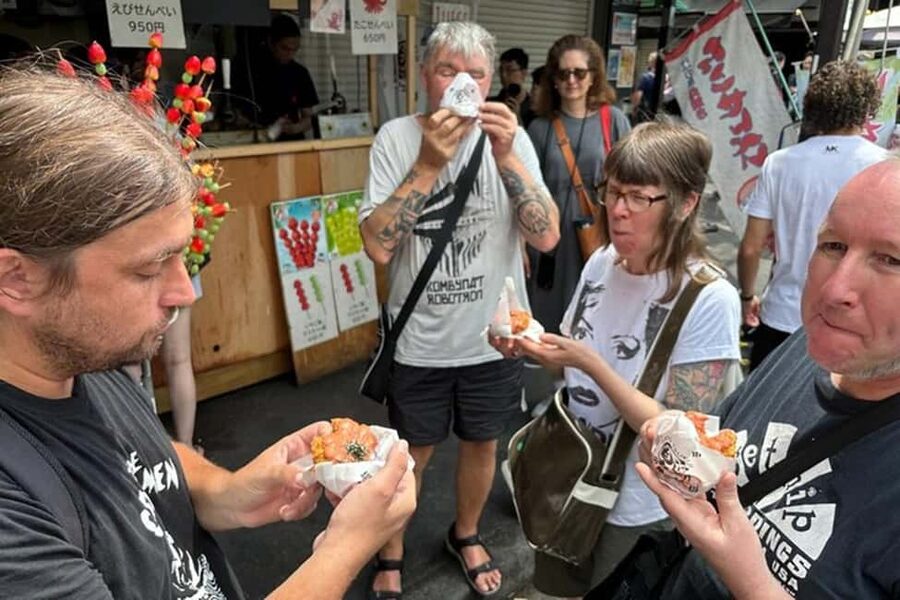
The heart of the tour is Tsukiji Outer Market, around 55 minutes. This is where you are actually shopping with your feet and sampling what the guide recommends. The tour includes three must-try local foods, selected by the local guide, and these tastings are part of the price.
This is also where the best value shows up. You are paying for more than access, you are paying for selection. If you have ever walked through a food market and felt overwhelmed by choices, you already know why this matters. Someone who knows the area can help you avoid the common mistake of over-ordering one kind of item and missing other classics.
There is also real flexibility built in. One past guide example, Sowar, adapted the tour when it was too early for guests to eat as they wanted to. That is a reminder that your experience can be adjusted to your comfort level and appetite, not forced into a single rigid sequence.
One caution: the tour includes only three food tastings, so it is not an endless sampling plan. You might leave hungry in a good way, but you should plan for the fact that the tour is designed to end after these three included bites. If you want a full meal, you will likely need a follow-up snack or dinner on your own.
Tsukiji Hongan-ji: Buddhist Calm After Market Noise
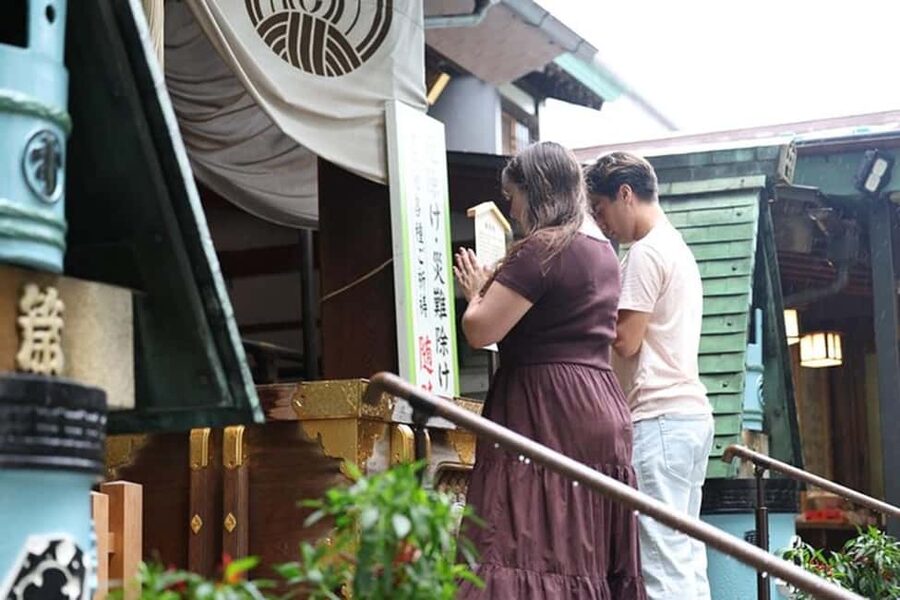
The final visit is Tsukiji Hongan-ji, about 30 minutes. If Namiyoke Inari is about Shinto energy and everyday spiritual practice, this temple stop brings a different tone. It is a chance to see how Japan’s religious life can sit right next to food culture without turning the day into one long blur.
This stop also tends to be more meaningful when your guide explains what you are looking at and how visitors typically behave. Again, past tours highlight guides like Shuto for teaching prayer etiquette at religious sites, which helps you avoid the awkward “am I doing this right?” feeling.
Why the timing works: you get market and food first, then culture second. By the time you reach the temple, you have already collected your food memories, and you can shift into slower sightseeing and reflection.
Potential drawback: if you expected maximum time inside the market, you may feel the temple time takes away from food. Still, that trade-off is what makes the experience feel like a rounded introduction to the area, not just a snack route.
What the Best Guides Actually Do During the Walk
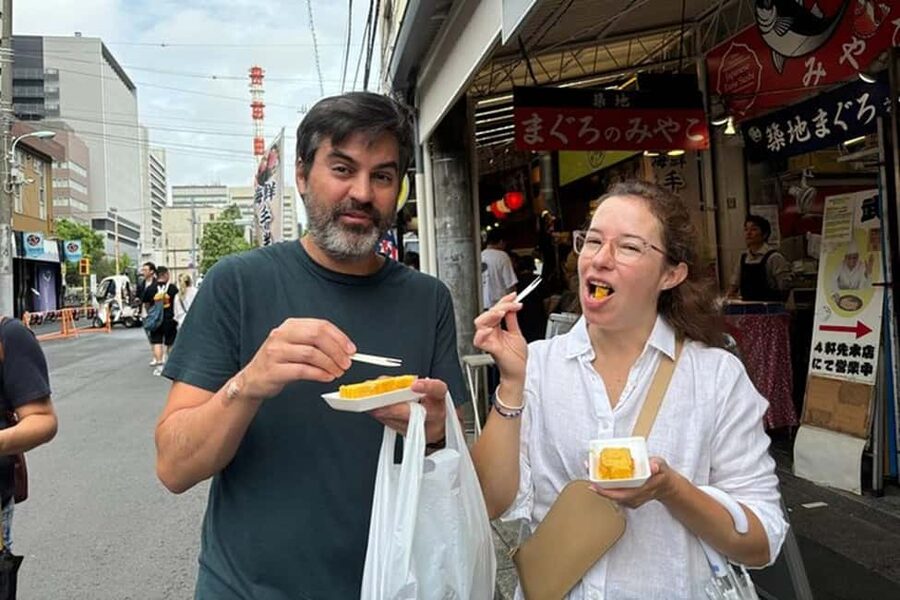
The tour’s quality largely comes down to how the guide manages three things: pace, explanation, and selection. The positive feedback around past guides centers on being professional and personable, communicating clearly in English, and making the tour feel tailored.
Two guide behaviors stand out from the best experiences. First, they offer enough context to connect what you are eating to where it fits in daily life. Second, they give practical help, like showing you how to pray at the shrine and temple. That turns the itinerary into more than “eat here, walk there.”
I also like that this tour is built for real movement with stops that break up the day. You are not stuck in one place too long, but you are not sprinting either. The private setup helps, because you can ask questions without feeling like you are holding up a larger group.
For you, the main takeaway is simple: if food markets intimidate you, this format helps. You get a plan, you get help choosing, and you get cultural grounding so the area feels less random.
Price and Value: When $49 Makes Sense
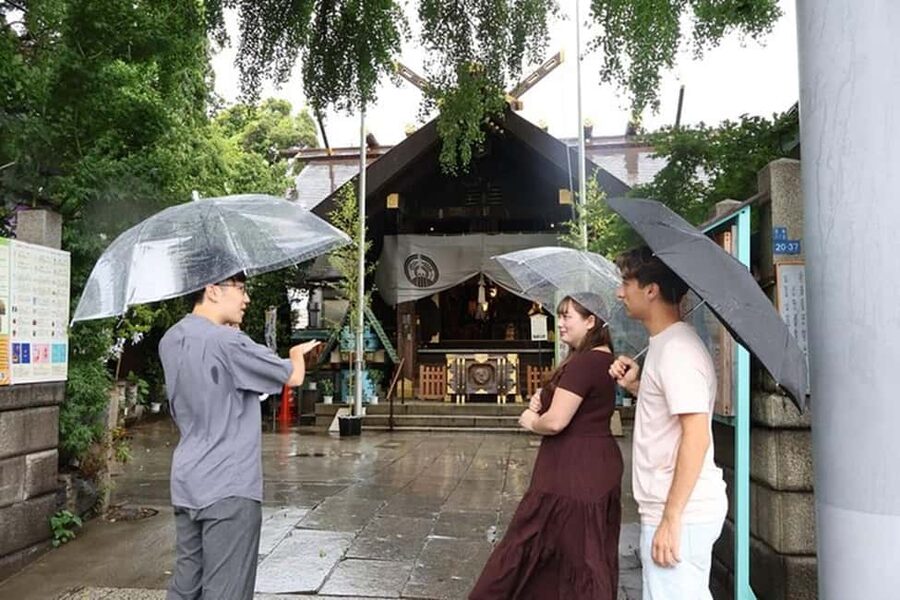
At $49 per person for 2 hours, this is priced like a guided experience where your money buys structure. The included value is not just the guide, it is also three food tastings and two cultural stops (shrine and temple), plus the photos sent after the tour.
Here is the value test I use: if you want to eat in the market but also want someone to steer you toward the right items and help you understand what you are seeing, you are likely to feel the cost is fair. If you are the kind of traveler who loves independent wandering, you might compare this against what you could do on your own. But for many people, the included tastings plus the cultural context are what they would otherwise have to figure out separately.
A bonus for your money is the private setup. Even if a solo traveler ends up in a private group, you still get that same one-on-one style interaction. That can make asking questions easier, and it can make a short tour feel more personal.
Who Should Book This Tsukiji Private Tour (And Who Might Skip)
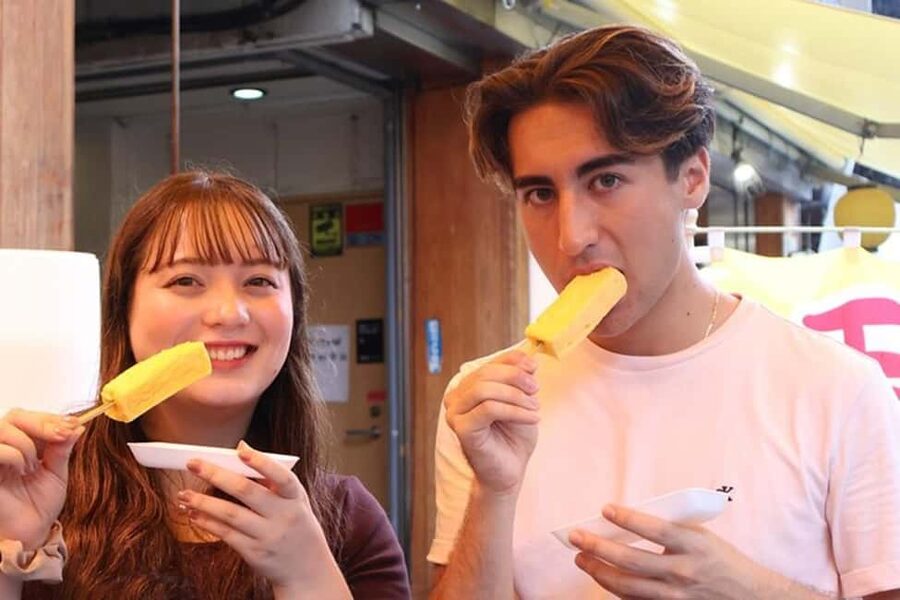
This is a strong fit if you want:
- A food-first experience with three included tastings that feel intentionally chosen
- Cultural balance, with both a Shinto shrine and a Buddhist temple
- A guide who can provide practical help, like prayer etiquette
- A private pace without navigating crowds in a fixed group schedule
You might consider skipping or supplementing with extra time if:
- You want a longer market session with more browsing time and more eating
- You prefer very deep storytelling and long explanations at each stop, not just light guidance
- You plan to eat a lot beyond the three included foods, because the tour itself is structured around those tastings
Should You Book This Tour?
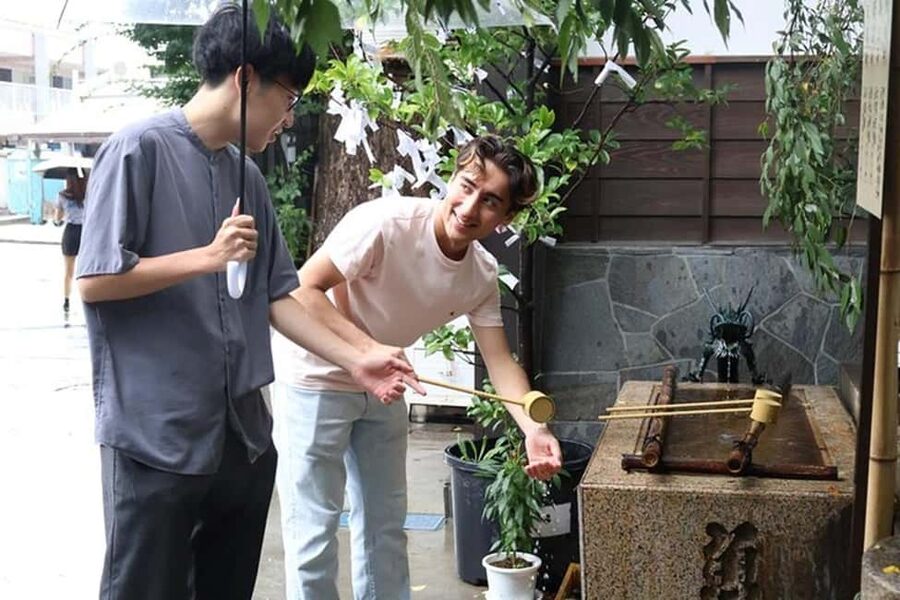
If you want Tsukiji to feel understandable, not chaotic, I think this is a smart booking. The biggest strengths are the three included food stops and the way the route blends food culture with shrine and temple visits. Guides like Shuto and Sowar are noted for both cultural help and practical adaptability, and that is exactly what makes a short, 2-hour walk work.
Book it if you like guided structure and you want to eat well without second-guessing your choices. If you are the type who prefers to spend hours wandering and sampling freely, then use this as an upgrade plan rather than your only market day.
FAQ
Where does the tour start?
The guide stands in front of LAWSON Tsukiji 4 Chome Store.
How long is the Tsukiji private tour?
The tour lasts 2 hours and is a walking route.
What is included in the tour price?
You get the 2-hour walking tour, 3 must-try local foods, expert guidance, and photos taken during the tour that are sent after.
How many food stops are included?
There are 3 included food stops, with the tastings carefully selected by the local guide.
What languages is the guide available in?
The live tour guide is available in English and Japanese.
Is the tour wheelchair accessible?
Yes, the tour is listed as wheelchair accessible.
What if I need to cancel?
You can cancel up to 24 hours in advance for a full refund. If you do not show up within 15 minutes of the meeting time, it is considered a no-show cancellation with no refund.
Market Mornings We Have Reviewed



Newest Tokyo write-ups from the Loving Japan desk






Tsukiji and Toyosu Fish Markets, side by side.
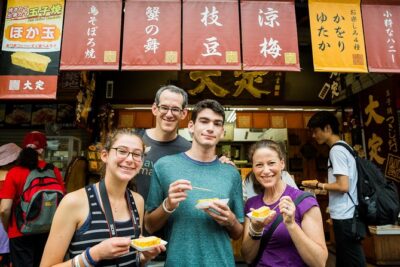 ★ 5.0Tokyo Tsukiji Fish Market Food and Culture Walking TourFrom $993,184 reviews
 ★ 5.0Tsukiji Fish Market Food and Walking tourFrom $301,724 reviews
 ★ 4.9Tsukiji Fish Market Guided Walking TourFrom $221,397 reviews
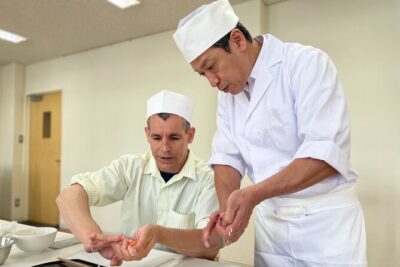 ★ 5.0Tokyo Sushi Making Class in Tsukiji with Professional ChefFrom $491,177 reviews
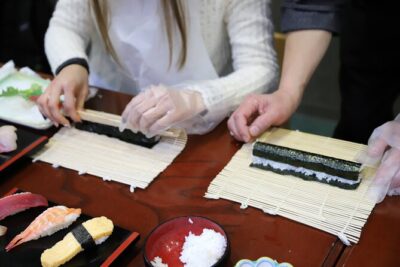 ★ 5.0Tsukiji Fish Market Guided Tour and Sushi Making with Pro ChefFrom $104775 reviews
★ 4.7Tsukiji Fish Market Food and Culture Walking TourFrom $96757 reviews
 ★ 5.0Tsukiji Fish Market: Street Food & Culture Walking TourFrom $33669 reviews
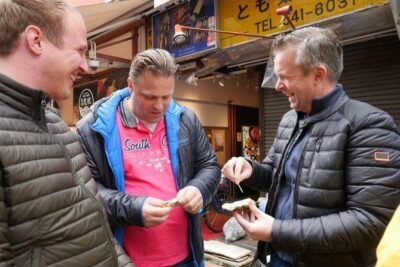 ★ 5.0Tsukiji Fish Market Small-Group Food Walking TourFrom $87621 reviews
Filed on these lists too