
REVIEW · TSUKIJI AND TOYOSU FISH MARKETS
Tokyo: Tsukiji Fish Market Sushi Making Class with Pro Chef
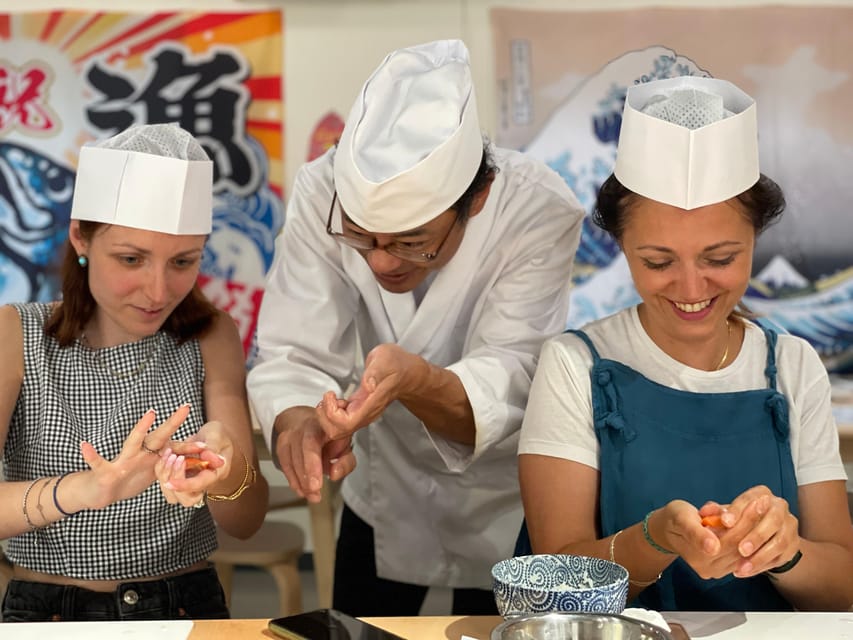
Tsukiji sushi gets real, fast. This sushi-making class in the outer Tsukiji market puts you at the center of the food world, then walks you through what a pro sushi master actually does. I especially like working with fresh Tsukiji ingredients and proper utensils, so what you learn is practical, not just a performance.
The best part is the step-by-step coaching, including fish disassembly and knife basics, typically with English support from hosts like Satoko or Yuko. One thing to plan for: the classroom is on the third floor with stairs only, so it is not a good fit if mobility is an issue.
In This Review
- Key Highlights Worth Planning For
- Tsukiji’s Outer Market Location: where the class actually feels Tokyo
- Fish Disassembly and Knife Talk: why sushi starts before you touch rice
- Making Nigiri and Maki: the hands-on part you will repeat at home
- The Meal: wasabi, dashi soup, green tea, and master-made bites
- Price and Timing: is about $63 good value for Tsukiji?
- Who should book, and who should skip this Tsukiji sushi class
- Should you book this Tsukiji sushi-making class?
- FAQ
- Where does the class take place?
- How long is the sushi making class?
- Do I get to make sushi, or is it just a demonstration?
- Is there an English-speaking instructor or host?
- What will I learn during the workshop?
- What drinks and soup are included?
- Are vegetarian or vegan options available?
- Is the class accessible for wheelchair users or people with mobility impairments?
- Is hotel pickup or drop-off included?
- What if I have allergies?
Key Highlights Worth Planning For
- Third-floor classroom in the Tsukiji outer market area: you can explore before or after, since it is right in the middle of things.
- Fish disassembly show by a pro sushi master: you see how sushi fish gets prepared and why knives matter.
- Hands-on nigiri plus rolled maki: you make 4 nigiri and 1 maki, then eat it.
- You taste master-made pieces and pairing tea and soup: included dashi soup and green tea go with the real flavors.
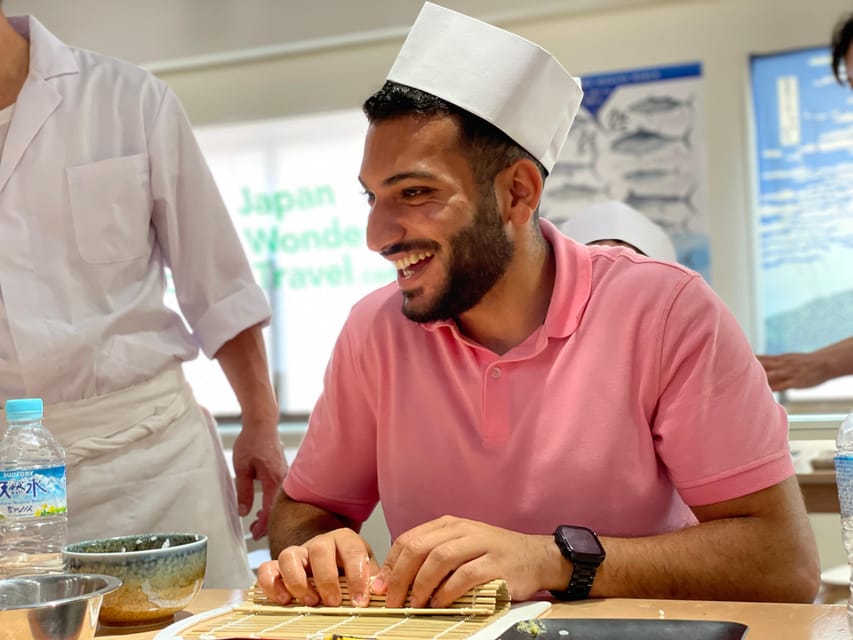
- English-speaking host helps you keep up: you are not stuck guessing what the chef is doing.
- Small, attentive vibe in many sessions: multiple reviews mention the class feels intimate, with room to ask questions.
Hungry earlier than that? Other market breakfasts we tried
- Tokyo Tsukiji Fish Market Food and Culture Walking Tour
★ 5.0 · 3,184 reviews - Tokyo: Tsukiji Fish Market Food and Walking tour
★ 5.0 · 1,724 reviews - Tokyo: Tsukiji Fish Market Guided Walking Tour
★ 4.9 · 1,397 reviews - Tokyo Sushi Making Class in Tsukiji with Professional Chef
★ 5.0 · 1,177 reviews
Tsukiji’s Outer Market Location: where the class actually feels Tokyo
If you like food travel that has grit, not just postcards, Tsukiji hits. This workshop is set in the center of the Tsukiji outer fish market area, inside a classic Japanese-style building. That means your class day naturally lines up with real market sights: fish stalls, the sound of early trading, and the general sense that people here take ingredients seriously.
I like that the market location is practical. You can arrive and grab your bearings in the area first, then head to the classroom without wasting time. And after class, you are not “done.” You can keep walking, tasting, and comparing what you learned to what you see happening on the market floor.
One location note matters more than it sounds: the classroom is on the third floor, and it is stairs only. If you are sensitive to walking plus climbing, you will want to keep your pace easy and wear shoes you can move in comfortably. This class is family-friendly, but the stairs limit how friendly it can be for mobility needs.
Also, guidance through the market is not included in the core offering. Still, many sessions feel well guided once you arrive, and the English-speaking host is there to interpret, direct, and keep the whole flow smooth.
Fish Disassembly and Knife Talk: why sushi starts before you touch rice
Sushi looks simple. The reality is different. Before you start shaping anything, you watch a fish disassembly show led by the pro chef. This is not just a wow moment. The chef shows multiple steps involved in preparing fish for sushi, and the explanation helps you understand what to look for, and why.
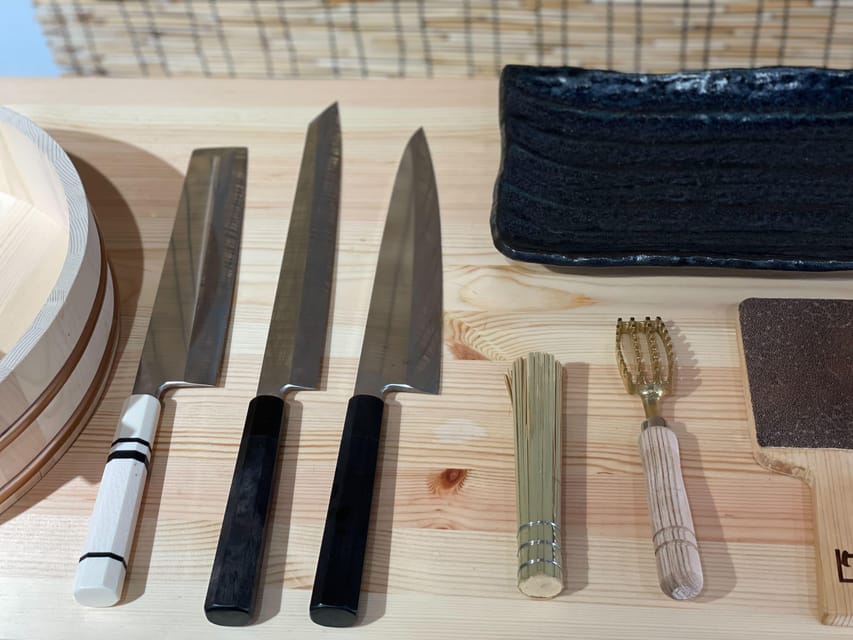
Knife basics also show up early. You will hear about Japanese knives as part of the fish-prep talk, which is a big deal if you have only ever used a Western kitchen knife. The chef’s goal here is not to turn you into a cutlery nerd. It is to help you see the logic behind clean cuts and how that affects texture.
In a few sessions, the chef covers fish handling in a way that translates to sashimi too. Even when you are specifically making nigiri and maki, watching how the pro treats the fish gives you a clearer sense of what sushi quality depends on.
This first stage also sets the tone for the class. Reviews repeatedly mention that the chef is engaging and patient, with staff who help everyone keep up. Names that came up in recent groups include chefs Tanaka and Kate, with hosts like Yuko and Satoko helping interpret and guide through the steps.
Making Nigiri and Maki: the hands-on part you will repeat at home
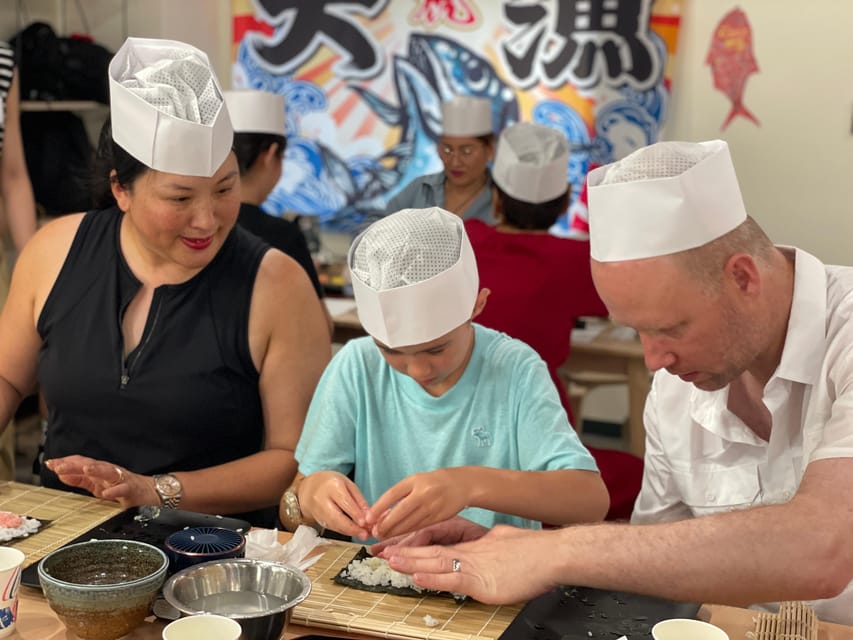
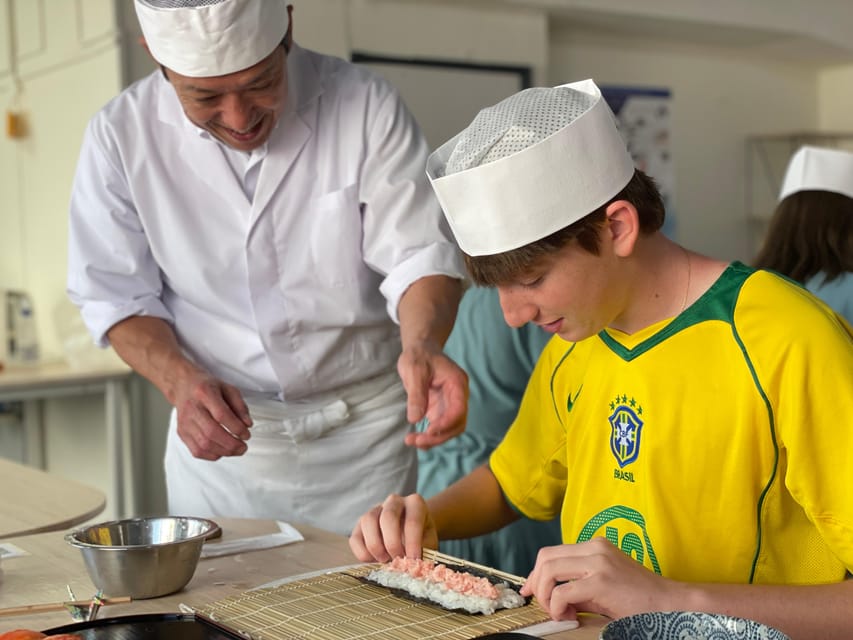
Now for the fun part: you actually make sushi. The included menu is straightforward and satisfying: you make 4 different nigiri and 1 maki sushi. You are not just tasting. You are shaping, seasoning, and assembling.
The class is built around proper steps for nigiri and rolled sushi. You learn what sushi is supposed to be, then you get taken through technique in a way you can copy later. That includes guidance on rice handling and assembly, plus how to place toppings so it looks right and feels right.
One detail I like is the emphasis on utensils and tableware. You do not show up to a generic kitchen with mismatched gear. The workshop uses proper tools, sourced from local shops, so you get a more authentic “how it is done” experience. It also makes the class smoother, because you are not fighting tools that do not match the technique.
This is also where the English support earns its keep. You should be able to follow the steps without guessing. Many reviews specifically praise hosts for clear English and for making sure questions get answered, with staff hovering to help with feedback as you work.
If you want a class that is practical for beginners, this is a strong choice. Multiple comments mention that even people who do not normally eat raw fish still enjoyed the experience, largely because the process is explained and the results are fresh and delicious.
Cook it yourself instead. Other kitchens in Tokyo
- Sushi Making Tokyo Roll and Authentic Japanese Sushi Class★ 5.0 · 3,971 reviews
- Tokyo: Sushi Making Class in a Happi Coat near a Famous Spot★ 4.9 · 1,377 reviews
- Tokyo Sushi Making Class in Tsukiji with Professional Chef★ 5.0 · 1,177 reviews
- Ramen & Gyoza Cooking Class in Tokyo with Local Supermarket Visit★ 5.0 · 823 reviews
- Tsukiji Fish Market Guided Tour and Sushi Making with Pro Chef★ 5.0 · 775 reviews
The Meal: wasabi, dashi soup, green tea, and master-made bites
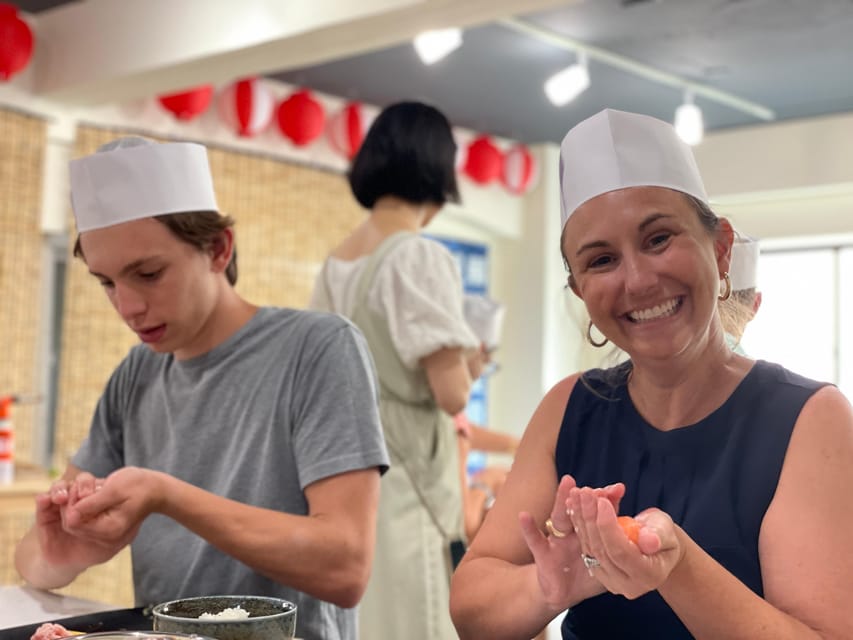
In a sushi-making class, the meal is the proof. Here, you eat the sushi you make, and you also get additional sushi made by the sushi master. That matters because your finished pieces show your progress, while the chef’s pieces show the target.
Wasabi is part of the experience too. The master prepares wasabi with fresh intensity, and it is served in a way that lets you taste what makes real wasabi different from the bottled stuff. You also get traditional dashi soup and green tea as pairings. This is one of those “small” inclusions that changes the meal, because dashi and tea are not side dishes in Japanese dining. They are part of how you balance flavors and reset your palate.
What you drink and eat is included, along with the sushi, and a hat. The hat is a fun little souvenir, and it also signals that this is meant to feel like a real workshop, not a quick demo.
Some groups note extra touches for kids, like team-made extras such as origami. You should not count on specific crafts every time, but it is a nice example of how the team keeps the experience friendly while still teaching seriously.
Price and Timing: is about $63 good value for Tsukiji?
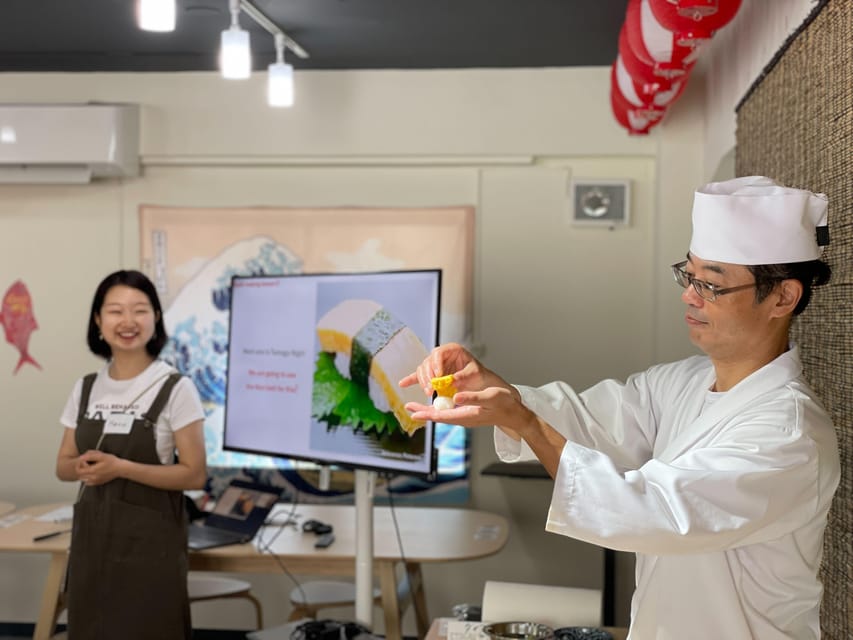
The price is $63 per person, with duration options that can run from about 90 minutes up to around 4 hours. On paper, that could sound pricey if you compare it to a basic cooking class. But the value logic here is different.
You are paying for three things that are hard to fake:
- A pro sushi master’s time, including fish preparation and teaching.
- Fresh Tsukiji-sourced ingredients and proper sushi tools.
- The meal built into the class, including sushi you make plus extra pieces, plus tea and soup.
If you have ever tried to make nigiri at home, you know the hardest part is not following a recipe. It is getting the process right for rice, fish handling, and assembly. This class gives you a shortcut to technique you can actually repeat, and you get instant feedback while the chef is working.
Timing matters here. If you pick a shorter option, you might get a denser class with less room for back-and-forth. Longer options usually give the master more space to explain and for you to refine your sushi. Either way, the core deliverable is consistent: you leave having made nigiri and rolled maki with fresh ingredients.
Also keep in mind that the tour may go beyond the scheduled ending point. If you have a tight appointment right after, tell the team in advance so they can guide you on timing.
Who should book, and who should skip this Tsukiji sushi class
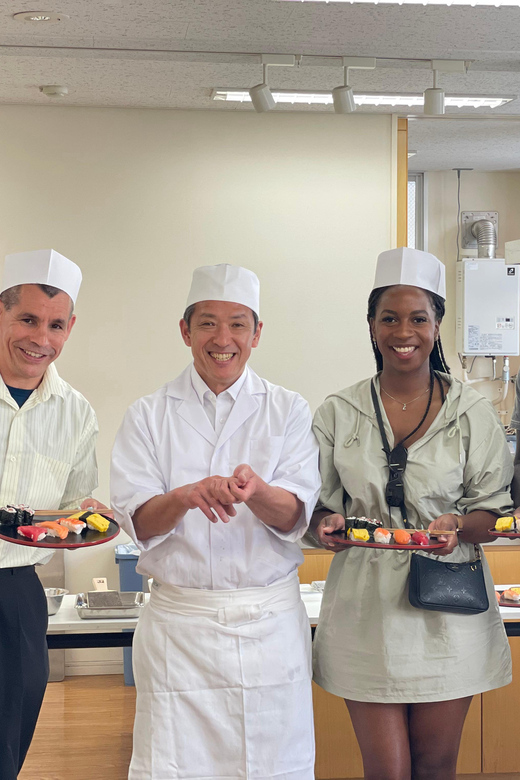
This class is a great fit if you:
- Want hands-on sushi skills, not just a tasting
- Like learning from a pro sushi master with step-by-step coaching
- Plan to spend time in the Tsukiji outer market area anyway, and want a reason to be there beyond photo stops
- Prefer a format with an English-speaking host to interpret and keep you on track
It may not be the right fit if you:
- Need wheelchair access or mobility support. The classroom is on the third floor with stairs only, so this is not designed for wheelchair users or people with mobility impairments.
- Are vegetarian, vegan, or looking for halal or kosher gluten-free specific substitutions. The class states it does not accommodate vegetarian, halal, Kosher gluten-free requests.
- Have serious allergies. The team asks you to disclose allergies when booking, and they will try to accommodate allergy-related requests, but it may not be possible.
Kids are welcome, but there is a limit: children under 4 years are not suitable. Many recent comments mention families and kids who enjoyed the process, with staff working to keep the experience manageable.
In short, this is not a casual “eat sushi and watch.” It is a real technique class. If you want that kind of experience, it is worth your time in Tokyo.
Should you book this Tsukiji sushi-making class?
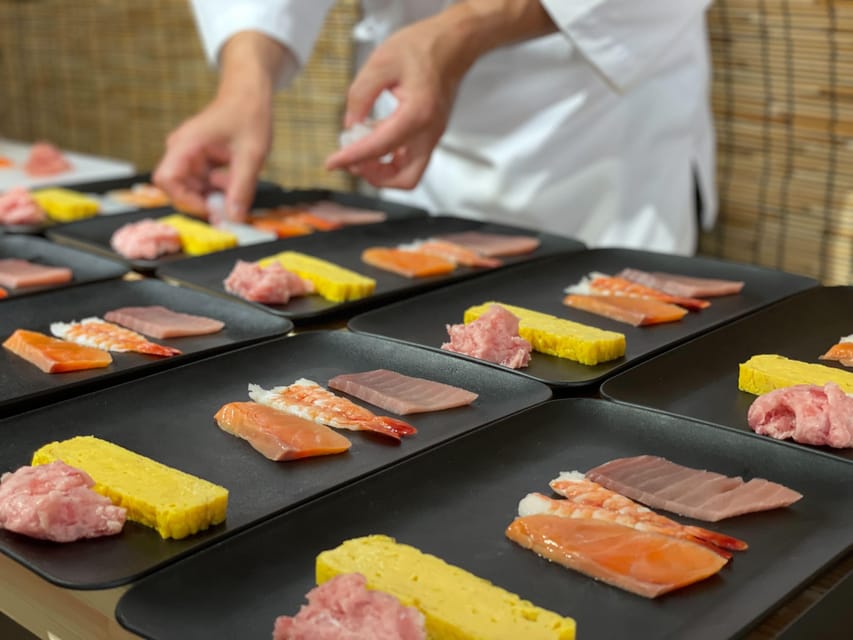
I think you should book it if you want a focused, skill-based sushi experience in Tokyo’s Tsukiji area. For the money, you get more than a meal. You get instruction on fish prep context, rice and sushi assembly steps for nigiri and maki, plus tasting of master-made sushi with proper pairings like dashi soup and green tea.
Skip it if stairs are a dealbreaker, if you need strict dietary accommodations beyond what is offered, or if you simply want to sample market food without cooking. Also, if your schedule is extremely tight, remember the class can run past the listed time.
If you are a sushi lover, or you want to become one, this is the kind of class that gives you a story you can actually use later, because you will know how the pieces come together.
FAQ
Where does the class take place?
The classroom is located in a classic Japanese-style building in the center of the Tsukiji outer fish market area.
How long is the sushi making class?
The duration depends on the option you book, ranging from about 90 minutes to around 4 hours.
Do I get to make sushi, or is it just a demonstration?
You make sushi. The included food you create is 4 different nigiri sushi and 1 maki sushi, plus extra sushi made by the master.
Is there an English-speaking instructor or host?
Yes. An English-speaking host guides and interprets throughout the class.
What will I learn during the workshop?
You will learn about sushi culture and proper sushi-making steps, including nigiri and rolled sushi. You also watch a fish disassembly show and learn about Japanese knives.
What drinks and soup are included?
Tea and soup are included, including dashi soup and finest green tea as part of the pairing.
Are vegetarian or vegan options available?
No. Vegetarian and vegan requests are not accommodated.
Is the class accessible for wheelchair users or people with mobility impairments?
No. The classroom is on the third floor with only stairs, so it is not suitable for wheelchair users or people with mobility impairments.
Is hotel pickup or drop-off included?
No. Hotel pickup and drop-off are not included.
What if I have allergies?
Let the team know about allergies when you reserve. The team will try to accommodate allergy-related requests, though it may not be possible.
Kitchens You Can Book Into


Market Mornings We Have Reviewed


Newest Tokyo write-ups from the Loving Japan desk



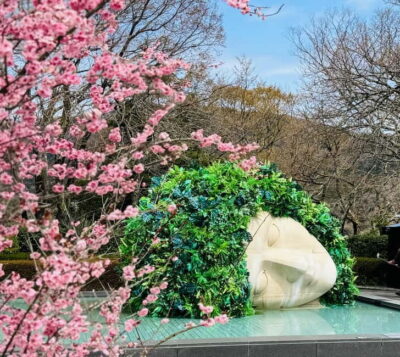
Tsukiji and Toyosu Fish Markets, side by side.
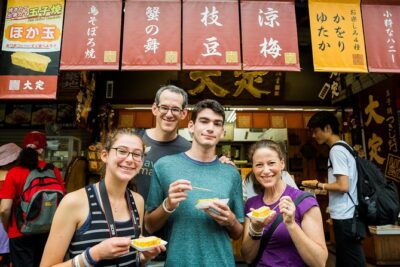 ★ 5.0Tokyo Tsukiji Fish Market Food and Culture Walking TourFrom $993,184 reviews
 ★ 5.0Tsukiji Fish Market Food and Walking tourFrom $301,724 reviews
 ★ 4.9Tsukiji Fish Market Guided Walking TourFrom $221,397 reviews
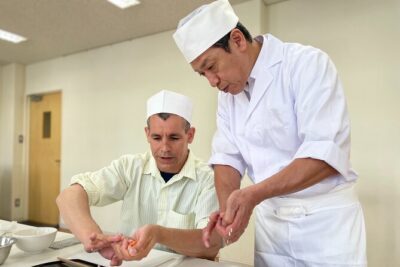 ★ 5.0Tokyo Sushi Making Class in Tsukiji with Professional ChefFrom $491,177 reviews
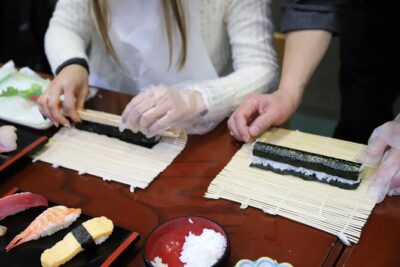 ★ 5.0Tsukiji Fish Market Guided Tour and Sushi Making with Pro ChefFrom $104775 reviews
★ 4.7Tsukiji Fish Market Food and Culture Walking TourFrom $96757 reviews
★ 5.0Tsukiji Fish Market Guided Tour and Sushi Making with Pro ChefFrom $104775 reviews
★ 4.7Tsukiji Fish Market Food and Culture Walking TourFrom $96757 reviews
 ★ 5.0Tsukiji Fish Market: Street Food & Culture Walking TourFrom $33669 reviews
 ★ 5.0Tsukiji Fish Market Small-Group Food Walking TourFrom $87621 reviews