
REVIEW · TSUKIJI AND TOYOSU FISH MARKETS
Tokyo Tsukiji Fish Market Food and Walking Tour
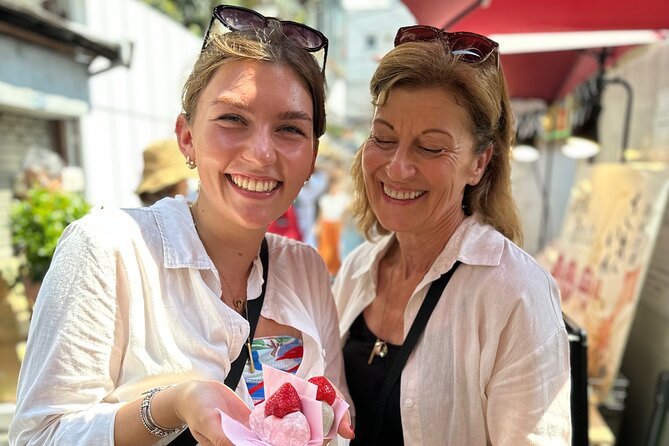
Tsukiji looks simple, but it is not. This small-group walk strings together the key stops at the right pace, with real local know-how. You get the Hongwanji Temple customs primer first, then the markets and their food culture.
I like two things most. First, you do not have to pay separate admission along the route, since entry to each stop is included. Second, the experience adds memory fuel: digital photos are taken during the tour and included, so you can focus on what you are seeing.
One consideration: food and drinks are not included in the tour price. If you want to sample a lot, you should plan to buy snacks and meals as you go, which can add up.
In This Review
- Key Points You Should Know Before You Go
- Why This Tsukiji Tour Feels Worth It in 2 Hours
- Meeting at Tsukiji Station, Then Walking With a Plan
- Stop One: Hongwanji Temple and the Customs You Actually Need
- Stop Two: Tsukiji Fish Market, History, and What to Watch For
- Stop Three: Tsukiji Jogai Market, Street Shops, and Smart Tasting Choices
- Included Perks That Make the Tour Feel Seamier
- Price vs Value, and Why Food-Free Tickets Still Work
- Who This Tour Is Best For
- Timing Tips, What to Bring, and How to Prepare
- Should You Book This Tsukiji Fish Market Food and Walking Tour?
- FAQ
- How long is the Tsukiji Fish Market food and walking tour?
- How much does the tour cost?
- Is this a small-group tour?
- What is included in the tour price?
- Are food and drinks included?
- Where does the tour start?
- What stops are part of the route?
- Is the tour suitable for most people?
- What is the cancellation policy?
Key Points You Should Know Before You Go
- Small group cap of 10 helps you move through tight market spaces without feeling herded.
- Admission is included for Tsukiji Hongwanji Temple, Tsukiji Fish Market, and Tsukiji Jogai Market.
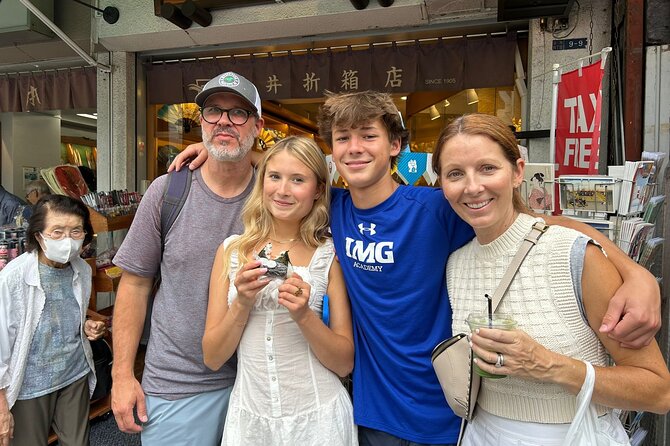
- Digital photos are included, so you leave with proof and not just seafood smell in your clothes.
- You start with Hongwanji Temple, which makes the market feel more meaningful, not just chaotic.
- The tour is designed around food culture and eating tips, even though food itself is not included.
- You get historical insights that help you understand why Tsukiji mattered for decades.
Hungry earlier than that? Other market breakfasts we tried
- Tokyo Tsukiji Fish Market Food and Culture Walking Tour
★ 5.0 · 3,184 reviews - Tokyo: Tsukiji Fish Market Food and Walking tour
★ 5.0 · 1,724 reviews - Tokyo: Tsukiji Fish Market Guided Walking Tour
★ 4.9 · 1,397 reviews - Tokyo Sushi Making Class in Tsukiji with Professional Chef
★ 5.0 · 1,177 reviews
Why This Tsukiji Tour Feels Worth It in 2 Hours
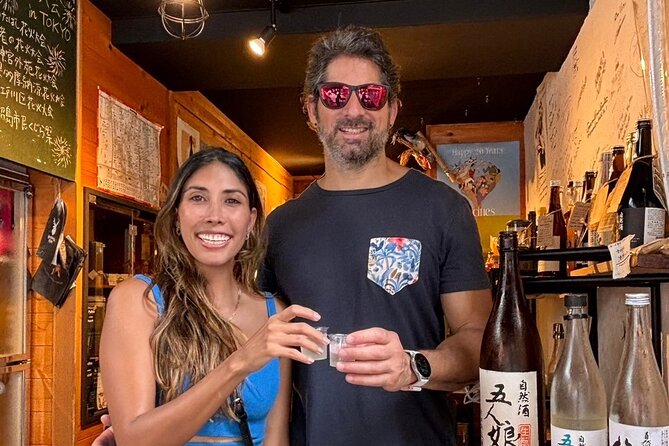
Tsukiji can be a sensory overload. Lots of people, lots of smells, and zero obvious signage for the best places. This tour solves the main problem fast: it gives you a guided path through the district, with stops picked for both context and payoff.
The 2-hour length is another smart piece. You are not committing your whole morning. You can still explore the surrounding area after, which matters because Tsukiji is not a one-and-done type of place. It is better as a quick, guided highlight reel, then free time.
The price, $21.14 per person, looks low compared with other Tokyo guided food walks. The value kicker is what you get for that money. You are paying for a local professional guide, historical storytelling, entry to multiple stops, and the included digital photos. Food is not included, but the tour is built to help you choose where your money should go.
Meeting at Tsukiji Station, Then Walking With a Plan
You meet at Starbucks Coffee – Tsukiji Station, Chuo City, Tsukiji (address listed with the shop). It is an easy start point if you are using public transportation, and that is a big deal in Tokyo where every minute counts.
From there, the tour stays simple. You walk between the three main areas and you end back at the meeting point. That loop style is convenient, especially if you have other plans later in the day and do not want to figure out navigation while hungry and half-awake.
The group size is capped at 10 travelers. In a market area, that is the difference between a calm stop and a traffic jam. Smaller groups also tend to mean your guide can answer questions faster, like what to look for in seafood cuts and how vendor counters typically work.
Stop One: Hongwanji Temple and the Customs You Actually Need
Most Tsukiji tours jump straight to seafood. This one starts with Tsukiji Hongwanji Temple, described as more than 400 years old. The point is not just sightseeing. The point is rhythm.
In 15 minutes, you get a quick orientation to customs and practices before the market energy hits. That makes your later walk feel more grounded. You are seeing where the community culture fits alongside the food trade.
What I like about this kind of start is how it helps you understand behavior. Markets are not only about buying. They are also about etiquette, respect, and routine. A short temple stop gives you mental context, so the market feels less random.
- Mt Fuji and Hakone 1-Day Bus Tour Return by Bullet Train★ 5.0 · 26,383 reviews
- 1-Day Tokyo Bus Tour★ 5.0 · 14,250 reviews
- Tokyo: teamLab Planets TOKYO Digital Art Museum Entry Ticket★ 4.6 · 9,779 reviews
- Mt Fuji & Hakone Cruise, Drum Show Bullet Train 1 Day from Tokyo★ 4.0 · 7,413 reviews
- Tokyo: Shinjuku Food Tour (13 Dishes at 4 Local Eateries)★ 5.0 · 6,603 reviews
Stop Two: Tsukiji Fish Market, History, and What to Watch For
Next comes the main event, Tsukiji Fish Market, for about 50 minutes. You learn about Tsukiji’s 80-year history as the biggest fish market in Japan and the world. That history matters because it explains why you see so much specialization in how things are handled and sold.
Here is how you can make the most of this portion, even if you are not a seafood expert:
- Look at how the market is organized, not just what is on display.
- Pay attention to the language your guide uses for fish and seafood items. Even basic terms help you shop with confidence later.
- Watch for cues in vendor setups. If everyone is lining up at one counter, it is not random.
This stop includes admission, so you do not have to add extra costs on top. It also means the guide can focus on guiding, rather than pausing for ticket logistics.
Also, you are not just walking past stalls. The tour is positioned as an insider walkthrough with historical insights and cultural customs. That is what turns a photo-op into something you can actually learn from.
Stop Three: Tsukiji Jogai Market, Street Shops, and Smart Tasting Choices
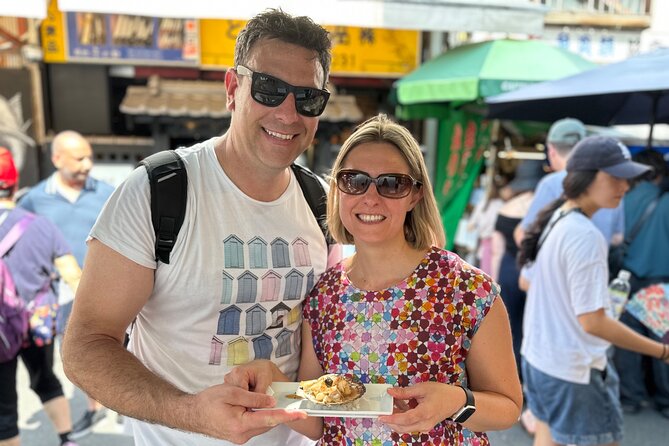
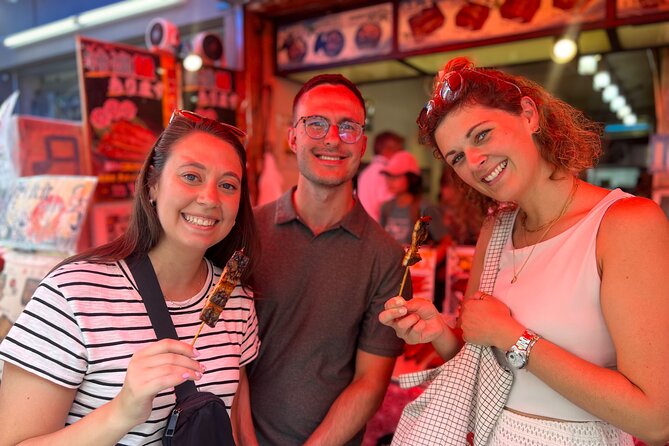
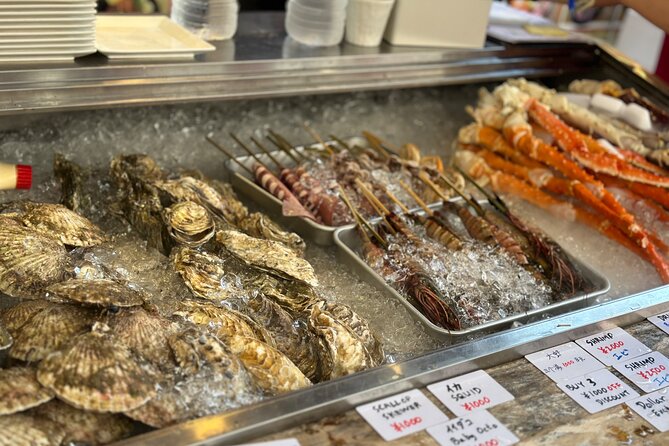
Your final major stop is Tsukiji Jogai Market. This part runs about 50 minutes and is described as full of 400 street shops and vendors, with fresh tuna and seafood as the headline.
If Tsukiji Fish Market feels like the structured heart of the district, Jogai Market is the street-level experience. It is where you get more variety and more direct temptation, from quick bites to full-on food purchases.
This is also where your guide’s role matters the most. Food is not included in the tour price, but the tour is built to help you spend money wisely. You get recommendations for where to eat, and you can follow a plan instead of wandering and hoping you pick the best stall.
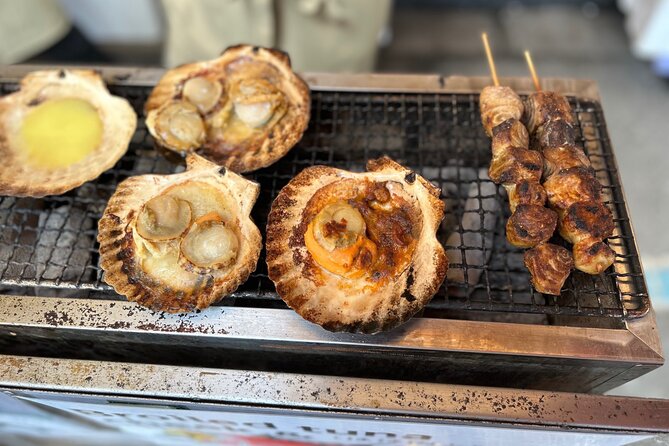
A practical tip from prior experience in this area: if you want a more hands-on meal, you can consider buying food from the back of the market and then renting a grill on top of the market for a unique setup. That is not part of the guided route, so treat it as an optional extra you might research or confirm once you are there.
And yes, this is a tour where you should consider skipping a heavy breakfast. The route is designed around eating, and even when food is not included, the market context encourages you to sample more than you planned.
Included Perks That Make the Tour Feel Seamier
This tour includes more than a walking guide. You get:
- A local professional guide
- Photos taken during the tour
- Historical insights into the district
- Entry or admission to Tsukiji Fish Market, Tsukiji Jogai Market, and Hongwanji Temple
The included photos are underrated. In a place like Tsukiji, you often end up holding your own camera while trying not to bump into people. Having photos handled for you means you can keep moving and still get images that actually reflect what you ate and where you stood.
I also like that the tour includes admission to multiple stops. That means less scrambling for tickets and less time spent figuring out what costs extra. You can put that time into walking and learning.
Price vs Value, and Why Food-Free Tickets Still Work
The big question: do you get enough for $21.14?
You do not get food included as part of the base price. That is a real downside if you want a turn-key all-you-can-eat plan. But in exchange, you get the structure: guide guidance, historical framing, and admission to major areas.
If you go in with a simple plan, this works very well:
- Treat the tour as a guided orientation.
- Decide what you want to buy once you arrive at the right stalls.
- Use your guide to avoid guessing.
That makes the tour feel like a tool. Not a buffet.
Who This Tour Is Best For
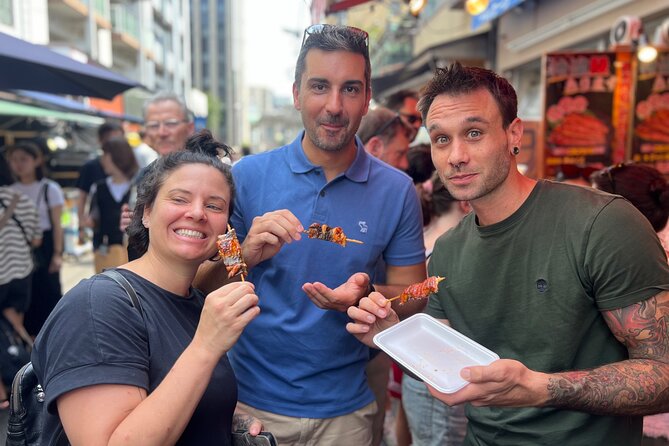
This is a strong fit if you want Tsukiji in a short window. It is also a good match if you like food and culture together, not food alone.
You will likely enjoy this most if:
- You want help choosing where to eat in a confusing area.
- You prefer small groups and a faster-moving schedule.
- You care about customs and context, not just eating.
It is probably less ideal if you want a long, slow market crawl or if you only want guided tasting that is fully paid for in advance. Since food and drinks are not included, you will have to plan for your own purchases.
Timing Tips, What to Bring, and How to Prepare
Because the tour is around 2 hours, you should aim to arrive ready to walk. Tsukiji is not made for long stops and frequent backtracking.
Before you go, do two small things:
- Check the start time for the day you booked so you do not cut the temple portion short.
- Come with curiosity. This route works best when you ask questions, especially about what you are seeing and eating.
Since photos are included, bring yourself and a light mindset. You do not have to make every moment camera-ready. That frees you to actually look.
Finally, be ready for the market to feel intense. Even with a guide, Tsukiji is still Tsukiji. Keep your pace steady, stay aware of your group, and you will get much more out of it.
Should You Book This Tsukiji Fish Market Food and Walking Tour?
Yes, you should book if you want an efficient, small-group introduction to Tsukiji that includes entry to key stops and adds cultural context through Hongwanji Temple. The included digital photos are a nice bonus, and the guide component is what helps you turn a chaotic place into a clear plan.
Skip this only if you want food fully included, or if you dislike market crowds even when guided. If that is your vibe, you may prefer a different style of Tokyo food tour.
If you book, go in hungry in the smart way. You are not paying for a meal package here, but you are walking through places made for eating. Let your guide steer, then decide how far you want to take your own food budget.
FAQ
How long is the Tsukiji Fish Market food and walking tour?
It runs for about 2 hours.
How much does the tour cost?
The price is $21.14 per person.
Is this a small-group tour?
Yes. It is capped at a maximum of 10 travelers.
What is included in the tour price?
The tour includes a local professional guide, photos taken during the tour, historical insights into the district, and entry or admission to Tsukiji Fish Market, Tsukiji Jogai Market, and Hongwanji Temple.
Are food and drinks included?
No. Food and drinks are not included.
Where does the tour start?
The meeting point is Starbucks Coffee – Tsukiji Station, Tokyo, Chuo City, Tsukiji, at the address listed for the shop.
What stops are part of the route?
The tour visits Tsukiji Hongwanji Temple, Tsukiji Fish Market, and Tsukiji Jogai Market.
Is the tour suitable for most people?
The tour notes that most travelers can participate.
What is the cancellation policy?
You can cancel for free up to 24 hours in advance for a full refund. If you cancel less than 24 hours before the start time, the amount you paid will not be refunded.
Market Mornings We Have Reviewed

Newest Tokyo write-ups from the Loving Japan desk


Tsukiji and Toyosu Fish Markets, side by side.
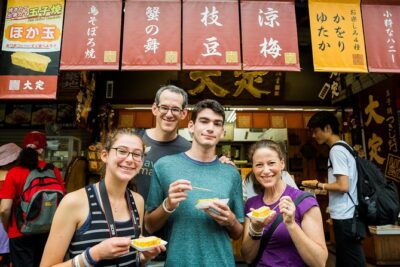 ★ 5.0Tokyo Tsukiji Fish Market Food and Culture Walking TourFrom $993,184 reviews
 ★ 5.0Tsukiji Fish Market Food and Walking tourFrom $301,724 reviews
 ★ 4.9Tsukiji Fish Market Guided Walking TourFrom $221,397 reviews
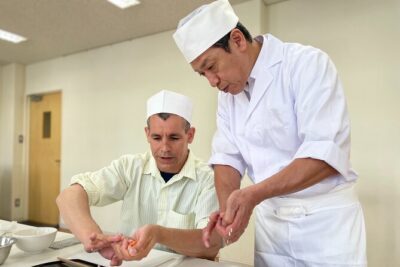 ★ 5.0Tokyo Sushi Making Class in Tsukiji with Professional ChefFrom $491,177 reviews
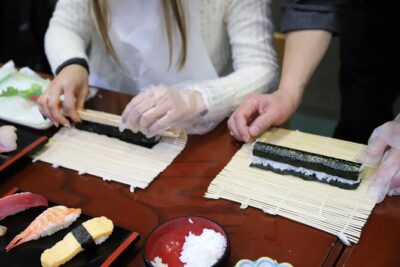 ★ 5.0Tsukiji Fish Market Guided Tour and Sushi Making with Pro ChefFrom $104775 reviews
★ 4.7Tsukiji Fish Market Food and Culture Walking TourFrom $96757 reviews
★ 5.0Tsukiji Fish Market Guided Tour and Sushi Making with Pro ChefFrom $104775 reviews
★ 4.7Tsukiji Fish Market Food and Culture Walking TourFrom $96757 reviews
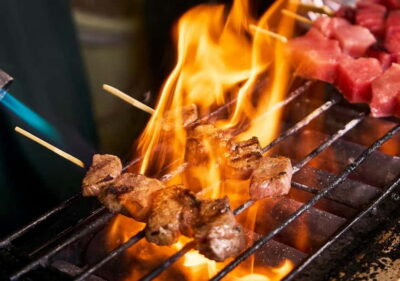 ★ 5.0Tsukiji Fish Market: Street Food & Culture Walking TourFrom $33669 reviews
 ★ 5.0Tsukiji Fish Market Small-Group Food Walking TourFrom $87621 reviews
Filed on these lists too