
REVIEW · TSUKIJI AND TOYOSU FISH MARKETS
Tokyo: Tsukiji Fish Market Seafood & Street Eats
Tsukiji hits you fast, in a good way. This morning walk pairs an English-speaking guide with two market stops, so you can read the seafood scene instead of just wandering it. Guides like Haru and Ryo also focus on getting you good food quickly, including helping people line up when a stall is popular.
I like that you start with Tsukiji Hongwanji Temple before the fish frenzy. That temple visit gives you a calmer anchor, plus it’s an actual Tokyo moment, not just a snack run. Next, the Tsukiji Fish Market and Tsukiji Jogai Market segments are planned to keep you moving and informed.
One possible drawback: food and drinks are not included, so your final spend depends on how much you want to sample along the way. Also, this experience requires good weather, so plans can shift if conditions are poor.
In This Review
- Key things to know before you go
- Morning Tsukiji: the 2.5-hour plan that actually works
- How the small-group setup helps you eat smarter (not just faster)
- Tsukiji Hongwanji Temple: a calm start before the fish talk
- Tsukiji Fish Market: tuna auctions, history, and finding the real focus
- Tsukiji Jogai Market: street eats, fresh seafood, and browsing with purpose
- Food costs and budgeting: how to sample without overspending
- Price check: is $42 good value in Tokyo market time?
- What you’ll learn from the guide, in the real world
- Logistics that matter: meeting point, transit, and mobile tickets
- Should you book this Tsukiji seafood and street eats tour?
- FAQ
- Is food included in the tour price?
- How long is the Tsukiji Fish Market seafood and street eats tour?
- How large is the group?
- What does the tour include?
- Do I need to bring a printed ticket?
- What happens if the weather is bad?
Key things to know before you go
- Small group, max 10 people, which means more questions and easier navigation through the market
- English-speaking local guidance, with help choosing stalls and handling lines when a spot is busy
- Temple + two market zones, so you get context before you start eating
- Food is purchase-only, so you should budget extra for snacks and meals
- Morning timing and short stops, built for a busy Tokyo itinerary
- Mobile ticket, handy if you are traveling light and moving between transit stations
Hungry earlier than that? Other market breakfasts we tried
- Tokyo Tsukiji Fish Market Food and Culture Walking Tour
★ 5.0 · 3,184 reviews - Tokyo: Tsukiji Fish Market Food and Walking tour
★ 5.0 · 1,724 reviews - Tokyo: Tsukiji Fish Market Guided Walking Tour
★ 4.9 · 1,397 reviews - Tokyo Sushi Making Class in Tsukiji with Professional Chef
★ 5.0 · 1,177 reviews
Morning Tsukiji: the 2.5-hour plan that actually works
This tour is built for a tight schedule. You get about 2 hours 30 minutes, and the pacing makes sense for Tsukiji, where crowds and short queues can turn a self-guided plan into a lot of aimless walking. I like that it is structured into clear segments, temple first, then the markets, so you know what you are doing and why you are there.
You will also be walking. That is part of Tsukiji’s charm, but wear shoes you trust. The market area can feel packed, and your guide will be moving the group from stop to stop rather than letting you drift.
The best part for most people is the guide element. A local English-speaking guide helps you connect what you see, what you eat, and what the vendors are talking about. If you come hungry, you will likely come back with a better sense of what seafood terms mean in real life, not just on a menu.
How the small-group setup helps you eat smarter (not just faster)
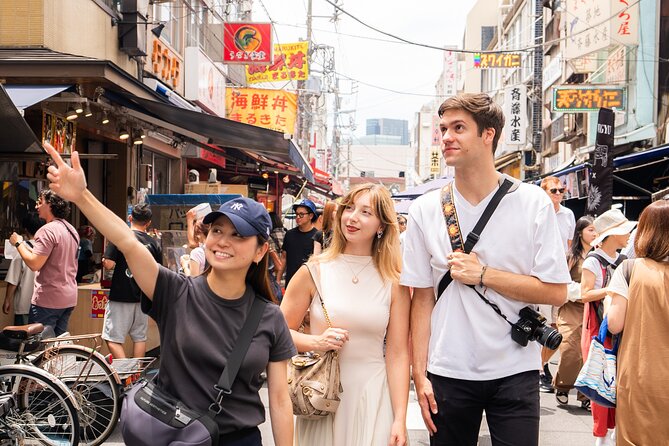
With a group size of 10 travelers max, you are not stuck waiting for someone who got distracted by a sign. You also get real conversation time. Guides in this style tend to do two things well: they explain the context quickly, then they help you order with confidence.
In real scenarios like multigenerational families, the guide approach matters. One family needed accessibility-related adjustments on the subway side, and the guide shifted plans early so everyone still made it to the market. That kind of flexibility is hard to find when you are doing Tsukiji solo.
You also hear the same theme in guide performance: queue management. People often do not want to stand around staring at a menu while the line grows shorter. Guides such as Haru have been willing to wait in line for a highly popular tuna spot, so the rest of the group can keep exploring with less downtime.
And if you are traveling with kids, this format tends to work better than a long lecture. The tour is short enough to stay energetic, and the guide style is typically patient and food-focused, so kids can enjoy the seafood without feeling like they are stuck in a classroom.
Tsukiji Hongwanji Temple: a calm start before the fish talk
The itinerary begins with 築地本願寺 (Tsukiji Hongwanji Temple). You are there for about the start of the experience, with the guidance of your Japanese local guide. Even if your main reason for being in Tsukiji is seafood, this stop is a smart warm-up.
Why it helps: Tsukiji can feel intense fast, especially in the fish market areas where sights and smells hit all at once. A temple stop gives you a moment to slow down, look up at the architecture, and settle your brain. It also makes the morning feel like a Tokyo experience, not only a food sprint.
A temple also sets the tone for Japanese food culture. You get that sense that food is connected to community and tradition, not just performance plates. You might not leave with new trivia you will recite later, but you will likely remember the emotional contrast, calm first, then seafood.
One practical consideration: arrive ready to walk. Even though it is a “start” stop, you still need to be comfortable moving with the group.
- Mt Fuji and Hakone 1-Day Bus Tour Return by Bullet Train★ 5.0 · 26,383 reviews
- 1-Day Tokyo Bus Tour★ 5.0 · 14,250 reviews
- Tokyo: teamLab Planets TOKYO Digital Art Museum Entry Ticket★ 4.6 · 9,779 reviews
- Mt Fuji & Hakone Cruise, Drum Show Bullet Train 1 Day from Tokyo★ 4.0 · 7,413 reviews
- Tokyo: Shinjuku Food Tour (13 Dishes at 4 Local Eateries)★ 5.0 · 6,603 reviews
Tsukiji Fish Market: tuna auctions, history, and finding the real focus
Next comes Tsukiji Fish Market, the famous area most people picture when they hear Tsukiji. This segment runs about 1 hour 30 minutes, and it includes admission.
What you can expect from this part:
- A guided walk through the market atmosphere
- Explanation of Tsukiji’s history and culinary culture
- Commentary tied to what you are seeing, not just general facts
The listing also calls out famous tuna auctions and the idea that you will understand why Tsukiji matters. In practice, the guide’s value is helping you connect the auction culture with what ends up on plates. You learn what different seafood choices represent in Japanese eating culture, and you can use that knowledge when deciding what to buy later.
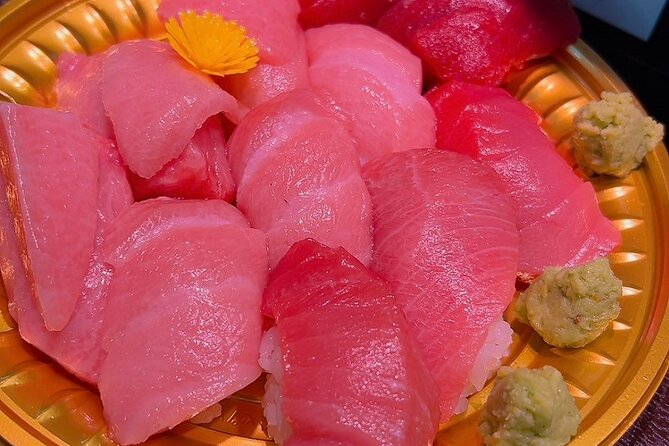
This is also where the “go hungry” factor shows up. The tour is designed so you can sample, but food is your responsibility to purchase. Guides like Haru have helped people get standout items, including recommendations centered on tuna types. One highlight that came up repeatedly is fatty tuna, the kind of selection that makes sense only after someone explains how people think about quality and texture in the market.
If you are hoping for a pure food crawl with minimal talking, this portion can still work because the guide keeps things moving. The historical context is there, but it is meant to give you direction for tasting choices.
Potential drawback: it’s a morning market. That means you should expect crowds and a little chaos. The guide helps, but you will still feel the market’s intensity. If that kind of environment makes you anxious, mentally prepare for close quarters.
Tsukiji Jogai Market: street eats, fresh seafood, and browsing with purpose
After the Fish Market area, you shift to Tsukiji Jogai Market. This part runs about 1 hour and includes entry/admission for this market segment.
Jogai is often where the street-eats feel starts to click. You will walk through many stalls and shops selling fresh seafood and Japanese street food. For a lot of people, this is where you fill in the gaps based on what you learned earlier.
What makes this segment valuable is that you are not buying blindly. Your guide can point you toward stalls that match your taste and help you understand what to look for. People also appreciate that the guide can handle the queue side of things. When a tuna spot has a long line, you do not want the whole group stuck behind the same barrier for 30 minutes.
This stop is also a practical shopping moment. If you like the idea of grabbing snacks for later, this is the time to think about it. The tour time is short, so you want to spend your money on items you actually want, not on random impulse buys.
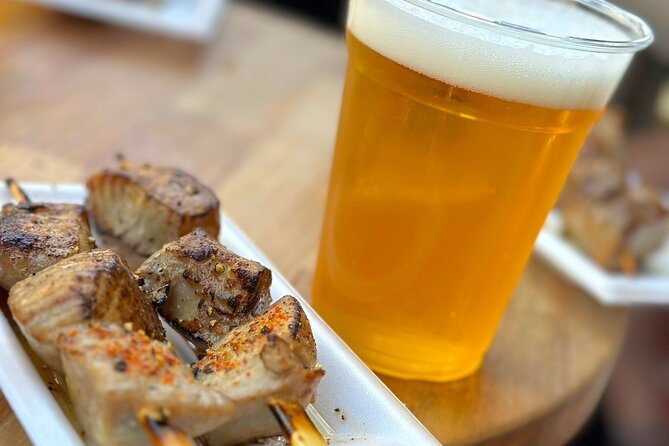
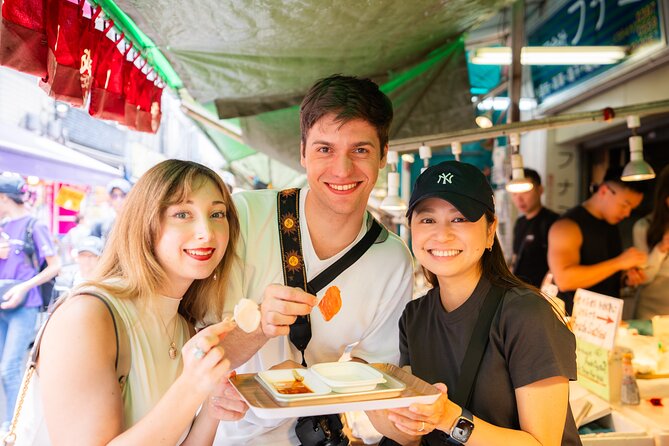
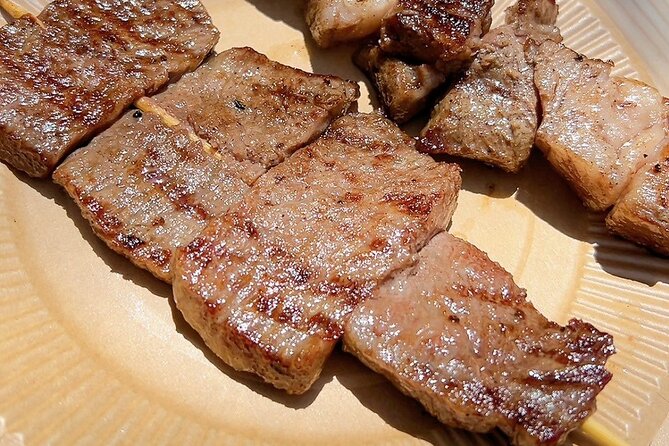
If you are traveling with kids, this portion can be especially fun. One family experience included super fresh tuna sashimi in different fatty types, plus seafood rice crackers, tuna kabobs, and even a sit-down seafood spot where giant crabs and other options like eel and scallops were on the table. You might not order the exact same items, but you will likely find enough variety that different ages can get something they enjoy.
Food costs and budgeting: how to sample without overspending
Food is not included. That is clear, and it matters. With a tour like this, the price is paying for guidance and entry, while the tasting is happening through your own purchases.
So how do you budget? Think in terms of your “sampling style”:
- If you want a couple small bites, you can keep it light
- If you want a full morning meal plus extras, your spend will rise fast
- If you are focused on one signature thing like tuna, you can spend more there and less elsewhere
The upside is choice. You are not locked into a fixed menu. You can buy what you actually want, and a good guide helps you pick intelligently rather than gambling on what looks good from the doorway.
Also, if you are sensitive to cost, ask yourself before you go: do you want to turn this into a mini-food mission, or do you want a guided orientation with a few treats? The tour is great either way, but your money follows your appetite.
One more note: because the guide may help you with lines, you are less likely to waste time and end up eating something you do not love just because you got tired of waiting.
Price check: is $42 good value in Tokyo market time?
$42 per person is not a huge amount for a guided market experience, especially one that includes entry for Tsukiji Jogai Market and Tsukiji Hongwanji Temple. The Fish Market segment also includes admission per the itinerary.
The real question is value: what are you paying for?
- A local guide who can explain what you are seeing
- English support so you can ask questions without guessing
- A small group size that makes the walk manageable
- Help with navigation and recommendations
If you are the type who likes to figure out food on your own, you might spend less by skipping the tour. But you would also likely spend more time searching for the right stalls, and you would miss out on guidance that helps you order better and faster.
If you are short on time, or you want to avoid the first-timer mistakes, this is a strong value. The tour is also short enough that it fits into a packed Tokyo day, which is often when money is hardest to justify. Here, the pay-off is immediate, you start using the guide’s advice right away at the stalls.
What you’ll learn from the guide, in the real world
The tour highlights mention an English-speaking guide and lots of chance for questions. That is exactly what you want in a place like Tsukiji, where food culture has its own logic.
Guides referenced in these experiences include Haru, Ryo, and Toko, and the common thread is how they manage energy. Haru has been praised for accommodating a multigenerational family and for being proactive when the group needed a change to accessibility exits after getting lost on the subway. That kind of calm problem-solving makes the market day feel smoother.
Ryo is described as understanding the assignment, meaning he helps you focus on food first without turning the morning into a field trip. That matters if you want tasty results, not only information.
Toko is highlighted for being friendly and knowledgeable, and especially patient with kids. If you are bringing children, that patience can be the difference between a stressful schedule and a fun morning where kids get to try food they actually like.
In all these cases, the most praised moments are practical: being in the right place, at the right time, and getting access to a good stall without wasting your entire tour standing still.
Logistics that matter: meeting point, transit, and mobile tickets
The meeting point is 3-chōme-9-10 Tsukiji, Chuo City, Tokyo 104-0045, Japan. It is described as near public transportation, which helps because this area is easy to reach but also easy to circle if you are not sure where you’re headed.
The tour uses a mobile ticket, so you can keep things simple on your phone. That is convenient in Tokyo, where you may already be juggling train tickets, maps, and translation apps.
Because it ends back at the meeting point, plan for it like a loop. You can usually keep the rest of your day flexible, then walk out and continue exploring the neighborhood once you finish.
Weather matters too. The experience requires good weather, and if it is canceled due to poor conditions, you will be offered another date or a full refund. For a market day, that is not trivial. Market areas can be less pleasant in rain, so it’s worth having a backup plan in your schedule.
Should you book this Tsukiji seafood and street eats tour?
Book it if you want:
- A guided orientation in Tsukiji with English support
- A short morning plan that keeps you moving
- Help choosing stalls and dealing with queues
- A temple-to-market structure that feels like Tokyo, not only food
Skip it if:
- You are trying to keep costs super tight and want only self-guided wandering
- You dislike crowds and close quarters, even with a guide
- You do not plan to spend much on food, because food purchases are the big variable
My take: this is a strong pick for first-timers who want maximum payoff fast. The price is reasonable for what you get, and the guidance quality shows up in the kinds of details that actually matter on market day, like waiting in line so you can keep the momentum and choosing highlights like fatty tuna when it is time to order.
FAQ
Is food included in the tour price?
No. Foods and drinks are not included. You purchase what you want to sample at your own expense.
How long is the Tsukiji Fish Market seafood and street eats tour?
The duration is about 2 hours 30 minutes.
How large is the group?
This experience has a maximum of 10 travelers.
What does the tour include?
It includes a local Japanese English speaking guide, learning about Tsukiji’s history and culture, entry/admission to Tsukiji Jogai Market, and entry/admission to Tsukiji Hongwanji Temple.
Do I need to bring a printed ticket?
No. The tour uses a mobile ticket.
What happens if the weather is bad?
This experience requires good weather. If it is canceled due to poor weather, you will be offered a different date or a full refund.
Market Mornings We Have Reviewed

Newest Tokyo write-ups from the Loving Japan desk


Tsukiji and Toyosu Fish Markets, side by side.
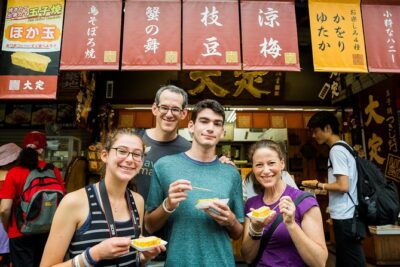 ★ 5.0Tokyo Tsukiji Fish Market Food and Culture Walking TourFrom $993,184 reviews
 ★ 5.0Tsukiji Fish Market Food and Walking tourFrom $301,724 reviews
 ★ 4.9Tsukiji Fish Market Guided Walking TourFrom $221,397 reviews
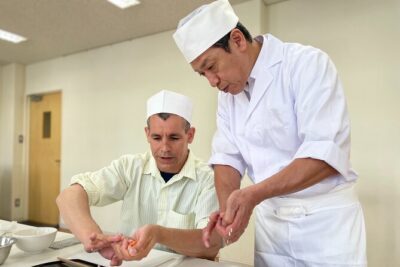 ★ 5.0Tokyo Sushi Making Class in Tsukiji with Professional ChefFrom $491,177 reviews
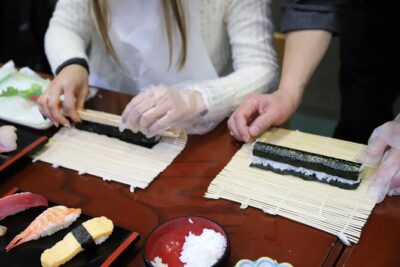 ★ 5.0Tsukiji Fish Market Guided Tour and Sushi Making with Pro ChefFrom $104775 reviews
★ 4.7Tsukiji Fish Market Food and Culture Walking TourFrom $96757 reviews
★ 5.0Tsukiji Fish Market Guided Tour and Sushi Making with Pro ChefFrom $104775 reviews
★ 4.7Tsukiji Fish Market Food and Culture Walking TourFrom $96757 reviews
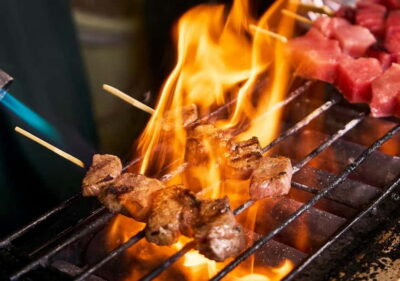 ★ 5.0Tsukiji Fish Market: Street Food & Culture Walking TourFrom $33669 reviews
 ★ 5.0Tsukiji Fish Market Small-Group Food Walking TourFrom $87621 reviews
Filed on these lists too