
REVIEW · JAPANESE COOKING CLASSES
Tokyo: Wagyu and 7 Japanese Dishes Cooking Class
Wagyu turns Japanese cooking into a hands-on lesson. I love the small-group pace and the English-speaking instructors who guide every step, then you sit down to eat what you made. One catch: the studio is in a residential area, so getting the meeting point right takes a minute.
This class gives you a full-course feel, not just a quick demo. You’ll spend about 2.5 hours cooking a set of traditional dishes, with Wagyu as the centerpiece, and the lesson ends with a meal that actually tastes like Japan. If you’re expecting hotel-style pickup or a big, showy production, you’ll need to plan to arrive on your own.
You also leave with recipes and practical tips you can use at home, which is where cooking classes often win or lose. It’s hands-on but not intimidating, and the studio setup is designed for real cooking, not chaos.
In This Review
- Key things you’ll like
- Wagyu, but also the skills: what this class really teaches
- Your meal is a full-course set, not a random sampling
- Inside the studio: homey cooking, real tools, and no stress
- Hands-on highlights: the techniques that help you at home
- Dashi and miso basics you can taste
- Knife work that feels practical, not fussy
- Stuffing and cooking tofu for texture
- Dorayaki as a confidence-builder
- Wagyu: the flavor reason to book, and why it’s worth it here
- Timing and group size: why 3 hours works
- Finding the place: residential Tokyo logistics that matter
- Dietary needs: substitutions are part of the plan
- Who should book this (and who might not)
- Should you book: my honest recommendation
- FAQ
- FAQ
- What’s the duration of the cooking class?
- Is transportation or hotel pickup included?
- How many people are in the group?
- What language are the instructors?
- What’s included in the ticket price?
- What dishes will I cook?
- Do you accommodate dietary restrictions or allergies?
- Where is the meeting point and how do I find it?
- Is there a cancellation option?
Key things you’ll like
- Wagyu as the highlight, cooked alongside everyday Japanese techniques
- English instruction in a small group (up to 8), so you can ask questions
- Hands-on basics like dashi and miso foundations, plus knife skills
- A full-course meal at the end, not just a few bites
- Take-home recipes with sensible tips for recreating the food later
Cook it yourself instead. Other kitchens in Tokyo
- Tokyo: Roll and Authentic Sushi Making Class in Asakusa
★ 4.9 · 1,957 reviews - Tokyo: Sushi Making Class in a Happi Coat near a Famous Spot
★ 4.9 · 1,377 reviews - Tokyo Sushi Making Class in Tsukiji with Professional Chef
★ 5.0 · 1,177 reviews - Ramen & Gyoza Cooking Class in Tokyo with Local Supermarket Visit
★ 5.0 · 823 reviews
Wagyu, but also the skills: what this class really teaches
The Wagyu headline is real, but the bigger value is what you learn while cooking it. Japanese cuisine can feel mysterious from a distance. In this class, it becomes doable because the method is broken into steps you can repeat.
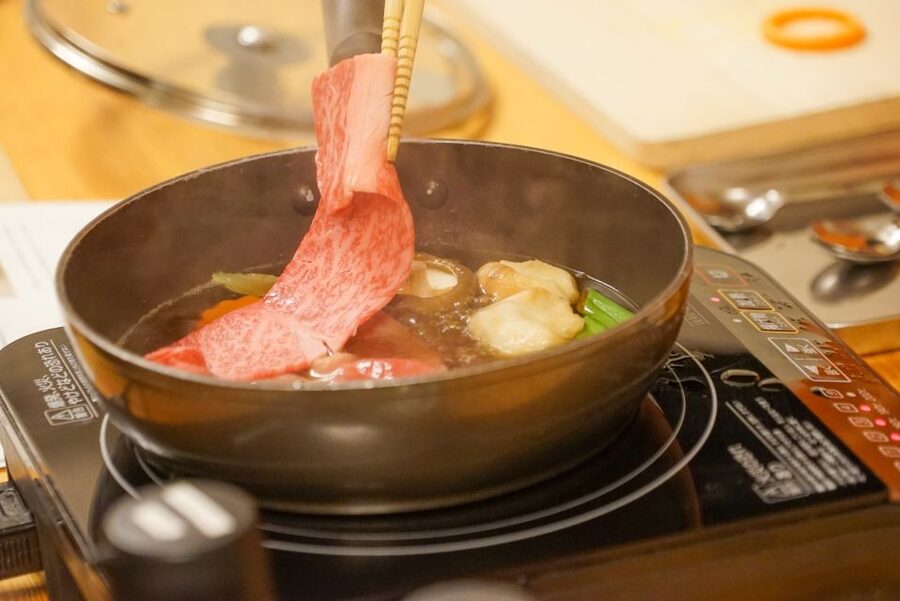
You’ll be working through a menu that includes everything from savory starters and soups to meat dishes and a Japanese sweet. Wagyu gets the spotlight in a hotpot-style meal, but you won’t just taste it, you’ll understand how it fits into the wider meal: dashi-based flavor for depth, miso seasoning for balance, and the way different textures and temperatures land on the plate.
I also like that the class is designed for beginners, based on how people describe the instruction. The pace is hands-on, but you’re not left flailing. In a small group, that matters.
Your meal is a full-course set, not a random sampling
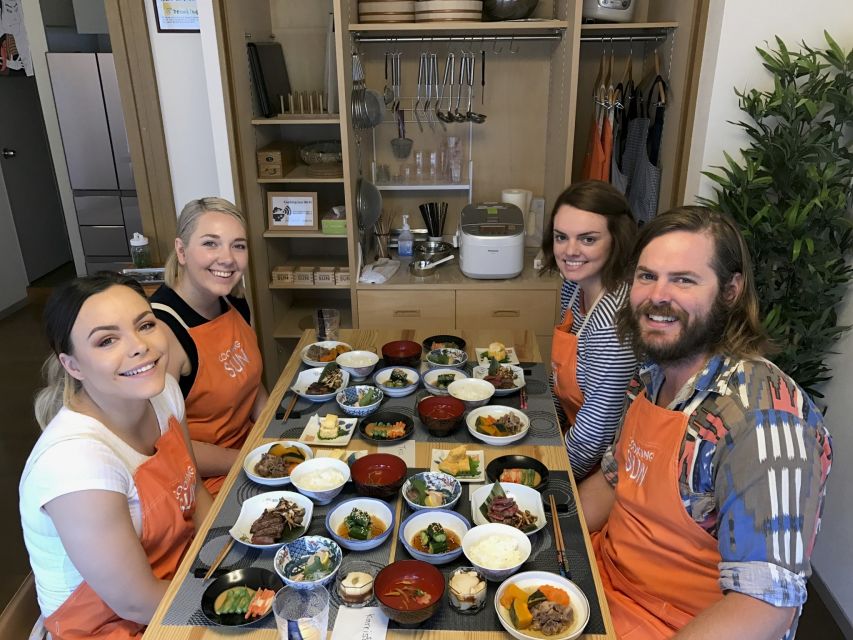
In these 3 hours, you’re aiming for a complete Japanese meal. The structure is simple: you cook through the dishes, then eat everything you made.
A few examples of what you may prepare (and that show up repeatedly in people’s experience) include:
- Dashi from scratch for a miso soup, so you can see where the flavor comes from
- A Japanese egg omelette cooked with your own hands
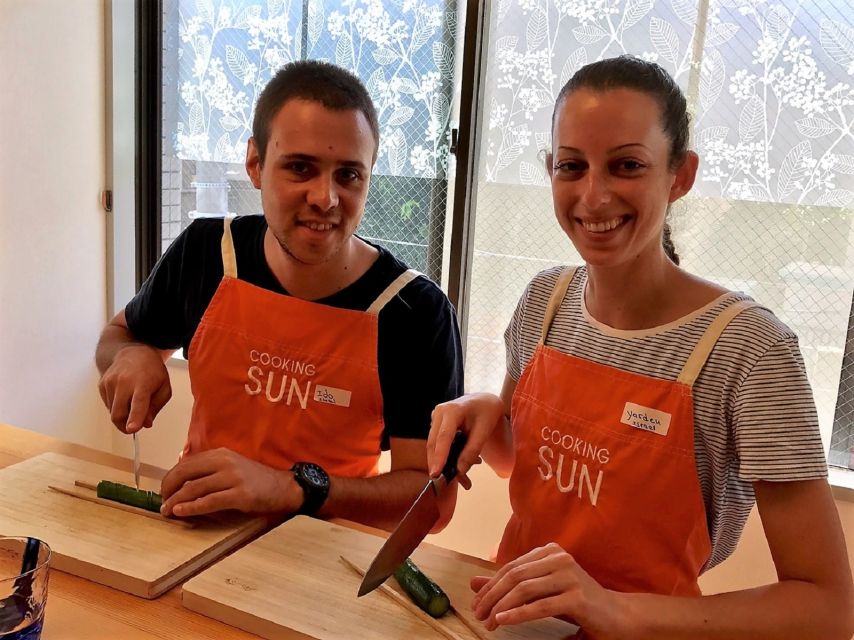
- Accordion-style cucumber cutting for a salad, which is surprisingly satisfying
- Sesame potato salad, showing how simple ingredients turn creamy and savory
- Stuffed tofu with a savory filling (with ginger and edamame appearing in the described menu)
- Wagyu hotpot, the big showpiece
- Dorayaki, a Japanese sweet made from a simple batter and cooked on a hot surface
The exact mix can vary within the overall concept of “7 dishes plus Wagyu” for a full-course flow, but the key point is consistency: you’re not learning isolated tricks. You’re building a meal, step by step.
Inside the studio: homey cooking, real tools, and no stress
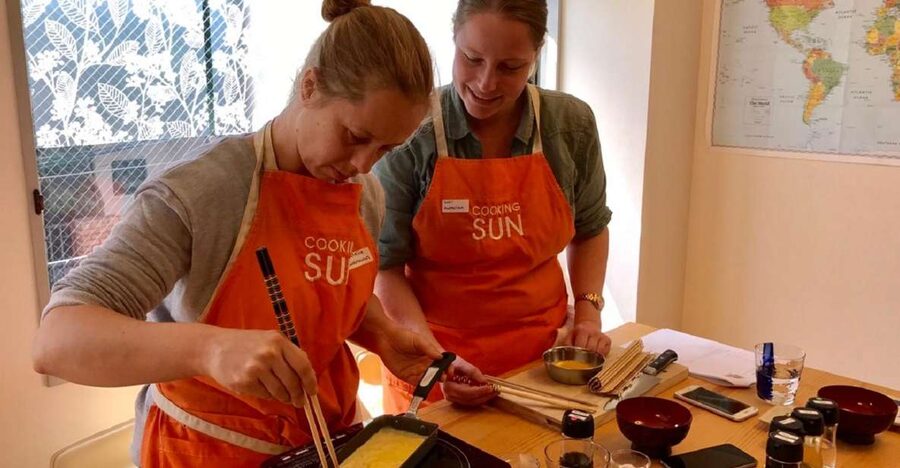
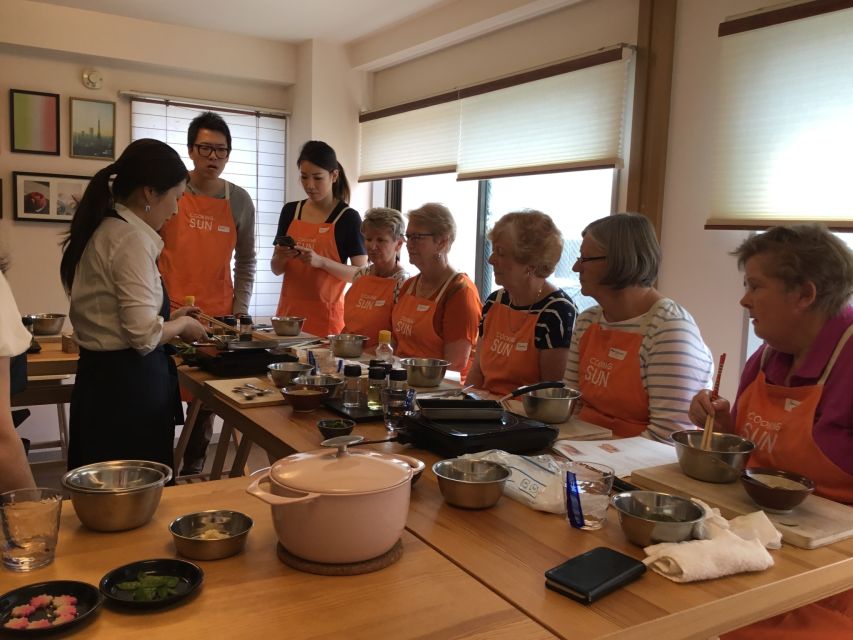
This is not a classroom-style kitchen with long lectures. You’ll be cooking in a clean, organized space with the kind of utensils and cookware that actually let you move at a normal pace. People repeatedly mention spotless facilities and practical equipment like good knives and pans.
The atmosphere tends to feel warm and welcoming, which is exactly what you want for cooking. Japanese cooking has details, like timing and texture, and you learn faster when you’re not afraid to ask a question or double-check a cut.
You’ll also get the basics to stay comfortable:
- Towel and apron rental
- Welcome tea
- All ingredients and utensils so you’re not hunting for pantry items before you show up
For me, this is part of the value. You’re paying for a guided meal plus the setup that makes the cooking doable.
- Mt Fuji and Hakone 1-Day Bus Tour Return by Bullet Train★ 5.0 · 26,383 reviews
- 1-Day Tokyo Bus Tour★ 5.0 · 14,250 reviews
- Tokyo: teamLab Planets TOKYO Digital Art Museum Entry Ticket★ 4.6 · 9,779 reviews
- Mt Fuji & Hakone Cruise, Drum Show Bullet Train 1 Day from Tokyo★ 4.0 · 7,413 reviews
- Tokyo: Shinjuku Food Tour (13 Dishes at 4 Local Eateries)★ 5.0 · 6,603 reviews
Hands-on highlights: the techniques that help you at home
The biggest win of a cooking class is leaving with a method, not just recipes. This one focuses on foundational techniques you can use again.
Dashi and miso basics you can taste
People describe learning about miso more specifically, including the idea that different miso colors taste different. Even if you already know miso, making it in context helps it click. When you taste miso soup made with dashi you built yourself, you’ll understand why Japanese kitchens treat soup stock as more than background flavor.
Knife work that feels practical, not fussy
Accordion cucumber cutting is the kind of detail that sounds technical, but in class it’s taught as a simple, repeatable skill. You get a visual target, then you do it. The result looks great and also teaches you control.
Stuffing and cooking tofu for texture
Stuffed tofu is a smart lesson because it teaches more than one thing at once: how to portion a filling, how to keep it together, and how to cook tofu so it stays pleasant rather than watery.
Dorayaki as a confidence-builder
Japanese sweets can feel intimidating if you only see store-bought dorayaki. Cooking it in class demystifies the batter and timing. It’s also a nice way to end the meal on a sweet note after the savory dishes.
Wagyu: the flavor reason to book, and why it’s worth it here
Wagyu is the headline, and for good reason. The texture and fat content make a hotpot-style meal especially comforting, and when it’s cooked correctly, it can taste surprisingly different from the standard steak experience.
But the value here is that Wagyu isn’t treated as a standalone souvenir. It’s cooked as part of the meal, paired with the flavors of dashi and seasoning that give the whole pot depth. That means you’ll learn how the beef interacts with the rest of the dish.
For $67, the math is pretty friendly if you think like a cook. You’re not just paying for a taste of premium meat. You’re paying for:
- Wagyu plus multiple dishes worth of ingredients
- All prep materials and utensils
- Instruction in how to cook, not only what to order
- Recipes you can take home
If you’ve ever paid restaurant prices for a single Wagyu dish, this feels more like a cooking experience than a luxury splurge.
Timing and group size: why 3 hours works
You’ll have about 3 hours total. The active cooking time is around 2.5 hours, then you eat.
The small group size, up to 8 participants, is one of the biggest reasons the class works. In a larger group, hands-on cooking becomes a waiting game. Here, you can keep moving, ask questions, and actually finish the dishes you’re making.
This also makes it a good option if you’re traveling with someone. Couples can cook side by side. Solo travelers often prefer this type of class because it’s structured and social without being awkward.
Finding the place: residential Tokyo logistics that matter
The meeting point is in a residential area, so you should plan for a little extra attention when you arrive.
Here’s what you need to know:
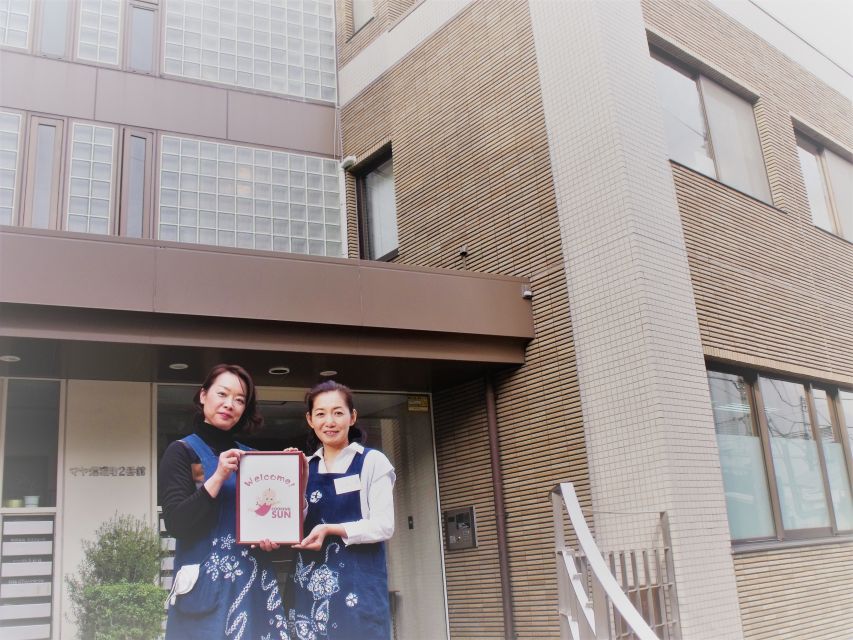
- The studio is on the 2nd floor of a beige residential building
- At the entrance, there are two doors. Use the right-side door to reach the studio
- If you need the intercom, press 314
For navigation, use Google Maps and search for Cooking Sun Tokyo at Shinanomachi 18-39, Shinjuku-ku, Tokyo.
Also remember: there’s no hotel pickup and no included transportation. You’re going on your own schedule, which is normal for Tokyo cooking classes, but it does mean you should choose a meeting time you can reach calmly.
If you arrive by private vehicle, the area is quiet. Don’t stop or wait in front of the building. If your driver needs to wait, use a nearby coin-operated parking lot.
Dietary needs: substitutions are part of the plan
This class says dietary requirements can be accommodated with substitutions, including allergies, gluten-free needs, religious dietary restrictions, and vegetarian preferences.
The practical move is simple: tell the team during booking about what you need to avoid. Then you can cook with everyone else and still leave with recipes that match your version of the meal.
Who should book this (and who might not)
This class is a great fit if you want:
- A hands-on Japanese cooking experience with real fundamentals
- A meal that’s more than a snack, with a full-course feel
- A way to learn how Japanese flavors are built, especially dashi and miso
- A small group class that works for beginners
You might think twice if:
- You need pickup or step-by-step door-to-door help for transport. There’s no included transport.
- You want a purely advanced cooking workshop with high-level technique challenges. The class is designed to be doable and guided, not a test of advanced mastery.
Should you book: my honest recommendation
Yes, I’d book this if you want a Tokyo activity that feels practical and teaches you something you can repeat. The combination of Wagyu as the centerpiece, a full-course cooking flow, and take-home recipes is a strong value package for $67.
Also, the setup matters. Small group size, English instruction, and a clean studio make the experience feel organized instead of chaotic. If you can handle finding a residential building and you’re ready to cook and eat what you make, this is one of the better ways to spend a few hours in Tokyo.
FAQ
FAQ
What’s the duration of the cooking class?
The class runs for about 3 hours total, with roughly 2.5 hours spent learning and cooking the meal.
Is transportation or hotel pickup included?
No. Hotel pickup and transportation are not included, so you’ll need to make your own way to the studio.
How many people are in the group?
It’s a small group limited to 8 participants.
What language are the instructors?
The instruction is in English.
What’s included in the ticket price?
Included are recipes, all ingredients and utensils, towel and apron rental, and welcome tea.
What dishes will I cook?
The class is designed around cooking a full-course Japanese meal with 8 dishes in total, including Wagyu beef as a main highlight. The menu includes items such as dashi-based soup, meat dishes, and Japanese sweets.
Do you accommodate dietary restrictions or allergies?
Yes. You can request substitutions for food allergies, gluten-free diets, religious dietary restrictions, vegetarian preferences, and more. Make sure to inform the team at booking.
Where is the meeting point and how do I find it?
The studio is in a residential area. It’s on the 2nd floor of a beige residential building. Use the right-side door at the entrance, and press 314 on the intercom if needed.
Is there a cancellation option?
Yes. You can cancel up to 24 hours in advance for a full refund.
Kitchens You Can Book Into


Newest Tokyo write-ups from the Loving Japan desk




Japanese Cooking Classes, side by side.
 ★ 5.0Sushi Making Tokyo Roll and Authentic Japanese Sushi ClassFrom $593,971 reviews
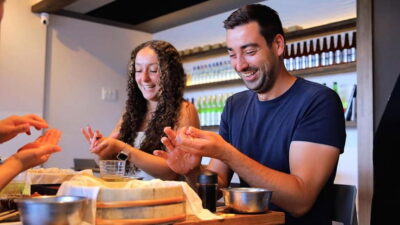 ★ 4.9Roll and Authentic Sushi Making Class in AsakusaFrom $581,957 reviews
 ★ 5.0Ramen Cooking Class at Ramen Factory in KyotoFrom $1311,937 reviews
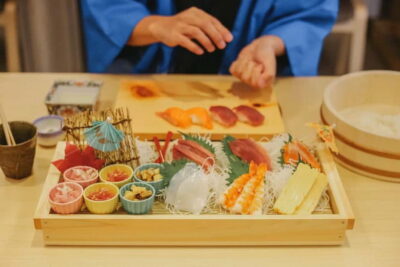 ★ 4.9Sushi Making Class in a Happi Coat near a Famous SpotFrom $421,377 reviews
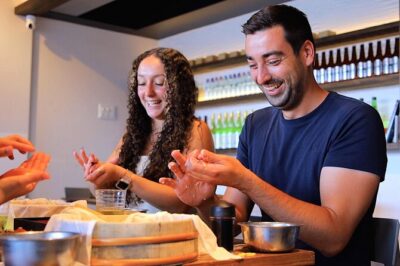 ★ 5.0Sushi Making Osaka Roll and Authentic Japanese Sushi ClassFrom $311,220 reviews
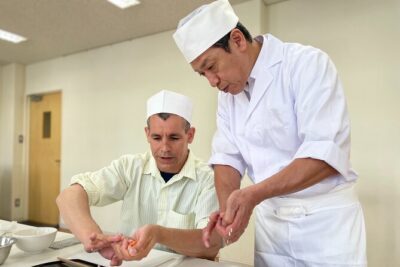 ★ 5.0Tokyo Sushi Making Class in Tsukiji with Professional ChefFrom $491,177 reviews
 ★ 5.0Ramen & Gyoza Cooking Class in Tokyo with Local Supermarket VisitFrom $122823 reviews
 ★ 5.0Tsukiji Fish Market Guided Tour and Sushi Making with Pro ChefFrom $104775 reviews
Filed on these lists too