
REVIEW · TSUKIJI AND TOYOSU FISH MARKETS
Tokyo’s Kitchen: Tsukiji Market Food & Culture Walk
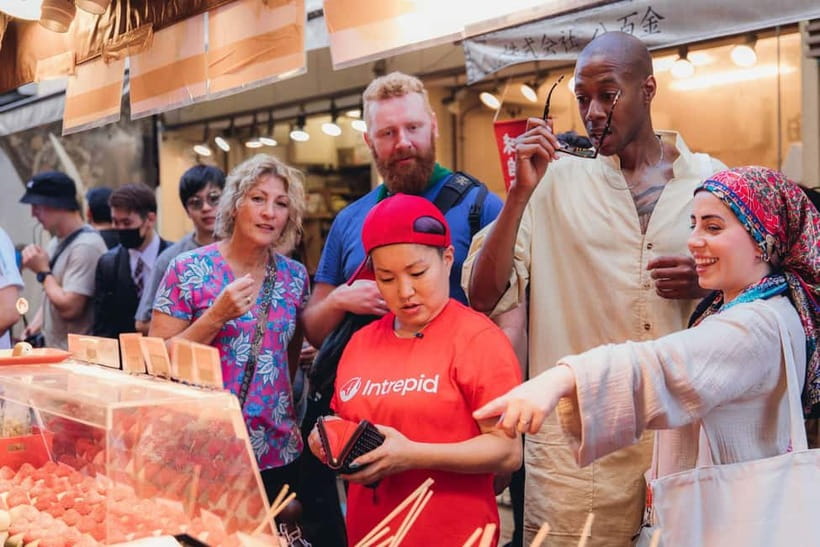
Tokyo’s fish market has a second life. In just 3 hours, you’ll walk Tokyo’s kitchen lanes at Tsukiji Outer Market, taste your way through seafood and sweets, then slow down at nearby shrines to understand the spiritual routines that shape how people buy, pray, and eat.
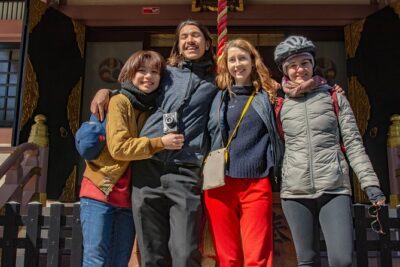
I particularly love how small group friendly this is. Reviews call out guides like Mikki, Oku, and Mihori for keeping everyone together in the busy lanes, while still making time for questions and even showing how some foods are made, not just what to order.
One thing to consider: the area is crowded and the ground can get wet, so come in closed-toe shoes and expect lines. If you’re hoping for a lot of working-market back-of-house time, the experience leans more toward tastings plus culture than behind-the-scenes production.
In This Review
- Key things I’d pay attention to
- Tsukiji Outer Market, Tokyo’s Real Morning Kitchen
- Getting Started at Higashi-ginza, Then Kabuki Inari Shrine
- Tsukiji Outer Market Food Walk: Sushi, Snacks, and Wagashi
- Lines, crowding, and what to do with your hands
- Namiyoke Inari Jinja, and the Ritual Side of Market Life
- The Finish at Tsukiji Fish Market, What You’ll Notice on the Way Out
- Sushi History and Why It Changes How You Taste
- What $80 Really Buys You in This 3-hour Walk
- Eat Smart: Don’t Show Up Too Full
- Who This Tour Fits Best
- Possible Downsides, So You Can Decide Honestly
- Should You Book This Tsukiji Market Food and Culture Walk?
- FAQ
- Where does the tour start?
- How long is the tour?
- How many people are in the group?
- What is included in the tastings?
- Are vegetarian or vegan options available?
- Is alcohol included?
- What should I wear?
- Where does the tour end?
- Can I cancel for a refund?
Key things I’d pay attention to
- Tiny group, big attention: Limited to 6 guests, so you get real guidance instead of just following a pack.
- Food with context: Sushi history and the market’s Buddhist and Shinto roots come with each tasting.
- Shrine stop for the “why”: You visit Kabuki Inari Shrine and Namiyoke Inari Jinja for simple respect rituals.
- A lot of variety in small portions: Think fresh sushi, street snacks, and seasonal Wagashi, plus the option of sake for those 20+.
- Built for tasting mornings: Guides encourage you not to start the day with a full breakfast.
- Price that makes sense only if you want the guide: $80 is mainly for access, translation, and tastings, not a self-guided wander.
Hungry earlier than that? Other market breakfasts we tried
- Tokyo Tsukiji Fish Market Food and Culture Walking Tour
★ 5.0 · 3,184 reviews - Tokyo: Tsukiji Fish Market Food and Walking tour
★ 5.0 · 1,724 reviews - Tokyo: Tsukiji Fish Market Guided Walking Tour
★ 4.9 · 1,397 reviews - Tokyo Sushi Making Class in Tsukiji with Professional Chef
★ 5.0 · 1,177 reviews
Tsukiji Outer Market, Tokyo’s Real Morning Kitchen
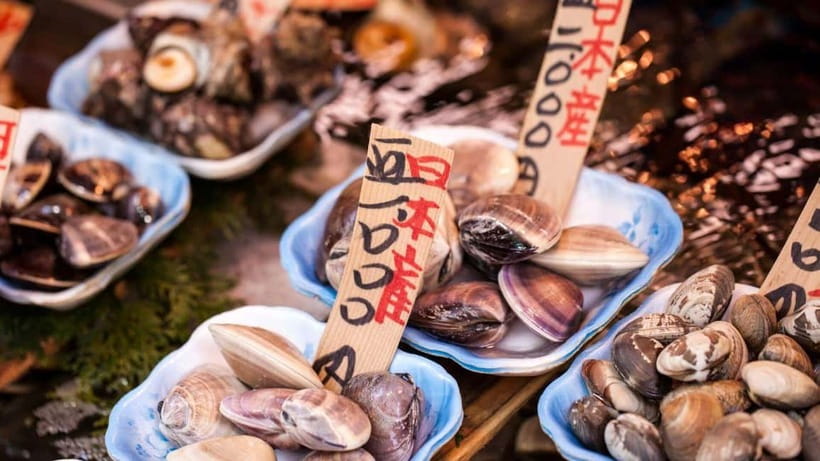
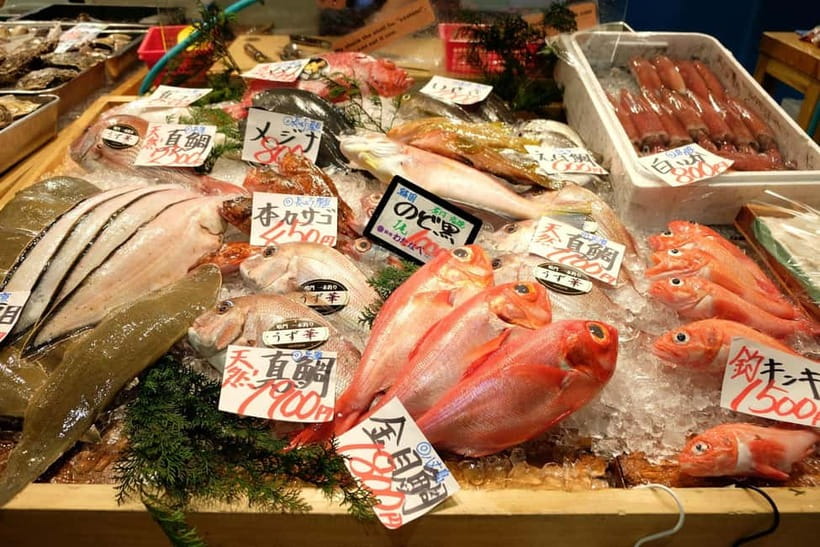
Tsukiji Outer Market is famous for seafood, but the best part is how fast it teaches you Tokyo’s rhythm. Before most people even think about lunch, vendors are already greeting regulars, setting out trays, and turning everyday food into a kind of performance.
This tour helps because you’re not just walking past stalls. You’re learning what to look for, why certain items show up at certain times, and how the market’s culture connects to Buddhist and Shinto traditions. That turns the market from a “see it once” stop into a place you understand.
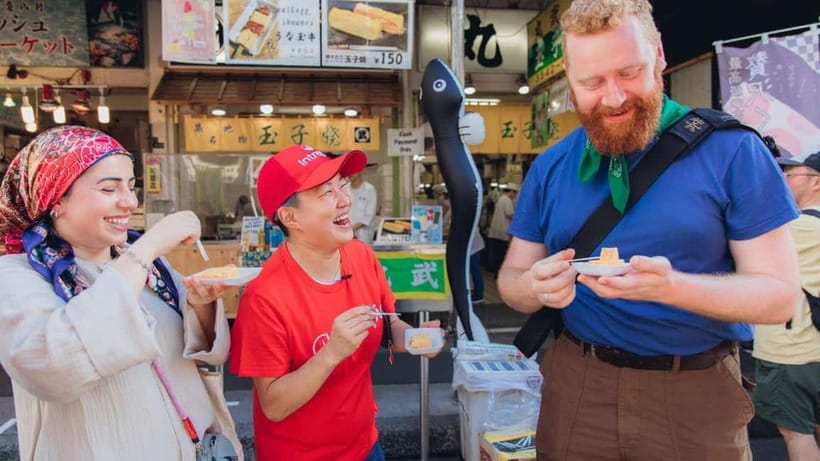
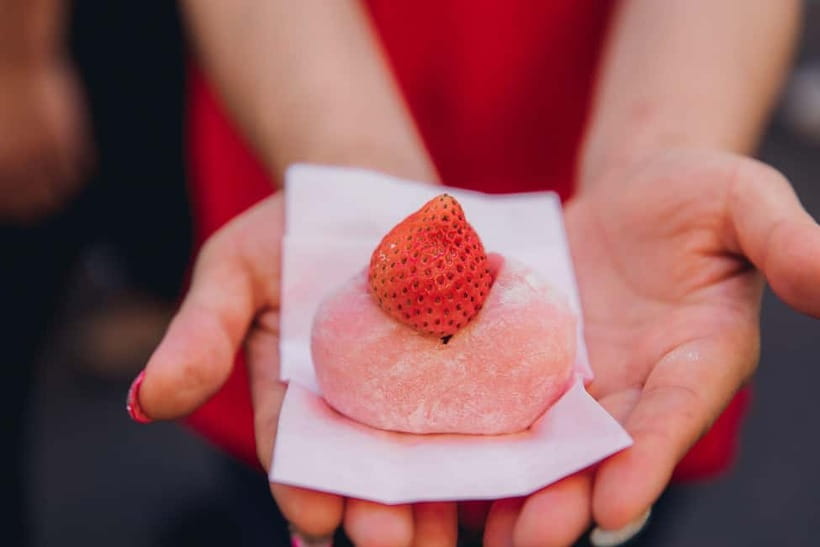
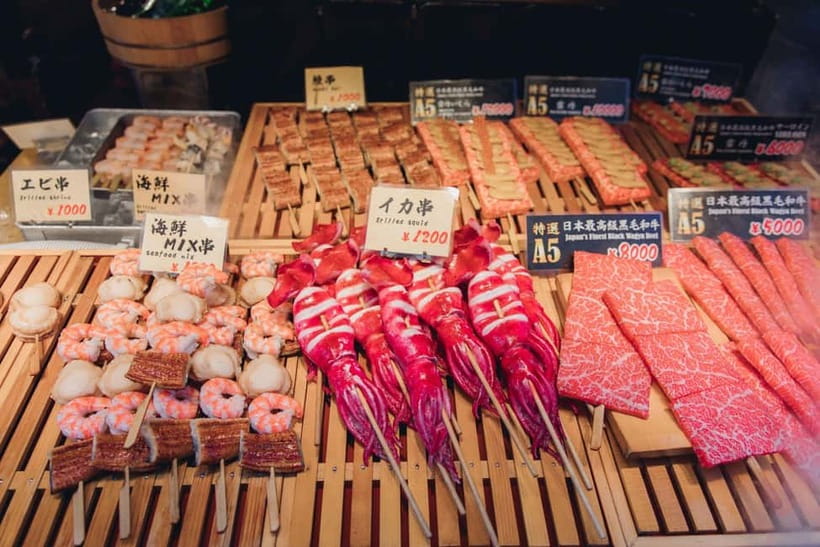
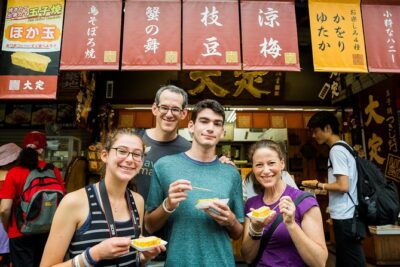
I also like that this is designed around tastings. You’re not expected to master the menu on your own. Instead, the guide helps you sample a range of foods, including fresh sushi, Japanese street snacks, and seasonal Wagashi sweets, in manageable bites.
Getting Started at Higashi-ginza, Then Kabuki Inari Shrine
Your morning begins at Higashi-ginza Station, Exit 3, street level, near the Kabukiza Theatre side of Harumi Street. The meeting spot is by a little shrine, next to a Torii gate, which makes it easier to find your group without guesswork.
From there, the first guided stop is Kabuki Inari Shrine. Even if you’ve seen shrines before, this stop works because it’s not a random photo break. You get explanations for simple gestures and local customs, so you know what you’re doing instead of copying a motion you don’t understand.
The practical takeaway: these shrines set the tone for the rest of Tsukiji. You’re reminded that food culture in Japan often comes with respect rituals, not just appetite. It makes the later market experience feel less chaotic, more intentional.
Tsukiji Outer Market Food Walk: Sushi, Snacks, and Wagashi
This is the heart of the experience, and it’s where a guide earns their fee. With a local English-speaking guide and a group size limited to 6, you move through the stalls with fewer “where do we go next” moments and fewer language hassles.
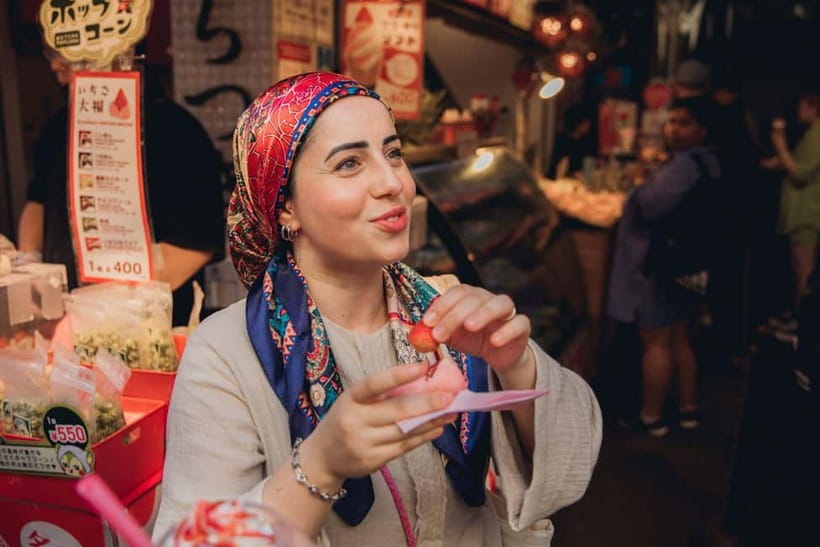
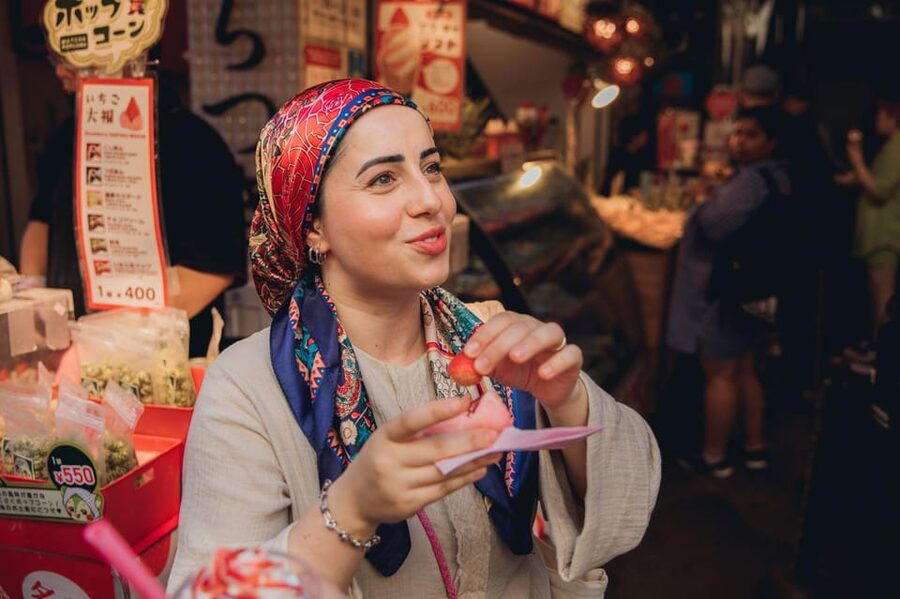
At Tsukiji Outer Market, you can expect tastings that typically include:
- Fresh sushi
- Japanese snack items sold in the market lanes
- Seasonal Wagashi sweets
- Additional market snacks depending on what’s available that day
The standout here is the way your guide connects the food to tradition and craft. Reviews mention guides using photos, maps, and even models to explain details clearly, like how certain items are made. Some guides even help you understand processes behind flavors, not only the flavors themselves.
You’ll also hear how sushi and the market evolved over time, including the fact that the famous tuna auction moved from Tsukiji to Toyosu. Even though your walk is centered on the Outer Market, this context helps you place what you’re seeing today into a bigger story.
- Mt Fuji and Hakone 1-Day Bus Tour Return by Bullet Train★ 5.0 · 26,383 reviews
- 1-Day Tokyo Bus Tour★ 5.0 · 14,250 reviews
- Tokyo: teamLab Planets TOKYO Digital Art Museum Entry Ticket★ 4.6 · 9,779 reviews
- Mt Fuji & Hakone Cruise, Drum Show Bullet Train 1 Day from Tokyo★ 4.0 · 7,413 reviews
- Tokyo: Shinjuku Food Tour (13 Dishes at 4 Local Eateries)★ 5.0 · 6,603 reviews
Lines, crowding, and what to do with your hands
Tsukiji gets busy fast. That’s normal. What matters is how you handle it:
- Keep your water bottle handy if you’re sensitive to crowds.
- Wear shoes you can wipe off, since the floor can be wet.
- Follow your guide’s pace so you don’t get separated near the busiest stalls.
You’ll see why guides are key here. One review noted that even with a small group, the guide kept everyone together and explained what to look for so the market didn’t feel overwhelming.
Namiyoke Inari Jinja, and the Ritual Side of Market Life
After the market tastings, you head to Namiyoke Inari Jinja for more cultural context. Inari shrines are strongly linked to prayer for safety and good fortune, and learning the basic customs is the point.
This stop is valuable because it explains how respect rituals fit into daily life in Japan, including in a place like a market. You’re not expected to memorize a religious lecture. You learn simple gestures and customs, then you apply the idea to what you’ve just seen in the stalls.
For me, that “stop and reset” moment matters. The market is loud, fast, and packed with sights and smells. A calm shrine interlude helps you process what you tasted and why it matters.
The Finish at Tsukiji Fish Market, What You’ll Notice on the Way Out
Your walk ends at TSUKIJI FISH MARKET. Even if you’ve never been before, you’ll recognize that Tsukiji is more than one street of shopping. The area has a working feel, the kind that comes from decades of fish trade and food preparation.
This finish works best when you treat it as a final look, not a second plan to chase bargains. By this point, you’ve already eaten enough for a morning meal and learned the logic behind what’s popular.
If you’re a serious food person, you’ll likely want to keep exploring after the tour. Just remember you’ll be doing it with a clearer sense of what you’re seeing, not with random curiosity.
Sushi History and Why It Changes How You Taste
It’s one thing to eat sushi. It’s another to understand how sushi is tied to place, craft, and changing market systems. During the tour, you’ll learn about sushi history and the market’s evolution, including Tsukiji’s shifting role after the auction moved to Toyosu.
That context matters because it changes your attention. Instead of thinking only about whether a piece is fatty, fresh, or smoky, you start noticing:
- how different preparations show up together
- why certain stalls specialize in particular items
- how a market’s culture shapes what people buy daily
I also like that the guide connects those stories back to the spiritual roots of the area, including the Buddhist and Shinto connections. When you hear that story while walking, it stops being abstract.
What $80 Really Buys You in This 3-hour Walk
At $80 per person for about 3 hours, this tour isn’t meant to be a budget gamble. The price makes sense when you break it down into what you’re paying for:
- a local English-speaking guide who keeps you moving through a crowded area
- multiple tastings, including fresh sushi and seasonal sweets
- explanations for the traditions behind what you’re eating
- shrine visits that add meaning beyond snack sampling
- a small group size limited to 6, which reduces confusion and waiting
If you love food and you also like understanding what you eat, the value lands well. If you just want to stroll and pick things on your own, a self-guided morning is cheaper. But you’d miss the translation, the cultural context, and the structured tasting.
One extra detail worth noting: this experience is described as carbon neutral and run by a certified B-Corp, so your money also supports a more responsible approach to travel.
Eat Smart: Don’t Show Up Too Full
The tour is built around tasting, not a quiet stroll. Several notes from the experience are consistent: you should come ready to eat, and you shouldn’t plan for a heavy breakfast first.
Here’s a simple strategy:
- Eat lightly before you go, or skip breakfast if you can.
- Bring water, especially if you get thirsty while walking.
- Expect small portions across multiple stalls, so you can try lots without needing a full meal at every stop.
You’ll likely sample many items in sequence, which is great for variety. But it can also be a lot if you’re already stuffed. Start hungry enough to enjoy, not so hungry that you feel panicked.
Who This Tour Fits Best
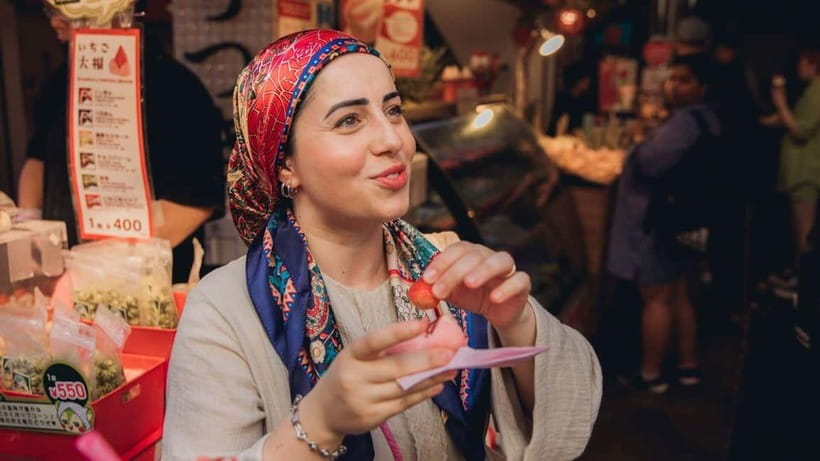
This is ideal if you:
- want sushi and street snacks but would rather rely on a guide than a menu
- enjoy food with cultural context, including shrines and ritual customs
- prefer a calm, small group morning instead of a large crowd shuffle
- like learning practical details, such as how foods are made or what to look for
It’s also a good first Tokyo activity, since it gives you a “Tokyo logic” snapshot immediately: how markets function, how food is presented, and how religion and daily routines overlap.
Possible Downsides, So You Can Decide Honestly
Here’s the one I’d flag. The experience leans toward tastings, cultural explanations, and a shrine visit. One note suggested that the working-market, behind-the-scenes angle could be more substantial.
So if your dream version is lots of deep back-of-house access, you may want to adjust expectations. Still, the combination of food variety, guided context, and small-group pacing is the main appeal, and it’s clearly why people rate the tour highly.
Weather also matters. If it’s raining or windy, the market floors can get wet. That’s not a dealbreaker, but it is a reminder to wear the right shoes and dress for the morning.
Should You Book This Tsukiji Market Food and Culture Walk?
I think you should book if you want your Tsukiji morning to feel guided, not guesswork. The best case is you walk away understanding both the food and the reason behind it: sushi history, market tradition, and the role of Buddhist and Shinto roots, plus a shrine stop that ties it all together.
You might skip it if you only want a casual wander and you plan to figure everything out independently, or if you’re specifically chasing heavy behind-the-scenes access. Otherwise, this is one of the more sensible ways to experience Tsukiji without getting lost in the noise.
FAQ
Where does the tour start?
The meeting point is at Higashi-ginza Station, Exit 3, on street level, in front of the Kabukiza Theatre side of Harumi Street, by the little shrine near the Torii gate.
How long is the tour?
The tour lasts 3 hours.
How many people are in the group?
The group is limited to 6 guests, which helps keep the experience personal and relaxed.
What is included in the tastings?
The tour includes multiple tastings at Tsukiji Market, including fresh sushi, Japanese snacks, and seasonal Wagashi.
Are vegetarian or vegan options available?
Yes, vegetarian and vegan options are available, though choices may be limited due to the nature of the market. Let the organizers know in advance.
Is alcohol included?
Alcohol may be included depending on what’s offered, but you must be 20 or older to enjoy alcoholic drinks in Japan. If you’re under 20, you’ll be offered non-alcoholic alternatives.
What should I wear?
Wear closed-toe shoes like sneakers, since Tsukiji market floors can be wet.
Where does the tour end?
The tour finishes at TSUKIJI FISH MARKET.
Can I cancel for a refund?
Yes. You can cancel up to 24 hours in advance for a full refund.
Market Mornings We Have Reviewed



Newest Tokyo write-ups from the Loving Japan desk


Tsukiji and Toyosu Fish Markets, side by side.
 ★ 5.0Tokyo Tsukiji Fish Market Food and Culture Walking TourFrom $993,184 reviews
 ★ 5.0Tsukiji Fish Market Food and Walking tourFrom $301,724 reviews
 ★ 4.9Tsukiji Fish Market Guided Walking TourFrom $221,397 reviews
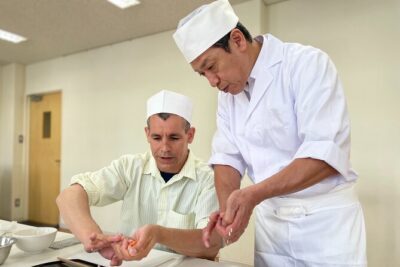 ★ 5.0Tokyo Sushi Making Class in Tsukiji with Professional ChefFrom $491,177 reviews
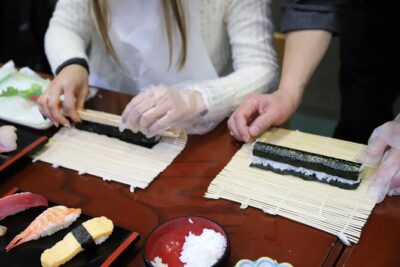 ★ 5.0Tsukiji Fish Market Guided Tour and Sushi Making with Pro ChefFrom $104775 reviews
★ 4.7Tsukiji Fish Market Food and Culture Walking TourFrom $96757 reviews
★ 5.0Tsukiji Fish Market Guided Tour and Sushi Making with Pro ChefFrom $104775 reviews
★ 4.7Tsukiji Fish Market Food and Culture Walking TourFrom $96757 reviews
 ★ 5.0Tsukiji Fish Market: Street Food & Culture Walking TourFrom $33669 reviews
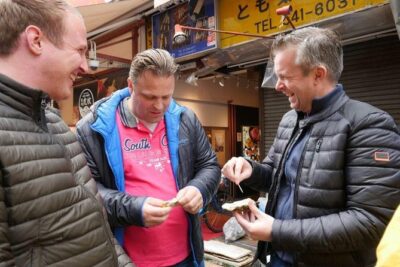 ★ 5.0Tsukiji Fish Market Small-Group Food Walking TourFrom $87621 reviews
Filed on these lists too