
REVIEW · SHOW
Traditional Japanese Comedy, Juggling & Magic Live Show in Tokyo
Three Japanese stage arts in one night. At EDOCCO Studio by Kanda Myojin Shrine, you can catch Rakugo comedy, audience participation, and hands-on magic in about 1.5 hours, no Japanese needed.
I also love the format: three different traditional styles in one ticket, so you get a quick hit of what makes Japanese live performance special. A possible drawback is that the show runs with limited capacity, so seats can fill quickly, and timing matters.
In This Review
- Key Highlights You Should Know
- Three Styles of Japanese Stage Fun in 90 Minutes
- EDOCCO Studio and Kanda Myojin Shrine, a Great Central Meetup Point
- Rakugo Comedy: Storytelling You Can Follow
- Daikagura Acrobatics and Juggling: Physical Skill With a Personal Twist
- Wazuma Magic: A Lesson-Style Show, Not Just Illusion
- What You Take Home: Props From the Show
- Timing, Tickets, and Why the Schedule Matters
- Price and Value: Why $36.24 Can Be a Smart Buy
- Who Should Book This Show (And Who Might Skip It)
- Quick Practical Tips Before You Go
- Should You Book This Tokyo Comedy, Juggling, and Magic Show?
- FAQ
- Where does the show take place?
- How long is the show?
- What time does the show start?
- Do I need to speak Japanese?
- What is included in the ticket price?
- Is the ticket mobile?
- Is it canceled if weather is bad?
Key Highlights You Should Know
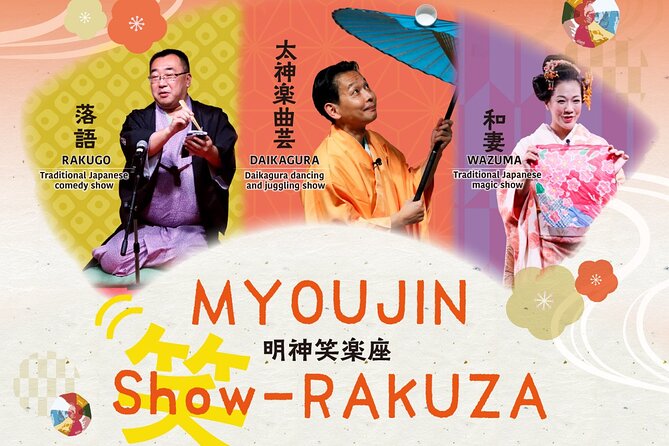
- Three classic styles in one show: Rakugo, Daikagura (acrobatic juggling), and Wazuma (magic)
- Easy to follow: English support and an interpreter help you keep up
- Hands-on moments: you can try Daikagura and learn basic magic tricks
- A special take-home set of props: tenugui towels, folding fans, and paper balloon items tied to the show
- Convenient central location: EDOCCO Studio near Akihabara and inside the Kanda shrine area
- Small indoor theater feel: capped at 100 travelers, so it stays personal
Still weighing up options in Tokyo? These are the ones our reviewers rated highest.
- Mt Fuji and Hakone 1-Day Bus Tour Return by Bullet Train
★ 5.0 · 26,383 reviews - 1-Day Tokyo Bus Tour
★ 5.0 · 14,250 reviews - Tokyo: teamLab Planets TOKYO Digital Art Museum Entry Ticket
★ 4.6 · 9,779 reviews - Mt Fuji & Hakone Cruise, Drum Show Bullet Train 1 Day from Tokyo
★ 4.0 · 7,413 reviews
Three Styles of Japanese Stage Fun in 90 Minutes
If you want one Tokyo evening that feels both traditional and simple to understand, this show is a strong bet. You’ll get a single ticket that covers rakugo comedy, Daikagura juggling/acrobatics, and a magic segment called Wazuma. It is the rare format where you do not need a background in Japanese culture to enjoy the performance, because the pacing and interpretation are designed for international visitors.
I like that the show is built around variety. Instead of sitting through one long act, you rotate between storytelling humor, physical feats, and straight-up trickery. That keeps the attention high, especially if you are traveling with kids or anyone who gets restless.
One more thing I appreciate: this is not just passive entertainment. The experience includes moments where you learn the tricks of the trade and you try skills related to Daikagura and Wazuma firsthand. That turns the show into something you can talk about later, not just a blur of seats and lighting.
EDOCCO Studio and Kanda Myojin Shrine, a Great Central Meetup Point
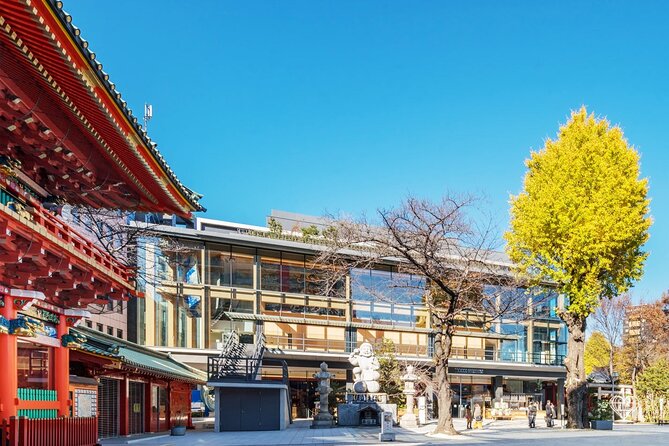
The show takes place at EDOCCO STUDIO, inside the Kanda Myojin Shrine area in central Tokyo. That matters more than it sounds. Tokyo can be confusing, and having a location tied to a recognizable shrine makes it easier to orient yourself once you step out of the station area.
Your start time is 2:00 pm, and the doors open at 1:30 pm. Give yourself a little cushion so you can settle in before the show starts. In my experience, with small indoor theaters, waiting until the last minute often makes you feel rushed.
Also, because this is held indoors, it is a good option for times when Tokyo weather feels unpredictable. One small caution: the activity itself states it requires good weather, so if conditions are poor, you may be offered another date or a refund. It is still a good “weather-proof” choice compared to outdoor performances, but I would not treat it as a guaranteed no-matter-what.
Rakugo Comedy: Storytelling You Can Follow
Rakugo is Japan’s classic solo storytelling style, and this show uses it as the comedy foundation. Even if you do not speak Japanese, you can still enjoy it because the event includes interpretation. That is a big deal in Tokyo, where some cultural performances move fast and rely heavily on language.
What you can expect from the Rakugo portion is humor delivered through character, timing, and voice. The best part is that it is structured enough that you can catch the arc without needing to translate every line. You also get a chance to learn basic rakugo expressions, which gives you a fun takeaway beyond photos.
The show also leans into audience connection. People stay involved without feeling like they are being dragged onstage. It is more of a warm, participatory vibe, where the performers guide you rather than throwing you into chaos.
- Mt Fuji and Hakone 1-Day Bus Tour Return by Bullet Train★ 5.0 · 26,383 reviews
- 1-Day Tokyo Bus Tour★ 5.0 · 14,250 reviews
- Tokyo: teamLab Planets TOKYO Digital Art Museum Entry Ticket★ 4.6 · 9,779 reviews
- Mt Fuji & Hakone Cruise, Drum Show Bullet Train 1 Day from Tokyo★ 4.0 · 7,413 reviews
- Tokyo: Shinjuku Food Tour (13 Dishes at 4 Local Eateries)★ 5.0 · 6,603 reviews
Daikagura Acrobatics and Juggling: Physical Skill With a Personal Twist
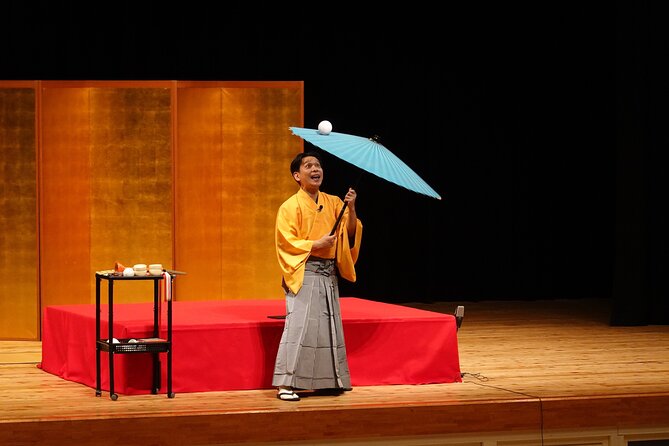
After laughs, the energy shifts to Daikagura, an acrobatics-and-juggling style tied to traditional Japanese stage performance. This portion is where the show becomes a visual workout for your eyes.
You will likely notice two things right away. First, the pace is quick, with movement that looks controlled but still dangerous in the right way. Second, the performers are attentive to the room. The experience includes moments where you can try Daikagura and get a feel for the technique rather than just watching from a distance.
That hands-on element is the hidden value here. Tokyo has plenty of spectacle, but not many shows help you understand what makes the skill hard. When you try even a basic version, you start to appreciate balance, rhythm, and timing in a way that watching alone cannot teach.
If you have kids, this section is often the one that gets their attention the fastest. If you are an adult who likes performance but hates “dead time,” this section delivers because it stays dynamic.
Wazuma Magic: A Lesson-Style Show, Not Just Illusion
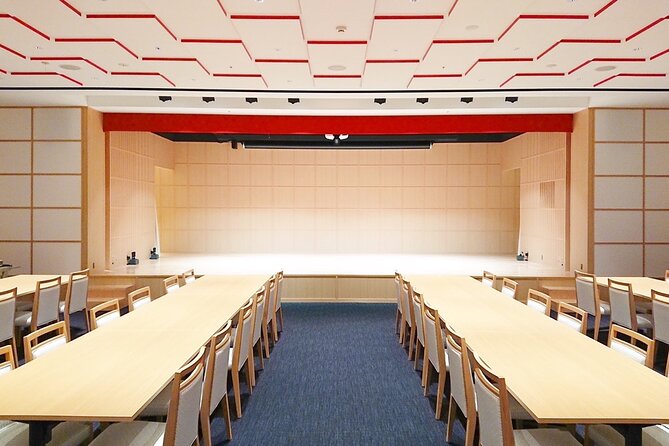
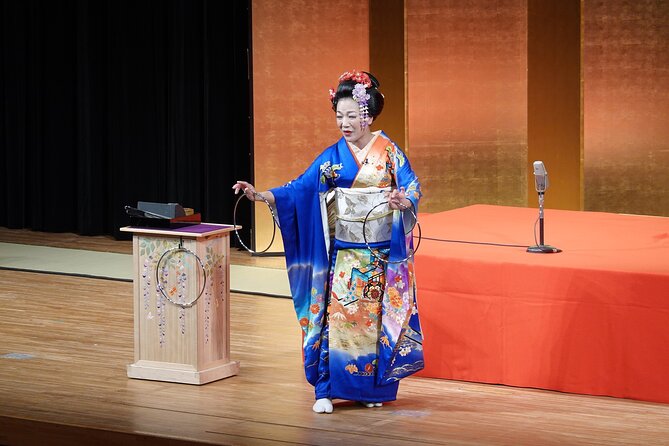
Then comes Wazuma, the magic segment. The magic matters because it is taught, not just performed at you. The show includes teaching basic magic tricks, so you can leave with a small set of skills you can demonstrate later.
I like that the magic is described as something you can learn and try. That changes the feel of the segment. Instead of being a passive mystery, it becomes a mini workshop embedded inside a performance.
The audience interaction is also a key theme here. You get involved in a fun way where you do not feel pressured. It reads like a well-run stage program that respects personal space while still keeping the room lively.
If you are traveling solo, this style works well because the interpreter and staff help keep things clear. If you are with friends, you can end up being the person who remembers how the trick works, which makes the night feel more memorable.
What You Take Home: Props From the Show
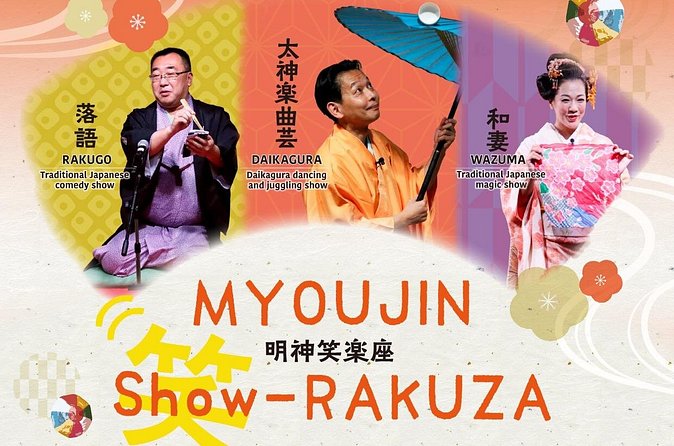
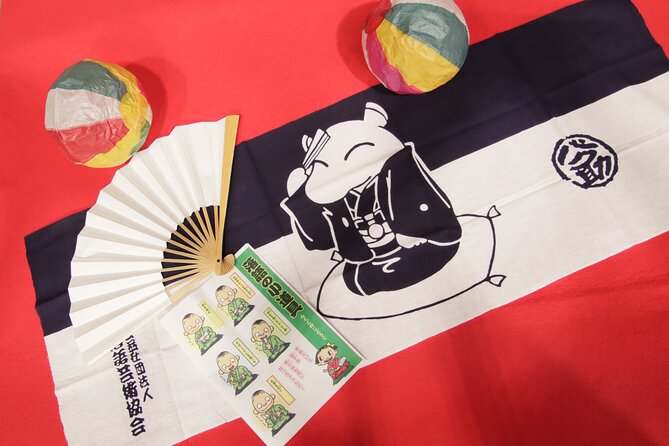
One of the most charming parts is the special mini gift that you receive. The show connects these props directly to the performance themes, so they do not feel random or purely decorative.
The props can include:
- Tenugui hand towels
- Folding fans
- Paper balloon items tied to the show
This is a thoughtful touch because you are not only buying a ticket, you are bringing home something you can use. Tenugui and folding fans are practical, and they are also great for souvenirs that do not just sit on a shelf.
Also, because the props match what you see onstage, the gift helps you remember the performance sequence later. It is a small thing, but it boosts the value of the whole experience.
Timing, Tickets, and Why the Schedule Matters
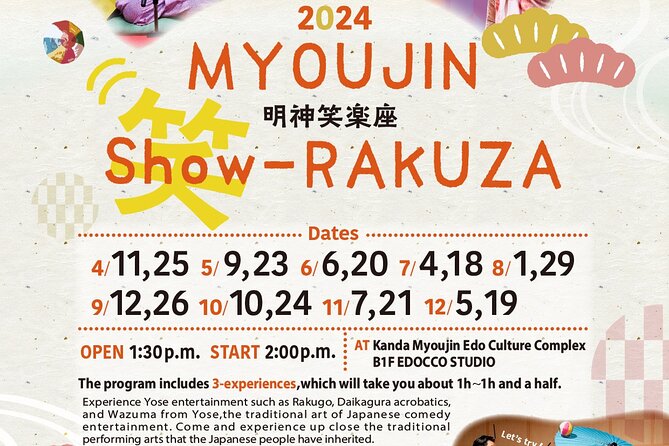
This is a Thursday show. Door open is 1:30 pm, and show start is 2:00 pm, with the performance running about 1.5 hours. You end back at the meeting point, so it is a straightforward plan for the day.
The mobile ticket feature makes entry simpler, especially when you are already juggling subway lines and pocket translations. It also reduces the stress of finding a printout or screenshot at the last second.
Capacity is capped at 100 people. That is part of why people tend to feel the show is easy to follow. Smaller rooms mean you are closer to the stage, and the staff can manage interaction more smoothly.
The one logistical caution is demand. The show is described as limited and filling quickly, so it is wise to book early rather than hoping for last-minute availability.
Price and Value: Why $36.24 Can Be a Smart Buy
At about $36.24 per person, the price is not “cheap Tokyo street food money,” but it is also not premium show pricing for a single-style performance. The value comes from the combination.
You are paying for:
- Three distinct forms of traditional stage entertainment in one ticket
- Interpreter support so language is not a barrier
- Audience participation, including learning basic magic techniques
- A take-home gift tied to the show
For central Tokyo, that is a reasonable package. If you tried to recreate the same night by hopping between multiple events, you would likely spend more time and often more money for less variety.
If you are someone who hates being confused by language, the interpretation support plus hands-on segments can feel like a bargain. You get more “active enjoyment” per minute than a standard passive show.
Who Should Book This Show (And Who Might Skip It)
This show is especially suited to:
- First-time visitors who want an easy introduction to traditional performance styles
- People who prefer interactive experiences over silent, sit-and-watch entertainment
- Families who want a single program that changes acts without long gaps
- Solo visitors who want a social, welcoming vibe and clear support through interpretation
You might skip it if:
- You prefer long theater productions with multiple scenes and extended pacing. This runs about 90 minutes.
- You dislike audience participation at all. This is interactive, but it is described as friendly and not forceful, so it is likely fine for most people who only dislike being singled out.
Overall, it is a strong fit if you want a structured evening with minimal friction.
Quick Practical Tips Before You Go
A few small moves make the experience smoother.
- Arrive close to door opening so you can settle and find your spot comfortably.
- Plan for simple questions at check-in. The staff and interpretation support are part of the design, but you will still feel better if you know your start time.
- Treat the first act as setup, not just comedy. The Rakugo portion helps orient you to tone and style, which makes the juggling and magic land better.
If you are carrying a lot of bags from Akihabara area, consider traveling light. The room is indoor and not described as huge, so you will be happier if you can keep personal items manageable during the interactive moments.
Should You Book This Tokyo Comedy, Juggling, and Magic Show?
I think you should book it if you want one ticket that delivers three styles of traditional Japanese performance in a setting that is easy to understand. The strongest selling points are the mix of Rakugo, Daikagura, and Wazuma plus the fact that you can learn parts of the craft, not only watch from a seat. Add the take-home props, and the evening feels more complete.
I would hesitate only if you miss out on tickets due to limited availability or if you specifically dislike short shows. Otherwise, it is a practical, memorable way to spend a Thursday afternoon in central Tokyo, near the energy of Akihabara but anchored in a shrine setting at EDOCCO Studio.
FAQ
Where does the show take place?
The performance happens at EDOCCO STUDIO in the Kanda Myojin Shrine area in central Tokyo.
How long is the show?
The show lasts about 1 hour 30 minutes (approx.).
What time does the show start?
Doors open around 1:30 pm, and the show starts at 2:00 pm on the scheduled day.
Do I need to speak Japanese?
No. The experience is designed for international visitors and includes interpretation so you can follow along.
What is included in the ticket price?
Your admission includes entry to the show and a special mini gift linked to the performance, such as traditional props.
Is the ticket mobile?
Yes, the tour uses a mobile ticket.
Is it canceled if weather is bad?
The activity states it requires good weather. If canceled due to poor weather, you will be offered a different date or a full refund.
Newest Tokyo write-ups from the Loving Japan desk


Show, side by side.
 ★ 4.0Mt Fuji & Hakone Cruise, Drum Show Bullet Train 1 Day from TokyoFrom $1497,413 reviews
 ★ 4.8Sumo Show Experience with Chicken Hot Pot and a PhotoFrom $1036,678 reviews
 ★ 4.8Sumo Show and Dining ExperienceFrom $792,742 reviews
 ★ 5.0the SUMO showFrom $891,960 reviews
 ★ 5.0Tokyo Shinjuku Sumo Show & Experience with PhotoFrom $791,750 reviews
 ★ 4.5Samurai Restaurant Show Ticket with 2 DrinksFrom $551,307 reviews
 ★ 4.0Mt Fuji & Hakone Cruise, Drum Show Bus 1 Day from TokyoFrom $1221,287 reviews
 ★ 4.8Sumo Show and Experience in ShinjukuFrom $691,001 reviews