
REVIEW · SHOW
Traditional Japanese Music ZAKURO SHOW in Tokyo
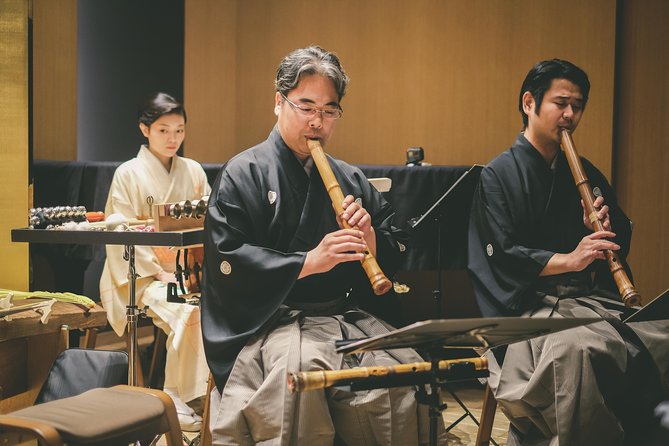
Traditional Japanese music sounds better up close. I love the live explanations between pieces and the top-tier musicians in kimono as instruments like koto and taiko take center stage in Omotesando. One drawback, it runs about 1 hour, so if you hate short shows, you might wish for more time.
This is the kind of performance where you actually understand what you’re hearing. You get a guided look at Japan’s musical traditions through dialogue, with English translations that keep it accessible without dumbing anything down.
In This Review
- Key Takeaways Before You Go
- Omotesando at Your Doorstep: the cozy ZAKURO setting
- What You Hear: koto, shamisen, shakuhachi, and taiko up close
- English-Friendly Explanation Between Songs
- The Program Mix: ancient styles, modern twists, and a Western cover
- Why This 1-Hour Length Works in Tokyo
- Price and Value: is $39.64 a good deal?
- How to Prepare for a Smooth, Enjoyable Show
- Who This Is Best For (and who might want to skip)
- Should You Book This Traditional Music Concert in Tokyo?
- FAQ
- How long is the ZAKURO traditional Japanese music show?
- Where is the show located in Tokyo?
- What traditional instruments can I expect to see and hear?
- Will the experience be in English?
- Is there a mobile ticket option?
- What is the cancellation policy?
Key Takeaways Before You Go
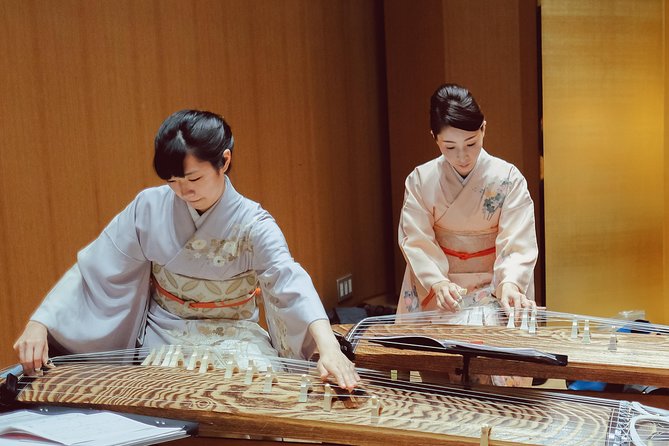
- Omotesando venue feel: a cozy setup that makes the concert feel personal, not distant
- Wagakki in your face: koto, shamisen, shakuhachi, and taiko presented up close
- English between the music: commentary and translations that connect sound to meaning
- Program with time travel: ancient and modern traditional music in one hour
- A Western hit inside Japanese instruments: the show includes a cover to highlight how the sound changes
Still weighing up options in Tokyo? These are the ones our reviewers rated highest.
- Mt Fuji and Hakone 1-Day Bus Tour Return by Bullet Train
★ 5.0 · 26,383 reviews - 1-Day Tokyo Bus Tour
★ 5.0 · 14,250 reviews - Tokyo: teamLab Planets TOKYO Digital Art Museum Entry Ticket
★ 4.6 · 9,779 reviews - Mt Fuji & Hakone Cruise, Drum Show Bullet Train 1 Day from Tokyo
★ 4.0 · 7,413 reviews
Omotesando at Your Doorstep: the cozy ZAKURO setting
The ZAKURO show takes place in Omotesando, and the whole experience is designed to feel comfortable and close. Instead of a big, anonymous concert hall, you get a smaller space where the performers and instruments feel within arm’s reach.
That matters because traditional Japanese instruments can be subtle. When you can actually see how musicians shape notes and rhythm, the music becomes easier to follow, even on your first night in Tokyo.
Another practical win is the location. It’s near public transportation, which makes it a smart add-on to a day that already includes shopping, sightseeing, or a meal in central Tokyo.
What You Hear: koto, shamisen, shakuhachi, and taiko up close
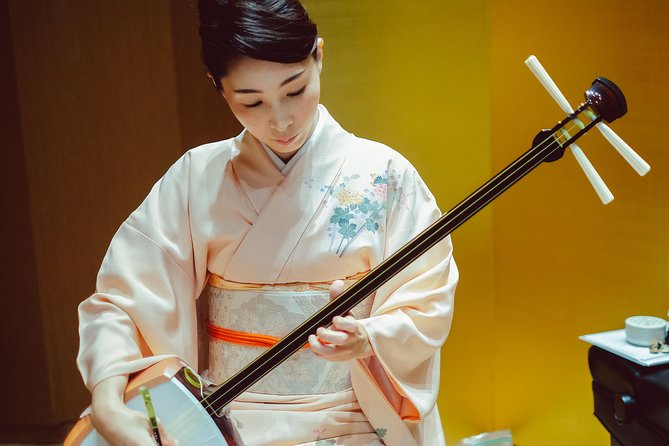
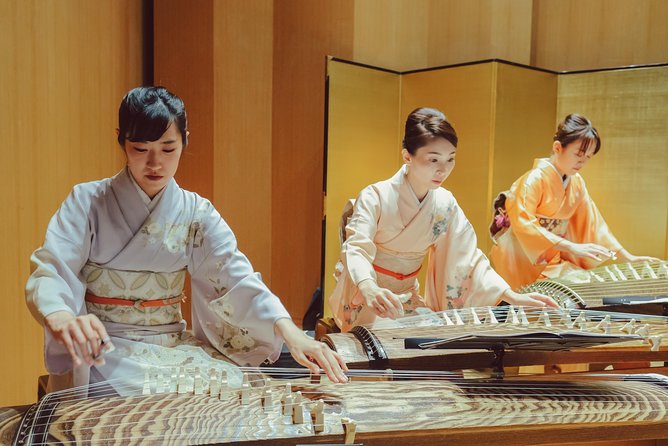
The core of the show is a live ensemble playing traditional Japanese instruments, often called wagakki. You’ll hear a mix that typically includes the koto harp, shamisen, shakuhachi flute, and taiko drums, with performers positioned so you can watch their technique.
Here’s the best part: you’re not just shown instruments, you’re shown how they sound in real time. The taiko gives you punch and rhythm you can feel, while the koto and shamisen bring strings and plucked patterns that can sound both delicate and dramatic, depending on the piece.
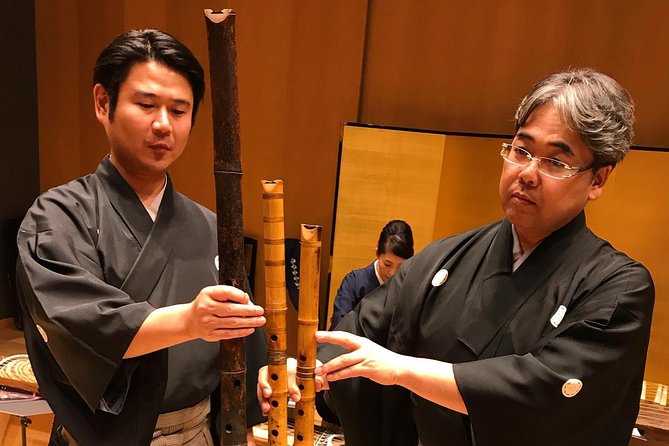
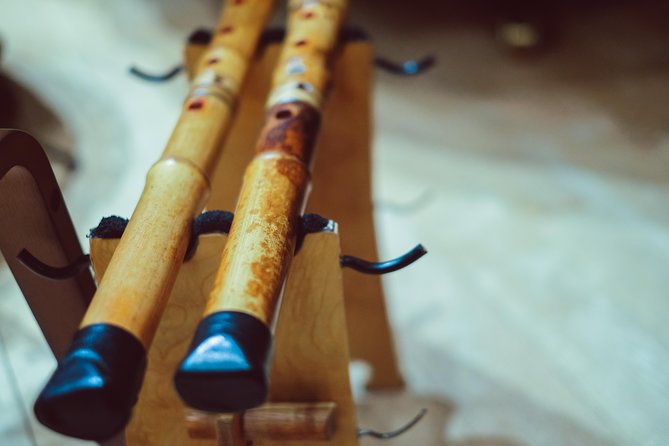
The shakuhachi flute adds another texture layer. It has a breathy, airy tone that can feel meditative in one moment, then surprisingly forceful in the next. With a short show, you get a well-paced taste of different instrument characters instead of one long stretch of the same sound.
English-Friendly Explanation Between Songs
What I like most about this show is the way the music is framed through conversation. Between musical numbers, performers provide explanations and dialogue, and the event uses English translations so the meaning lands even if you’re starting from zero.
This isn’t just trivia. The explanations are aimed at helping you listen better, like learning what makes a given instrument approach different from another. When you know what to pay attention to, the concert becomes less like background noise and more like a focused hour.
The hosts also interact with the audience. That helps explain cultural context without making it feel like a lecture. It also keeps the pacing lively, especially if you’re traveling with someone who usually gets restless during performances.
And yes, the translation quality seems to be a major reason people rate this so highly. The consistent theme in feedback is that you can follow the story behind the instruments, not just catch a few words here and there.
- Mt Fuji and Hakone 1-Day Bus Tour Return by Bullet Train★ 5.0 · 26,383 reviews
- 1-Day Tokyo Bus Tour★ 5.0 · 14,250 reviews
- Tokyo: teamLab Planets TOKYO Digital Art Museum Entry Ticket★ 4.6 · 9,779 reviews
- Mt Fuji & Hakone Cruise, Drum Show Bullet Train 1 Day from Tokyo★ 4.0 · 7,413 reviews
- Tokyo: Shinjuku Food Tour (13 Dishes at 4 Local Eateries)★ 5.0 · 6,603 reviews
The Program Mix: ancient styles, modern twists, and a Western cover
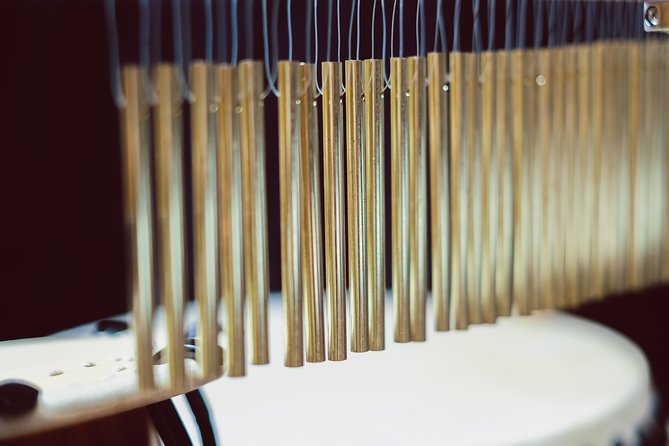
The set list is built for context. Each tune is selected to give you some background, and the program moves through both older and newer traditional music styles within the same performance.
One segment uses a cover of a Western hit to showcase how Japanese instruments can reshape familiar melodies. In one reported performance, it even included a version of a Nirvana song, which is the kind of contrast that makes the sound palette click fast.
That mix is a big deal if you’re on the fence. Traditional Japanese music can feel unfamiliar at first, so having the show connect it to something recognizable helps your brain grab onto patterns. Then, once you’re hooked, the older and more classic pieces make more sense.
Why This 1-Hour Length Works in Tokyo
In Tokyo, time is expensive. A full-day museum plan plus long transit plus dinner can stretch quickly, and that’s exactly where a 1-hour show shines.
This performance fits cleanly between bigger activities, like before or after a neighborhood walk. If you have a tight schedule, it’s a low-stress way to add cultural depth without betting the whole evening on a long sitting.
Also, the shorter format keeps the energy up. You won’t drift because the show structure keeps moving, and the explanations reset your attention between songs.
The only trade-off is simple: if you love concerts and want a deeper, longer program, you may finish feeling like you should have booked a second session. That wish for more time is a recurring theme in feedback.
Price and Value: is $39.64 a good deal?
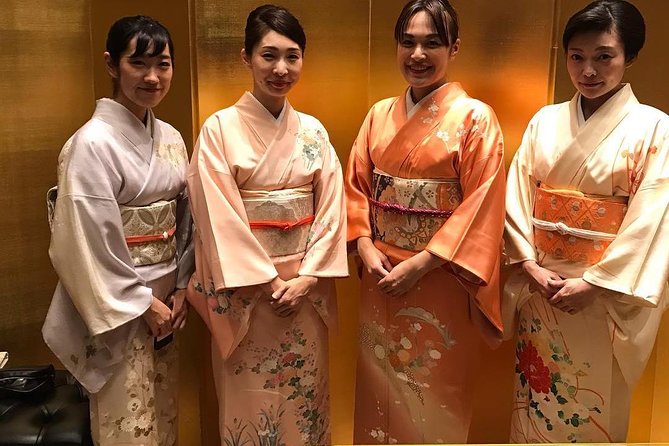
At $39.64 per person, this is not the cheapest thing in Tokyo. But it can be a strong value because you’re paying for several things at once: a live performance by top musicians, instrument-by-instrument commentary, and English translation support in one package.
The other value angle is how the show treats understanding as part of the product. A lot of performances are simply music in a room. Here, you get context and explanations that help you walk out knowing what you heard and why it mattered.
The strong ratings back that up. With an overall rating of 4.9 out of 5 and a 97% recommendation rate, the audience signal is clear: most people feel the hour is worth the price, especially for the educational storytelling component.
If you’re the type who likes hands-on learning, instrument detail, and cultural framing, the cost looks more reasonable. If you only want pure background music with zero talking, you might judge it more like a show with a structured script. Either way, you’ll be paying for the live musicians and the translation, and that part is hard to replicate on your own.
How to Prepare for a Smooth, Enjoyable Show
You don’t need special preparation, but a little planning helps you get the most out of an intimate performance like this.
First, treat it like a seated show where sightlines matter. Since the musicians and instruments are right in front of you, arriving on time helps you find a comfortable viewing position without rushing.
Second, come ready to listen for the differences. When the host introduces an instrument and then plays it, your job is easy: notice how the sound changes based on technique and instrument personality. If you focus during the explanations, you’ll understand the music faster.
Third, expect a blend of ancient and modern styles. That variety is part of the experience, including the Western cover element. If you go in expecting only one style, you might feel surprised, but that contrast is also why the hour stays interesting.
Finally, use the mobile ticket. It keeps things simple and reduces the stress of printing or swapping paper tickets on the day of your show.
Who This Is Best For (and who might want to skip)
This show is ideal for you if you want cultural depth without a language barrier. If you like music, or you like learning how traditional art forms work, the English explanations make it easier to connect the dots.
It also works well for mixed groups. If you’re with friends who aren’t music specialists, the dialogue keeps everyone oriented. If you’re a music lover, you still get the chance to see serious technique in action on multiple instruments.
Where you should think twice is if you need long performances or full concert immersion with minimal guidance. The show is designed to be accessible and structured, so the educational pacing is part of the format. If you strongly dislike explanation periods in a concert setting, the experience might feel too guided.
It’s also worth considering that the performance runs about an hour. If you want a long evening of traditional music, you’ll likely want to pair this with another activity, like a calm dinner nearby, because you will not leave exhausted from a marathon program.
Should You Book This Traditional Music Concert in Tokyo?
Book it if you want an easy, high-impact cultural experience in central Tokyo. The combination of talented musicians, up-close instrument viewing, and English-friendly commentary is exactly what turns this into more than a passive show.
I especially recommend it if you like the idea of learning while you listen. You’ll hear different wagakki instruments, understand what you’re hearing through dialogue, and get a program that includes both traditional pieces and a Western cover to connect familiar patterns to Japanese sound.
Skip it only if you are set on long, uninterrupted concerts, or if you prefer to experience music without any spoken guidance at all. For most people doing a first Tokyo trip, this is a tidy, rewarding hour that adds real texture to your day.
FAQ
How long is the ZAKURO traditional Japanese music show?
The performance lasts about 1 hour.
Where is the show located in Tokyo?
It is held in Omotesando, and it is near public transportation.
What traditional instruments can I expect to see and hear?
The show features instruments such as the koto harp, shamisen, shakuhachi flute, and taiko drums.
Will the experience be in English?
Yes. The show includes English translations alongside live commentary.
Is there a mobile ticket option?
Yes, the event uses a mobile ticket.
What is the cancellation policy?
Free cancellation is available up to 24 hours before the experience starts, for a full refund. If you cancel less than 24 hours before, the amount paid is not refunded.
Newest Tokyo write-ups from the Loving Japan desk


Show, side by side.
 ★ 4.0Mt Fuji & Hakone Cruise, Drum Show Bullet Train 1 Day from TokyoFrom $1497,413 reviews
 ★ 4.8Sumo Show Experience with Chicken Hot Pot and a PhotoFrom $1036,678 reviews
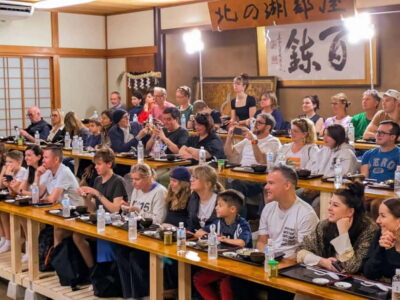 ★ 4.8Sumo Show and Dining ExperienceFrom $792,742 reviews
 ★ 5.0the SUMO showFrom $891,960 reviews
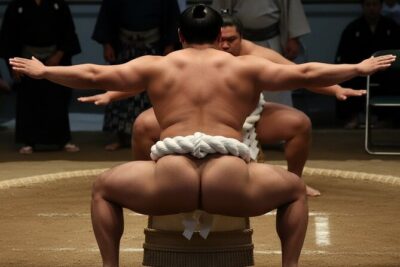 ★ 5.0Tokyo Shinjuku Sumo Show & Experience with PhotoFrom $791,750 reviews
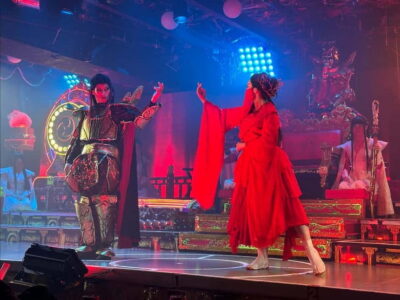 ★ 4.5Samurai Restaurant Show Ticket with 2 DrinksFrom $551,307 reviews
 ★ 4.0Mt Fuji & Hakone Cruise, Drum Show Bus 1 Day from TokyoFrom $1221,287 reviews
 ★ 4.8Sumo Show and Experience in ShinjukuFrom $691,001 reviews