
REVIEW · TSUKIJI AND TOYOSU FISH MARKETS
Tsukiji Fish Market Culture Walking and Food Tour
Tsukiji feels like a world of its own, even before you eat. This Tsukiji Fish Market culture walking and food tour mixes food with local rituals, so you are not just chasing bites, you also learn how the area works. Two things I really like: you get street-food tastings plus a seafood lunch without having to plan stops, and the small-group format keeps the pace friendly. A heads-up though, the route focuses on the outer market area, so if you are expecting a deep look at the wholesale auction itself, this may feel more like culture plus eating than behind-the-scenes action.
The other big win is how the guide smooths over the language and the customs. You get help with what to do at temples, plus translation while you walk, eat, and shop. One possible drawback is the short total time, so you will want to come with an appetite, not a plan to slow-browse every stall for an hour.
In This Review
- Key things to know before you go
- Tsukiji in 3 hours: the “eat and learn” plan that actually works
- Meeting point at Tsukiji Hongwanji Temple: calm start, smart etiquette lesson
- Walking Tsukiji outside the market: food first, plus the meaning behind it
- The hidden restaurant lunch: where the tour value becomes obvious
- Namiyoke Inari Shrine: local Tsukiji perspective you can’t Google fast
- Price and value: is $85.66 a good deal for Tsukiji?
- Group size and guide quality: why Inoki’s style matters
- Practical logistics: timing, mobile ticket, and how to avoid getting left behind
- Who should book this Tsukiji tour, and who might skip it
- Should you book this Tsukiji Fish Market Culture Walking and Food Tour?
- FAQ
- How long is the Tsukiji Fish Market Culture Walking and Food Tour?
- What is the meeting point and start time?
- What is the group size limit?
- Is a mobile ticket used?
- What food is included on the tour?
- Can the guide accommodate people who do not eat fish?
- What happens if I’m late?
- Can I cancel for a full refund?
Key things to know before you go
- Max 10 people means more real conversation and less waiting around
- Street-food tastings and a seafood lunch are built in, so you do not have to budget meal-by-meal
- Temple and shrine stops teach you how locals behave, not just what you are seeing
- Guide translation helps you ask questions and understand what you are eating
- A hidden lunch spot is part of the payoff for booking a guided route
- Guide support for food preferences includes alternatives if you do not eat fish
Hungry earlier than that? Other market breakfasts we tried
- Tokyo Tsukiji Fish Market Food and Culture Walking Tour
★ 5.0 · 3,184 reviews - Tokyo: Tsukiji Fish Market Food and Walking tour
★ 5.0 · 1,724 reviews - Tokyo: Tsukiji Fish Market Guided Walking Tour
★ 4.9 · 1,397 reviews - Tokyo Sushi Making Class in Tsukiji with Professional Chef
★ 5.0 · 1,177 reviews
Tsukiji in 3 hours: the “eat and learn” plan that actually works
Tsukiji can be overwhelming. There is so much to see that your brain starts doing two jobs at once: looking and deciding. This tour keeps it simple. You start at Tsukiji Hongwanji Temple, then you head into the Tsukiji area for guided walking, tastings, and a shared lunch. The whole thing runs about 3 hours, which is long enough to eat well and short enough to avoid the tourist-trap burnout.
I like that the day is structured around small wins. You are not left standing in front of menus. You are not stuck trying to interpret etiquette right after you arrive. The guide handles both, and that makes it easier for you to relax and enjoy the experience.
Meeting point at Tsukiji Hongwanji Temple: calm start, smart etiquette lesson
You meet at Tsukiji Hongan-ji Temple (3-chōme-15-1 Tsukiji, Chuo City, Tokyo). The start time is 10:00 am, and the tour ends back at the meeting point. Getting oriented right away matters in Tsukiji because the area moves fast once you start walking.
At the temple stop, the focus is on behavior and basic rituals. You learn how to act in a Japanese temple setting, including a traditional ritual before entering, with incense and prayer in the Johdo Shinsyu style. This is more useful than it sounds. Even if you are not religious, knowing what locals expect from visitors makes your photos better, and it keeps you from doing something awkward by accident.
Admission is listed as free for this stop, so you do not have to figure out ticketing in the middle of the morning.
Walking Tsukiji outside the market: food first, plus the meaning behind it
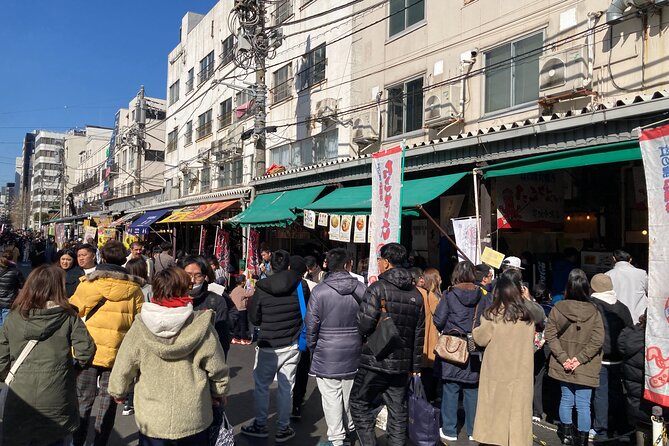
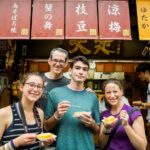
The main walking time is spent in the Tsukiji area outside the market. You explore, you graze, and you learn how the district is set up for buyers and sellers. Instead of forcing you to pay for every snack, the tour builds in street food tastings so you can sample without turning your wallet into a casualty.
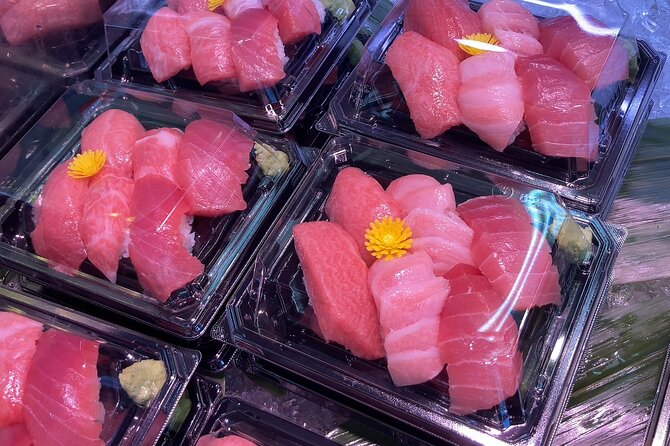
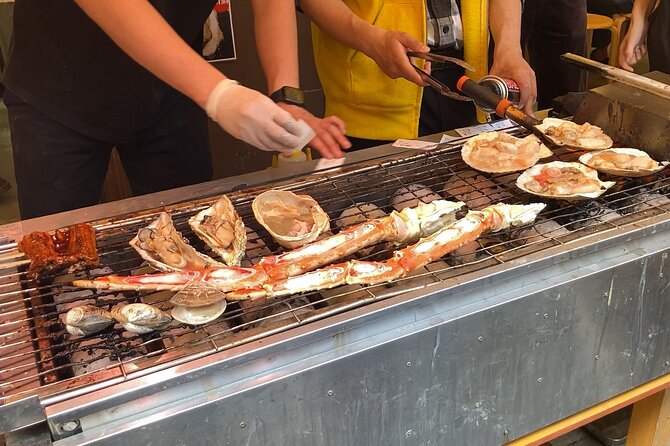
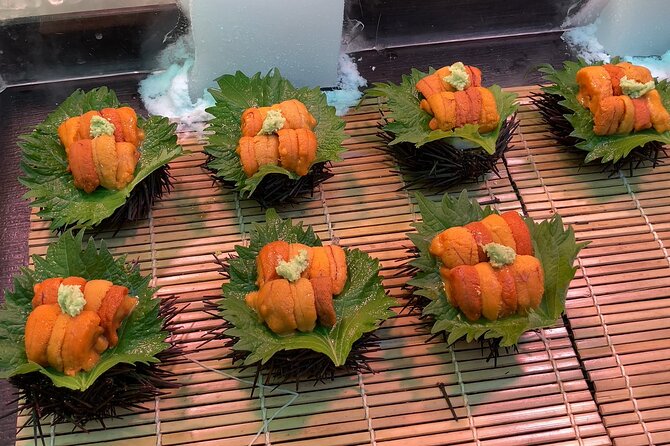
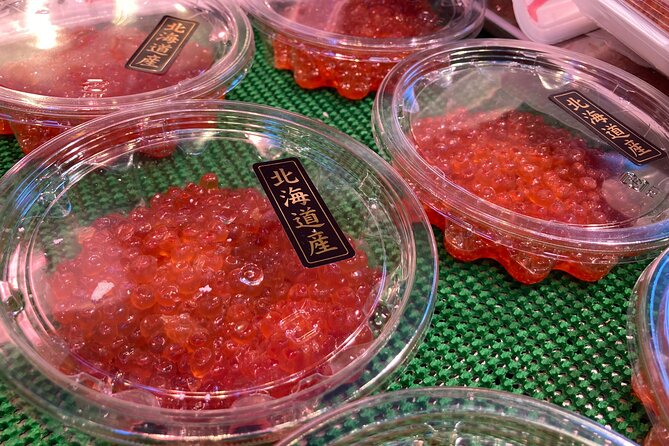
Expect bites that match the area’s seafood reputation. From what I picked up, the tastings can include items like tuna on a skewer and eel, plus other small samples during the walk. There are also stops that include sweet treats, such as daifuku, and you may get to try items like unagi sticks.
A big practical plus is that the guide does translation while you are eating and shopping. Food tours can be fun but chaotic. Here, the language support keeps you from feeling lost when a vendor explains something you would otherwise miss.
- Mt Fuji and Hakone 1-Day Bus Tour Return by Bullet Train★ 5.0 · 26,383 reviews
- 1-Day Tokyo Bus Tour★ 5.0 · 14,250 reviews
- Tokyo: teamLab Planets TOKYO Digital Art Museum Entry Ticket★ 4.6 · 9,779 reviews
- Mt Fuji & Hakone Cruise, Drum Show Bullet Train 1 Day from Tokyo★ 4.0 · 7,413 reviews
- Tokyo: Shinjuku Food Tour (13 Dishes at 4 Local Eateries)★ 5.0 · 6,603 reviews
The hidden restaurant lunch: where the tour value becomes obvious
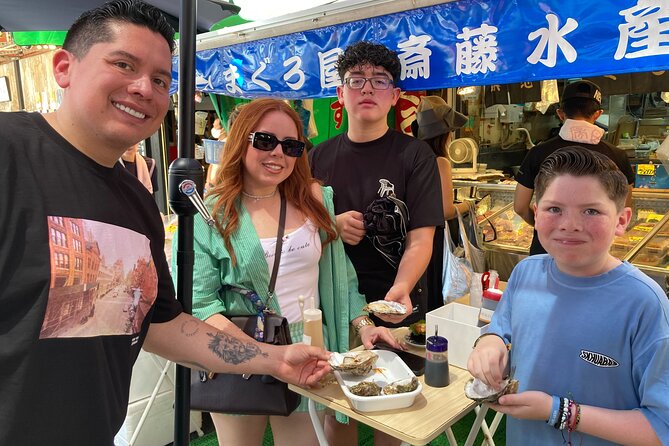
One of the best reasons to book a guided food tour in Tsukiji is the lunch. This tour takes you to a hidden restaurant you would likely miss on your own. That is not just marketing. In a place like Tsukiji, the best meals are often inside narrow streets and unassuming spots where you would not know to look.
You share lunch together as part of the tour. The lunch is described as seafood-focused, and the samples and meal are designed to keep you satisfied without you having to hunt down your next stop. I also like that you get structure here. When you travel solo or with friends who have different snack preferences, the lunch becomes the anchor point for everyone.
Food flexibility is also part of the story. If someone in your group does not eat fish, the guide can arrange an alternative such as mochi. That detail matters, because it shows the tour is prepared for real dietary needs, not just the default “everyone eats what we eat” approach.
Namiyoke Inari Shrine: local Tsukiji perspective you can’t Google fast
After the market-area walking and lunch, you head to Namiyoke Inari Shrine for about 30 minutes. This stop is not just a photo break. It is presented as a shrine tied to the local Tsukiji area, and it includes context about how the fish market developed and what Shito is.
You also get something practical: the chance to see the area and its sales shops along the way to the shrine, described as a view that most outsiders miss because they do not know where to look. In other words, this is one of those stops that improves your understanding of what you already ate and walked through.
The admission for this shrine stop is also listed as free, so you are not paying extra at the exact moment you are focused on sightseeing.
Price and value: is $85.66 a good deal for Tsukiji?
At $85.66 per person, this tour sits in the category of “you are paying for convenience and guidance.” The value comes from what is included. You get:
- Guided walking with translation support
- Street-food tastings
- A seafood lunch
- Temple and shrine visits with free admissions noted
- A small-group size of up to 10 people, which usually means you get more attention
If you were to build this on your own, you would spend time figuring out exactly where to eat, which stalls offer good samples, and how to handle etiquette at a temple. In Tsukiji, that planning time is real cost. Here, it is handled for you.
Also, there is a note that the tour is booked on average 36 days in advance. That does not mean you cannot get a slot later, but it suggests the tour can fill. If you are traveling in a busy season, booking ahead is wise.
Group size and guide quality: why Inoki’s style matters
This is one of those tours where the guide can make or break the experience. The guidance here is described as friendly, enthusiastic, and full of local knowledge. One guide name that comes through clearly is Inoki (sometimes written as iNok). People also mention that he answers questions and keeps the conversation going, not just rattling off facts while you wait to eat.
Another detail that matters for your comfort: there is mention of the guide helping with logistics like standing in line for you while you shop. That is a real quality-of-life upgrade. Tsukiji lines can move slowly, and standing there hungry is not fun. Having the guide manage it helps you keep your momentum without turning the food hunt into a chore.
The small group size can also mean you sometimes get a more private feel. There is at least one case where the group ended up being just one participant, which effectively turns the tour into a custom pace.
Practical logistics: timing, mobile ticket, and how to avoid getting left behind
This tour runs from 10:00 am to about 3 hours later and ends back where you start. It uses a mobile ticket, which is handy if you do not want to juggle paper vouchers.
Late arrivals are handled with a clear rule: the guide waits up to 10 minutes after the start time, until 10:40 am. After that, the tour can start without you, and you would not be able to receive a refund of the tour fee. So if you are planning to take transit, build in a buffer.
The meeting area is listed as near public transportation, which helps. Tsukiji is not a place where you want to arrive at the last second and hope you can sprint across crowds.
What should you wear? Comfort matters more than style. You are walking and eating, and you may be trying small items at multiple stops. Wear shoes you trust.
Who should book this Tsukiji tour, and who might skip it
This tour is a great match if you:
- Want a guided introduction to Tsukiji without doing the research yourself
- Enjoy street food but also want help choosing, translating, and understanding customs
- Like the idea of mixing sights with eating, not doing one or the other
- Appreciate small groups where you can ask questions
It may not be the best fit if you:
- Want a heavy focus on behind-the-scenes wholesale operations
- Prefer to craft your own meal-by-meal shopping route with zero structure
- Get overwhelmed by active walking and quick transitions
Should you book this Tsukiji Fish Market Culture Walking and Food Tour?
If you want Tsukiji to feel friendly and manageable, I think booking is a smart move. The strongest case is the combo: temple and shrine context plus tastings plus a planned seafood lunch, all led by a guide who brings language help and calm organization to the experience.
You are paying for convenience, but you also get that convenience delivered through a route that keeps you moving and fed. If that sounds like your kind of travel, book it. If you want total freedom to wander without guidance, you might prefer a DIY plan. For most people, though, this hits the sweet spot between learning and eating in a place famous for both.
FAQ
How long is the Tsukiji Fish Market Culture Walking and Food Tour?
It runs for about 3 hours.
What is the meeting point and start time?
The tour meets at Tsukiji Hongan-ji Temple (3-chōme-15-1 Tsukiji, Chuo City, Tokyo 104-8435, Japan) and starts at 10:00 am.
What is the group size limit?
The tour has a maximum size of 10 travelers.
Is a mobile ticket used?
Yes, the tour includes a mobile ticket.
What food is included on the tour?
You get street food tastings during the market area portion and a seafood lunch at a restaurant during the walking route.
Can the guide accommodate people who do not eat fish?
The tour info indicates the guide can provide alternative options, such as mochi, if someone does not eat fish.
What happens if I’m late?
The guide will wait for up to 10 minutes after 10:00 am, until 10:40 am. After that, the tour starts and refunds are not available for the tour fee.
Can I cancel for a full refund?
Yes. You can cancel for a full refund if you cancel at least 24 hours before the experience start time.
Market Mornings We Have Reviewed



Newest Tokyo write-ups from the Loving Japan desk


Tsukiji and Toyosu Fish Markets, side by side.
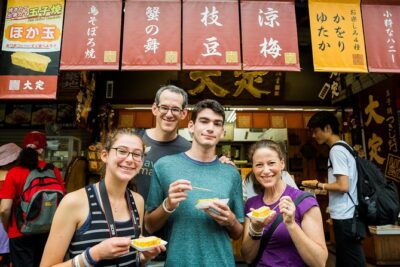 ★ 5.0Tokyo Tsukiji Fish Market Food and Culture Walking TourFrom $993,184 reviews
 ★ 5.0Tsukiji Fish Market Food and Walking tourFrom $301,724 reviews
 ★ 4.9Tsukiji Fish Market Guided Walking TourFrom $221,397 reviews
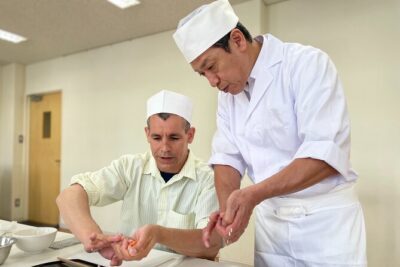 ★ 5.0Tokyo Sushi Making Class in Tsukiji with Professional ChefFrom $491,177 reviews
 ★ 5.0Tsukiji Fish Market Guided Tour and Sushi Making with Pro ChefFrom $104775 reviews
★ 4.7Tsukiji Fish Market Food and Culture Walking TourFrom $96757 reviews
★ 5.0Tsukiji Fish Market Guided Tour and Sushi Making with Pro ChefFrom $104775 reviews
★ 4.7Tsukiji Fish Market Food and Culture Walking TourFrom $96757 reviews
 ★ 5.0Tsukiji Fish Market: Street Food & Culture Walking TourFrom $33669 reviews
 ★ 5.0Tsukiji Fish Market Small-Group Food Walking TourFrom $87621 reviews
Filed on these lists too