
REVIEW · JAPANESE COOKING CLASSES
Unique Private Cooking Class with a Tokyo Local Emi
Tokyo tastes different when you make it. I love how this private class with Emi turns Japanese food culture into something you can actually repeat. You get hands-on cooking and everything you eat and drink is included.
I also like the way the class stays personal. You can chat about food and Japan while you work, and Emi shares recipes so your kitchen skills grow, not just your camera roll. One watch-out, though: everyone in the group prepares the same main dish, so your ideal menu might be adjusted for the sake of everyone eating together.
If you want a fun, real Tokyo neighborhood experience, this is a strong pick, especially for food lovers who like to ask questions and learn as they go.
In This Review
- Key things to know before you cook
- A Tokyo Local Cooking Class in Nerima: Emi’s home-style pace
- What you cook: 3 to 4 dishes that beat restaurant shortcuts
- The start: mugi-cha, menu choices, and the group rule you should not miss
- Hands-on cooking: how Emi teaches without rushing you
- The meal and the sake moment: eating together with a point
- Studio vs home: what to expect at Nerima City Hall and beyond
- Price and value: what $99 really buys in Tokyo
- Dietary needs and customizing the menu without causing chaos
- How to fit this into a Tokyo day: Nerima-friendly planning
- Who should book Emi’s class, and who might want a different style
- Should you book this private cooking class?
- FAQ
- How long is the cooking class?
- What is included in the price?
- Do I get to choose what dishes we cook?
- What if I do not send menu choices 4 days before?
- Are dietary restrictions and allergies accommodated?
- Where is the meeting point?
- Is this class in Emi’s home or a studio?
- Is this suitable for kids?
- What is the cancellation policy?
Key things to know before you cook
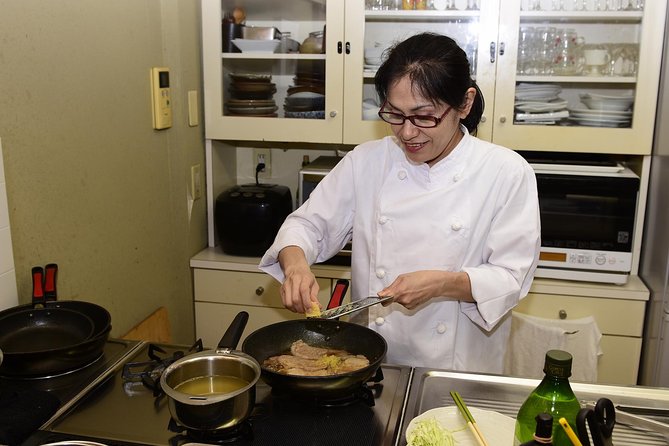
- Private class with a Tokyo local, Emi in a home or studio setup
- All food and drink included, including coffee/tea and sake
- Make 3 to 4 home-style dishes that feel different from what you usually get at restaurants
- Menu input matters, but the group shares one main dish
- Recipes are part of the deal, so you can cook again at home
- Optional add-on stop after class, like sweets, tea, pottery, or a supermarket (choose one)
Cook it yourself instead. Other kitchens in Tokyo
- Tokyo: Roll and Authentic Sushi Making Class in Asakusa
★ 4.9 · 1,957 reviews - Tokyo: Sushi Making Class in a Happi Coat near a Famous Spot
★ 4.9 · 1,377 reviews - Tokyo Sushi Making Class in Tsukiji with Professional Chef
★ 5.0 · 1,177 reviews - Ramen & Gyoza Cooking Class in Tokyo with Local Supermarket Visit
★ 5.0 · 823 reviews
A Tokyo Local Cooking Class in Nerima: Emi’s home-style pace
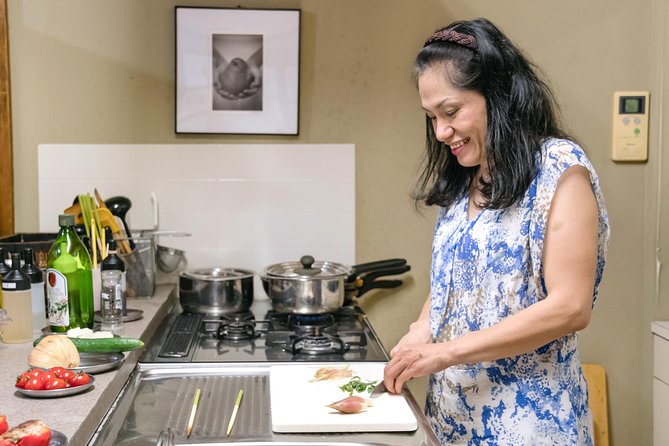
This experience is built around one simple idea, you learn Japanese home cooking from a real person, not a scripted demo. Emi guides you through each step, and the focus stays on practical technique, the kind that helps you cook with confidence back home.
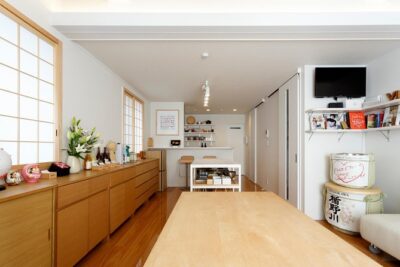
The setting depends on who you are and when you’re going. On weekends, if your group is small (2 to 3 people), Emi hosts you at her home. If you go with a bigger group (4+) or it’s a weekday, you’ll cook in her studio. Either way, the class is designed to feel like an intimate dinner moment, not a factory tour of food stations.
One practical plus for planning your trip: the meeting point is Nerima City Hall, and it’s near public transportation. That makes it easier to fit a cooking class into a day that already includes temples, museums, and long Tokyo walks.
What you cook: 3 to 4 dishes that beat restaurant shortcuts
You make 3 to 4 authentic home-style dishes. This is important. Restaurant versions of Japanese food are often tuned for speed, portioning, and consistency at high volume. Home cooking is different. It’s about the “why” of flavors and the texture choices that make a dish feel right.
Emi’s menu is curated, and you can choose items in advance. The experience notes that you can tailor the menu to your group, but everyone will need to eat the same main dish. That structure is actually helpful. It keeps the class coordinated, and it also means you sit down at the end to share the same meal style, with the same centerpiece dish.
Some dish examples that show up through real menu combinations include:
- Gyoza with a shrimp filling
- Yakisoba (including vegetarian versions)
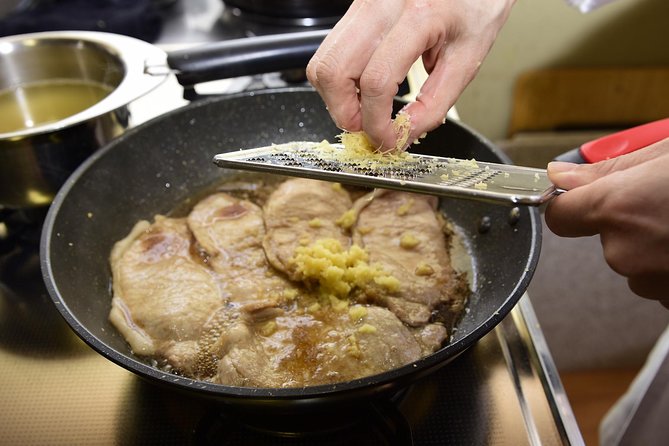
- Ginger fried pork
- Karaage
- Tempura
- Tonkatsu
- Onigiri
- Miso soup
- Okonomiyaki (with a specific fish-based note, more on that below)
If you’re the type who likes to learn a few “repeatable” dishes, this format is a win. You’re not just tasting Tokyo. You’re building a small set of skills.
The start: mugi-cha, menu choices, and the group rule you should not miss
The class begins with a refreshing cup of mugi-cha (barley tea). It’s a classic, mild way to get your stomach ready without feeling stuffed. This matters because the class includes a full meal after cooking, and the experience specifically suggests you do not fill up beforehand.
Then comes the menu decision. Here’s how it works:
- You choose any three dishes from Emi’s curated menu.
- You also share the choice at least 4 days in advance so everything runs smoothly.
- Everyone will prepare the same main dish for the group meal.
- If Emi does not hear back with your menu preference by 4 days before, she will select a menu for you.
One extra detail you should know if you’re choosing from the menu: okonomiyaki includes fish granule soup stock. If you have dietary restrictions, confirm the ingredients early. Emi is happy to help adjust menus, but it’s on you to flag allergies and dietary needs as soon as you book.
This is one of those “small rules with big impact.” If you’re picky about dishes, start thinking early, then message Emi with your selections so the group constraint lines up with what you actually want to eat.
- Mt Fuji and Hakone 1-Day Bus Tour Return by Bullet Train★ 5.0 · 26,383 reviews
- 1-Day Tokyo Bus Tour★ 5.0 · 14,250 reviews
- Tokyo: teamLab Planets TOKYO Digital Art Museum Entry Ticket★ 4.6 · 9,779 reviews
- Mt Fuji & Hakone Cruise, Drum Show Bullet Train 1 Day from Tokyo★ 4.0 · 7,413 reviews
- Tokyo: Shinjuku Food Tour (13 Dishes at 4 Local Eateries)★ 5.0 · 6,603 reviews
Hands-on cooking: how Emi teaches without rushing you
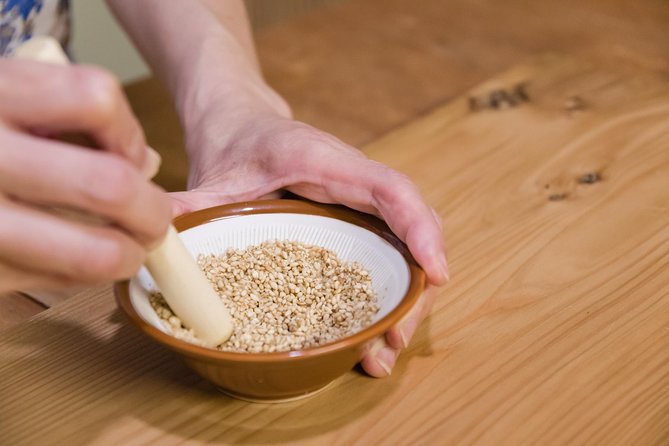
Over about 1.5 to 2 hours, Emi guides you through cooking in a way that feels patient and step-by-step. The key is that you are not watching a performance. You’re doing the prep and cooking, with Emi showing technique and answering questions as you go.
In real classes like this, timing can be a stress point. Here, it’s handled by keeping the group coordinated around the same main dish and the same overall flow. That means you can focus on technique, whether you’re learning dumpling folding, getting the crispness right, or understanding how Japanese sauces balance sweetness and salt.
From the way Emi runs these sessions, you should expect a mix of:
- quick explanations of ingredient roles
- hands-on tasks you can complete yourself
- plenty of room to ask questions
- casual conversation about Japanese food culture while you cook
Some people also find that the pacing includes small moments of guidance even when you make mistakes. That’s the difference between a class that feels like a test and one that feels like learning.
The meal and the sake moment: eating together with a point
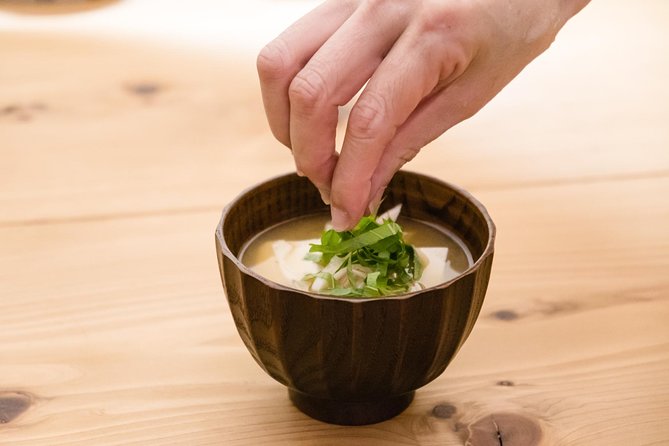
After you finish cooking, you sit down to eat what you made. The experience mentions enjoying the meal over sake, and that all drinks are included. This is where the class becomes more than “just cooking.” It’s a shared dinner with context.
Emi also provides recipes so you can recreate the flavors later. For many people, that’s the real takeaway. A dish tastes one way when you cook it at home, but it tastes completely different when you know the order of steps, the timing cues, and what you’re supposed to look for during cooking.
You’ll also likely learn small etiquette habits. Japanese meals have their own rhythm, and a local host can point out subtle things you wouldn’t catch from a guidebook alone.
Studio vs home: what to expect at Nerima City Hall and beyond
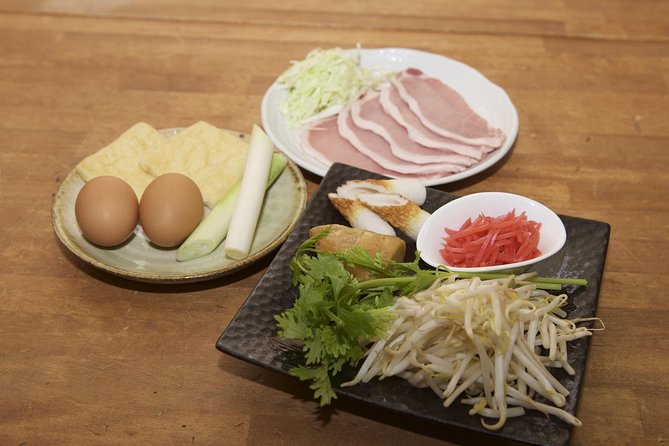
You meet at Nerima City Hall, address listed in the booking details. The experience ends back at the meeting point.
Whether you go to Emi’s home or a studio depends on your group size and day:
- Weekend, group of 2 to 3 people: hosted at Emi’s home
- Weekday and/or group of 4+ people: hosted at Emi’s cooking studio
There’s also a practical comfort note. For accessibility concerns, the experience says there are about 10 steps leading to Emi’s studio. If stairs are a deal-breaker for you, you’ll want to ask Emi in advance so you can plan accordingly.
Even if you’re comfortable with transit, this is one of those classes where being on time matters. Emi’s setup works best when everyone arrives ready to start, especially since the menu and kitchen flow are tied to the group schedule.
Price and value: what $99 really buys in Tokyo
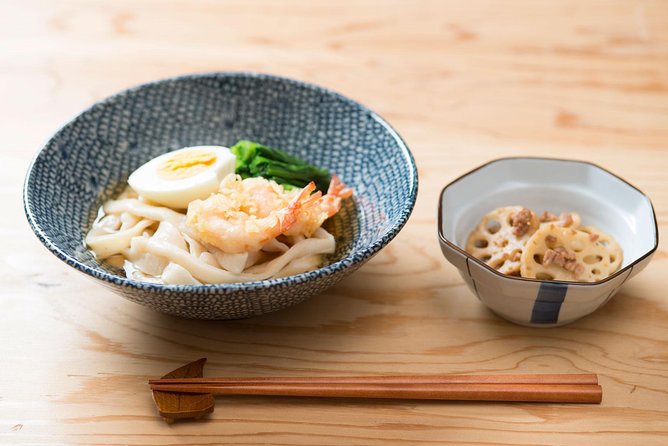
At $99 per person for about 3 hours, this class competes well because it bundles three things together:
- Private instruction from a local host
- A full meal you actually cook, plus coffee/tea and sake
- Recipes you can take home
If you’re comparing costs, the included drinks and dinner matter. In Tokyo, buying food and drinks around a cooking activity can add up quickly. Here, the price covers the meal itself, not just the lesson.
The other value piece is the dish count. You make 3 to 4 dishes, not one special item and a few bites. That gives you more “cooking wins” to bring home, and more chances to learn different techniques.
Also, because it’s private, your pacing and questions can stay personal. For shy cooks, that matters. For confident cooks, it also matters, because you can ask for the finer points and adjustments.
Dietary needs and customizing the menu without causing chaos
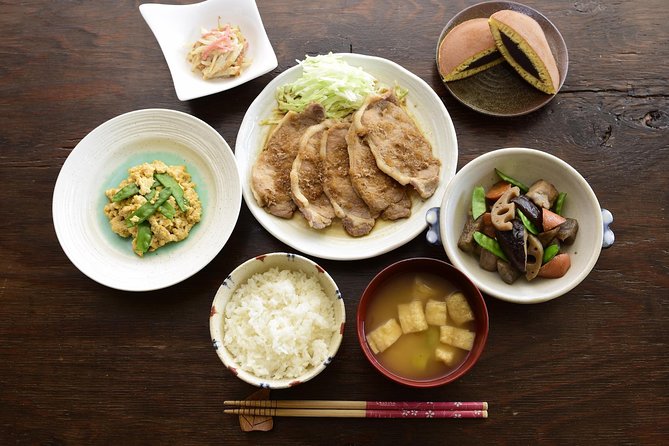
The experience explicitly asks you to message Emi after booking confirmation if anyone has allergies, dietary restrictions, or cooking preferences. Emi can customize menus for your group, but there is a limitation: everyone must eat the same main dish.
If you’re vegetarian, the class says Emi is happy to accommodate you, but the menu may change accordingly. That’s realistic. Vegetarian substitutions can change texture, umami, and sauce balance. The best move is to be clear early about what you can and cannot eat, so Emi can build a menu that still works as a coordinated group meal.
If you have a severe allergy, don’t treat this like a casual note. Send it quickly after booking, and ask what ingredients are used for the dishes you’re interested in. The okonomiyaki fish stock detail is a good example of why clarity matters.
How to fit this into a Tokyo day: Nerima-friendly planning
This class is in Nerima, so it can feel like a break from the busiest tourist loops. That can be a plus. You’re cooking and eating in a local neighborhood context, and you’ll get a more grounded side of Tokyo.
Two planning ideas from the experience details:
- The Harry Potter Museum in Tokyo is about a 20 minute walk from Emi’s apartment. If you’re doing that attraction, you can pair it with your cooking class on the same day.
- If you plan to visit TeamLab Borderless in Azabudai Hills, the Oedo line gets you without transfer from Azabu-Juban station to Nerima. That can simplify your route so you’re not constantly switching trains.
After the class, Emi can take you to one more stop if you’d like, choose one:
- a Japanese sweet shop
- a Japanese tea and pottery shop
- or a supermarket
This is a great option if you want to buy ingredients, tools, or small gifts to extend the class into your everyday cooking back home.
Who should book Emi’s class, and who might want a different style
You’ll probably love this if:
- you want Japanese home-style cooking, not restaurant copies
- you like hands-on learning and asking questions
- you want the meal and drinks included, so you can relax
- you’re traveling as a couple or small group that values a personal experience
You might think twice if:
- you need a fully wheelchair-friendly route, since the studio has about 10 steps
- you’re booking with very tight timing for a packed itinerary, because the class is a scheduled block and you meet at the listed point
- you expect each person to cook totally different dishes, because the group shares the same main dish
Kids matter too. The experience says it’s not suitable for children age 9 and under. Children 10+ are charged the same as adults.
Should you book this private cooking class?
I think you should book it if you want one of your Tokyo experiences to feel practical. This class gives you a small set of dishes, real techniques, and recipes you can cook later. The fact that drinks and the meal are included also makes the price feel more fair, especially in a city where food costs can creep up fast.
Book it even if your Japanese is limited. Emi’s instruction is set up for English-speaking visitors, and the structure is step-by-step, with the chance to ask questions. Just do your homework on menu preferences early, and send your dietary needs right after booking so Emi can plan the group main dish.
If you want a memorable Tokyo moment that turns into an actual cooking habit, this is a very good bet.
FAQ
How long is the cooking class?
The class lasts about 3 hours.
What is included in the price?
The price includes the private cooking class and meal with Emi, coffee and/or tea, green tea and barley tea, and alcoholic beverages like sake.
Do I get to choose what dishes we cook?
Yes. You can choose any three dishes from Emi’s curated menu, but you need to share your choice at least 4 days in advance. The group also prepares the same main dish.
What if I do not send menu choices 4 days before?
If Emi does not hear back with your menu preference 4 days before the experience, Emi will select the menu for you.
Are dietary restrictions and allergies accommodated?
Yes. You should message Emi with any allergies, dietary restrictions, or preferences after booking confirmation. Emi is happy to customize menus, and vegetarian options are possible, but the menu for the group may change accordingly.
Where is the meeting point?
The meeting point is Nerima City Hall, 6-chōme-12-1 Toyotamakita, Nerima City, Tokyo 176-8501, Japan. The activity ends back at the meeting point.
Is this class in Emi’s home or a studio?
It depends on the day and group size. On weekends, groups of 2 to 3 are hosted at Emi’s home. If it is a weekday or the group is 4 or more, Emi hosts you at her cooking studio.
Is this suitable for kids?
It is not suitable for children aged 9 and under. Children aged 10+ are charged the same as adults.
What is the cancellation policy?
You can cancel for free up to 24 hours in advance for a full refund. If you cancel less than 24 hours before the start time, the amount paid is not refunded.
Kitchens You Can Book Into


Newest Tokyo write-ups from the Loving Japan desk



Japanese Cooking Classes, side by side.
 ★ 5.0Sushi Making Tokyo Roll and Authentic Japanese Sushi ClassFrom $593,971 reviews
 ★ 4.9Roll and Authentic Sushi Making Class in AsakusaFrom $581,957 reviews
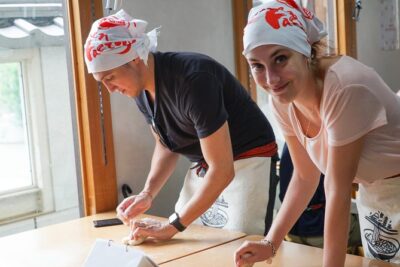 ★ 5.0Ramen Cooking Class at Ramen Factory in KyotoFrom $1311,937 reviews
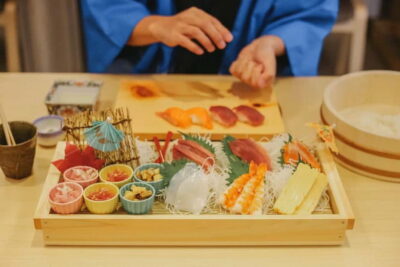 ★ 4.9Sushi Making Class in a Happi Coat near a Famous SpotFrom $421,377 reviews
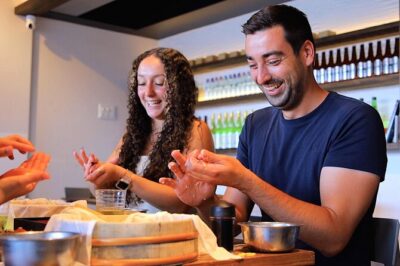 ★ 5.0Sushi Making Osaka Roll and Authentic Japanese Sushi ClassFrom $311,220 reviews
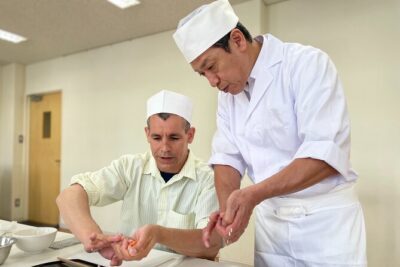 ★ 5.0Tokyo Sushi Making Class in Tsukiji with Professional ChefFrom $491,177 reviews
 ★ 5.0Ramen & Gyoza Cooking Class in Tokyo with Local Supermarket VisitFrom $122823 reviews
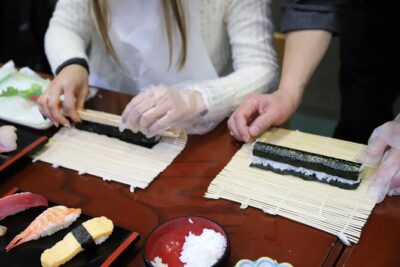 ★ 5.0Tsukiji Fish Market Guided Tour and Sushi Making with Pro ChefFrom $104775 reviews
Filed on these lists too