
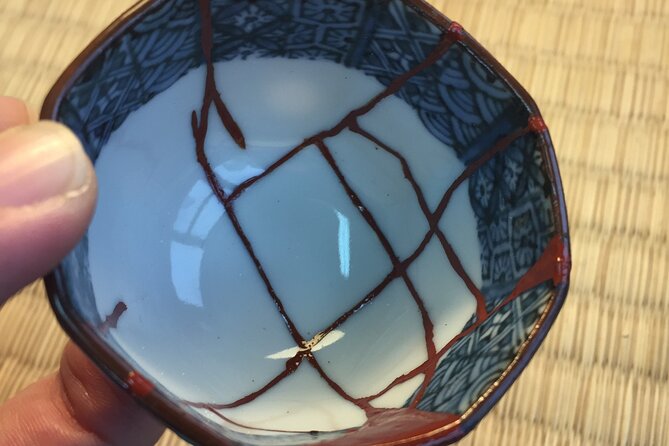
REVIEW · DOTONBORI AND OSAKA STREET FOOD
1.5〜2 Hours Traditional Kintsugi Work Shop in Namba Osaka
Gold dust, old wood, and calm hands. This 1.5 to 2 hour kintsugi workshop in Namba lets you repair with lacquer and gold in a small group at a traditional Kura-style studio, then ship your finished piece once it cures. You’ll work on a plate using 23K gold powder, with instruction from your host (often Jo/Josuke, and the company name is Zenkei 金継ぎ体験).
I really like how the group stays tiny (max five), so you get close, patient help while you decorate your own kintsugi plate. I also like that it is not just hands-on, you get a guided explanation of the craft’s background and process in a cozy space that includes Japanese art and antiques in the studio’s gallery.
One big consideration is timing and take-home logistics. Your plate needs time to cure, so you typically receive it 5 to 7 days later by mail or shipping, not immediately at the end of class.
In This Review
- Key highlights at a glance
- Entering Namba’s Kura studio: small group, big attention
- Finding Motomachi (New Namba) and why location matters
- What you do in class: making a 23K gold kintsugi plate
- The teaching part: process, philosophy, and the pace of questions
- The waiting game: curing time and when your plate arrives
- Matcha and mochi: the cultural ending that isn’t just a token
- Price and value: what you’re really paying for
- Who should book, and who should skip
- Practical tips to make your day smoother
- Should you book this kintsugi workshop in Namba?
- FAQ
- How long is the kintsugi introduction workshop?
- What will I make in the class, and what materials are provided?
- When will I receive my finished kintsugi item?
- Is shipping included, and how does international shipping work?
- Are there morning and afternoon class times?
- Is the workshop recommended if I have a lacquer allergy?
- What happens if the experience is canceled due to poor weather or if I cancel my booking?
Key highlights at a glance
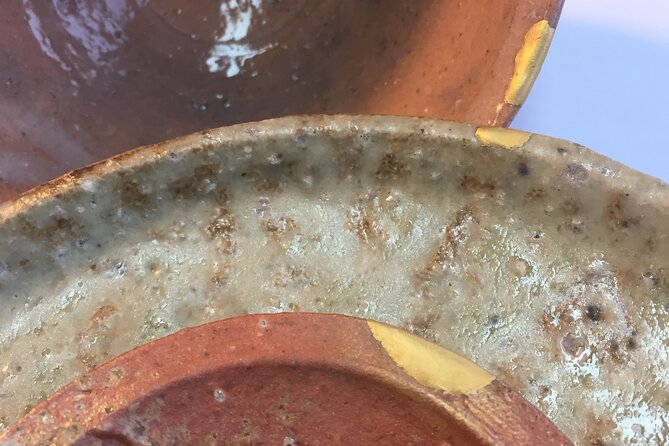
- Max five people, which means you can actually ask questions and get help while you paint lacquer and add gold.
- A Kura-style, wooden workshop setting, plus time to explore Japanese art and antiques in the gallery afterward.
- 23K gold powder on lacquer, hands-on, not just a demo.
- History plus technique, with an explanation of traditional kintsugi lacquer methods before you start.
- Gold cure time, then shipping, with free domestic shipping and a 5,000 yen fee for international delivery.
- Japanese culture extras, including matcha preparation and tasting at the end for many sessions.
Still hungry on Dotonbori? A few more crawls
- Osaka: Shinsekai Food Tour with 13-15 Dishes at 5 Eateries
★ 4.8 · 2,204 reviews - Osaka Local Foodie Walking Tour in Dotonbori and Shinsekai
★ 5.0 · 985 reviews - Osaka: Dotonbori District River Cruise with Drink Discount
★ 4.2 · 876 reviews - Ultimate Osaka Walking Tour: Castle, Dotonbori & Hidden Gems
★ 5.0 · 862 reviews
Entering Namba’s Kura studio: small group, big attention
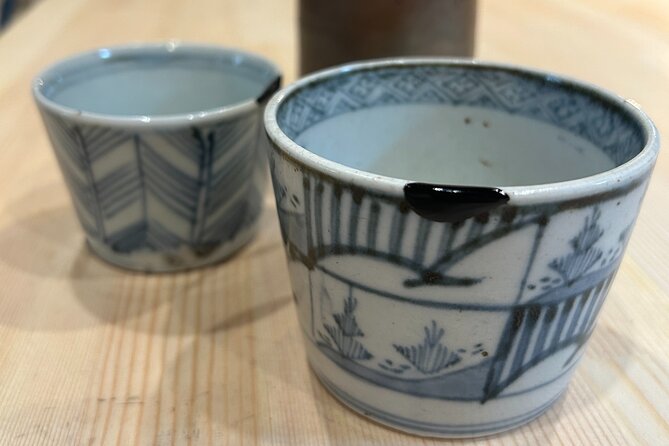
This workshop has the feel of a craft studio, not a big factory class. You’re in Namba, but the pace is slower. The host setup, with a maximum of five people, is why kintsugi here doesn’t turn into a rushed “paint by numbers” activity.
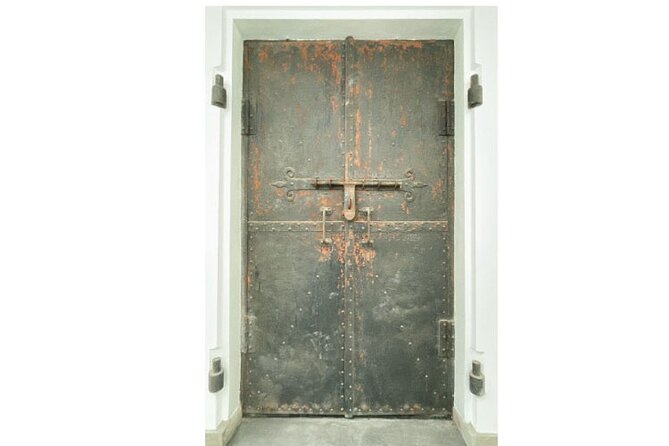
The venue is part of the attraction. You’ll do the class inside a traditional Japanese building called a Kura, with wooden architecture and a gallery of Japanese art and antiques. That matters because kintsugi is not only technique, it is also aesthetics and mindset. Seeing the surrounding objects helps you understand that you are stepping into a living craft space, not just using a kit.
The instructor guidance is a core reason for the near-perfect rating. You’ll hear the steps explained clearly, and the class is set up so you can slow down and get it right, even if this is your first time with lacquer and gold powder.
Finding Motomachi (New Namba) and why location matters
Your meeting point is in Naniwa Ward, Motomachi 2-chōme, at the New Namba apartment building (Osaka 556-0016). It’s not a far walk from public transportation, so you can keep your day simple.
One practical tip: the entrance can be a little tricky to spot. I recommend you add a few minutes for arrival so you are not trying to rush in while you are already thinking about fragile materials.
When you finish class, you’re not boxed into an exit corridor. Because the workshop is in a historic-feeling wooden space with a small gallery, it gives you a calm buffer before you head back out into Osaka. That is a good way to balance the city’s intensity with something quieter and more hands-on.
What you do in class: making a 23K gold kintsugi plate
The workshop is built around one clear goal: you decorate your own kintsugi plate. The class you book is the kintsugi introduction workshop, running about 1 to 1.5 hours (often experienced as closer to 1.5 to 2 hours total in practice, depending on questions and setup).
Here’s the flow you should expect:
First, you get an introduction to traditional kintsugi lacquer repair. This is where you learn what “kintsugi” means and why lacquer and gold show up in the story. You’ll also get context on the craft’s history and the materials behind the look.
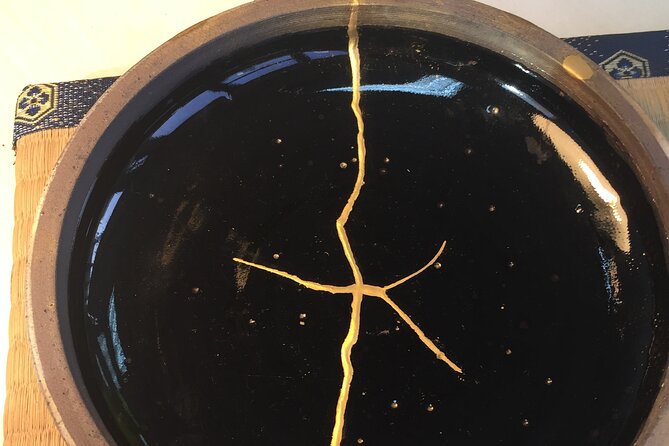
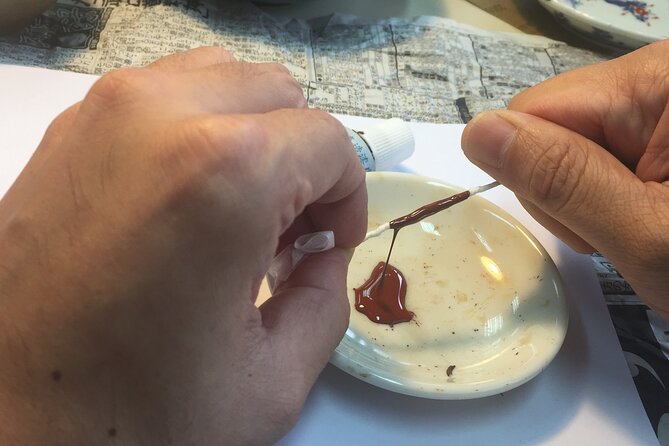
Then you move to the hands-on part. You will learn how to decorate the plate with gold powder and you’ll actually apply the lacquer and gold as part of your own piece. The gold used is 23K, which is a big deal in terms of how the finished color and shine read once cured.
You also learn that not every kintsugi design will match the exact cracking pattern people see in photos. In some sessions, you might make a “chopping” style effect instead of the classic crack lines. The good news: you’re still getting real kintsugi technique, and your end result will reflect the method you were guided through.
Make something to take home. Other workshops
- Osaka: Traditional Mochi Pounding Experience with Tasting★ 4.9 · 306 reviews
- 【For adult】Traditional Mochi Pounding Experience with Tasting★ 5.0 · 67 reviews
- Osaka: Private Japanese Calligraphy Experience★ 5.0 · 66 reviews
- From Osaka: Sakai Knife Maker or Blacksmith Walking Tour★ 4.9 · 64 reviews
- Calligraphy Workshop in Namba, Dotonbori★ 5.0 · 57 reviews
The teaching part: process, philosophy, and the pace of questions
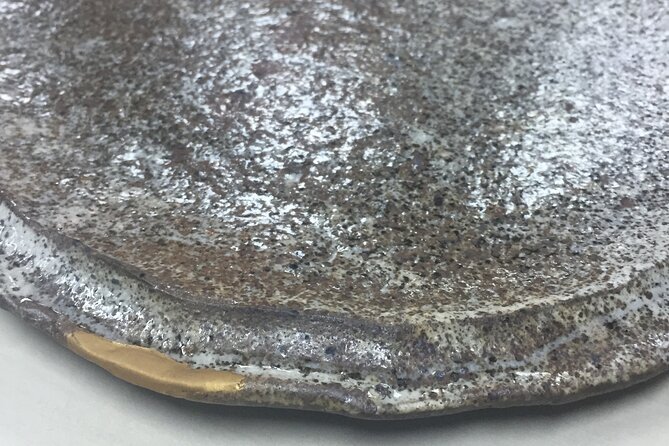
Kintsugi can sound symbolic. In reality, it’s very practical, and this workshop treats it that way. You’ll get a step-by-step explanation of how the process works, not just what the finished look is supposed to represent.
The teaching includes discussion, and you’re encouraged to ask questions. That small-group setup makes a difference, because lacquer work does not tolerate guessing. If you want to understand what you are doing and why, this format gives you time.
You’ll also hear about the craft beyond the table. Kintsugi is tied to Japanese thinking about repair and acceptance: broken things are not thrown away, they can be honored and completed in a new form. That message lands best when you can see examples and talk it through while your hands are actively working.
In many cases, the host also demonstrates more than just the one project you’re making. You may see other studio work, which helps you connect the dots between what you’re doing now and what a mature workshop output looks like.
The waiting game: curing time and when your plate arrives
This is where you need to plan your expectations. You do not leave with a fully ready-to-display piece right away.
Your plate needs time to cure, and you typically receive your decorated item in 5 to 7 days. The instructor explains the drying or curing timeline during class, so you know what is happening and why the wait matters. You may be surprised by how much difference proper curing makes to the final result.
Shipping is part of the experience design.
- Domestic shipping within Japan is free when it goes to a Japan address.
- International shipping has a 5,000 yen cost, so plan for that if you’re taking your work home overseas.
If you’re staying in Osaka and you want to minimize logistics, ask what the host can do on your behalf. Some sessions have included extra help like drop-off options, but since it depends on the situation, you should treat that as a possible bonus rather than an automatic promise.
Matcha and mochi: the cultural ending that isn’t just a token
One of the nicest touches is that the session often ends with matcha making and tasting. Some classes also include a small sweet like mochi. This matters because it turns the workshop into a full “slow craft” break from the city, not simply a hands-on hour followed by immediate departure.
Expect the matcha portion to be part mini lesson, part treat. You’ll learn what makes good matcha preparation work, especially around froth and technique, and you’ll get to taste your results.
Even if you’re not a matcha fanatic, the pairing makes sense. Kintsugi asks you to slow down, handle materials carefully, and accept a multi-step timeline. Matcha does the same kind of work, with attention to process rather than speed.
Price and value: what you’re really paying for
At $125.53 per person, this class is not a budget craft workshop. But it also isn’t just “materials plus a worksheet.”
You’re paying for:
- Hands-on instruction in a small group (max five)
- Real materials, including lacquer work and 23K gold powder
- Time with an instructor who explains both process and meaning
- A traditional studio setting with art and antiques, which changes how the lesson feels
- Finished-piece logistics, since your item needs curing and then is shipped to you
The value question often comes down to whether you can handle the wait. If you want immediate souvenirs in your hands, this might feel inconvenient. If you love the idea of making something that becomes a long-lasting keepsake, the timeline can feel less like a delay and more like part of the ritual.
Add international shipping cost into the math. With international delivery, you should expect the 5,000 yen shipping fee, so your final total is higher than the base price.
Who should book, and who should skip
This workshop is a great fit if you want a meaningful, hands-on cultural activity in Osaka, without dealing with a huge crowd or chaotic group energy.
It suits:
- People who like crafts and want to learn technique, not just take a photo
- Couples and small groups who prefer personal attention
- Anyone who appreciates Japanese aesthetics, including the symbolism of repair
It is not a fit if you have a lacquer allergy. Lacquer is part of the kintsugi process by design, so this is something to take seriously. Also, the workshop is designed so most travelers can participate, and service animals are allowed, which makes it more flexible than some niche craft experiences.
If you are flexible on timing, you can choose a morning or afternoon class. That matters in Osaka, because you might want to schedule this near other day plans and not fight for energy later in the evening.
Practical tips to make your day smoother
A few small moves help you get the most from the workshop:
- Arrive early enough to find the entrance comfortably.
- Plan your schedule knowing the real take-home moment is after curing, not at the classroom table.
- Keep an eye on shipping addresses if you’re international, since the cost and timing are part of the plan.
- Bring questions. The small group setup is designed for back-and-forth, and your best results come from clarifying details while the materials are in front of you.
Also, the experience depends on workable conditions. If the class is canceled due to poor weather, you’ll be offered a different date or a full refund.
Should you book this kintsugi workshop in Namba?
Yes, you should book it if you want a calm, hands-on craft experience with real instruction, real 23K gold materials, and a finished keepsake that carries meaning. The small class size and the traditional Kura setting make it feel personal, not touristy.
Skip it if you need your final item immediately the same day or if international shipping cost and waiting time will stress you out. Also skip if you have a lacquer allergy.
If you’re in Osaka and you want one activity that gives you both technique and a story you’ll actually remember, this workshop is a smart choice.
FAQ
How long is the kintsugi introduction workshop?
The workshop runs about 1 hour 30 minutes (approximately), and the kintsugi introduction workshop is described as about 1 to 1.5 hours.
What will I make in the class, and what materials are provided?
You will make and decorate a kintsugi plate using lacquer and 23K gold powder. The workshop provides all the materials you need.
When will I receive my finished kintsugi item?
After the course, you will receive your decorated plate in about 5 to 7 days, since it needs time to cure.
Is shipping included, and how does international shipping work?
Domestic shipping within Japan (to a Japan address) is free of charge. International shipping is available, but it costs 5,000 yen.
Are there morning and afternoon class times?
Yes. There are both morning and afternoon classes, giving you flexibility when planning your day.
Is the workshop recommended if I have a lacquer allergy?
No, it is not recommended for people with a lacquer allergy.
What happens if the experience is canceled due to poor weather or if I cancel my booking?
The experience requires good weather. If it is canceled due to poor weather, you will be offered a different date or a full refund. If you cancel, you can cancel up to 24 hours in advance for a full refund.
Made by Hand, and Yours to Keep
Dotonbori, Still Hungry


Newest Osaka write-ups from the Loving Japan desk

Dotonbori and Osaka Street Food, side by side.
 ★ 4.8Shinsekai Food Tour with 13-15 Dishes at 5 EateriesFrom $532,204 reviews
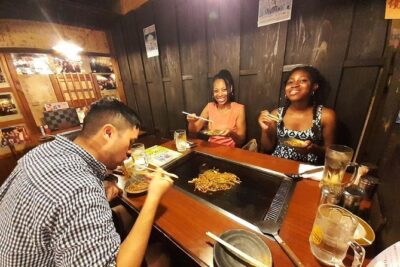 ★ 5.0Osaka Local Foodie Walking Tour in Dotonbori and ShinsekaiFrom $111985 reviews
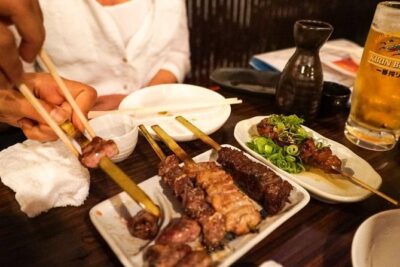 ★ 5.0Osaka Bar Hopping Night Walking Tour in Namba (3 bars, 6 tastes)From $98958 reviews
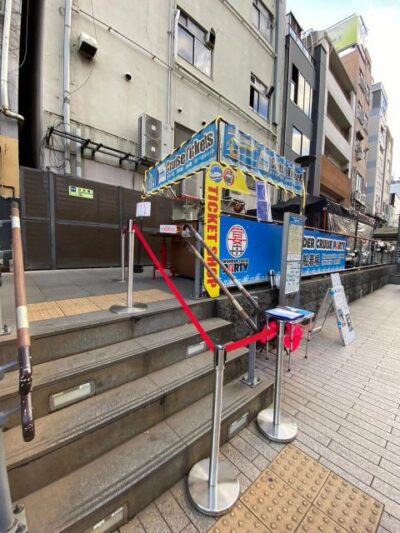 ★ 4.2Dotonbori District River Cruise with Drink DiscountFrom $12876 reviews
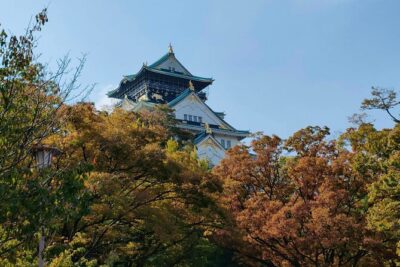 ★ 5.0Ultimate Osaka Walking Tour: Castle, Dotonbori & Hidden GemsFrom $73862 reviews
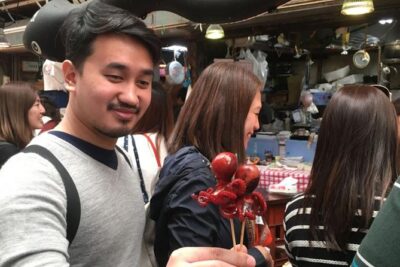 ★ 5.0Kuromon Market Food Walking Tour in Osaka (6 stops, 6 tastes)From $50550 reviews
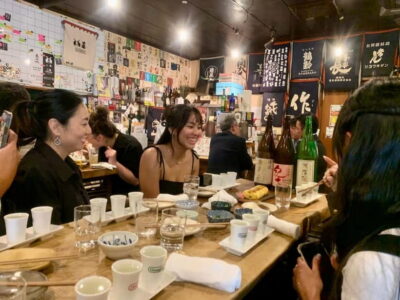 ★ 4.9Namba Pub Bar Crawl with a Local GuideFrom $30424 reviews
 ★ 5.0Ramen and Gyoza Cooking Class in DotonboriFrom $70378 reviews
Filed on these lists too