
REVIEW · JAPANESE CRAFT AND CALLIGRAPHY WORKSHOPS
Osaka: Private Japanese Calligraphy Experience
Osaka calligraphy can be surprisingly calming. In a private 90-minute session in Namba, I like how you learn the basics of Japanese brush strokes and then translate your own identity into your final piece, including your name in Japanese characters. I also like that it feels low-pressure, with a friendly English-speaking instructor who slows down when you need it and gives hands-on corrections.
The biggest thing to consider is practical, not cultural. You’ll need to wear socks and you should expect the brushwork to be harder than it looks, especially if your hand shakes under pressure. Also, the studio isn’t set up for wheelchair users, so plan accordingly.
In This Review
- Key things that make this Osaka calligraphy session worth it
- Why a Private Calligraphy Lesson in Namba Feels Different
- Getting There: New Osaka Hotel Shinsaibashi Meeting Point
- The 90-Minute Flow, From Strokes to Your Name Kanji
- Choosing Your Theme and Personality-Based Kanji
- Tools, Paper, and the Small Details That Make It Easier
- Instructor Style: Patient Feedback and Photo Help
- What You Take Home (and How to Make It Feel Like Yours)
- Price Value: Is $51 Worth It for a Private Lesson?
- Who This Osaka Calligraphy Experience Suits Best
- Quick Practical Tips Before You Go
- Should You Book This Osaka Japanese Calligraphy Session?
- FAQ
- How long is the private Japanese calligraphy experience in Osaka?
- Where do I meet for the calligraphy lesson near Shinsaibashi?
- What should I bring to the class?
- Can kids join, and is there a child-friendly option?
- Can I take photos during the experience?
- Is tea ceremony included, and is the studio wheelchair accessible?
Key things that make this Osaka calligraphy session worth it
- Private group time means you can go at your pace, including taking lots of photos
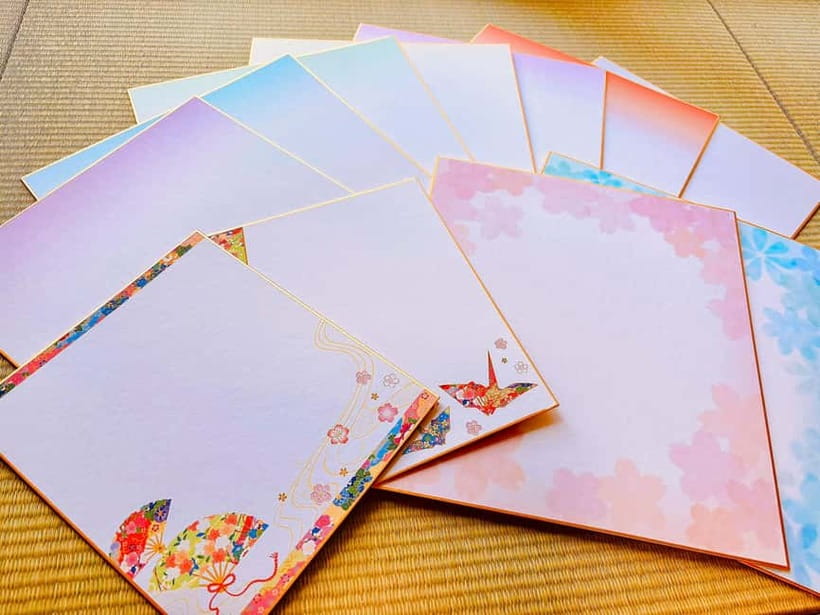
- Your name becomes the centerpiece, written in Japanese characters on colored paper
- A theme-based start helps you pick what you want to express, then your instructor guides the kanji choice
- Paper and stamping step makes the finished work feel like a real keepsake, not a practice sheet
- Options for kids include water calligraphy to help keep hands and clothes clean
- Instructors like Wa No Ma and Womema are praised for patience, detailed guidance, and clear cultural context
Make something to take home. Other workshops
- Osaka: Traditional Mochi Pounding Experience with Tasting
★ 4.9 · 306 reviews - 1.5〜2 Hours Traditional Kintsugi Work Shop in Namba Osaka
★ 5.0 · 75 reviews - 【For adult】Traditional Mochi Pounding Experience with Tasting
★ 5.0 · 67 reviews - Osaka: Private Japanese Calligraphy Experience
★ 5.0 · 66 reviews
Why a Private Calligraphy Lesson in Namba Feels Different
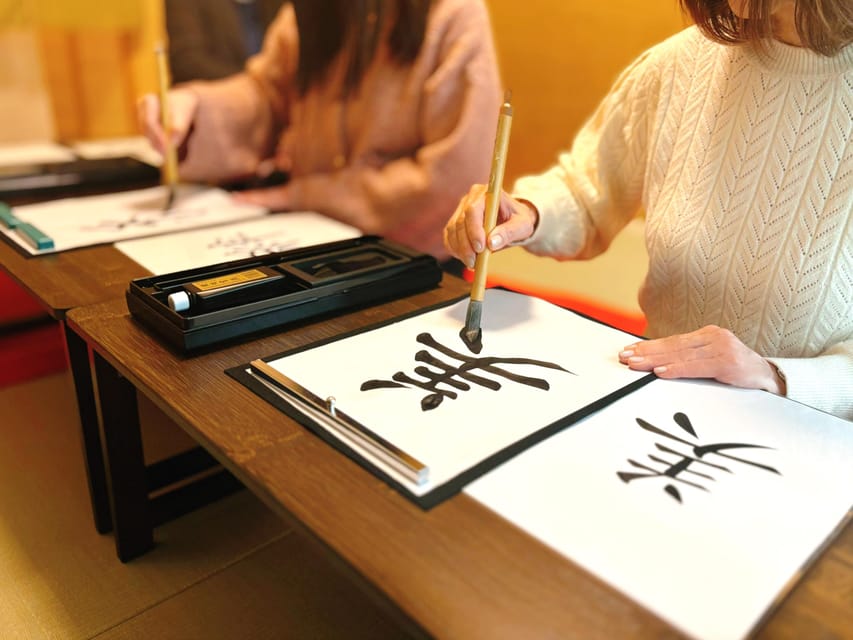
If you’ve only seen calligraphy in photos, you might think it’s all about beautiful writing. In this private setup, it’s also about control, breathing, and rhythm. You slow down for the brush, then speed up just enough to keep the strokes lively and consistent.
I like the way the lesson is structured around a calm atmosphere. It isn’t a rushed demo where you watch and copy one character at the end. Instead, you get guided practice and then you build to a final piece you can take home.
The private format matters more than most people expect. When you’re learning a skill with a new tool (brush, ink, paper), you need time to redo small mistakes. Here, you can ask for adjustments, like proceeding slowly for a child or taking extra photos while you work.
Getting There: New Osaka Hotel Shinsaibashi Meeting Point
This is one of those activities that’s easy to reach, even if your Osaka day is already packed. Your meeting point is at the entrance of New Osaka Hotel Shinsaibashi. Walk west for about 30 seconds, and look for a blue vending machine near the entrance.
Plan to arrive about 5 minutes before your scheduled time. The guide waits outside the building at the main entrance and you’ll spot them because they are wearing kimonos. From Shinsaibashi-suji shopping street, the studio location in Namba is convenient, so you can fit this between shopping, dinner, and an evening stroll.
The 90-Minute Flow, From Strokes to Your Name Kanji
A good calligraphy class is all about the pacing. You start with setup and instruction, then you practice basics long enough to understand what makes a stroke look right. In this session, the lesson is timed so you learn, practice, and finish without feeling like you’re rushing to the final product.
Here’s the typical flow:
- Choose your theme for the day
You pick a theme and you can share favorite letters and words you want to incorporate. The instructor can suggest the best kanji to express what you want to say through the character choices.
- Learn basic calligraphy practices
You get a clear lecture on fundamentals, the mechanics that make brush strokes work. This is where you learn how to shape strokes and manage pressure and direction.
- Pick your colored paper
You choose a piece of colored paper from various types. Selecting the paper is a small step, but it changes how personal the final piece feels.
- Write your name in Japanese characters
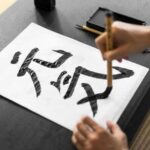
This is the main result. You create your final artwork with your name in Japanese characters, guided so you don’t just guess.
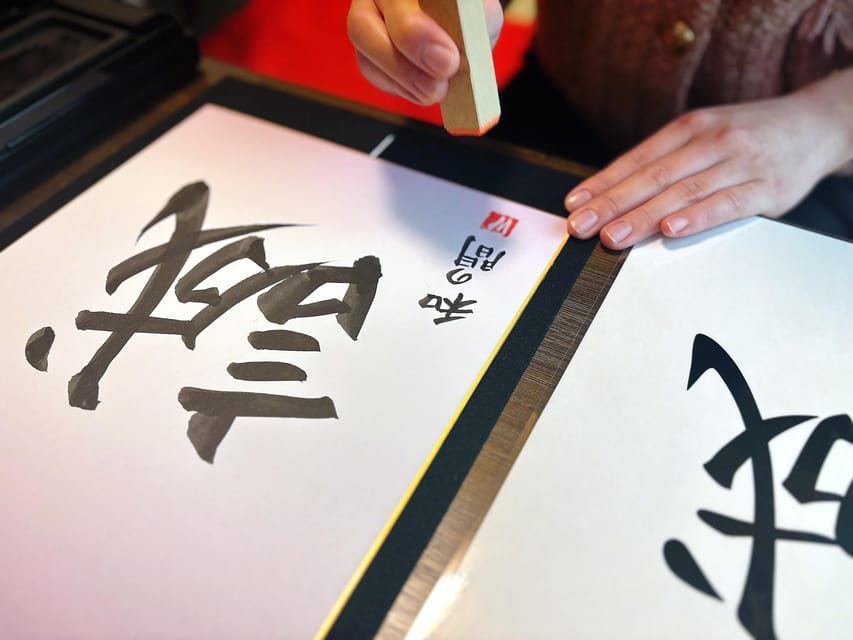
- Stamp your initials and you’re done
You stamp your initials as a finishing touch. That last step is what makes the work feel official and gives it that handmade, one-of-a-kind character.
The 90 minutes is long enough to actually learn. Shorter workshops can leave you with a souvenir you barely understand. Here, you get enough guided practice that you’ll recognize why the brush stroke looks the way it does.
- Osaka Go Karting Tour with Funny Costume★ 5.0 · 2,658 reviews
- Osaka Castle: Museum and Tower Entry Ticket★ 4.5 · 2,380 reviews
- Osaka: Shinsekai Food Tour with 13-15 Dishes at 5 Eateries★ 4.8 · 2,204 reviews
- Osaka Food Tour: 13 Dishes at 5 Local Eateries★ 5.0 · 2,149 reviews
- Hungry Osaka Street Food Tour:15 Tastings & 3 Drinks with a Local★ 5.0 · 1,727 reviews
Choosing Your Theme and Personality-Based Kanji
One of the highlights is the way the class connects your writing to you. You’re not stuck writing the same generic phrase as everyone else. Instead, you start by selecting a theme and telling the instructor what letters and words you like.
Then you get help picking kanji that match your intent and even your personality. The idea isn’t mystical. It’s practical: different kanji carry different meanings, and different character choices communicate different vibes. Your instructor helps you translate what you want to express into something that makes sense in Japanese calligraphy.
This approach is especially good if you’re doing calligraphy as more than a one-time craft. If you’ve ever felt like souvenirs are too random, this fixes that. You leave with artwork that reflects what you cared about in the lesson.
Tools, Paper, and the Small Details That Make It Easier
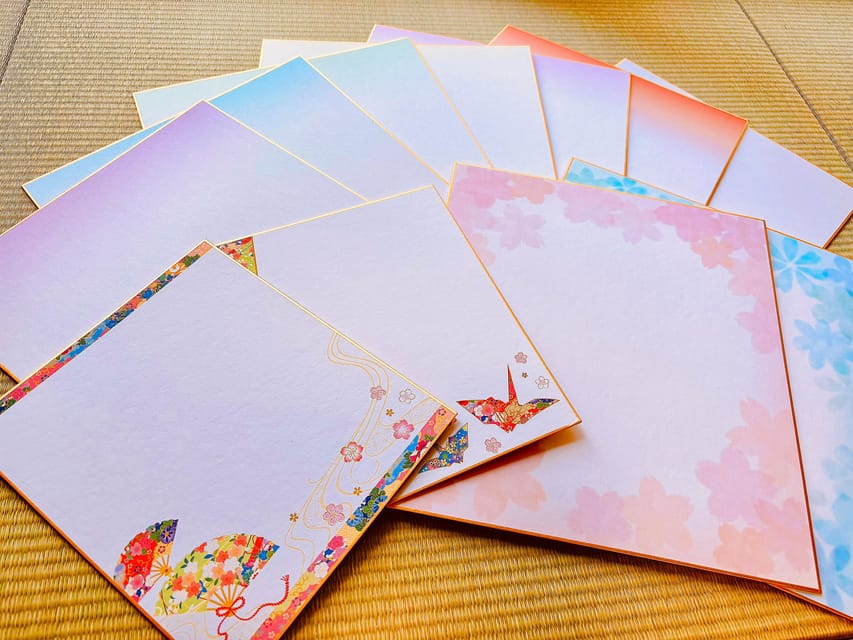
You might wonder what you’re expected to bring. The answer is simple: socks. That’s it. You’ll be in an environment where your feet need to be covered properly, so plan to wear clean socks and avoid footwear hassles.
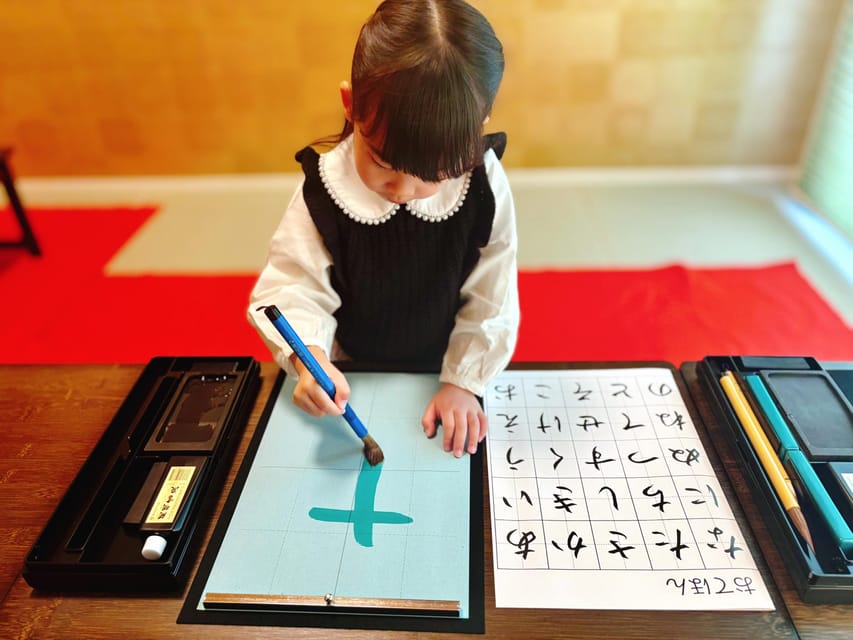
Water calligraphy is offered for young children. If you’re bringing kids, this is worth asking about when you book. The water version is designed to prevent hands and clothes from getting dirty, which turns the experience from stressful into manageable.
Also, you can take photos anytime during the private session. That’s a real quality-of-life detail. When you can pause and capture moments as you write, you’re more likely to remember what you learned, not just what the final page looks like.
Instructor Style: Patient Feedback and Photo Help
The instructor experience is a major reason people rate this so highly. Names that come up include Wa No Ma and Womema, and the common theme is patience plus clear instruction.
What you want from a calligraphy teacher is two things:
- They correct your strokes without making you feel clumsy.
- They explain the why behind the technique, so you can improve instead of just copying.
In the feedback, people specifically note hands-on guidance when they struggle and answers to questions about calligraphy and Japanese culture. That combination matters because calligraphy is both visual and technical. If you only get the visual model, it’s hard. If you get technique plus cultural context, it sticks.
One extra bonus is the photo support. Multiple people mention the instructor taking lots of photos while they create their final kanji. That means you can focus on holding the brush correctly rather than juggling your phone.
What You Take Home (and How to Make It Feel Like Yours)
You leave with a finished calligraphy work on colored paper, written with your name in Japanese characters and stamped with your initials. It’s a real keepsake, not a postcard. Because the instructor guides your strokes, your piece looks intentional even if you’re a beginner.
Here’s why that matters back home. The first time you hang the artwork, it’s not just decoration. It’s evidence that you learned a cultural skill for a short window of time in Osaka. You can also frame it or set it somewhere visible, and it becomes a conversation starter.
If you’re traveling with family, this is also a smart pick. Reviews mention satisfaction for couples and for kids around ages 7 and 10, mainly because everyone ends with something physical and personal.
Price Value: Is $51 Worth It for a Private Lesson?
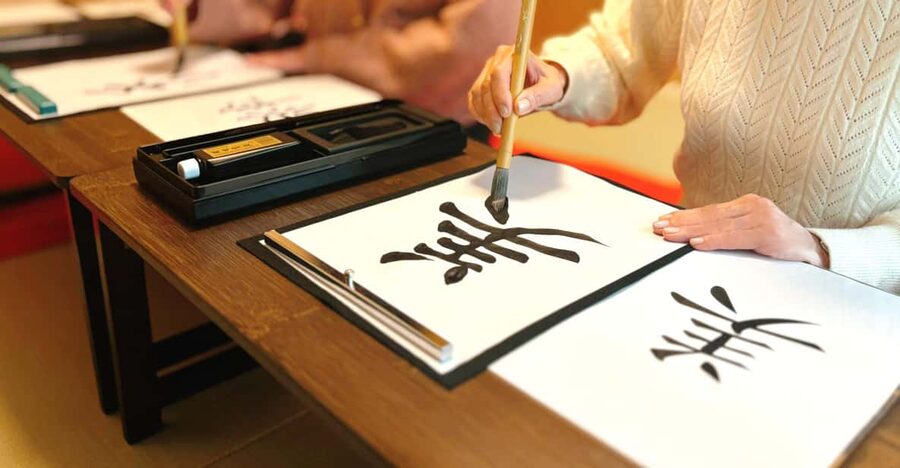
Let’s talk money honestly. The listed price is $51 per person for 90 minutes. On paper, that might sound like a small price for a handmade craft. In practice, you’re paying for:
- A private, guided session
- An instructor who speaks English and Japanese
- Materials including colored paper for the artwork
- A finished product you take home
The private part is the value multiplier. In group classes, you often get one-way instruction and limited feedback. Here, you’re closely attended, which is what helps you get a better result with less frustration. If you’re the type who learns better with direct coaching, this format saves time and improves the outcome.
Also, you’re getting a cultural layer, not just a craft. People note short introductions to different writing systems and talk about the meaning behind strokes. That context makes the final piece feel more grounded.
One note: tea ceremony is not included. If you want both, you’d reserve the separate Osaka plan for tea ceremony and calligraphy.
Who This Osaka Calligraphy Experience Suits Best
This is a strong choice if you want a calm cultural activity with a clear endpoint. You’ll likely enjoy it most if you:
- Want something creative that still feels guided and structured
- Like experiences where you take home a personalized keepsake
- Prefer a private setting where you can ask questions
It’s also a good match for mixed skill groups. Calligraphy can be tricky, so beginners get real support. Reviews also suggest it works well for families, as long as you plan around the child-focused water calligraphy option.
If you’re very sensitive to sitting for 90 minutes, or you need step-free access for mobility, this might not be the right fit. Wheelchair users are not suited for this studio setup based on the provided info.
Quick Practical Tips Before You Go
You’ll have the best experience if you do a little mental prep. Calligraphy is one of those activities where the first attempt is about learning, not impressing.
A few practical tips:
- Wear clean socks and dress comfortably. You’ll be focused on hand movement and posture.
- Expect that your strokes might look uneven at first. That’s normal with brushwork.
- Bring curiosity, not perfectionism. Your instructor can suggest kanji and guide each step toward a result that looks balanced.
- If you’re traveling with kids, ask whether water calligraphy will be used for them. It helps keep the session tidy.
- If photos matter to you, say so. The private format allows you to take pictures anytime, and instructors can help document your final artwork.
And yes, it can feel a bit like quiet meditation. The physical act of writing slows your mind down, and the class structure helps you stay present.
Should You Book This Osaka Japanese Calligraphy Session?
Yes, you should book it if you want a personalized Osaka souvenir that comes with actual learning. At $51 per person for a private 90-minute session, the value is strongest when you care about finishing with quality guidance and taking home artwork that reflects your theme, your name, and your chosen expression.
It’s also a good pick if you’re overwhelmed by the number of things to do in Osaka. This is focused. You arrive, you write, you learn, you leave with something real.
If you’re deciding last minute, the booking options help too. You can cancel up to 24 hours in advance for a full refund, and there is a reserve now, pay later option to keep your schedule flexible.
If you want a tea ceremony, keep it separate, since tea ceremony is not included in this calligraphy plan.
FAQ
How long is the private Japanese calligraphy experience in Osaka?
The experience lasts 90 minutes.
Where do I meet for the calligraphy lesson near Shinsaibashi?
Meet at the entrance of New Osaka Hotel Shinsaibashi, then walk west about 30 seconds. There is a blue vending machine near the entrance. The guide waits outside the main entrance wearing kimonos about 5 minutes before your booking time.
What should I bring to the class?
You should bring socks.
Can kids join, and is there a child-friendly option?
Water calligraphy is available for young children. It helps prevent hands and clothes from getting dirty.
Can I take photos during the experience?
Yes. You can take photos anytime during the private experience.
Is tea ceremony included, and is the studio wheelchair accessible?
Tea ceremony is not included in this plan. If you want tea ceremony as well, you need to reserve the separate Osaka tea ceremony and calligraphy experience plan. The experience is not suitable for wheelchair users.
Made by Hand, and Yours to Keep
Newest Osaka write-ups from the Loving Japan desk
Japanese Craft and Calligraphy Workshops, side by side.
 ★ 5.0Tokyo Shinjuku Chopsticks Making ClassFrom $201,763 reviews
 ★ 4.8Chopstick Making Workshop in GinzaFrom $251,366 reviews
 ★ 5.0Chopsticks Making Workshop in Gion with Engraving OptionFrom $15958 reviews
 ★ 4.8Tokyo Sumo Experience: Chanko & Mochi with a Former ProFrom $103567 reviews
 ★ 5.0Kintsugi Experience: Art of Golden Joinery in TokyoFrom $59467 reviews
 ★ 5.0Tokyo Chopstick Making Workshop with ArtisanFrom $26466 reviews
 ★ 4.9Matcha Making Experience with Mochi Sweets in AsakusaFrom $22388 reviews
 ★ 4.8Authentic knife making experience at a blacksmith in KyotoFrom $154350 reviews
Filed on these lists too