
REVIEW · JAPANESE CRAFT AND CALLIGRAPHY WORKSHOPS
Osaka: Traditional Mochi Pounding Experience with Tasting
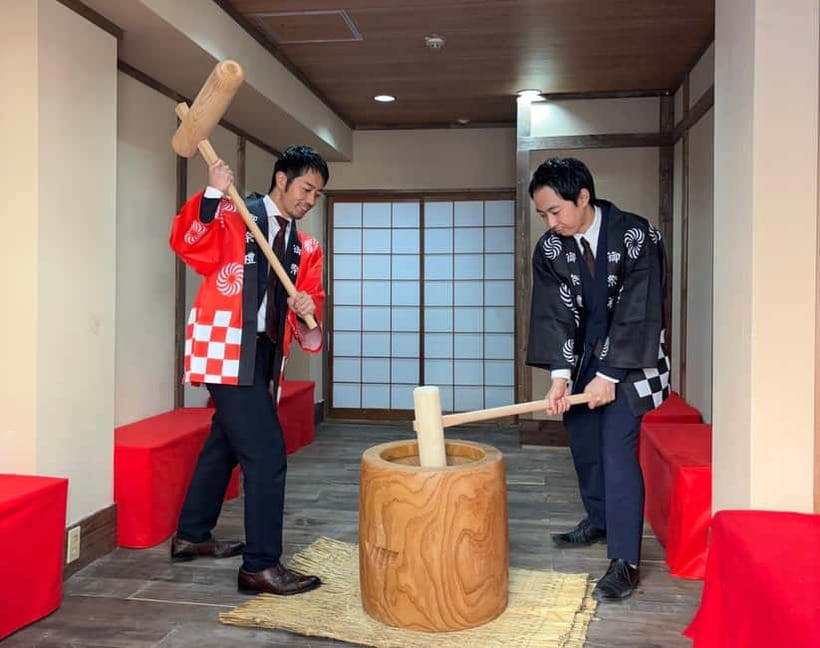
You get to turn steamed rice into real mochi using traditional tools, not just watch it happen. I love that the class is hands-on and tightly run in a small group (up to 4), so you actually get time at the mortar and pestle.
I also like the tasting part, because you’re not stuck with one flavor. You finish with freshly made mochi paired with classic toppings like kinako, sweet red bean paste, nori, and sweet soy sauce, plus a cup of tea.
One thing to think about: pounding mochi takes real arm and wrist stamina. If you’ve got weak wrists or you’d rather not work up a little sweat, plan for that.
In This Review
- Key things before you pound
- Mochi Pounding in Osaka, what you actually do in 1 hour
- The short intro that makes toppings and technique make sense
- From steamed rice to mochi, step by step
- Step 1: Steamed glutinous rice
- Step 2: Pounding with traditional tools
- Step 3: Forming and serving
- Tasting your mochi with kinako, nori, and sweet soy sauce
- Small-group energy, and guides who keep it moving
- Price and value: about $31 for a hands-on food skill
- Location tips near Osaka’s riverfront, so you don’t lose time
- Who this mochi workshop suits best
- Should you book it?
- FAQ
- How long is the mochi pounding experience?
- How much does it cost?
- What is the group size?
- What languages do the instructors speak?
- What are the different flavor options you can taste?
- Is transportation included?
- Is it available year-round?
- Can I cancel, and what is the policy?
Key things before you pound
- Up to 4 people means you get hands-on help instead of standing on the sidelines.
- A short cultural intro sets the context before you start pressing and pounding.
- Traditional mortar and pestle is the main event, and you’ll use it yourself.
- Toppings are built for variety, from nutty kinako to savory nori to sweet soy sauce.
- English and Chinese instruction helps you follow the steps and ask questions.
- Two age options fit solo adults (13 and up) and families of all ages.
Make something to take home. Other workshops
- Osaka: Traditional Mochi Pounding Experience with Tasting
★ 4.9 · 306 reviews - 1.5〜2 Hours Traditional Kintsugi Work Shop in Namba Osaka
★ 5.0 · 75 reviews - 【For adult】Traditional Mochi Pounding Experience with Tasting
★ 5.0 · 67 reviews - Osaka: Private Japanese Calligraphy Experience
★ 5.0 · 66 reviews
Mochi Pounding in Osaka, what you actually do in 1 hour
This experience is built around one simple idea: you make mochi the traditional way, then you eat it while it is fresh. The whole class runs about 1 hour, which is a sweet spot in Osaka. You get a full activity without eating up half a day.
You start with a brief explanation, then you move into the physical work. The process centers on glutinous rice that’s steamed, then pounded until it transforms into mochi dough you can shape. Finally, you coat or top your pieces and taste. It’s part kitchen craft, part teamwork, part dessert.
For me, the “why this works” is the pace. Ten minutes of context, then you jump into action. You’re not trapped listening, and you don’t leave feeling like you only watched.
The short intro that makes toppings and technique make sense
Before the pounding, you get a 10-minute introduction to the cultural significance of mochi pounding. That brief start matters, because it explains why mochi is made this way in the first place, and why the pounding process is treated like more than just cooking.
This is also where the guides set expectations for how the session will flow. Since the class is small, you can usually tell when your guide is adjusting instructions for the group. A lot of people end up laughing because sticky rice has its own personality.
If you’re traveling with kids, this short intro is a plus. It’s short enough to hold attention, but it gives you enough background to turn the activity into a real lesson instead of a sugar snack.
From steamed rice to mochi, step by step
Here’s the practical rhythm of the workshop.
- Osaka Go Karting Tour with Funny Costume★ 5.0 · 2,658 reviews
- Osaka Castle: Museum and Tower Entry Ticket★ 4.5 · 2,380 reviews
- Osaka: Shinsekai Food Tour with 13-15 Dishes at 5 Eateries★ 4.8 · 2,204 reviews
- Osaka Food Tour: 13 Dishes at 5 Local Eateries★ 5.0 · 2,149 reviews
- Hungry Osaka Street Food Tour:15 Tastings & 3 Drinks with a Local★ 5.0 · 1,727 reviews
Step 1: Steamed glutinous rice
You begin with glutinous rice that’s already steamed. You’re not waiting for a long cooking cycle. Your time goes to shaping and pounding, which keeps the class moving.
Step 2: Pounding with traditional tools
Next comes the part most people come for, using traditional mortar and pestle to pound the mochi. This is where you feel the classic texture change, from grainy to stretchy and smooth. Expect to work, because mochi dough is sticky and needs pressure and technique.
If you’re doing it for the first time, don’t fight the stickiness. Let the guide help you get your hands positioned and your rhythm under control. Several people mention it is interactive, and that everyone gets chances to participate, not just take photos.
Step 3: Forming and serving
Once the mochi is ready, you shape it and then get ready for the tasting. This is also a good moment for photos, because the staff tend to help with timing so you get a snapshot before you start eating.
One useful mental trick: treat the session like a group craft, not a precision exam. You’re aiming for fun, fresh mochi, and a solid sense of how it comes together.
Tasting your mochi with kinako, nori, and sweet soy sauce
The finishing tasting is more than a snack break. It’s how the whole activity clicks into place. You made the dough, now you get to experience how Japanese mochi is flavored and eaten.
You’ll taste with several classic options, including:
- Kinako (a nutty soybean powder)
- Sweet red bean paste
- Nori
- Sweet soy sauce
What I like about this lineup is the balance. Some toppings are sweet, some are savory, and some bring a roasted, grain-like comfort. That variety makes it easier for different palates to enjoy the same fresh mochi base.
You also get tea with the tasting. It’s the right pairing for sweet and sticky food, and it helps you slow down long enough to actually notice the texture changes as the mochi cools.
And yes, people often leave feeling full. It can replace dessert, and for some, it becomes a light meal. So plan your evening food accordingly.
Small-group energy, and guides who keep it moving
This is a small-group class limited to 4 participants, and you can feel it. With a larger crowd, these workshops become a line. Here, the guides can correct hands-on technique and keep you involved.
Instruction is led by experienced guides, and the languages listed are English and Chinese. That matters if you want to follow what’s happening instead of guessing. When you can ask a quick question, you tend to enjoy the experience more.
In the class atmosphere, names show up in the best way. Guides you may hear include Seina, Taka, and Misaki. Other guide names mentioned in the same spirit include Moe, Grace, Pari, and Aiko. The common thread is friendly, active guidance and lots of encouragement, especially for first-timers and families.
If you’re solo, this kind of format is also a win. You’re not stuck trying to figure out what everyone else is doing. The staff can help you get your turn at the tools and help with photos so you don’t end up with only blurry group shots.
Price and value: about $31 for a hands-on food skill
At around $31 per person for roughly 1 hour, this isn’t just a dessert ticket. You’re paying for ingredients, tools, instruction, and a guided tasting.
The value calculation is simple:
- You get a structured activity (intro, making, shaping, tasting).
- You get materials included, so you’re not paying extra for the basic “how.”
- You get a small-group experience, which usually costs more than big-group classes because the guide attention is higher.
- You leave with fresh mochi and multiple flavor pairings.
If your goal is a quick stop for a sweet snack, there are cheaper ways to eat mochi in Osaka. But if your goal is a fun, memorable food skill and a full flavor tasting, this price feels fair for what you actually do.
Location tips near Osaka’s riverfront, so you don’t lose time
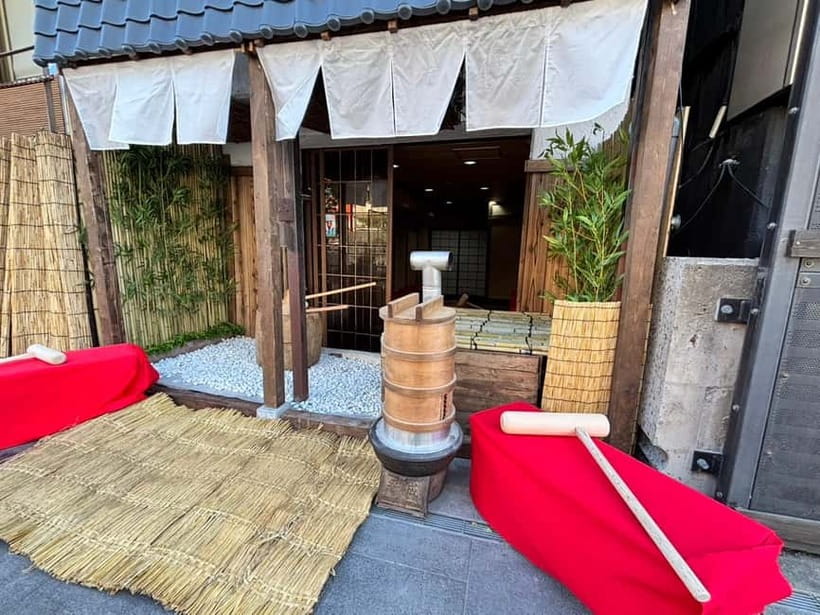
Meeting point can vary depending on the option you book, so don’t assume the first street you see is the entrance. What you can plan for is the general arrival style: people note that the entrance is along the riverfront canal side, not from the main Dotonbori street.
Practical tip: if you’re walking around Dotonbori and it feels like you’re searching in the wrong place, head closer to the water. Some people even mention spotting a handwritten sign near a hotel entrance in a nearby side street.
The good news is that the workshop tends to be easy to reach once you’re oriented. The better news is that you’re not going to spend long scouting once you know the “riverfront entrance” clue.
Also remember: transportation to and from the activity is not included, so treat it like a standalone add-on. Build it into your day with a little walking buffer.
Who this mochi workshop suits best
This experience fits a wide range of travelers because it’s active, social, and flexible.
- Families with kids of different ages often do well because the process is visual and everyone can participate at their own pace. Some groups mention the guides adapting the session for mixed-age families.
- Teens and adults (13 and up) enjoy it as a traditional food craft. It’s hands-on enough to feel real, but not so long that it becomes tiring.
- Solo travelers like the small size because you get attention and you can still enjoy the shared energy.
If you’re the kind of person who enjoys food details, this class rewards you. You come away with a better sense of why mochi is special beyond just taste. If you hate hands-on mess, be aware that this is sticky work. Still, the space is kept clean, and the guides help you handle the dough.
Should you book it?
Book this mochi pounding experience if you want a hands-on Osaka food activity with a short cultural intro, multiple classic toppings, and a group size that keeps you involved. The best reasons to go are the freshness of the mochi, the chance to participate with traditional tools, and the fact that it works for both adults and families.
Skip it or adjust expectations if pounding sticky dough sounds like your least favorite workout, or if you want something purely observational. Otherwise, it’s one of those experiences that turns into a funny story and a full belly in the same hour.
FAQ
How long is the mochi pounding experience?
The experience lasts about 1 hour, including the introduction, the making process, and the tasting.
How much does it cost?
The price is $31 per person.
What is the group size?
It is a small group limited to 4 participants.
What languages do the instructors speak?
The instructors speak English and Chinese.
What are the different flavor options you can taste?
You taste mochi with classic Japanese seasonings such as kinako, sweet red bean paste, nori, and sweet soy sauce, served with tea.
Is transportation included?
No, transportation to and from the activity location is not included.
Is it available year-round?
Yes, the experience is available year-round.
Can I cancel, and what is the policy?
You can cancel up to 24 hours in advance for a full refund. You can also reserve now and pay later.
Made by Hand, and Yours to Keep



Newest Osaka write-ups from the Loving Japan desk




Japanese Craft and Calligraphy Workshops, side by side.
 ★ 5.0Tokyo Shinjuku Chopsticks Making ClassFrom $201,763 reviews
 ★ 4.8Chopstick Making Workshop in GinzaFrom $251,366 reviews
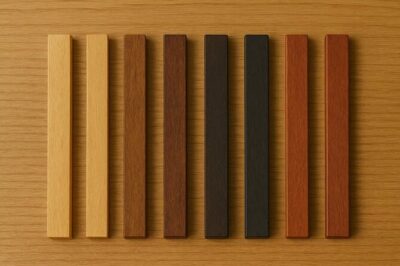 ★ 5.0Chopsticks Making Workshop in Gion with Engraving OptionFrom $15958 reviews
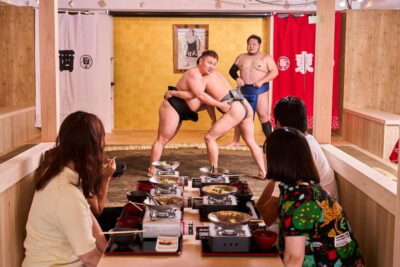 ★ 4.8Tokyo Sumo Experience: Chanko & Mochi with a Former ProFrom $103567 reviews
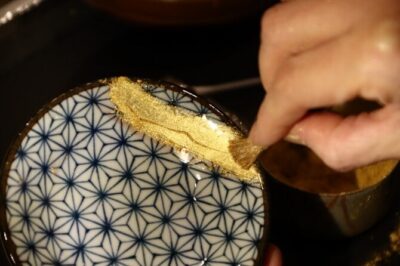 ★ 5.0Kintsugi Experience: Art of Golden Joinery in TokyoFrom $59467 reviews
 ★ 5.0Tokyo Chopstick Making Workshop with ArtisanFrom $26466 reviews
 ★ 4.9Matcha Making Experience with Mochi Sweets in AsakusaFrom $22388 reviews
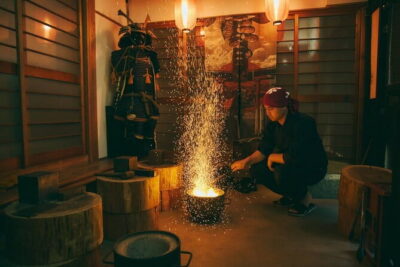 ★ 4.8Authentic knife making experience at a blacksmith in KyotoFrom $154350 reviews
Filed on these lists too