
REVIEW · JAPANESE CRAFT AND CALLIGRAPHY WORKSHOPS
【For adult】Traditional Mochi Pounding Experience with Tasting
Pounding rice turns into edible magic. This traditional mochi pounding experience in Dotonbori teaches you why mochi matters in Japanese culture, then gets your hands involved with steamed glutinous rice and classic pounding tools. You finish with a warm, sit-down tasting so you can actually compare the textures and flavors you made.
What I liked most is the hands-on rhythm, and the fact you taste what you produced right away. I also really enjoyed the topping line-up, especially kinako and sweet red bean paste, because the different seasonings show how flexible mochi can be. My one caution is that mochi is chewy, so take it slowly, and if you are older or have any swallowing concerns, stick to small portions.
In This Review
- Key Things to Know Before You Go
- Finding Oh Mochi in Dotonbori, Osaka
- The 10-Minute Mochi Lesson That Actually Means Something
- Steaming the Rice, Learning the Texture Rules
- Pounding Mochi with Traditional Tools, and Why It’s Surprisingly Fun
- Shaping and Plating, Then Tea With Your Fresh Mochi
- The Topping Set: Kinako, Sweet Red Bean Paste, and Five Ways to Taste
- Small-Group Dynamics: Faster Turn-Taking, Less Waiting
- How Long It Takes, and When to Schedule It
- Price Value: $32.37 for a One-Hour Food Workshop
- Practical Tips Before You Go
- Weather and How to Think About Cancellations
- Should You Book This Mochi Pounding Class?
- FAQ
- Where is the meeting point for the mochi pounding experience?
- How long does the experience take?
- How much does it cost?
- What do you do during the class?
- Is there a morning or afternoon option?
- What languages are available?
- Is it suitable for vegetarians or vegans?
- Is there a group size limit?
- Is it okay for elderly people or kids?
- What happens if the weather is bad?
Key Things to Know Before You Go
- Small group of up to 10 means more time at the tools and less waiting around
- Hands-on pounding with traditional tools turns a food lesson into a real activity
- Freshly made mochi + tea keeps the experience practical, not just something you watch
- Five Japanese seasonings and ingredients lets you taste multiple styles, not one bland bite
- English and Chinese support is built in, using slides or interpretation
- Morning or afternoon sessions helps you fit mochi into a busy Osaka day
Make something to take home. Other workshops
- Osaka: Traditional Mochi Pounding Experience with Tasting
★ 4.9 · 306 reviews - 1.5〜2 Hours Traditional Kintsugi Work Shop in Namba Osaka
★ 5.0 · 75 reviews - 【For adult】Traditional Mochi Pounding Experience with Tasting
★ 5.0 · 67 reviews - Osaka: Private Japanese Calligraphy Experience
★ 5.0 · 66 reviews
Finding Oh Mochi in Dotonbori, Osaka
You meet at Mochi Pounding Experience Osaka, Oh Mochi, at 2-chōme-4-11 Dōtonbori, Chuo Ward, Osaka. It is in the heart of Osaka’s most tourist-friendly area, so you are not trekking across town for a one-hour workshop.
This is a mobile ticket experience, so have your confirmation ready on your phone. It also runs near public transportation, which matters because you will be hungry at the end and you will want an easy route back into your day.
The 10-Minute Mochi Lesson That Actually Means Something
Right after you start, you get a short talk, about 10 minutes, on the history and cultural significance of mochi pounding. It is not a long lecture, so you do not lose momentum before you get to the fun part.
What makes this time useful is the framing. Mochi pounding is not just a cooking gimmick in Japan, it is tied to festivals and to the idea of turning simple ingredients into something shared. Even if you already know mochi basics, you will walk away with a clearer reason this activity still gets practiced.
If you are in English, instruction is straightforward. For Chinese, support comes through slides or interpretation, so you are not left behind if you want help following along.
Steaming the Rice, Learning the Texture Rules
The activity moves from talk to hands-on. You join the process of steaming glutinous rice, which is the critical step that creates the right stickiness and chew.
This part is not just background prep. The instructor is teaching you the texture target before the pounding begins, so you understand why the rice behaves the way it does once it hits the mortar and pestle. That also helps if you are worried you will mess it up, because the process is guided.
You will also see how quickly the rice changes. In a short time, you go from separate grains to a cohesive mass, and it becomes obvious why mochi has that signature bite.
- Osaka Go Karting Tour with Funny Costume★ 5.0 · 2,658 reviews
- Osaka Castle: Museum and Tower Entry Ticket★ 4.5 · 2,380 reviews
- Osaka: Shinsekai Food Tour with 13-15 Dishes at 5 Eateries★ 4.8 · 2,204 reviews
- Osaka Food Tour: 13 Dishes at 5 Local Eateries★ 5.0 · 2,149 reviews
- Hungry Osaka Street Food Tour:15 Tastings & 3 Drinks with a Local★ 5.0 · 1,727 reviews
Pounding Mochi with Traditional Tools, and Why It’s Surprisingly Fun
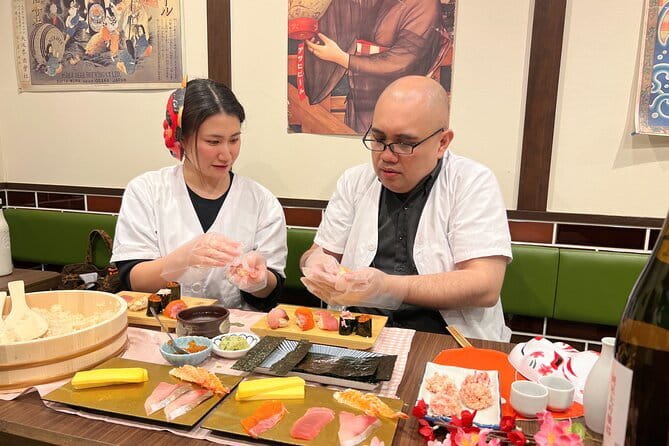
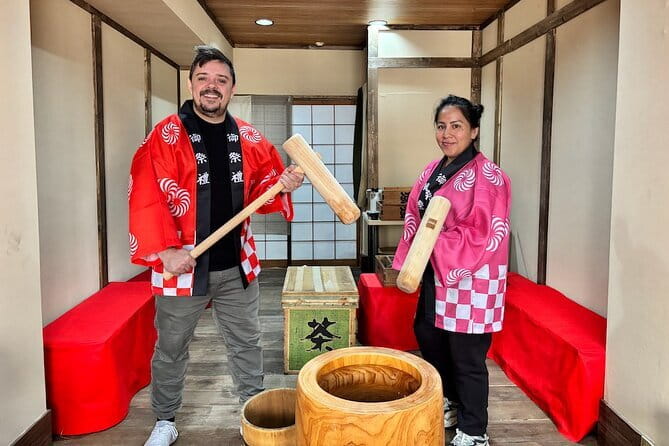
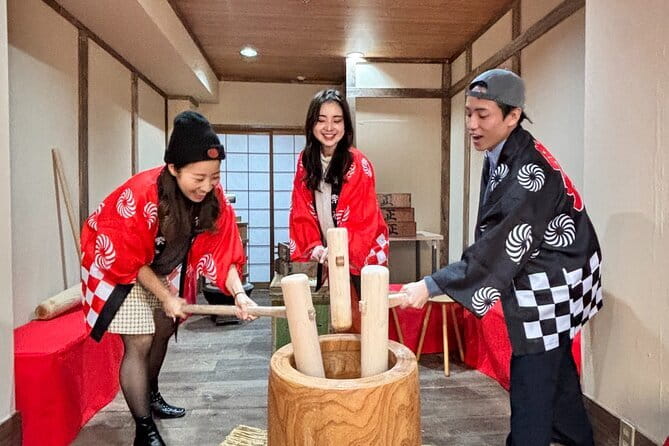
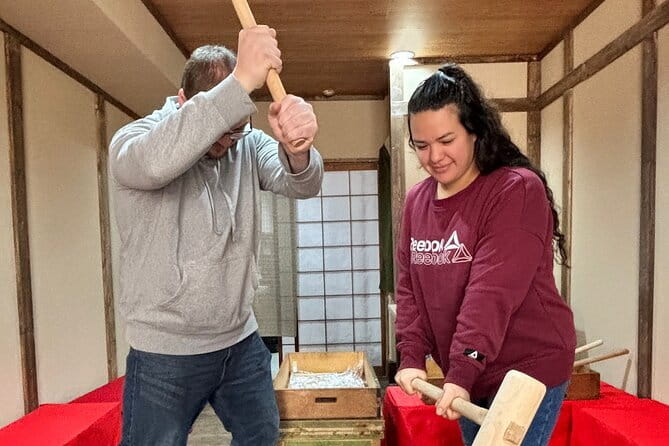
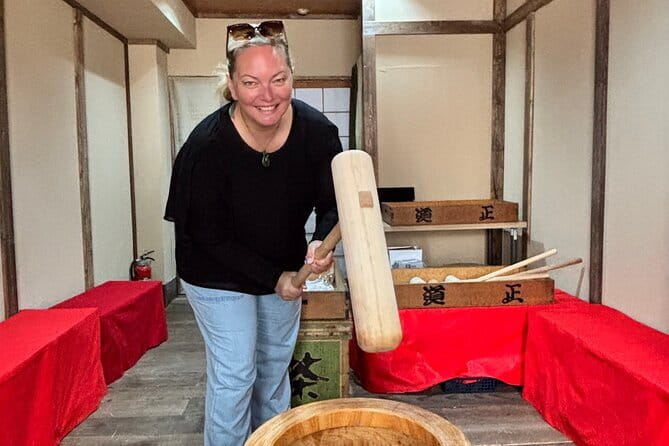
Next comes the centerpiece, pounding. You use traditional tools to pound the steamed rice into mochi, and you take turns as the group works through the steps.
This is where the class earns its 5-star energy. People love it because the work is physical in a good way, you can laugh while you learn, and it feels more real than a hands-off demo. The small-group size, up to 10, helps because you are not stuck watching while someone else does all the pounding.
A practical note if you bring kids or if you are just smaller in height: the experience includes the idea of making the pounding manageable for different participants. In past sessions, staff have helped kids use a smaller mallet, which makes it more inclusive than you might expect for a tool-based activity.
Also, plan for a warm room. Some participants have said it can get hot during the session, especially on humid days. Wear something light and breathable so you can focus on the task, not your comfort.
Shaping and Plating, Then Tea With Your Fresh Mochi
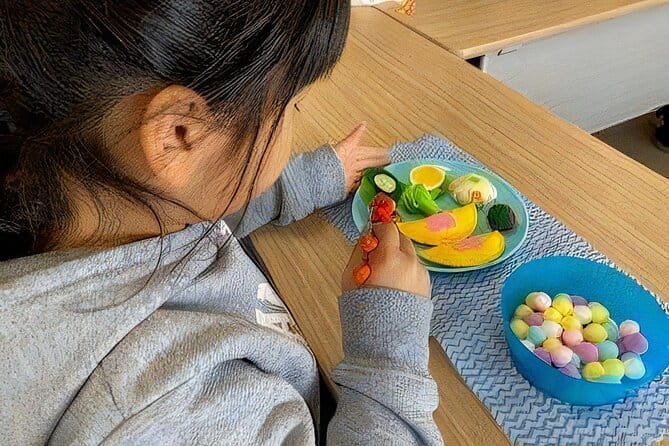
After pounding, the group portioning and shaping comes next. This is when the mochi stops being a single sticky mound and becomes individual servings, portioned for tasting.
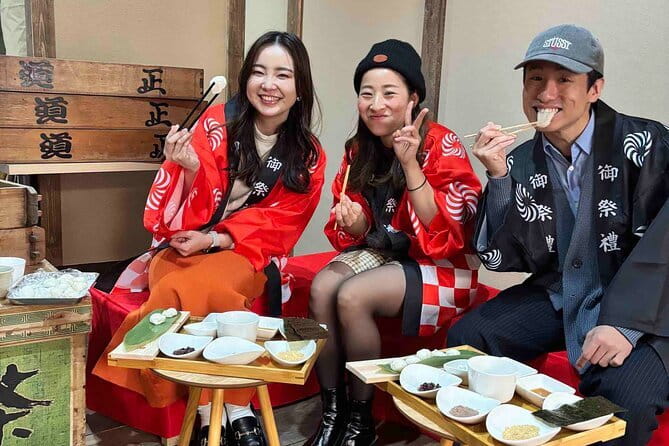
Then you sit down with tea. This matters more than you might think. Tea helps reset your palate after each topping, and it also complements the chewy texture so the flavors come through clearly instead of blending into one sweet note.
You also get the chance to take photos and videos. The staff makes it easier to capture the process, and because you are actively involved, you have more than just a picture of a counter. You can get shots of your hands on the tools, plus the final plating.
The Topping Set: Kinako, Sweet Red Bean Paste, and Five Ways to Taste
This experience is built around tasting freshly pounded mochi with five beloved Japanese seasonings and ingredients, served alongside tea. The description calls out popular choices like kinako and sweet red bean paste, and in practice you are not limited to one flavor profile.
I love this part because it turns mochi from a single dessert idea into a tasting experience. You can compare the nutty, roasted soy flavor of kinako against the deep sweetness of anko. Then the other seasonings help you understand why mochi shows up in so many different forms across Japan.
One reason this works for most diets is that the experience states it can accommodate vegan and vegetarian needs. You will want to mention dietary preferences ahead of time when booking, and you should confirm how the topping set will be adjusted for you.
Small-Group Dynamics: Faster Turn-Taking, Less Waiting
This is a maximum of 10 travelers, and that size is a sweet spot. You get enough people for energy and photos, but not so many that you spend half the hour waiting your turn with the tool.
If you care about learning details, small groups help. In larger group settings, instructions get generic. Here, the instructor can correct your stance and show you what to do next, which keeps you from feeling lost during the pounding rhythm.
You also get a more personalized feel in how the class moves. People have noted that staff encourage participation, including taking pictures and videos during the activity. That means you can enjoy the experience even if you are not super outgoing, because someone is helping you stay included.
How Long It Takes, and When to Schedule It
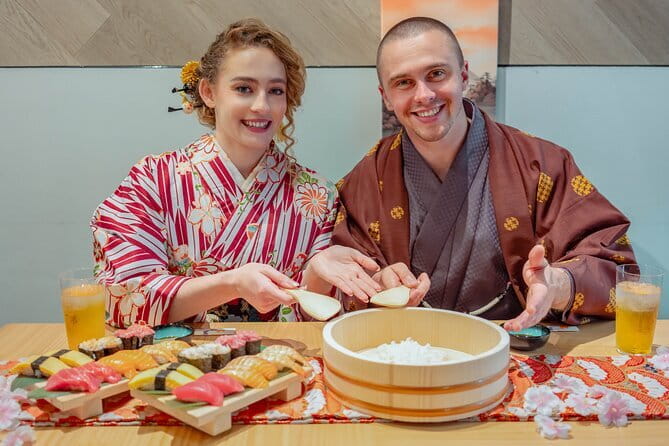
The class runs about 1 hour. That makes it easy to fit between major Osaka plans without turning your day into a spreadsheet.
There are both morning and afternoon sessions, so you can choose what fits your energy. If you like starting with something active, morning works well. If you prefer to explore Dotonbori first and then take a break that involves food, afternoon is a nice option.
Because the class ends back at the meeting point, you can plan your next step nearby. In practice, this is ideal if you want to keep your logistics simple in a busy tourist area.
Price Value: $32.37 for a One-Hour Food Workshop
At $32.37 per person, you are paying for three things: guided instruction, use of traditional tools, and tasting mochi you made fresh. For a one-hour activity, the value is strongest when you consider that this is not just eating mochi, it is learning how it is made and getting to compare flavors afterward.
If you often skip classes because you think it might be too touristy, this one is the opposite. The cost makes sense because you are paying for labor, ingredient prep, and the setup needed to pound rice into mochi in a safe, organized way.
For budget planning, treat it like a dessert plus a workshop. You leave with tea and multiple tastings, so you can often reduce how much extra snack food you need right after.
Practical Tips Before You Go
A few details can make your session smoother.
First, wear light clothing. The room can get warm during pounding, and you will be working your arms and core.
Second, take mochi slowly. The experience notes that elderly people should eat rice cakes in small portions because they may choke, which is a good reminder for anyone who tends to eat fast.
Third, if you have dietary preferences, plan ahead. The tour states it can accommodate vegan and vegetarians, but you should still communicate your needs during booking so the topping set matches your diet.
Finally, consider timing. If you are prone to hunger spirals, eat beforehand or plan a meal after. The class is only an hour, but the tasting can feel filling.
Weather and How to Think About Cancellations
This experience requires good weather. If it is canceled due to poor weather, you are offered another date or a full refund.
That is the practical reality for an Osaka activity that runs outside typical museum conditions. If the forecast looks rough, check again close to your session time so you do not get surprised later.
Should You Book This Mochi Pounding Class?
I think you should book it if you want a hands-on food activity in Osaka that is genuinely interactive. You will pound mochi with traditional tools, learn the cultural meaning behind the tradition, and then taste your work with multiple toppings plus tea.
Skip it only if you strongly dislike physical activities or you have serious swallowing concerns. Otherwise, it is a great fit for couples, solo visitors, and families since kids are welcome and the class supports participation.
If you like experiences where you do not just watch, but actually make the thing, this one earns its place on your Osaka plan. It is short, it is fun, and the flavors at the end are exactly what you came for.
FAQ
Where is the meeting point for the mochi pounding experience?
The meeting point is Mochi Pounding Experience Osaka, Oh Mochi, at 2-chōme-4-11 Dōtonbori, Chuo Ward, Osaka, 542-0071, Japan.
How long does the experience take?
The experience lasts about 1 hour.
How much does it cost?
The price is $32.37 per person.
What do you do during the class?
You get a short talk about the history and cultural significance of mochi pounding, then you join the process of steaming glutinous rice, pound it using traditional tools, and taste freshly pounded mochi with tea and multiple toppings.
Is there a morning or afternoon option?
Yes, you can choose from morning or afternoon sessions to fit your schedule.
What languages are available?
The experience is offered in English and Chinese. Chinese is provided through slides or interpreted by ChatGPT.
Is it suitable for vegetarians or vegans?
Yes, the experience accommodates vegan and vegetarian preferences so you can participate.
Is there a group size limit?
Yes, the experience has a maximum of 10 travelers.
Is it okay for elderly people or kids?
Families with children are welcome. For elderly participants, the experience notes that rice cakes should be eaten in small portions because they may choke.
What happens if the weather is bad?
This experience requires good weather. If it is canceled due to poor weather, you are offered a different date or a full refund.
Made by Hand, and Yours to Keep


Newest Osaka write-ups from the Loving Japan desk




Japanese Craft and Calligraphy Workshops, side by side.
 ★ 5.0Tokyo Shinjuku Chopsticks Making ClassFrom $201,763 reviews
 ★ 4.8Chopstick Making Workshop in GinzaFrom $251,366 reviews
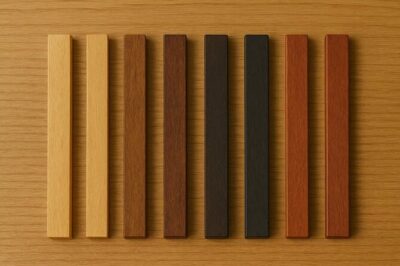 ★ 5.0Chopsticks Making Workshop in Gion with Engraving OptionFrom $15958 reviews
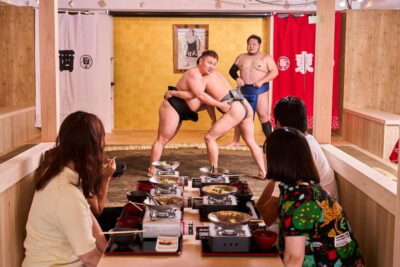 ★ 4.8Tokyo Sumo Experience: Chanko & Mochi with a Former ProFrom $103567 reviews
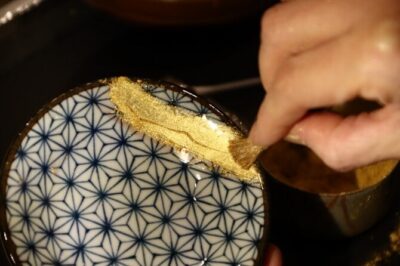 ★ 5.0Kintsugi Experience: Art of Golden Joinery in TokyoFrom $59467 reviews
 ★ 5.0Tokyo Chopstick Making Workshop with ArtisanFrom $26466 reviews
 ★ 4.9Matcha Making Experience with Mochi Sweets in AsakusaFrom $22388 reviews
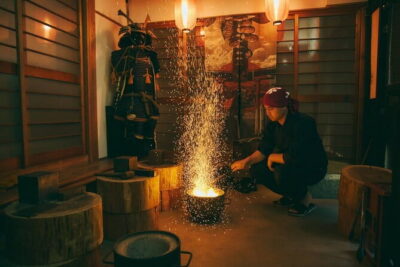 ★ 4.8Authentic knife making experience at a blacksmith in KyotoFrom $154350 reviews
Filed on these lists too