
REVIEW · RAMEN AND NOODLE TOURS
90 min Shared Handmade Udon Experience
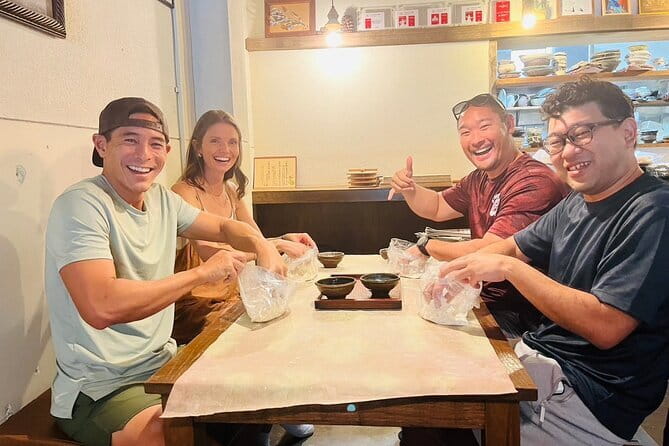
Foot-kneaded udon makes dinner feel handmade. In Osaka, this class shows you Sanuki dough work with your feet and teaches you inside a Michelin-listed restaurant, then you taste what you make and get a home recipe plus instructor photos. The big consideration is it is not recommended if you have a wheat allergy.
Keiko and Nozomi both lead classes in a small, cozy space, and the mood stays warm even when you are new to cooking. I like that the chef cooks your noodles and serves them in a rich, additive-free broth, and you can choose a hot or cold tasting. The room is compact, so you may end up sharing the experience with other participants.
In This Review
- Key highlights before you go
- Why Sanuki udon uses your feet (and what that changes)
- Inside the Michelin-listed udon shop in Osaka
- Your 90 minutes: the full flow from dough to tasting
- The broth you taste: kombu, shiitake, and bonito stock
- Sake or beer is optional, and it is on you
- Recipe and photos: the take-home part that actually helps
- Price of $52.85: where the value really comes from
- Who should book this udon class (and who should think twice)
- Should you book Udonzin Beat’s handmade udon experience?
- FAQ
- How long is the handmade udon experience?
- What’s included in the $52.85 price?
- Are sake or beer included?
- Can children participate?
- Is there a vegetarian option?
- Is this recommended if I have a wheat allergy?
- What is the cancellation policy?
Key highlights before you go
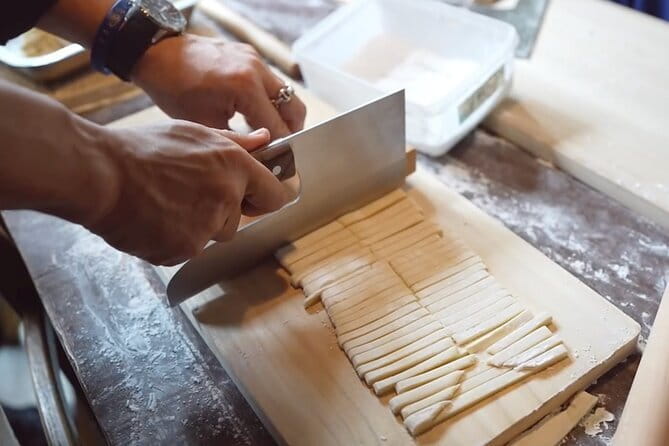
- Foot-kneaded Sanuki udon so the texture lands firm, soft, and smoother than typical store noodles
- Chef-cooked tasting right after class, so you eat the results quickly
- Additive-free broth built from kombu, shiitake mushrooms, and katsuobushi (bonito stock)
- Free photos taken during class, plus a take-home udon recipe
- Michelin guide listing (2018 to 2023) at the restaurant location
- Small group setting (max 20), which keeps the class hands-on but means it can feel busy
A bowl somewhere else in Osaka
- Osaka: Five Must-See Highlights Walking Tour & Ramen Lunch
★ 4.7 · 411 reviews - Osaka: Ramen and Gyoza Cooking Class in Dotonbori
★ 5.0 · 378 reviews - Ramen and Gyoza Cooking Class in Osaka
★ 5.0 · 202 reviews - Cooking Ramen&Gyoza/KatsuCurry/Bento/Okonomiyaki+Store Tour@Osaka
★ 5.0 · 138 reviews
Why Sanuki udon uses your feet (and what that changes)
The core idea here is Sanuki udon, where the dough is kneaded with your feet. That sounds like a stunt until you feel the difference in texture and elasticity. You end up with noodles that are both firm and soft, and not just because they are handmade. It is the kneading method, the pressure, and the time that shape that classic chew.
For you, the practical win is confidence. Even if you have never cooked before, the instructor guides you step by step. You are not stuck waiting for a recipe to work. You are actively learning how dough behaves, how it stretches, and how it comes together.
And yes, there is a little mess. The class is built for that. If you wear clothes you do not mind getting stained, you can focus on the fun part: working the dough and seeing it turn into something you can eat within the same session.
Inside the Michelin-listed udon shop in Osaka
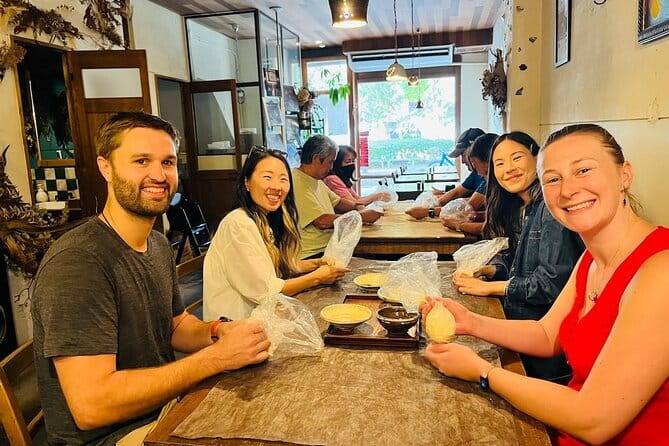
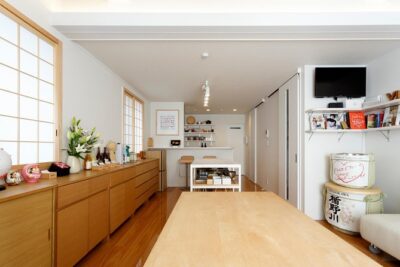
Meeting happens at UDONZIN 美糸, 1-chōme-16-17 Shinmachi, Nishi Ward, Osaka. It is set up for walk-in local rhythm, not a big tourist factory, and that matters.
The restaurant has been featured in the Michelin guide from 2018 to 2023, which tells you the broth and noodle quality are not just a gimmick for classes. This is also a smaller space, so you get a closer, more human feel when Keiko or Nozomi walks you through the process. One review praised the cozy, clean environment and the way the host guided a larger friend group smoothly, which matches the “max 20” size limit.
What to expect in the room:
- You might be grouped with other participants, so come with a friendly mindset
- You should plan to arrive on time, because the restaurant resumes regular service after your class
- You can rely on a guided flow rather than wandering around on your own
If you like quieter, totally private experiences, this setup may feel close. If you enjoy meeting people and watching how others knead dough, the smaller room is a bonus.
Your 90 minutes: the full flow from dough to tasting
This is an approximately 1 hour 30 minutes class, and it moves at a good pace. You are not sitting through a lecture, and you are not stuck with raw ingredients and uncertainty either.
Here is the practical order of what you experience:
- Introduction and guidance
The instructor explains the history and culture behind udon and then shows you what to do. In the same session, you will learn the technique that makes Sanuki udon feel right.
- Hands-on kneading
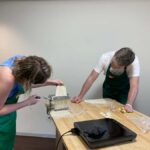
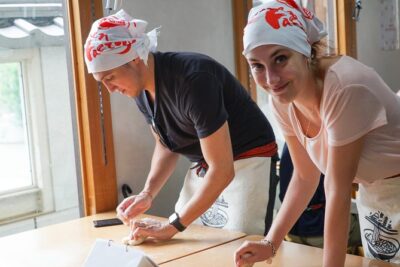
The dough is kneaded with your feet. You will be coached on how to handle the dough safely and effectively, so you are not just doing random stomps. Wear clothes you do not mind getting messy, because this part is tactile and flour can happen.
- Chef cooks the noodles for you
You do the dough work, and the chef takes it from there. This is a helpful balance. You get the learning, and you still get restaurant-quality noodles instead of hoping your timing matches a pro kitchen.
- Tasting right after class
You eat what you made. The tasting is offered hot or cold, so you can match your mood and weather. The format is designed so the meal feels like a reward, not an afterthought.
During the class, the instructor takes and shares photos. That is a nice touch because kneading dough with your feet is not something you can easily photograph yourself, and the class experience is more memorable when you can look back later.
If you want extra food beyond what is included, you can order side dishes like tempura or extra udon, but those are not included in the class fee. That matters for budgeting, especially if your group tends to snack.
- Osaka Go Karting Tour with Funny Costume★ 5.0 · 2,658 reviews
- Osaka Castle: Museum and Tower Entry Ticket★ 4.5 · 2,380 reviews
- Osaka: Shinsekai Food Tour with 13-15 Dishes at 5 Eateries★ 4.8 · 2,204 reviews
- Osaka Food Tour: 13 Dishes at 5 Local Eateries★ 5.0 · 2,149 reviews
- Hungry Osaka Street Food Tour:15 Tastings & 3 Drinks with a Local★ 5.0 · 1,727 reviews
The broth you taste: kombu, shiitake, and bonito stock
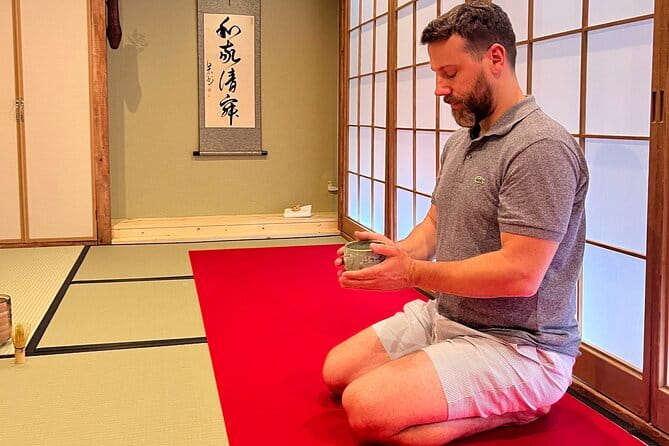
The chef serves your noodles with a special broth made from all-natural, additive-free ingredients. The key ingredients are kombu, shiitake mushrooms, and katsuobushi, which is bonito stock.
You can think of the broth as the backbone of why udon tastes so comforting. Kombu brings deep sea flavor. Shiitake mushrooms add a savory, earthy roundness. Katsuobushi contributes complexity and a smoky edge.
Because this tasting happens right after you make the dough, you get an instant comparison between your handiwork and the restaurant’s finished flavor. You learn something useful, not just eat something good.
You also get the broth served in beautiful bowls. That might sound small, but it affects the moment. Food tastes better when the meal is set up like an event.
Hot or cold tasting choice is also more than preference. It is a reminder that udon can be served in different styles, and you are learning what to expect in Japanese everyday dining, not just in one frozen, standard bowl.
Sake or beer is optional, and it is on you
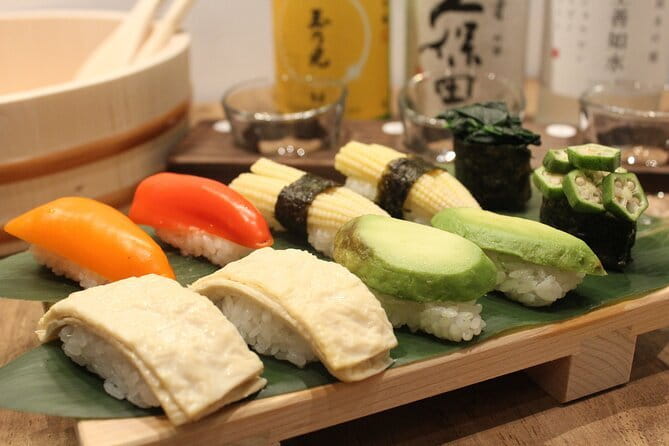
You can make udon while sipping Japanese sake or beer. That sounds like the perfect pairing, and it can make the whole session feel more relaxed.
But the key detail: alcoholic beverages are not included in the fee. If you want a drink, expect to pay separately. Side dishes like tempura or extra udon are also extra.
This setup is still good value for non-drinkers. You are not paying for alcohol you do not want. You are paying for the lesson, the tasting, and the recipe, and you get to choose whether to add beverages or snacks.
Recipe and photos: the take-home part that actually helps

This class does not end when the bowl is empty. You get a recipe for making udon at home. That is what turns the experience from a fun evening into a repeatable skill.
If you have ever tried a cooking class recipe and found it too vague, this is a point to appreciate. Here, the recipe is meant to mirror what you learn in the lesson, and you also get the instructor photos as a memory aid. Seeing your own progress helps you remember how the dough looked when it was ready.
One more small thing that matters: the chef cooks your noodles. That means you taste what the technique should produce. At home, your goal is not to copy the restaurant exactly on day one, but you now know what to aim for in texture and finish.
Price of $52.85: where the value really comes from
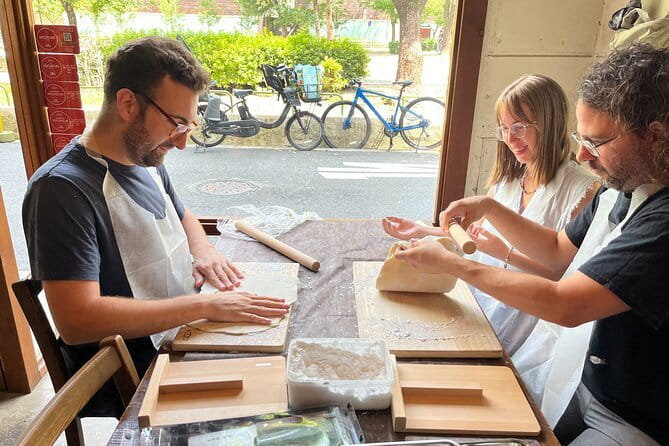
At $52.85 per person, this is not the cheapest cooking activity in Osaka. It is also not trying to be.
The value comes from the package:
- Handmade udon lesson with instructor guidance
- Udon tasting (hot or cold)
- Recipe for making udon at home
- Free photos taken during class
- Local taxes included
You also get the ingredient philosophy for the broth. It is additive-free and built from kombu, shiitake, and katsuobushi. That ingredient detail is usually where “cheap noodles” separate from “this tastes like I went somewhere.”
What costs extra:
- Alcoholic beverages
- Side dishes like tempura or extra udon
So if you plan to add several extras, the true evening cost rises. If you keep it to the included udon tasting, the class feels more like a focused lesson plus a full meal.
This price is also helped by the small group cap (max 20). A class this small can be more attentive, and the kneading method is hands-on by design.
Who should book this udon class (and who should think twice)
This is a strong match if:
- You want a hands-on Osaka activity that is not just sightseeing
- You like cooking skills you can repeat, not just a one-time meal
- You are traveling with kids or multi-generational family members
- You want something local, centered on a craft, and tied to Japanese food culture
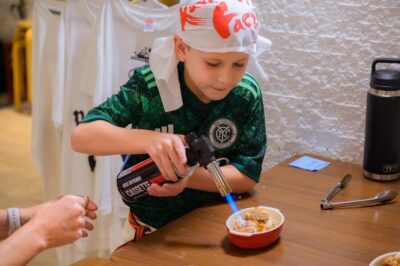
Kids can participate if they are aged 2 and above, with a fee of ¥5000 for children. That makes it easier for families to stay together instead of splitting plans.
Vegetarian options are welcome. You just need to let them know in advance about dietary restrictions. That is important here because the broth uses kombu, shiitake, and katsuobushi, so you will want clarity on what will be adjusted for you.
Two cautions:
- Not recommended for travelers with a wheat allergy
- Classes require a minimum of two participants. If you want to join alone, you should contact them in advance to find a suitable session
Also, because the technique involves foot-kneading, you should be comfortable standing and getting a bit messy. If you have mobility limits or strong concerns about hygiene and contact, consider carefully.
Should you book Udonzin Beat’s handmade udon experience?
If you want a real food skill in a friendly Osaka setting, I think you should book it. The biggest reasons are the foot-kneaded Sanuki method, the chef-led tasting right after you learn, and the take-home recipe plus photos. It is the kind of activity where you feel like you earned your dinner.
Skip it if wheat allergies are in play, or if you are only interested in a quick stop with zero mess and zero effort. Also, if you are booking solo, plan ahead because of the minimum participant rule.
For most people, this is a smart value play: a compact class in a Michelin-listed restaurant space, with a meal-quality finish and a souvenir that helps you cook later, not just watch once.
FAQ
How long is the handmade udon experience?
It lasts about 1 hour 30 minutes.
What’s included in the $52.85 price?
The price includes a handmade udon lesson, udon tasting (hot or cold), a recipe for making udon at home, free photos taken by the instructor, and local taxes.
Are sake or beer included?
No. You can have sake or beer while you make udon, but alcoholic beverages are not included in the fee.
Can children participate?
Yes. Children aged 2 and above can participate, and the child fee is ¥5000.
Is there a vegetarian option?
Vegetarians are welcome, but you should let them know in advance about any dietary restrictions.
Is this recommended if I have a wheat allergy?
It is not recommended for travelers with a wheat allergy.
What is the cancellation policy?
You can cancel for free up to 24 hours before the experience start time for a full refund. If you cancel less than 24 hours before start time, you will not receive a refund. If the minimum number of travelers is not met, you will be offered a different date or a full refund.
One More Bowl


Newest Osaka write-ups from the Loving Japan desk



Ramen and Noodle Tours, side by side.
 ★ 5.0Ramen Cooking Class at Ramen Factory in KyotoFrom $1311,937 reviews
 ★ 5.0Eat and Drink Like a Local: Tokyo Ueno Food Tour-Taverns&RamenFrom $95957 reviews
 ★ 5.0Ramen & Gyoza Cooking Class in Tokyo with Local Supermarket VisitFrom $122823 reviews
 ★ 4.9Ramen Cooking Class at a Ramen Factory with SouvenirFrom $127532 reviews
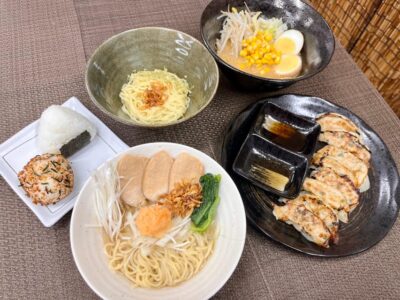 ★ 5.0Ramen, Gyoza, and Onigiri Cooking ClassFrom $90445 reviews
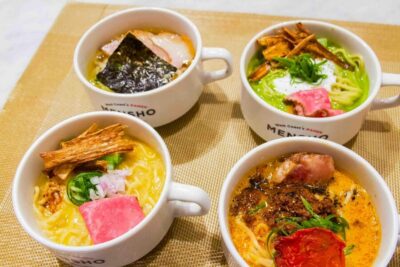 ★ 4.9Ramen Tasting Tour with 6 Mini Bowls of RamenFrom $122432 reviews
 ★ 4.7Five Must-See Highlights Walking Tour & Ramen LunchFrom $56411 reviews
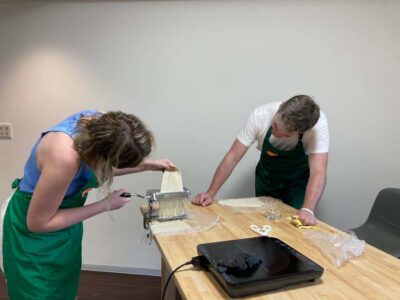 ★ 5.0Ramen and Gyoza Cooking Class in DotonboriFrom $70378 reviews
Filed on these lists too