
REVIEW · RAMEN AND NOODLE TOURS
Tokyo: Ramen Tasting Tour with 6 Mini Bowls of Ramen
Some cities have a ramen obsession. This one turns it into a 3-hour education.
I like the format most, 6 mini bowls from 3 award-winning shops, so you taste widely without feeling like you need to roll home. I also like the way the guide uses slides and handouts to explain what makes each bowl different, from broth style to noodles. One drawback to flag up front: it is a fair amount of walking, about 3 kilometers, and the broth options are not vegan.
If you’re already into ramen, this tour helps you go from I like it to I can tell you why it works. You’ll spend time in three Tokyo neighborhoods, including either Shibuya or Shinjuku, plus one more area that rounds out the regional styles. It’s best if you plan your day so you are not trying to cram in a big lunch right before.
If you want full vegan or vegetarian ramen, this one is not for you since the broths blend chicken, pork, and fish. Otherwise, it’s a fun, practical way to learn Tokyo ramen through real storefronts, not just restaurant names on a list.
In This Review
- Key reasons this tour works so well
- Ramen tasting, built like a mini class
- How the route is organized across Tokyo neighborhoods
- Your 3-shop tasting plan, from first slurp to last choice
- Shibuya Route: Hokkaido classic, fusion tonkotsu, curry comfort
- Shinjuku Route: classic Tokyo comfort, tori paitan richness, luxurious chicken or fish
- Ueno Route: Kyushu classic, tsukemen dipping, modern Tokyo finish
- What I think the guide’s teaching style really adds
- Eating smart during 3 hours and about 3 kilometers of walking
- What’s included, what’s not, and how to plan your budget
- Dietary notes you must take seriously
- Who should book, and who should skip this ramen sampler
- Final verdict: should you book the Tokyo ramen mini-bowl tour?
- FAQ
- How many ramen shops does this tour visit?
- How much ramen do I eat on the tour?
- Can I choose which ramen I eat?
- What neighborhoods are included?
- Where does the tour start and end?
- Is the tour suitable for vegans or vegetarians?
- How long is the tour?
- Is the tour in English?
- Is train fare included?
Key reasons this tour works so well
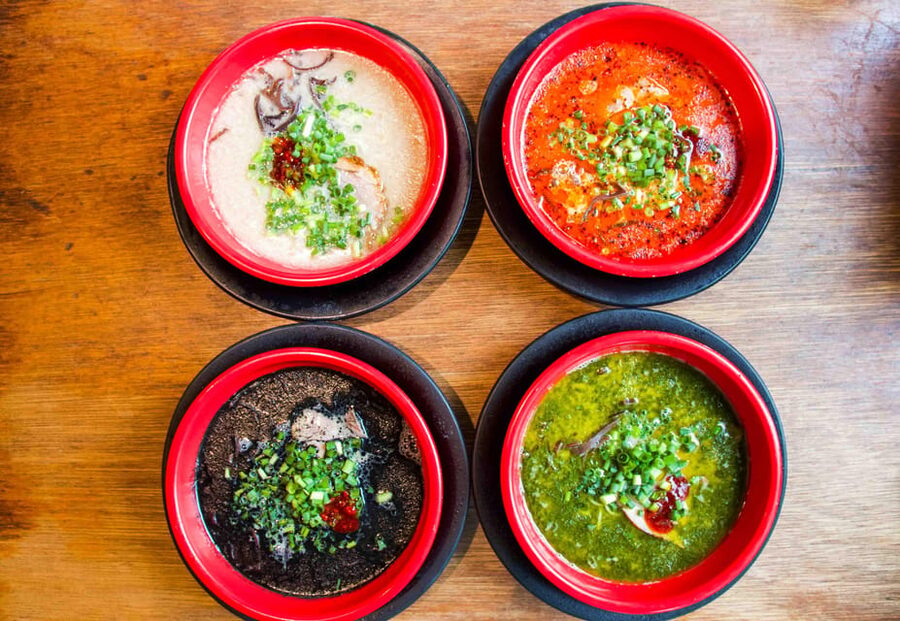
- Six mini bowls let you taste 6 different ramen styles without committing to one giant meal
- You choose your ramen from 11 to 12 options, so you can steer toward what sounds good
- Three distinct neighborhoods (including Shibuya or Shinjuku) makes the experience more than just food
- Explainer-led tastings with slides and handouts so flavors have context
- Small groups up to 8 keep it easy to ask questions and hear the guide’s explanations
- Well-run routes that end in Ebisu or Shinjuku depending on the day, so you can keep moving afterward
A bowl somewhere else in Tokyo
- Eat and Drink Like a Local: Tokyo Ueno Food Tour-Taverns&Ramen
★ 5.0 · 957 reviews - Ramen & Gyoza Cooking Class in Tokyo with Local Supermarket Visit
★ 5.0 · 823 reviews - Tokyo: Ramen Tasting Tour with 6 Mini Bowls of Ramen
★ 4.9 · 432 reviews - Tokyo: Easy Ramen Cooking Experience in Kabukicho, Shinjuku
★ 4.6 · 321 reviews
Ramen tasting, built like a mini class
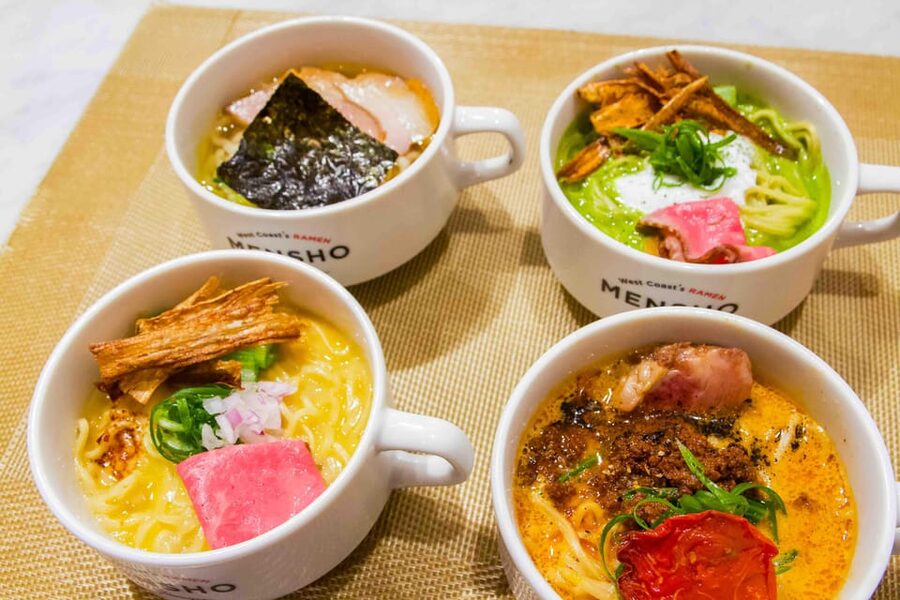
Tokyo ramen can feel endless, which is part of the fun and part of the trap. This tour gives you a structure. You try six mini bowls, each about a quarter of a full bowl, and you do it across three shops with their own signature styles. The key detail is that you don’t just get a random sampler, you get to build your lineup from a menu selection of 11 to 12 choices.
That choice matters. If you’re the kind of person who thinks you hate pork bone broth until you try a lighter, more balanced tonkotsu, this format is how you find out. And since the bowls are smaller than a typical order, you can actually enjoy the later stops instead of powering through a food coma.
I also like that the learning is built in, not tacked on. You get colorful slides and handouts that walk you through ramen origins, types, and preparation. It’s the difference between tasting and understanding. By the end, you’re better at reading menus in Japan and picking what fits your mood, not just copying what someone else ordered.
How the route is organized across Tokyo neighborhoods
The tour is built around three neighborhoods, usually starting in Shibuya, with the final stop landing in Ebisu or Shinjuku depending on the day. The neighborhood mix is not just sightseeing. Each area helps frame a different side of ramen culture, so you can notice how styles vary by region and preference.
Here’s what stays consistent:
- It’s 3 hours total.
- You’ll do about 3 kilometers of walking.
- You visit three ramen shops, each with a distinct approach.
- You eat six mini bowls total and get one beverage.
Here’s what can change:
- Which neighborhood route you take, such as Shibuya-focused, Shinjuku-focused, or a route that includes Ueno among the three stops.
- The specific shop lineup and the exact ramen styles offered at each stop.
Because the itinerary is route-based, you can decide whether the idea of Shibuya streets or Shinjuku energy fits your trip plans. Either way, you get a real mix of flavors in a manageable time window.
Your 3-shop tasting plan, from first slurp to last choice
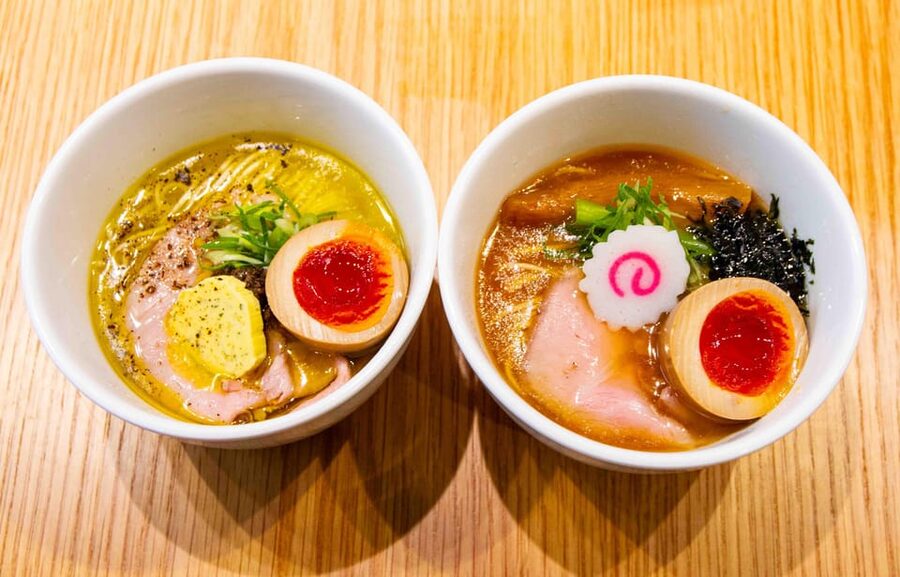
At each shop, you’ll pick ramen from the available options to create your six-bowl set. The mini format means the tour team can offer a wide set of styles without turning the meal into a marathon. That’s also why the tour is a strong fit for first-timers. You can try multiple broth types and noodle textures without needing prior ramen instincts.
From what the tour information and recent guide styles show, you’ll also learn what you’re tasting as you eat. Guides often explain what to look for, like:
- How the broth base changes the overall flavor profile
- Why certain noodles pair better with certain soups
- What makes a classic version feel different from a modern twist
And yes, you still get Tokyo street-level realism. These aren’t ramen museums. These are working restaurants, meaning you’re tasting in the same atmosphere locals treat as normal.
- Mt Fuji and Hakone 1-Day Bus Tour Return by Bullet Train★ 5.0 · 26,383 reviews
- 1-Day Tokyo Bus Tour★ 5.0 · 14,250 reviews
- Tokyo: teamLab Planets TOKYO Digital Art Museum Entry Ticket★ 4.6 · 9,779 reviews
- Mt Fuji & Hakone Cruise, Drum Show Bullet Train 1 Day from Tokyo★ 4.0 · 7,413 reviews
- Tokyo: Shinjuku Food Tour (13 Dishes at 4 Local Eateries)★ 5.0 · 6,603 reviews
Shibuya Route: Hokkaido classic, fusion tonkotsu, curry comfort
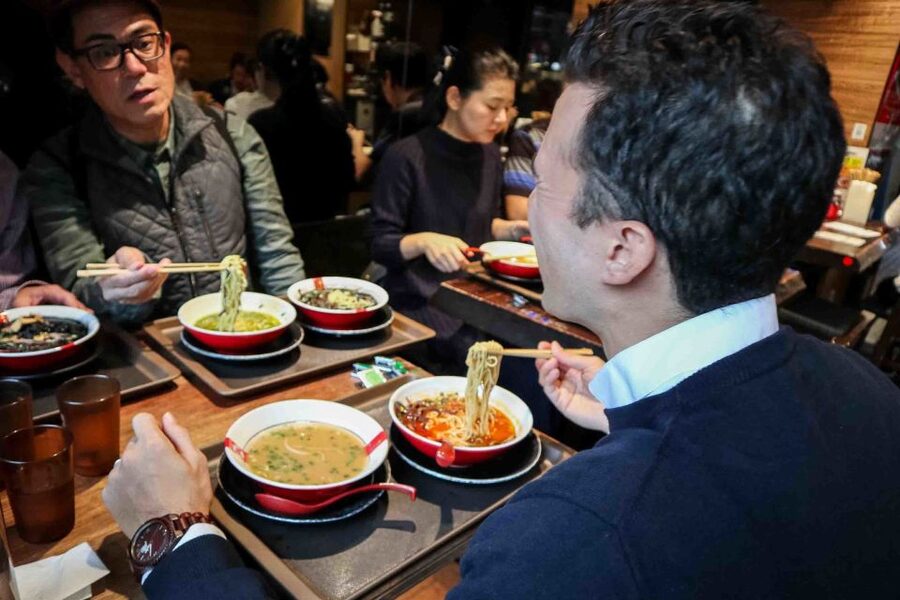
On days running the Shibuya lineup, Shop 1 focuses on a classic Hokkaido-style ramen. The point here is clarity. You start with a style that represents a known regional identity, so later bowls feel easier to compare.
Shop 2 shifts toward fusion tonkotsu (pork bone) ramen. This is where the learning gets fun. Even within the broad tonkotsu category, the differences can be huge. Fusion versions often change balance and texture, so you can see how chefs tweak a base flavor toward something new.
Shop 3 lands on savory curry ramen. Curry ramen is a great final act because it’s comforting but not boring. It also acts like a palate reset compared with straight broth styles. If you’re unsure what to choose, curry often works as a crowd-pleasing anchor, especially if you want variety without ending on something too heavy.
What to watch for on this route: if you tend to go for rich flavors, you might pick three bowls that are all similar in weight. Mixing your choices, like pairing one rich broth with one lighter or more seasoned style, keeps the end of the tour enjoyable.
Shinjuku Route: classic Tokyo comfort, tori paitan richness, luxurious chicken or fish
On the Shinjuku route, the tasting begins with Classic Tokyo ramen. Starting here helps you lock in a baseline. Tokyo-style ramen is the kind of reference point that makes other styles easier to notice.
Shop 2 is Modern Tori Paitan (rich chicken ramen). The “paitan” idea is especially useful because it teaches you that chicken ramen can be deep, creamy, and full-bodied, not just light and simple. If you thought pork bone broth was the only way to get intensity, this is the stop that can change your mind.
Shop 3 is either luxurious chicken or fish ramen, depending on what’s available on the day. This last bowl gives you contrast again. Chicken and fish broths each bring their own direction in flavor, and tasting that side-by-side with what came earlier helps you spot differences faster when you’re ordering on your own.
A practical tip: if you’re shopping for variety, pay attention to broth direction. Choosing one bowl where you expect richness, then another where you expect brightness or seafood character, often makes the set feel more coherent.
Ueno Route: Kyushu classic, tsukemen dipping, modern Tokyo finish
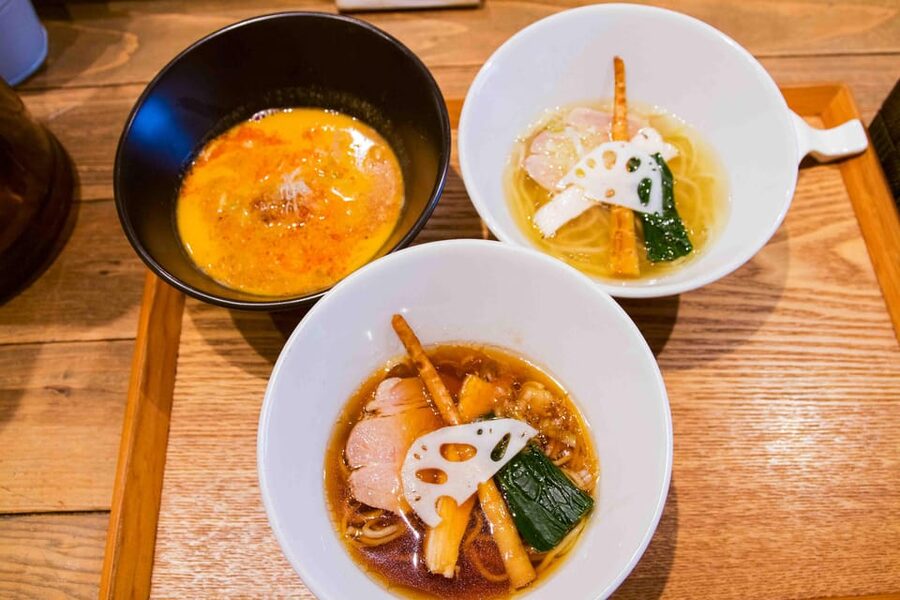
When the Ueno lineup is part of the three-stop plan, Shop 1 offers classic Kyushu ramen. Kyushu is where you often find strong regional identities, so this stop helps you notice how location influences seasoning, broth approach, and noodle feel.
Shop 2 introduces contemporary tsukemen, which is dipping ramen. This matters because it changes the whole eating rhythm. Instead of the broth coating everything, you dip noodles into a concentrated broth. The tour format makes this easier to manage because your bowl portions are smaller and you can keep taste focus across multiple styles.
Shop 3 ends with modern Tokyo ramen. That final stop gives you closure with a style that feels closer to what you see in many mainstream Tokyo shops, but still with enough modern twist to keep it interesting.
Why this route is a good choice: if you want to learn beyond soup bowls, tsukemen is a clear lesson. You’ll understand how a different preparation method changes texture and flavor impact.
What I think the guide’s teaching style really adds
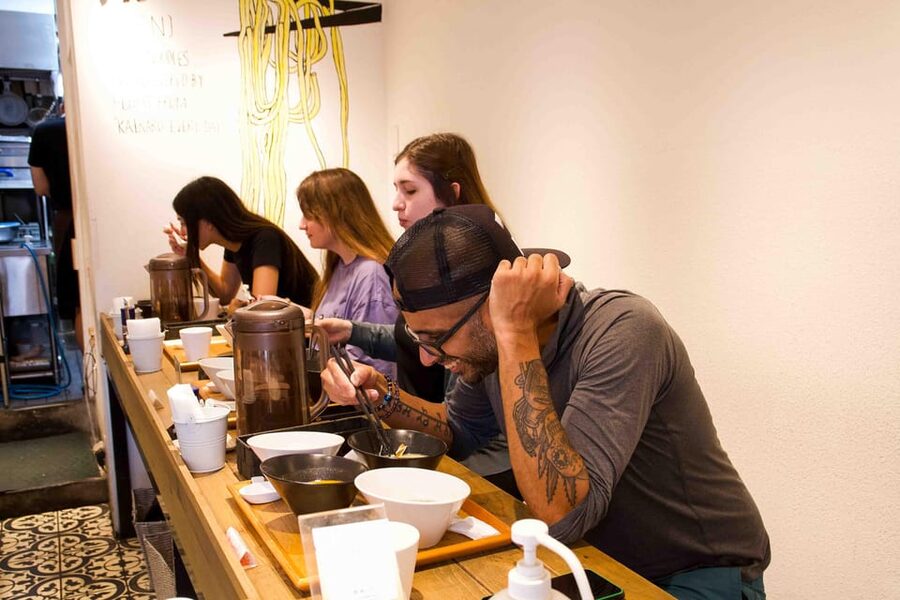
The best part of any food tour is the guide. This one is designed with structured explanations, not just random commentary. You’ll see colorful slides and handouts that cover ramen origins and preparation, and guides also answer questions while you’re eating.
Guide styles mentioned in bookings show a consistent theme:
- Clear English, including guides like Sahori, who has lived in the US for many years.
- A deep ramen obsession, like Bunga, known for ramen-focused video content.
- Strong presentation tools, including the use of tablets to show how ramen evolved over time, mentioned with guides such as Makayla.
- A friendly, patient tone, with guides like Daisy who answer a wide range of questions, even when kids are in the group.
You don’t have to be a ramen superfan to benefit. The tour breaks down the basics in a way that helps you translate what you learn into your own restaurant choices later. After a few bowls, terms like tonkotsu, tori paitan, and tsukemen stop being menu buzzwords and start being practical clues.
Eating smart during 3 hours and about 3 kilometers of walking
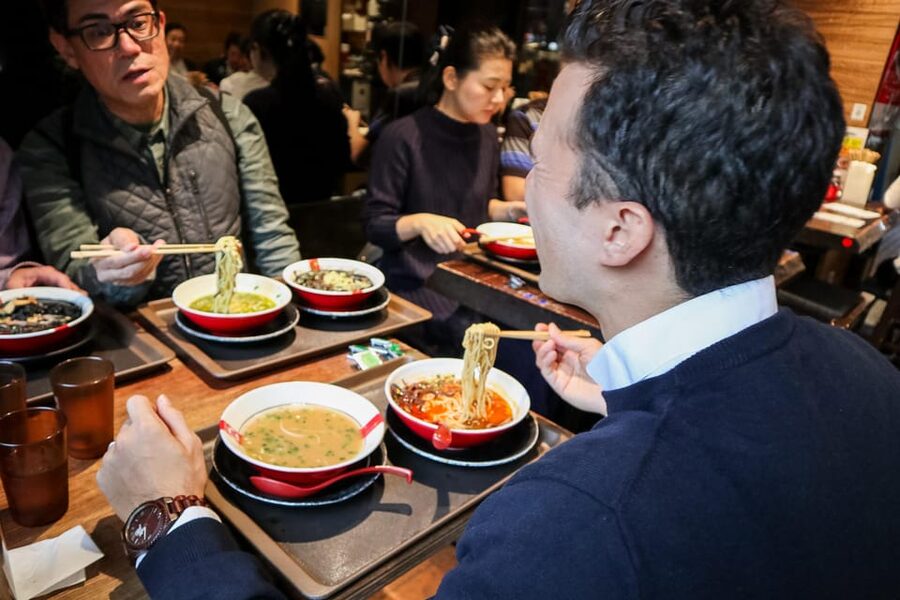
This tour is not a slow sit-down meal. It’s food plus movement. You’re looking at roughly 3 kilometers of walking total, and that can add up when you also have time in between shops.
My advice if you’re deciding what to do that day:
- Skip lunch, or at least keep it light. Six mini bowls can still fill you up quickly.
- Wear comfortable shoes. You’re moving between three neighborhoods.
- Bring water and take small pauses between shops if you need them.
One more realistic point: Tokyo weather can change fast. The tour is organized, but if conditions are rough, guides may help with practical adjustments such as getting a taxi for a later leg. It’s not guaranteed from the tour data, but it’s a good sign the team thinks on its feet.
What’s included, what’s not, and how to plan your budget
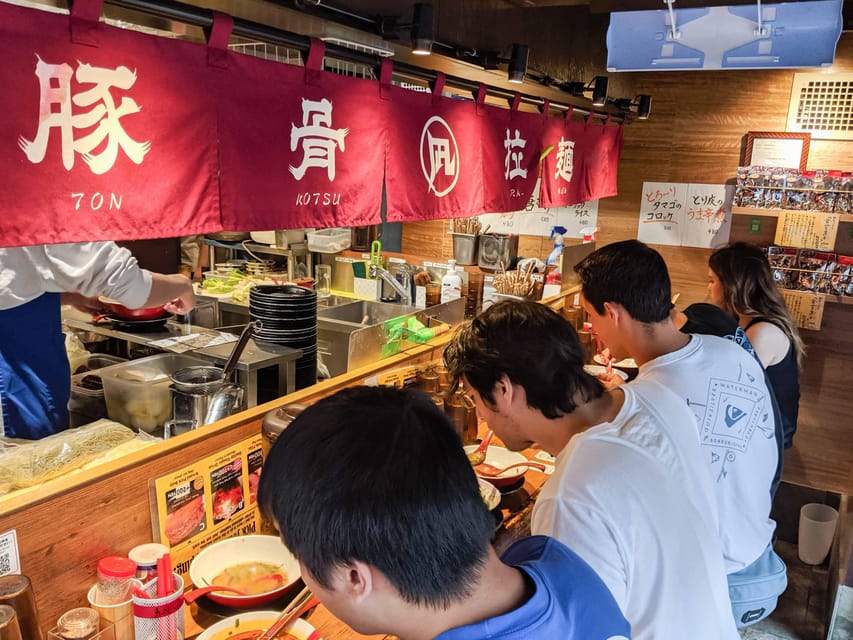
The tour includes 6 mini bowls of ramen and 1 beverage. It does not include your train ticket, if required. Meeting points can vary based on your chosen option, and the day’s route determines whether the finish is in Ebisu or Shinjuku.
Now the big question: $122 per person. For ramen, it’s not cheap. But you’re paying for three things you don’t get when you self-plan:
- A guided learning layer with slides and handouts, which makes the tasting meaningful.
- A curated set of shops across different neighborhoods, so you’re not guessing which places have the right styles.
- A special mini-bowl setup that’s not always easy to recreate on your own, especially if you want to sample broadly in one evening.
If your goal is simple ramen eating, you can likely spend less by going solo. But if your goal is to understand ramen variety while still eating enough to feel satisfied, this price starts to look fair. Also, the small-group cap of up to 8 participants is a real quality marker for how much attention you can get.
Dietary notes you must take seriously
All broths used on this tour blend chicken, pork, and fish. That means it is not suitable for vegans, and it is not vegetarian-friendly either. If you want a plant-based set, the tour provider lists a separate Vegan/Vegetarian Ramen Tasting Tour, and that’s the right place to book.
If you have allergies, the tour data here does not spell out ingredient-specific substitutions. So if you’re sensitive to pork or fish, treat this as a must-ask item before you commit.
Who should book, and who should skip this ramen sampler
This is a great fit if:
- You love ramen and want to learn the differences, not just taste one favorite style.
- You want to explore Tokyo neighborhoods while eating at three strong ramen shops.
- You prefer a guided experience with English explanations and time-efficient sampling.
It’s not ideal if:
- You have low mobility or you don’t enjoy walking. About 3 kilometers is a lot in three hours.
- You need vegan or vegetarian ramen. This one uses broths with chicken, pork, and fish.
- You want a light snack. The mini bowls are smaller, but you still end up very full if you eat before the tour.
Also, if you’re doing this late in your trip, it can still be great, but earlier is better. The learning helps you order confidently later, instead of just collecting food memories.
Final verdict: should you book the Tokyo ramen mini-bowl tour?
If you’re the kind of traveler who wants value from a food experience, this tour is a smart choice. You get range, not repetition. You get structure, not random stops. And you get a guide-led ramen education that makes later menu choices easier.
I’d book it if your schedule allows a solid 3-hour block and you can handle a moderate walking day. I’d skip it if you need vegan/vegetarian options or if walking a few kilometers is going to ruin your comfort.
FAQ
How many ramen shops does this tour visit?
You visit three ramen shops.
How much ramen do I eat on the tour?
You eat 6 mini bowls of ramen.
Can I choose which ramen I eat?
Yes. You choose your 6 ramen from a selection of 11 to 12 options.
What neighborhoods are included?
The tour includes three Tokyo neighborhoods, including Shibuya or Shinjuku, plus another neighborhood such as Ueno depending on the route.
Where does the tour start and end?
The tour starts in Shibuya and ends in Ebisu or Shinjuku depending on the day.
Is the tour suitable for vegans or vegetarians?
No. All ramen broths on this tour contain chicken, pork, and fish. A separate Vegan/Vegetarian Ramen Tasting Tour is listed for those dietary needs.
How long is the tour?
The duration is 3 hours.
Is the tour in English?
Yes, it has a live English-speaking guide.
Is train fare included?
No. Train ticket costs are not included if you need them to reach the meeting point.
One More Bowl



Newest Tokyo write-ups from the Loving Japan desk



Ramen and Noodle Tours, side by side.
 ★ 5.0Ramen Cooking Class at Ramen Factory in KyotoFrom $1311,937 reviews
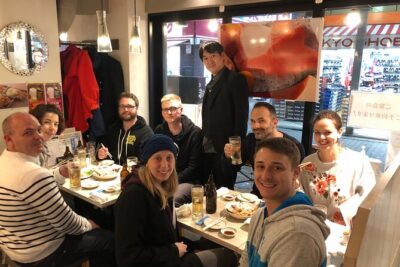 ★ 5.0Eat and Drink Like a Local: Tokyo Ueno Food Tour-Taverns&RamenFrom $95957 reviews
 ★ 5.0Ramen & Gyoza Cooking Class in Tokyo with Local Supermarket VisitFrom $122823 reviews
 ★ 4.9Ramen Cooking Class at a Ramen Factory with SouvenirFrom $127532 reviews
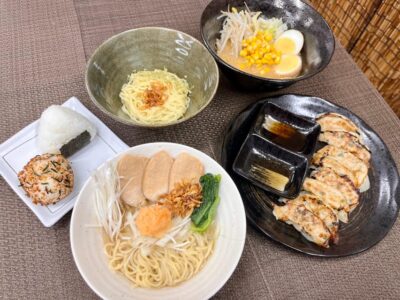 ★ 5.0Ramen, Gyoza, and Onigiri Cooking ClassFrom $90445 reviews
 ★ 4.7Five Must-See Highlights Walking Tour & Ramen LunchFrom $56411 reviews
 ★ 5.0Ramen and Gyoza Cooking Class in DotonboriFrom $70378 reviews
 ★ 4.6Easy Ramen Cooking Experience in Kabukicho, ShinjukuFrom $29321 reviews
Filed on these lists too