
REVIEW · SUSHI AND SASHIMI EXPERIENCES
A One-of-a-Kind Sushi Experience in a Special Place of Japan
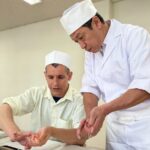
Sushi gets political. You will learn to make sushi with Toyosu Market fish inside the House of Representatives building, a Tokyo setting that is usually closed to the public. What I like most is the hands-on instruction from Sushi Chef Sasao plus the fact that you are working with fresh, carefully chosen seafood right where Japanese officials work.
The main trade-off is practical, not cultural: at $220 for roughly 2 hours, it is pricier than many basic sushi classes, and you only eat what you make (around 8 pieces).
In This Review
- Key things to know before you go
- Toyosu Market fish: why this class tastes different
- Inside the House of Representatives: a Tokyo setting with gravity
- Sushi Chef Sasao and the English-led lesson style
- From knife basics to shaping: what you actually learn
- The 2-hour flow: what happens during the workshop time
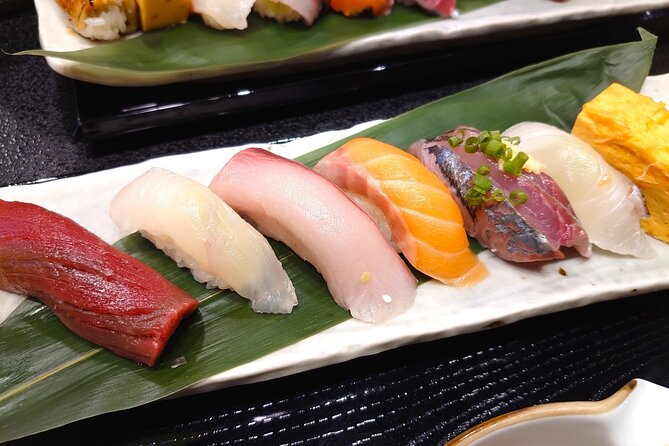
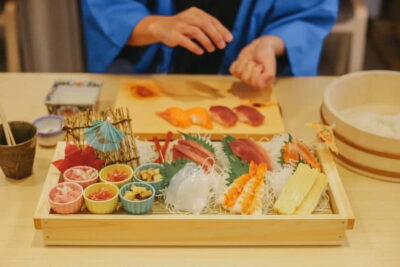
- What you eat: around 8 pieces, plus miso soup or green tea
- Price and value: is $220 worth it?
- Who should book this Tokyo sushi workshop
- A few practical tips before you arrive
- Should you book Japan Shushi Works?
- FAQ
- How long is the sushi-making experience in Tokyo?
- What is included in the price?
- Is transportation provided?
- Where do I meet and where does it end?
- How big is the group?
- Is the guide English-speaking?
- Can I cancel for a refund?
Key things to know before you go
- Toyosu Market fish, used for your sushi so your meal is driven by ingredients, not just the lesson
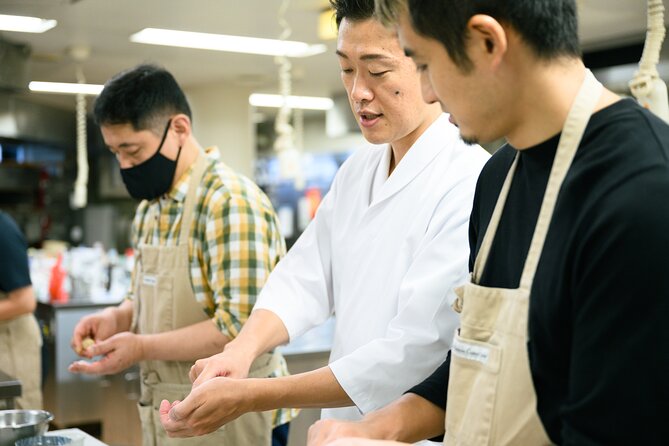
- Sushi Chef Sasao teaches in English with calm, step-by-step guidance
- House of Representatives building access adds a rare, formal Tokyo context to a casual skill-building activity
- Knife basics and shaping skills so you do more than watch
- Around 8 pieces for lunch plus miso soup or green tea
- Max 20 people which usually helps you get more attention during hands-on practice
Counters and courses we sat at around Tokyo
- Sushi Making Tokyo Roll and Authentic Japanese Sushi Class
★ 5.0 · 3,971 reviews - Tokyo: Roll and Authentic Sushi Making Class in Asakusa
★ 4.9 · 1,957 reviews - Make Sushi and Create Unforgettable Memories in Tokyo
★ 5.0 · 1,413 reviews - Tokyo: Sushi Making Class in a Happi Coat near a Famous Spot
★ 4.9 · 1,377 reviews
Toyosu Market fish: why this class tastes different
Most sushi-making classes teach technique, but the ingredient quality sets the ceiling for your final bite. Here, you start with fresh fish sourced from Toyosu Market, one of Japan’s biggest seafood hubs. That matters because sushi is not trying to hide flaws. It rewards clean handling, good rice, and fish that tastes like the sea on purpose.
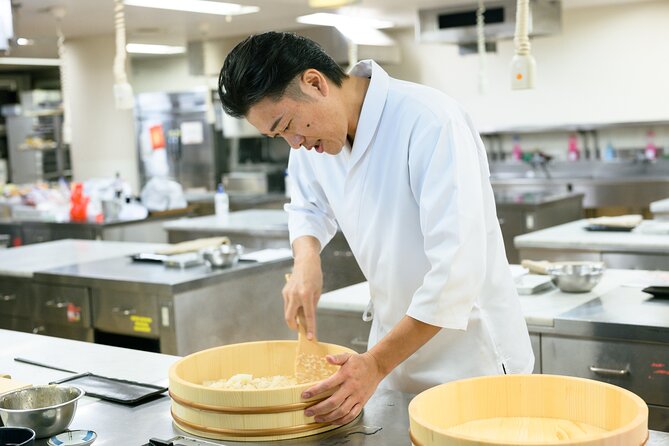
In the experience, you are not only making sushi. You are learning what makes sushi taste the way it should. One of the clearest takeaways from people who finished the workshop: once they learned how vinegared rice is prepared, the sushi they ate after felt many times better. That is the point. When you understand the rice, the fish, and the balance, sushi stops being a menu item and becomes a process you can actually taste.
You should expect an ingredient-focused lesson. If you are coming hungry and curious, this becomes a standout meal, not a side quest.
Inside the House of Representatives: a Tokyo setting with gravity
This is not in a friendly cooking school basement. Your sushi session happens inside the House of Representatives building, where Japanese politicians work. That location is normally closed to the public, so even walking in feels like you are seeing Tokyo from an angle most visitors never get.
I like this part because it changes the tone. Sushi is often presented as food and fun. In this room, it feels more like craft and discipline. You will still be taught in an accessible way, but the setting nudges you to take the skills seriously. You are learning knife basics and shaping, and you get the sense that precision is part of the culture.
Possible consideration: the formality of a government building can make the experience feel a little more structured than casual workshops. That is not a problem, just a heads-up. If you like calm, orderly instruction, you will probably feel right at home.
Sushi Chef Sasao and the English-led lesson style
The host is Sushi Chef Sasao, and he has served sushi to Japanese politicians, including the Prime Minister. That fact is interesting, but the bigger value is how the workshop is taught.
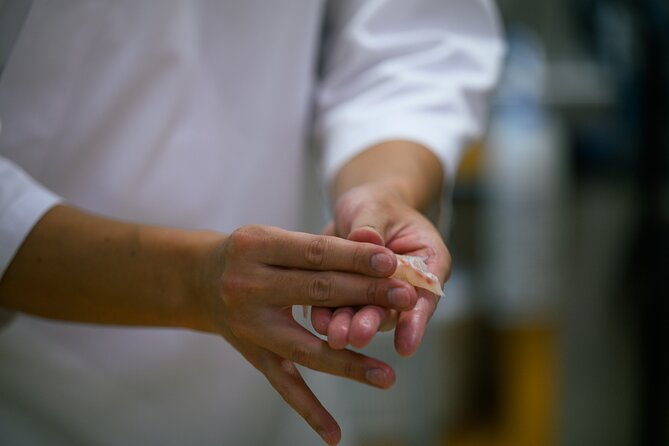
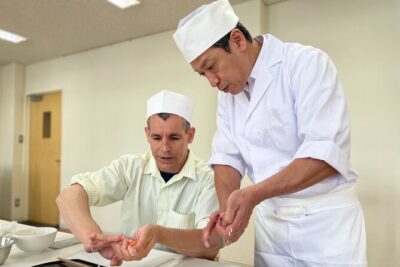
You are not thrown into a chaos-of-raw-fish situation. The lesson is described as gentle and confidence-building, including basics like how to handle a knife, how to slice fish, and how to shape sushi. People also specifically mention feeling relieved even if they were not good at cooking. That lines up with how the class is structured: you learn a step, you practice a step, and you get encouragement as your form improves.
From the feedback I would trust the most, confidence is the theme. People say things like they started out thinking sushi was difficult, then got used to it piece by piece. One person even said the joy of eating sushi that became their own work was exceptional. That is exactly what you want from a workshop: you leave with skill, not just photos.
A practical note: you should show up ready to focus for about 2 hours. This is a small group format, but it still moves. If you come in half-reading instructions, you will feel the time pressure.
- Mt Fuji and Hakone 1-Day Bus Tour Return by Bullet Train★ 5.0 · 26,383 reviews
- 1-Day Tokyo Bus Tour★ 5.0 · 14,250 reviews
- Tokyo: teamLab Planets TOKYO Digital Art Museum Entry Ticket★ 4.6 · 9,779 reviews
- Mt Fuji & Hakone Cruise, Drum Show Bullet Train 1 Day from Tokyo★ 4.0 · 7,413 reviews
- Tokyo Mt Fuji 5th St & Hakone Cruise Bus Tour w/Bullet Train★ 4.4 · 5,024 reviews
From knife basics to shaping: what you actually learn
This is a true hands-on sushi-making experience, not just assembling a few items at a station. The lesson covers the core actions that beginners usually worry about.
Here is what you can expect to work on:
- Knife basics: learning how to handle the knife safely and with control
- Fish slicing: understanding technique for cutting fish for sushi
- Rice and shaping: shaping sushi so it holds together and looks right
You also get guidance while you do it, in English, which matters a lot in food instruction. Japanese cooking has lots of tiny, practical rules. When those rules are explained clearly, your learning curve gets shorter and the result improves.
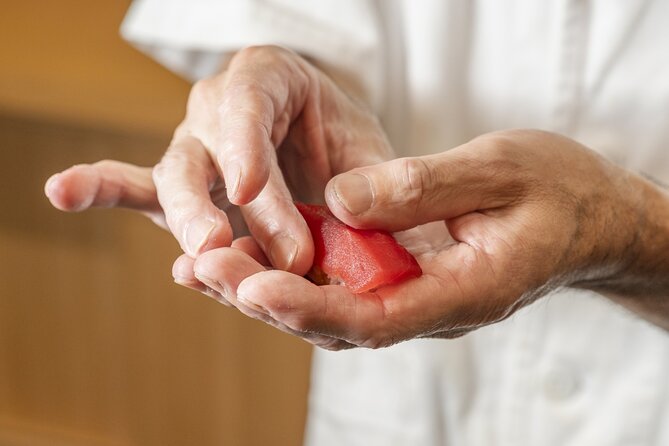
One thing I really appreciate from the experience feedback: people noticed how delicate sushi chef technique is. Watching a chef can make everything look effortless. Doing it yourself forces you to feel why it takes skill. That shift from, it looks easy, to I get how precise it is, is part of the joy.
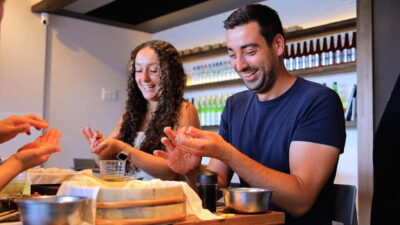
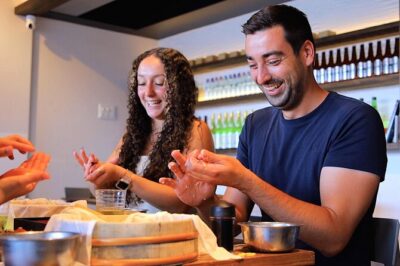
Also, a fun realism note: your sushi might not be perfectly uniform on your first attempt. But that is not a failure. One feedback comment described laughing with friends while comparing results, and said even uneven pieces felt like everyone’s sushi had personality. If you are worried about perfection, you can relax. The best part is learning to make something that tastes great even as your skills grow.
The 2-hour flow: what happens during the workshop time
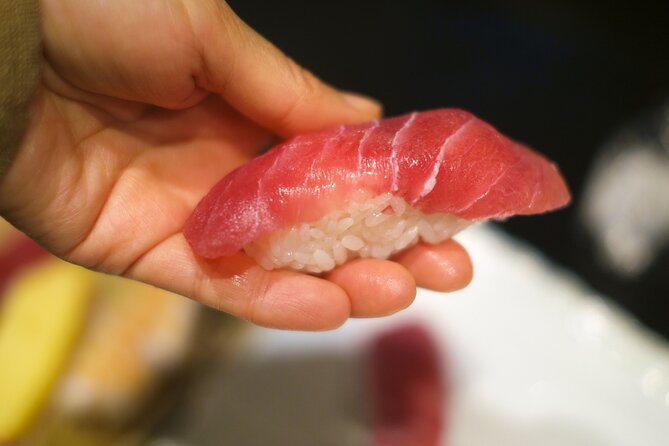
The duration is about 2 hours, which is a sweet spot. Long enough to learn actual technique, not so long that you get exhausted.
A typical flow looks like this:
- Arrive at the meeting point in central Tokyo, near public transportation.
- Join a small group and get set up with cooking tools.
- Listen to the English-led lesson and watch the instructor demonstrate.
- Hands-on practice with fish handling, cutting, and shaping.
- Eat what you make as lunch, paired with miso soup or green tea.
Because you are making around 8 pieces of sushi, you will spend meaningful time producing bites rather than just prepping. That is why the experience can feel like lunch and a class at the same time.
If you are choosing this to end your trip, I get why that works. One person described it as calm and reflective, a peaceful way to close out Japan memories. That matches how workshops feel when you stop chasing the next photo spot and just focus on one craft.
What you eat: around 8 pieces, plus miso soup or green tea
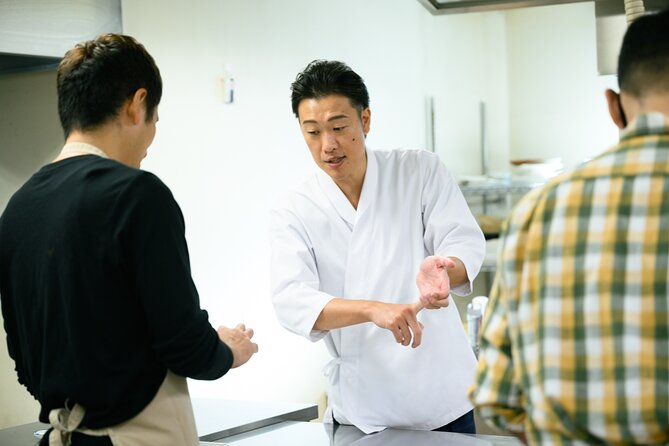
Lunch is included: you will make and eat about 8 pieces of sushi. It is not a full banquet, and it is not meant to be. It is meant to be your reward for learning technique.
You also get miso soup or green tea, which pairs naturally with sushi. This matters because a sushi meal is not only about the rolls. It is about cleansing, warming your mouth, and keeping the flavors clear as you move from piece to piece.
If you come from a background of eating sushi as a big menu spread, set expectations. The class meal is portioned. The value is that you understand what you ate. People noted that after learning rice prep and technique, the sushi tasted different and better than the usual experience. In other words, you will likely leave with a stronger sense of what makes sushi good, not just a full stomach.
Price and value: is $220 worth it?
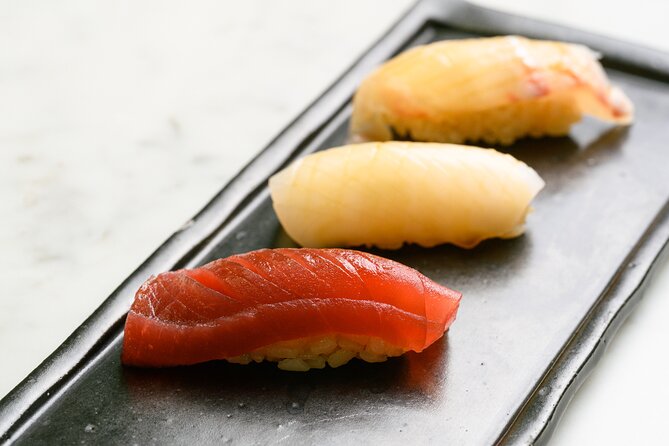
At $220 per person for about 2 hours, the price is not low. So you need to judge it like a craft experience, not like a street-food snack.
Here is why it can still feel like value:
- Fresh fish from Toyosu Market is costly, and you are using it for your actual meal.
- You get an English-speaking guide who teaches knife handling and shaping.
- You are eating what you make, around 8 pieces, plus miso soup or green tea.
- The location is unusual: you are working inside the House of Representatives building, normally off-limits to the public.
- The group is capped at 20 travelers, which supports hands-on teaching instead of a one-person-demo vibe.
There is also a built-in value benefit for planning groups. The experience mentions group discounts, which can reduce the per-person hit if you are traveling with friends or family.
The main cost concern is still real: if you just want the best value per bite, you might eat more sushi for less money elsewhere. But if you want to learn a skill and experience a rare Tokyo setting, this pricing starts to make sense.
Who should book this Tokyo sushi workshop
This workshop fits best if you want more than sightseeing.
It is especially good for:
- First-time sushi makers who want gentle instruction and confidence-building steps
- Food lovers who care about fish quality and rice technique
- Groups and friends who enjoy hands-on activities and playful comparison
- Families who want a shared project, since parent-child sushi making comes through in the experience stories
- People who like structure and a calm, guided cooking pace
It may be less ideal if:
- You are chasing a long, open-ended activity with lots of extra dishes
- You have a strict budget and prefer cheaper cooking classes
- You want pure sightseeing time instead of skill practice
A few practical tips before you arrive
You have enough structure to make this easy, but a couple things help.
- Come ready to pay attention for 2 hours. This is not a drop-in tasting.
- Expect formal surroundings. You are inside a working government building, so the vibe can feel more serious than casual workshops.
- Plan your hunger. You get lunch in the form of your sushi, around 8 pieces. If you are starving, eat lightly before you go.
Also, the experience includes mobile ticket and runs with confirmation at booking. The meeting point is at 2-chōme-2-2 Nagatachō, Chiyoda City, Tokyo 100-0014, and the activity ends back at the meeting point. Public transport is nearby.
Should you book Japan Shushi Works?
If you want a sushi lesson that actually changes how you taste sushi, book it. The biggest win is the mix of Toyosu Market fish, English-led technique, and the rare setting inside the House of Representatives building. That combination makes the experience feel special in a way that goes beyond taking a photo in front of something famous.
I would especially recommend it if you are a beginner who worries sushi-making will be hard. The guidance is designed to build confidence, and the stories around learning step by step, improving in real time, and feeling proud of your final pieces are exactly what you hope to hear.
The only real reason to skip is if your goal is maximum food volume for the money. If your goal is learning and a memorable Tokyo craft day, this fits.
FAQ
How long is the sushi-making experience in Tokyo?
It lasts about 2 hours.
What is included in the price?
You get cooking tools, fresh sushi ingredients sourced from Toyosu Fish Market, an English-speaking sushi-making lesson, lunch (around 8 pieces of sushi you make), and miso soup or green tea.
Is transportation provided?
No. Private transportation, including hotel pick-up and drop-off, is not included.
Where do I meet and where does it end?
The meeting point is 2-chōme-2-2 Nagatachō, Chiyoda City, Tokyo 100-0014, Japan. The activity ends back at the meeting point.
How big is the group?
The experience has a maximum of 20 travelers.
Is the guide English-speaking?
Yes. The lesson is taught by an English-speaking guide.
Can I cancel for a refund?
Yes. You can cancel up to 24 hours in advance for a full refund. If you cancel less than 24 hours before the start time, the amount you paid is not refunded.
Counters and Courses


Newest Tokyo write-ups from the Loving Japan desk






Sushi and Sashimi Experiences, side by side.
 ★ 5.0Sushi Making Tokyo Roll and Authentic Japanese Sushi ClassFrom $593,971 reviews
 ★ 4.9Roll and Authentic Sushi Making Class in AsakusaFrom $581,957 reviews
 ★ 5.0Make Sushi and Create Unforgettable Memories in TokyoFrom $791,413 reviews
 ★ 4.9Sushi Making Class in a Happi Coat near a Famous SpotFrom $421,377 reviews
 ★ 5.0Sushi Making Osaka Roll and Authentic Japanese Sushi ClassFrom $311,220 reviews
 ★ 5.0Tokyo Sushi Making Class in Tsukiji with Professional ChefFrom $491,177 reviews
 ★ 5.0Tokyo Night Foodie Tour in Shinjuku – Seasonal Sushi, Wagyu BeefFrom $1111,161 reviews
 ★ 5.0Tsukiji Fish Market Guided Tour and Sushi Making with Pro ChefFrom $104775 reviews
Filed on these lists too