
REVIEW · SUSHI AND SASHIMI EXPERIENCES
Make Sushi and Create Unforgettable Memories in Tokyo
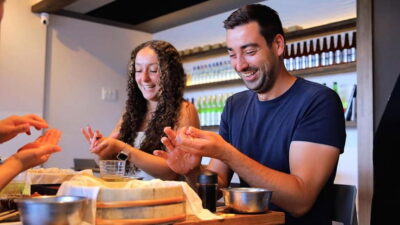
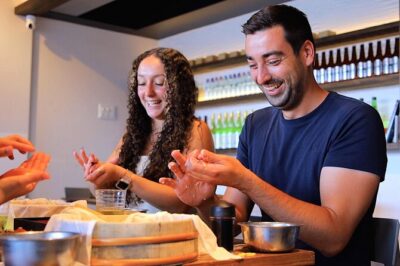
Sushi feels personal when you make it yourself. This hands-on class in Asakusa pairs sushi basics with cultural context, right near Sensoji Temple, so the whole experience feels like real Tokyo food life. You learn the mechanics of sushi, create your own pieces, and then sit down to enjoy what you made.
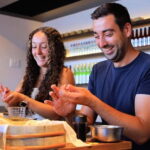
I love the fact that you get English-speaking instruction with a calm, beginner-friendly approach, even if sushi feels intimidating. I also like that you eat the sushi you make, so the class ends with a satisfying meal, not just a demo.
One thing to consider is group size, it can be up to 30 travelers, so if you want lots of one-on-one attention every minute, you may feel more supportive coaching in smaller moments than constant checking.
In This Review
- Key highlights to look for
- Asakusa, Sensoji nearby: where this sushi class fits in your day
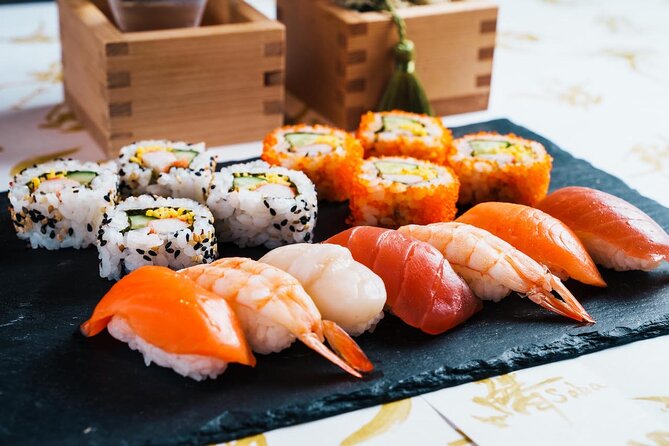
- What you actually learn to make, nigiri plus rolls
- Inside the 1 hour 40 minutes: how the class stays beginner-friendly
- The instructors: friendliness, humor, and clear English cues
- Eating your sushi: more than a snack, it is your meal
- Photo moment and the satisfaction of mastering one technique
- Sake and drink tips during class
- Price and value: is $79.59 worth it?
- Logistics that matter: meeting point, no pickup, and mobile tickets
- Who this sushi class is best for
- Should you book Sushi Making Tokyo?
- FAQ
- How long is the sushi making experience?
- Do I need any prior sushi-making experience?
- What is included in the price?
- Is the class in English?
- Where do I meet, and where does it end?
- Can I cancel for a full refund?
Key highlights to look for
- Asakusa location near Sensoji Temple makes it easy to plug into a classic Tokyo day
- Nigiri and hand rolls taught step by step, including techniques that feel harder than they look
- English-speaking staff help you follow the flow without getting lost in translation
- You eat what you make, with fresh ingredients set up so you spend time learning, not waiting
- Instructors with real personality (names like Rino, Ken, Yui, Yuto, and Momo show up across sessions)
Counters and courses we sat at around Tokyo
- Sushi Making Tokyo Roll and Authentic Japanese Sushi Class
★ 5.0 · 3,971 reviews - Tokyo: Roll and Authentic Sushi Making Class in Asakusa
★ 4.9 · 1,957 reviews - Make Sushi and Create Unforgettable Memories in Tokyo
★ 5.0 · 1,413 reviews - Tokyo: Sushi Making Class in a Happi Coat near a Famous Spot
★ 4.9 · 1,377 reviews
Asakusa, Sensoji nearby: where this sushi class fits in your day
This class starts in Kaminarimon (Taito City), a short hop from Sensoji Temple. That matters because you can build your Tokyo day around one neighborhood rhythm, without scrambling across town for a cooking lesson. If you’re already planning temples, snacks, and street wandering in Asakusa, this is a natural add-on.
You meet at 2-chōme-17-9 Kaminarimon, Taito City, Tokyo, and the activity ends back at the same meeting point. There is no hotel pickup or drop-off, so plan to get yourself there. The good news is that the meeting area is near public transportation, which keeps the logistics sane.
What you actually learn to make, nigiri plus rolls
The heart of Sushi Making Tokyo is practical technique. You’ll learn how to make roll sushi and authentic nigiri in a relaxed, step-by-step format with an English-speaking instructor. No prior experience is needed, and the pacing is designed to bring beginners along without leaving you to guess.
From what’s described across sessions, the class focuses on two core formats:
- Nigiri, where getting the shape and balance right takes more practice than you expect
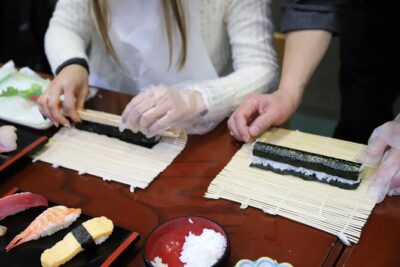
- Hand rolls and maki rolls, where rolling and portioning feel fiddly until you get the method down
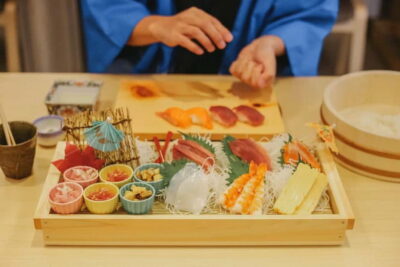
Some instructors also teach cute or creative variations like temari-style sushi or inside-out styles, so you’re not stuck only doing the same look. That variety is a big part of the fun, because your plate ends up looking more like what you see in Japanese food photos, not just a plain beginner sample.
Inside the 1 hour 40 minutes: how the class stays beginner-friendly
This is a 1 hour 40 minutes hands-on lesson, so the format is all about efficiency. You don’t spend time waiting around while someone talks for ages, and you’re not hunting down ingredients. Ingredients and meal items are included, which keeps the class moving.
A typical flow you can expect:
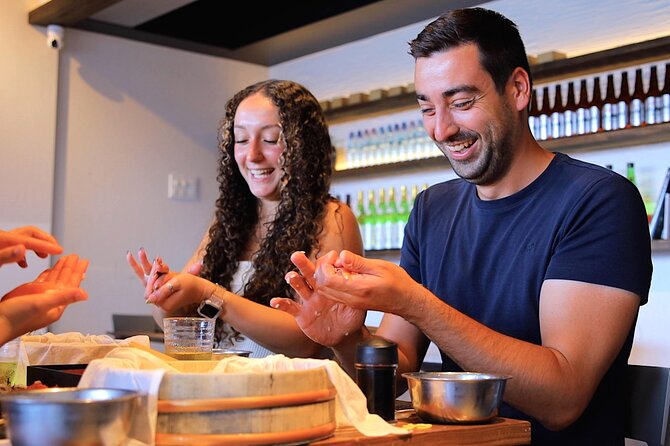
You start with instruction and short explanations, then you move to the workstations where ingredients and tools are ready. You follow guided steps to build your nigiri and roll sushi, and the instructor checks your progress as you go. There’s also time for cultural insights and sushi history trivia, which gives your food-making a backstory.
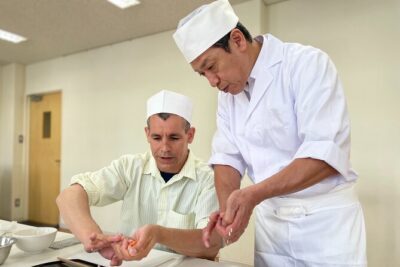
Many students highlight that the staff break steps down clearly. In particular, people often say nigiri is harder than it looks, then credit the teaching method for making it manageable. Translation matters too. English instruction means you can focus on hands-on technique instead of trying to interpret directions you don’t fully understand.
- Mt Fuji and Hakone 1-Day Bus Tour Return by Bullet Train★ 5.0 · 26,383 reviews
- 1-Day Tokyo Bus Tour★ 5.0 · 14,250 reviews
- Tokyo: teamLab Planets TOKYO Digital Art Museum Entry Ticket★ 4.6 · 9,779 reviews
- Mt Fuji & Hakone Cruise, Drum Show Bullet Train 1 Day from Tokyo★ 4.0 · 7,413 reviews
- Tokyo: Shinjuku Food Tour (13 Dishes at 4 Local Eateries)★ 5.0 · 6,603 reviews
The instructors: friendliness, humor, and clear English cues
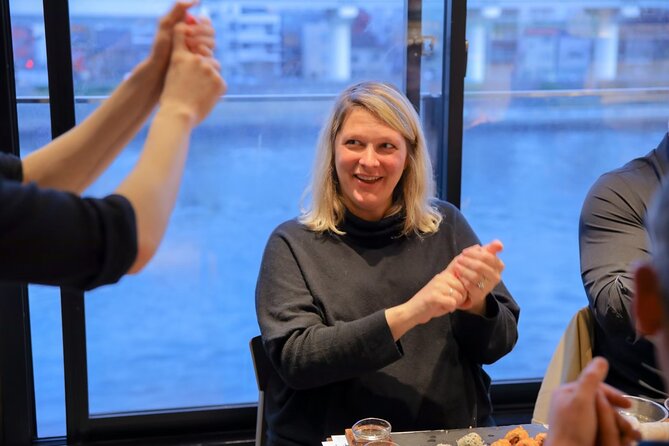
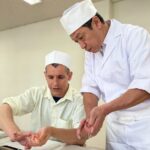
One of the strongest reasons this class earns such high marks is the human factor. People mention instructors being warm and helpful, with strong English and a sense of humor that keeps the room relaxed. Names that come up include Rino, Yuto, Ken, Sato, Momo, Yui, Emi, Ayu, and others across different sessions.
You’ll likely benefit most from instructors who:
- Give step-by-step directions at a pace that lets you keep up
- Explain not only what to do, but why that technique works
- Check in as you form nigiri, so you adjust before your rice gets stuck in a bad shape
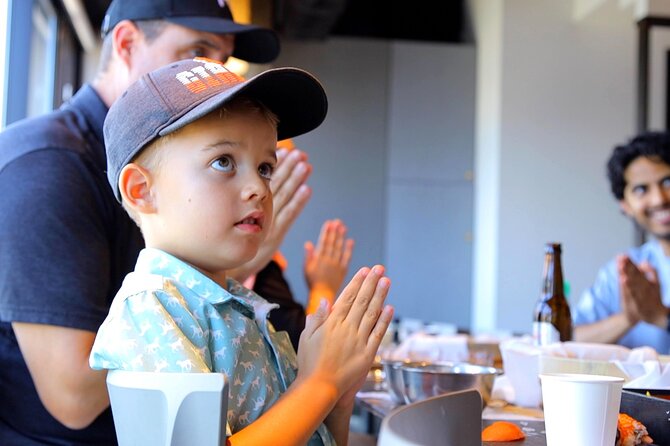
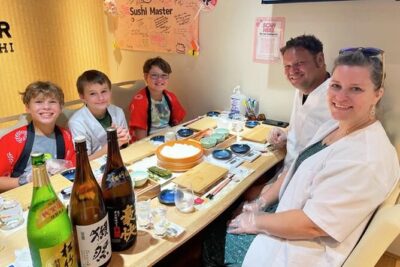
If you’re traveling with teens, this is also a class that tends to work. Students describe it as fun and suitable across age ranges, because you’re doing rather than just watching.
Eating your sushi: more than a snack, it is your meal
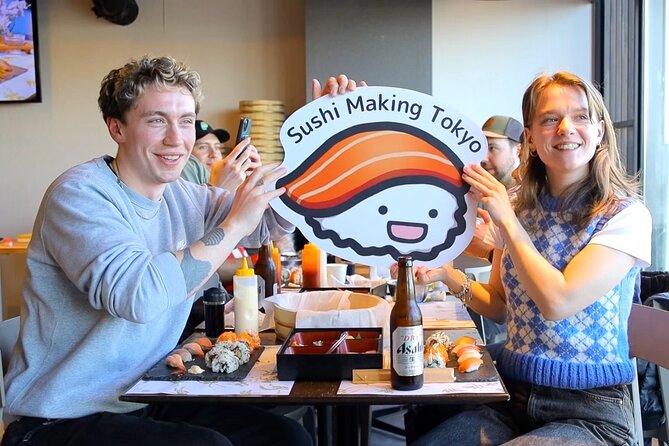
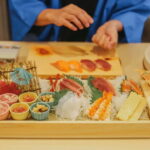
This class isn’t just about learning. You get to eat what you make, and that’s one of the biggest value points. Multiple descriptions note that the portions are generous, and you end up full and happy because you’re eating real sushi, not a tiny taste.
You may make a set number of pieces, including roll sushi and nigiri per person, depending on the session format. What stays consistent is the payoff: you sit down with the sushi you crafted and can take photos while it looks fresh and neat.
Also, there are often options that help the whole group eat comfortably. Some descriptions mention non-raw fish options, and others mention accommodations like shellfish allergy handling and gluten-free adjustments. If you have dietary needs, bring them up when booking so you get the best match for your session.
Photo moment and the satisfaction of mastering one technique
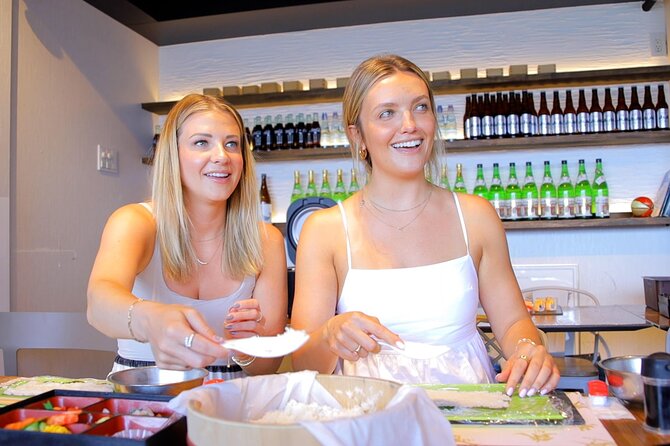
I like cooking classes most when the work leads to something you can show someone. Here, you build sushi with your own hands, then you can snap pictures before the food disappears. That makes it more memorable than a meal where the only “skill” is ordering.
The satisfaction is real with technique. Nigiri formation is the standout, because it forces you to learn balance and shape, then you see immediate improvement. When you finally lay the topping on a rice bed and it holds together properly, you get that I did it moment, the one you remember later on back home.
Sake and drink tips during class
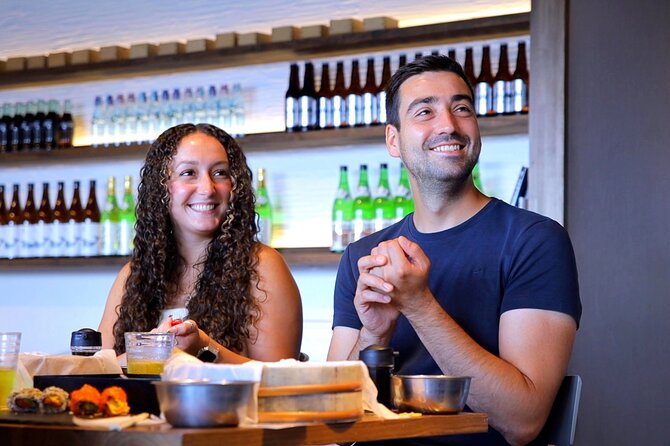
You may be offered beverage options during the class. One practical tip: if adults want sake, there can be an additional charge, and some students mention that there are set-style ordering options, so check what you’re ordering before you commit.
If alcohol is not your thing, you can still enjoy the class and meal without it. The class is built around sushi-making, not around drinking.
Price and value: is $79.59 worth it?
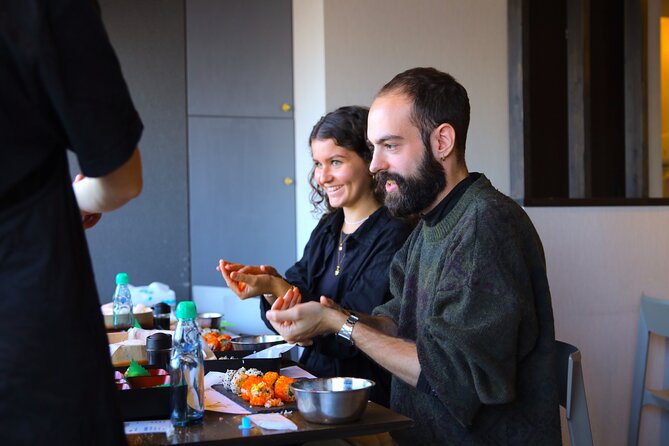
At $79.59 per person, you’re paying for more than ingredients. You’re paying for:
- An English-speaking instructor
- Ingredients and the meal
- A structured, hands-on class that takes about 1 hour 40 minutes
- A close-to-tourist-area location in Asakusa, so you can pair it with Sensoji Temple and nearby wandering
For many people, this is good value because the “meal included” part changes the equation. You’re not buying separate lunch later, and you’re not stuck with only a tasting portion. The class also helps you leave with actual technique, not just a full stomach.
It helps too that the activity is consistently high rated, with a strong track record and a lot of recent bookings. That usually signals smoother operations and more reliable instruction, which is exactly what you want from a cooking class.
Logistics that matter: meeting point, no pickup, and mobile tickets
There’s no hotel pickup, so you need to show up under your own steam. I recommend planning a little buffer time, because getting to Kaminarimon and finding the exact start point can take longer than you think if you’re also navigating trains and crowds.
The tour uses a mobile ticket, which is convenient. Keep your phone charged and easy to access.
Also note group size is capped at 30 travelers. That can be totally fine, and you’ll still get guided steps, but it can feel more lively than a private class. If you prefer quieter, more personal instruction, consider booking earlier sessions if that option exists, or look for opportunities that explicitly offer smaller groups.
Who this sushi class is best for
This is a great fit if you want Tokyo food culture without needing advanced cooking skills. I’d especially recommend it if you:
- Are a beginner who wants clear directions and a friendly pace
- Want a shared activity that turns your trip into a story you can tell
- Have teens or older kids who like hands-on tasks and getting a real result
- Want to eat something you made, not just watch someone else cook
It’s also a solid solo traveler option. One description notes a solo guest felt welcome and got a clear learning experience, including history and trivia. In other words, you are not “stuck doing it wrong alone.” The class is designed to keep you in the flow.
Should you book Sushi Making Tokyo?
Book it if you want a hands-on Tokyo experience with a built-in payoff, you eat what you make. The combination of step-by-step instruction, English support, and an Asakusa location near Sensoji Temple makes it an easy win for a day with temples and snacks.
Skip it only if you’re seeking a private, one-on-one master class with very small groups, because this can be up to 30 travelers. Also, if you strongly prefer a purely restaurant-style meal with zero instruction, this may feel like more work than you want.
If you’re on the fence, here’s my practical nudge: this class is one of the few activities in Tokyo where you leave with food on your plate and skills in your head. That combo is hard to beat.
FAQ
How long is the sushi making experience?
It runs about 1 hour 40 minutes.
Do I need any prior sushi-making experience?
No. The class is beginner-friendly and no cooking experience is needed.
What is included in the price?
The price includes an English-speaking instructor and the ingredients of the cooking class and meal.
Is the class in English?
Yes. The instructor speaks English.
Where do I meet, and where does it end?
You meet at 2-chōme-17-9 Kaminarimon, Taito City, Tokyo 111-0034, Japan. The activity ends back at the meeting point.
Can I cancel for a full refund?
Yes, free cancellation is available. You can cancel up to 24 hours in advance of the experience start time for a full refund.
Counters and Courses

Newest Tokyo write-ups from the Loving Japan desk



Sushi and Sashimi Experiences, side by side.
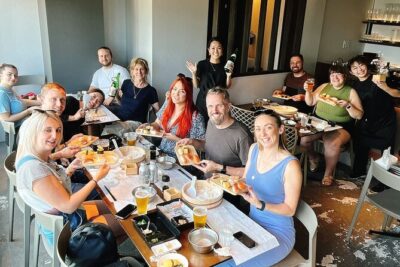 ★ 5.0Sushi Making Tokyo Roll and Authentic Japanese Sushi ClassFrom $593,971 reviews
 ★ 4.9Roll and Authentic Sushi Making Class in AsakusaFrom $581,957 reviews
 ★ 4.9Sushi Making Class in a Happi Coat near a Famous SpotFrom $421,377 reviews
 ★ 5.0Sushi Making Osaka Roll and Authentic Japanese Sushi ClassFrom $311,220 reviews
 ★ 5.0Tokyo Sushi Making Class in Tsukiji with Professional ChefFrom $491,177 reviews
 ★ 5.0Tokyo Night Foodie Tour in Shinjuku – Seasonal Sushi, Wagyu BeefFrom $1111,161 reviews
 ★ 5.0Tsukiji Fish Market Guided Tour and Sushi Making with Pro ChefFrom $104775 reviews
 ★ 5.0Sushi Making in Kyoto! Same-day bookings welcome!From $53713 reviews
Filed on these lists too