
REVIEW · SHIBUYA, SHINJUKU AND HARAJUKU WALKS
Tokyo Night Foodie Tour in Shinjuku – Seasonal Sushi, Wagyu Beef
Craving sushi and Wagyu after dark? This Tokyo night food tour in Shinjuku mixes local-style tastings with a guided stroll through neon Tokyo, including seasonal sushi and Wagyu grilled on a shichirin stove.
I like how it’s structured for real eating, not just window shopping. You also get a small group, so your guide can slow down when you need a food translation or a menu sanity check.
One catch to plan around: dietary limits aren’t guaranteed allergy-free, and the tour notes that substitutions might not be possible at every stop. If you have strong allergies or very specific requirements, you’ll want a backup plan before you go.
In This Review
- Key highlights you’ll feel in the moment
- Tokyo Night Foodie Tour: a smart way to eat your way through Shinjuku
- Meeting in Nishishinjuku, then getting oriented fast
- Stop 1 sushi haven in Shinjuku: where the night’s flavor story begins
- Omoide Yokocho area and omakase-style sushi: chef choices, Tokyo style
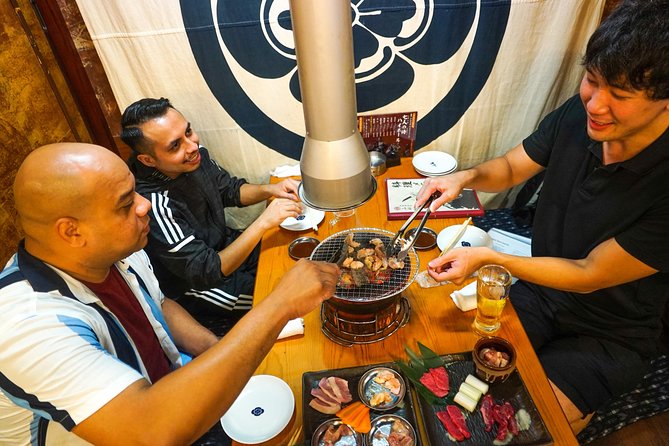
- Shichirin-grilled Wagyu: why this part feels special
- Kabukicho district at night: more than neon photos
- Godzilla Road & Head: a quick fan stop that actually breaks the monotony
- Nishishinjuku dessert or drinks: closing the loop the right way
- What the best guides tend to do (and how you can benefit)
- Pace and “how much walking” expectations
- Who should book this tour, and who might rethink it
- Should you book the Tokyo Night Foodie Tour in Shinjuku?
- FAQ
- How long is the Tokyo Night Foodie Tour in Shinjuku?
- Where does the tour start and where does it end?
- How much does the tour cost?
- What food will I try during the tour?
- What is the group size limit?
- Is the meeting point near public transportation?
- Can the tour accommodate allergies or special dietary restrictions?
- Can I request a vegetarian course?
- Will the tour visit places where smoking is allowed?
Key highlights you’ll feel in the moment
- Small group (max 7) for more time with your guide and food questions
- Seasonal sushi tastings that help you understand what you’re eating, not just what it is
- Shichirin-grilled Wagyu cooked tableside on a traditional grilling setup
- Kabuki-cho night walk that helps you read the energy of Shinjuku after dark
- Dessert or drinks to close the night without sending you back to the hotel hungry
Other routes through the west side of Tokyo, compared
- Tokyo: Shinjuku Food Tour (13 Dishes at 4 Local Eateries)
★ 5.0 · 6,603 reviews - Tokyo Bar Hopping Tour in Shinjuku (All-You-Can-Drink + Dinner)
★ 5.0 · 3,587 reviews - Official Street Go-Kart in Shibuya
★ 5.0 · 3,435 reviews - Tokyo: Shinjuku Food Tour (15 Dishes and 4 Eateries)
★ 4.9 · 2,033 reviews
Tokyo Night Foodie Tour: a smart way to eat your way through Shinjuku
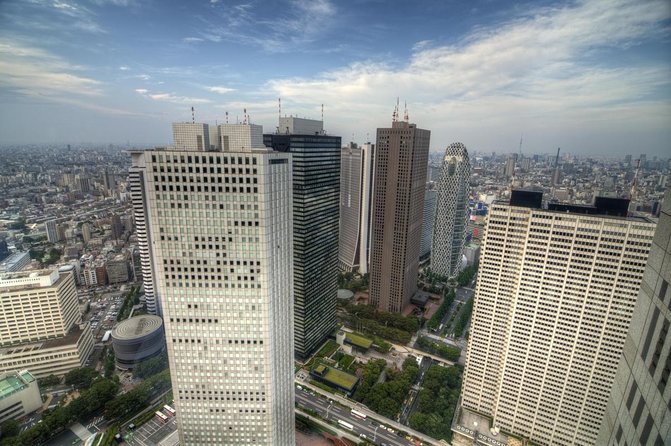
Shinjuku at night is a lot. It’s loud, bright, and full of tiny streets that don’t look like much until you’re walking them with a purpose. This tour gives you that purpose, with food stops that are timed so you’re eating during the best parts of the night, not stuck staring at menus.
For the money, I like that you’re not paying only for a walk. You’re paying for guided access to tastings built around two big Japanese flexes: fresh sushi and high-end Wagyu. On top of that, you get a dessert or drink finale, so you finish the experience satisfied, not just “technically fed.”
Price-wise, $111.62 for about 3 hours can sound steep until you price out sushi and Wagyu separately in Tokyo. Add the guide, the coordination, and the fact that the tour also feeds in a dessert moment, and the math starts to make more sense. This is one of those tours where you’re buying fewer decisions and more eating.
Meeting in Nishishinjuku, then getting oriented fast
You meet at 1-chōme-2-8 Nishishinjuku, Shinjuku City, Tokyo 160-0023, and the tour ends back at the same meeting point. That loop matters. It means you start the night with your bearings, then your guide handles the “where do we go next” headache.
The tour is near public transportation, which helps because Shinjuku is one of those stations that can make even confident walkers feel temporarily lost. Since the experience is about 3 hours, you’ll want to arrive a few minutes early so you’re not rushing food time.
One practical note from the tour details: Japan’s weather can be intense, with summer highs up to 40°C (110°F) and winter lows down to -5°C (20°F). If you’re doing this at the peak of either extreme, plan for hydration and layers. The tour is still a walking night, rain or shine.
Stop 1 sushi haven in Shinjuku: where the night’s flavor story begins
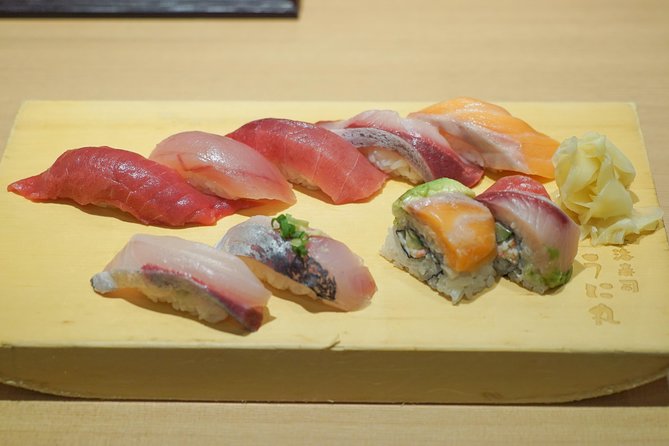
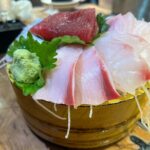
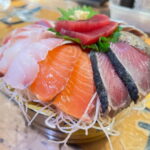
Your first stop is an authentic sushi haven in Shinjuku, and the idea here is simple: start with freshness. The tour is built around seasonal sushi, which is the best kind of sushi lesson. You get to taste what’s in season, then the guide connects the dots so it doesn’t feel random.
What I like about starting here is that sushi sets expectations. After a few bites, you start noticing differences like texture, temperature, and how the fish changes the flavor direction. It also makes the later Wagyu stop feel like a second act, not just “another restaurant.”
Expect a focused start, not a long sit. The tour format is meant to keep you moving, so come hungry but also ready for a quick rhythm.
Counters and courses we sat at around Tokyo
- Sushi Making Tokyo Roll and Authentic Japanese Sushi Class★ 5.0 · 3,971 reviews
- Make Sushi and Create Unforgettable Memories in Tokyo★ 5.0 · 1,413 reviews
- Tokyo: Sushi Making Class in a Happi Coat near a Famous Spot★ 4.9 · 1,377 reviews
- Tokyo Sushi Making Class in Tsukiji with Professional Chef★ 5.0 · 1,177 reviews
- Tokyo Night Foodie Tour in Shinjuku – Seasonal Sushi, Wagyu Beef★ 5.0 · 1,161 reviews
Omoide Yokocho area and omakase-style sushi: chef choices, Tokyo style
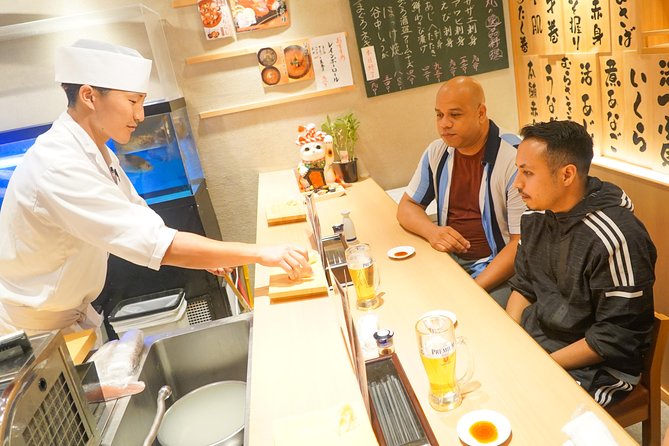
Next you head toward the Omoide Yokocho area. Here’s the important nuance: the tour may start in the Omoide Yokocho neighborhood, but you likely won’t eat right in the alley lanes. Instead, you’ll walk to an omakase-style sushi restaurant where the chef chooses what you’ll get.
This matters because it changes how you should think about the stop. You’re not there to hunt. You’re there to be guided into a setting where the chef is making the call based on seasonality and what the kitchen is doing well that night.
In practical terms, expect some walking between points. One review specifically called out that the tour setup can involve walking roughly 15 minutes to the omakase sushi spot and then another stretch to the Wagyu location. So if you’re hoping for a totally alley-only experience, adjust your expectations.
Food tip mindset: if you’re curious, ask about what the chef is doing in that moment. Even basic questions help. The best parts of this tour tend to happen when you treat the guide like your translator and local strategy coach.
Shichirin-grilled Wagyu: why this part feels special
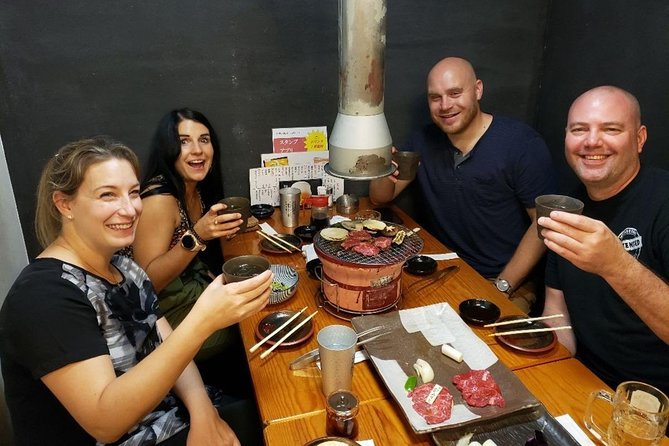
The tour’s Wagyu segment is described as grilled on traditional shichirin stoves. That detail is not just a tech note, it’s part of why the tasting experience can feel different from plain restaurant steak.
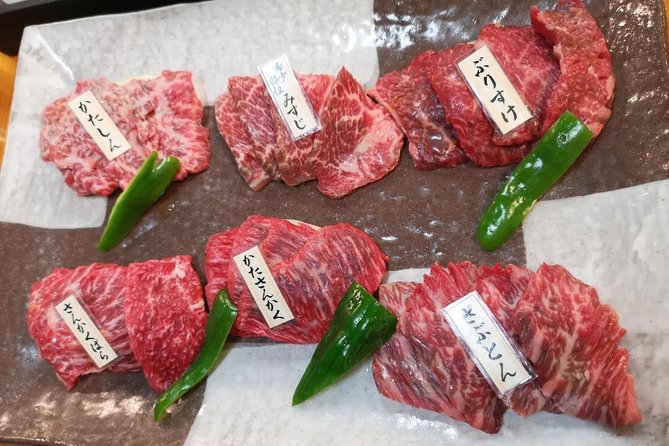
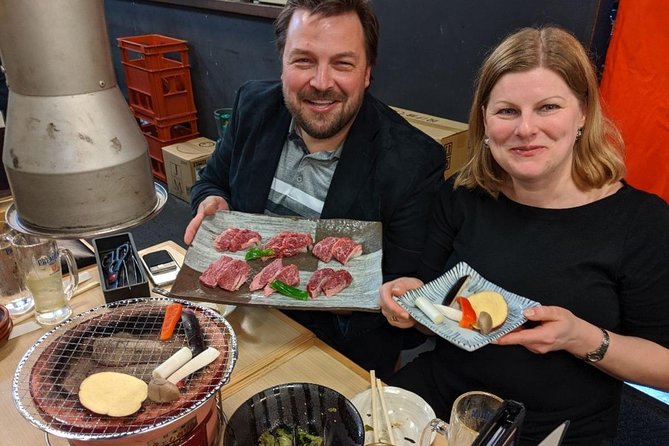
A shichirin is a traditional tabletop grill setup. The smoke, heat, and cooking pace are part of the experience, especially when the meat is served in a way meant for tasting and comparison. You’re not just ordering meat, you’re watching it get cooked the way locals expect.
What I like here is the contrast. Sushi trains your palate for clean, fresh flavors. Wagyu then shifts you into fat-forward richness and a very Japanese way of handling high-end ingredients: simple, precise, and meant to be tasted slowly.
Portions can be generous. Multiple reviews mention leaving full by the end of the night, and the tour really does stack several tastings. If you’re the type who thinks you’ll “graze,” you might want to eat lightly before you start.
Kabukicho district at night: more than neon photos
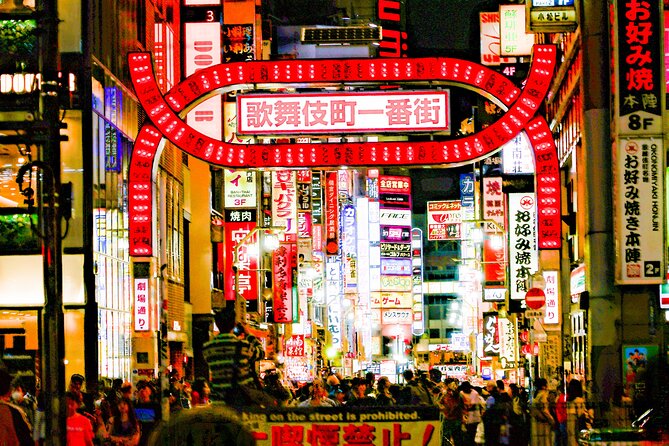
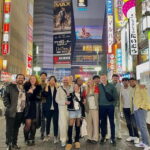
After the food, you get the walking portion with a purpose: Kabukicho District. This is Tokyo’s entertainment zone after dark, known for its dense energy, theaters, restaurants, and neon streets.
The value of this part is orientation and confidence. You’re not just seeing lights. You’re learning how the area is laid out and what kind of places you’ll find when you come back on your own. It’s the difference between walking through Shinjuku and understanding Shinjuku.
Time on this stop is about 40 minutes, so you’ll have enough time to stroll, look around, and absorb the rhythm without feeling like it’s a chore. If you’re traveling solo or you just want your first Shinjuku night to feel less intimidating, this is a great match.
Godzilla Road & Head: a quick fan stop that actually breaks the monotony
Then you get a small detour at Godzilla Road & Head, including time to see the Godzilla head. The tour notes it’s a meaningful stop for Godzilla fans, and it’s also a good palate break between food and dessert.
At only about 5 minutes, this isn’t a big production stop. It’s more like a fun checkpoint that gives the night a little character. For anyone who grew up with the franchise, it tends to land as a memorable photo moment.
Even if you’re not a diehard fan, the Godzilla stop helps with variety. You’re not doing restaurant after restaurant, which keeps the whole experience from feeling repetitive.
Nishishinjuku dessert or drinks: closing the loop the right way
The finale is in Nishishinjuku, where the tour wraps up with unique Japanese desserts or drinks. This stop is timed at about 30 minutes, which is enough time to slow down, chat, and decide what you want next in Tokyo without feeling rushed.
One reason this works well is emotional pacing. After sushi and Wagyu, you’re usually a little “food-satisfied.” Dessert lets you end on something lighter and a bit playful, instead of going straight from rich meat to a long walk back to your hotel.
Reviews also mention that groups can make choices here, like selecting dessert. If you want something sweet, this is the moment.
What the best guides tend to do (and how you can benefit)
The tour’s reviews are loaded with one theme: guides who make you feel comfortable and included, while still keeping the night moving. Names that show up often include Yuki, Molly, Megumi, Yuma, Hiro, Minnie, Mimi, Aoi, Lisa, Mayu, Yosh, and Karen.
Here’s how that helps you in real terms:
- You can ask follow-ups about what you’re eating, why it’s served that way, and how to order similar dishes later.
- If you’re traveling with someone older or someone who needs help choosing, the guide approach seems to matter a lot, and many reviews highlight that human touch.
- If you want cultural context, these tours are built to provide it while you walk between spots, so it doesn’t feel like you’re sitting in a lecture.
If you want to get the most out of it, come with 2 or 3 questions ready. Example: what should I try if I see this dish later, or what’s a good beginner-friendly order at a similar place?
Pace and “how much walking” expectations
This is not a couch tour. It’s a night food walk, with multiple restaurant stops and street time in between.
Some reviews specifically noted extra walking between the meeting area and the actual dining spots, especially around Omoide Yokocho. So even though the schedule shows each stop with a rough time, you should mentally allow for transit walking within each block.
The good news is that the pace is widely described as manageable and relaxing by at least one review, and the duration is only about 3 hours. Still, wear shoes you’d be happy walking in for a couple of hours, not just for photos.
Who should book this tour, and who might rethink it
This tour is best for you if:
- You want seasonal sushi and Wagyu in one night, without doing planning gymnastics.
- You like the idea of a guided Shinjuku night walk, not just restaurant stops.
- You’re traveling with friends or family and want a shared, guided food story.
You might consider a different option if:
- You have strict allergies or very narrow dietary needs. The tour states they can’t guarantee allergy-free food, and substitutions might be limited.
- You’re hoping for zero walking, or you dislike walking between neighborhoods for meals.
Also, for vegetarians: the tour says you can request a vegetarian course in advance, by the day before. It also says you can’t guarantee you’ll get a vegetarian course if you request on the day. If this matters to you, plan ahead.
Should you book the Tokyo Night Foodie Tour in Shinjuku?
If you want a high-value introduction to Shinjuku nightlife plus top Tokyo food, I think it’s a strong book. The best part is the pairing: sushi sets the foundation, Wagyu turns the volume up, and then the Kabukicho walk and dessert close out the night in a way that feels like a complete experience, not scattered meals.
Book it if you enjoy guided structure and want to leave with both full stomach confidence and better instincts for ordering later. If your priority is total freedom or you have complex dietary needs, you’ll likely feel more stress than fun.
My practical advice: come hungry, ask questions, and treat the guide as your local translator. This is the kind of tour where the small details, like learning what’s seasonal and why the Wagyu is grilled a specific way, make the whole night click.
FAQ
How long is the Tokyo Night Foodie Tour in Shinjuku?
The tour lasts about 3 hours.
Where does the tour start and where does it end?
It starts at 1-chōme-2-8 Nishishinjuku, Shinjuku City, Tokyo 160-0023, Japan, and it ends back at the meeting point.
How much does the tour cost?
The price is $111.62 per person.
What food will I try during the tour?
The tour includes tastings of fresh sushi and famous Japanese Wagyu beef, and it ends with dessert or a drink.
What is the group size limit?
The tour has a maximum of 7 travelers.
Is the meeting point near public transportation?
Yes, the meeting point is near public transportation.
Can the tour accommodate allergies or special dietary restrictions?
The tour states it cannot guarantee allergy-free food or cater to dietary restrictions, since the food is prepared in kitchens not belonging to MagicalTrip. Substitutions may not always be possible at every stop.
Can I request a vegetarian course?
Yes, you can request a vegetarian course in advance (by the day before). You cannot request it on the day of the tour.
Will the tour visit places where smoking is allowed?
The tour notes it may visit places where smoking is not prohibited, and they may not be able to change venues if that happens.
Counters and Courses

West Tokyo on Foot: Seven More

Newest Tokyo write-ups from the Loving Japan desk

Shibuya, Shinjuku and Harajuku Walks, side by side.
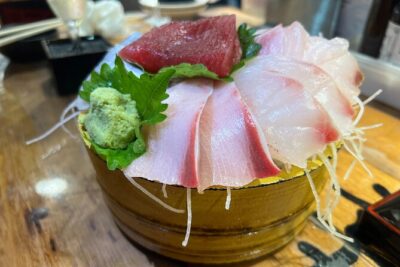 ★ 5.0Shinjuku Food Tour (13 Dishes at 4 Local Eateries)From $866,603 reviews
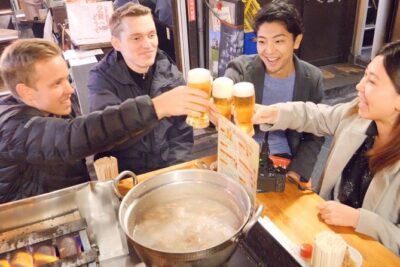 ★ 5.0Tokyo Bar Hopping Tour in Shinjuku (All-You-Can-Drink + Dinner)From $1063,587 reviews
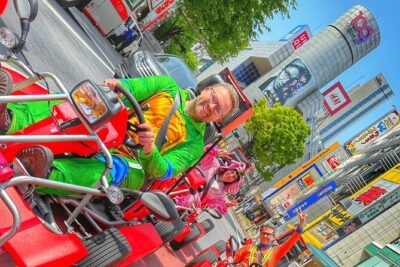 ★ 5.0Official Street Go-Kart in ShibuyaFrom $763,435 reviews
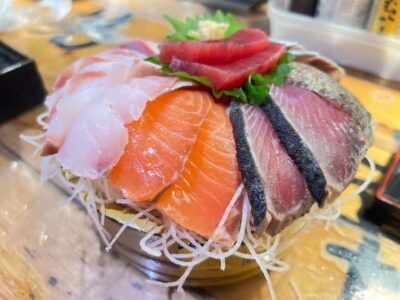 ★ 4.9Shinjuku Food Tour (15 Dishes and 4 Eateries)From $852,033 reviews
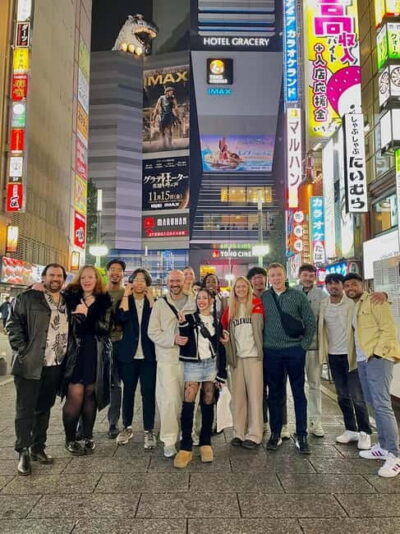 ★ 4.9Shinjuku Local Bar and Izakaya Guided Walking TourFrom $341,794 reviews
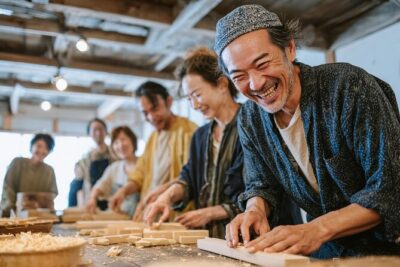 ★ 5.0Tokyo Shinjuku Chopsticks Making ClassFrom $201,763 reviews
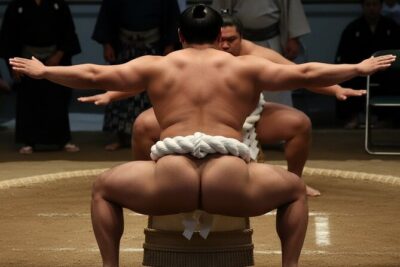 ★ 5.0Tokyo Shinjuku Sumo Show & Experience with PhotoFrom $791,750 reviews
 ★ 4.9Street Kart Experience in ShibuyaFrom $741,484 reviews
Filed on these lists too