
REVIEW · ASAKUSA, SENSO-JI AND TOKYO SKYTREE
Asakusa Calligraphy Workshop Craft Your Own Art in Tokyo
Tokyo handwriting practice can be weirdly calming. In this Asakusa calligraphy workshop, you learn real brush skills in a small group setting and leave with your own writing as a keepsake. It’s in one of Tokyo’s most historic neighborhoods, so the class feels connected to place, not just a craft stall.
What I like most is that you start with fundamentals you can actually use later: brush grip, stroke order, and control. Then you get to use both traditional brushes and a modern brush pen, so you can compare the feel of each tool. One thing to consider: the session is short (about 1 to 1.5 hours), so you’ll learn the basics well, but you won’t become a calligraphy master in one go.
In This Review
- Why This Asakusa Calligraphy Class Feels Worth Your Time
- Meeting at Tokyo Tourist Lounge Asakusa (And What to Do First)
- Brush Grip, Stroke Order, and Control: The Real Skill Part
- Traditional Brushes vs a Modern Fude Pen: Compare Two Worlds
- Choosing Your Characters: Make It Feel Like Your Artwork
- Taking Home Your Calligraphy Keepsake (And What Makes It Special)
- Price and Value: Is $40 a Fair Deal for a Skill Class?
- Who Should Book This Workshop (And Who Might Not Love It)
- A Quick Tip on Timing and Instructor Support (Mei’s Example)
- After the Class: What You’ll Be Able to Practice at Home
- Should You Book This Asakusa Calligraphy Workshop?
- FAQ
- How long is the Asakusa calligraphy workshop?
- How many people are in the group?
- What tools do you use during the workshop?
- Can I choose which characters to write?
- What do I take home at the end?
- Where do I meet for the workshop?
- Is the entrance fee included?
- Is bottled water included?
- Is the workshop suitable for beginners?
- What is the cancellation policy?
Why This Asakusa Calligraphy Class Feels Worth Your Time
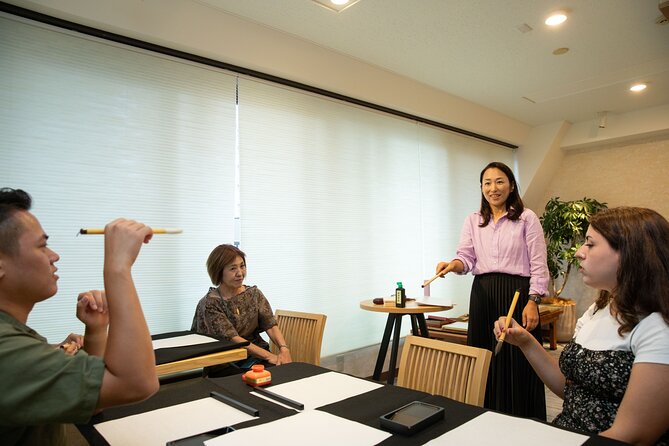
This isn’t a performance. You’re not watching ink flow while everyone else takes notes. You’re making strokes, correcting hand position, and learning what a good line looks like when you control pressure and direction.
Asakusa adds a nice layer. You’re doing the workshop in a historic district where Japanese culture is front and center. Even if you’re a total beginner, walking into the class in Asakusa makes the whole thing feel more meaningful than a workshop tucked into a random mall.
The class also keeps expectations realistic. You’ll practice enough to get comfortable with the basics, then you’ll write characters you choose and take your work home. That combination matters. Many craft experiences teach the fun part, but this one teaches the method behind the fun.
Still on the Sumida side? A few more Asakusa options
- Tokyo: Japanese Dance Cabaret Theater Asakusa-Kaguwa Ticket
★ 4.8 · 2,270 reviews - Tokyo: Meiji Shrine, Asakusa, Skytree Bus Tour and Cruise
★ 4.7 · 1,986 reviews - Tokyo: Roll and Authentic Sushi Making Class in Asakusa
★ 4.9 · 1,957 reviews - Tokyo: Asakusa Walking Tour with Sensoji Temple Visit
★ 4.8 · 1,583 reviews
Meeting at Tokyo Tourist Lounge Asakusa (And What to Do First)
Your session starts and ends back at Tokyo Tourist Lounge Asakusa (111-0034, 5F, 2丁目-18-15 雷門, 台東区, 東京都). The experience uses a mobile ticket, so you’re not stuck digging through paper after you arrive in Tokyo.
Because the meeting point is near public transportation, you can plan without a complicated commute. Still, do yourself a favor: arrive a bit early. Tokyo’s stations and crossings are easy to navigate, but calligraphy sessions depend on time, not vibes.
Once you’re at the lounge, your instructor will guide the start of the lesson and get you into the right rhythm. The class is designed for beginners, so you shouldn’t feel pressure to already know how Japanese characters are constructed. Your goal is to learn how to move the brush correctly and consistently.
Brush Grip, Stroke Order, and Control: The Real Skill Part
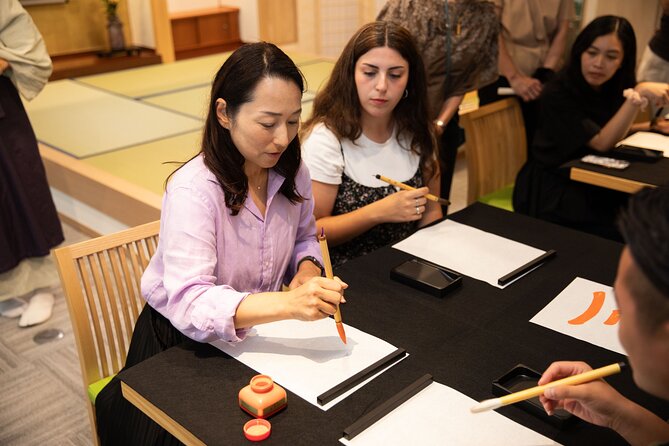
The workshop starts with the foundation: how to hold the brush, how to control the stroke, and how to follow stroke order. This is the part you’ll appreciate later, because it turns calligraphy from guesswork into a repeatable skill.
Here’s what these basics mean in practical terms:
- Brush grip affects how the brush tip behaves. If you hold it too stiff, your line will look uneven. If you hold it too loose, you lose accuracy.
- Stroke order gives you a structure. Japanese characters are built step-by-step, and the order helps the character stay balanced.
- Stroke control is really about pressure and direction. You learn when the line should thicken and when it should taper.
The value here is that this isn’t something you can fully learn from a YouTube video or a book. In a live class, you can correct your hand position in real time. And with a small group size (up to 10), you’re not competing for attention.
Traditional Brushes vs a Modern Fude Pen: Compare Two Worlds
After the foundational practice, you’ll write using both tools:
- a traditional brush, and
- a modern fude pen (a brush pen).
This is one of my favorite parts to recommend, because it makes the lesson feel personal and practical. Traditional brush writing teaches the core physics of calligraphy: pressure, angle, and flow. The fude pen gives you a cleaner, more forgiving way to practice at home later, especially if you want decent results without mastering brush technique right away.
You’ll notice the difference immediately. A brush demands more body control, while a pen often behaves more predictably. But learning both tools helps you understand what you’re actually trying to create: line character, not just ink aesthetics.
If you love the idea of continuing after your trip, this tool comparison is a smart design. You can take the techniques you learned with the brush and then practice at home with a pen that’s easier to use day to day.
Make something to take home. Other workshops
- Tokyo Shinjuku Chopsticks Making Class★ 5.0 · 1,763 reviews
- Chopstick Making Workshop in Ginza★ 4.8 · 1,366 reviews
- Tokyo Sumo Experience: Chanko & Mochi with a Former Pro★ 4.8 · 567 reviews
- Kintsugi Experience: Art of Golden Joinery in Tokyo★ 5.0 · 467 reviews
- Tokyo Chopstick Making Workshop with Artisan★ 5.0 · 466 reviews
Choosing Your Characters: Make It Feel Like Your Artwork
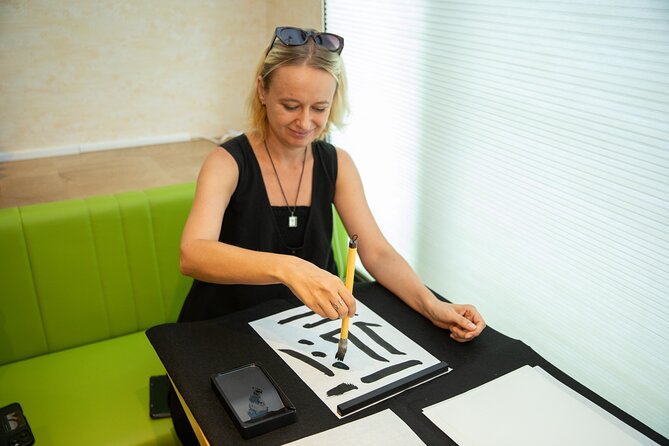
Once you’ve practiced the basics, you get to choose characters to write. That means your finished piece isn’t just a generic sample. It’s a personal souvenir, and the process of selecting a character helps you think about the result you want, not just the act of writing.
In class, you’ll practice essential strokes first, then move toward the characters you’ve picked. The instructor helps guide you through writing, including how your strokes should connect and how to keep the character balanced.
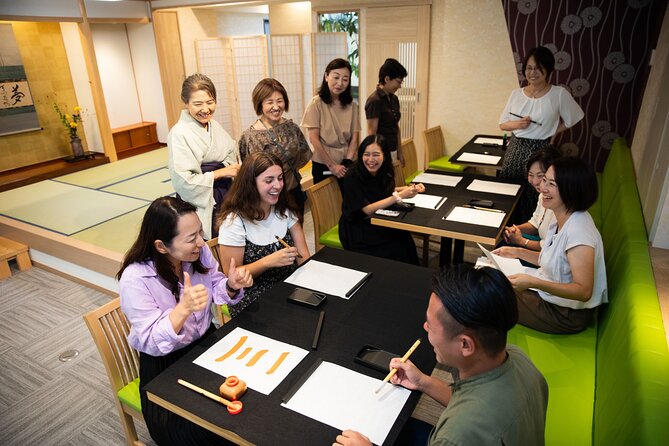
This is also where the small-group format really matters. If you’re learning a precise craft, you benefit from getting quick feedback. Up to 10 participants means it’s easier for the teacher to notice what’s off and help you adjust without waiting for a full group reset.
Taking Home Your Calligraphy Keepsake (And What Makes It Special)
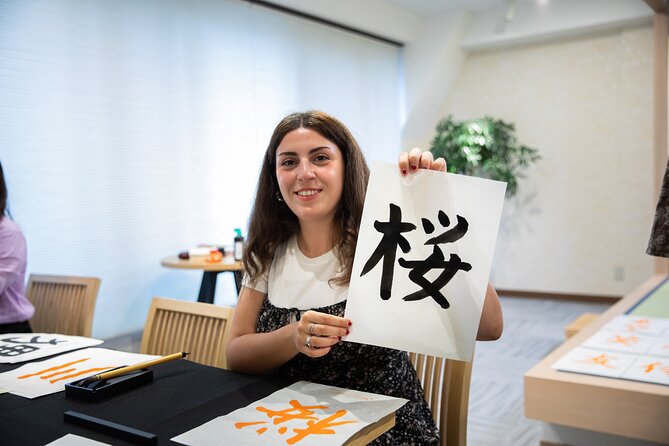
You’ll finish the workshop with your own calligraphy artwork to take home. That’s the big “why” for many people. It turns a cultural activity into something you can display, frame, or gift.
What makes the keepsake worth it is the learning process behind it. You’re not buying a ready-made item. You’re carrying home proof that you learned the method: grip, control, and stroke order. Even if your strokes aren’t perfect, the piece is still authentic to your practice and your time in Tokyo.
Also, you’ll receive special souvenirs as part of the experience. While the specifics aren’t listed in detail, the core idea is that you leave with more than just the artwork.
One practical note: bottled water isn’t included. If you’re sensitive to dry air, bring water with you, especially on warmer days. You’ll be concentrating with your hands, so hydration helps you feel steady instead of distracted.
Price and Value: Is $40 a Fair Deal for a Skill Class?
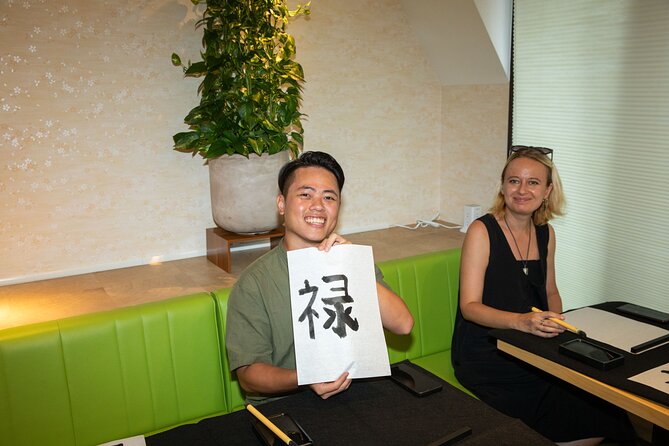
At $40 per person, this workshop sits in the “reasonable, hands-on” category for Tokyo. What you’re paying for isn’t just the materials. You’re paying for guided instruction, enough time for practice, and the ability to take home finished work.
Here’s the value math that matters:
- Duration is about 1 hour 30 minutes (approx.). That’s long enough for real practice, not just a quick demo.
- Group size tops out at 10, so you get direct support.
- You practice with both traditional brushes and a modern fude pen, which increases the learning payoff.
- You receive souvenirs and your finished calligraphy piece.
If you’re the type who likes to learn one thing properly during a trip, this price makes sense. If you mainly want photos and a quick activity, you might find it slightly more time-invested than other casual experiences. But if you want a skill-based souvenir, the structure justifies the cost.
Who Should Book This Workshop (And Who Might Not Love It)
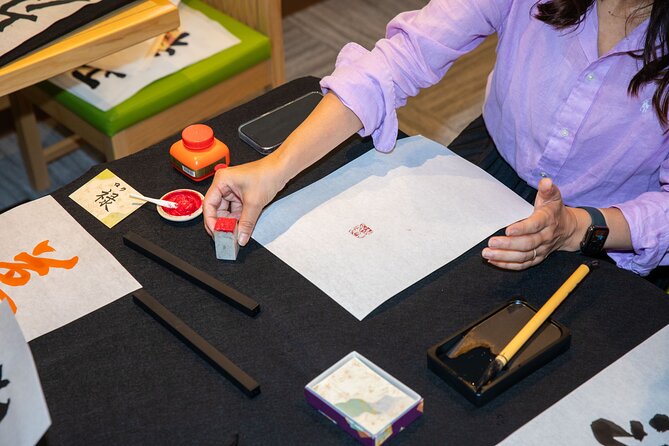
This class is a great match if:
- you’re a beginner and want real coaching, not guesswork,
- you enjoy hands-on activities where you can produce something you keep,
- you like cultural experiences that teach a method you can practice later.
It also fits well for people who want a calm, focused activity during a Tokyo itinerary. Calligraphy is detailed work, and that tends to feel different from rushing between landmarks.
You might not love it if:
- you’re short on time and need something under an hour,
- you don’t enjoy instruction and practice, and prefer purely observational experiences.
A Quick Tip on Timing and Instructor Support (Mei’s Example)
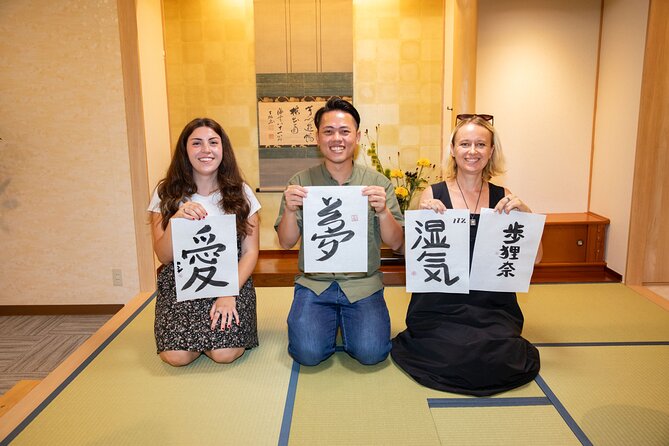
One of the nicest details here is how supportive the instructor approach can be. The instructor Mei has been described as kind and patient when someone arrived late, with the session adjusted to fit the time. That kind of flexibility matters, because Tokyo schedules can be tricky, even when you plan carefully.
So do this: build in buffer time. If you do get delayed, contact your situation early and keep expectations flexible. The session is designed to work for beginners, and instructors tend to focus on helping you finish with something you can take home.
After the Class: What You’ll Be Able to Practice at Home
The class doesn’t end when your ink dries. You’ll learn techniques you can practice later, including brush control and stroke order. Even if your first attempts at home look messy, the training you receive in the session gives you a baseline.
If you’re using the same method with the tools you bought or already have, you’ll be able to improve faster than someone who only watched a video. And because you tried both a traditional brush and a brush pen, you’ll know which tool feels more natural for your practice style.
A practical way to keep momentum: pick one character you wrote in class and practice it repeatedly. Focus on one stroke at a time. That simple routine helps you see improvement quickly, even if the overall character takes time.
Should You Book This Asakusa Calligraphy Workshop?
Yes, if you want a hands-on Tokyo cultural activity that teaches you something you can practice after your trip. For $40 and about 90 minutes, you get real instruction, small-group attention, tool variety (brush and fude pen), and a finished souvenir you made yourself.
Book it if:
- you’re a beginner who wants guidance,
- you want a skill souvenir that feels personal,
- you like calm, focused work.
Skip it if you’re only looking for quick photos or you cannot spare enough time to practice. But if you can make the schedule work, this is the kind of class that turns a day in Tokyo into something you can keep.
FAQ
How long is the Asakusa calligraphy workshop?
It lasts about 1 hour 30 minutes (approximately).
How many people are in the group?
The class has a maximum of 10 travelers.
What tools do you use during the workshop?
You’ll practice with traditional brushes and also write with a modern fude pen (brush pen).
Can I choose which characters to write?
Yes, you choose from different characters to write during the session.
What do I take home at the end?
You’ll take home your finished calligraphy artwork, plus you receive special souvenirs.
Where do I meet for the workshop?
The meeting point is Tokyo Tourist Lounge Asakusa, 111-0034, 5F, 2丁目-18-15 雷門, 台東区, 東京都.
Is the entrance fee included?
Yes. The entrance fee is included, and you can use the Tokyo Tourist Lounge service for free.
Is bottled water included?
No, bottled water is not included.
Is the workshop suitable for beginners?
Yes, it’s described as perfect for beginners.
What is the cancellation policy?
You can cancel for free up to 24 hours in advance for a full refund.
Made by Hand, and Yours to Keep

Asakusa and the Skytree, Keep Going

Newest Tokyo write-ups from the Loving Japan desk

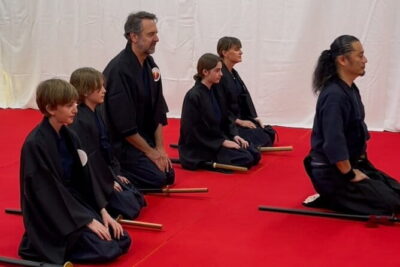
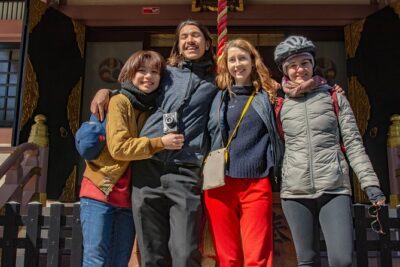
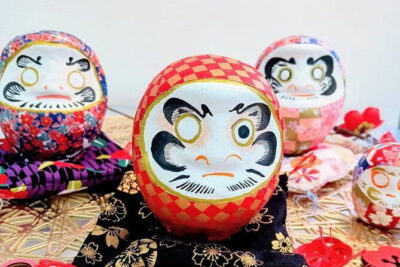

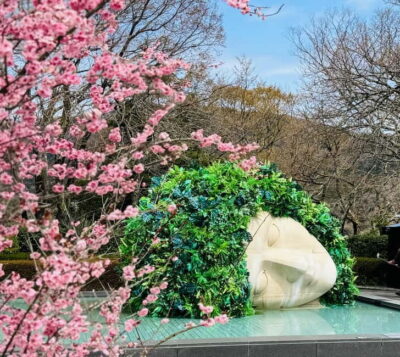
Asakusa, Senso-ji and Tokyo Skytree, side by side.
 ★ 4.5TOKYO SKYTREE® Admission ticketFrom $1311,192 reviews
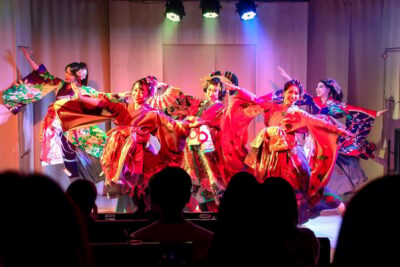 ★ 4.8Japanese Dance Cabaret Theater Asakusa-Kaguwa TicketFrom $492,270 reviews
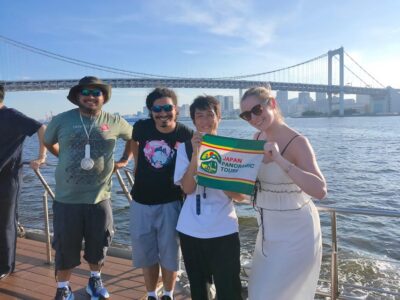 ★ 4.7Meiji Shrine, Asakusa, Skytree Bus Tour and CruiseFrom $1221,986 reviews
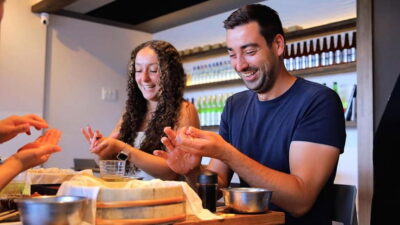 ★ 4.9Roll and Authentic Sushi Making Class in AsakusaFrom $581,957 reviews
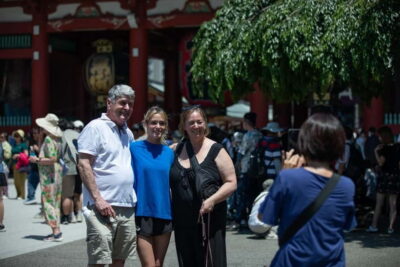 ★ 4.8Asakusa Walking Tour with Sensoji Temple VisitFrom $221,583 reviews
 ★ 5.0Tokyo Asakusa Rickshaw TourFrom $421,375 reviews
 ★ 4.5Tokyo Panoramic 1 Day: Meiji Shrine, Asakusa, Odaiba and SKYTREE®From $851,222 reviews
 ★ 5.0Tokyo Go Kart: Asakusa, Skytree, and Akihabara **IDP MUST**From $99988 reviews
Filed on these lists too