
REVIEW · ASAKUSA, SENSO-JI AND TOKYO SKYTREE
Asakusa Classic Ramen & Crispy Gyoza Cooking Class
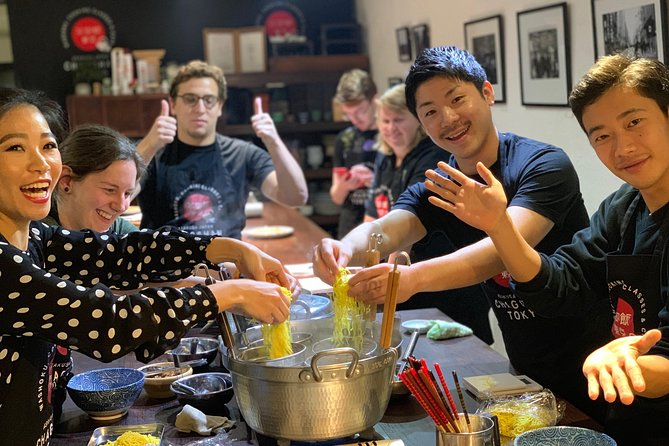
Ramen gets personal when you make it. This small-group cooking class teaches you how to build ramen broth from scratch and fold crispy gyoza by hand, then you sit down and enjoy what you cooked. It is a rare combo of technique, taste, and real food payoff in just a few hours.
I also like that the kitchen setup is made for doing, not watching, with Masa and Junko leading clear step-by-step instruction in an organized space. One thing to consider: prep includes some knife work, so if you are bringing kids, aim for older teens who can handle cutting tasks comfortably.
In This Review
- Key things that make this class worth your time
- Finding the right Asakusa cooking class starting point
- Meet Masa and Junko, then get into cooking mode
- What you learn: shoyu ramen and gyoza in the same session
- Ramen theme: broth and base from scratch
- Gyoza theme: crispy outside, juicy inside
- Building the ramen broth and toppings without getting lost
- Why this part is valuable for your future self
- What the finished ramen typically looks like
- Gyoza folding and crisping: where the technique clicks
- The prep work: vegetable cutting and filling
- Folding by hand, not a cookie-cutter shortcut
- How many you end up eating
- The small-group size makes the learning feel personal
- Eating what you cooked: the best part is the payoff
- Vegetarian and vegan options: plan ahead to make it smooth
- Price value: what $167.81 really buys you
- Practical tips so you get the most from the class
- Should you book this Asakusa ramen and gyoza class?
- FAQ
- How long is the Asakusa Classic Ramen and Crispy Gyoza cooking class?
- What is included in the class?
- Do I need to bring anything?
- Is there a vegetarian or vegan option?
- What is the group size?
- When do the classes run?
- What happens if I cancel?
Key things that make this class worth your time
- Shoyu ramen focus, with broth and base made from scratch
- Hands-on gyoza folding, including vegetable cutting and stuffing techniques
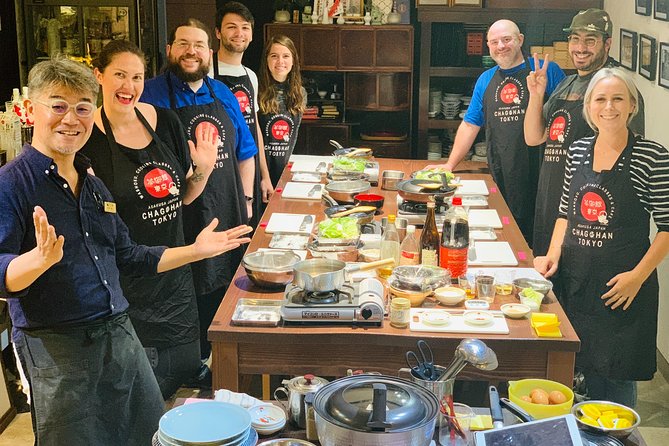
- Small group size (max 8) for better attention and faster learning
- Apron, utensils, and natural ingredients provided, no need to bring tools
- Recipes included, so you can remake the dishes at home
Still on the Sumida side? A few more Asakusa options
- Tokyo: Japanese Dance Cabaret Theater Asakusa-Kaguwa Ticket
★ 4.8 · 2,270 reviews - Tokyo: Meiji Shrine, Asakusa, Skytree Bus Tour and Cruise
★ 4.7 · 1,986 reviews - Tokyo: Roll and Authentic Sushi Making Class in Asakusa
★ 4.9 · 1,957 reviews - Tokyo: Asakusa Walking Tour with Sensoji Temple Visit
★ 4.8 · 1,583 reviews
Finding the right Asakusa cooking class starting point
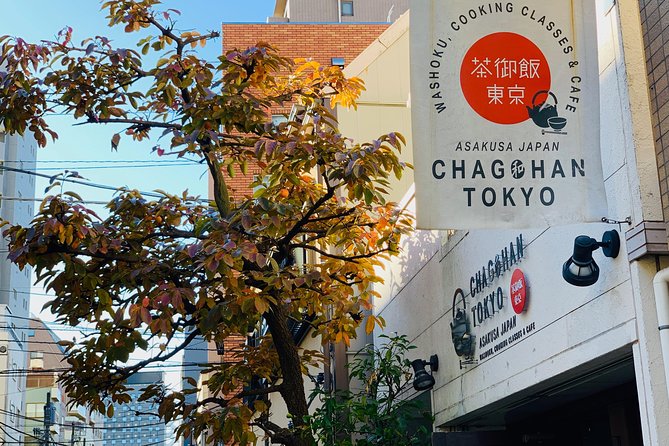
This class meets at 茶御飯東京, Chagohan Tokyo, in Nishiasakusa (Taito City). It is a straightforward location to reach with public transportation, and the meeting point being a dedicated cooking venue matters more than you might think.
Cooking classes can feel either like a performance or like an actual working kitchen. Here, the format is built around a real kitchen flow. The setup is organized, and you are not hunting for gear or waiting on someone else to do all the prep while you just stand there. That hands-on rhythm is a big part of the value.
Timing also helps. You get a morning slot from 10:00 a.m. to 1:00 p.m. or an afternoon slot from 3:00 p.m. to 6:00 p.m. In a city where your day can get chopped up by train transfers and sightseeing decisions, having a clean 3-hour block is a win.
Meet Masa and Junko, then get into cooking mode
The class is led by a couple team, Masa and Junko, and that pairing shows in how the lesson runs. Masa handles instruction and teaching, while Junko supports the experience and tends to take photos and videos for the group.
This matters for two reasons. First, you get consistent coaching from one primary teacher. Second, you get a calmer atmosphere. Instead of feeling like you are being rushed through steps, the pace stays “cook, taste, adjust,” with Q and A along the way.
Language is also a real factor for cooking classes, and this one is set up for non-Japanese speakers. English instruction has been highlighted repeatedly, and that can be the difference between leaving with confidence and leaving with vague memories of what was done.
What you learn: shoyu ramen and gyoza in the same session
You are not choosing between ramen or gyoza here. You do both in one sitting. That is a practical advantage because ramen skills and gyoza skills overlap in a useful way: you learn how Japanese comfort food is built through careful basics, not shortcuts.
Cook it yourself instead. Other kitchens in Tokyo
- Sushi Making Tokyo Roll and Authentic Japanese Sushi Class★ 5.0 · 3,971 reviews
- Tokyo: Sushi Making Class in a Happi Coat near a Famous Spot★ 4.9 · 1,377 reviews
- Tokyo Sushi Making Class in Tsukiji with Professional Chef★ 5.0 · 1,177 reviews
- Ramen & Gyoza Cooking Class in Tokyo with Local Supermarket Visit★ 5.0 · 823 reviews
- Tsukiji Fish Market Guided Tour and Sushi Making with Pro Chef★ 5.0 · 775 reviews
Ramen theme: broth and base from scratch
The class covers preparing a ramen base and broth from scratch, plus toppings. You also learn how the elements work together so you end up with a bowl that tastes like ramen you would recognize, not just “noodles in soup.”
One thing that comes through in the lesson is that ramen is a chain of steps. Even when the instructor is doing some critical parts, you still learn the logic behind it, including what makes the stock flavorful.
Gyoza theme: crispy outside, juicy inside
For gyoza, you will work on the filling and learn hand-folding techniques. You also cut vegetables using kitchen knife skills, then put together dumplings built for crunch.
The class goal is not just to make them once. It teaches you how to aim for a gyoza that has texture contrast, crispy outside and satisfying inside, which is exactly what you want when you eat gyoza hot.
Building the ramen broth and toppings without getting lost
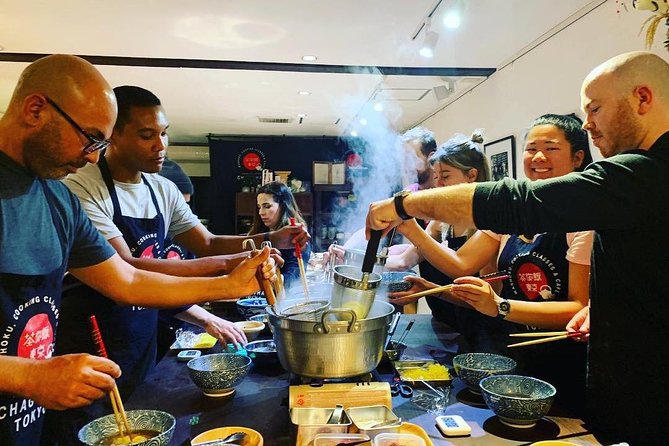
Ramen broth is the heart of the class, and it is where a lot of cooking classes either skip the hard parts or make you feel like you are outside your depth. Here, you are taught the process, and you get insider tips on what to watch for.
Even when some elements might be handled by the teacher to keep timing smooth, you learn the structure of the bowl. You work on parts of the toppings and understand how the broth base fits into the final taste.
Why this part is valuable for your future self
Ramen is one of those dishes people think they cannot replicate at home. The real barrier is not the ingredients, it is the workflow. This class helps you build a repeatable mental checklist: what gets prepared, what goes into the base, and how toppings are chosen so the bowl tastes balanced.
If you are the kind of traveler who likes coming home with skills, not just photos, this is a strong match. You leave with the recipe so you can run the process again.
What the finished ramen typically looks like
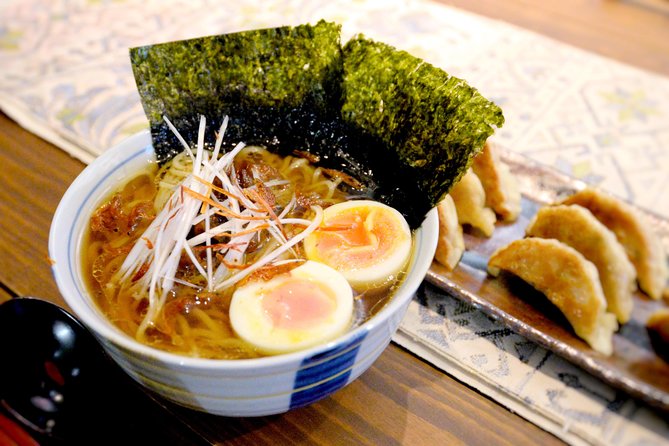
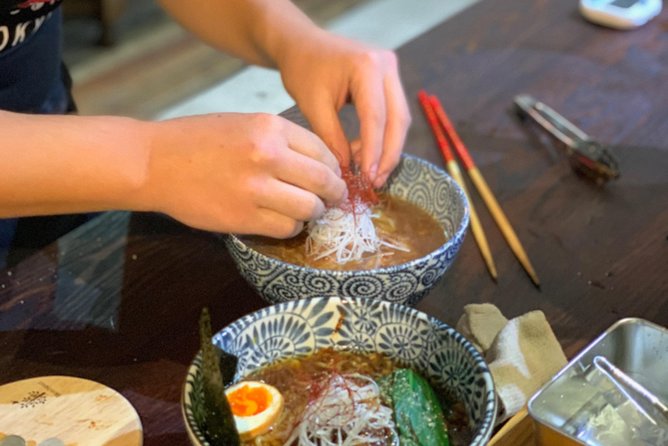
At the end, you assemble and then eat a ramen bowl you made. Reviews describe a full bowl of chicken ramen in the class results, and you also get a shoyu style stock. Your final bowl is the moment where the whole lesson clicks into place: broth, noodles, and toppings as one coherent plate.
Gyoza folding and crisping: where the technique clicks
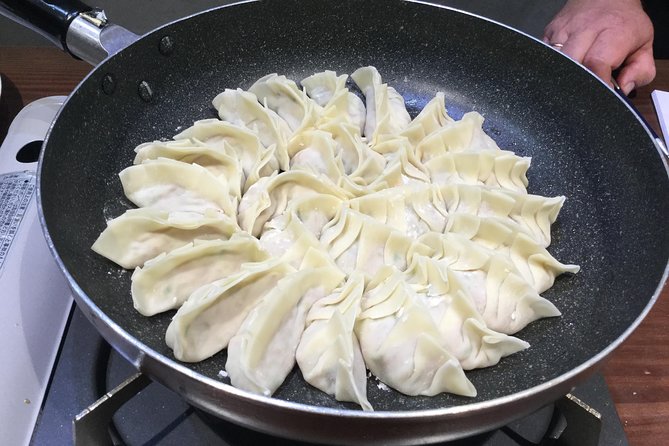
Gyoza sounds simple until you try it. The folding has to be tight enough to hold in the filling, and the cooking method has to create that crispy texture without overcooking the inside.
The prep work: vegetable cutting and filling
You will cut vegetables by hand as part of the gyoza preparation. This is not a passive activity. It is hands-on cooking, and that is why older kids tend to be a better fit than younger ones. If you already feel comfortable with a kitchen knife, you will likely enjoy this part. If you do not, you still get guidance, but go in with patience.
Folding by hand, not a cookie-cutter shortcut
The folding technique is a highlight. You learn hand-folding skills rather than using pre-made skins with no thought. That changes how you understand gyoza.
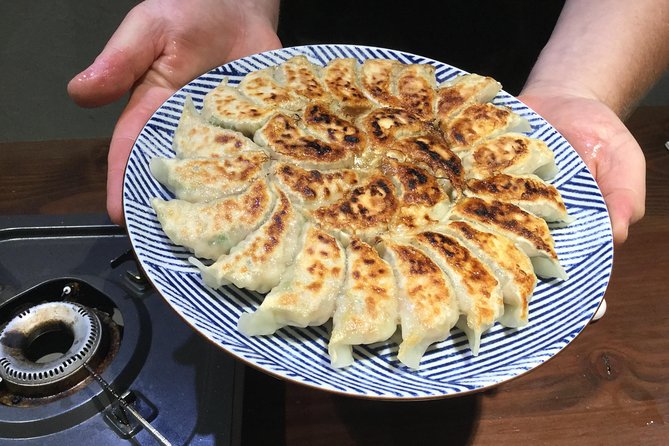
Once you have the shape down, the final cook becomes easier. The goal is crunchy outsides and a juicy bite.
How many you end up eating
The class outcome is also well portioned. Reviews mention about 8 gyoza per person, which is enough that you actually feel like you earned something, not like you had a tiny sample.
The small-group size makes the learning feel personal
Max 8 travelers is the sweet spot for a class like this. Large groups can turn cooking into a waiting game. With this group size, there is room for questions and correction, and your own hands get used often.
That is the difference you want if your goal is to actually cook at home later. Technique is tactile. You learn it by doing it, then getting adjustments.
Also, there is an “organized kitchen” feel to the session. Reviews call out that the kitchen is clean and well arranged. That matters because good organization lowers stress when you are managing multiple components like fillings, dough folding, and ramen prep at the same time.
Eating what you cooked: the best part is the payoff
A lot of cooking classes end with a bite while the teacher cleans up. This one is different. You assemble a photogenic bowl of ramen at the end, then you sit down and enjoy what you prepared.
That part is more than just food. It is a built-in feedback loop. You can taste and connect the process to the final result.
And because the class teaches both broth and gyoza, you get two texture experiences in one sitting: silky hot ramen with toppings, and crisp dumplings that contrast with the dumpling filling. It is a satisfying way to learn, and it is easier to remember flavors when you eat them right after learning.
Vegetarian and vegan options: plan ahead to make it smooth
If you are vegetarian or vegan, you have options, but you need advance notice. The class states vegetarian and vegan friendly options are available with advance notice.
That is important for two reasons. One, you want ingredient substitutions planned in advance so cooking time stays on track. Two, you want the broth and filling to match the style you are trying to recreate later at home.
If your dietary needs are strict, message ahead as soon as you book. You do not want the class to guess mid-session.
Price value: what $167.81 really buys you
At $167.81 per person, you should judge this class by what is included, not by how long it lasts. Three hours is not long on paper. In practice, you get a lot packed into that time because the class includes:
- Ramen broth and base work from scratch, plus toppings prep
- Gyoza filling prep and hand-folding, with crisping results
- Apron and utensils provided, so you arrive ready
- All-natural ingredients, and the class notes no MSG or artificial additives
- Recipes provided, including guidance you can use again at home
- A small-group format, which usually costs more than big group classes for a reason
You are paying for instruction, ingredient input, and the chance to take home something usable, recipes included. If you are only looking for a one-time meal, this might feel pricey. If you want to bring home repeatable cooking skills and you love ramen and gyoza, it is easier to see the value.
Also, the “no need to bring anything” approach cuts down on hassle during your trip. That is part of the true cost of travel. Less carrying, less prep, more time doing.
Practical tips so you get the most from the class
Here are a few real-world things that help you enjoy the process instead of just rushing through it.
- Come hungry, but not frantic. The class is hands-on and you will be working before eating. A normal appetite is perfect.
- Be ready for some knife work if you take the gyoza prep seriously. If you are bringing kids, think about comfort level with cutting tasks.
- Ask questions early. When you are learning broth and folding technique, the earlier you clarify steps, the less you struggle later.
- Watch the texture cues. Ramen and gyoza both have texture targets. The difference between good and great is often small adjustments.
- Take the recipes home seriously. The recipes are part of what you paid for. Use them when your memory of the day is still fresh.
Should you book this Asakusa ramen and gyoza class?
If you are a ramen lover, a gyoza fan, or the type of traveler who wants a practical souvenir, I think this class is a strong yes. The biggest reason is the combination: you learn both components in the same session, and you leave with recipes that make it possible to cook again.
It is also a good pick for couples, friends, and families who want a calmer, more structured Tokyo activity than another crowded food stop. The small-group format helps it feel personal without turning into an overly private experience.
Skip it if you want a totally hands-off food tour. This is cooking. You will use your hands, and you should enjoy learning by doing.
If you like eating in Tokyo but want something that gives you skills you can carry home, this is one of the better uses of a few hours in the city.
FAQ
How long is the Asakusa Classic Ramen and Crispy Gyoza cooking class?
It runs for about 3 hours, depending on the class flow.
What is included in the class?
You get an apron and utensils, the class ingredients, instruction to make ramen broth and toppings and gyoza, and you receive recipes so you can recreate the dishes at home.
Do I need to bring anything?
No. The class provides an apron and utensils, so you can come as you are.
Is there a vegetarian or vegan option?
Yes, vegetarian and vegan friendly options are available with advance notice.
What is the group size?
The class has a maximum of 8 travelers, which keeps the experience intimate.
When do the classes run?
There are two options: 10:00 a.m. to 1:00 p.m., and 3:00 p.m. to 6:00 p.m.
What happens if I cancel?
This experience is non-refundable and cannot be changed for any reason. If it is canceled due to poor weather, you will be offered a different date or a full refund, and if the minimum number of travelers is not met, you will be offered a different date or a full refund.
Kitchens You Can Book Into


Asakusa and the Skytree, Keep Going


Newest Tokyo write-ups from the Loving Japan desk

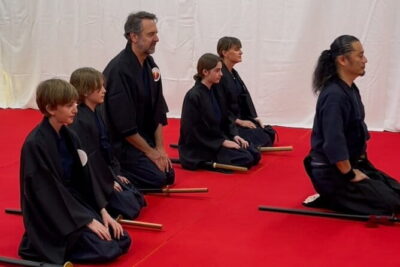



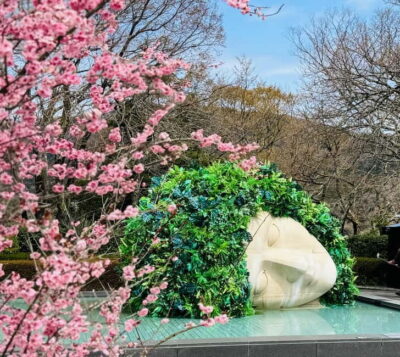
Asakusa, Senso-ji and Tokyo Skytree, side by side.
 ★ 4.5TOKYO SKYTREE® Admission ticketFrom $1311,192 reviews
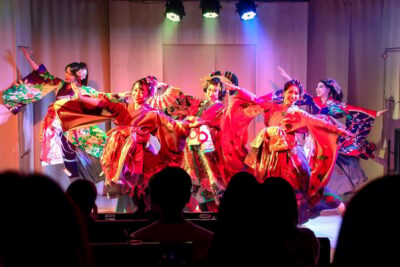 ★ 4.8Japanese Dance Cabaret Theater Asakusa-Kaguwa TicketFrom $492,270 reviews
 ★ 4.7Meiji Shrine, Asakusa, Skytree Bus Tour and CruiseFrom $1221,986 reviews
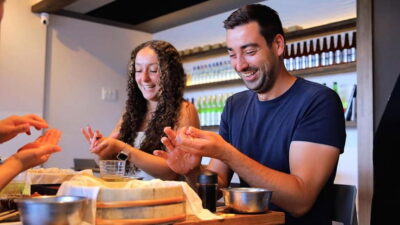 ★ 4.9Roll and Authentic Sushi Making Class in AsakusaFrom $581,957 reviews
 ★ 4.8Asakusa Walking Tour with Sensoji Temple VisitFrom $221,583 reviews
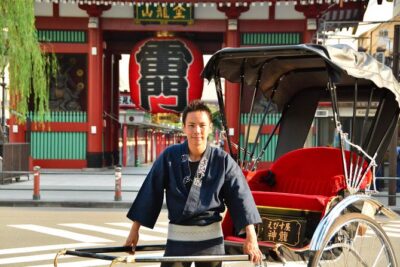 ★ 5.0Tokyo Asakusa Rickshaw TourFrom $421,375 reviews
 ★ 4.5Tokyo Panoramic 1 Day: Meiji Shrine, Asakusa, Odaiba and SKYTREE®From $851,222 reviews
 ★ 5.0Tokyo Go Kart: Asakusa, Skytree, and Akihabara **IDP MUST**From $99988 reviews