
REVIEW · JAPANESE CRAFT AND CALLIGRAPHY WORKSHOPS
Authentic Japanese calligraphy class in Tokyo! Kanji your name
Brush strokes beat apps every time. This private shodo lesson in Maki Japanese Calligraphy Tokyo teaches you how to write kanji, with one-to-one help in an instructor’s home, not a classroom.
I love the patient English explanations and the way Maki repeats key points until your posture and brush grip feel natural. I also love that your lesson ends with a real piece on traditional paper you can display.
One consideration is logistics, you get the class near Yoga Station, but private transportation is not included.
In This Review
- Key highlights at a glance
- Japanese calligraphy at Maki’s home in Setagaya
- How the Yoga Shrine area sets up your lesson
- One-to-one guidance: posture and brush control
- Tools, paper, and what you will actually make
- Your name in kanji: turning rules into a finished stroke
- Why the private format is good value for Tokyo
- Culture context without turning it into a lecture
- Practical tips so you enjoy the class more
- Who should book this Tokyo calligraphy lesson
- Should you book Kanji your name with Maki?
- FAQ
- How long is the Japanese calligraphy class?
- Where does the class meet in Tokyo?
- Is this a private class?
- What language is the instruction in?
- What will I write, and can I take it home?
- What is included in the price?
- Is transportation included?
Key highlights at a glance
- Private, one-to-one shodo coaching that adjusts to your pace
- A home setting in Setagaya, so learning feels personal and casual
- Kanji practice that actually sticks, from posture to brush control
- Take-home art on traditional paper, plus practice materials along the way
- A clear, step-by-step teacher who explains carefully in English
Make something to take home. Other workshops
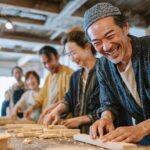
- Tokyo Shinjuku Chopsticks Making Class
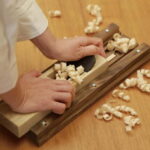
★ 5.0 · 1,763 reviews - Chopstick Making Workshop in Ginza
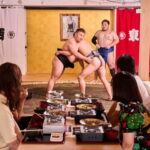
★ 4.8 · 1,366 reviews - Tokyo Sumo Experience: Chanko & Mochi with a Former Pro
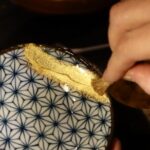
★ 4.8 · 567 reviews - Kintsugi Experience: Art of Golden Joinery in Tokyo
★ 5.0 · 467 reviews
Japanese calligraphy at Maki’s home in Setagaya
A Tokyo calligraphy class can be either a show, or a lesson. This one stays a lesson, because it is private and built around coaching you while you are holding the brush. The setting helps too, you are not learning surrounded by strangers and noise, you are in a calm, local home environment.
I like how the class treats basics as important, not optional. You learn how to sit, how to hold the brush, and how to plan the flow of a character, even if you have never written kanji before.
You should also know what you are signing up for: hands-on shodo, not a sightseeing stop. You will spend your time practicing, talking, and creating your own piece, which is exactly what makes it worth the money.
How the Yoga Shrine area sets up your lesson
Your experience starts in the Yoga area of Setagaya, Tokyo, near public transportation. The meeting point is listed close to Yoga Sta.2 Chome, with Yoga Shrine noted as the starting reference.
In practice, this is the kind of location that makes it easier to fit into a real travel day. You can reach it by train, then walk a short distance to meet your instructor, rather than building a long, complicated route.
Here is the one drawback to keep in mind: your time is mostly inside the lesson. That is good for learning, but it means you should not schedule other tight plans right after, because you will want a little buffer around the start and end times.
One-to-one guidance: posture and brush control
The class begins with the foundations of Japanese calligraphy, including the different writing systems and the tools you will use. Even if you only care about writing one name, this part matters, because calligraphy is more physical than people expect.
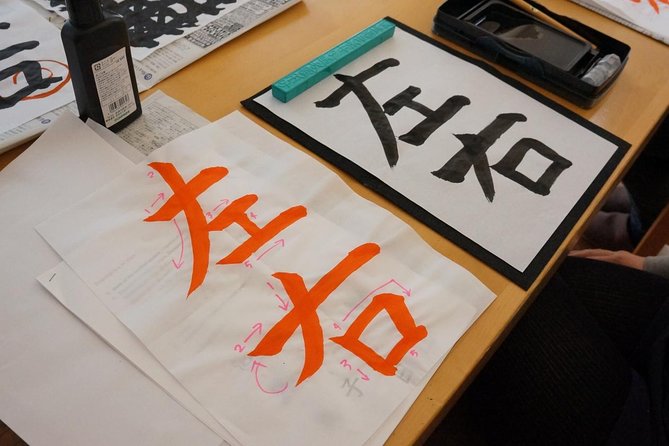
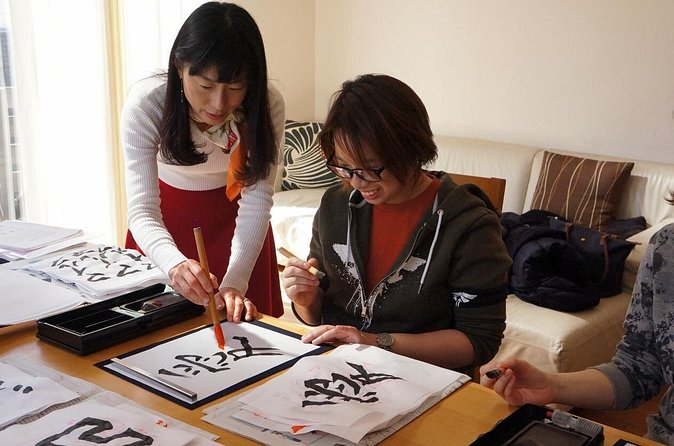
Maki focuses on posture and brush handling first. You learn the correct way to hold and move the brush, plus the basics of creating strokes cleanly instead of just making marks. When your wrist and grip are right, the character looks better with less effort, and that is a huge confidence boost.
One thing I really liked from the vibe of the class is that instruction stays patient and systematic. You can feel that the teacher expects repetition, and she will explain techniques carefully more than once if you need it to click.
You will also get time for practice, not just one rushed attempt. The goal is that you leave with a piece you are proud to show, and a sense of what to do next time you practice on your own.
- Mt Fuji and Hakone 1-Day Bus Tour Return by Bullet Train★ 5.0 · 26,383 reviews
- 1-Day Tokyo Bus Tour★ 5.0 · 14,250 reviews
- Tokyo: teamLab Planets TOKYO Digital Art Museum Entry Ticket★ 4.6 · 9,779 reviews
- Mt Fuji & Hakone Cruise, Drum Show Bullet Train 1 Day from Tokyo★ 4.0 · 7,413 reviews
- Tokyo Mt Fuji 5th St & Hakone Cruise Bus Tour w/Bullet Train★ 4.4 · 5,024 reviews
Tools, paper, and what you will actually make
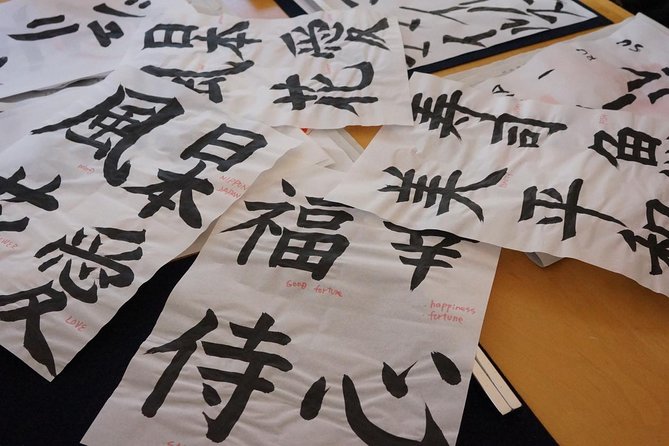
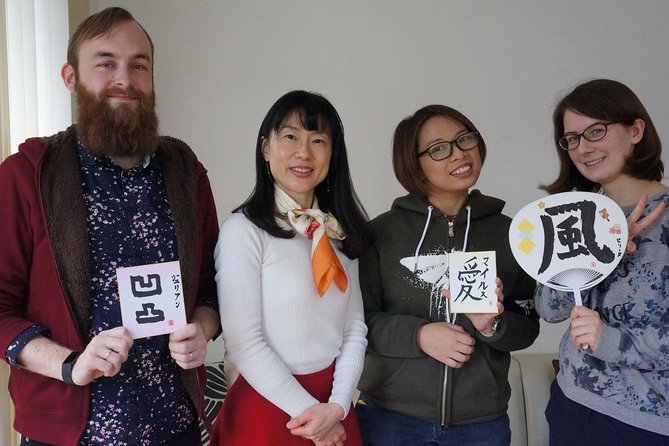
This lesson includes the calligraphy tools, practice paper, and materials for your final work. You will also have colored paper options, and the listing notes a colored paper choice or a fan, depending on what is used for your take-home presentation.
That “take it home” part is where the value really shows. In many classes, you leave with a memory and maybe a photo. Here, you leave with an actual calligraphy piece created by you on traditional paper.
You will be able to write a word or a character on that traditional paper. In the spirit of the name of the experience, the natural focus is often on your own name in kanji, but the core promise is that you learn how to write characters during the session, with step-by-step feedback.
Also, you are not stuck guessing what to do with the materials. Maki sets everything up, and the session is built so you go from basic technique to a finished piece without feeling lost.
Your name in kanji: turning rules into a finished stroke
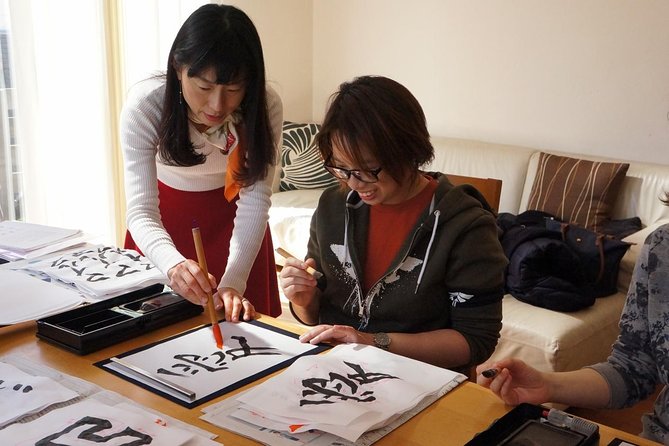
Writing your name in kanji is a fun goal, but the real lesson is how to make the strokes behave. Japanese calligraphy has its own rhythm, and it helps to get guidance while you are doing it, not after.
During the session, Maki guides you through creating your characters on the traditional paper. You learn the sequence behind the strokes and the idea of controlled movement. That is why the class works even if you are a complete beginner, the coaching covers the how, not just the what.
From the tone of the class, you can also tell it is meant to be enjoyable, not intimidating. People highlight that the experience feels participative, and that the instructor makes the lesson approachable so you stay engaged while you practice.
One small bonus: the home setting makes it easier to ask questions. If you are curious about what you are writing, how it looks, or what it means visually, you are in a place where talking feels normal.
Why the private format is good value for Tokyo
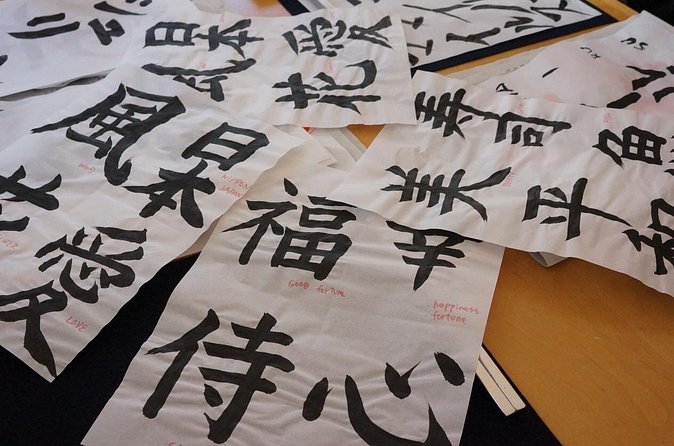
At $56 for about 1 hour 30 minutes, this is not a “cheap souvenir workshop.” It is a focused class with one-to-one attention, and that changes the math.
You get:
- the experience fee, calligraphy tool, and paper included
- consumables for practice and finishing
- colored paper or a fan option
- consumption tax
The big value point is that the price is not only for materials, it is for direct coaching time. When one person watches your grip, corrects your posture, and helps you shape your strokes, you improve faster than if you are left to follow a handout.
Private lessons also reduce the most annoying problem in group workshops, waiting for your turn. Here, the instructor can adjust on the spot, which is perfect for something as technical as brush control.
Culture context without turning it into a lecture
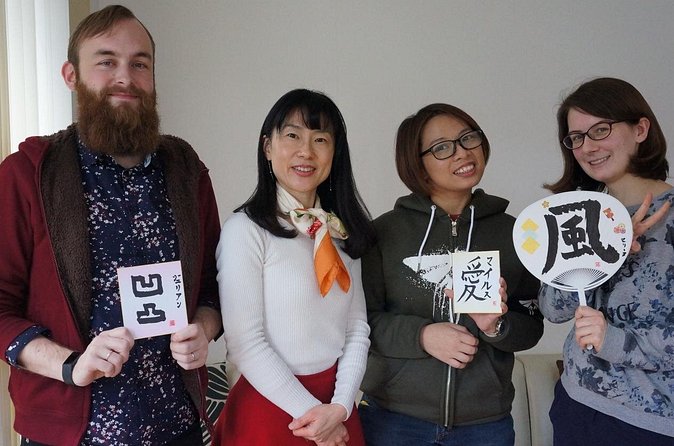
You will learn about Japanese writing systems and what makes tools and brush movement different from other forms of handwriting. That context makes your final piece feel more meaningful, because you understand at least the basics of why shodo looks the way it does.
The class also takes place in a local home, and that small detail matters more than you might think. It creates space for casual cultural conversation, and you are not stuck in a formal studio where everything feels distant.
I also appreciate that the class seems to be genuinely welcoming. People mention things like drinks being offered, and that kind of thoughtful hospitality makes the learning feel less like a transaction and more like a friendly, structured lesson.
If you are celebrating something, this can be a nice option too. In at least one instance, Maki prepared something special for a birthday, which suggests she is open to personalizing the moment when you tell her it is for an occasion.
Practical tips so you enjoy the class more
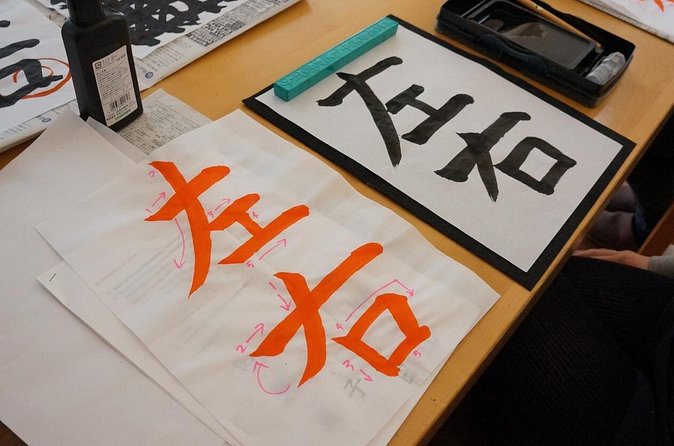
You do not need to “prepare” like you would for a hiking tour, but you can make your time smoother.
First, arrive a little early. The meeting point is near Yoga Station, and you will want a few minutes to find the right spot and settle in before the lesson starts.
Second, treat this like a skills session, not a photo shoot. Bring your curiosity, but expect to focus on brush movement and posture. If you go in relaxed, you will probably enjoy the rhythm more.
Third, plan your schedule with breathing room afterward. Your finished piece will take your attention at the end, and you will likely want time to pack it carefully and avoid rushing out.
Finally, if you have a specific goal like writing your name or a particular character, bring that intention with you. The lesson is built around writing characters on traditional paper, so having a clear aim helps the instructor guide you efficiently.
Who should book this Tokyo calligraphy lesson
Book it if you want real instruction and a take-home piece. This works well for beginners who feel nervous about getting started, because the teaching is careful and repetitive in the helpful way.
It is also a great match if you enjoy cultural experiences that are hands-on. You get technique, tools, and basic context, with time to actually practice.
You might consider another option if you only want a quick demo. This class is not designed to be a short look-see, it is a lesson, and your value comes from the time spent practicing.
It is ideal for:
- couples, friends, or solo travelers who want a personal, private activity
- travelers who like structured guidance
- anyone who wants their name in kanji written on traditional paper
Should you book Kanji your name with Maki?
I would book this if you want a Tokyo activity that creates something tangible and teaches you skills you can reuse. The one-to-one format, plus the home setting, makes it feel different from the usual workshop vibe.
The price is reasonable for what you get, especially because tools, paper, consumables, and tax are included. The only “watch out” is transportation, since private pickup is not included, so plan to use public transit to reach the Yoga area.
If you like learning by doing, and you want a finished piece you can show at home, this is a strong choice.
FAQ
How long is the Japanese calligraphy class?
The lesson is about 1 hour 30 minutes.
Where does the class meet in Tokyo?
The meeting point is near Yoga Sta.2 Chome-39 Yoga, Setagaya City, Tokyo 158-0097, Japan. The start reference is Yoga Shrine.
Is this a private class?
Yes. It is a private tour or activity, with only your group participating.
What language is the instruction in?
The class is taught by Maki, who speaks very English and explains techniques carefully.
What will I write, and can I take it home?
You will be able to write a word or character on traditional Japanese paper, and you can take your calligraphy creation home.
What is included in the price?
Included are the experience fee, calligraphy tool, colored paper (or a fan), paper for practice, consumable supplies, and consumption tax.
Is transportation included?
No. Private transportation is not included, so you will need to handle getting to the meeting point by public transit.
Made by Hand, and Yours to Keep

Newest Tokyo write-ups from the Loving Japan desk






Japanese Craft and Calligraphy Workshops, side by side.
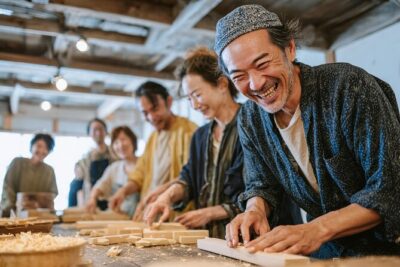 ★ 5.0Tokyo Shinjuku Chopsticks Making ClassFrom $201,763 reviews
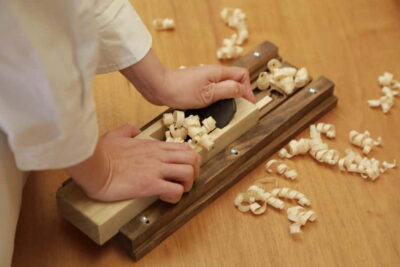 ★ 4.8Chopstick Making Workshop in GinzaFrom $251,366 reviews
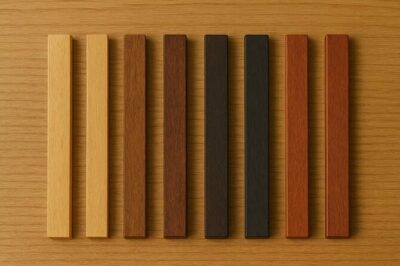 ★ 5.0Chopsticks Making Workshop in Gion with Engraving OptionFrom $15958 reviews
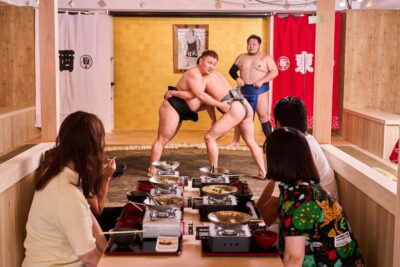 ★ 4.8Tokyo Sumo Experience: Chanko & Mochi with a Former ProFrom $103567 reviews
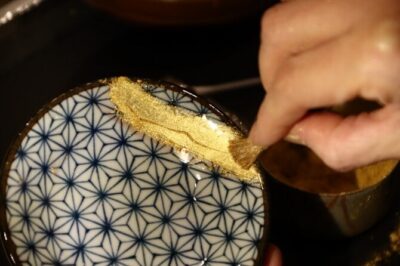 ★ 5.0Kintsugi Experience: Art of Golden Joinery in TokyoFrom $59467 reviews
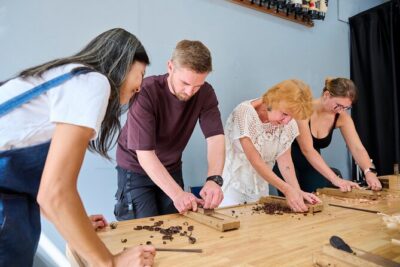 ★ 5.0Tokyo Chopstick Making Workshop with ArtisanFrom $26466 reviews
 ★ 4.9Matcha Making Experience with Mochi Sweets in AsakusaFrom $22388 reviews
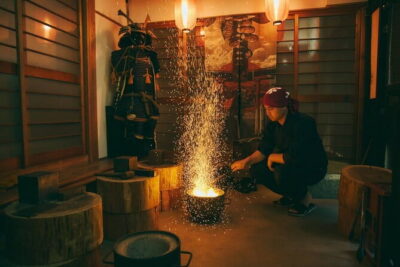 ★ 4.8Authentic knife making experience at a blacksmith in KyotoFrom $154350 reviews
Filed on these lists too