
REVIEW · SHIBUYA, SHINJUKU AND HARAJUKU WALKS
Blade Runner photo workshop in Shibuya with Laurence Bouchard
Neon Tokyo is better when someone shows you where to stand. I love how this workshop mixes night camera settings with hands-on practice right in Shibuya’s most electric areas. I also like the way Laurence Bouchard helps you get shots that feel like Blade Runner, whether you shoot a dedicated camera or a phone. One possible drawback: during Japanese holidays, some spots may be harder to access or may not be as well lit.
This is a focused, 2-hour street photography walk designed for night energy, not theory. You start at 7:30 pm at Cerulean Tower Tokyu Hotel, then work your way through Shibuya with a small group, max 6 people.
You’ll come away with practical techniques you can use again later, plus a set of images that look like you planned the whole thing. Laurence has been shooting Shibuya for over 10 years, and it shows in how quickly he can read light, crowds, and angles.
In This Review
- Key Takeaways Before You Go
- Blade Runner Night Photography With Laurence Bouchard in Shibuya
- Meeting at Cerulean Tower Tokyu Hotel and Getting Oriented Fast
- Learning Night Camera Settings, Then Using Them Immediately
- Shibuya Crossing Panning Shots for Motion and Drama
- Neon Side Streets and Blade Runner Style Locations Only a Local Would Pick
- What Makes This Workshop Good Value for $97.98
- Who Should Book This Night Photo Workshop, and Who Might Skip It
- How to Prepare So You Get Better Results in Two Hours
- Should You Book This Shibuya Blade Runner Photo Workshop?
- FAQ
- What is the duration of the Blade Runner photo workshop in Shibuya?
- How much does the workshop cost?
- What time does the workshop start?
- Where do I meet for the tour?
- Is the tour group small?
- Will I get a ticket on my phone?
- What will we practice during the workshop?
- Is the workshop suitable for beginners?
- Is the tour near public transportation?
- Can I cancel for a full refund?
Key Takeaways Before You Go
- Laurence Bouchard’s Shibuya expertise comes from more than a decade shooting street scenes there
- Night camera settings first, then practice so you apply what you learn immediately
- Panning shots at Shibuya Crossing gives you motion and drama instead of static night photos
- Blade Runner inspired guidance helps you chase neon, contrast, and graphic compositions
- Small group size (max 6) means you are not lost in a crowd of instruction
- Flexible help for different devices based on what you are shooting, including phones
Other routes through the west side of Tokyo, compared
- Tokyo: Shinjuku Food Tour (13 Dishes at 4 Local Eateries)
★ 5.0 · 6,603 reviews - Tokyo Bar Hopping Tour in Shinjuku (All-You-Can-Drink + Dinner)
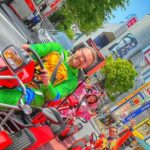
★ 5.0 · 3,587 reviews - Official Street Go-Kart in Shibuya
★ 5.0 · 3,435 reviews - Tokyo: Shinjuku Food Tour (15 Dishes and 4 Eateries)
★ 4.9 · 2,033 reviews
Blade Runner Night Photography With Laurence Bouchard in Shibuya
This workshop is for anyone who wants Tokyo at night to look like art, not just snapshots. Shibuya after dark is already a photo magnet, but the difference here is that you get a photographer’s way of thinking. Laurence Bouchard is an award-winning street photographer, and he runs these night workshops for people who want to sharpen their results fast.
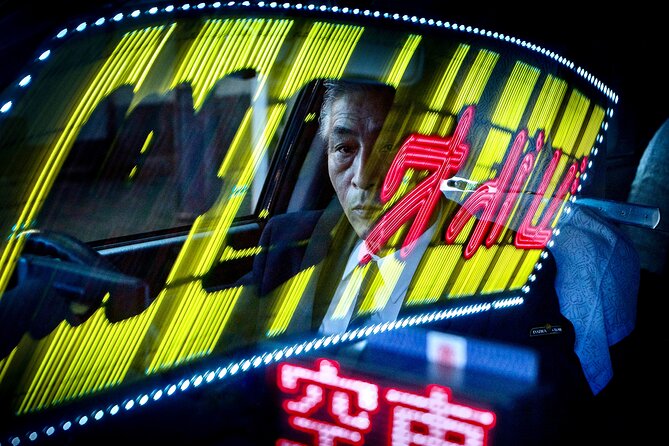
The best part is the feel of the instruction. It is not a classroom. It is walk, stop, try a setting or technique, then adjust based on what you see. The goal is simple: capture Shibuya’s neon intensity and movement with images that have a cinematic edge, the kind you associate with Blade Runner style streets.
Also, this is not only for gear nerds. The workshop is built around learning how to set up for nighttime photography, and the group includes people using different cameras. You might come with a phone, and you can still learn framing, timing, and how to work with light.
The tone is practical, and Laurence seems comfortable teaching both beginners and people with experience. That balance is rare. You get enough structure to learn quickly, while still having room to bring your own style.
Meeting at Cerulean Tower Tokyu Hotel and Getting Oriented Fast
You meet at Cerulean Tower Tokyu Hotel, 26-1 Sakuragaokachō, Shibuya, Tokyo, with the workshop starting at 7:30 pm. It ends back at the meeting point, so you do not need to figure out how to get back after dark.
The location is a smart starting point for a night shoot because you are already in the Shibuya flow. It makes the timing work, too. Starting in the evening means you can catch the transition into full neon mode, when signs really start to pop and pedestrians create streaks and motion.
Before you hit the street, there is a brief chat about camera settings. That matters because night photography is not just about taking photos in darkness. You are dealing with low light, moving subjects, and bright highlights from neon. If you know what you are trying to achieve, you can stop guessing.
If you have moderate physical fitness, you should be fine. This is a walking workshop, and night streets can involve standing, repositioning, and moving a bit between angles. Comfortable shoes help. You will spend a lot of the time paying attention to the light and composition, not your footing.
Learning Night Camera Settings, Then Using Them Immediately
The workshop begins with camera settings, then moves straight into shooting. I like that sequence. If you start with photos first, you might miss the technique. If you start with a long lecture, you lose your timing. Here, you get the basics, then you test them while the scene is still doing what you need it to do.
Night settings can sound intimidating, but this format keeps it usable. You learn how to think about your exposure and how to handle motion, then you go where the motion is. That is the real value, because you are not learning in a vacuum.
Laurence has also been running these workshops for a few years, so he knows how to get people producing images quickly. In fact, he adapts his explanations based on what you shoot. One person using a phone got instruction that still led to better shots, and another person with a more capable camera appreciated guidance focused on locations and angles.
If you bring a camera, you do not need to know everything. If you shoot a phone, you might not get the same controls as a DSLR, but you can still learn how to pick spots, manage contrast, and create graphic night images.
Either way, you should expect to leave with a clearer sense of what to try next time you shoot Tokyo at night.
Make something to take home. Other workshops
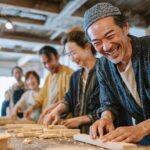
- Chopstick Making Workshop in Ginza★ 4.8 · 1,366 reviews
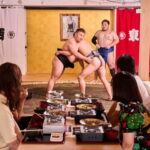
- Tokyo Sumo Experience: Chanko & Mochi with a Former Pro★ 4.8 · 567 reviews
- Kintsugi Experience: Art of Golden Joinery in Tokyo★ 5.0 · 467 reviews
- Tokyo Chopstick Making Workshop with Artisan★ 5.0 · 466 reviews
- Tokyo: Matcha Making Experience with Mochi Sweets in Asakusa★ 4.9 · 388 reviews
Shibuya Crossing Panning Shots for Motion and Drama
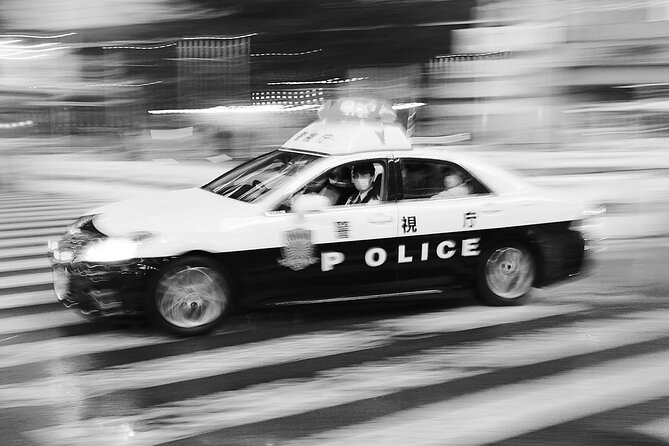
Next up is the busiest crossing in Shibuya, where you focus on panning shots. This is the technique that turns a busy street into a stylized scene. A panning shot is about timing and movement. You track your subject while the shutter is open, which creates a blend of sharp subject and motion blur in the background.
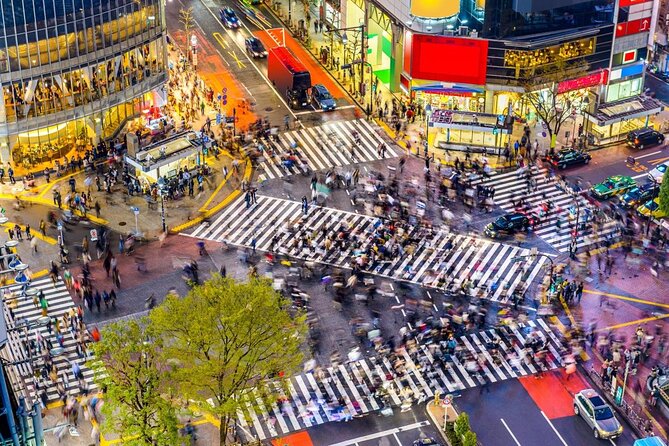
Why start here? Shibuya Crossing has nonstop motion, lots of light sources, and plenty of colorful reflections. That gives you immediate feedback. If your pan is off, you see it right away. If your timing works, you get that graphic, neon-motion look.
This is also where Laurence’s teaching style really matters. He is not just telling you to pan. He helps you understand where to stand, how to frame the subject, and how to use the setting so the result matches the vibe.
If you have never done panning before, do not worry. The workshop is built for learning it in the most forgiving kind of environment, where there are always new chances to try again. And if you already know panning, you still benefit because the improvement comes from angle and coordination with the scene.
In practice, panning is one of those techniques that takes a few tries. In a two-hour workshop, that is exactly what you want: fast repetition with guidance.
Neon Side Streets and Blade Runner Style Locations Only a Local Would Pick
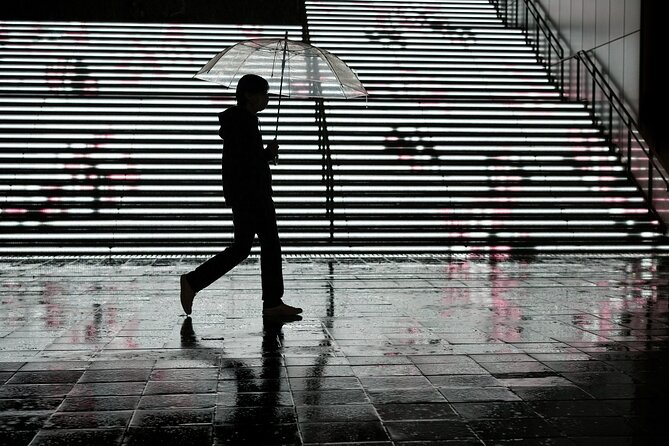
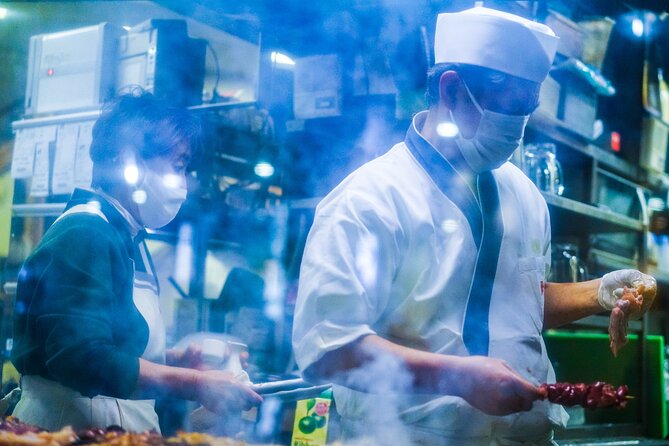
After the crossing, you head to cool locations that Laurence knows well. This is the part that people seem to remember most. Shibuya is famous, so you can find crowds and neon almost anywhere. But getting the right composition, where lines converge, reflections work, and the background supports the mood, takes experience.
Laurence has been shooting Shibuya for over 10 years, and he has a reputation for spotting visual photo spots. In the workshop setting, that translates into a guided hunt for angles that create a Blade Runner feeling: high contrast scenes, graphic street elements, and neon that looks like it belongs in a movie.
You are not just walking aimlessly. The workshop is set up to help you build a consistent set of images that feel connected. That is where the location choices and the coaching come together.
Laurence helps you refine what you are seeing. If you are missing the effect, he points you toward a better angle or adjusts how you should think about the scene. If you are using a phone, he can still help you capture the vibe with the tools you have.
One practical consideration here: there is a note that certain locations may be less accessible or not as well lit during Japanese holidays. If your dates line up with major holiday periods, it can be worth going in with flexibility and understanding that the route might not be identical to a normal night.
What Makes This Workshop Good Value for $97.98
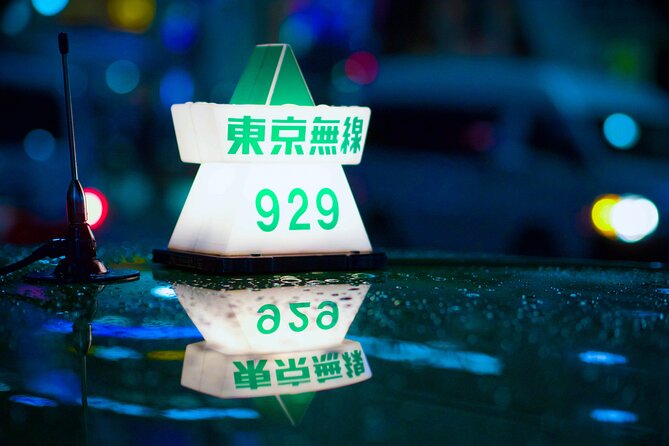
At $97.98 per person for about 2 hours, the price can feel like a lot if you think of it as just a walk. But this is not only about getting “some photos with a guide.” You are paying for instruction in nighttime photography techniques and for Laurence’s ability to direct you toward productive spots fast.
Here is how the value shakes out:
You get structured learning, not generic wandering. The settings talk and the panning practice are clearly part of the design.
You get coaching on locations and angles, which is where a local guide matters. Shibuya looks photogenic from every street corner, but the best shots depend on where you stand and how you frame the subject.
You get a small group, max 6, which helps you actually get help. Even if you are independent, you want to be able to ask questions and receive real-time adjustments.
And you get a professional photographer who has worked Shibuya night after night. That kind of familiarity is hard to replicate on your own during a short stay.
If your goal is to upgrade your night photography quickly, this kind of workshop is often worth it. If your goal is only casual sightseeing, you might prefer a cheaper way to explore Shibuya on your own. But if you care about night technique and results, the math tends to make sense.
Who Should Book This Night Photo Workshop, and Who Might Skip It
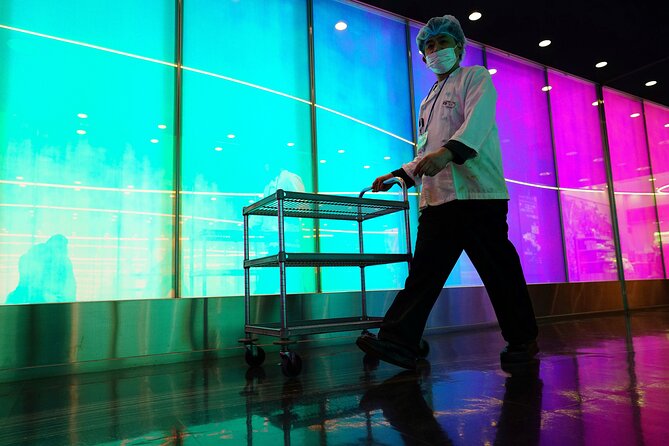
This workshop fits best if you want night street photography to click. I think it is especially good for:
People who have tried night photos but feel like they are not getting the look they see online.
People who want Blade Runner style neon and motion, not just clear images.
People who want quick, practical instruction in a short time window.
People who prefer learning by doing, walking to scenes and trying right away.
It is also a good option for phone photographers. The workshop has room for different devices, and Laurence has a way of teaching so the lesson translates, even if the controls differ.
You might skip it if you are traveling specifically for a longer sightseeing day and you do not plan to shoot much. Also, if your travel falls during major Japanese holidays, be ready for the route to feel less like a perfect photo itinerary and more like a best-available plan depending on what is accessible.
How to Prepare So You Get Better Results in Two Hours
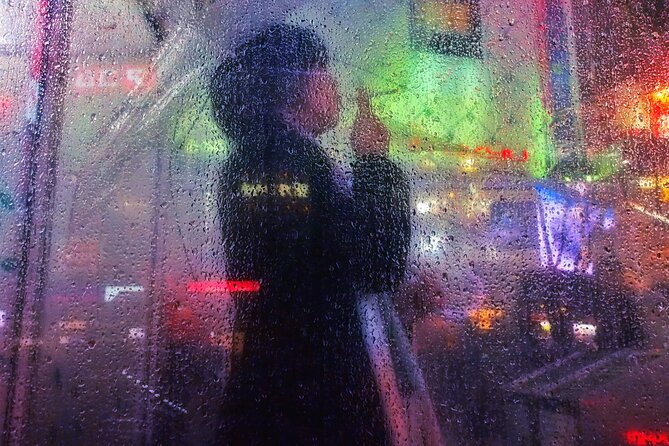
You do not need to overthink gear, but you do want to be ready for night shooting.
Charge your device or camera. Night sessions drain batteries fast.
If you use a camera, set aside time to adjust your settings during the workshop, not just after.
If you use a phone, focus on stability and framing and pay attention to what Laurence suggests, because the “how to see it” part is the real technique.
Most importantly, come with a mindset of trying. Panning especially rewards experimentation, and the workshop moves at a pace where practice beats perfection.
Laurence also helps people come away with better photos by guiding them to locations and helping them learn how to capture neon and nighttime action shots. If you lean into that, you will get more than you expected.
Should You Book This Shibuya Blade Runner Photo Workshop?
Book it if you want to trade guesswork for technique. You get night camera settings, panning practice at Shibuya Crossing, and then you move to neon locations designed to produce graphic, Blade Runner inspired results.
Skip it if you only want casual photos and do not plan to actively learn. Also consider your dates if you are traveling during Japanese holidays, since some spots may be harder to access or less lit.
For most visitors who want a stronger photographic souvenir from Tokyo, this is a solid choice. You leave with images you can be proud of, plus the know-how to recreate the vibe the next time you shoot at night.
FAQ
What is the duration of the Blade Runner photo workshop in Shibuya?
The workshop lasts about 2 hours.
How much does the workshop cost?
It costs $97.98 per person.
What time does the workshop start?
It starts at 7:30 pm.
Where do I meet for the tour?
You meet at Cerulean Tower Tokyu Hotel, 26-1 Sakuragaokachō, Shibuya, Tokyo 150-8512, Japan.
Is the tour group small?
Yes. The maximum group size is 6 travelers.
Will I get a ticket on my phone?
Yes. The experience includes a mobile ticket.
What will we practice during the workshop?
You will start with camera settings for nighttime photography and then focus on panning shots at Shibuya Crossing.
Is the workshop suitable for beginners?
The workshop is designed to help guests improve night photography skills, and explanations are adapted to the camera brand people bring, so it can work well for beginners and experienced shooters.
Is the tour near public transportation?
Yes, it is near public transportation.
Can I cancel for a full refund?
You can cancel up to 24 hours in advance for a full refund, if you cancel at least 24 hours before the experience’s start time.
Made by Hand, and Yours to Keep



West Tokyo on Foot: Seven More

Newest Tokyo write-ups from the Loving Japan desk






Shibuya, Shinjuku and Harajuku Walks, side by side.
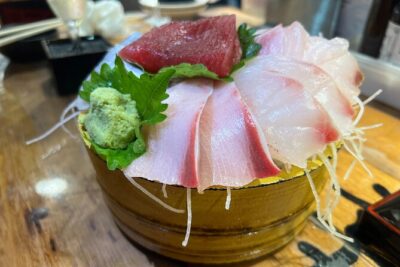 ★ 5.0Shinjuku Food Tour (13 Dishes at 4 Local Eateries)From $866,603 reviews
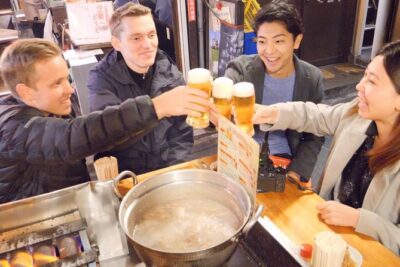 ★ 5.0Tokyo Bar Hopping Tour in Shinjuku (All-You-Can-Drink + Dinner)From $1063,587 reviews
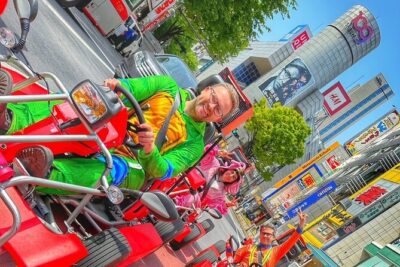 ★ 5.0Official Street Go-Kart in ShibuyaFrom $763,435 reviews
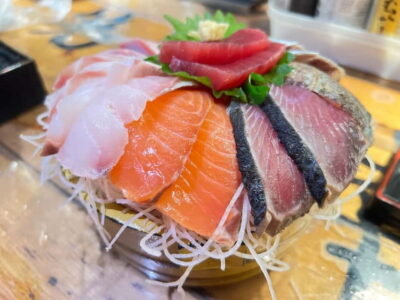 ★ 4.9Shinjuku Food Tour (15 Dishes and 4 Eateries)From $852,033 reviews
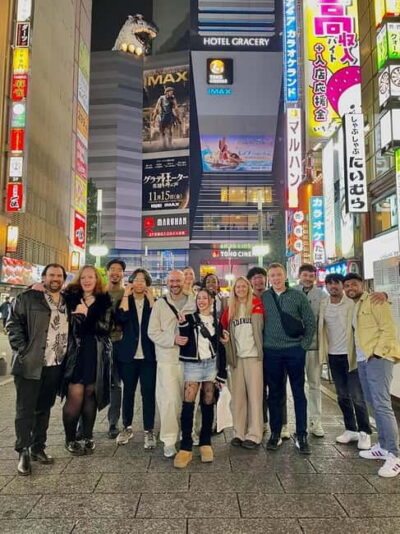 ★ 4.9Shinjuku Local Bar and Izakaya Guided Walking TourFrom $341,794 reviews
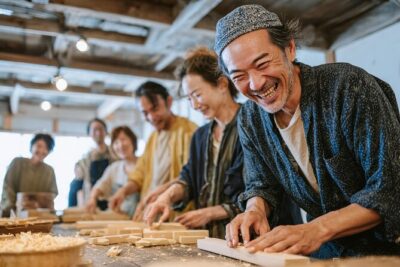 ★ 5.0Tokyo Shinjuku Chopsticks Making ClassFrom $201,763 reviews
 ★ 5.0Tokyo Shinjuku Sumo Show & Experience with PhotoFrom $791,750 reviews
 ★ 4.9Street Kart Experience in ShibuyaFrom $741,484 reviews
Filed on these lists too