
REVIEW · KAMAKURA, THE GREAT BUDDHA AND ENOSHIMA
Buddha, Bamboo & Zen – Bespoke Kamakura Private Walking Tours
Buddha, bamboo, and samurai in one calm day.
This private, all-day pace-around-Kamakura experience blends big-name sights with quiet Zen moments, and you can stop whenever you feel like it. I love that the guide keeps the day flexible, so you are not stuck power-walking through temples. I also like the way the route mixes Buddhist and Shinto stops, then slows down again with gardens, tea time, and strolls through old streets. The main consideration is money on top of the tour price, since temple entry, transit, and meals are separate.
You also get a real local touch. Brad, a native English-speaking Australian guide, helps you sort out basics before you even meet, like how to handle a Suica card and where to get extra cash if needed. He also reads the room, so if you are templed out, the day can shift gears and you can call it when you are satisfied. Plan for a solid chunk of walking time, even though the tour builds in rest breaks and food stops.
In This Review
- Key highlights you will feel on the day
- Why Kamakura changes the feel of your Japan trip
- Meet at Kamakura Station, then let Brad steer
- Stop 1: Kotoku-in, the Great Buddha you can’t fake
- Stop 2: Hasedera Temple gardens and the Eleven-headed Kannon
- Stop 3: Hokoku-ji Bamboo Temple, with a tea pause built in
- Stop 4: Komachi Street, when you want a break that still feels local
- Stop 5: Tsurugaoka Hachimangu Shrine, warrior Shinto in the open
- The bonus you might catch: yagura caves and the samurai undercurrent
- Price and value: what your $355.80 really buys
- Pacing, comfort, and what to wear
- Who should book Buddha, Bamboo & Zen?
- Should you book it, or choose something else?
- FAQ
- Is this tour private?
- How long is the tour?
- Where do we meet in Kamakura?
- What is included, and what costs extra?
- How much extra cash should I bring?
- What if weather is bad?
Key highlights you will feel on the day
- Brad’s flexible pacing, with a guide who actively manages temple fatigue and adjusts the day
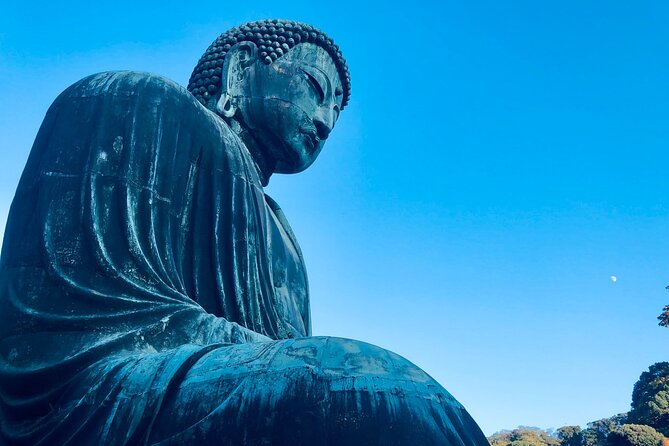
- The Great Buddha at Kotoku-in, a towering stop that anchors the whole morning
- Hokoku-ji Bamboo Temple, where the bamboo grove is the star and tea time fits naturally
- Tsurugaoka Hachimangu Shrine, blending warrior mythology with classic shrine atmosphere
- Komachi Street time, so you get local snacks and browsing, not just temple photos
- Yagura cave sights, adding that samurai-era atmosphere beyond the big landmarks
Still weighing up options in Kamakura? These are the ones our reviewers rated highest.
- Tokyo: Kamakura & Enoshima Day Trip including Temple Tickets
★ 4.5 · 1,375 reviews - From Tokyo: Kamakura & Enoshima 1-Day Bus Tour
★ 4.5 · 189 reviews - Kamakura Historical Walking Tour with the Great Buddha
★ 5.0 · 129 reviews - Kamakura Private Tour: Temples, Nature, and the Great Buddha
★ 5.0 · 121 reviews
Why Kamakura changes the feel of your Japan trip
Kamakura is the one-day antidote to Tokyo’s energy. Instead of constant neon and crowds, you get sea air, temple walls, stone steps, and streets that feel like they have been doing the same job for centuries. Even the walking pace matters here. When you go on foot with a guide, you do not just see the sights, you understand how the town connects them.
This tour is designed around that idea. It is a private walking plan (up to 6 people) that lets you slow down, pause for photos, or take a longer break if the day needs it. The experience also separates the day into distinct moods: heavy symbolism at Kotoku-in, calm garden time at Hasedera, a bamboo grove reset at Hokoku-ji, then the shrine and local street vibe as you move back toward the center.
Meet at Kamakura Station, then let Brad steer
You start at Kamakura Station, Higashiguchi, right by 1 Chome-1 Komachi. The tour ends back at the same meeting point, so you do not have to manage an extra transfer at the end.
From there, the day works because you have a human route-maker. If you already have ideas, you share them and Brad tailors the walk. If you do not care and just want a good day, you can hand the reins to him and follow his favorite flow. That matters in Kamakura because distances look reasonable on a map, but the real time depends on stairs, viewing lines, and how long you linger in gardens.
Brad’s English is clear and easy to follow. He is also the kind of guide who helps with the real-world stuff. In the past, he has explained how to use a Suica card and where to find extra cash. That kind of pre-thinking is not glamour, but it saves time and stress.
Stop 1: Kotoku-in, the Great Buddha you can’t fake
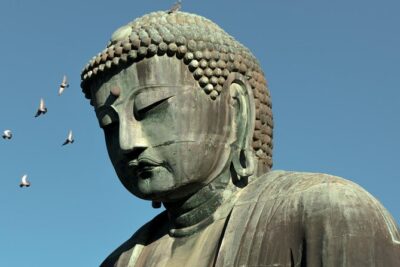
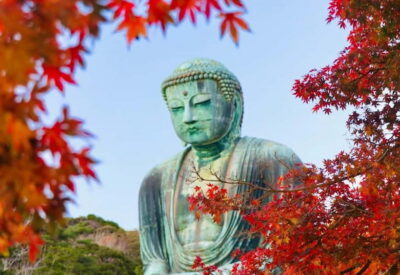
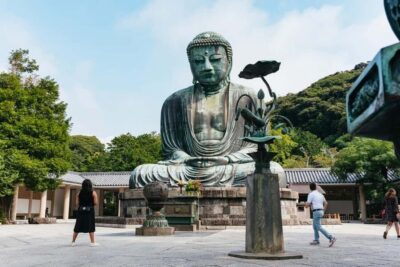
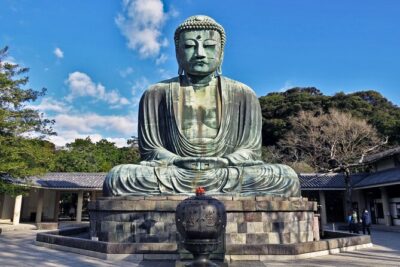
Most people come to Kamakura for this moment, and the tour starts with Kotoku-in (the Great Buddha of Kamakura). The centerpiece is the massive bronze statue, famed for being enormous in scale and dramatic in presence. The statue itself has a long story, originally shaped in wood and then cast in bronze, and it sits in a way that makes you feel how important it was as a public landmark.
Why this stop is such a smart opener
Early in the day, your brain has more energy for the symbolism. You also tend to have an easier time finding your pace before you add more stairs, gardens, and side streets.
What to watch for
Even if you have seen Buddha statues before, take a moment to look at how the statue dominates the viewing space. The surrounding setting helps you feel why this is an iconic Kamakura identity, not just a photo op.
Cost note
Temple admission for Kotoku-in is paid separately, and it is listed as 300 yen per person.
Coast and temples south of Tokyo, compared
- Kamakura Walking Tour – The City of Shogun★ 5.0 · 100 reviews
- Kamakura: Private Guided Walking Tour with Local Guide★ 4.8 · 60 reviews
- Kamakura 4hr Private Trip with Government-Licensed Guide★ 5.0 · 58 reviews
- From Tokyo: Kamakura Full Day Tour with a Local Expert Guide★ 4.6 · 43 reviews
- Exciting Kamakura – One Day Tour from Tokyo★ 5.0 · 40 reviews
Stop 2: Hasedera Temple gardens and the Eleven-headed Kannon
Next up is Hasedera Temple, known for its dramatic wooden statue: the Nine? Actually, for this site the highlight is the tall Eleven-headed Kannon, carved in 721 AD. That specific date gives the stop weight fast. You are not just looking at an old building, you are looking at a piece of artistic tradition that has survived centuries of change.
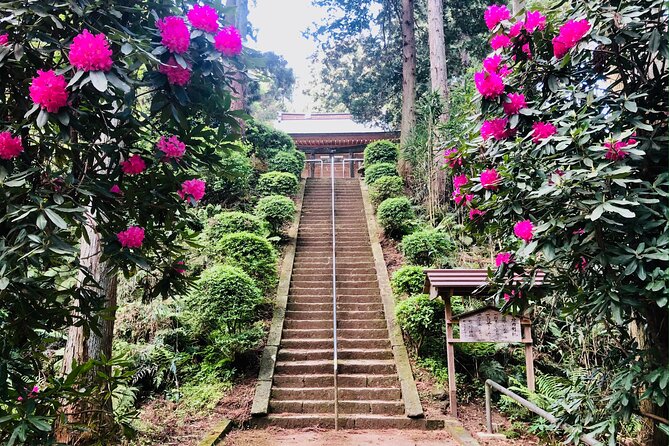
Then comes the part many people underestimate. The gardens. Hasedera is famous for changing flowers through the year, so depending on when you go, you might see different paths and color patterns. Even if flowers are not your main goal, the garden design gives you a slower rhythm, a place to breathe between major sightseeing points.
A practical timing win
This stop is long enough to do both the statue focus and the garden stroll without feeling rushed. It also helps the day feel balanced, because bamboo and shrines can otherwise crowd your senses.
Cost note
Hasedera admission is paid separately, listed as 400 yen per person.
Stop 3: Hokoku-ji Bamboo Temple, with a tea pause built in
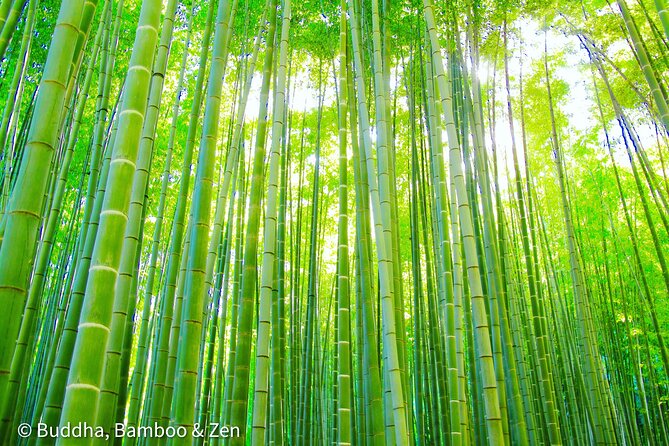
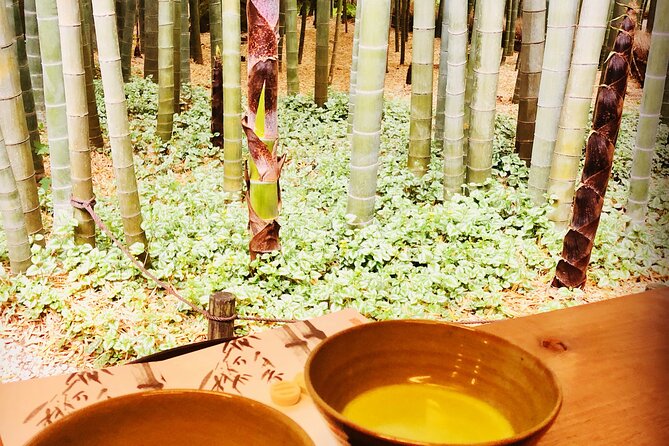
The tour’s Zen reset happens at Hokoku-ji, affectionately called the Bamboo Temple. The headline here is the bamboo grove, with about 2,000 moso bamboo plants. Walk through and you feel the shift instantly. The air seems cooler, the light turns softer, and the sound changes because bamboo creates a different kind of walkway echo.
This is also the spot where the day’s pacing strategy shows up. The tour plan builds in rest and food breaks, and Hokoku-ji is a natural place for one because it is partly about atmosphere. You get a calm segment that is not about sprinting to the next landmark.
Tea time (and what to plan for)
The experience mentions green tea as part of the bamboo temple moment. Since meals and drinks are not included, plan to pay for what you order. Still, having this built into the schedule is a good sign. It means the guide is thinking about energy management, not only checklists.
Cost note
Hokoku-ji admission is paid separately, listed as 600 yen per person.
Stop 4: Komachi Street, when you want a break that still feels local
After temple time, the tour shifts into everyday Kamakura life on Komachi Street, the main pedestrian shopping street. This is where you can browse and pick up snacks at a walking-friendly pace. It also helps if you have mixed ages in the group. Shopping streets are where everyone gets a chance to do their own thing, even while you stay together with the guide.
Why this stop works in a private walking tour
In group tours, you sometimes get dumped at a shopping street and then rushed back on schedule. Here, Komachi Street is framed as part of the day, meaning you can connect the temples you saw earlier with the local street vibe around them.
A simple practical tip
Wear comfortable shoes. Komachi Street is pedestrian-friendly, but you still walk it long enough for it to add real mileage to your day.
Admission cost
Komachi Street time is free as part of the walk.
Stop 5: Tsurugaoka Hachimangu Shrine, warrior Shinto in the open
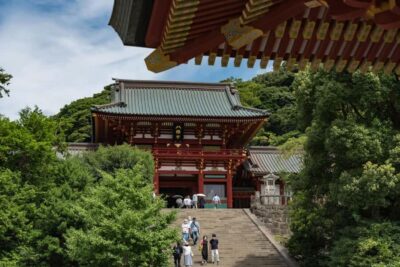
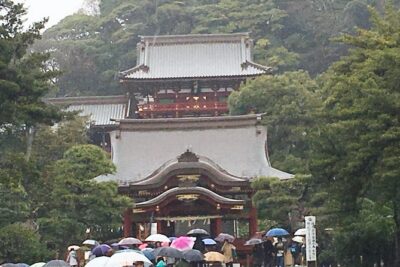
The last major spiritual stop is Tsurugaoka Hachimangu Shrine, the most important Shinto shrine in Kamakura. It is dedicated to Hachiman, the tutelary god of warriors, and the shrine traces its roots to 1063. You feel the warrior connection not by reading it in a book, but by noticing how the shrine is built for ceremony and visibility.
This stop matters because it balances the Buddhist stops earlier in the day. You are not stuck in one belief system. You are seeing how Kamakura expresses identity through different traditions, and you get a smoother story of what the town values and remembers.
Cost note
Tsurugaoka Hachimangu admission is listed as free.
The bonus you might catch: yagura caves and the samurai undercurrent
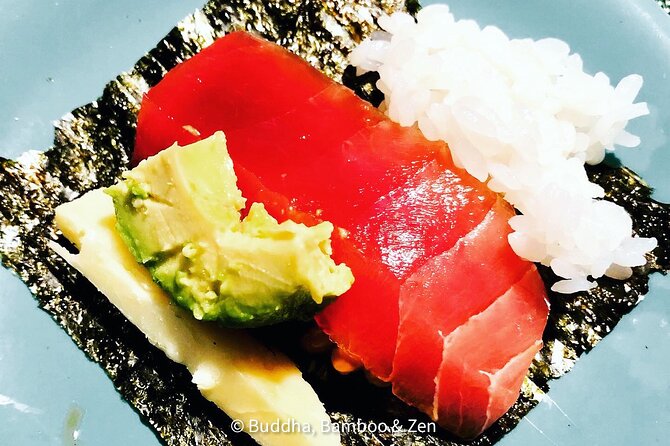
Kamakura is not only temples. It also has man-made caves called yagura, tied to historical layers you might miss if you only stick to postcard sites. The tour includes time to see some of these caves as part of the day’s storytelling.
Because this is a walking route with built-in flexibility, the exact placement of yagura sights can shift depending on your pace, weather, and how you are feeling. What does not change is the value. Yagura gives the day a more human, grounded texture. It connects the Zen atmosphere to older survival-era history you can actually stand in.
If you like details and short explanations
One of the most praised parts of this tour is how the guide shares information without turning the day into a lecture. The cave stop style fits that approach well, since you learn by seeing.
Price and value: what your $355.80 really buys
The tour costs $355.80 per group for up to 6 people, and it runs about 6 hours. That price is for guiding services. All the important add-ons are paid separately by each guest.
Here is what you should budget on top:
- Temple admissions: listed amounts add up to about 2,000 yen total for the three paid temple sites
- Kotoku-in: 300 yen
- Hasedera: 400 yen
- Hokoku-ji: 600 yen
- (The remaining estimate is essentially the combined practical total the organizer recommends you bring.)
- Public transportation: listed at 840 yen per person
- Lunch and drinks: not included, including matcha green tea, snacks, and meals
So when does this become a great deal?
It tends to be strongest when you book as a full small group and share the base cost across several people. If you have 4 to 6 people, the guide fee spreads out and you are left paying mainly for the day’s normal entry fees and meals. If you are only 1 or 2 people, the tour can feel pricier, but it can still be worth it if you want a day that adapts to your specific interests and avoids the hassle of route planning.
A practical takeaway
Bring 2,000 yen for temples plus extra cash for food and any extra transport needs. Also, build in time for the day to feel like a real stroll, not a stopwatch mission.
Pacing, comfort, and what to wear
This tour is built around a leisurely pace with real breaks. There is also extra time allocated for getting between sights, including walking, train or bus segments if needed, and food stops. The schedule is designed to reduce the common Kamakura problem, which is temple overload.
That said, you should expect real walking. Kamakura has stairs, uneven stone, and temple grounds that encourage you to look closely. If you are prone to sore feet, plan on sturdy shoes and a water plan.
If you want variety without chaos
One of the best-liked elements from prior experiences is that the day hits multiple styles of sightseeing, including shopping time and short scenic walking, while still staying organized.
Who should book Buddha, Bamboo & Zen?
This is a good match if you want:
- A private walk rather than a crowded group tour
- A guide who tailors the day instead of forcing a rigid checklist
- A blend of major sights and calmer moments, including gardens and bamboo
- Clear English and a guide who helps with practical prep, like using Suica and finding cash
It is also a good choice for families with mixed interests. Komachi Street gives everyone an option for snacks and browsing, while the temples and shrine satisfy the cultural side.
If your group hates walking
This tour is not the right move if you want low-step, low-walk sightseeing. It is a walking tour by design, with rest breaks, but still walking at its core.
Should you book it, or choose something else?
Book Buddha, Bamboo & Zen if you like the idea of a single guided day that feels like Kamakura, not just a set of monuments. The strongest reasons to choose it are the flexible pacing and the way the route balances Buddhist sites, a Shinto shrine, and everyday street time. Brad’s helpfulness before and during the tour is another big reason, since it reduces the stress of first-day logistics.
Skip it only if you want everything on a strict schedule or you dislike paying separate temple and meal costs. If you are comfortable with those add-ons and you want your day shaped around you, this is a strong way to escape Tokyo’s pace and experience Kamakura at a human scale.
FAQ
Is this tour private?
Yes. It is a private walking tour for your group only, up to 6 people.
How long is the tour?
The duration is approximately 6 hours.
Where do we meet in Kamakura?
You meet at Kamakura Station (Higashiguchi), 1 Chome-1 Komachi, Kamakura, Kanagawa 248-0006, Japan. The tour ends back at the meeting point.
What is included, and what costs extra?
Included: guiding services. Not included: temple admission fees, lunch and drinks (including matcha green tea and snacks), and public transportation. Temple admissions are listed separately for Kotoku-in, Hasedera, and Hokoku-ji.
How much extra cash should I bring?
The recommendation is 2,000 yen to cover temple admissions and transportation, and extra cash for food and drinks is also recommended.
What if weather is bad?
The experience requires good weather. If it is canceled due to poor weather, you will be offered a different date or a full refund.
South to Kamakura and the Coast
Newest Kamakura write-ups from the Loving Japan desk

Kamakura, the Great Buddha and Enoshima, side by side.
 ★ 4.5Kamakura & Enoshima Day Trip including Temple TicketsFrom $581,375 reviews
 ★ 4.5Mt. Fuji, Kamakura, Big Buddha, & Lake Ashi Day TripFrom $49867 reviews
 ★ 4.5From Tokyo: Kamakura & Enoshima 1-Day Bus TourFrom $66189 reviews
 ★ 5.0Kamakura Historical Walking Tour with the Great BuddhaFrom $98129 reviews
 ★ 5.0Kamakura Private Tour: Temples, Nature, and the Great BuddhaFrom $98121 reviews
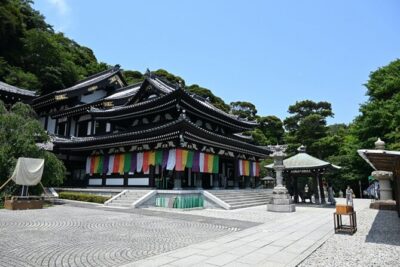 ★ 5.0Kamakura Walking Tour – The City of ShogunFrom $35100 reviews
 ★ 4.9Sea of Mount Fuji, Hakone Ropeway, Ōwakudani, EnoshimaFrom $5084 reviews
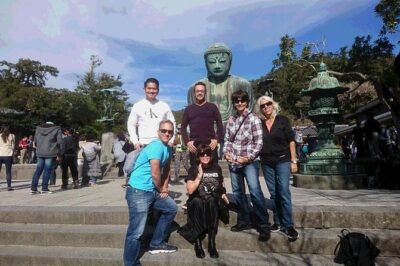 ★ 5.0Kamakura 8 hr Private Walking Tour with Licensed Guide from TokyoFrom $20180 reviews