
REVIEW · KAMAKURA, THE GREAT BUDDHA AND ENOSHIMA
Kamakura: A Journey Through Medieval Japan
Kamakura turns one afternoon into a history lesson. You’ll move through Engaku-ji and key Kamakura sites tied to the Kamakura Period, with a local guide who keeps the story moving and the pace realistic. It’s a walkable route that still uses public transit when it makes sense, so you get depth without feeling trapped in a long slog.
I especially like how the tour connects religion, art, and politics, starting at Engaku-ji and then stepping into shrine and warrior-era history. I also love the food angle: you can eat shojin-ryori, a vegetarian and vegan-friendly taste of everyday Buddhist meals, with options available if you tell your guide ahead of time.
One consideration: this is a walking tour, and it’s not suitable for wheelchair users or people with mobility impairments. If you need step-free access, you’ll want to skip this one.
In This Review
- Key highlights worth centering your day
- Kamakura in half a day, with the story made clear
- Starting at Kita-Kamakura Station and keeping the pace humane
- Engaku-ji Temple: Zen, politics, and the calm you can feel
- Tokei-ji: a smaller stop with a big human angle
- Lunch and shojin-ryori: vegetarian monk-food that actually satisfies
- Tsurugaoka Hachimangu: Kamakura’s political heartbeat in shrine form
- Kōtoku-in and the Great Buddha: scale you feel in your body
- Getting to Enoshima: the optional seaside payoff for private 8-hour tours
- Price and value: what $35 buys you, and what you must budget extra
- Who this tour fits best, and who should choose another plan
- Booking smart: when to choose 4 hours vs 8 hours
- Should you book this Kamakura tour?
- FAQ
- Where do I meet the guide?
- How long is the tour?
- Is shojin-ryori included?
- Are there food options for vegetarians or vegans?
- What extra costs should I expect?
- Is this tour suitable for wheelchair users?
Key highlights worth centering your day
- Engaku-ji Temple, one of Japan’s major Zen temples, with a 1-hour guided visit
- John the guide in English, known for stories plus smart timing and route choices
- shojin-ryori, monastic-style vegetarian meals (veg and vegan-friendly)
- Tsurugaoka Hachimangu, a huge, central shrine tied to Kamakura’s political past
- Kōtoku-in and the Great Buddha, where scale hits quickly
- Enoshima option, for the private 8-hour version, mixing holy island history and seaside breaks
Coast and temples south of Tokyo, compared
- Tokyo: Kamakura & Enoshima Day Trip including Temple Tickets
★ 4.5 · 1,375 reviews - From Tokyo: Kamakura & Enoshima 1-Day Bus Tour
★ 4.5 · 189 reviews - Kamakura Historical Walking Tour with the Great Buddha
★ 5.0 · 129 reviews - Kamakura Private Tour: Temples, Nature, and the Great Buddha
★ 5.0 · 121 reviews
Kamakura in half a day, with the story made clear
Kamakura is the classic summer escape from Tokyo, and it also happens to be where Japan’s samurai power took its early form about 900 years ago. That is the hidden thread behind the temples and shrines here, and it’s exactly why this tour works so well.
You’ll start near Kita-Kamakura Station and spend the day hopping between Buddhism sites and the shrine that sits at the center of Kamakura-era influence. The rhythm matters: temples first, then a political shrine, then back to major Buddhist symbolism, and only later the optional seaside detour to Enoshima.
Starting at Kita-Kamakura Station and keeping the pace humane
Your meeting point is outside the East Exit of Kita-Kamakura Station. From there, the day is built to be walkable, with guided time set for each stop and transit sprinkled in when distances get annoying.
You can expect some walking, but the tour is not one long grind. There are places to sit along the route, and there are bus or train segments so you can stay comfortable, even if you are doing this as a day trip from Tokyo.
If you like a smooth day where you do not have to constantly check routes on your phone, this is the right style. It’s the difference between seeing a few highlights and actually getting the meaning behind them.
Engaku-ji Temple: Zen, politics, and the calm you can feel
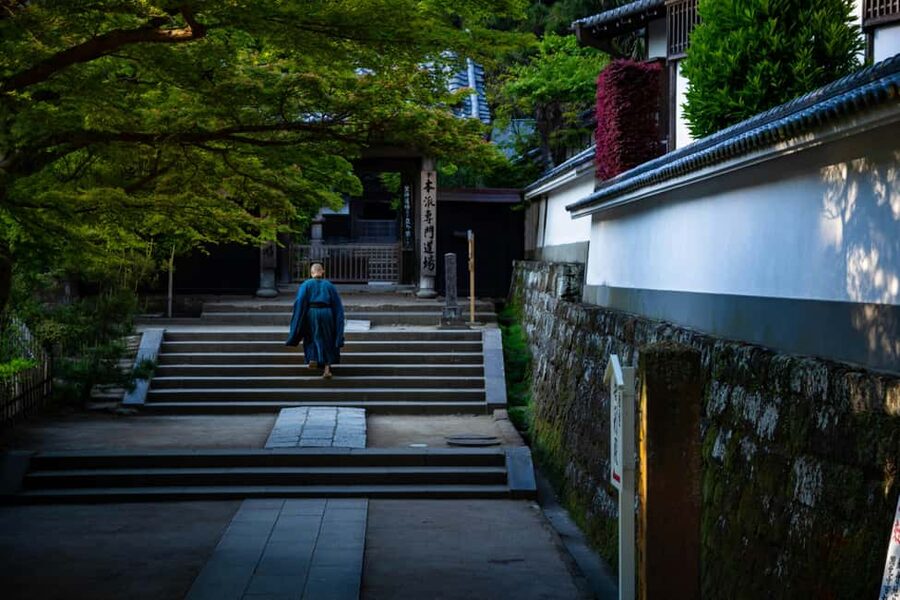
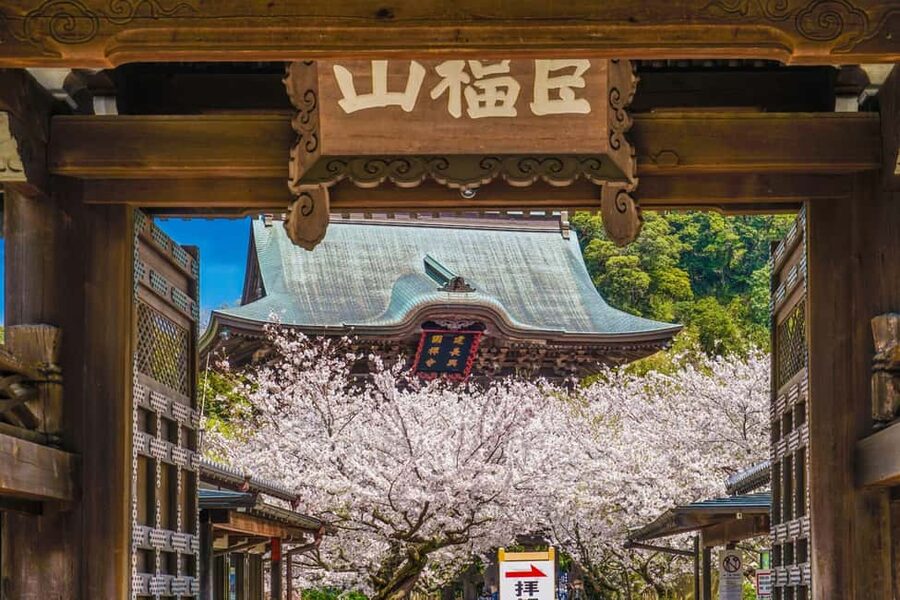
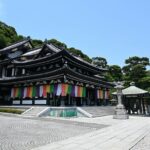
Engaku-ji is where the tour earns its credibility. You’ll get a guided visit of about 1 hour, and it’s structured to show why Zen Buddhism mattered in Japan beyond just prayer and quiet halls.
The guide’s approach helps you connect dots: Zen Buddhism influenced Japanese politics and culture, and that influence shows up in how temples like Engaku-ji were used and respected. Even if you are not a religious-history person, you can still follow the logic because you are shown how faith, art, and power braided together.
Practical note: temples can be busy, and some areas require you to move with the flow. Give yourself mental flexibility. If you are trying to photograph everything, pick a few key angles and let the rest be a slower experience.
- Kamakura Walking Tour – The City of Shogun★ 5.0 · 100 reviews
- Kamakura 4hr Private Trip with Government-Licensed Guide★ 5.0 · 58 reviews
- When Emperors Reigned and Shoguns Ruled★ 5.0 · 43 reviews
- From Tokyo: Kamakura Full Day Tour with a Local Expert Guide★ 4.6 · 43 reviews
- Exciting Kamakura – One Day Tour from Tokyo★ 5.0 · 40 reviews
Tokei-ji: a smaller stop with a big human angle
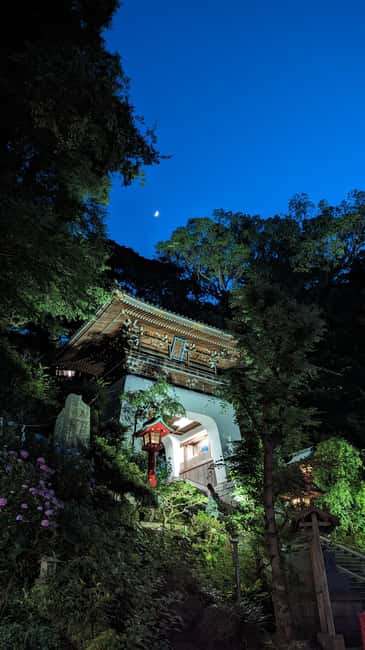
After Engaku-ji, you’ll make a short visit to Tokei-ji, guided for about 15 minutes. It is not a huge time block, but it carries meaning: it was once a nunnery and is known as a pilgrimage spot for women from across Japan.
That detail changes how you see the stop. Instead of treating it like another temple checkbox, you start noticing the human history behind the architecture and the continued draw of pilgrimage.
If you are the type who likes knowing who a place mattered to, this is one of those quick stops that feels rewarding.
Lunch and shojin-ryori: vegetarian monk-food that actually satisfies
Lunch is where the tour becomes more than sightseeing. You’ll have a meal window of about 45 minutes, and the big focus is shojin-ryori, the food Buddhist monks eat every day.
This is a vegetarian-style experience, and it’s listed as vegetarian and vegan-friendly. If you have dietary needs, tell the guide beforehand, and they will do what they can to match you with an appropriate restaurant option. In practice, that kind of advance effort matters because you are not stuck hoping a random place can handle your restrictions.
One detail to keep in mind: shojin-ryori is generally tied to the 8-hour version, but it can be available on request for the 4-hour option. If monk-food is a main reason you booked, confirm which tour length you’re choosing.
What makes this lunch a value for your day is the context. You learn why certain ingredients and preparation styles fit the monastic routine, and then you eat it. It turns lunch into a cultural lesson instead of just calories.
Tsurugaoka Hachimangu: Kamakura’s political heartbeat in shrine form
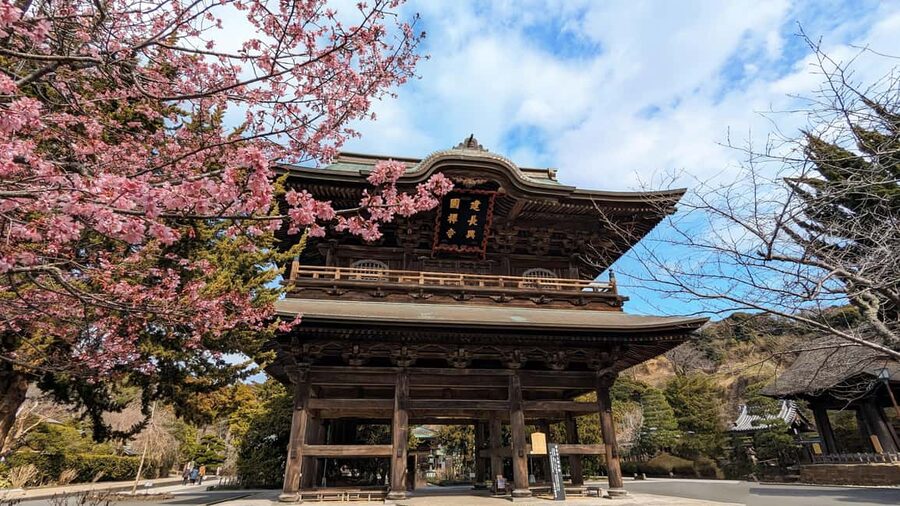
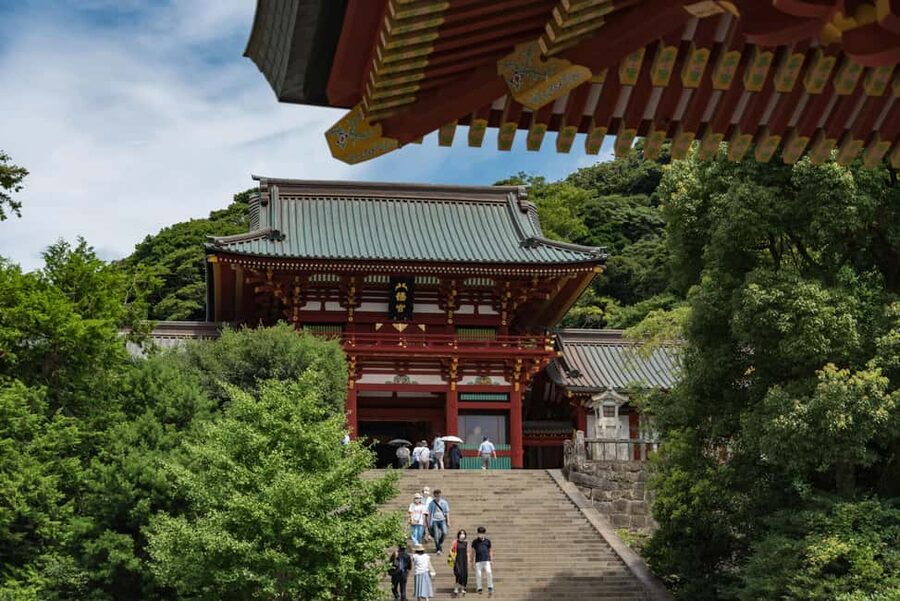
Next comes Tsurugaoka Hachimangu, guided for about 30 minutes. This is one of the most popular and largest shrines in the region, and it sits in the center of Kamakura-period influence.
This stop is famous for a reason: it’s big, it’s active, and it’s visually commanding. But the guide’s storytelling is what helps it land. You’re not only looking at buildings and gates. You’re learning how this shrine connects to the warrior government and the social order that grew there.
Drawback to plan for: because it’s a major shrine, you can run into crowds. That does not ruin the experience, but it changes how you move and photograph. Trust the guide to manage timing so you are not stuck fighting through people for every shot.
Kōtoku-in and the Great Buddha: scale you feel in your body
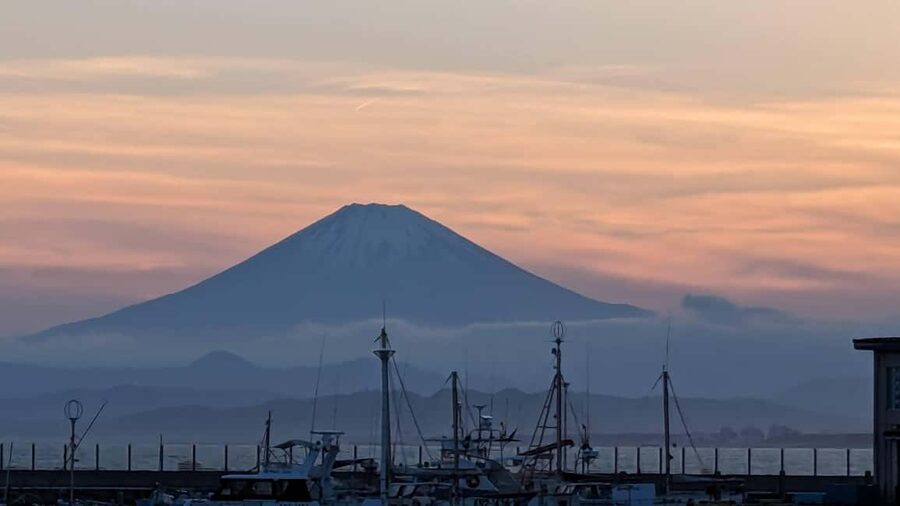
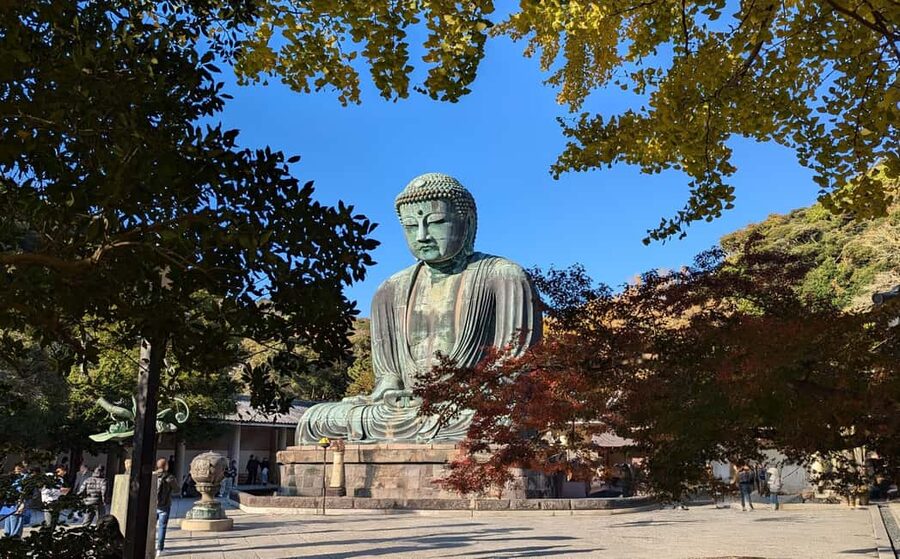
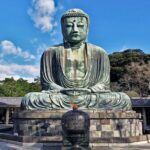
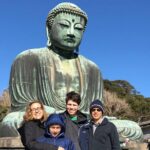
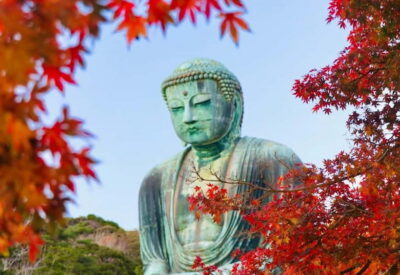
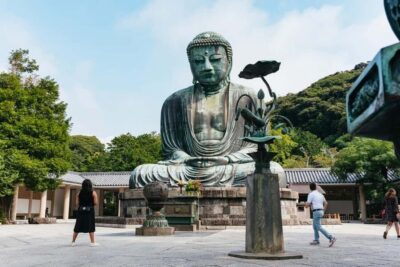
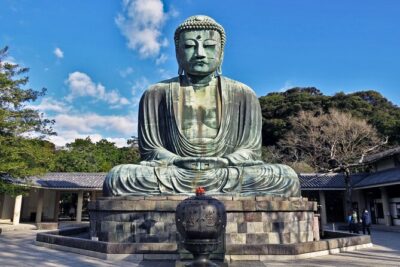
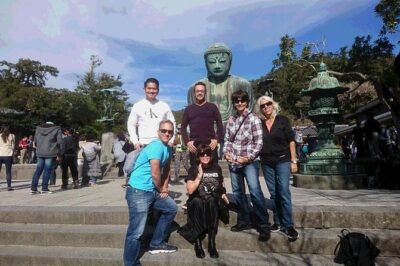
Then you head back into Buddhism with Kōtoku-in, guided for about 30 minutes. The star is the Great Buddha of Kamakura, one of the largest Buddha statues in Japan and often described as visually striking.
This is where I like to tell people to stop thinking like a tourist. You are not just trying to see a statue, you are taking in presence and scale. From a practical viewpoint, the guided time is long enough to let you look carefully without feeling rushed, and it’s short enough to keep you from burning out after the shrine stop.
You’ll probably notice how quiet attention forms naturally here. Even when the area is not empty, the space tends to make you slow down.
Getting to Enoshima: the optional seaside payoff for private 8-hour tours
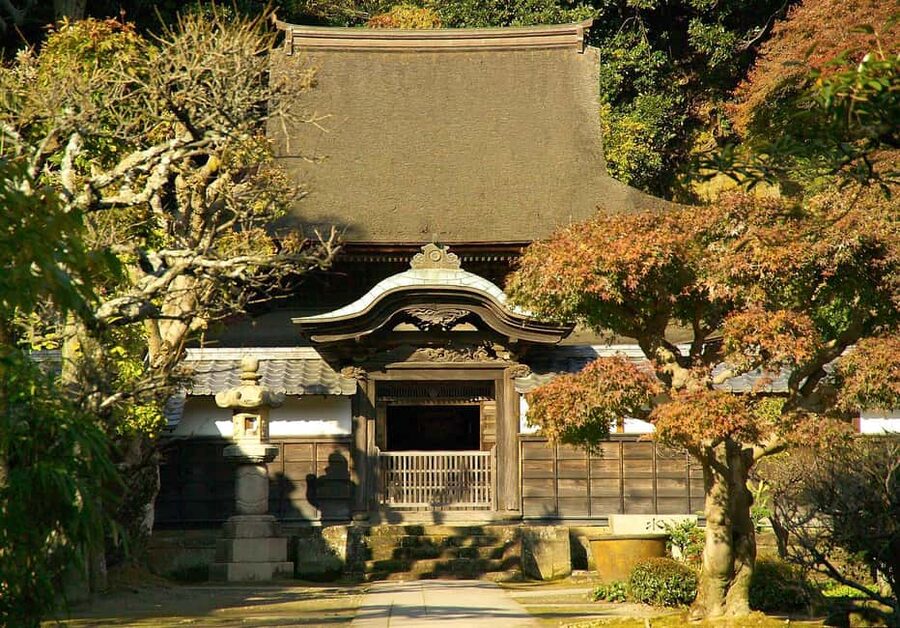
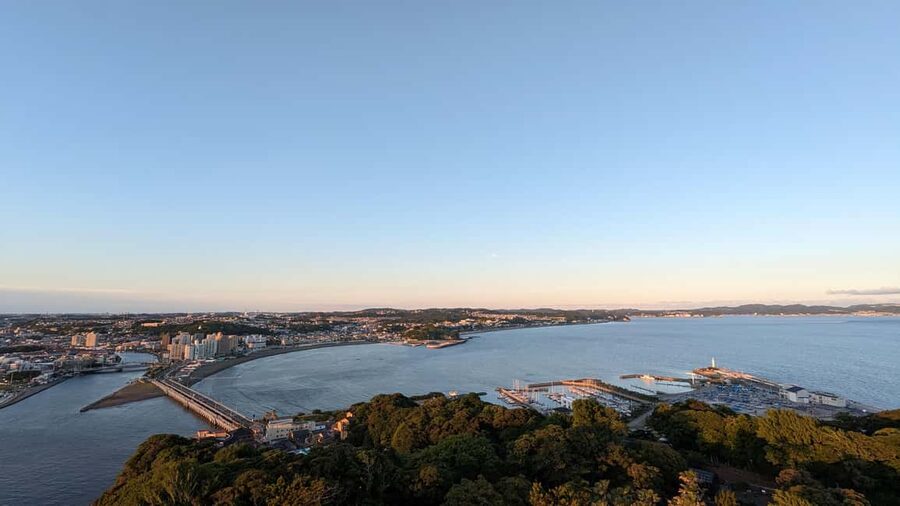
If you book the private 8-hour version, you’ll get to Enoshima, a holy island in ancient times and now a popular seaside destination for couples and families. This is guided for about 2 hours.
Enoshima is a nice contrast to the temple and shrine focus earlier in the day. Instead of only walls, gates, and stone, you get coastal air and the sense that Kamakura is also a place people come to relax.
The big reason to consider this add-on is balance. If your day is only sacred sites, it can feel heavy by the afternoon. Enoshima gives you a breather while still keeping the spiritual thread alive through the island’s long role in legend and devotion.
Price and value: what $35 buys you, and what you must budget extra
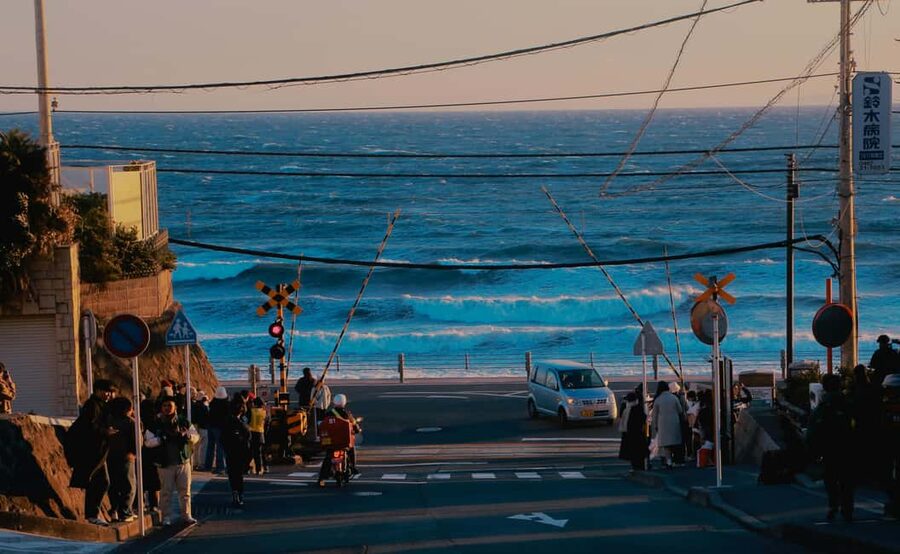
The listed price is $35 per person for a tour running 4 to 8 hours depending on the option you choose. That fee covers the guide fee and the service of a local English-speaking guide.
What it does not include is important for budgeting:
- Entry fees, roughly 800 to 1,500 yen per person
- Transportation costs, roughly 400 yen per person
- Lunch, roughly 1,000 yen per person
In other words, the $35 is mostly the brains and the route management. The extra costs are the normal temple and transit fees you would pay anyway if you went on your own. The value question becomes simple: do you want to spend your time figuring out transit and interpreting what you’re seeing, or do you want that handled with a guide?
From what I’ve learned about how this tour is run, the answer is yes if you care about meaning, not just photos. The guide is especially strong at storytelling, and the pace is set up so you can cover major sights without feeling wrecked.
Who this tour fits best, and who should choose another plan
This is a great match if you want a focused Kamakura overview with a guide who can connect Zen Buddhism to Japan’s political and cultural evolution. It also fits well if you like having a structured day trip from Tokyo, with built-in breaks and transit help.
It’s not a good fit if you:
- Use a wheelchair or need step-free mobility support
- Have mobility limits that make walking tours uncomfortable
Diet-wise, you have a path forward. The tour is vegetarian and vegan-friendly, and you can request adjustments if you tell the guide ahead of time.
Booking smart: when to choose 4 hours vs 8 hours
Pick 4 hours if you want the core Kamakura storyline at a half-day pace: Engaku-ji, Tokei-ji, lunch window, Tsurugaoka Hachimangu, Kōtoku-in, and the return logistics. It’s ideal if you have another plan back in Tokyo or you want to keep your day from getting too long.
Pick the 8-hour private option if Enoshima is part of your wish list. You also get the stronger chance of shojin-ryori being included as the full lunch plan. And the private format gives you more room for customization if you want to shape the day around what you care about most.
Should you book this Kamakura tour?
Book it if you want a guided day that connects the main sites in a way that actually makes sense. You’ll get Engaku-ji’s Zen context, a real look at Tsurugaoka Hachimangu’s political importance, and the Great Buddha’s scale, with smart transit so your legs do not take the entire hit.
Skip it if you cannot handle walking or if you’re only looking for a DIY photo route. In that case, you might prefer a simpler, independently paced plan.
FAQ
Where do I meet the guide?
You meet outside the East Exit of Kita-Kamakura Station.
How long is the tour?
The tour runs 4 to 8 hours, depending on the option you choose.
Is shojin-ryori included?
It is generally included for the 8-hour tour. It is also available upon request for the 4-hour tour.
Are there food options for vegetarians or vegans?
Yes. The tour is described as vegetarian and vegan-friendly. Let the guide know beforehand if you have dietary restrictions.
What extra costs should I expect?
Entry fees are roughly 800 to 1,500 yen per person, transportation is roughly 400 yen per person, and lunch is roughly 1,000 yen per person.
Is this tour suitable for wheelchair users?
No. The tour is not suitable for people with mobility impairments or wheelchair users.
South to Kamakura and the Coast
Newest Kamakura write-ups from the Loving Japan desk
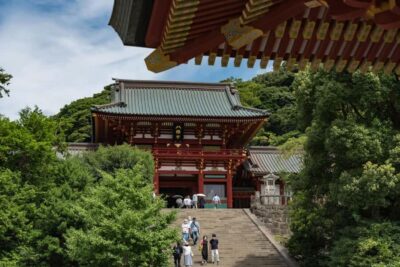
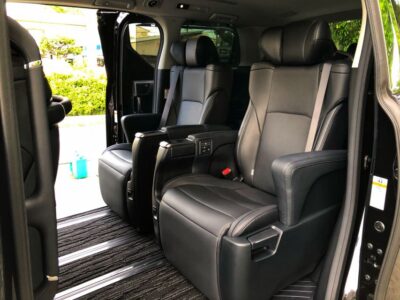
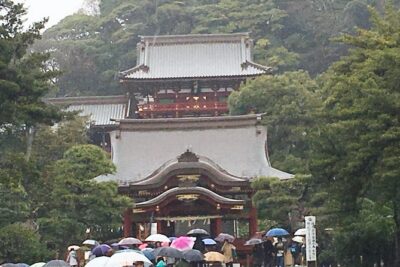
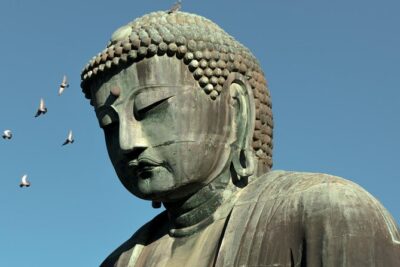
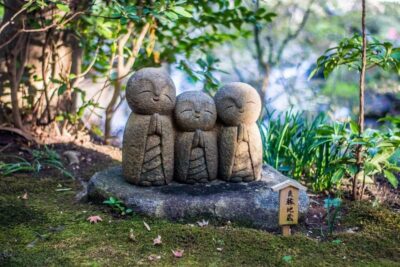
Kamakura, the Great Buddha and Enoshima, side by side.
 ★ 4.5Kamakura & Enoshima Day Trip including Temple TicketsFrom $581,375 reviews
 ★ 4.5Mt. Fuji, Kamakura, Big Buddha, & Lake Ashi Day TripFrom $49867 reviews
 ★ 4.5From Tokyo: Kamakura & Enoshima 1-Day Bus TourFrom $66189 reviews
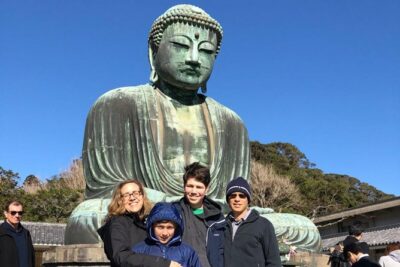 ★ 5.0Kamakura Historical Walking Tour with the Great BuddhaFrom $98129 reviews
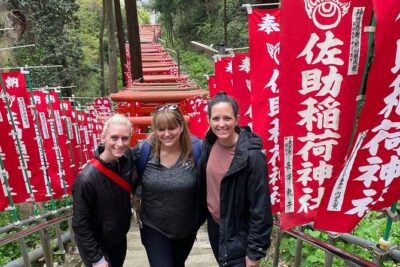 ★ 5.0Kamakura Private Tour: Temples, Nature, and the Great BuddhaFrom $98121 reviews
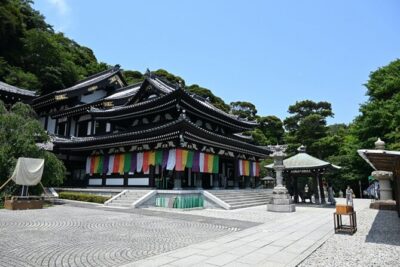 ★ 5.0Kamakura Walking Tour – The City of ShogunFrom $35100 reviews
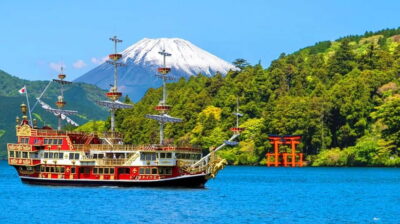 ★ 4.9Sea of Mount Fuji, Hakone Ropeway, Ōwakudani, EnoshimaFrom $5084 reviews
 ★ 5.0Kamakura 8 hr Private Walking Tour with Licensed Guide from TokyoFrom $20180 reviews
Filed on these lists too