
REVIEW · KAMAKURA, THE GREAT BUDDHA AND ENOSHIMA
Your Own HANKO Name Seal Activity in Kamakura.
Your name, carved into a stamp. This private Kamakura workshop teaches the meaning of hanko before you design a Japanese name seal and get it engraved to take home.
I like that you get a clear lesson on the history and styles of name seals, so the souvenir has context. I also like the hands-on design choices, from katakana style and font to material options and case choices.
One consideration: the workshop happens only in the morning, with pick-up later in the afternoon, so you need to plan your day around that timing (morning-only).
In This Review
- Key Highlights You Should Know
- Why a Kamakura Hanko Workshop Makes a Memorable Souvenir
- Inside the 45-Minute Name Seal Creation Flow
- Step 1: Learn the culture and styles of hanko
- Step 2: Learn how to write your name in Japanese
- Step 3: Design your seal look, font, and style
- Step 4: Pick your case option
- Step 5: Return later for pick-up, or request shipping
- Hanko Basics: What You Learn That Makes the Seal Feel Real
- Seal style choices that affect the final impression
- Materials and colors, including upgrade paths
- Red ink is not included
- The Craftsmanship: Machine Rough Carving, Hand Finishing
- The instructor’s role in making it feel personal
- Designing Your Own Hanko Name Seal: Key Choices to Make
- Choose katakana type and a font meant for official seals
- Material and color choices affect both look and feel
- Don’t forget the case and pouch situation
- Timing and Where to Go in Kamakura
- Morning workshop, afternoon pick-up
- Private group means more attention
- Value Check: What You’re Paying for at $131.65
- Where costs can rise
- Shipping is optional
- Who This Hanko Workshop Suits Best
- Should You Book Your Own Hanko Name Seal in Kamakura?
- FAQ
- How long is the Hanko workshop in Kamakura?
- What is included in the price?
- Can I upgrade materials or the case?
- Do I need to pick up the seal in person?
- Is this activity private?
- What if I need to cancel?
Key Highlights You Should Know
- Private workshop pace: you’ll be the only group, so the instructor can slow down and answer questions without rushing you.
- Name-seal education, not just crafting: you learn how hanko writing works in Japanese culture and what style choices mean.
- Design control: you choose the type of seal (katakana focus is recommended) and a font, then pick seal materials and colors.
- Craft process details: rough carving can start with an engraving machine, with final work finished by hand.
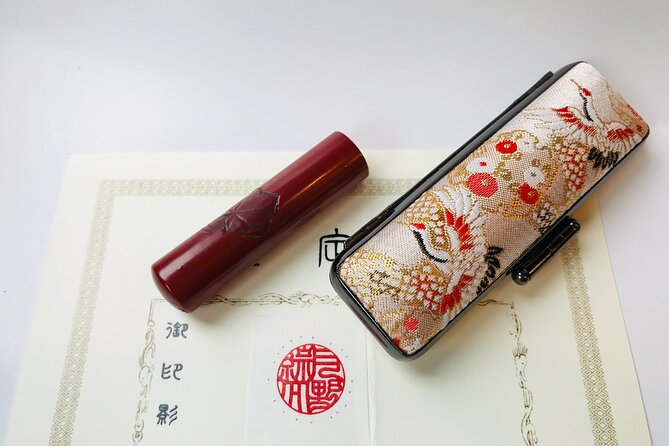
- Take-home keepsake: included is a hanko made from Japanese boxwood, plus a pouch for safekeeping.
Coast and temples south of Tokyo, compared
- Tokyo: Kamakura & Enoshima Day Trip including Temple Tickets
★ 4.5 · 1,375 reviews - From Tokyo: Kamakura & Enoshima 1-Day Bus Tour
★ 4.5 · 189 reviews - Kamakura Historical Walking Tour with the Great Buddha
★ 5.0 · 129 reviews - Kamakura Private Tour: Temples, Nature, and the Great Buddha
★ 5.0 · 121 reviews
Why a Kamakura Hanko Workshop Makes a Memorable Souvenir
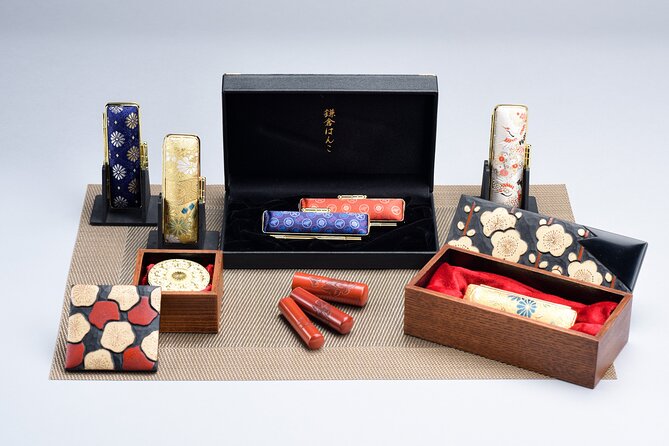
A hanko name seal is one of those Japan souvenirs that feels useful, not just pretty. In Japan, a hanko is tied to identity, so the craft is personal from the start.
What makes this experience especially appealing is that it isn’t only about the final object. You also learn the history and different writing styles, then connect your own name to a specific seal look.
Inside the 45-Minute Name Seal Creation Flow
Plan for about 45 minutes of hands-on time. This is a straightforward session, with the shop preparing everything on-site and timing you carefully so you can make good design choices.
The experience follows a simple rhythm: first learn what hanko seals are and how they’re used, then move into your own design. By the end, you’ll have selected the key elements that determine how your finished seal looks.
Step 1: Learn the culture and styles of hanko
You start with instruction about the importance and history of hanko writing. You also learn about styles so your choices make sense, not just follow a trend.
This matters because hanko design is not random. Fonts, character shapes, and overall style choices can change how formal, readable, and traditional the seal feels.
- Kamakura Walking Tour – The City of Shogun★ 5.0 · 100 reviews
- Kamakura: Private Guided Walking Tour with Local Guide★ 4.8 · 60 reviews
- Kamakura 4hr Private Trip with Government-Licensed Guide★ 5.0 · 58 reviews
- When Emperors Reigned and Shoguns Ruled★ 5.0 · 43 reviews
- From Tokyo: Kamakura Full Day Tour with a Local Expert Guide★ 4.6 · 43 reviews
Step 2: Learn how to write your name in Japanese
Next, you work on writing your name in Japanese characters. The experience specifically guides you toward creating your seal using katakana, and the instructor helps you pick characters that fit your name and personality.
Even if you’re not “good at Japanese,” don’t worry. The whole point is that you’re guided through it step by step.
Step 3: Design your seal look, font, and style
Now comes the fun part: choosing the seal type and font. The workshop recommends a katakana font suitable for official seals, so your final result looks right for the traditional purpose of a hanko.
You’ll also choose a color and material options for the seal. You can go with the included standard, and you can upgrade materials if you want a different look or feel.
Step 4: Pick your case option
The seal case is handled separately from the included items. You’ll choose the type and color of the case during your session, but you should expect it may cost extra since it is not included.
Step 5: Return later for pick-up, or request shipping
After your design is finalized, you come back for pick-up in the afternoon. The experience says pick-up can be anytime in the afternoon of the day of the activity.
If you can’t return, you can request shipping instead. Shipping is an optional extra, and it replaces pick-up.
Hanko Basics: What You Learn That Makes the Seal Feel Real
This isn’t a generic souvenir workshop. You’ll learn why hanko writing exists, how it fits into identity, and what different seal types and materials communicate.
That context changes how you think about the object in your bag. You’re not just carrying “a stamp,” you’re carrying something that has meaning in Japanese daily life.
Seal style choices that affect the final impression
The workshop focuses on katakana seal creation, and it also talks about styles and materials. In practice, you’re making decisions that influence the look of your seal and how it will feel as a personal signature tool.
If you care about craft aesthetics, this is where you’ll notice the details. For example, the recommended katakana font for official use pushes your seal toward a more traditional, structured look.
Materials and colors, including upgrade paths
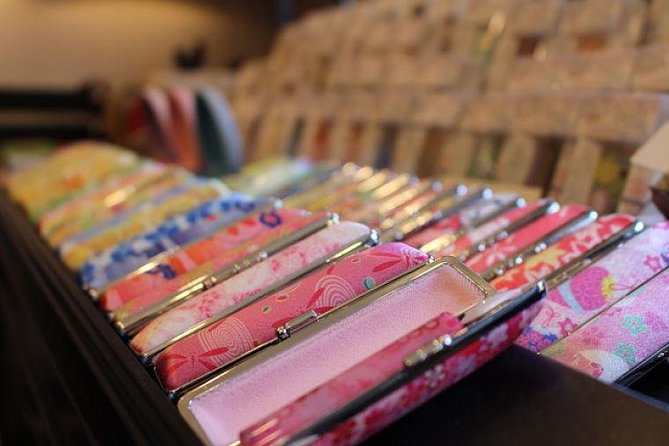
Japanese boxwood is included as your standard hanko material. The workshop also offers additional material choices for an extra fee, including options like horn, wood, and gemstone.
That’s a big deal for value, because you can control your final experience. If you want the authentic classic feel, you can stay with boxwood. If you want something showy or special for a gift, upgrades are there.
Red ink is not included
You should know that red ink is not part of the included package. If you want to use your seal right away, you’ll need to plan to buy ink separately.
The Craftsmanship: Machine Rough Carving, Hand Finishing
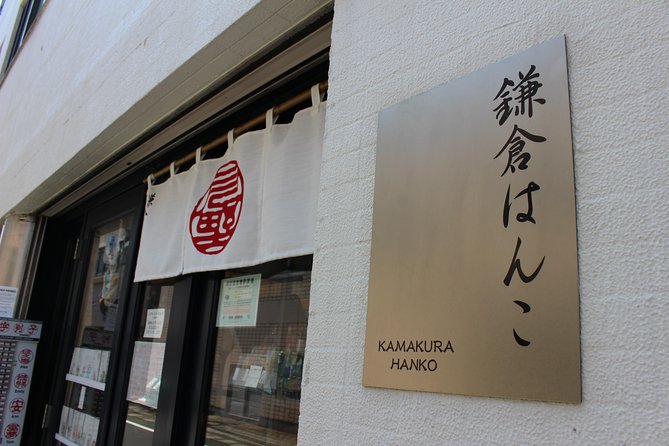
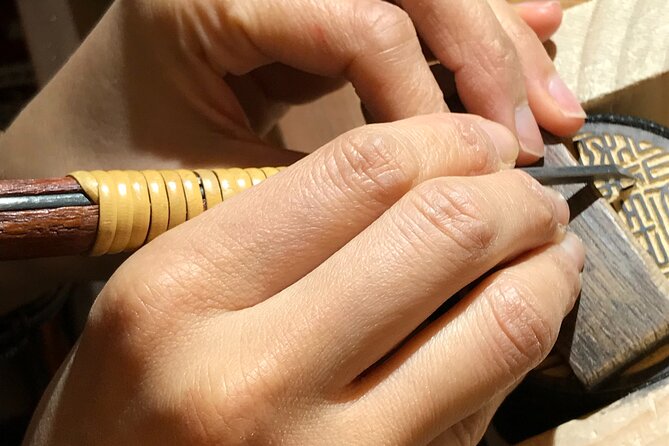
This shop’s process blends speed with a traditional finish. The initial rough carving may be done with an engraving machine, then skilled craftsmen handle the final details by hand.
That hybrid approach makes practical sense. Machine work helps with consistency, while hand finishing is what gives the edges and character shapes their final crispness.
In the shop, you’re not only choosing a design. You’re selecting something that will be physically carved by people who care about the outcome.
The instructor’s role in making it feel personal
The owner, Tsukino, and also referenced as Mitsuhiro, is heavily involved in the explanation and guidance. Multiple accounts highlight how he explains thoroughly and answers questions directly, and that he isn’t pushy about upgrades.
English communication is mentioned as a non-issue for many visitors, which matters because hanko design includes details that are easier to get right when you can ask questions.
Designing Your Own Hanko Name Seal: Key Choices to Make
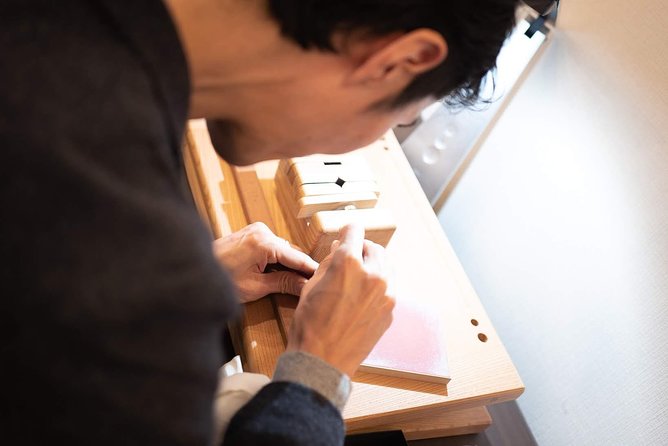
This experience gives you real control over what you take home. The goal is simple: pick a seal style you’ll actually like using and storing, and make it look correct for Japanese naming aesthetics.
Choose katakana type and a font meant for official seals
The workshop recommends using a katakana font suitable for official seals. If you’re aiming for a traditional and polished look, that recommendation is worth listening to.
Also, you’ll be helped to write your name in Japanese characters that reflect your personality. That’s the part where the workshop feels less like a template and more like a custom creation.
Material and color choices affect both look and feel
Your seal is engraved on acrylic as part of the options described, with additional materials available for an extra fee. The included standard in the package is a hanko made from Japanese boxwood, so you can expect a classic base option.
If you’re the type who wants a certain weight, texture, or color vibe for keepsakes, plan your decisions early in the session. The more you can decide confidently, the less you’ll feel rushed.
Don’t forget the case and pouch situation
The included items cover a pouch, which is great for travel and storage. The case itself is listed as not included, but you can choose a case type and color during your workshop, likely for an additional charge.
This matters because a good case helps your seal stay sharp and protected. If you intend to use the hanko later, you’ll appreciate having it stored properly.
Timing and Where to Go in Kamakura
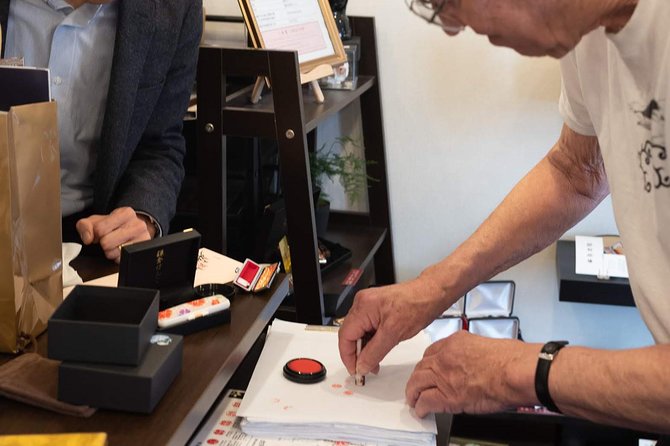
You’ll meet at the Kamakura seal shop, a souvenir shop area at 5-6 Onarimachi, Kamakura, Kanagawa 248-0012. It’s near public transportation.
A practical tip: the shop is described as only a few minutes walk from Kamakura Station. So if you’re using the train to move around, you can keep your day efficient.
Morning workshop, afternoon pick-up
The activity is described as available only in the morning. Your pick-up time is flexible in the afternoon on the same day.
That setup can actually help your schedule. You can do the workshop early, then spend the afternoon sightseeing once the seal is ready for you.
Private group means more attention
This is a private tour or activity. Only your group participates, so you’re not competing for time while the instructor explains the finer points of seal history and design choices.
Value Check: What You’re Paying for at $131.65
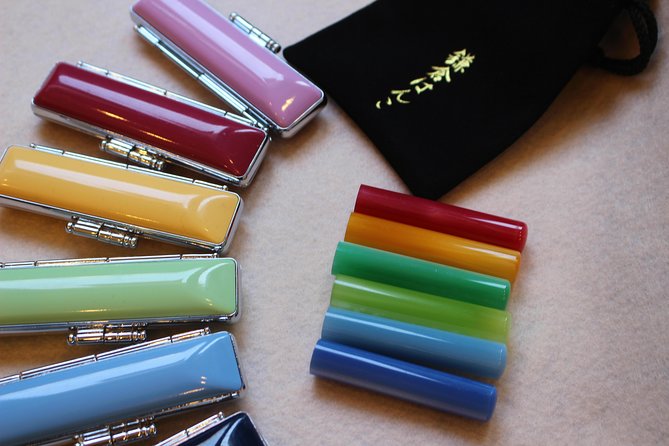
At $131.65 per person, this isn’t a cheap mass-produced souvenir. But it’s also not an abstract art experience where you buy hours of instruction and hope you like the result.
You’re paying for a custom name seal with included Japanese boxwood, an engraving fee for katakana, and an original pouch. You’re also paying for the in-shop time spent learning how hanko works, and for the craftsmanship that turns your design into a real carved seal.
Where costs can rise
The main “value question” is the extras. Material upgrades like horn, wood, or gemstone cost extra. The case is sold separately, and red ink is not included.
So if you’re trying to keep costs in check, you can stick with the included boxwood and skip upgrades. If you’re okay with a higher total, the upgrades can make the seal feel more like a luxury keepsake.
Shipping is optional
If you don’t want to carry it, shipping is available, but you’d need to request it and pay the extra cost. Some accounts mention quick pick-up or fast mailing, which can help if your schedule is tight.
Who This Hanko Workshop Suits Best
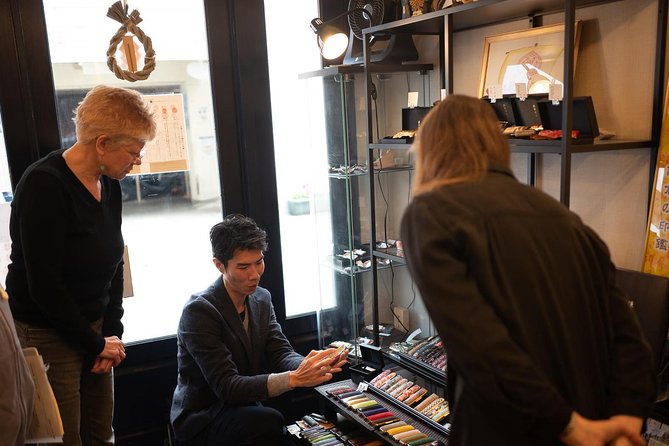
This is a great match if you want a Japan souvenir with meaning and a personal touch. It’s especially appealing for people who enjoy small art crafts, design choices, and cultural context.
It also works well as a couple activity or a solo experience. Because it’s private, the instructor can focus on your questions and help you make decisions without feeling lost.
If you’re the type who likes practical souvenirs, you’ll also enjoy the idea of stamping items with something made for your own identity.
Should You Book Your Own Hanko Name Seal in Kamakura?
Book it if you want a custom, take-home Japanese name seal with real craft attention and clear cultural instruction. I’d call this one of the better “creative souvenir” options because you’re not just receiving an item, you’re learning how and why it matters.
The only reason to hesitate is the timing. Since it’s morning-only and you pick up later, it needs a slot in your Kamakura schedule. If that works for you, this workshop is a strong choice for a memorable, personal artifact.
FAQ
How long is the Hanko workshop in Kamakura?
The experience is about 45 minutes.
What is included in the price?
It includes the HANKO seal (Japanese boxwood), the engraving fee for KATAKANA, and an original pouch for your Hanko.
Can I upgrade materials or the case?
Yes. Upgrade material fees apply if you choose options like horn, wood, or gemstone. The HANKO case is sold separately, and character or typeface upgrades may also have extra fees.
Do I need to pick up the seal in person?
Pickup happens in the afternoon on the same day. Shipping is available only if you request it instead of picking up.
Is this activity private?
Yes. It’s a private tour or activity, so only your group participates.
What if I need to cancel?
You can cancel for a full refund if you cancel up to 24 hours in advance of the experience start time. If you cancel less than 24 hours before, the amount paid will not be refunded.
South to Kamakura and the Coast
Newest Kamakura write-ups from the Loving Japan desk
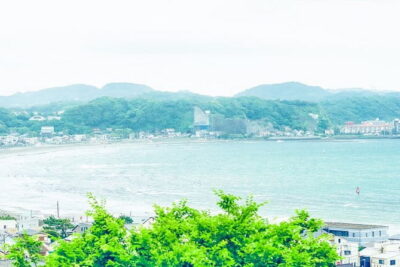
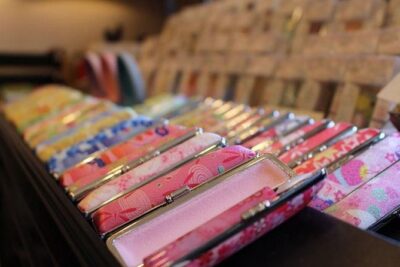
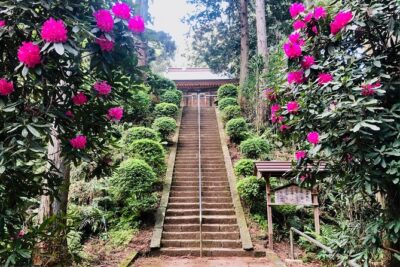
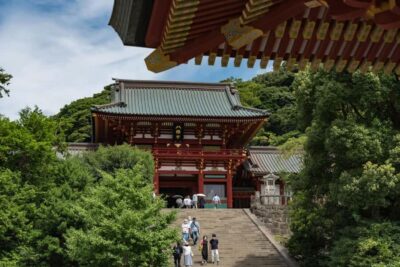
Kamakura, the Great Buddha and Enoshima, side by side.
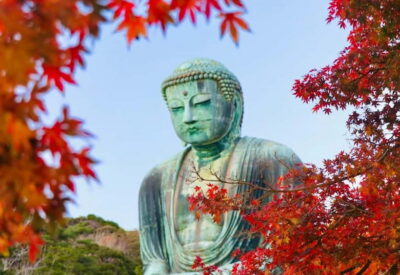 ★ 4.5Kamakura & Enoshima Day Trip including Temple TicketsFrom $581,375 reviews
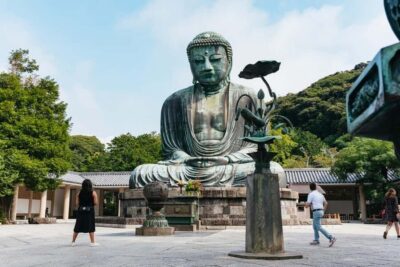 ★ 4.5Mt. Fuji, Kamakura, Big Buddha, & Lake Ashi Day TripFrom $49867 reviews
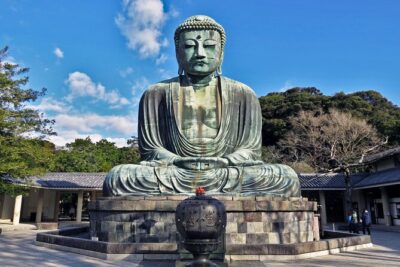 ★ 4.5From Tokyo: Kamakura & Enoshima 1-Day Bus TourFrom $66189 reviews
 ★ 5.0Kamakura Historical Walking Tour with the Great BuddhaFrom $98129 reviews
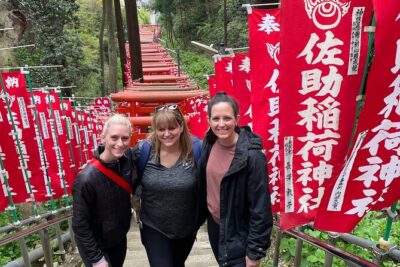 ★ 5.0Kamakura Private Tour: Temples, Nature, and the Great BuddhaFrom $98121 reviews
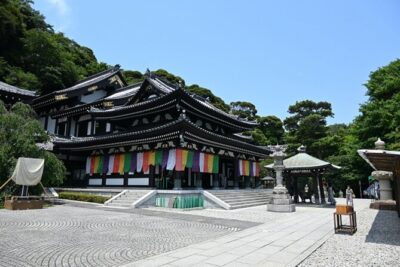 ★ 5.0Kamakura Walking Tour – The City of ShogunFrom $35100 reviews
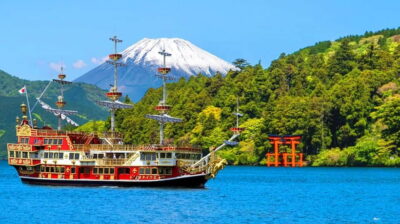 ★ 4.9Sea of Mount Fuji, Hakone Ropeway, Ōwakudani, EnoshimaFrom $5084 reviews
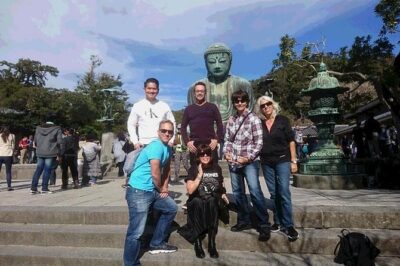 ★ 5.0Kamakura 8 hr Private Walking Tour with Licensed Guide from TokyoFrom $20180 reviews
Filed on these lists too