
REVIEW · KAMAKURA, THE GREAT BUDDHA AND ENOSHIMA
Kamakura Tours Half Day or Full Day Tours with a local guide.
Kamakura feels calmer with the right guide. I love the stress-free logistics handled for you, and I also like how guide Jack brings the story behind each stop into focus. One thing to plan for: lunch and optional kimono cost extra, and the day uses walking plus efficient public transport, not a private vehicle.
This tour works well when you want the highlights without turning your brain into a transit app. You get entrance fees for the shrines and temples, plus bottled water during hot days, so you can spend energy on sights and photos instead of tickets and errands.
The plan runs about 8 hours and ends back where you started near Kamakura Station. Expect a mix of temple time, shopping time, and breaks for moving between areas, with a local guide keeping the pace sensible.
In This Review
- Key highlights to look for
- Kamakura without the stress: a local guide sets the pace
- Meeting at Kamakura Station and how the day actually moves
- Stop 1: Kotoku-in Great Buddha, plus the snacks and souvenir zone
- Stop 2: Hase-dera Temple, Kannon and Jizo statues with bay views
- Stop 3: Komachi Street for food, shopping, and Kamakura-only finds
- Stop 4: Tsurugaoka Hachimangu Shrine, Kamakura’s spiritual center
- Optional add-on: Kimono rental at Imakoji for easier photos
- Price and value: why $70 can work if you plan smart
- Who this Kamakura tour is best for
- Should you book this Kamakura guided tour?
- FAQ
- How long is the Kamakura tour?
- What is included in the tour price?
- Is lunch included?
- Is kimono rental included?
- Where do we meet, and does pickup happen?
- What happens if the weather is poor or I need to cancel?
Key highlights to look for
- Great Buddha time that feels un-rushed at Kotoku-in, with entry included
- Hase-dera’s Kannon and Jizo statues paired with garden and bay views
- Komachi Street for snacks and Kamakura-only souvenirs without wandering aimlessly
- Tsurugaoka Hachimangu as the spiritual anchor of Kamakura
- Optional kimono rental during the tour if you want easier photo moments
Coast and temples south of Tokyo, compared
- Tokyo: Kamakura & Enoshima Day Trip including Temple Tickets
★ 4.5 · 1,375 reviews - From Tokyo: Kamakura & Enoshima 1-Day Bus Tour
★ 4.5 · 189 reviews - Kamakura Historical Walking Tour with the Great Buddha
★ 5.0 · 129 reviews - Kamakura Private Tour: Temples, Nature, and the Great Buddha
★ 5.0 · 121 reviews
Kamakura without the stress: a local guide sets the pace
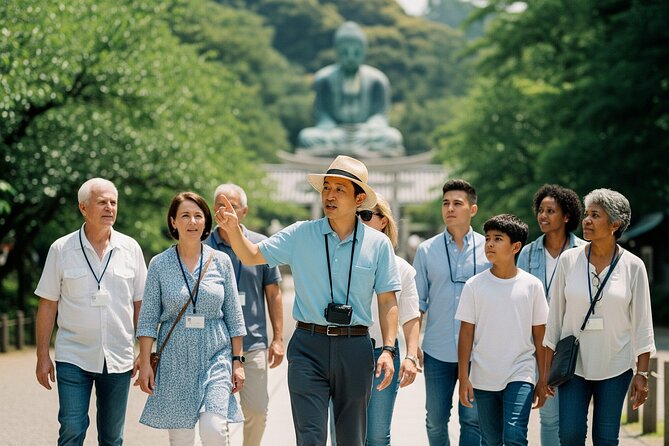
Kamakura can be a lot. The train lines are simple, but once you add crowds, walking distances, and the right order of sights, DIY can turn into stop-start regret. The big value here is that your guide handles the flow, so you are not spending half your day figuring out where to go next.
I like that this is designed as a walking tour supported by efficient public transport. That means you still get the feel of the neighborhoods and temple approaches, but you skip the heavy work of route planning. Your guide also helps you find practical paths so you are not doubling back.
One more small detail that matters: bottled water is included for hot and summer days. You might still want your own extra water for peace of mind, but having some provided is a nice, low-effort win.
If you want Kamakura to feel like a guided stroll through a story, this format fits. You get structure without feeling herded.
Meeting at Kamakura Station and how the day actually moves
You meet near Kamakura Station at 1-chōme-1-15 Onarimachi, and the tour ends back at the meeting point. Pickup is offered, so if you prefer not to navigate to the station on your own, check how that works when you book.
This is a private tour, meaning it is only your group. That matters for comfort and pacing. If your group is slower, you are not stuck with a speed-marching herd behind you.
The day is built around short blocks that keep your attention fresh. Two main temple stops take about 45 minutes each, then you switch gears with a longer shopping walk at Komachi Street. The shrine stop is also about 45 minutes, and then you finish with optional kimono rental, about 1 hour if you choose it.
Moderate physical fitness is recommended. There is walking, and some parts are outside. Good shoes are not optional. Even if you love to walk, you will feel it after a full day of temples and streets.
Stop 1: Kotoku-in Great Buddha, plus the snacks and souvenir zone
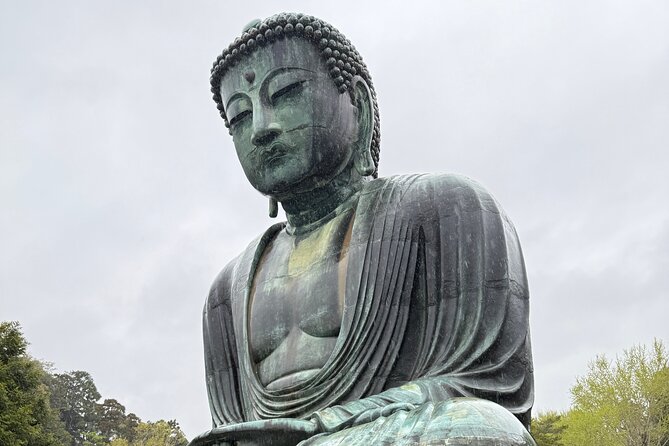
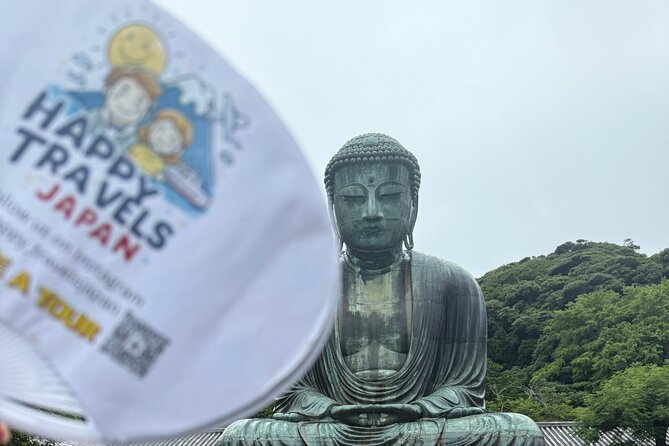
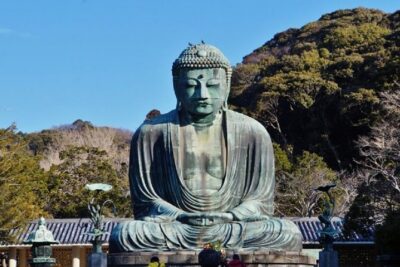
Your first major target is Kotoku-in, home to the Great Buddha of Kamakura. The visit runs about 45 minutes, and the admission ticket is included. That time window is useful because it gives you a real look without dragging the day into a long queue-and-wait loop.
What I like about starting here is the energy. You arrive to a landmark that is instantly recognizable, and your guide can ground it in context right away. You also get time around the temple area for local snacks and drinks, plus a chance to shop for Great Buddha souvenirs.
Practical tip: plan to slow down for photos from a couple of angles, not just the first spot you find. The guide can steer you to viewing directions and give you time to look around instead of rushing everyone through.
Possible drawback: if you are the type who needs more than 45 minutes at a single sight, this will feel like a fast pass. For most people, it is the right length.
- Kamakura Walking Tour – The City of Shogun★ 5.0 · 100 reviews
- Kamakura: Private Guided Walking Tour with Local Guide★ 4.8 · 60 reviews
- Kamakura 4hr Private Trip with Government-Licensed Guide★ 5.0 · 58 reviews
- When Emperors Reigned and Shoguns Ruled★ 5.0 · 43 reviews
- From Tokyo: Kamakura Full Day Tour with a Local Expert Guide★ 4.6 · 43 reviews
Stop 2: Hase-dera Temple, Kannon and Jizo statues with bay views
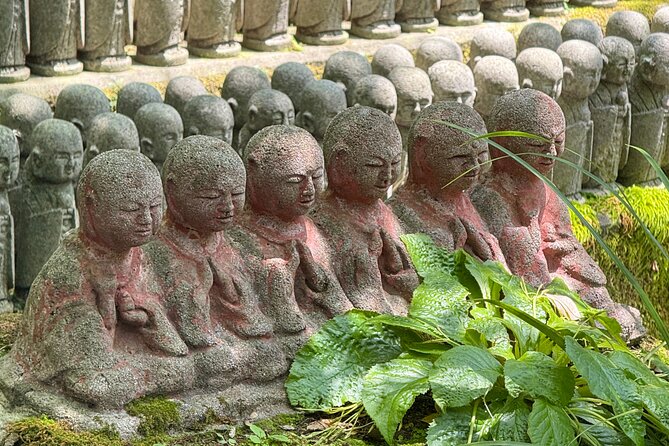
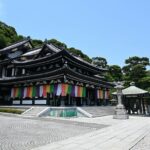
Next comes Hase-dera Temple, another stop designed for about 45 minutes, with admission included. This is where the tour shifts from landmark awe to details you might miss on your own.
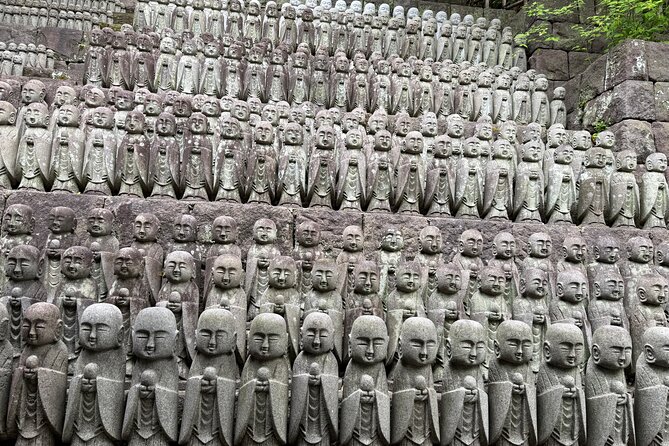
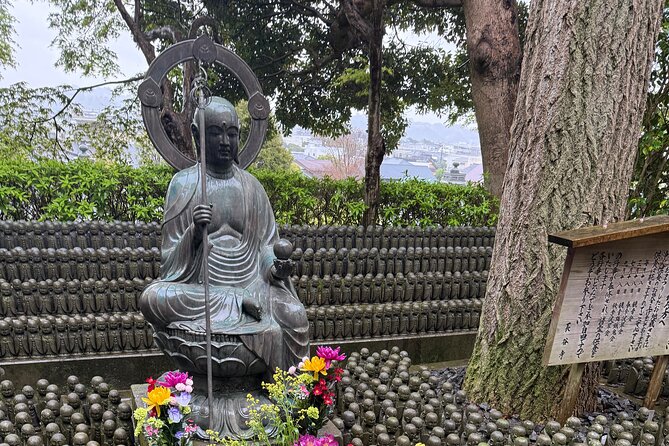
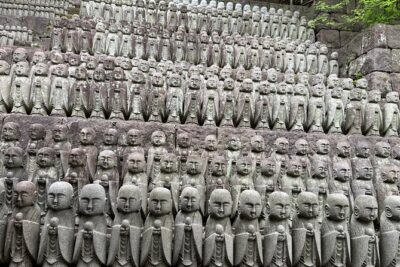
Hase-dera is known for Buddhist imagery, especially connections to the goddess Kannon and the many Jizo statues. Your guide also points you toward what to notice in the temple spaces and why these figures matter.
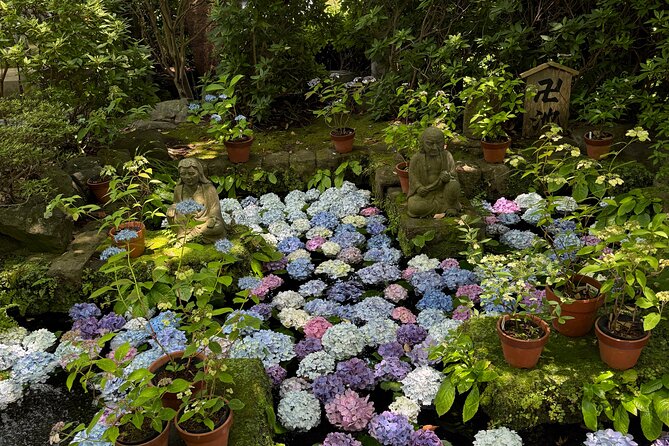
One of the reasons this stop is worth your time is the combination of temple atmosphere and scenery. The tour info highlights gardens and bay views, and in practice that means you get more than just statues and halls. You also get sight lines that help you understand why people come to Kamakura for more than one day.
A consideration: you will be outside for parts of this experience, so weather matters. If conditions are hot or rainy, listen to your guide about where to spend time and when to move.
If you like temples that feel human and symbolic, this is the stop that often becomes the memory you talk about later.
Stop 3: Komachi Street for food, shopping, and Kamakura-only finds
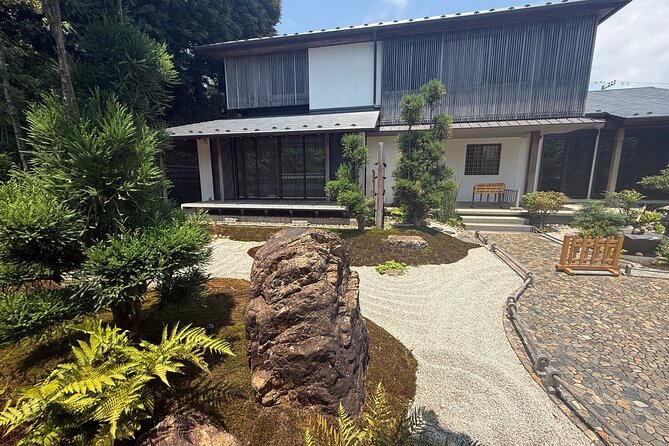
After two temple stops, you switch gears with Komachi Street. This is your longer stretch at about 1 hour 30 minutes, and there is no admission charge here. It is a walk-and-snack-and-shop section, and it is one of the most practical ways to learn what locals and visitors actually do in the center of town.
Your guide uses this time to help you shop and taste without getting lost in the crowd flow. You can explore, eat, and drink, and you are encouraged to look for local food and drinks that are only found in Kamakura. This is also where you can buy handmade souvenirs and items made in Kamakura specifically.
What I like is that the guide can help you avoid spending money on random tourist clutter. You still get freedom to browse, but with someone nearby who knows what is typical for the area.
Practical tip: if you have a sweet tooth, save a little hunger for this part. The street is built for eating as you walk, so you can make the day feel like more than just sightseeing.
Possible drawback: if shopping crowds are not your thing, Komachi Street may feel like a lot. However, because the time is limited and guided, you can still enjoy it without it consuming the whole day.
Stop 4: Tsurugaoka Hachimangu Shrine, Kamakura’s spiritual center
Tsurugaoka Hachimangu Shrine is the next anchor, and it is scheduled for about 45 minutes with admission free. The tour frames it as one of the oldest shrines in Japan and highlights its cultural significance and importance.
This stop works well after Komachi Street because the mood changes. You go from street energy to a calmer place where you can slow down. Your guide helps you connect what you are seeing to why it matters historically and spiritually.
What to expect: you will spend time looking around the shrine spaces and learning what to notice, not just photographing in the general direction. The beauty of the shrine grounds is part of the experience, but the story behind the shrine is what gives it meaning.
Practical tip: bring a little patience. Shrines and temple grounds attract people, especially during peak travel seasons. The guide keeps you moving at a sensible pace, so you do not feel stuck.
Optional add-on: Kimono rental at Imakoji for easier photos
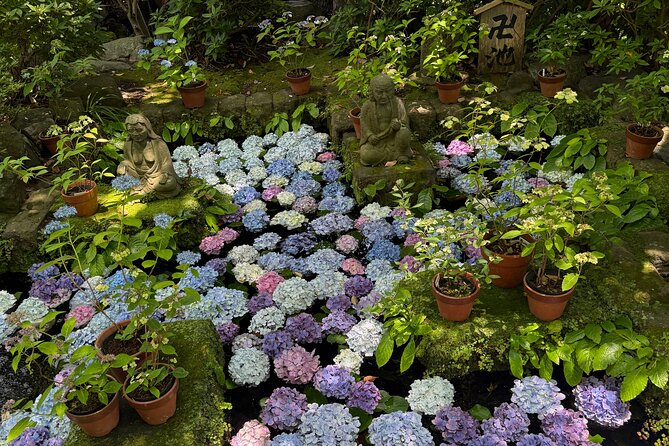
If you want the classic Kamakura photos, this is where it fits in. Kimono rental can be done during the tour at Kamakura Imakoji, scheduled for about 1 hour. The rental itself is optional and not included in the price.
Why this is a smart add-on: it gives you a time block dedicated to dressing, so you are not scrambling to fit a rental shop into a sightseeing schedule. It also helps you plan your photos. Instead of changing clothes mid-journey, you build the experience around it.
Two practical notes:
- Plan for extra movement with heavier clothing than you would wear normally.
- Wear comfortable shoes you can manage if you have to adjust your footwear.
Possible drawback: the kimono option adds cost and time. If your goal is maximum sight time, you might skip it. If your goal is memories and photos, it is a good trade.
Price and value: why $70 can work if you plan smart
The price is $70.00 per person, and the tour typically gets booked about 69 days in advance. That price point matters because it includes more than just a guide.
What you get included:
- Tour guide fee
- Bottled water during hot and summer days
- Entrance fees for shrines and temples
What you do not get included:
- Lunch (your guide can point you to a local restaurant)
- Kimono rental (optional)
- Private transportation (this is not a vehicle guided tour)
So the value comes from subtracting what you would otherwise pay separately. If you are planning to visit the Great Buddha, Hase-dera, and Tsurugaoka Hachimangu anyway, the included entrance fees reduce your out-of-pocket costs. Add in a guide who keeps the order logical and the timing reasonable, and it becomes less about saving money and more about buying time and sanity.
Also, because this is a private tour with only your group, you tend to feel less pressure from strangers cutting the line or slowing you down.
If your group is comfortable planning transit and likes DIY, you could replicate this with effort. If you want Kamakura to feel easy, this is the kind of purchase that pays you back in stress avoided.
Who this Kamakura tour is best for
This tour is a strong fit if you want:
- A structured day that hits the big landmarks and the meaningful temple moments
- Help choosing what to notice, especially with the Kannon and Jizo connections at Hase-dera
- A shopping stop that feels guided, not random
- Someone to handle logistics through public transit and walking routes
I also think it works well for first-timers to Kamakura. The geography can be tricky if you try to stitch together sights on your own. With a local guide, you get the order that makes sense for a half-day feeling, even though this runs a full day.
If you hate walking, this probably will not be your favorite format. It is not a car tour. You should assume you will be on your feet for temple grounds and streets.
If you are traveling with kids, it can still work if your group has moderate walking stamina and you treat breaks as part of the plan. If you have mobility limitations, confirm how the walking and transit will feel for your needs.
And if you want the guide experience to feel personal, this tour is private, so your group gets the attention.
Should you book this Kamakura guided tour?
Book it if your ideal day looks like this: meet near Kamakura Station, visit Kotoku-in and Hase-dera with enough time to actually see things, enjoy Komachi Street for food and souvenirs, then end at Tsurugaoka Hachimangu. Add kimono if you want the photo memory. You will be paying for convenience and context, not just for transportation.
Skip it or consider a different option if you want to control every step on your own, or if you prefer long, slow stays where you could spend hours in one place. The stops are well paced, but the structure is the point.
If your English guide quality matters to you, the experience is backed by strong feedback about Jack, with notes on his history and culture knowledge and his easy-to-relate style from time in the US. That kind of guiding can make the day feel smoother and more meaningful.
If you want Kamakura without the heavy planning work, this tour is a sensible choice.
FAQ
How long is the Kamakura tour?
The tour runs about 8 hours.
What is included in the tour price?
The price includes the tour guide fee, bottled water during hot and summer days, and entrance fees for the shrines and temples. Some stops also include admission tickets, while others like Komachi Street and Tsurugaoka Hachimangu have free admission.
Is lunch included?
Lunch is not included. Your guide can help bring you to a local restaurant where you can relax and recharge. The guide can join you upon invitation.
Is kimono rental included?
Kimono rental is optional and not included in the price. If you choose it, you can rent a kimono or yukata during the tour at Kimono Rental Kamakura Imakoji for about 1 hour.
Where do we meet, and does pickup happen?
The meeting point is near Kamakura Station at 1-chōme-1-15 Onarimachi, Kamakura, Kanagawa 248-0012, Japan. Pickup is offered, and the tour ends back at the meeting point.
What happens if the weather is poor or I need to cancel?
The experience requires good weather. If it is canceled due to poor weather, you will be offered a different date or a full refund. You can cancel for free up to 24 hours in advance for a full refund, and cancellations within 24 hours are not refunded.
South to Kamakura and the Coast
Newest Kamakura write-ups from the Loving Japan desk
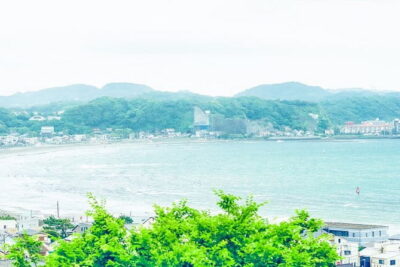
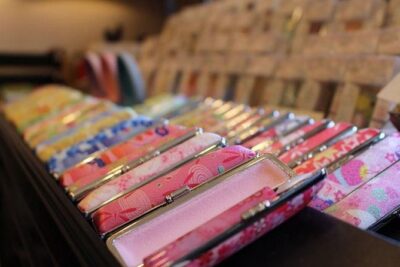
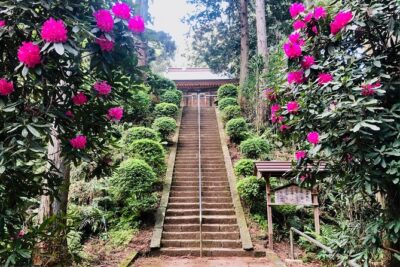
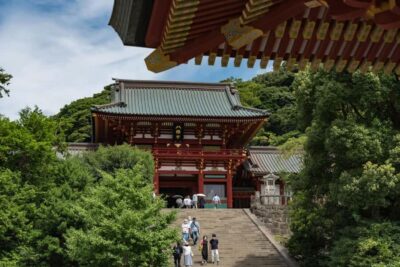
Kamakura, the Great Buddha and Enoshima, side by side.
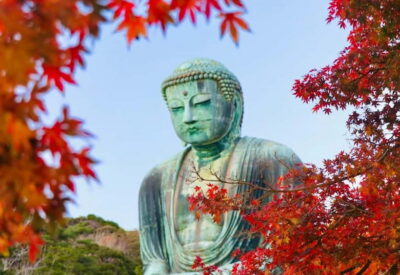 ★ 4.5Kamakura & Enoshima Day Trip including Temple TicketsFrom $581,375 reviews
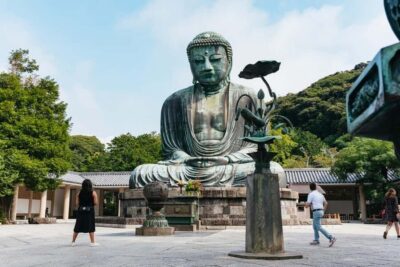 ★ 4.5Mt. Fuji, Kamakura, Big Buddha, & Lake Ashi Day TripFrom $49867 reviews
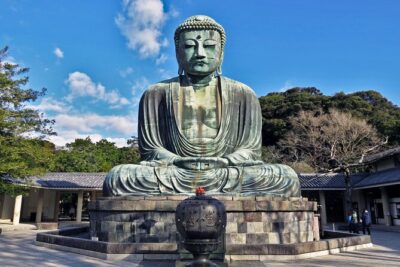 ★ 4.5From Tokyo: Kamakura & Enoshima 1-Day Bus TourFrom $66189 reviews
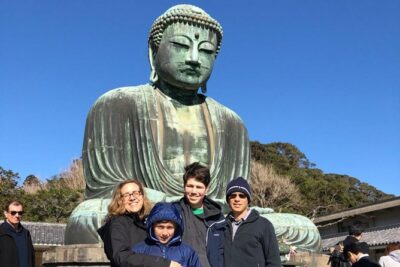 ★ 5.0Kamakura Historical Walking Tour with the Great BuddhaFrom $98129 reviews
 ★ 5.0Kamakura Private Tour: Temples, Nature, and the Great BuddhaFrom $98121 reviews
 ★ 5.0Kamakura Walking Tour – The City of ShogunFrom $35100 reviews
 ★ 4.9Sea of Mount Fuji, Hakone Ropeway, Ōwakudani, EnoshimaFrom $5084 reviews
 ★ 5.0Kamakura 8 hr Private Walking Tour with Licensed Guide from TokyoFrom $20180 reviews
Filed on these lists too