
REVIEW · JAPANESE CRAFT AND CALLIGRAPHY WORKSHOPS
Calligraphy Culture SHODO Experience in Tokyo
Write kanji with real Japanese guidance. This Shodo lesson in Tokyo puts a brush in your hand for about 1.5 hours, with a max group of 5 and coaching geared to foreign visitors. If you want a hands-on cultural memory you can actually use later, this is it.
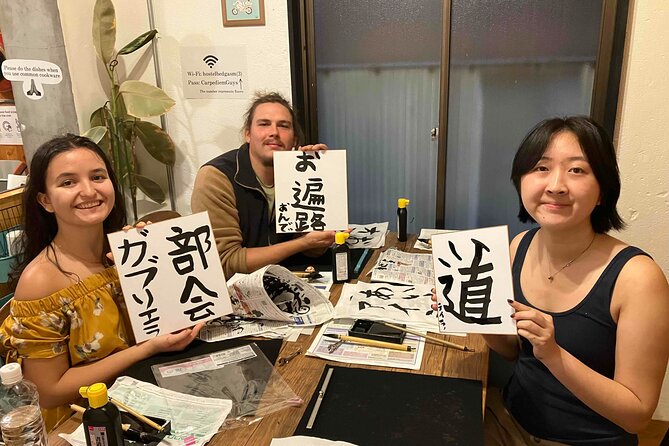
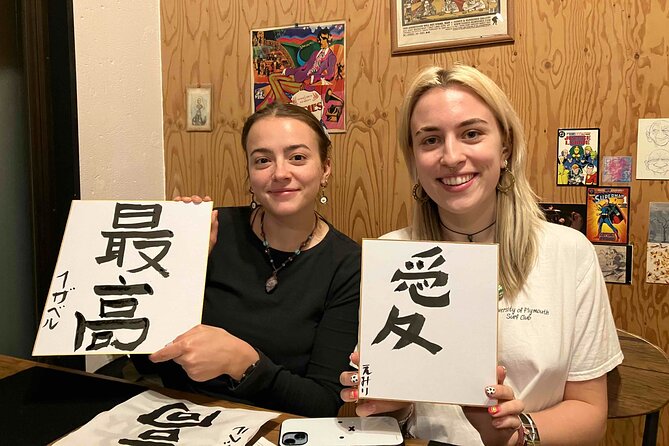
I love that the class starts at fundamentals, like how to hold the brush, posture, and how to draw confident lines. You’ll like the fact that you can write your own name in Japanese, or choose a favorite word in kanji, and end with something physical to take home, a personal autograph board.
One thing to keep in mind is the setting. In some cases, the lesson happens inside a shared space (for example, a boarding house or hostel area), so you may notice everyday activity from other residents during class time.
In This Review
- Key Highlights Worth Prioritizing
- Shodo 101: What You Actually Learn in 1.5 Hours
- Your Name in Japanese, or a Kanji Word You Choose
- Entering the Classroom Near Iriya, Ueno, and Asakusa
- Teacher Coaching: Patient, Friendly, and Built for Beginners
- What Supplies You Get, and What You Take Home
- Price and Value for a Small-Group Cultural Workshop
- Who Should Book This Shodo Experience
- Quick Planning Tips So You Get the Most Out of It
- Should You Book This Shodo Workshop in Tokyo?
- FAQ
- How long is the Calligraphy Culture Shodo Experience?
- How many people are in a group?
- What’s included in the price?
- What can I write during the lesson?
- Where does the experience meet?
- Is the meeting point easy to reach by public transportation?
- Can I cancel for a full refund?
Key Highlights Worth Prioritizing
- Small-group pacing with room for real questions, not just watching from the side
- You write what you want, from your name to a chosen kanji word
- Take-home autograph board so your practice does not disappear after the workshop
- Brush basics first, so even beginners can make marks that look intentional
- Close to Ueno and Asakusa, with an easy walk from Iriya Station
Make something to take home. Other workshops
- Tokyo Shinjuku Chopsticks Making Class
★ 5.0 · 1,763 reviews - Chopstick Making Workshop in Ginza
★ 4.8 · 1,366 reviews - Tokyo Sumo Experience: Chanko & Mochi with a Former Pro
★ 4.8 · 567 reviews - Kintsugi Experience: Art of Golden Joinery in Tokyo
★ 5.0 · 467 reviews
Shodo 101: What You Actually Learn in 1.5 Hours
Shodo is the Japanese art of calligraphy, but this experience keeps it practical. The session is about 1 hour 30 minutes, which is long enough to get past the awkward start, and short enough to fit into a normal Tokyo day.
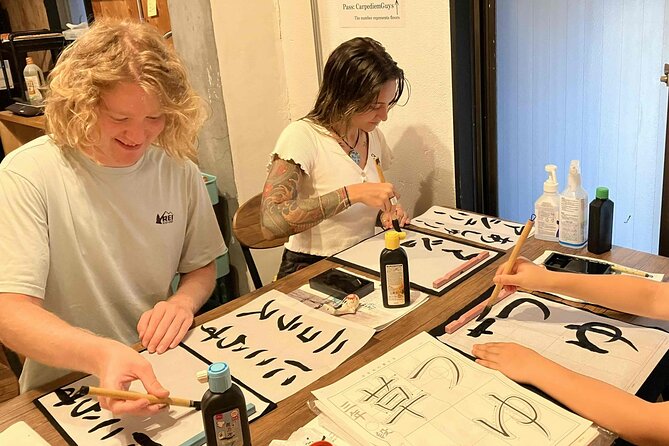
You begin with posture and grip. That sounds basic, but it matters because the brush behaves differently depending on how you hold it and how steady your wrist is. Expect to practice simple strokes first, then build up to writing characters that look more like calligraphy and less like accidental pen marks.
A major value here is that the instruction does not assume you already know how Japanese scripts work. You’ll get guided practice with fundamentals and shape-making, including the kinds of line control that make hiragana, katakana, and kanji feel distinct. Several past participants specifically praised the step-by-step approach, and the calm, patient teaching style.
Your Name in Japanese, or a Kanji Word You Choose
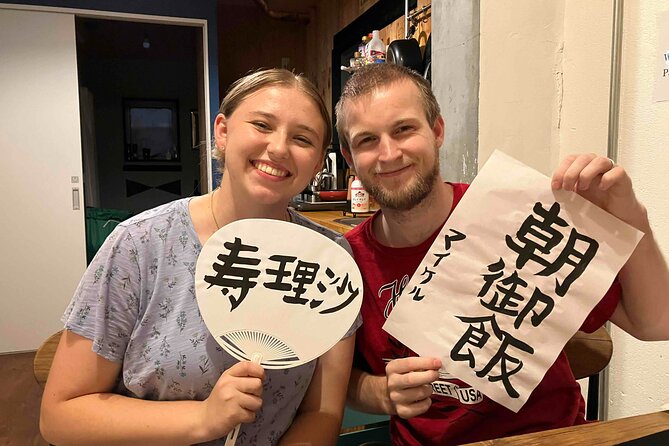
Here is where the workshop becomes personal. Instead of copying a random worksheet, you choose what to write. You can write your name in Japanese or pick a favorite word, then work it into calligraphy.
You’ll likely cover different scripts in practice, including hiragana, katakana, and kanji, so you can see how Japanese writing systems feel when they are treated as art, not just homework. One memorable example from the experience: someone tried writing a complicated word related to knitting, including challenging characters, and still got something they felt good about.
If you want a fun experiment, think about katakana. One participant noted that writing their name in katakana calligraphy produced results that were recognizable enough for Google Translate to identify. It is not a guarantee for everyone, but it is a good reminder that the shapes you form can be clear, not just pretty.
Practical tip: bring the exact spelling or characters you want, if possible. If you want your name in Japanese, be ready to confirm which version you prefer (katakana names are common for foreign names, but the point is you get guidance on what to write). The goal is to leave with work that feels like yours.
Entering the Classroom Near Iriya, Ueno, and Asakusa
The meeting point is Tokyo Iriya Shodo Club, in Taito City’s Iriya area. It is close to two major sightseeing zones, Asakusa and Ueno, and it’s about a 5-minute walk from Iriya Station. That matters because Shodo is not a “whole day” project. It is a great way to add culture without ripping up your itinerary.
How you experience the space depends on the day. Past participants described a cozy classroom feel inside a traditional boarding house style environment. Others mentioned the lesson taking place in or near a hostel kitchen area where everyday resident activity could interrupt the class.
So, if you prefer a perfectly quiet studio, keep expectations flexible. The class is still focused and hands-on, but this is not a polished museum workshop room. You are learning in a real neighborhood setting, which is often part of the charm.
- Mt Fuji and Hakone 1-Day Bus Tour Return by Bullet Train★ 5.0 · 26,383 reviews
- 1-Day Tokyo Bus Tour★ 5.0 · 14,250 reviews
- Tokyo: teamLab Planets TOKYO Digital Art Museum Entry Ticket★ 4.6 · 9,779 reviews
- Mt Fuji & Hakone Cruise, Drum Show Bullet Train 1 Day from Tokyo★ 4.0 · 7,413 reviews
- Tokyo: Shinjuku Food Tour (13 Dishes at 4 Local Eateries)★ 5.0 · 6,603 reviews
Teacher Coaching: Patient, Friendly, and Built for Beginners
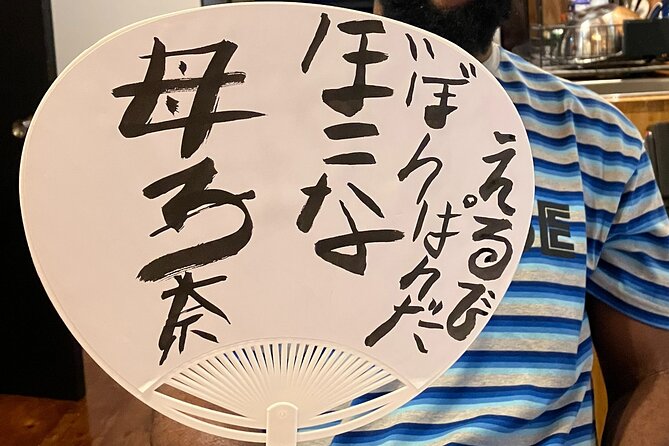
A big reason this gets such strong ratings is the teaching style. Reviews repeatedly highlight patient instruction, friendly explanations, and English support that helps beginners understand what to do with the brush.
You may be taught by Sachie or Zuisen. Both names came up in feedback as instructors who explain clearly and guide you while you practice. One review praised how the teacher worked through basics like posture and line control, then helped participants practice different shapes and a few words at the end.
That “basics first” approach is what makes this beginner-friendly. If you are nervous about Japanese characters, you are not alone. The point is to help you build control stroke by stroke, then apply it to your chosen word. Even if your character shapes look different from what you imagined at first, the training helps you get to something you can recognize as calligraphy.
And there is another subtle benefit: you learn how to look at your own work. Calligraphy is visual, and once you understand how the strokes should flow, you can improve beyond the workshop.
What Supplies You Get, and What You Take Home
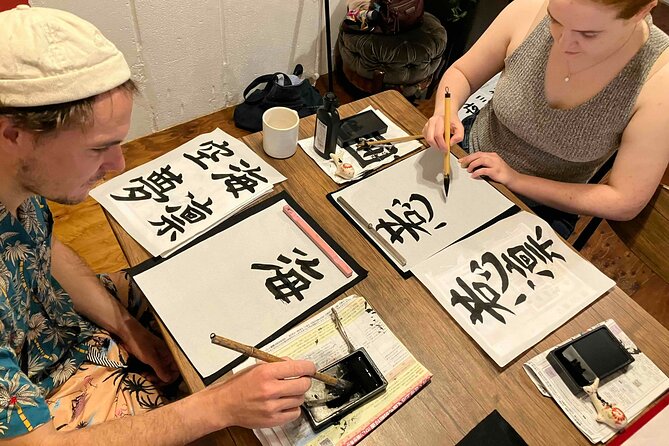
Calligraphy supplies are included, so you are not tracking down brushes and paper on your first day in Tokyo. That’s a relief, because buying the right materials can turn into a rabbit hole.
By the end, you take home an autograph board with your own work. That is more satisfying than a quick photo, because you can display it, practice again later, or even frame it after. Several participants described this as a highlight, especially after they wrote their name or a favorite word in a format they could show their family.
What you should do right after the class: treat it like a small art project, not a throwaway souvenir. Keep it flat when you store it, and if you plan to reframe it, decide soon so the paper does not pick up creases.
Also, if you like the process, consider taking a photo of your work while it is fresh in your mind. Later, when you practice on your own, you can compare your new strokes to what your teacher helped you create.
Price and Value for a Small-Group Cultural Workshop
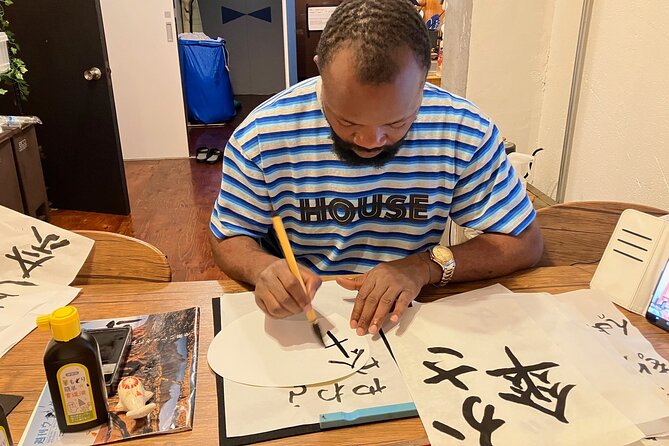
At $33.03 per person, this workshop is priced like a typical Tokyo cultural activity, but the value comes from the small-group setup and the materials included. You are not paying for a big lecture. You’re paying for direct coaching while you actively make marks.
The best part of the price is what it buys you:
- Time with a teacher during the hands-on part, not just at the start
- Supplies included, which reduces your extra spending
- A take-home board that turns the lesson into a real memory
Booking demand can be steady. The average booking window is about 27 days in advance, so if you have tight travel dates, don’t wait too long.
Is it a “must-do” for everyone? No. If you only want sightseeing photos, you might prefer a walking tour. But if you want an activity that creates a lasting souvenir and gives you a skill you can talk about back home, the value is strong.
Who Should Book This Shodo Experience
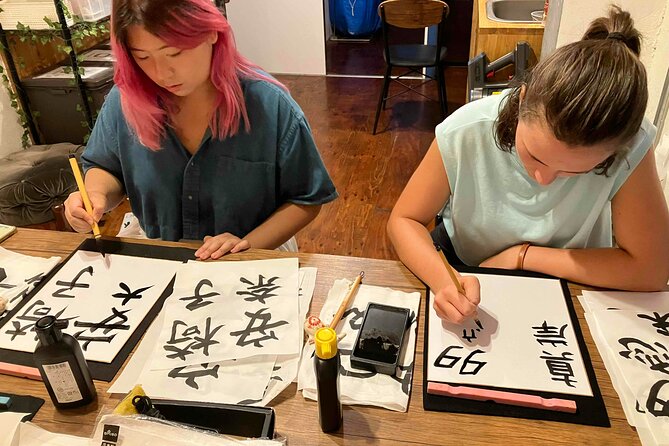
This is a great fit if you:
- want a hands-on cultural experience instead of just watching
- are curious about how Japanese writing systems work
- like small-group activities with time for questions
- want a souvenir you can actually display
It also helps if you are a complete beginner. Reviews included stories from people who had no calligraphy background and still left with confidence. One person even described enjoying the process so much that they felt motivated to continue practicing.
Where you might think twice: if you strongly need a quiet, controlled studio environment, consider that the class can take place in a shared building setup. The learning is still the focus, but everyday life in a hostel or boarding house can create distractions.
If you are short on time, the 1.5-hour length is a plus. You can schedule it near your sightseeing around Asakusa or Ueno, then move on to temples, markets, and local streets afterward.
Quick Planning Tips So You Get the Most Out of It
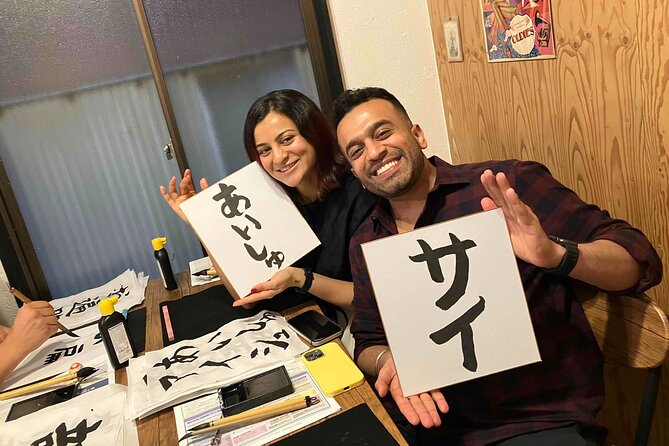
To make the workshop feel smooth, come with a plan for your writing:
- Decide whether you want your name or a kanji word first
- If you know your preferred script, mention it, since katakana is common for foreign names
- Be ready to confirm spellings or character choices with the teacher
Bring a normal daypack. You do not need special clothing, but you should be comfortable sitting and writing. Since supplies are included, leave space in your bag for the autograph board after class.
If you want to pair it with sightseeing, Iriya Station is your friend. The easy walk means you can reach the workshop without complicated transit planning, and you’re positioned within range of both Ueno and Asakusa.
Should You Book This Shodo Workshop in Tokyo?
If your ideal Tokyo day includes something real you make with your own hands, I think you should book this. The strongest reasons are the small-group size (up to 5), the beginner-friendly focus on brush and stroke basics, and the take-home autograph board that turns learning into something you can display later.
One more plus is the teaching style people highlight: patient, friendly guidance, including English support. That combination makes it less intimidating for first-timers, and more fun for people who like learning art skills.
Just manage expectations about the setting. If you are sensitive to noise and interruptions, the classroom may not be perfectly quiet. If you can roll with a more lived-in neighborhood space, you will probably enjoy the authenticity.
Bottom line: book it if you want an authentic, hands-on Shodo lesson near Iriya that gives you both a memory and a physical result.
FAQ
How long is the Calligraphy Culture Shodo Experience?
The experience runs for about 1 hour 30 minutes.
How many people are in a group?
The class is limited to a maximum of 5 travelers.
What’s included in the price?
Calligraphy supplies are included.
What can I write during the lesson?
You can write your name in Japanese or your favorite word in kanji.
Where does the experience meet?
You meet at Tokyo Iriya Shodo Club (Japanese calligraphy Experience in Tokyo), 2-chōme 292 2階, Iriya, Taito City, Tokyo 110-0013, Japan.
Is the meeting point easy to reach by public transportation?
Yes. It is near public transportation and is about a 5-minute walk from Iriya Station.
Can I cancel for a full refund?
Yes. You can cancel for free up to 24 hours in advance for a full refund.
Made by Hand, and Yours to Keep



Newest Tokyo write-ups from the Loving Japan desk


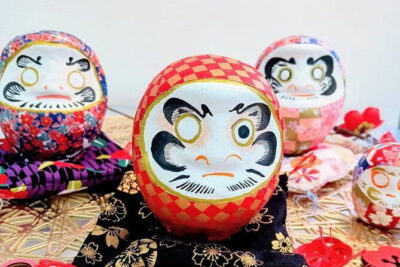

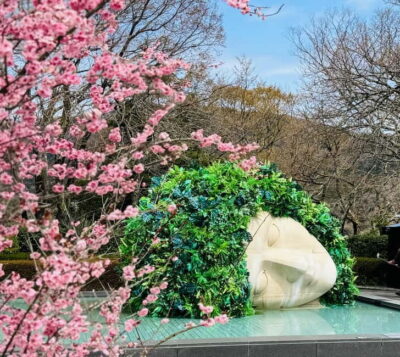
Japanese Craft and Calligraphy Workshops, side by side.
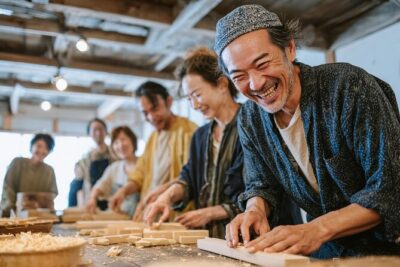 ★ 5.0Tokyo Shinjuku Chopsticks Making ClassFrom $201,763 reviews
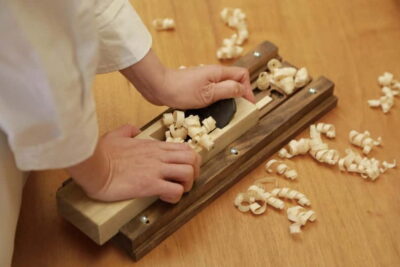 ★ 4.8Chopstick Making Workshop in GinzaFrom $251,366 reviews
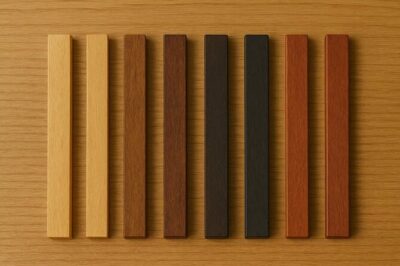 ★ 5.0Chopsticks Making Workshop in Gion with Engraving OptionFrom $15958 reviews
 ★ 4.8Tokyo Sumo Experience: Chanko & Mochi with a Former ProFrom $103567 reviews
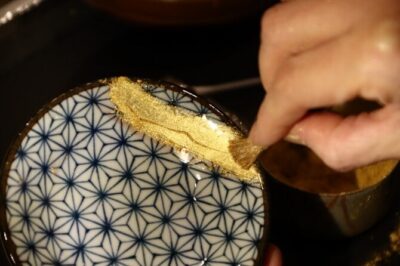 ★ 5.0Kintsugi Experience: Art of Golden Joinery in TokyoFrom $59467 reviews
 ★ 5.0Tokyo Chopstick Making Workshop with ArtisanFrom $26466 reviews
 ★ 4.9Matcha Making Experience with Mochi Sweets in AsakusaFrom $22388 reviews
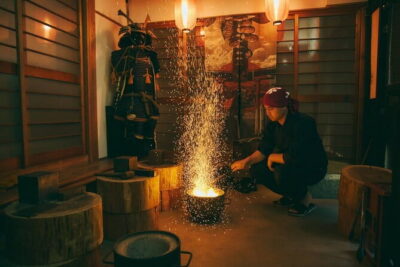 ★ 4.8Authentic knife making experience at a blacksmith in KyotoFrom $154350 reviews
Filed on these lists too