
REVIEW · TOKYO TOWER, GINZA AND THE IMPERIAL PALACE
Calligraphy Experience at Tokyo Ginza and Tsukiji Area
One word, one brush, serious fun. This private calligraphy class in the Tsukiji area turns a tourist day into something hands-on, then leaves you close to Ginza shopping and Tsukiji food for an easy follow-up. I love that you get real Q and A time with the instructors, including Yuko-sensei and Kenji-san, instead of being shuffled along with strangers.
I also love the structure: you start with basic pattern practice, then move to a harder character, and finish with a custom piece based on the Japanese word(s) you choose. One possible drawback is that the core experience is about 1 hour 30 minutes, so you should plan your shopping and dinner as “after class” add-ons rather than a huge full-day outing.
In This Review
- Quick highlights
- Tsukiji Meeting Point, a Good Start Before You Wander
- The Private Calligraphy Lesson That Lasts About 90 Minutes
- Step 1 to Final Piece: Patterns, a Harder Character, Then Your Word(s)
- Yuko-sensei and Kenji-san, and Why Private Tutoring Feels Different
- What’s Included, and Why the Materials Matter
- After Class in Ginza: Shopping With a New Eye for Japanese Writing
- Tsukiji Food Street Dinner: Make the Day Taste Like Tokyo
- Price and Value: A Private Lesson for About $51
- Who This Is For (and Who Might Skip It)
- Practical Tips for Better Results (Without Getting Stressed)
- Should You Book This Calligraphy Workshop in Ginza and Tsukiji?
- FAQ
- How long is the calligraphy experience?
- Is this a private class or a shared group tour?
- What is included in the class?
- What do I learn during the lesson?
- Where is the meeting point?
- Are Ginza shopping and Tsukiji dinner part of the experience?
- What is the cancellation policy?
Quick highlights
- Truly private lesson with only your group, so questions do not get cut short
- Step-by-step progression from simple patterns to a challenging character, then your final word(s)
- Professional instruction from an instructor authorized by the Japan Educational Calligraphy Federation
- Make a display souvenir you can take home, not just a quick photo moment
- Nearby day flow that pairs naturally with Ginza shopping and dinner near Tsukiji food streets
- Tools provided including brush, ink, paper, and a paper stone
Hungry earlier than that? Other market breakfasts we tried
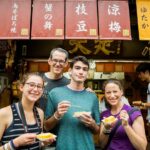
- Tokyo Tsukiji Fish Market Food and Culture Walking Tour
★ 5.0 · 3,184 reviews - Tokyo: Tsukiji Fish Market Food and Walking tour
★ 5.0 · 1,724 reviews - Tokyo: Tsukiji Fish Market Guided Walking Tour
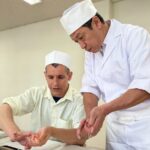
★ 4.9 · 1,397 reviews - Tokyo Sushi Making Class in Tsukiji with Professional Chef
★ 5.0 · 1,177 reviews
Tsukiji Meeting Point, a Good Start Before You Wander
You meet at 3-chōme-15-1 Tsukiji, Chuo City, Tokyo 104-0045. That location is convenient for two reasons. First, you are in a part of Tokyo that feels lived-in, not staged for one-time tourists. Second, you are close to the two things the experience is built around after the lesson: Ginza shopping nearby and food street options around Tsukiji.
You also get a practical setup for finding your way: it is near public transportation, and you receive confirmation at booking. On your end, bring your normal “Tokyo day” basics, because you will want to walk afterward. This is a class, not a limo tour.
If you like planning around a theme, this pairing works well. You do the craft first, then you shop and eat with a new lens, because you now notice Japanese writing in menus, signage, and packaging.
The Private Calligraphy Lesson That Lasts About 90 Minutes
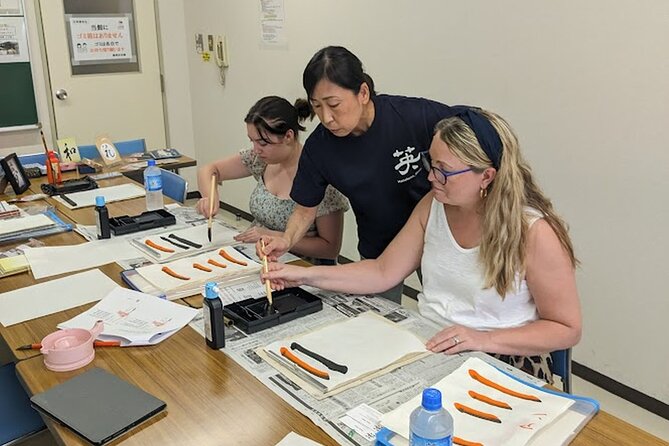
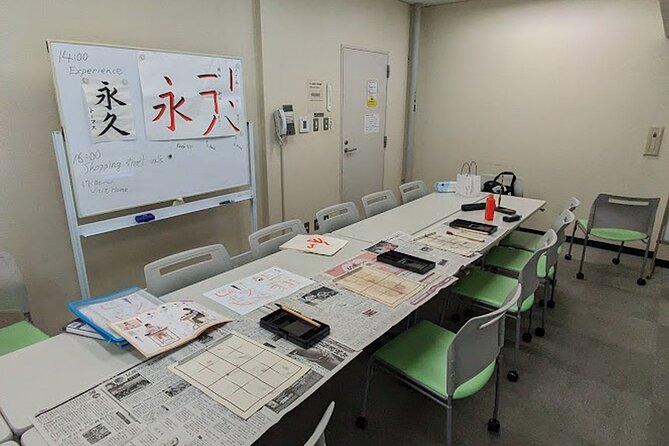
The experience is listed as about 1 hour 30 minutes. In that time, the class focuses on doing, not just watching. You are taught how to draw basic patterns, then you are challenged with a more difficult character, and finally you choose your favorite Japanese word(s) to complete your product.
Because it is private, the pace can match you. That matters with calligraphy, where small differences in brush angle and pressure can change everything. In the feedback I saw reflected in the teaching style, the instructors repeatedly came across as patient and step-by-step, especially for first-timers.
You also get a mobile ticket, which is handy. Tokyo is the kind of city where you do not want to be hunting for papers. With a mobile ticket, you can keep your day moving.
Step 1 to Final Piece: Patterns, a Harder Character, Then Your Word(s)
Here is the flow, and it is a smart one for getting results fast:
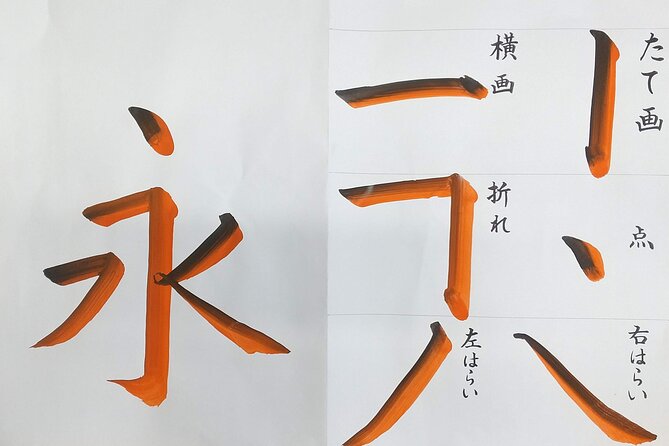
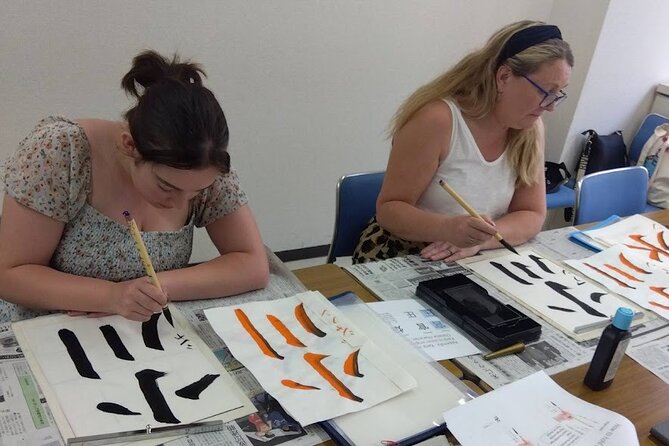
First, basic pattern writing. You start with foundational strokes and repeated forms. Think of this as warm-up that is not filler. These patterns train your hand to move the way calligraphy expects, so when you get to letters and characters, your body already knows the motions.
Second, a challenge character. You move to something harder, which is what makes the class feel like more than a souvenir factory. You get guided practice with the tutor there to correct the exact things you would mess up on your own.
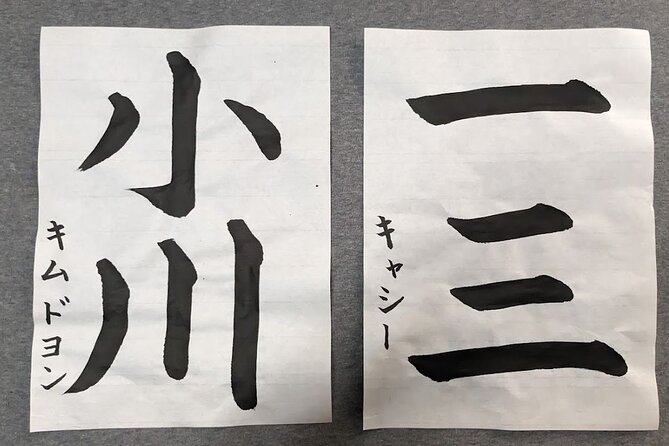
Third, choose your favorite word(s) and complete your products. This is the part that turns the lesson into a personal keepsake. If you pick a word that actually means something to you, the finished work becomes more than decoration. It becomes a “what I made in Tokyo” object.
The end goal is a piece meant for display at home. That changes how you think during the lesson, because you are aiming at a final result, not just practicing.
The central Tokyo landmarks, reviewed one by one
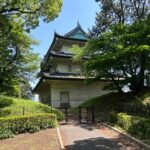
- Tokyo: Imperial Palace and Shogun Historical Walking Tour★ 5.0 · 2,251 reviews
- Tokyo: Meiji Shrine, Asakusa, Skytree Bus Tour and Cruise★ 4.7 · 1,986 reviews
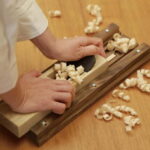
- Chopstick Making Workshop in Ginza★ 4.8 · 1,366 reviews
- Tokyo Panoramic 1 Day: Meiji Shrine, Asakusa, Odaiba and SKYTREE®★ 4.5 · 1,222 reviews
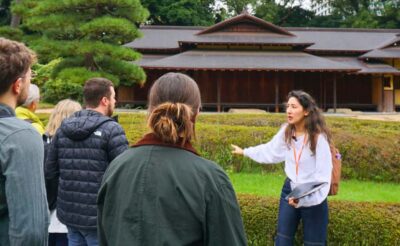
- Tokyo: Imperial Palace Japanese History Walking Tour★ 4.9 · 987 reviews
Yuko-sensei and Kenji-san, and Why Private Tutoring Feels Different
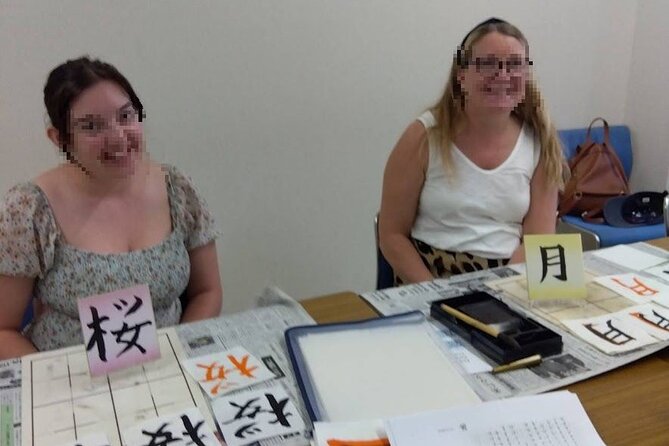
The instruction team is a big part of why the ratings are so high. Yuko-sensei is repeatedly described as a master-level teacher who is both enthusiastic and patient. Kenji-san comes through as a supportive assistant, described as kind and funny, which matters when you are learning a craft that demands concentration.
In a group class, your attention gets split. In a private setting, the instructor can watch your hand position, correct your stroke, and help you understand why one version looks better than another. If you have ever tried a new skill and felt awkward about it, you will appreciate how this format gives you room to ask questions and keep going.
Also, you do not just learn how to write. You learn how calligraphy fits into Japanese culture. Some feedback highlights that the lesson helps connect Japanese writing systems like kanji, hiragana, and katakana with how the writing works in real practice. Even if you come in with no background, you leave with a clearer sense of what you are looking at when you see characters around Tokyo.
What’s Included, and Why the Materials Matter
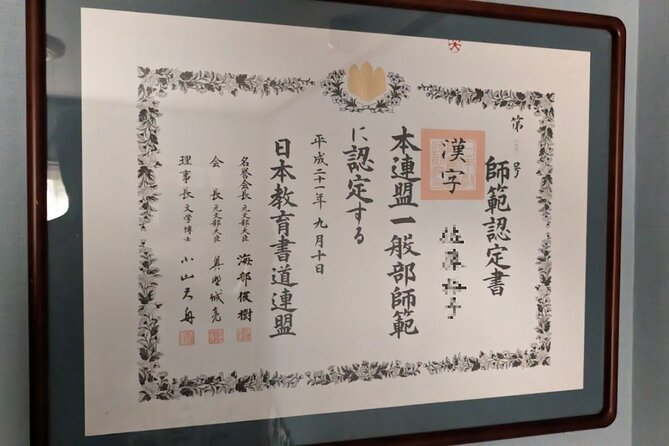
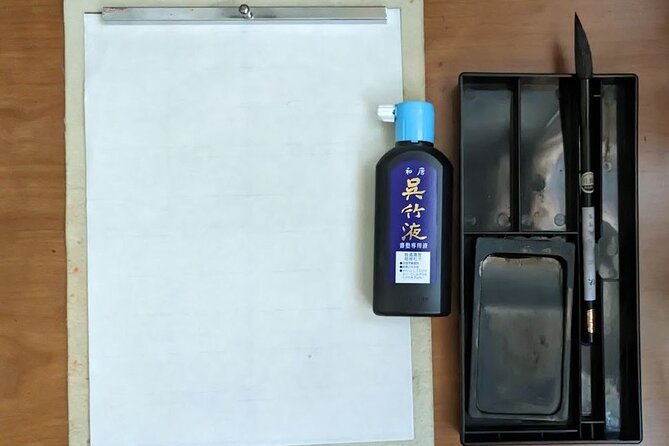
You do not show up empty-handed. Tools are prepared for you, including brush, ink, paper, and a paper stone (used for ink handling). That is important for two reasons.
One, it removes the “I bought the wrong tool” problem. Calligraphy tools can be specific, and getting the right setup helps your strokes look right.
Two, it keeps the class from turning into a shopping mission. You can focus on learning.
At the end, you take away what you make for display. You are also likely to get help with documentation. One piece of practical detail from the experience is that photos are taken and shared with you, so you can remember your finished piece even after the ink and paper become part of your home.
After Class in Ginza: Shopping With a New Eye for Japanese Writing
The experience includes heading out for some shopping at the nearby Ginza shopping district. You can treat this as the fun payoff. Calligraphy is about attention, and Ginza is packed with visual cues: store signs, product labels, brand marks, and packaging.
What changes after your lesson is your eye. You start noticing stroke structure and character forms instead of just reading shapes as decoration. It is not that you suddenly become fluent, but you gain pattern recognition. That makes window-shopping more interesting.
A practical tip: decide what you want to look for before you go. If you are the type who wanders until hungry, you might miss the chance to compare signage styles. Even picking one small target, like a souvenir shop with Japanese stationery, can turn your walking into a mini hunt.
Tsukiji Food Street Dinner: Make the Day Taste Like Tokyo
After class, you can enjoy dinner at the nearby Tsukiji food street. This is a good plan for two reasons.
First, it gives you a natural cooldown. Your brain is done with fine-motor work, and you can switch to casual browsing and eating.
Second, Tsukiji food areas are one of those Tokyo zones where you can find plenty of options close together. That makes it easier to choose based on what sounds good in the moment rather than what you expected earlier.
If you are scheduling your day, think of it like this: you use your focused time for the craft, then you let the neighborhood handle the rest. Calligraphy is thoughtful. Dinner is your reward.
Price and Value: A Private Lesson for About $51
At $51.24 per person for a private class, this is one of those Tokyo experiences that feels more reasonable than it first sounds. You are paying for professional instruction and materials. Tools like brush and ink, plus the paper setup, are part of the package.
You are also paying for the format. A private lesson in a major city can easily cost much more for similar time blocks. Here, the value comes from the combination: private tutoring, structured learning steps, and a take-home display piece.
The booking pace suggests demand, too, since it is often booked around 34 days in advance on average. If you are visiting during peak season or traveling with family, book early so you get the time slot you want.
Who This Is For (and Who Might Skip It)
This experience fits best if you want something tactile and meaningful, not just sightseeing. If you enjoy cultural activities where you make something with your own hands, you will likely love it.
It is also ideal for:
- First-timers who want guided basics without feeling lost
- Families, since private time can make kids or teens more engaged
- People who like souvenirs that are personal and not mass-produced
- Anyone who wants an excuse to focus on Japanese characters beyond “photo and move on”
It might be less ideal if you want a long, scripted tour with many stops and constant sightseeing. The experience is centered on the lesson and then nearby walking. You will need to add more time if your goal is to see lots of major attractions in one day.
Practical Tips for Better Results (Without Getting Stressed)
Calligraphy can feel intimidating before you start. Use these quick strategies so you get a good experience even if you have steady nerves and sloppy handwriting.
Choose your word(s) in advance if you can. Pick something that matters to you, like a name, a theme word, or a simple concept. The class is designed around choosing your favorite Japanese word(s), so coming prepared helps you finish with something you actually want to keep.
Also, plan to ask questions during the class. The private format exists for a reason. If you want to know why a stroke looks off, ask. If you want tips for making it look more like the sample, ask. That feedback is what turns learning into improvement.
Finally, wear comfortable clothes you can move in. You will be working with brush and paper, and you do not want tight sleeves or shoes that make you shuffle awkwardly.
Should You Book This Calligraphy Workshop in Ginza and Tsukiji?
Yes, if you want a real Tokyo craft experience with a take-home result and you like learning by doing. The private setup, the step-by-step progression from patterns to a harder character, and the chance to write your own word(s) make it feel personal instead of generic. Add in nearby Ginza shopping and dinner near Tsukiji food streets, and you get a satisfying day arc without cramming in unrelated sightseeing.
Book early if your dates are fixed. And bring a word you care about, even if you start with something simple.
FAQ
How long is the calligraphy experience?
It is approximately 1 hour 30 minutes.
Is this a private class or a shared group tour?
It is a private tour/activity. Only your group participates, and no other group will join.
What is included in the class?
Tools for calligraphy are prepared, including brush, ink, paper, and paper stone, plus the materials needed for your practice.
What do I learn during the lesson?
You start with basic pattern writing, then practice a more difficult character, and finish by choosing your favorite Japanese word(s) to create your final products for display.
Where is the meeting point?
The meeting point is 3-chōme-15-1 Tsukiji, Chuo City, Tokyo 104-0045, Japan.
Are Ginza shopping and Tsukiji dinner part of the experience?
The experience description includes going for nearby Ginza shopping and enjoying dinner at the nearby Tsukiji food street after the class.
What is the cancellation policy?
Free cancellation is available up to 24 hours in advance of the experience start time for a full refund. If you cancel less than 24 hours before, you do not get a refund. Cut-off times are based on local time.
Central Tokyo Landmarks



Market Mornings We Have Reviewed


Newest Tokyo write-ups from the Loving Japan desk






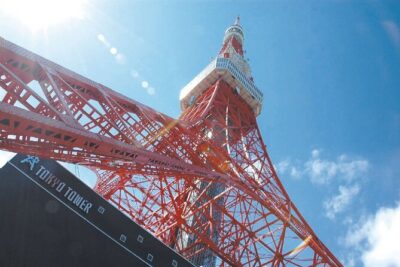
Tokyo Tower, Ginza and the Imperial Palace, side by side.
 ★ 5.0Flagship 2-Hours Official Street Go-Kart Tour – Tokyo Bay ShopFrom $644,974 reviews
 ★ 4.6Tokyo Tower: Admission TicketFrom $93,661 reviews
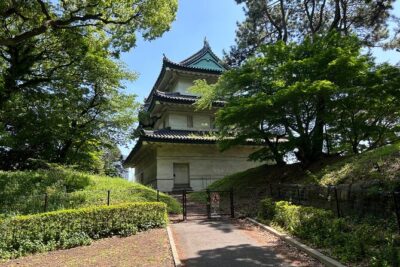 ★ 5.0Imperial Palace and Shogun Historical Walking TourFrom $222,251 reviews
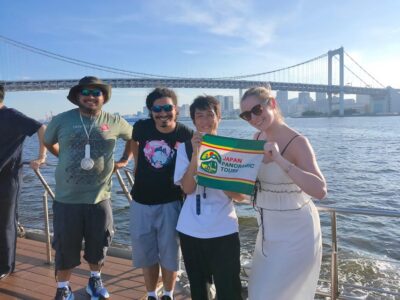 ★ 4.7Meiji Shrine, Asakusa, Skytree Bus Tour and CruiseFrom $1221,986 reviews
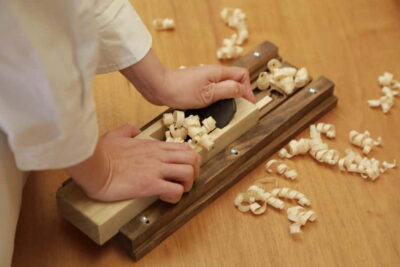 ★ 4.8Chopstick Making Workshop in GinzaFrom $251,366 reviews
 ★ 4.5Tokyo Panoramic 1 Day: Meiji Shrine, Asakusa, Odaiba and SKYTREE®From $851,222 reviews
 ★ 4.9Imperial Palace Japanese History Walking TourFrom $32987 reviews
 ★ 4.9Imperial Palace and Shogun Walking TourFrom $16935 reviews