
REVIEW · JAPANESE CRAFT AND CALLIGRAPHY WORKSHOPS
Craft Your Own Elegant Handmade Chopsticks from Scratch
You can shape chopsticks from scratch in Tokyo. This hands-on craft sits in a calm workshop in Sasazuka, where a guide walks you through carving hinoki (cypress) chopsticks and, if you choose, lets you try a lacquer process most people never see.
I like that you do real work with craftsmen tools, not just watch. I also like the extra context you get along the way, including how different chopsticks fit different foods like sushi, tempura, and ramen.
One consideration: you are committing about 2 hours of hands-on focus, so it is not the right choice if you want a mostly passive activity or you hate getting woodworking materials on your hands.
In This Review
- Key things to know before you go
- Sasazuka Station is the smart, low-stress start
- Inside Kakehashi: a real shop, real tools, real atmosphere
- Carving your chopsticks in 55 minutes of hands-on craft
- Learning chopstick types through what you see (not just what you hear)
- Optional lacquer coating: the rare workshop look and the real scent
- English guide support makes the difference in small workshops
- Take-home value: your custom pair, made for real use
- Price and logistics: is $97.98 worth it?
- Who should book this chopstick workshop?
- A practical checklist for your afternoon
- Should you book it?
- FAQ
- Where is the meeting point for this experience?
- How long does the workshop last?
- What materials are used to make the chopsticks?
- Is the lacquer-coating experience included for everyone?
- Is there an English-speaking guide?
- What do I take home at the end of the tour?
- Does the price include meals or transportation?
Key things to know before you go
- Small group format (max 6) means more time and attention while you carve and refine your shape
- Cypress or hinoki chopsticks start with real wood and end as a custom pair you can use at meals
- Optional lacquer workshop access adds a rare behind-the-scenes look and firsthand experience with lacquer craft
- English-speaking guide support helps you understand both technique and the why behind chopsticks
- Camellia oil finishing gives your chopsticks a polished feel before you take them home
- You leave with your own design tailored to your hand size and how you like to eat
Make something to take home. Other workshops
- Tokyo Shinjuku Chopsticks Making Class
★ 5.0 · 1,763 reviews - Chopstick Making Workshop in Ginza
★ 4.8 · 1,366 reviews - Tokyo Sumo Experience: Chanko & Mochi with a Former Pro
★ 4.8 · 567 reviews - Kintsugi Experience: Art of Golden Joinery in Tokyo
★ 5.0 · 467 reviews
Sasazuka Station is the smart, low-stress start
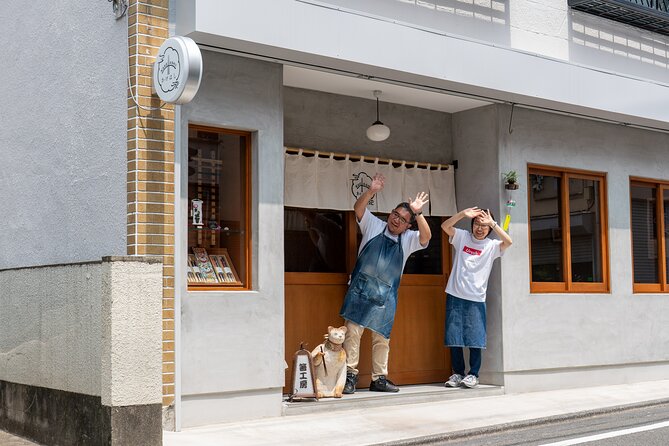
Sasazuka is a great location if you want Tokyo without feeling like you are fighting crowds the whole time. You meet at Sasazuka Station, then head a short distance to the shop and workshop called Kakehashi with your guide. This is listed as about a 10-minute move, so you spend your energy on the craft, not transit.
The start time is 1:00 pm, and the whole experience runs about 2 hours. That timing can work nicely if you plan an afternoon around it, rather than squeezing it into the morning rush.
Inside Kakehashi: a real shop, real tools, real atmosphere
The workshop is described as quiet and residential-feeling, which matters more than you might think. This is not a noisy studio, so you can actually hear and focus while the craft happens around you.
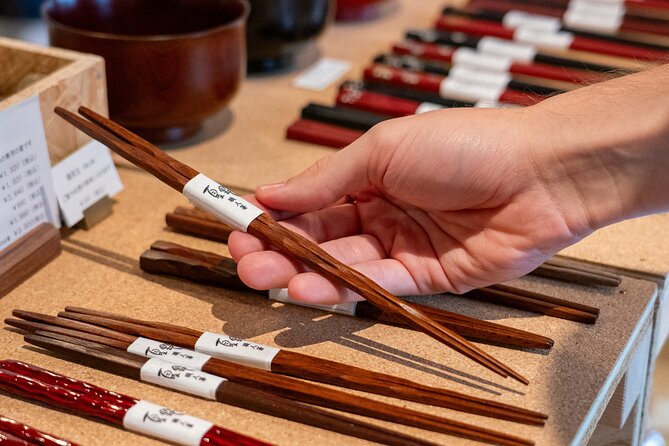
A big value point here is that the place is not only a class. It is also a chopstick shop with pieces on display, so you get to see different styles in the same setting where you learn to make yours. That combination makes the experience feel grounded, and it helps the technique stick because you can connect what you are doing with what you see for sale.
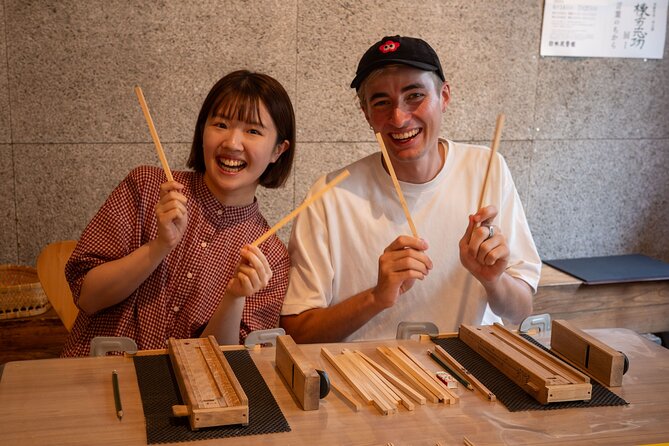
With a maximum group size of 6 travelers, it stays manageable. You are not waiting in a line for help, and the pace is easier to follow when you are shaping small, precise things.
Carving your chopsticks in 55 minutes of hands-on craft
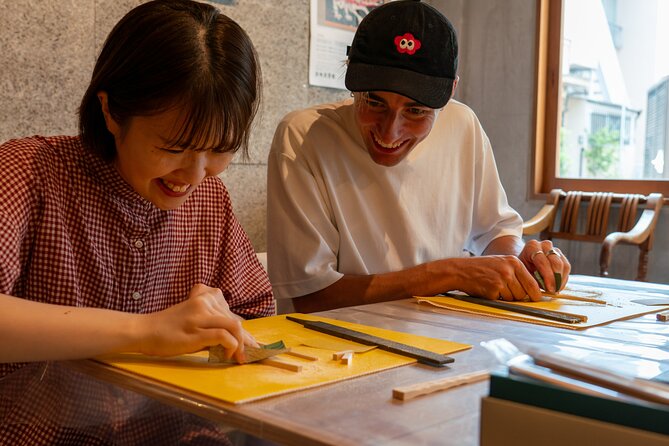
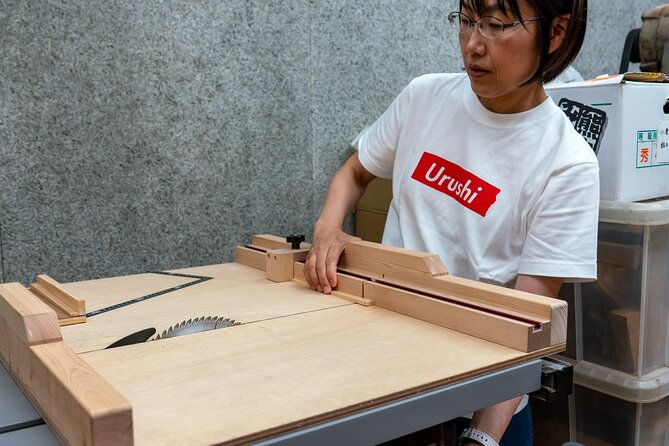
Your main crafting time is about 55 minutes, and it is structured enough that most people can follow along. You start by carving cypress wood, and the highlights also note hinoki wood. In practical terms, you are working with Japanese cypress, and you are learning how craftsmen use the right tools in the right order.
What I like about this part is the way the work moves from rough shaping to finer control:
- You shape the wood into the chopstick form
- You refine the shape with sandpaper
- You finish with camellia oil
The tailor-made goal is also clear: you create chopsticks shaped for your hand size and your preferred way of eating. That means it is not just a souvenir you hang on a wall. The idea is that you will actually find them easier to use.
Why that matters: chopsticks are small, but they are personal. If the curve, thickness, or balance is off, your hand compensates every bite. When your pair is sized to you, it can feel smoother right away, and you will understand what the craftsmen meant when they talk about fit.
- Mt Fuji and Hakone 1-Day Bus Tour Return by Bullet Train★ 5.0 · 26,383 reviews
- 1-Day Tokyo Bus Tour★ 5.0 · 14,250 reviews
- Tokyo: teamLab Planets TOKYO Digital Art Museum Entry Ticket★ 4.6 · 9,779 reviews
- Mt Fuji & Hakone Cruise, Drum Show Bullet Train 1 Day from Tokyo★ 4.0 · 7,413 reviews
- Tokyo Mt Fuji 5th St & Hakone Cruise Bus Tour w/Bullet Train★ 4.4 · 5,024 reviews
Learning chopstick types through what you see (not just what you hear)
One of the most practical parts of the experience is that you do not treat chopsticks as one-size-fits-all. You are shown that Japan has many types of chopsticks, and you learn how different kinds are used for different foods, including sushi, tempura, and ramen.
It is a small detail, but it changes how you look at the restaurant table afterward. Once you have seen how selection works, you start noticing:
- whether chopsticks seem thick or thin
- how they tip or how the grip area feels
- whether a pair looks designed for lighter foods or sturdier bites
Even if you never become a chopstick nerd at home, you pick up the logic. You also get a deeper respect for the everyday care that goes into something you normally use without thinking.
Optional lacquer coating: the rare workshop look and the real scent
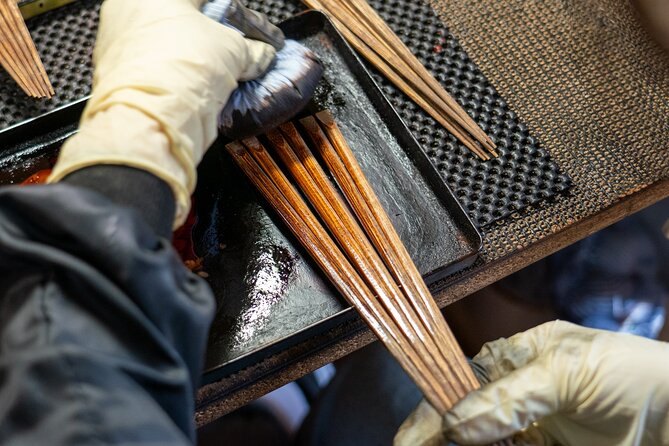
If you choose the lacquer option, you add about 25 minutes. This is described as a rare opportunity that includes a tour of a lacquer workshop that is normally off-limits, plus firsthand experience with the coating process.
This is one of the most interesting upgrades for the serious craft curious. Lacquer is part of Japanese crafts used in shrines, temples, and daily life, so you are not just learning a technique. You are seeing how it fits into culture and objects you likely already recognize, even if you did not know the name for it.
The experience also leans sensory. You are able to feel the unique scent of lacquerware with your senses as you move through the process. That detail makes it stick in memory, because it is not only visual learning.
A quick practical note: lacquer coating is optional. If you want the simplest version, you can focus on the chopstick carving and take the custom pair home from that portion. If you love behind-the-scenes craftwork, the lacquer add-on is usually where the story gets extra memorable.
English guide support makes the difference in small workshops
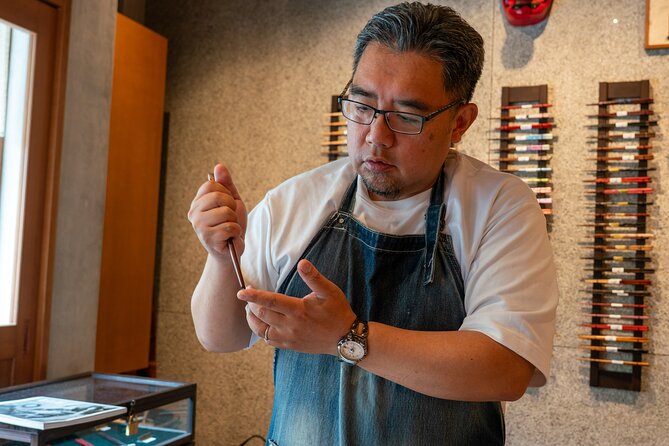
You are not thrown into a mystery. An English-speaking guide is available, and the experience is designed to be accessible enough that most travelers can participate.
In reviews for this kind of class, translation support comes up often, including mention of Amy as an English translator and teacher who helped make both history and technique easier to understand. Even if your guide is someone else, the key point for you is that communication is built in, so you can ask questions instead of guessing.
What to ask for, so you get the most out of your session:
- tell the guide what feels good in your current chopsticks grip
- mention the foods you most want to eat with your homemade pair
- ask why certain chopstick styles work better for certain dishes, since you will see multiple types in the shop
A small group means answers are more tailored. You can steer your session toward your own habits, which is exactly what you want when you are making something personal.
Take-home value: your custom pair, made for real use
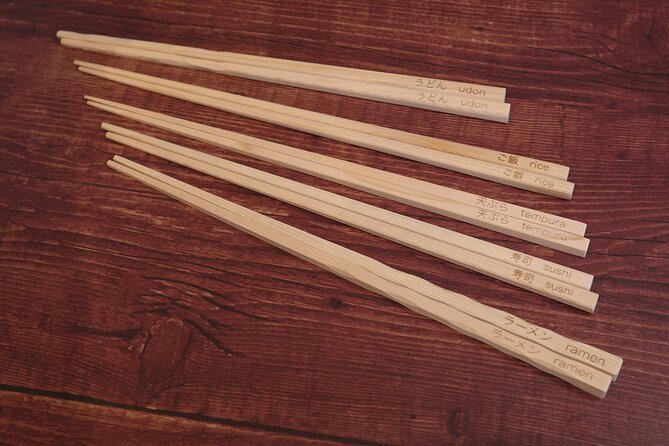
The included item is simple and satisfying: custom made chopsticks. That means you leave with a functional souvenir, not just a photo opportunity.
Because your chopsticks are tailored to your hand size and preferences, they are set up to be useful quickly. You can test them at your next meal, and the connection between what you carved and how it feels becomes real.
This also changes the way you appreciate chopsticks at home. After you watch a craftsman-oriented process and try a bit of it yourself, you start noticing details that are invisible from the outside. It is the kind of souvenir that makes you slow down and actually use it.
Price and logistics: is $97.98 worth it?
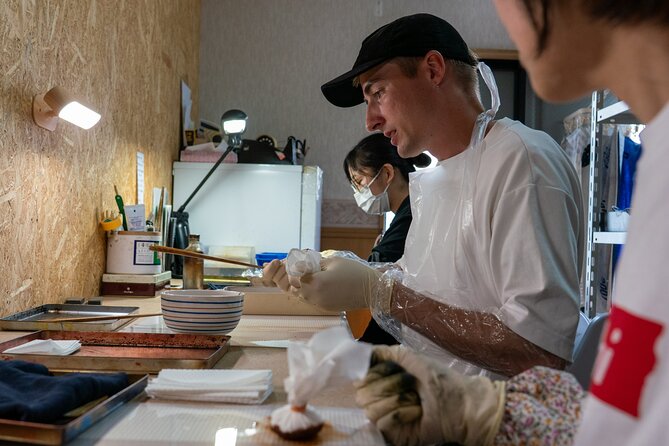
At $97.98 per person, this is not a budget craft class. But value is not only about cost. You are paying for a full craft session with:
- real small-group instruction (max 6)
- handmade hinoki/cypress chopsticks
- a take-home item included in the price
- English-speaking support
- optional access to a lacquer workshop if you add that experience
It also runs about 2 hours, so you are not buying a long day commitment. In Tokyo, that kind of time efficiency matters because you can still stack sights around it.
What is not included is also clear. Meals, food and drinks are not included, and hotel or private transportation is not provided. You also should plan your own getting-there time, even though it is near public transportation.
One more budgeting reality: the experience is booked about 58 days in advance on average, so if you want a specific date, you will have an easier time securing it by planning ahead.
Who should book this chopstick workshop?
This is a great fit if you:
- want a genuinely hands-on craft experience in Tokyo
- like learning how everyday objects get made
- want something you can use at meals, not only display
- are curious about Japanese lacquer culture through a workshop that includes an off-limits tour
It may be less ideal if you:
- want a mostly sightseeing experience with minimal hands-on work
- have a very limited time window and cannot spare about 2 hours
- dislike workshops that involve fine shaping work, since the activity depends on careful carving and refinement
A practical checklist for your afternoon
The experience meets at Sasazuka Station, and the tour ends back at the venue. It is near public transportation, and you receive a mobile ticket, which keeps things simple on the day.
To make the session comfortable, plan on getting a little craft-care involved in your hands. And since the optional lacquer experience is sensory and process-focused, come ready to pay attention to instructions and timing.
If you want your chopsticks to match how you eat, think for a minute before you go. Are you mostly a ramen person, a sushi person, or do you want something that handles tempura-style bites comfortably? That preference can guide how you want the final shape to feel.
Should you book it?
Yes, if you want a calm, focused Tokyo craft that ends with something you actually use. The best reason to book is the mix of custom handmade chopsticks plus optional access to lacquer-coating craft in a normally restricted workshop. Add the small group size and English-speaking guidance, and you get an experience that feels personal without feeling chaotic.
If your main goal is fast sightseeing or you do not enjoy hands-on making, you might choose a different activity. But if you like learning by doing, this is one of the more satisfying half-day experiences in Tokyo.
FAQ
Where is the meeting point for this experience?
You meet at Sasazuka Station (1 Chome-57 Sasazuka, Shibuya, Tokyo 151-0073, Japan).
How long does the workshop last?
The experience is about 2 hours. Chopstick-making takes about 55 minutes, and the optional lacquer-coating experience takes about 25 minutes.
What materials are used to make the chopsticks?
You carve chopsticks from cypress wood, and the highlights specify hinoki wood. The finishing includes camellia oil.
Is the lacquer-coating experience included for everyone?
No. The lacquer coating is optional. You can choose to add it for the extra experience.
Is there an English-speaking guide?
Yes. An English-speaking guide is available.
What do I take home at the end of the tour?
Your custom made chopsticks are included, so you take the chopsticks you create home.
Does the price include meals or transportation?
No. Meals and food and drinks are not included, and hotel or private transportation is not included.
Made by Hand, and Yours to Keep
Newest Tokyo write-ups from the Loving Japan desk






Japanese Craft and Calligraphy Workshops, side by side.
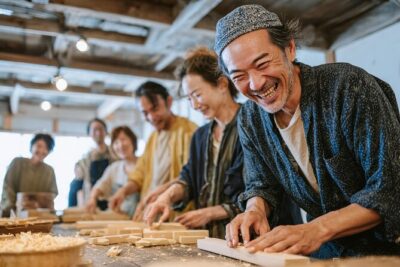 ★ 5.0Tokyo Shinjuku Chopsticks Making ClassFrom $201,763 reviews
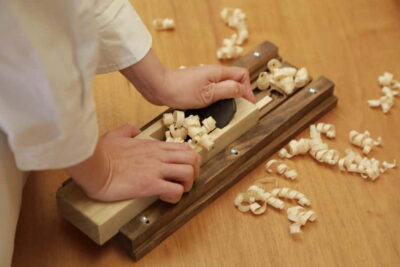 ★ 4.8Chopstick Making Workshop in GinzaFrom $251,366 reviews
 ★ 5.0Chopsticks Making Workshop in Gion with Engraving OptionFrom $15958 reviews
 ★ 4.8Tokyo Sumo Experience: Chanko & Mochi with a Former ProFrom $103567 reviews
 ★ 5.0Kintsugi Experience: Art of Golden Joinery in TokyoFrom $59467 reviews
 ★ 5.0Tokyo Chopstick Making Workshop with ArtisanFrom $26466 reviews
 ★ 4.9Matcha Making Experience with Mochi Sweets in AsakusaFrom $22388 reviews
 ★ 4.8Authentic knife making experience at a blacksmith in KyotoFrom $154350 reviews
Filed on these lists too