
REVIEW · TOURS WITH GOVERNMENT-LICENSED GUIDES
Edo Tokyo & Japanese Culture Tour with Government Licensed Guide
Modern Tokyo hides Edo clues.
This private Edo-Tokyo culture tour is built for history lovers who want more than random photos, with a government-licensed English guide steering you to places where Tokyo’s old life still shows through. I especially like the customizable 3 to 4 stop format, and the way you can stitch together big themes like samurai-era power, Edo neighborhoods, and even quake history in one day. One consideration, plan your picks carefully, because walking and transit time can add up fast in a big city.
What I like most is how practical it is once you’re on the ground. I love that the guide helps with real-world navigation like IC cards and public transport flow, so you spend less time figuring things out and more time looking closely at what you came for. I also love the variety built into the stop list, from sumo at Ryogoku to art at the Sumida Hokusai Museum.
The main drawback to watch: entry details and pacing. Imperial Palace access is limited to the outer area, not inside, and the tour does not include entrance fees or meals, so your day can feel more expensive once you start adding tickets and snacks.
In This Review
- Key Things You’ll Notice On This Edo Tokyo Tour
- Why Edo-Tokyo Still Feels Like Tokyo, Not a Museum
- How the 6 Hours Usually Works in Real Life
- Meeting Your Government Licensed Guide and Tailoring the Day
- Stop by Stop: Your Edo Themed Menu of Landmarks
- Imperial Palace Area (Outside Only, No Entry Into the Palace)
- Ryogoku Kokugikan (Sumo Culture Central)
- Sumida Hokusai Museum (Ukiyo-e and Hokusai)
- Kanto Earthquake Memorial Museum (A City Rebuilt)
- Ryogoku Edo Noren Food Court (Edo Styled Eating)
- Nihonbashi (Where Major Roads Once Started)
- Sumida River (The City’s Familiar Waterway)
- Edo-Tokyo Open Air Architectural Museum (Edo Culture Through Buildings)
- Fukagawa Edo Museum (A Whole Edo Neighborhood Recreation)
- Public Transit, IC Cards, and Cash That Saves Your Sanity
- What the Price Buys You (And What It Does Not)
- Who This Tour Fits Best
- Should You Book This Edo Tokyo & Japanese Culture Tour?
- FAQ
- FAQ
- How long is the tour?
- Is this tour mostly walking or does it use transport?
- Is pickup included?
- Can I choose which sights to visit?
- Are entrance fees and lunch included?
- Does the tour include access inside the Imperial Palace?
- Do I need cash for transit?
- Is this a private tour?
- What is the cancellation policy?
Key Things You’ll Notice On This Edo Tokyo Tour
- Government-licensed English guide to translate the why behind what you see, not just the what
- 3 to 4 customizable stops from a strong Edo themed shortlist
- Mostly a walking tour, with public transport as needed so you keep moving efficiently
- Ryogoku sumo district focus with options like Ryogoku Kokugikan and chanko style food culture
- Hands-on history stops like the Kanto Earthquake Memorial Museum and Edo neighborhood reconstructions
- Mobile ticket and pickup on foot make it easier to start without complex meeting logistics
Licensed guides working the same ground
- Tokyo 6hr Private Tour with Government-Licensed Guide
★ 5.0 · 3,902 reviews - Tsukiji Food and Toyosu Market with Government-Licensed Guide
★ 5.0 · 158 reviews - Toyosu Market Morning Tuna Auction and Tsukiji Food Tour with Licensed Guide
★ 4.5 · 146 reviews - Tokyo 8hr Private Tour with Government-Licensed Guide
★ 5.0 · 121 reviews
Why Edo-Tokyo Still Feels Like Tokyo, Not a Museum
Tokyo can feel like one long blur of skyscrapers. The trick on this kind of tour is learning where the city’s older structure still lives. In Edo Tokyo, roads had destinations, rivers shaped neighborhoods, and rules shaped daily life. When you visit the right spots, you get that sense instantly, even if you are standing in the middle of modern crowds.
The Imperial Palace park area, Ryogoku’s sumo world, and the riverfront around Sumida all point to the same idea: Tokyo’s present sits on top of older systems. A good guide helps you notice those systems, like how transportation corridors influenced commerce and how cultural institutions gathered people around the same landmarks.
How the 6 Hours Usually Works in Real Life
This tour runs about 6 hours. It’s private, so the schedule is designed around your group, not a big bus with passengers being pushed through. Even so, it’s still a walking experience, and your feet will be part of the itinerary.
You should expect a rhythm like this:
- You start with a landmark introduction, then walk and/or take public transport between sites.
- Each stop is short enough that you keep momentum, but long enough to read signs, take photos, and absorb the story.
- Your guide may adjust the exact flow depending on what you picked and what the day is doing, weather included.
The tour also says transportation, entrances, and meals are extra. That matters because it affects your timing. If you arrive hungry, or you need to buy tickets at multiple places, the day can run long. One of the best ways to keep this smooth is choosing stops that are close enough to avoid constant transit shifts.
Meeting Your Government Licensed Guide and Tailoring the Day
You meet your licensed local English speaking guide within a designated area on foot. Pickup is offered, but it’s also described as pickup on foot, so you are not waiting at a hotel with a driver. That’s good if you like a simple start, but you should also plan to be at the meeting point on time.
The tour is private, so it’s only your group. That gives you room to ask questions and steer the day. In practice, the guide can tailor things based on what you care about, like architecture, arts, or specific Edo period life.
From guide feedback, you may meet English speakers such as Shinji, Kei-san, or Andy. Across those cases, the common theme is clear communication and a willingness to answer questions patiently. If you are the type who likes to understand how things worked, not just when they happened, that style is exactly what you want.
- Mt Fuji and Hakone 1-Day Bus Tour Return by Bullet Train★ 5.0 · 26,383 reviews
- 1-Day Tokyo Bus Tour★ 5.0 · 14,250 reviews
- Tokyo: teamLab Planets TOKYO Digital Art Museum Entry Ticket★ 4.6 · 9,779 reviews
- Mt Fuji & Hakone Cruise, Drum Show Bullet Train 1 Day from Tokyo★ 4.0 · 7,413 reviews
- Tokyo Mt Fuji 5th St & Hakone Cruise Bus Tour w/Bullet Train★ 4.4 · 5,024 reviews
Stop by Stop: Your Edo Themed Menu of Landmarks
The tour works like a sampler. You choose 3 to 4 sites from the available options, so you can avoid packing too much into one day. Below is what each stop is good for, plus any tradeoffs to consider.
Imperial Palace Area (Outside Only, No Entry Into the Palace)
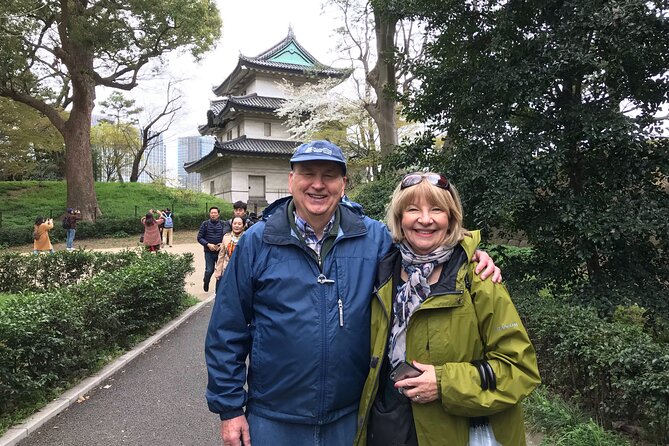
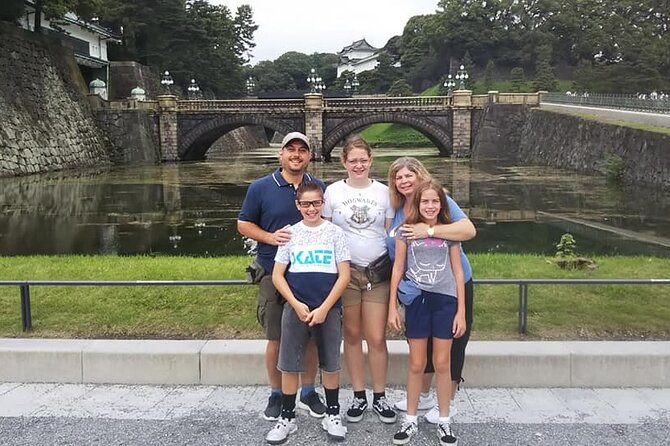
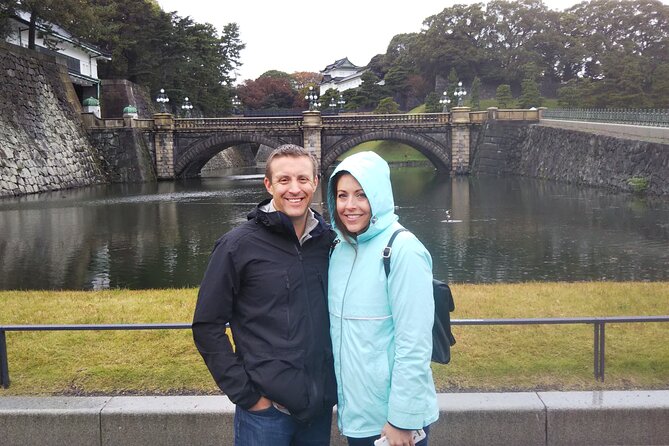
This stop points you straight to the political center of Edo Tokyo and beyond. The current Imperial Palace sits on the former site of Edo Castle, and you’ll see that in the surrounding park layout, moats, and scale. Even without going inside, the context is powerful: this is where authority, defense, and administration shaped the city.
Important note: the tour does not include access inside the Imperial Palace. If you were hoping for the palace interior experience, you’ll need to plan that separately. If you want the location and the Edo Castle story angle, this can still be worth a place on your list.
Ryogoku Kokugikan (Sumo Culture Central)
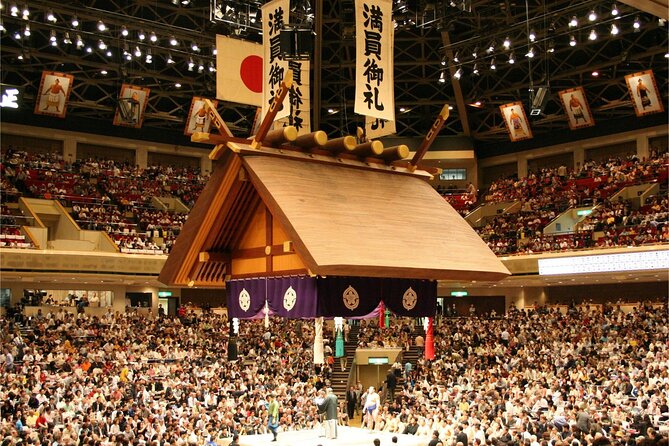
Ryogoku is the sumo hub. This stop keeps you close to sumo stables, sumo related attractions, and the district’s identity as the center of the sumo world. Even if you are not attending a tournament, the area helps you understand why sumo is not just sport in Japan. It’s tradition, ritual, and community structure.
This stop is listed as free admission. That makes it easier to include without worrying about added ticket costs.
Sumida Hokusai Museum (Ukiyo-e and Hokusai)
If you like Japanese art, this is your calmer, more creative stop. The Sumida Hokusai Museum is dedicated to Katsushika Hokusai, best known for ukiyo-e woodblock prints. This is a good choice if you want Edo culture through images, not just buildings and streets.
Tradeoff: museum time can shrink your window for other outdoor stops. Still, it’s a solid pick if you want a break from walking and want art that connects to the city’s visual history.
Kanto Earthquake Memorial Museum (A City Rebuilt)
Tokyo didn’t spring fully formed. The Great Kanto earthquake reshaped the city, and the museum is designed to help you understand that turning point. It’s one of the most sobering stops on the list, because it frames rebuilding as a real process, not a fantasy reset button.
The museum is a strong add if you like “why the city looks like this” stories. Since entry fees are not included, plan for that cost in your day budget.
Ryogoku Edo Noren Food Court (Edo Styled Eating)
This is a food stop, but it’s also cultural. Ryogoku Edo Noren is styled to look like Edo period Japan, so even if you’re just grazing, the setting supports the theme. You can eat Tokyo style dishes here, and the time slot is short, about 45 minutes.
Important practical note: lunch is not included. That’s not a problem, but you should treat this as a chance to eat, not as a guaranteed included meal.
Nihonbashi (Where Major Roads Once Started)
Nihonbashi is one of those places where the name alone can make you realize how Tokyo worked. It was the starting point of five main roads that ran through and across Japan, and it prospered as the Edo center. Today, you still get an old feel, which makes it a great anchor point for explaining how movement and commerce shaped the city.
If you love urban history, this stop usually lands well. If you prefer more hands-on interiors like museums, you might pair it with a museum stop like Fukagawa Edo Museum or the Hokusai Museum.
Sumida River (The City’s Familiar Waterway)
The Sumida River is a major Tokyo river and one of the most familiar to visitors. It runs out eastward through eastern Tokyo, starting north of the city. River stops can be relaxing, and they also help you understand why neighborhoods formed where they did.
This is often the kind of stop where you’ll get more out of it with a guide explaining sight lines and how the river influenced life. If the weather is bad, you might want to swap in an indoor stop instead.
Edo-Tokyo Open Air Architectural Museum (Edo Culture Through Buildings)
This one is a favorite for people who notice structures. The Edo-Tokyo Open Air Architectural Museum offers an off-the-beaten-track look at Japanese culture, and it was established by the Tokyo Metropolitan Government in 1993.
Time is listed as about 15 minutes, which is short. Open air museums can take longer than expected, so this stop is likely designed as a quick taste rather than a full wander. It can still be useful because the architecture itself tells the story quickly.
Fukagawa Edo Museum (A Whole Edo Neighborhood Recreation)
This stop is about life in the Edo period, from 1603 to 1868. Unlike a museum that just displays objects, the Fukagawa Edo Museum recreates an entire Edo neighborhood with streets, houses, and shops, so you can walk through a more complete snapshot of daily life.
It’s listed for about 30 minutes, which again signals a “guided highlight” style. Still, it’s a strong match for anyone who likes to picture how people lived, not just what rulers ordered.
Public Transit, IC Cards, and Cash That Saves Your Sanity
Tokyo transit is excellent once you know the system. The stress starts when you show up with only a credit card and a vague idea of where your train line lives.
You might find you need local money for transit. One key tip from tour experience is that transit systems may not accept credit cards, and getting money from ATMs can be tricky for some visitors. If you do not want to play cash roulette, plan to have enough yen for trains and any small purchases.
Also, the guide can help you use the IC card system. That’s a big deal in a city where touching in and out is half the game. When you get help early, you learn how to move quickly for the rest of your day, not only during the tour.
What the Price Buys You (And What It Does Not)
The tour price is listed at $154.37 per person for about 6 hours. That can sound high if you compare it to DIY walking. But here’s what you are buying:
- A licensed English speaking guide who can explain Edo Tokyo in context, not as disconnected facts
- Private pacing, with customization so you choose what fits your interests
- Support for navigation and transport, which saves time and mental load
What’s not included matters just as much:
- Transportation fees (you may pay for trains and other transit as you go)
- Entrance fees
- Lunch
- Other personal expenses
So your final day cost depends on which sites you choose and whether you add museum tickets. If you pick two or three paid entry stops, your totals rise. The good news is the stop list includes options with free entry, like Ryogoku Kokugikan, which can keep things reasonable.
If you are traveling with friends and splitting the private cost, it often feels more fair. If you are alone, you should treat the guide as the main value, not the transportation.
Who This Tour Fits Best
This tour is a great match if you:
- Love history and want Tokyo’s past explained in plain language
- Like a structured day with flexibility, rather than a strict bus tour
- Want Edo themed stops that connect to real Tokyo neighborhoods
- Appreciate help using public transport, especially IC cards
It’s also a strong choice if you are the type who enjoys architecture or art. The open air architectural museum and the Hokusai Museum give you two different ways to “read” Edo culture.
If you hate walking, this might still work but it will feel like more than you expect. It’s described as mostly walking, with public transport as needed. Plan for shoes that can handle an active day.
Should You Book This Edo Tokyo & Japanese Culture Tour?
Book it if you want Edo Tokyo history with a licensed guide and you plan to choose stops that are close enough to keep the day flowing. Your best results come from picking a balanced mix, for example one big outdoor landmark area, one cultural museum, and one neighborhood style stop.
Skip or rethink the Imperial Palace option if you were specifically hoping for inside access, since this tour does not include that. Also, if you are tempted to pick stops that are far apart, do it only if you are okay with a bit more transit time.
For the money, I’d treat this as a guided “how to see Tokyo properly” day. If you come with curiosity and flexible legs, you will leave with a much clearer picture of how Edo shaped modern Tokyo.
FAQ
FAQ
How long is the tour?
The tour runs about 6 hours.
Is this tour mostly walking or does it use transport?
It is primarily a walking tour, but you may take public transport as needed.
Is pickup included?
Pickup is offered, and it is described as pickup on foot. You meet your guide within a designated area of Tokyo.
Can I choose which sights to visit?
Yes. The tour is customizable, and you can select 3 to 4 sites from the available options.
Are entrance fees and lunch included?
No. Entrance fees, meals, and transportation costs are not included.
Does the tour include access inside the Imperial Palace?
No. The tour does not include access to the inside of the Imperial Palace.
Do I need cash for transit?
You may. Transit systems may not accept credit cards, so having local money and being ready for ATM limitations can help.
Is this a private tour?
Yes. It is private, meaning only your group participates.
What is the cancellation policy?
You can cancel for a full refund if you cancel at least 24 hours in advance of the experience start time.
Licensed Guides on the Same Ground


Newest Tokyo write-ups from the Loving Japan desk






Tours with Government-Licensed Guides, side by side.
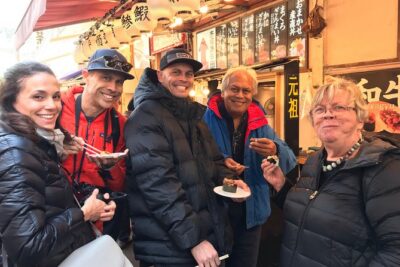 ★ 5.0Tokyo 6hr Private Tour with Government-Licensed GuideFrom $1553,902 reviews
 ★ 5.0Kyoto 6hr Private Tour with Government-Licensed GuideFrom $1551,369 reviews
 ★ 5.0Hiroshima / Miyajima Full-day Private Tour with Government Licensed GuideFrom $2021,298 reviews
 ★ 5.0Kyoto 4hr Private Tour with Government-Licensed GuideFrom $109629 reviews
 ★ 4.8Private Tour with Local Licensed GuideFrom $106463 reviews
 ★ 5.0Hiroshima City 4hr Private Walking Tour with Licensed GuideFrom $122437 reviews
 ★ 5.0Private Kyoto Tour with Licensed Guide & Vehicle (Max 15 persons)From $634417 reviews
 ★ 5.0Osaka 4hr Private Tour with Government-Licensed GuideFrom $109359 reviews
Filed on these lists too