
REVIEW · JAPANESE GARDENS AND ZEN MEDITATION
Experience Crafting a Flower-Adorned Mini Japanese Garden
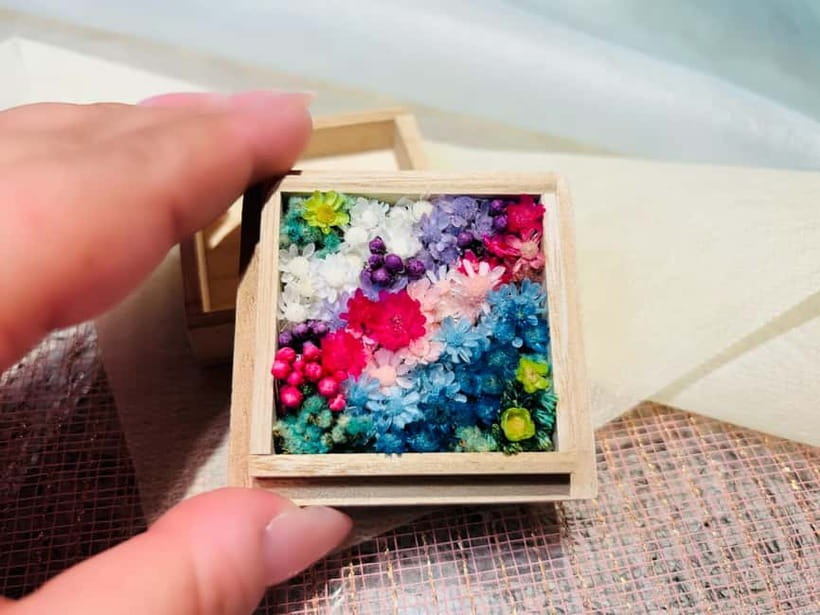
This flower box feels like Tokyo magic. In Honshu, Japan, you’ll craft a tiny Japanese-style mini garden that looks like a diorama, using preserved and dried flowers inside a small container.
I love how the workshop is beginner-friendly, with an English instructor guiding you step by step. I also like that you get time to slow down in a spacious cafe while you make something genuinely Japanese-looking.
One consideration: this is a hands-on craft, not a full sightseeing outing. So if you want lots of walking around Tokyo, plan this as a standalone experience and not your main daytime plan.
In This Review
- Key things that make this workshop worth your time
- Finding Sumika in Shinjuku Sanchome, where the pachinko clue helps
- The 90 minutes that feel like a reset button, not a rush job
- Your mini Japanese garden diorama: preserved blooms in a small box
- Making it cute inside your home: why the finished box is more than a craft
- Cafe time at the heart of it, where the workshop stays relaxed
- Small-group English instruction, and why that matters more than you think
- Price and value: is $45 fair for a 90-minute flower-garden keepsake?
- What not to miss: how to get the best result in one sitting
- Who this experience suits best (and who might not)
- Should you book this mini Japanese flower garden workshop?
- FAQ
- Where does the workshop meet?
- How long is the experience?
- How much does it cost?
- Is the class in English?
- Is this workshop good for beginners?
- What is included in the price?
- What is not included?
- Is there a cancellation option?
- What should I know about group size?
- Can I reserve without paying right away?
Key things that make this workshop worth your time
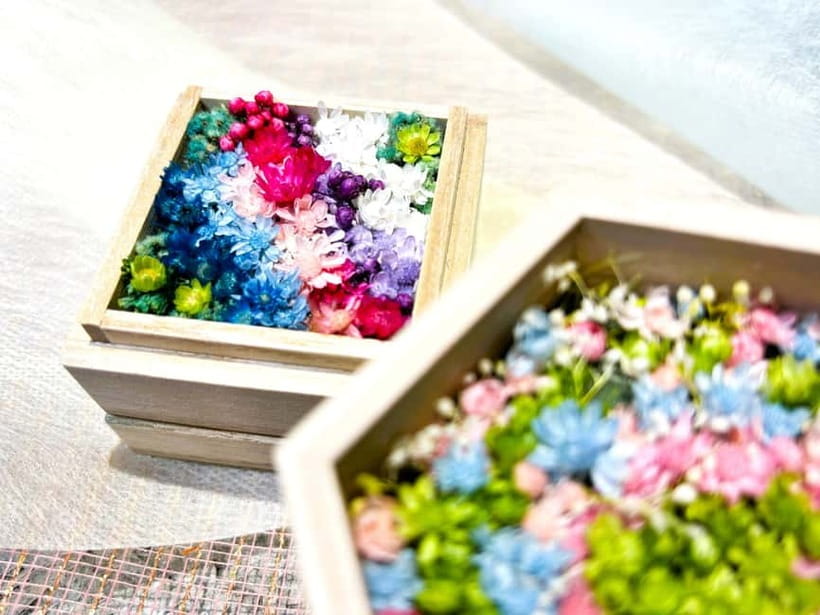
- Diorama-style mini garden built from preserved and dried flowers in a small box
- Relaxing cafe atmosphere, where the pace feels unhurried
- Easy for first-timers, with English instruction and creative prompts
- A keepsake you’ll actually display, not just something to tuck away
- Small group size (up to 10), so help is close by when you need it
Slower gardens, if the schedule allows
- Tokyo: Zen Meditation at a Private Temple with a Monk
★ 5.0 · 510 reviews - Imperial Palace East Garden and Edo Castle Walking Tour in Tokyo
★ 5.0 · 510 reviews - Tokyo: Imperial Palace East Gardens Walking Tour
★ 4.8 · 353 reviews - Tokyo Castle, Imperial Palace, Shogun & Garden Walking Tour
★ 5.0 · 211 reviews
Finding Sumika in Shinjuku Sanchome, where the pachinko clue helps
This workshop meets in Shinjuku Sanchome, in a spot that sounds confusing until you see it. The meeting point is a 1-minute walk from Tokyo Metro Shinjuku Sanchome Station, Exit E3. The building is topped by a pachinko parlor on the first floor, so yes, you really do start by navigating a very Tokyo kind of storefront scene.
Near the entrance, there’s an outside elevator. Take it up to the 4th floor, then look for the shop called Sumika. If you’re using maps, the provided Plus Code is MPR4+J9 Shinjuku City, Tokyo.
Practical tip: arrive a few minutes early. In Japan, these workshop locations are often precise about floor levels, and elevators help but they still take a moment to find when you’re holding a busy day schedule.
The 90 minutes that feel like a reset button, not a rush job
The experience runs for 90 minutes and is led in English, with a small group capped at 10 people. That time window matters because it shapes the entire tone of the class. You’re not being herded through a product demo. You have breathing room to arrange, adjust, and make your flower layout feel like yours.
Expect a start with an explanation of how to create a Japanese-style flower garden look, including what materials and ingredients are used. Then you’ll actually build it: placing the preserved flowers and dried flowers into the small box/container and arranging them for the “mini garden” effect.
Because the pace is designed for leisure, I’d treat this like creative downtime. It’s also great if you’re traveling with mixed experience levels in your group, including people who normally avoid crafts.
Your mini Japanese garden diorama: preserved blooms in a small box
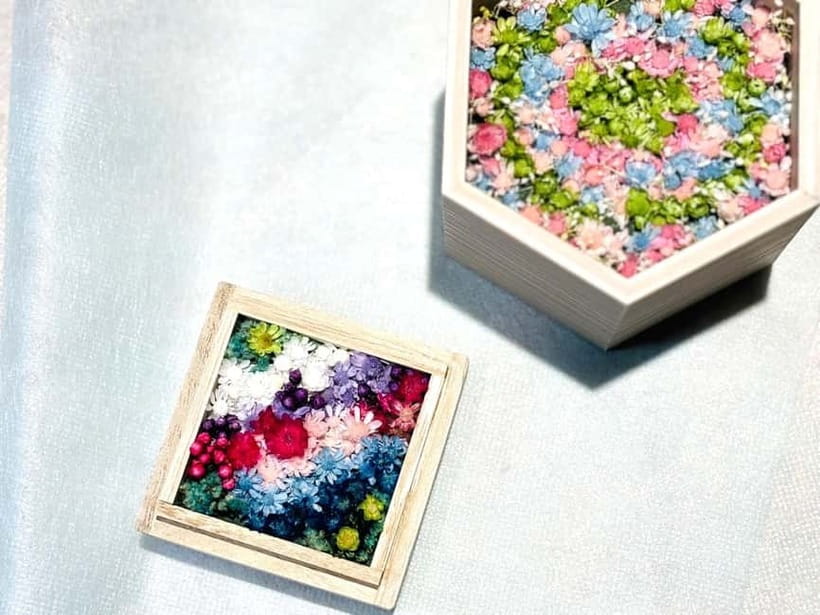
The core of the workshop is the diorama-like result. You create a Japanese flower garden that visually reads as a scene inside a miniature container, like a tiny landscape you could set on a shelf.
Here’s what you’re really doing, in practical terms. First, you’ll work with preserved flowers and dried flowers. These materials keep their look long enough to function as a keepsake, so you’re not racing against fresh flower wilting. Then you arrange small colorful flowers in the container so the final image feels balanced and intentional.
You’ll likely get guidance on composition during the session. Even if you’re a first-timer, you’re not just copying a sample. You’re learning how to place elements so the scene feels “Japanese-style,” not random.
What I like about this style of craft is that it’s forgiving. You can move pieces, tweak spacing, and build layers until it looks right. The result is also compact, which is a big deal when you’re traveling and packing space is limited.
- Mt Fuji and Hakone 1-Day Bus Tour Return by Bullet Train★ 5.0 · 26,383 reviews
- 1-Day Tokyo Bus Tour★ 5.0 · 14,250 reviews
- Tokyo: teamLab Planets TOKYO Digital Art Museum Entry Ticket★ 4.6 · 9,779 reviews
- Mt Fuji & Hakone Cruise, Drum Show Bullet Train 1 Day from Tokyo★ 4.0 · 7,413 reviews
- Tokyo Mt Fuji 5th St & Hakone Cruise Bus Tour w/Bullet Train★ 4.4 · 5,024 reviews
Making it cute inside your home: why the finished box is more than a craft
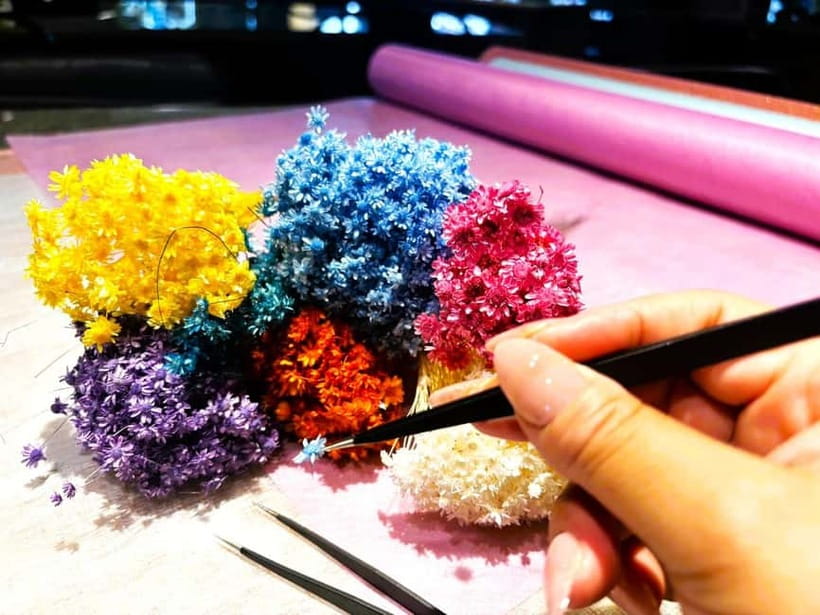
This is the kind of souvenir that earns its spot in your home. The workshop’s goal is not just a pretty object. It’s a Japanese-style memento that can also be used as interior decoration.
A mini garden diorama works because it has a built-in story. When you see it later, you remember the moment you chose colors, arranged textures, and watched preserved flowers become something personal. A postcard can’t do that.
Also, the “small box” format makes it easy to live with. It’s not a fragile piece of pottery that needs a museum-grade display plan. It’s a compact keepsake you can put on a desk, shelf, or small table where guests will notice it without you needing to explain it every time.
If you like souvenirs that feel authentic instead of mass-produced, this hits the mark.
Cafe time at the heart of it, where the workshop stays relaxed
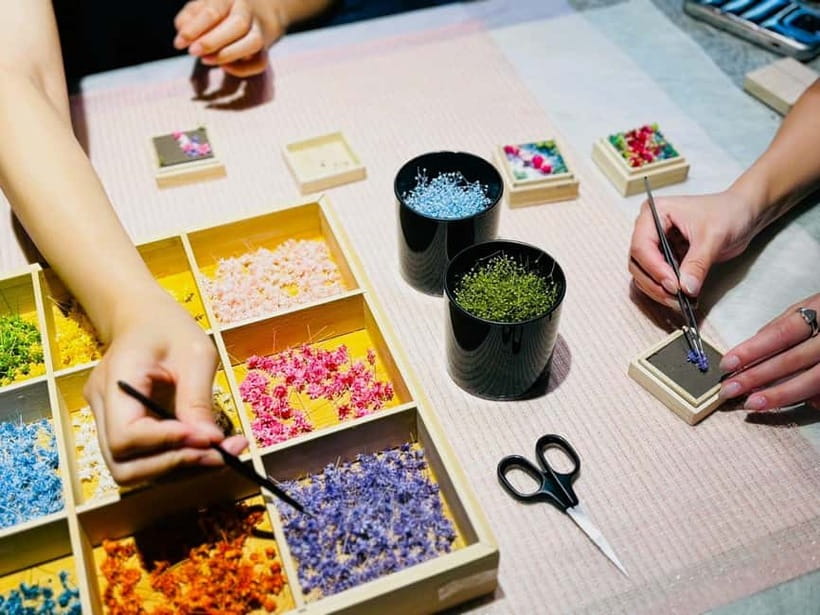
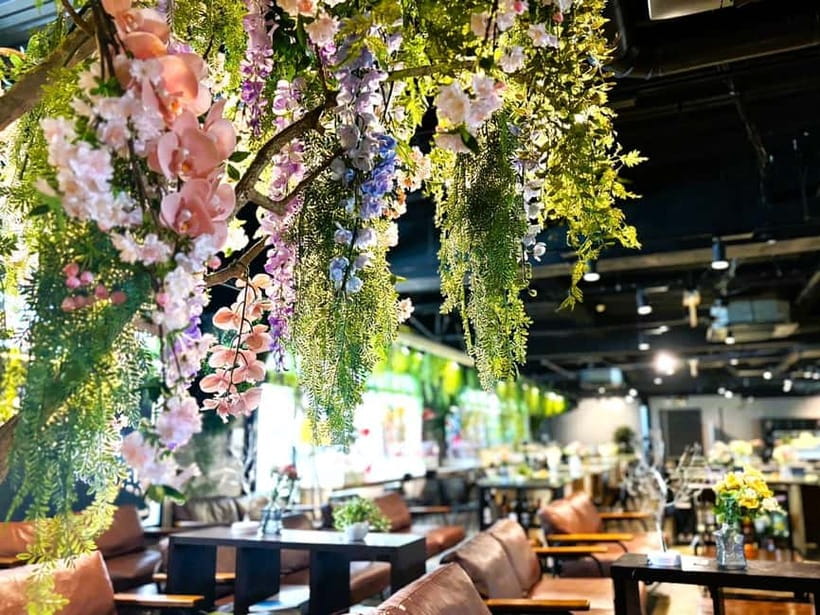
One of the best things here is the spacious cafe factor. That might sound like a throwaway detail, but it changes the whole experience. You’re not crammed in a tight studio with everyone squeezed shoulder to shoulder. Instead, you get a calmer setting where the activity feels like an afternoon break rather than a chore.
You’ll also get a soft drink included with the experience, so there’s no pressure to immediately go hunting for a drink or snack just to make it through. The cafe setting gives you a comfortable place to focus, take your time, and enjoy the session.
If you want to turn it into a small treat, check about a parfait upgrade if available. In the feedback, people praised this as a special extra, and it’s the kind of add-on that makes the memory feel even more Japan-shaped.
Small-group English instruction, and why that matters more than you think

The class is limited to 10 participants, and instruction is English. That combination is what makes this feel friendly rather than stressful.
In a small group, the instructor can explain techniques and respond to your specific choices, like how you’re arranging the preserved flowers or how to think about the overall look of your mini garden. Even if you only catch part of the tips at first, the pace is slow enough to let you catch up.
It also helps that the activity is described as easy even for first-time users. That doesn’t mean you’ll do everything perfectly on the first try. It means the task is structured so you won’t feel lost.
If you’re traveling with kids or adults who don’t usually enjoy crafts, this is the kind of workshop that can convert reluctant people into quiet creators.
Price and value: is $45 fair for a 90-minute flower-garden keepsake?
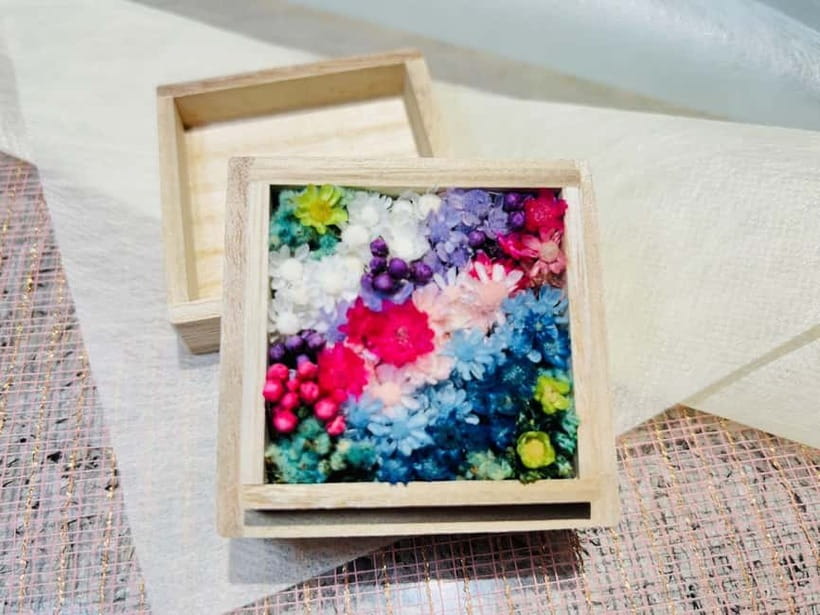
At $45 per person, you’re paying for several things at once: guided instruction, the workshop experience, and a soft drink, with all fees and taxes included.
Is it expensive? In Tokyo, some crafts can feel like you’re mostly buying materials. Here, you’re paying for the combination of guidance and the finished outcome you can display afterward. The value gets stronger because it’s a one-of-a-kind souvenir, not a standard token that looks the same as everyone else’s.
Also, 90 minutes is long enough to do real creation, not just assemble a kit and leave. That time matters for satisfaction. You won’t feel rushed, and you’ll get to make something that reflects your choices.
One more value point: the location is very convenient if you’re already in the Shinjuku area. You aren’t spending a huge chunk of your day commuting across town just to make a craft.
What not to miss: how to get the best result in one sitting
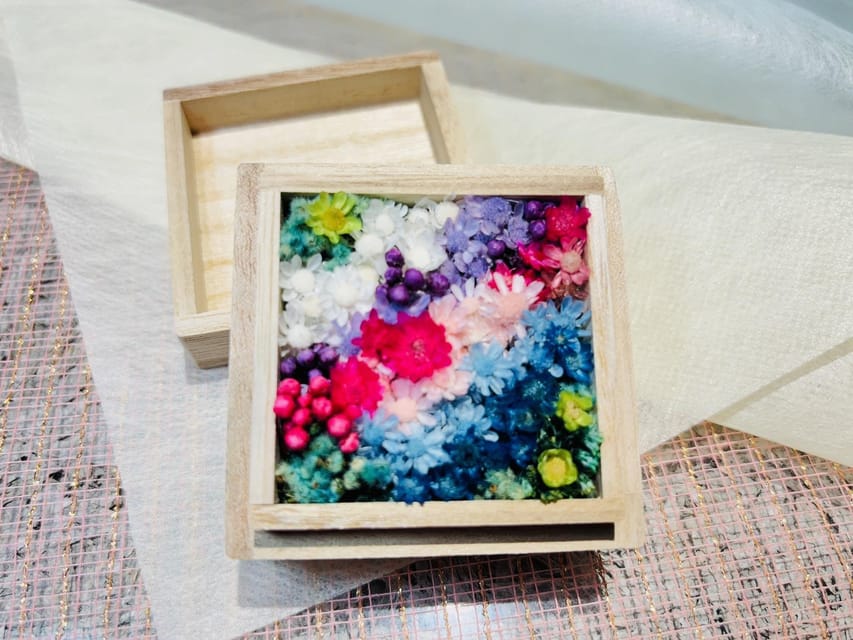
You’re building a Japanese-style mini garden diorama, so small decisions matter. I recommend keeping these habits in mind during the build:
First, work by placement, not by perfection. Start with the overall shape of your scene, then add details. Once you like the big picture, you can refine.
Second, take advantage of the leisurely pace. If you feel unsure, it’s totally normal to pause and adjust. The whole point is that there is plenty of time to enjoy the process.
Third, treat your container like a tiny stage. Your job is to make the flowers read well at a small scale. That means spacing and layering matter more than you might expect.
And finally, plan a smooth end to your session. You’ll want to carry your finished box carefully back to where you’re staying. Pack it securely so it doesn’t get jostled.
Who this experience suits best (and who might not)
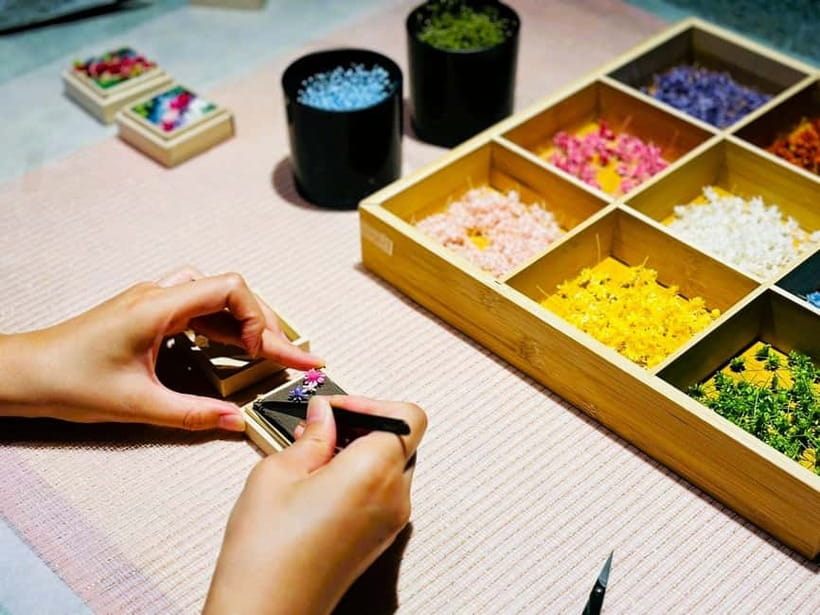
This workshop is ideal if you want a hands-on, calm activity in Tokyo that results in a meaningful souvenir. It’s also a strong choice for couples, friends, or families who want to make something together without needing any prior experience.
You’ll probably love it if:
- you like crafts, even casual ones
- you want a Japanese-themed memory you can display
- you prefer an English-led activity where the steps are explained clearly
- you want a break from walking and crowds for a bit
You might skip it if:
- you want mostly sightseeing and photos, not a workshop
- your schedule is so tight that you cannot spare 90 minutes fully focused
- you get easily frustrated by careful, detail-based tasks
Should you book this mini Japanese flower garden workshop?
If you’re in Shinjuku and you want a creative Tokyo moment that doesn’t feel touristy, I’d book it. The mix of English instruction, small group size, and a finished diorama-style flower garden gives you a souvenir with real emotional weight. Plus, the relaxed cafe atmosphere makes it feel like a treat, not a checkbox.
My call: book it if you want a one-of-a-kind memory you can actually live with at home. Skip it only if you’re hunting for a big sightseeing day, because this is about making, not marching.
FAQ
Where does the workshop meet?
It meets 1 minute walk from Tokyo Metro Shinjuku Sanchome Station, Exit E3. The first floor is a pachinko parlor building, and you should use the outside elevator near the entrance to go to the 4th floor. The shop is called Sumika.
How long is the experience?
The experience lasts 90 minutes.
How much does it cost?
The price is $45 per person.
Is the class in English?
Yes. The instructor provides the experience in English.
Is this workshop good for beginners?
Yes. It is described as easy to do even for first-time users.
What is included in the price?
The price includes one soft drink, plus all fees and taxes.
What is not included?
It does not include lunch, dinner, bottled drinks, additional meals and drinks, or transportation expenses to the meeting place.
Is there a cancellation option?
Yes. There is free cancellation up to 24 hours in advance for a full refund.
What should I know about group size?
The group is small, limited to up to 10 participants, which helps with getting support during the activity.
Can I reserve without paying right away?
Yes. The experience offers reserve now & pay later to keep travel plans flexible.
Gardens Worth Slowing For


Newest Tokyo write-ups from the Loving Japan desk
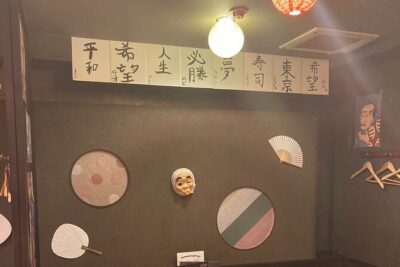


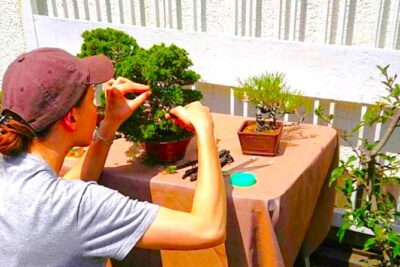


Japanese Gardens and Zen Meditation, side by side.
 ★ 4.5teamLab Botanical Garden Entry TicketFrom $111,710 reviews
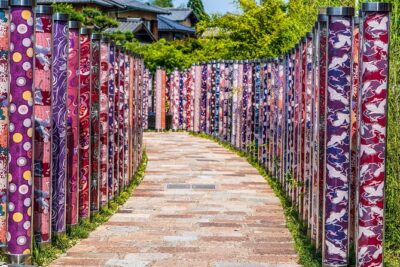 ★ 5.0Kyoto Arashiyama Walking Tour: Bamboo, Monkeys, Gardens & SecretsFrom $651,216 reviews
 ★ 5.0Zen Meditation at a Private Temple with a MonkFrom $55510 reviews
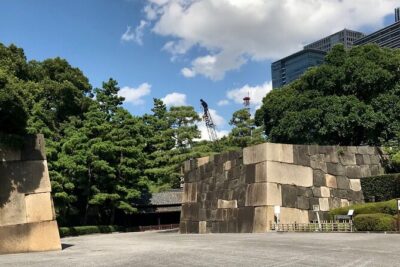 ★ 5.0Imperial Palace East Garden and Edo Castle Walking Tour in TokyoFrom $25510 reviews
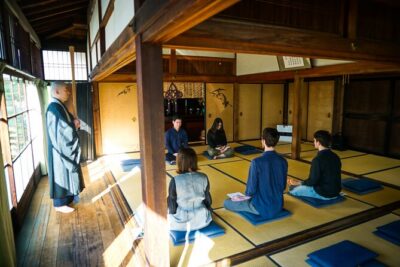 ★ 5.0Kyoto Zen Meditation & Garden Tour at a Zen Temple with LunchFrom $110441 reviews
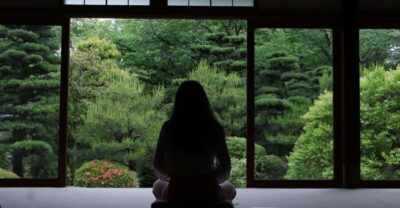 ★ 5.0Zen Experience in a Hidden TempleFrom $109437 reviews
 ★ 5.0Kyoto Arashiyama Bamboo forest & Garden Half-Day Walking TourFrom $129413 reviews
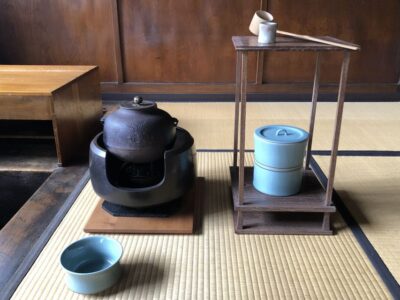 ★ 4.8Tea Ceremony Meditation – Make Matcha with Tea MasterFrom $45406 reviews
Filed on these lists too