
REVIEW · SAMURAI, NINJA AND SWORD EXPERIENCES
Experience Samurai and traditional Culture to the fullest
A samurai day, right next to Osaka Castle. This 3-hour experience layers kimono culture with calligraphy, tea etiquette, and hands-on samurai traditions, all in one focused session. You also get that standout Osaka moment: dressing in armor and getting photographed on the castle grounds.
I especially like the way the program teaches control and manners, not just costumes. The calligraphy portion walks you through basics like grip and brush strokes, then turns it into a short samurai-themed writing moment with a theme of resignation. My other favorite is the sword trial cutting and the armor photo, because you leave with memories that feel physical, not just watch-and-stand.
One consideration: this is not a passive activity. You will change clothes, follow instruction closely, and handle props and movements tied to sword practice and armor, so it may be less fun if you want something fully low-effort or quiet. Also, there is no pick up or drop off, and you should expect to arrive 30 minutes early for changing and instructions.
In This Review
- Key highlights you will care about
- From Meeting Point to Kimono: Get Your Day Moving
- Kimono Culture With Calligraphy Basics That Actually Stick
- Tea Ceremony With Honor and Hospitality in Your Body Language
- Samurai Sword Trial Cutting: Learn Control Before Speed
- Armor at Osaka Castle: The Photo Moment With Real Historical Flavor
- Optional Seppuku-Harakiri Add-On: Thoughtful, Not Casual
- Value and Price: What $168 Buys You in Real Skills
- Who This Works Best For (and Who Should Rethink It)
- Practical Tips: What to Bring, What to Expect, and What Helps
- Should You Book Samurai and Traditional Culture to the Fullest?
- FAQ
- Where does the experience meet?
- How long is the experience?
- What is the price per person?
- Is transportation included?
- What time should I arrive?
- What activities are included?
- Do I get a photo, and how is it delivered?
- What languages are available?
- What should I bring?
- Is the optional seppuku-harakiri part included?
- Are children allowed?
Key highlights you will care about
- Osaka Castle armor photo: A dressed-in-armor photo taken on the castle grounds
- Hands-on calligraphy practice: Brush technique, stroke order, and a short themed writing piece
- Tea ceremony etiquette: Learn posture and hospitality through the powdered green tea ritual
- Samurai sword trial cutting: Learn sword basics and try cutting yourself
- Professional, English-friendly instruction: English is the default, with multiple other language options on request
- A real photographer on site: Photo coverage during the key moments, then delivered by email
Blade work and stagecraft, other sessions
- Samurai Training Experience KENDO in Osaka
★ 5.0 · 515 reviews - OSAKA NIGHT FUSION Japanese Taiko Kabuki Samurai Dance Show
★ 4.8 · 155 reviews - Osaka: Samurai Training Experience KENDO in Osaka
★ 5.0 · 111 reviews - Osaka: A Modern Samurai, Kabuki, Taiko, & Dance Show
★ 4.5 · 66 reviews
From Meeting Point to Kimono: Get Your Day Moving
You start with a specific local landmark, a wooden sign that reads Honor of the Samurai. It is basically your orientation point, with the storefront setting the tone: kimonos and hakama hanging nearby and pamphlets displayed at the rack. Arrive early, because you need that extra buffer for changing and setup.
The first big step is getting into a kimono. This is not just for looks. The program uses the clothing change as a way to nudge you into the right mindset for Japanese etiquette, gestures, and that careful kind of movement that comes with wearing it. If you have worn a kimono before, great. If not, you should still be fine, since the staff guide you through it.
Also note the practical details: the program duration is 3 hours, and you are asked to arrive 30 minutes ahead of your reserved start time. That time gap matters because it is when you settle in, switch outfits, and get ready for the sequence that follows.
Kimono Culture With Calligraphy Basics That Actually Stick
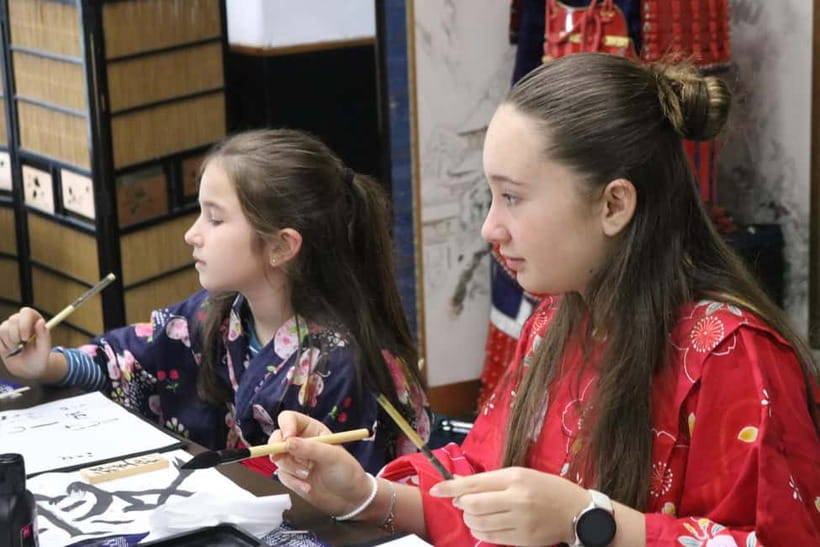
The calligraphy section is a real skill practice, not a quick photo moment. You begin with the basics: how to prepare yourself for calligraphy, how to hold the brush, and how to use the tools properly. Then you learn fundamental brush strokes, including tome, hane, and harai.
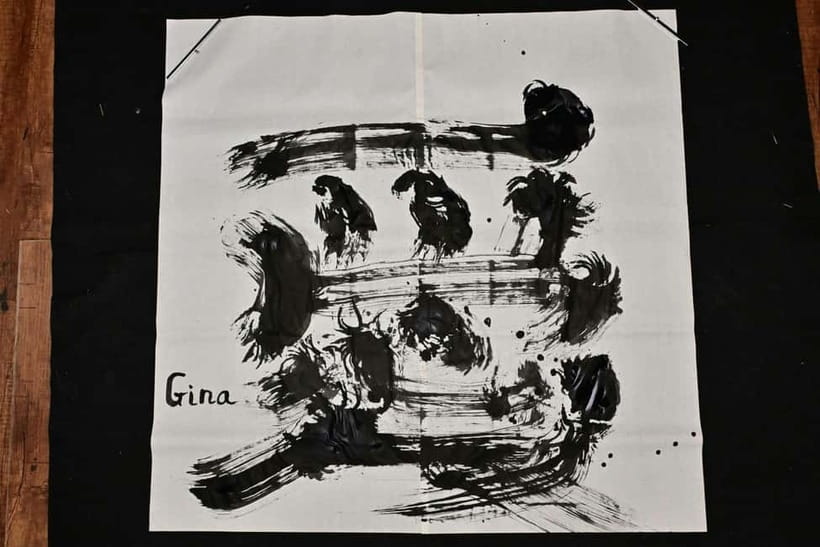
After that, the session turns from technique to application. You choose a kanji character and follow the stroke order, practicing until your writing matches the intended flow. This part is valuable because stroke order is where most beginners stumble, and the structure helps you avoid chaotic first attempts.
Then you do a samurai-themed writing moment focused on resignation. The theme is tied to the idea of writing last words, as a kind of farewell to this world as he prepares to die. Even if you do not connect emotionally with the concept, it is still a powerful framing device for why the writing is taken seriously. In a short tour activity, that kind of theme helps you pay attention and slow down.
If you are the kind of person who wants to leave with something you made, this is one of the best parts. A small piece of your calligraphy in the end is more satisfying than a certificate photo.
Tea Ceremony With Honor and Hospitality in Your Body Language
Next comes the tea ceremony segment, and it is not treated as a museum display. A master of the tea ceremony prepares and serves powdered green tea, and you learn how the ritual communicates respect.
This section is aimed at etiquette and manners, the kinds of things you notice in Japan once you know what to look for. You get instruction that relates to the spirit of hospitality and honor, in the language of Bushido. The emphasis is less on memorizing steps and more on using posture and gestures correctly.
Why this matters for you: tea ceremony is one of the fastest ways to understand Japanese courtesy without needing a long language lesson. You will probably catch yourself watching how movements communicate respect, not just what happens. That makes the experience useful beyond the 3-hour window.
- Osaka Go Karting Tour with Funny Costume★ 5.0 · 2,658 reviews
- Osaka Castle: Museum and Tower Entry Ticket★ 4.5 · 2,380 reviews
- Osaka: Shinsekai Food Tour with 13-15 Dishes at 5 Eateries★ 4.8 · 2,204 reviews
- Osaka Food Tour: 13 Dishes at 5 Local Eateries★ 5.0 · 2,149 reviews
- Hungry Osaka Street Food Tour:15 Tastings & 3 Drinks with a Local★ 5.0 · 1,727 reviews
Samurai Sword Trial Cutting: Learn Control Before Speed
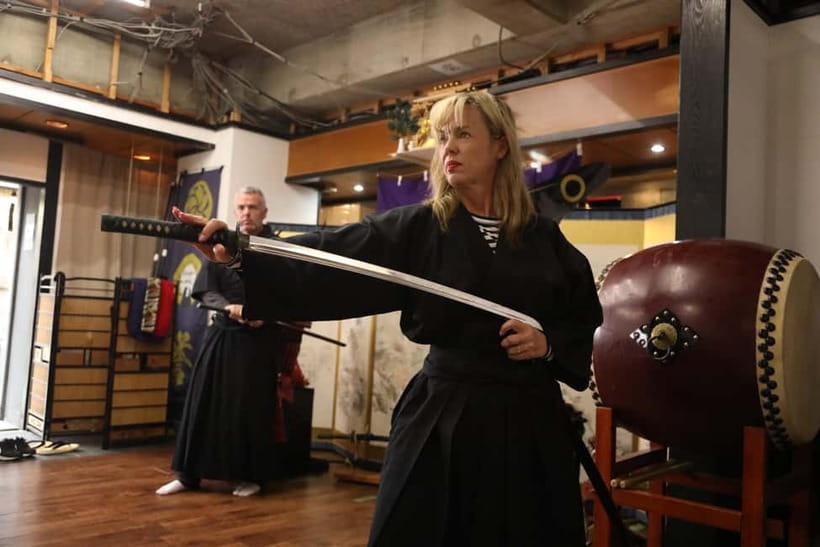
The sword trial cutting is the most action-heavy part, and it is also the one where your mindset matters most. The program frames the training around learning how to use a sword and building self-respect and responsibility, since a blade is deadly and should be treated that way.
You are taught the basics of using the sword, and then you get the chance to try cutting yourself with a samurai sword. The wording in the experience notes is very direct about risk, but what you should focus on practically is instruction and control, not bravado.
One detail I like from the way this is described is that it is presented as a skill with discipline, not a stunt. You get the chance to try slashing, but it is within a guided structure. That is the difference between something you might enjoy for a moment and something you can actually learn from.
If you have zero interest in swords, you can still enjoy this part as a lesson in responsibility and discipline. If you do like action, you will appreciate that the experience gives you real hands-on practice rather than just watching someone else do it.
Armor at Osaka Castle: The Photo Moment With Real Historical Flavor
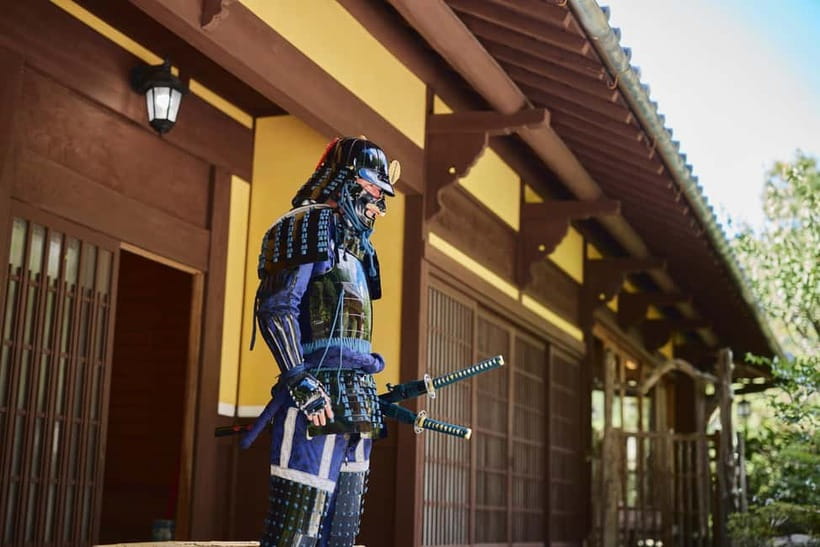
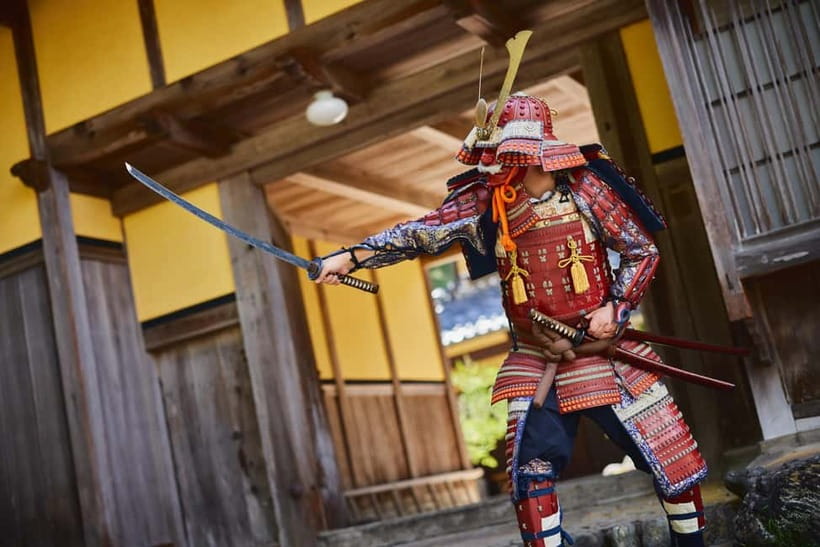
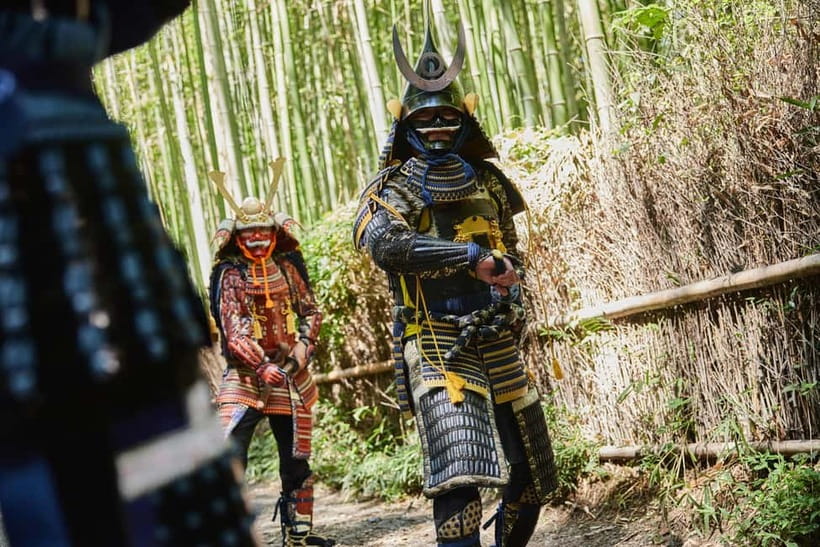
Then you shift gears into armor. You will wear samurai armor indoors, so you are not battling weather or crowds while dressed up. After that, the big visual payoff comes outdoors near Osaka Castle, where you are photographed as part of a battle scene.
The program places you in April 1615, during the Osaka Summer Battle. You are on Toyotomi’s side, and you dress as a soldier to match that setting. The photo is taken on the castle grounds, so your memory has both costume and place, not just a generic studio backdrop.
This is one of the strongest value moments in the whole package. Osaka Castle is a landmark most people already want to see, and this lets you experience it in costume while someone is capturing it professionally. A couple of the standout written comments also mention that the photographer covers the events, not just the final posed shot. That matters, because the best travel photos often happen while you are in the middle of doing something, not right after you stop moving.
Also, the experience position matters: the program describes itself as the only nearby place where you can experience being a samurai, which is exactly the sort of thing you want when you are short on time in a city full of options.
Optional Seppuku-Harakiri Add-On: Thoughtful, Not Casual
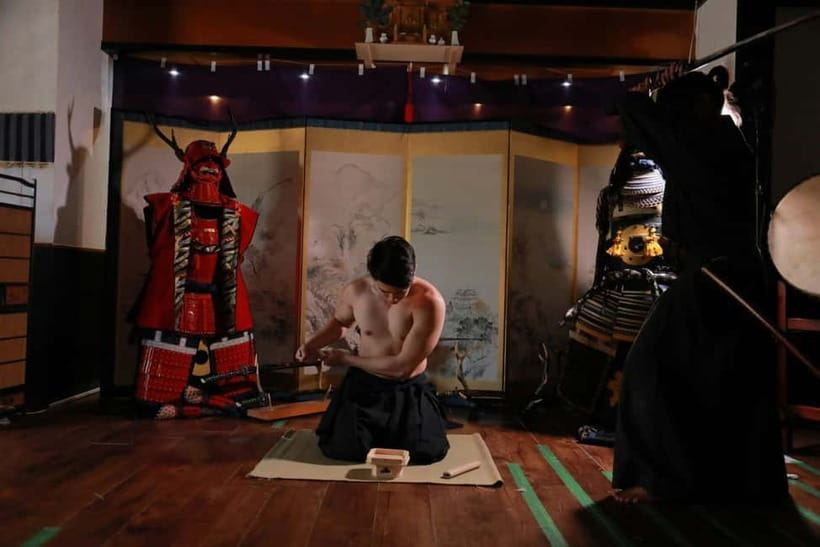
There is an optional add-on connected to seppuku and harakiri themes. The concept is described in terms of a samurai being prepared to die for his lord, with righteousness as a key virtue. It is framed as a paradox of dying beautifully, and it references Bushido’s pursuit of a beautiful death.
If you choose this option, treat it as a serious cultural and historical framing, not a spectacle. The subject matter is heavy, and the experience description makes it clear it is tied to values and ritual, not something lighthearted. If you would rather avoid content like that, skip the option and focus on calligraphy, tea, and the sword trial cutting plus the armor photo.
Either way, you can still get a complete experience without it.
Value and Price: What $168 Buys You in Real Skills
At $168 per person for about 3 hours, you should judge this by output, not by the number of activities. Here you get multiple real-world outputs, not just viewing.
You get:
- Samurai clothing and indoor armor time
- Practice calligraphy, including technique and a chosen kanji character
- A full samurai tea ceremony experience built around manners and gestures
- A sword trial cutting session where you try it yourself
- A photo shoot that sends the digital data to your email
That combination is what you are paying for. Many Osaka experiences will give you one main activity, maybe with a costume photo. This packages several distinct cultural skills plus the armor photo by Osaka Castle into one session. For a tight Osaka visit, that compression is a real advantage.
The “private group” note also changes the feel. Even if it is still timed and structured, private setup tends to mean you can ask questions more naturally and get closer guidance during the hands-on parts like calligraphy grip and sword instruction.
Who This Works Best For (and Who Should Rethink It)
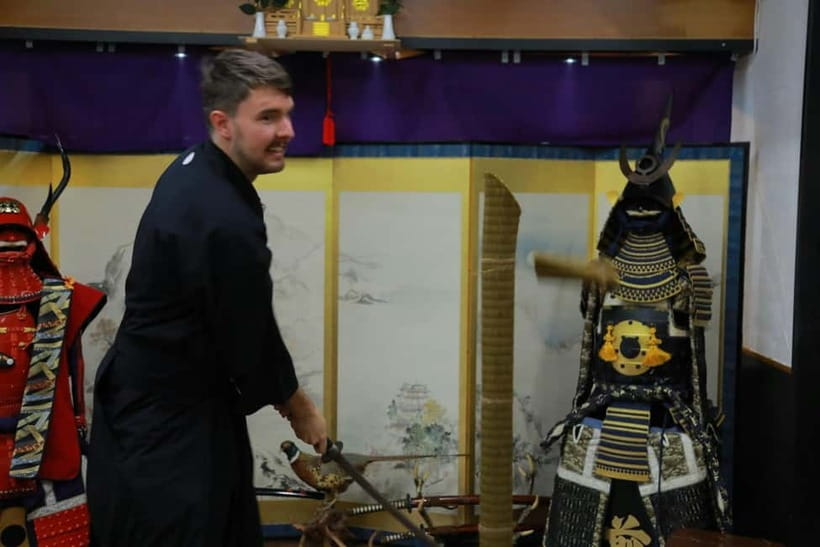
This program is a good fit if you want hands-on cultural practice, not just photos. You will do calligraphy strokes, participate in tea etiquette, try sword cutting, and then wear armor for a photo. That mix suits people who like learning by doing.
It is also a strong choice if you are planning a focused Osaka day and want one activity that ties together etiquette, discipline, and a major landmark. If you only want to stroll and eat, you might find the structure and physical elements too much.
Age matters here. It is not suitable for children under 10, and it is also not suitable for people over 95. If you are traveling with a child in that older range, the activity description still suggests you consider whether the sequence is comfortable, since sword trial cutting and armor are part of the program format.
Pets are not allowed, and strollers and baby carriages are not allowed either. If you are traveling with very young kids or needing those items, you should look for another activity.
Practical Tips: What to Bring, What to Expect, and What Helps
You only have one clear item to bring: a t-shirt. That likely helps for comfort during changing, especially under layering. Wear clothes that are easy to remove and put on, because you will be changing clothes before the kimono and during the activity flow.
You should also plan your day around the meeting time. You need to arrive 30 minutes early, and transportation is not included, so factor in getting to the address in Joto-ku, Osaka. The meeting point is tied to the Honor of the Samurai landmark sign, which makes it easier to find when you are in the area, but you still want extra buffer.
If you care about language, English is the default. The program can provide interpreters in English plus Spanish, Italian, French, Chinese, Thai, and Indonesian, but you need to inquire about interpreter schedule availability for languages other than the default. If you are counting on a specific language, confirm early.
Also, there is no alcohol and drugs rule. It makes sense for a day with sword practice and precise etiquette work.
Should You Book Samurai and Traditional Culture to the Fullest?
Book it if you want a single 3-hour experience that combines calligraphy, tea etiquette, sword trial cutting, and an armor photo by Osaka Castle. The value is strongest if you like activities that produce something tangible and visual, like your calligraphy practice and your photographed samurai moment.
Skip or reconsider if you want something purely passive, if you are uncomfortable with the seriousness of Bushido-themed material, or if you need pick up and drop off. You will handle changing, movements, and instruction, and the session works best when you show up ready to participate.
If you are visiting Osaka Castle anyway, this turns the landmark into an experience you control, with you dressed in armor and a photographer capturing the action as the day unfolds. That is the kind of travel memory that actually lasts.
FAQ
Where does the experience meet?
You meet at a landmark with a wooden sign that reads Honor of the Samurai. The landmark is a rack with Samurai Honor activity pamphlets in front of the store, and kimonos and hakama are also visible nearby.
How long is the experience?
The total duration is 3 hours.
What is the price per person?
The price is listed as $168 per person.
Is transportation included?
No. Pick up and drop off at the train station or hotel is not included, and transportation is also not included.
What time should I arrive?
Please arrive 30 minutes before your reserved experience time for instructions and changing clothes.
What activities are included?
Included activities are practice calligraphy, samurai calligraphy, tea ceremony, samurai sword trial cutting, wearing armor, and a photo shooting. Samurai clothing is also included.
Do I get a photo, and how is it delivered?
Yes. Photo shooting is included, and the photo data is sent to a designated email address.
What languages are available?
English is the default language for interpreters. Other languages are available by inquiry, including Italian, Spanish, French, Chinese, Thai, and Indonesian, depending on staff schedule.
What should I bring?
Bring a t-shirt.
Is the optional seppuku-harakiri part included?
It is listed as an option, not as a standard included activity.
Are children allowed?
No. It is not suitable for children under 10 years. It is also not suitable for babies under 1 year, and people over 95 years.
Blade Work and Stagecraft

Newest Osaka write-ups from the Loving Japan desk
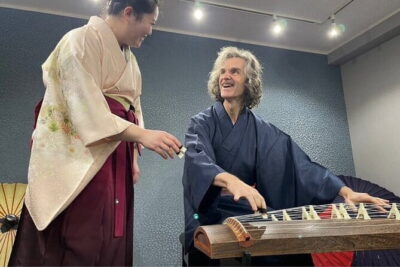
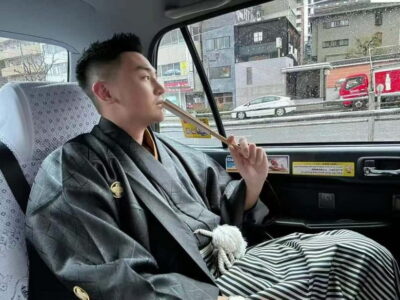

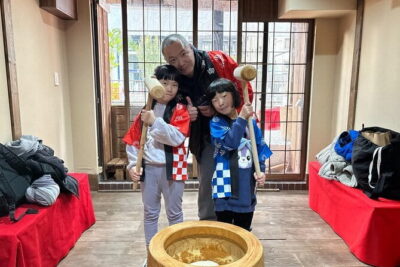
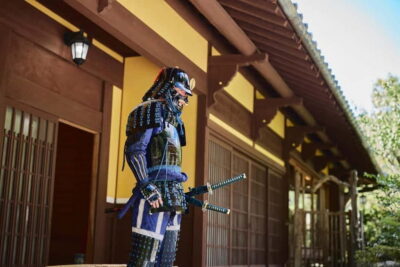
Samurai, Ninja and Sword Experiences, side by side.
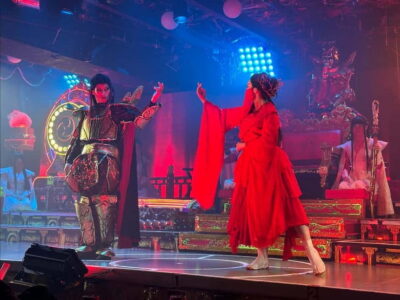 ★ 4.5Samurai Restaurant Show Ticket with 2 DrinksFrom $551,307 reviews
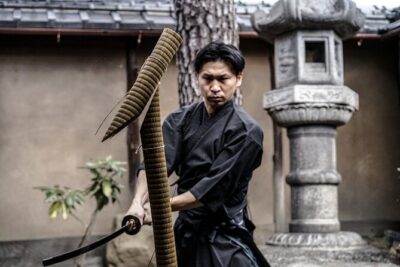 ★ 5.0Kyoto Samurai ExperienceFrom $1191,294 reviews
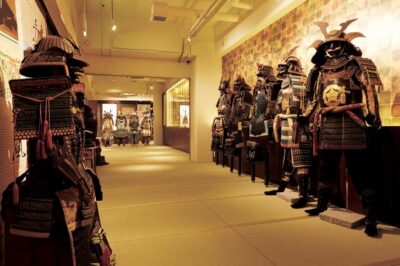 ★ 4.6Samurai Ninja Museum Guided tour and ExperienceFrom $271,010 reviews
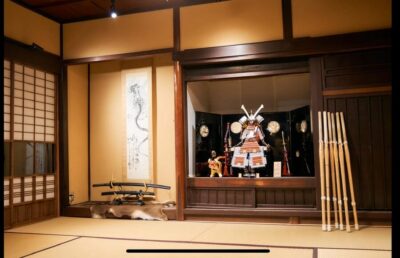 ★ 4.9Kendo and Samurai Experience with Uniform and GearFrom $103815 reviews
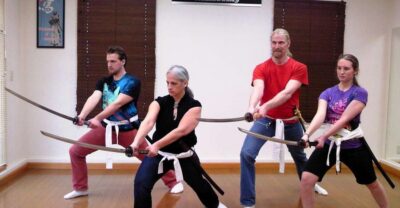 ★ 4.9Samurai Sword Class by Experts in Traditional ArtsFrom $64657 reviews
 ★ 4.5Skip the lines Basic Ticket at SAMURAI NINJA MUSEUM KYOTOFrom $28632 reviews
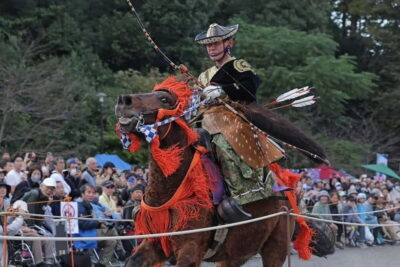 ★ 5.0Samurai Sword & Archery Class from Samurai DescendantFrom $193603 reviews
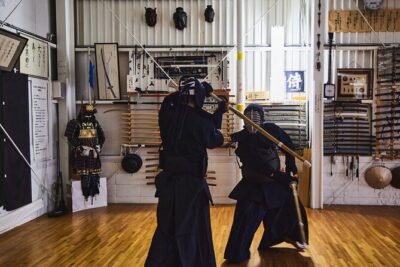 ★ 5.0Samurai Training Experience KENDO in OsakaFrom $131515 reviews
Filed on these lists too