
REVIEW · SAMURAI, NINJA AND SWORD EXPERIENCES
Osaka: Samurai Training Experience KENDO in Osaka
Kendo in Osaka is pure action, with rules and respect. This hands-on session turns you into a real kendo trainee, starting with dojo etiquette and ending with match-style sparring. You also leave with Samurai photos made inside an authentic training space.
What I really like is the hands-on armor experience. You don full protective gear, hold a shinai, and learn proper posture and footwork before anyone throws you into real partner practice. Second, I like the teaching style, patient and English-friendly, with instructors and assistants who adjust instruction to what you can handle.
One consideration: this is not a casual photo stop. You should expect a workout, especially in the later sparring rounds, and there are age limits for trying kendo gear.
In This Review
- Key highlights
- Kendo Training in Osaka City: Why This Feels More Real
- The Dojo Mindset: Reiho and Samurai Etiquette First
- Gear Up: Uniform and Full Bogu Without Guesswork
- Shinai Basics: Stance, Footwork, and Safety Rules That Stick
- Paired Practice and Match-Style Rounds With Real Focus
- The Samurai Photos Inside the Dojo: Props, Swords, and Good Timing
- Who This Kendo Session Fits Best (And Who Should Skip)
- Price and Value: Is $127 Worth 2 Hours of Kendo?
- How to Make This Go Smoothly
- Should You Book This Kendo Experience in Osaka?
- FAQ
- How long is the Osaka Samurai Training Kendo experience?
- What is included in the experience?
- What should I bring?
- Is it good for beginners?
- What are the age limits for trying kendo?
- What languages are available during the session?
- Can I cancel and get a refund?
Key highlights
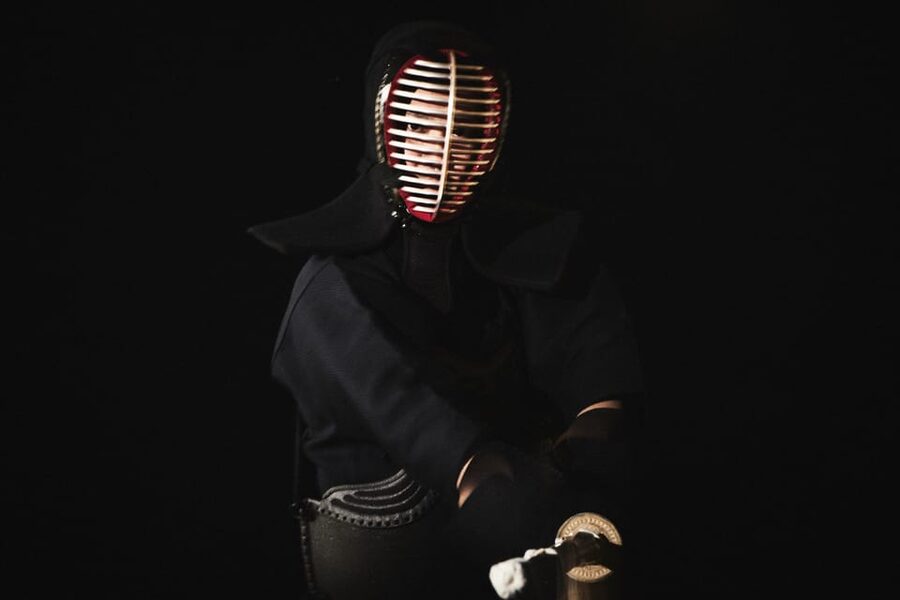
- Full kendo armour, hands-on practice, real sparring rules instead of just watching.
- Reiho etiquette and Bushidō context so the movements mean something, not just look cool.
- English support plus in-Dojo guidance that keeps beginners from getting lost.
- A genuine Osaka City dojo setting that feels like training, not a staged show.
- Samurai photos inside the dojo with swords and props after training.
- Instructor attention for your level so you can go from basic moves to pair practice.
Blade work and stagecraft, other sessions
- Samurai Training Experience KENDO in Osaka
★ 5.0 · 515 reviews - OSAKA NIGHT FUSION Japanese Taiko Kabuki Samurai Dance Show
★ 4.8 · 155 reviews - Osaka: Samurai Training Experience KENDO in Osaka
★ 5.0 · 111 reviews - Osaka: A Modern Samurai, Kabuki, Taiko, & Dance Show
★ 4.5 · 66 reviews
Kendo Training in Osaka City: Why This Feels More Real
Osaka has plenty of culture you can watch from the sidelines. This is different. You step into the dojo routine, wear the protective armor, and learn how kendo actually works.
I like how the experience connects the sport to Samurai values. You get a short lecture on kendo history, its link to Bushidō, and Reiho, the etiquette that shapes how you train and how you behave with others.
If you are coming for anime or sword vibes, this still delivers. You get swords, armor, and stomping footwork, but with clear structure and safety rules.
The Dojo Mindset: Reiho and Samurai Etiquette First
Before shinai time, you get context. Expect an intro that covers how kendo developed and why etiquette matters. Reiho is not “extra.” It sets the tone for training, respect, and discipline.
This is where beginners often win big. When you understand why you bow, how you call out, and how you move as a team, the techniques become easier to remember. It also makes the sparring portion feel less chaotic and more like a sport with rules.
I also like that the program is built to be respectful and beginner-friendly. Prior martial arts experience is welcome, but you are not required to already know how to fight.
Gear Up: Uniform and Full Bogu Without Guesswork
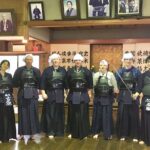
The first big transformation is dressing the part. You’ll wear traditional kendo training clothing, including dōgi and hakama, plus the full protective set.
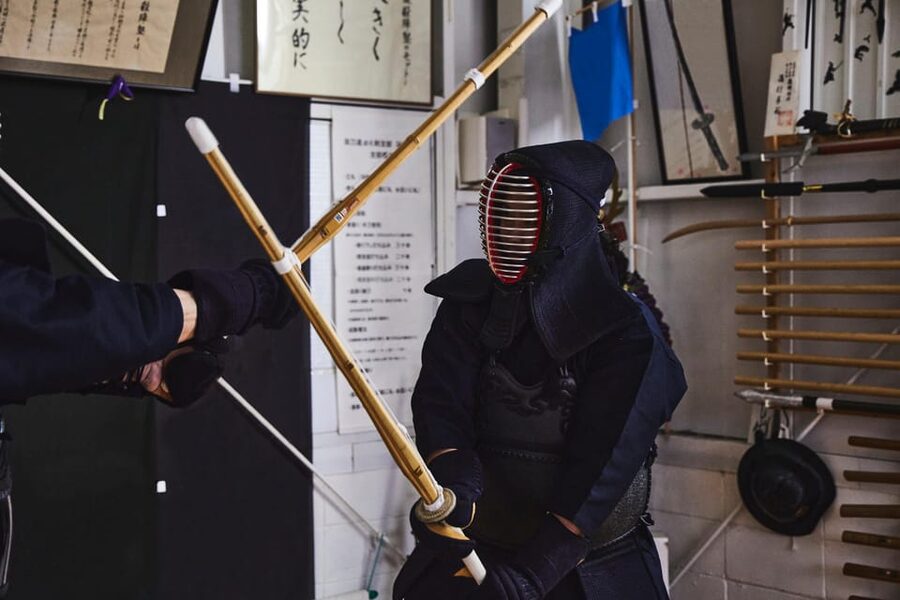
The protective kit is the real deal: men, kote, dō, and tare. You hold the shinai, and instructors guide you through safe positioning and basic handling. This matters because a lot of “try kendo” experiences skip the correct fit and safety basics.
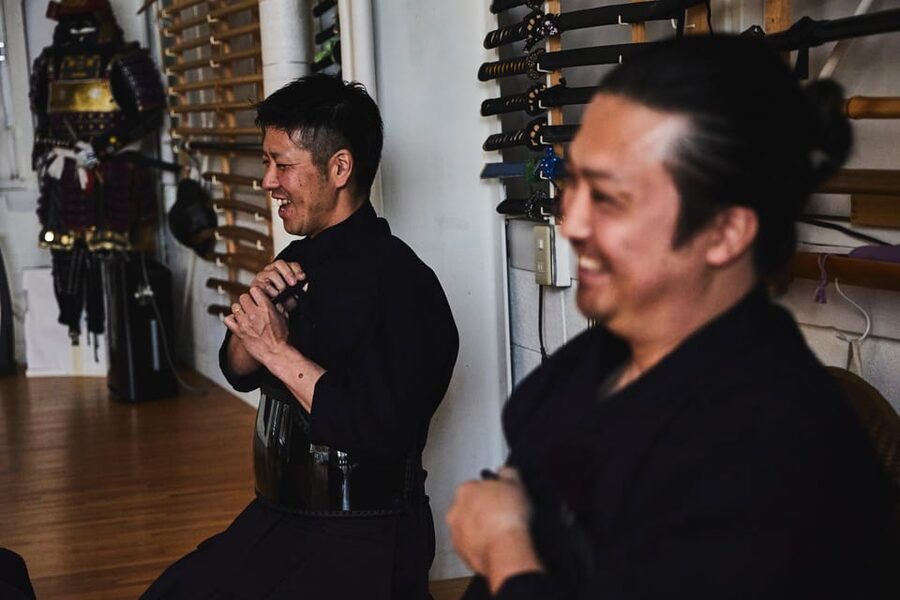
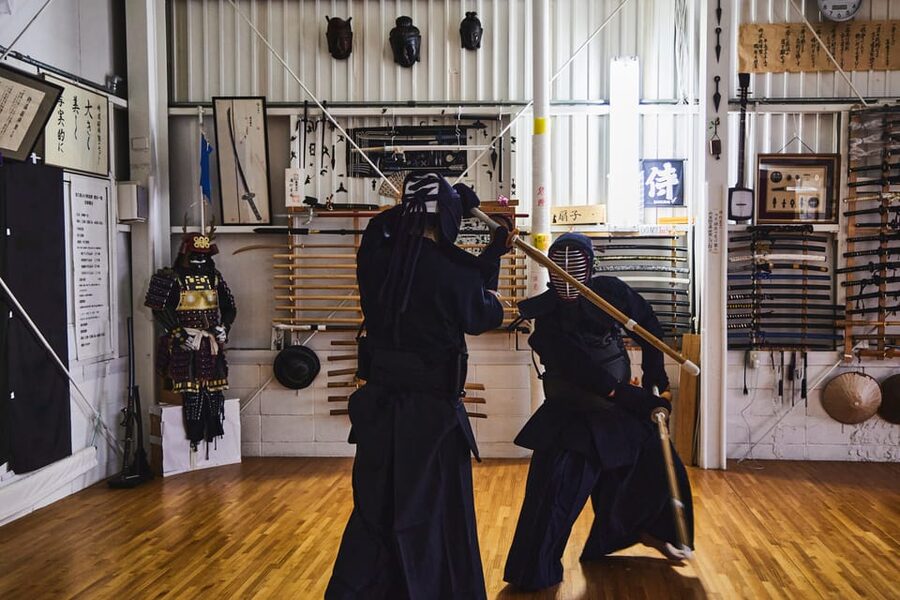
In the reviews, people keep calling out how clean and well-kept the training space feels. One theme is that the dojo is bright and spacious, and that staff help you get comfortable in the gear, step by step.
- Osaka Go Karting Tour with Funny Costume★ 5.0 · 2,658 reviews
- Osaka Castle: Museum and Tower Entry Ticket★ 4.5 · 2,380 reviews
- Osaka: Shinsekai Food Tour with 13-15 Dishes at 5 Eateries★ 4.8 · 2,204 reviews
- Osaka Food Tour: 13 Dishes at 5 Local Eateries★ 5.0 · 2,149 reviews
- Hungry Osaka Street Food Tour:15 Tastings & 3 Drinks with a Local★ 5.0 · 1,727 reviews
Shinai Basics: Stance, Footwork, and Safety Rules That Stick
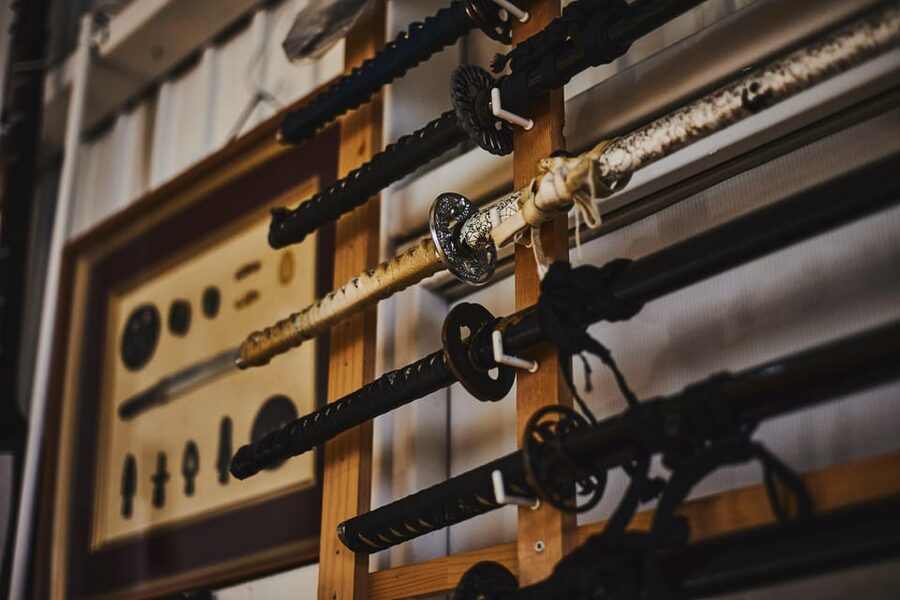
Once you are geared up, you start with fundamentals. Expect posture training, basic footwork, and safety rules. You also learn the core idea behind striking in kendo, where timing and centerline control matter more than raw strength.
I like that instruction builds in layers. You start simple, then you add offensive and defensive options. That step-by-step approach is a big reason beginners feel confident enough to spar later.
Watch your own comfort level here. If you have never trained with padded armor before, your body needs a few minutes to figure out balance. The program is paced for that, and instructors are described as patient and encouraging.
Paired Practice and Match-Style Rounds With Real Focus
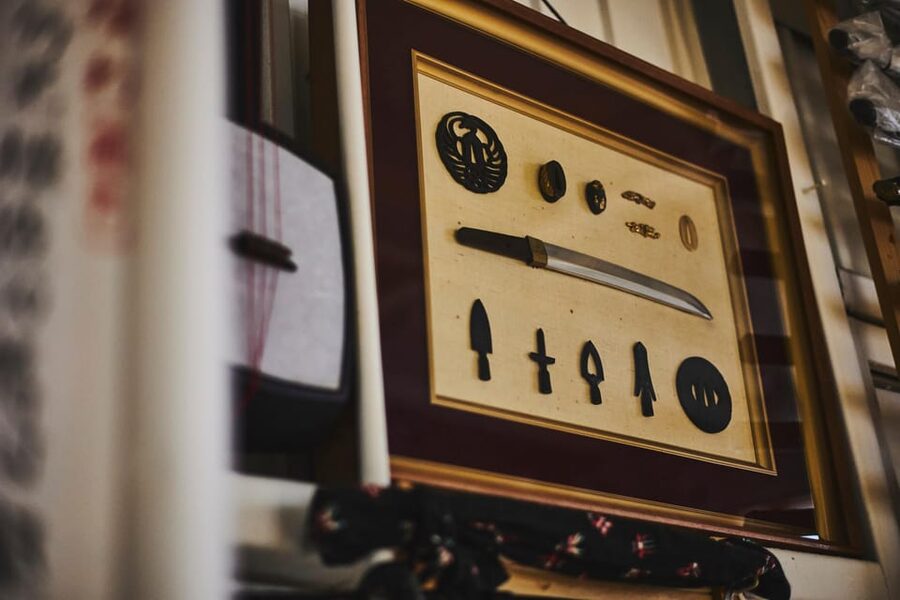
After basics, you shift to paired practice. This is where kendo becomes kendo instead of just moves in the air.
You’ll do controlled partner drills, then move toward a match-style combat segment that follows real kendo rules. The emphasis is on timing, spirit, and focus rather than brute force. In other words, you still get that adrenaline, but you also learn how restraint and accuracy are part of the game.
A lot of reviews mention the sparring rounds being intense in a fun way. People also note that instructors adjust to your level, so you can have a full experience without feeling thrown into the deep end.
One more detail you should plan for: feet and legs work hard. Even fit people mention feeling it later. If you like sports that punish sloppy footwork, you will probably enjoy this.
The Samurai Photos Inside the Dojo: Props, Swords, and Good Timing
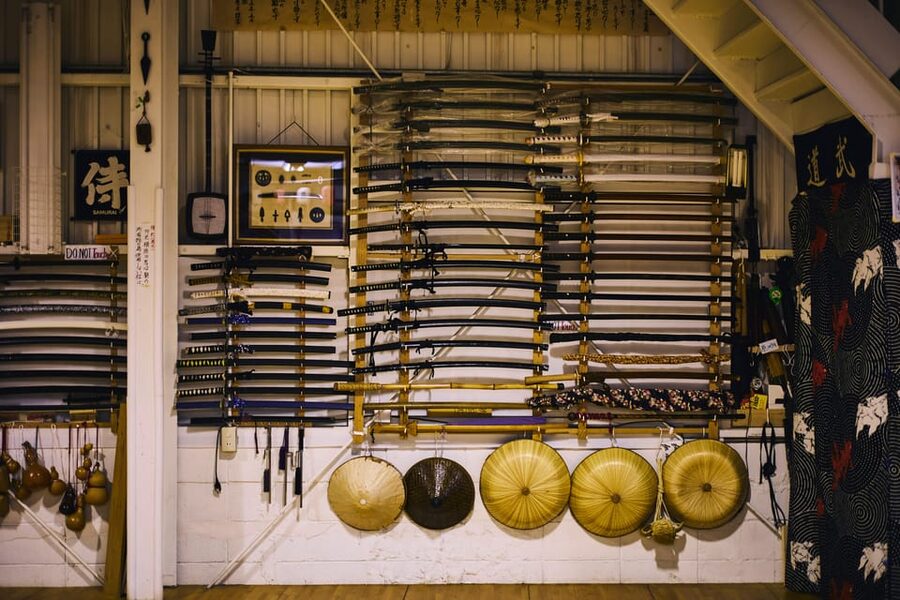
After training comes the photo session. You get time to take Samurai photos inside an authentic dojo, wearing the gear and using sword props.
This is a smart finish. Photos are usually where “tour sword experiences” end, but here you earn the look by actually training first. The result is that the pictures feel connected to the activity, not pasted on at the end.
In reviews, people mention both posed and action photos. That usually means the staff does some direction so you do not spend your photo time awkwardly standing there while everyone else trains.
If you care about photos, bring your best expression for the bowing moments and your best “I know what I’m doing” stance. Even when you feel new, the gear makes you look authentic fast.
Who This Kendo Session Fits Best (And Who Should Skip)
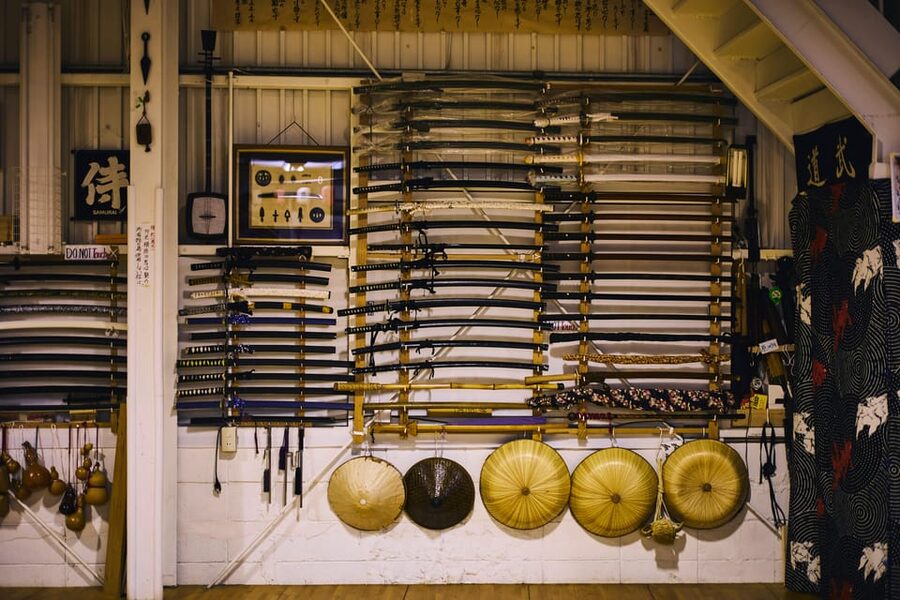
This experience is designed mainly for beginners and first-time participants. That matters because it means the learning arc starts at the beginning, then builds.
It also works well if you have some martial arts background. Experienced practitioners can enjoy respectful sparring with guidance, not just a basic demo.
Age limits are important here:
- People over 76 are for viewing only.
- People over 75 are not allowed to try kendo.
- Children under 2 cannot try kendo.
- Children 3 to 5 mainly do uniform and photo-focused parts, not the full adult-style experience.
So if you are traveling with kids, you’ll want to match expectations. The 3 to 5 option sounds great for photos and first-timer culture exposure, but it is not the same as the two-hour sparring and training loop adults do.
Wheelchair access is listed, so if mobility is a concern, this is worth considering. Still, confirm your comfort with donning and moving while geared up.
Price and Value: Is $127 Worth 2 Hours of Kendo?
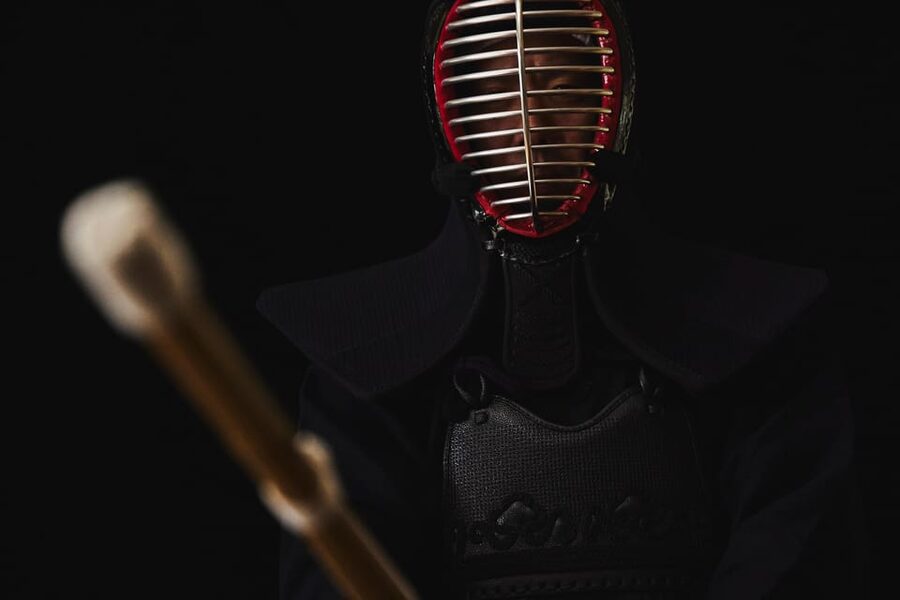
At $127 per person for a 2-hour session, you’re paying for more than a souvenir and more than a basic “try.” You’re paying for full protective gear use, structured instruction, and a coached path from etiquette to sparring.
The best value here is the combination:
- lecture plus practical training
- safe sparring rules, not just drills
- real dojo time, not a studio corner
- a guided photo session using the same gear you trained in
If you’ve ever paid for “cultural performances,” you know how often you get watching instead of doing. This program flips that. You leave sweaty, tired in the legs, and with new muscle memory and a better understanding of how kendo works.
One note: if you only want a gentle, zero-effort activity, kendo training is not that. It is an active martial art even in beginner mode.
How to Make This Go Smoothly
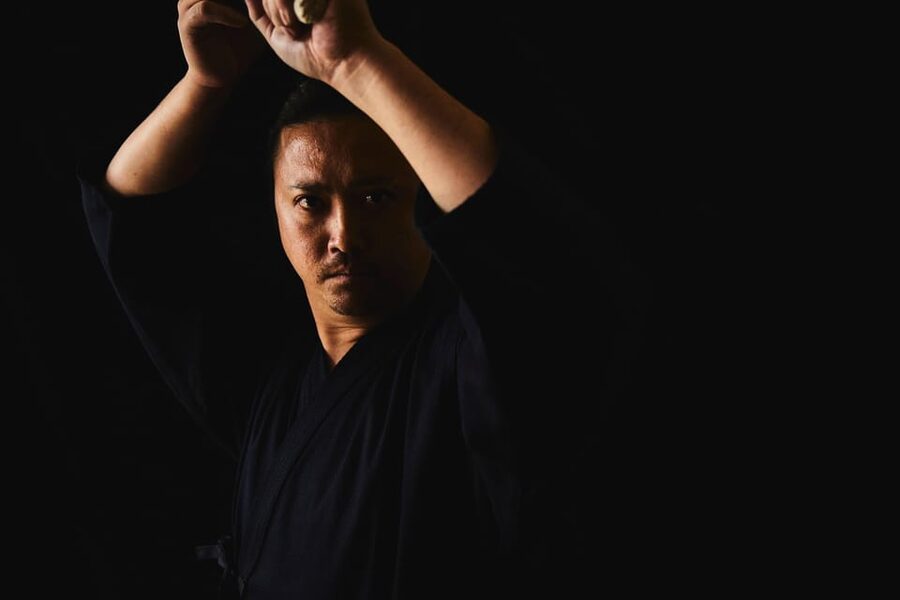
You’ll get more out of the session if you show up ready to move and ready to focus.
Bring a drink. That is the only item required. Also, arrive a little on the calm side, because dressing and fitting the armor takes time and attention.
You should also avoid alcohol and drugs, since those are listed as not allowed. It sounds obvious, but it matters for safety and training quality.
Finally, plan your attitude. Kendo values respect, self-control, and discipline. If you approach it as a sport with rules, you will get the best coaching and the most fun.
Should You Book This Kendo Experience in Osaka?
Book it if you want a real hands-on taste of Japanese martial culture. This is ideal for anime and sword fans who also want something more structured than posing. It’s also great for active travelers who like learning a new skill and then testing it in partner practice.
I would skip it if you need a low-effort activity, have mobility or health limitations that make wearing armor difficult, or you fall outside the age guidance for trying kendo. If you’re simply passing through Osaka and you want a workout with meaning, it is a strong pick.
And if you like instruction that meets you at your level, this one has a clear reputation for patient teaching, clear English support, and helpers who keep things moving.
FAQ
How long is the Osaka Samurai Training Kendo experience?
It lasts 2 hours. Starting times depend on availability.
What is included in the experience?
You get a lecture about kendo, you wear kendo uniforms and protective armor, you train with an English-speaking instructor, and you do a Samurai photo session.
What should I bring?
Bring drinks. Alcohol and drugs are not allowed.
Is it good for beginners?
Yes. The program is mainly designed for beginners and first-time participants, with safety-focused instruction and guidance.
What are the age limits for trying kendo?
People over 76 are not allowed to try kendo, viewing only. Children under 2 cannot try kendo. Children ages 3 to 5 mainly do photo-focused activities rather than the adult-style training.
What languages are available during the session?
Instruction is provided in English and Japanese.
Can I cancel and get a refund?
Yes. Free cancellation is available up to 2 days in advance for a full refund.
Blade Work and Stagecraft

Newest Osaka write-ups from the Loving Japan desk

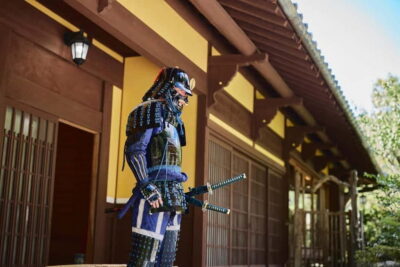
Samurai, Ninja and Sword Experiences, side by side.
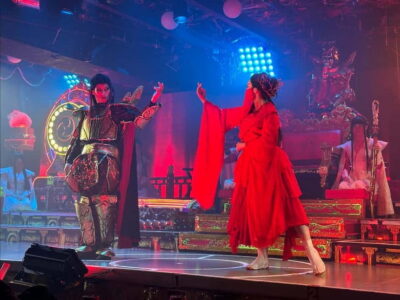 ★ 4.5Samurai Restaurant Show Ticket with 2 DrinksFrom $551,307 reviews
 ★ 5.0Kyoto Samurai ExperienceFrom $1191,294 reviews
 ★ 4.6Samurai Ninja Museum Guided tour and ExperienceFrom $271,010 reviews
 ★ 4.9Kendo and Samurai Experience with Uniform and GearFrom $103815 reviews
 ★ 4.9Samurai Sword Class by Experts in Traditional ArtsFrom $64657 reviews
 ★ 4.5Skip the lines Basic Ticket at SAMURAI NINJA MUSEUM KYOTOFrom $28632 reviews
 ★ 5.0Samurai Sword & Archery Class from Samurai DescendantFrom $193603 reviews
 ★ 5.0Samurai Training Experience KENDO in OsakaFrom $131515 reviews
Filed on these lists too