
REVIEW · HIROSHIMA AND MIYAJIMA DAY TRIPS
Experience the Soul of Hiroshima: A Peaceful Koto Workshop
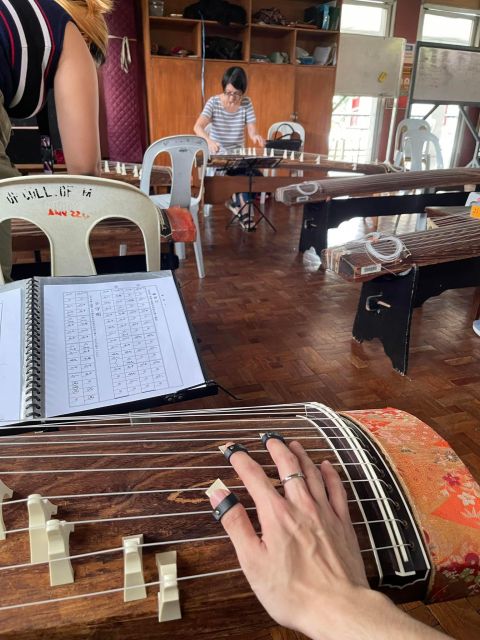
Plucking 13 strings can feel like a prayer. In Hiroshima, this koto workshop pairs hands-on music time with the city’s message of peace, and you end up performing a piece called Echo of Serenity. It runs in a quiet studio within walking distance of Peace Memorial Park, so your visit stays reflective without feeling heavy.
Two things I really like: you get a true beginner-friendly lesson in English, and you learn enough to play a complete piece, not just pluck random notes. I also love that the class includes a performance video recording and a handfolded origami crane you can take home.
One possible drawback: 90 minutes goes fast. Even though you will play a full piece, you may still want more time to get fully comfortable with the instrument and techniques.
In This Review
- Key highlights before you go
- Koto music in Hiroshima, a quiet detour near the memorial
- Finding the studio: Ishida Dai 2 Building from Tatemachi Station
- The 90-minute class flow: posture, plucking, and your full piece
- Fukuyama koto craft story, 13 strings, and design meaning
- Echo of Serenity and the meaning of peace you can hear
- Group performance with an English-speaking master
- Keepsakes that make it personal: video plus origami crane
- What it costs at about $50, and where the value comes from
- Who should take it, and who might want a different activity
- FAQ
- How long is the koto workshop?
- What age is the workshop suitable for?
- Do I need to know Japanese to take the class?
- What will I learn and be able to play by the end?
- Where do I meet for the workshop?
- If I take the streetcar, where should I get off?
- How big is the group?
- Is there anything included besides the lesson itself?
- Can I cancel if my plans change?
- Should you book this Hiroshima koto workshop
Key highlights before you go
- English instruction with no music background required (ages 10 and up)
- Fukuyama koto craft context (including why Fukuyama is a core koto-making city)
- Hands-on learning that builds to one full group performance
- A peace-themed piece designed to honor atomic bomb victims, with Echo of Serenity as the centerpiece
- Keepsakes that make it personal: your performance video plus a peace crane
Pairing the city with Miyajima. Other itineraries
- Hiroshima: Hiroshima and Miyajima UNESCO Sites 1-Day Tour
★ 4.9 · 2,330 reviews - Hiroshima / Miyajima Full-day Private Tour with Government Licensed Guide
★ 5.0 · 1,298 reviews - Hiroshima Historical Walking Tour – Why A-Bomb was Dropped
★ 4.8 · 893 reviews - Hiroshima Peace (Heiwa) Walking Tour at World Heritage Sites
★ 5.0 · 872 reviews
Koto music in Hiroshima, a quiet detour near the memorial
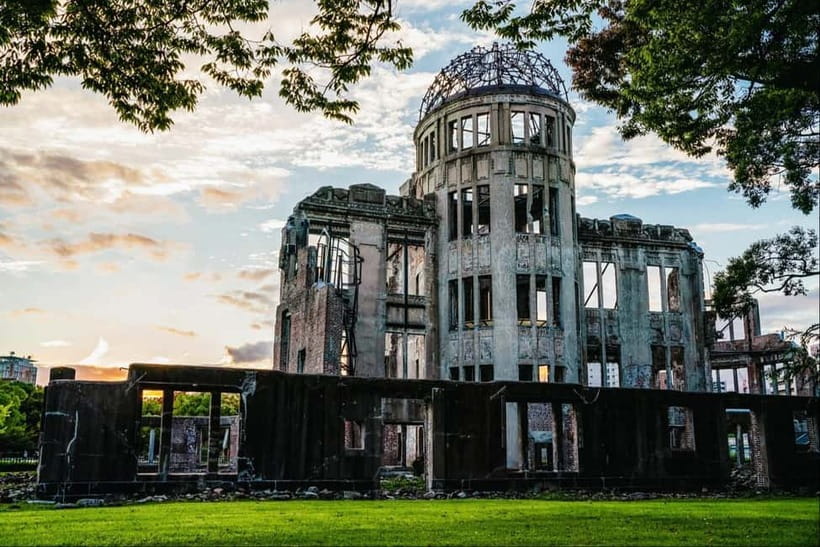
Hiroshima can hit you in the chest in the best way and the hardest way. This experience gives your mind a different path: sound. Instead of only reading or watching, you make music, and you do it in a calm setting close to Peace Memorial Park.
You’ll learn the koto, the elegant Japanese instrument with 13 strings. You don’t need to know anything beforehand, and you won’t be left to struggle in silence. The lesson is guided step by step, with a clear focus on posture, technique, and ending with a group performance.
If you like culture that you can actually do, not just look at, this works well. You come away with the feeling that you participated, even if you are brand new to the instrument.
Finding the studio: Ishida Dai 2 Building from Tatemachi Station
You’ll meet at 石田第2ビル (Ishida Dai 2 Building), on the second floor. If you’re coming by streetcar, start at Tatemachi station and then work your way on foot.
A practical route goes like this: from Tatemachi, go straight at the corner near Tully’s coffee shop, toward YMCA. When you see the okonomiyaki restaurant Gokku 悟空, turn right. Then follow the sign and head up to the second floor.
This matters because the workshop is short, 90 minutes. You want to arrive with enough time to settle in and start on the right track, especially if you’re juggling a Hiroshima itinerary that also includes the Peace Memorial Park area.
The 90-minute class flow: posture, plucking, and your full piece
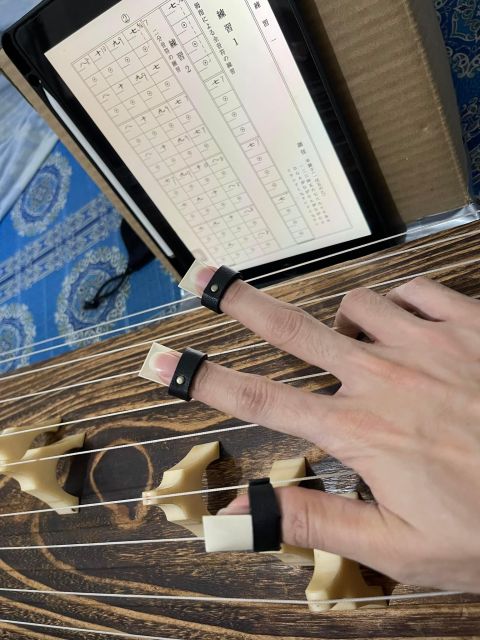
The workshop is structured so beginners can succeed quickly. It’s not about turning you into a koto player overnight. It’s about getting you playing a complete piece within the time, so you leave with something real.
Expect a sequence like this:
- An introduction to the koto and how it sits for playing
- Posture basics so your hands can move naturally
- Plucking technique and the core movements you need
- A guided push to learn the specific piece your class is working on
- A group performance finale where you play together with the instructor
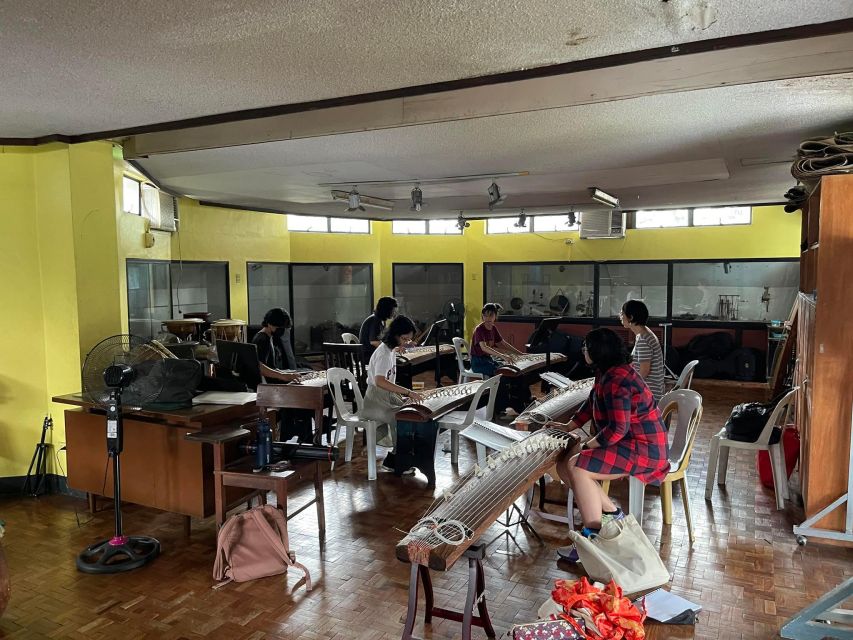
You’ll be working in a small group of up to 6 people. That small size is a big deal. It makes it easier to get corrected in real time, and it keeps the pace from feeling frantic.
Also, the lesson is in English. That means you can focus on the music instead of decoding translations. In past sessions, instructors like Vincent and Nicholas have explained both the instrument history and the exercises clearly before leading participants into the performance part.
Make something to take home. Other workshops
- An Amazing set of Cultural experience: Kimono, Tea Ceremony and Calligraphy★ 5.0 · 69 reviews
- Cultural Activities :Kimono, tea ceremony, Calligraphy and Amulet★ 5.0 · 44 reviews
- Experience the Soul of Hiroshima: A Peaceful Koto Workshop★ 5.0 · 32 reviews
Fukuyama koto craft story, 13 strings, and design meaning
A koto lesson becomes much more memorable when you understand what you’re holding. This workshop includes the instrument’s long legacy, plus what makes Hiroshima-linked koto culture special.
You’ll learn about the koto’s 13-string design and its roughly 1,300-year history. You’ll also hear why Fukuyama City matters. This is described as the heartland of koto craftsmanship, where more than 70% of Japan’s kotos are said to be born.
The class also covers symbolism in the instrument’s design. That turns the koto from a musical prop into a cultural object with meaning. When you understand what different parts represent, your hands feel like they’re participating in something bigger than a lesson.
In practice, this kind of context helps beginners. You’re not only memorizing finger movements. You’re learning a way of listening and performing that comes with a story.
Echo of Serenity and the meaning of peace you can hear
The heart of the workshop is a peace-themed piece called Echo of Serenity. The idea is simple and powerful: instead of discussing peace only through words, you experience it through sound.
You’ll first hear this composition in a way that lets the atmosphere settle. Then you learn how to play your part, guided by the instructor so the instrument’s resonant tones carry the feeling of the piece.
This matters in Hiroshima because it shifts you from museum mode to participation mode. When you’re playing a piece honoring atomic bomb victims, the notes stop being abstract. They become a quiet form of remembrance you can physically help create.
The class framing is also intentional. You’re not asked to “perform” in a showy way. You’re asked to play with attention and respect, in a group setting that supports the emotional tone.
Group performance with an English-speaking master
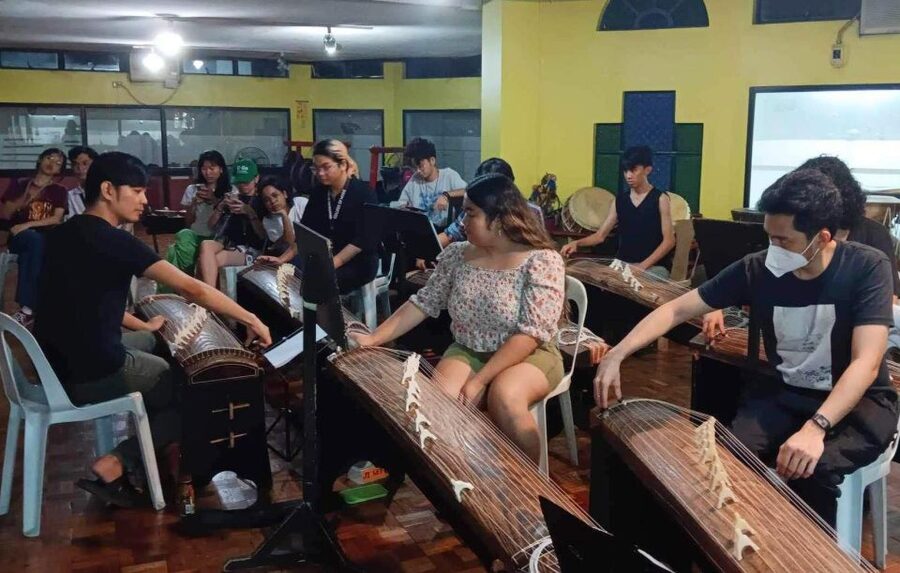
Your finale is a group performance. You’ll play alongside fellow participants and an instructor who leads the timing and sound.
This is one of the most praised parts of the experience, because it turns practice into a shared moment. People come in unsure about what they can do, and then they end up playing a complete piece together.
One reason this works well is the combination of English instruction and a method that builds gradually. In multiple sessions, instructors have started with history and explanation, then moved into exercises, then guided participants to the final piece.
If you like the idea of learning something new and ending your class with a clear “we did it” moment, you’ll probably enjoy the energy in the room at the end.
Keepsakes that make it personal: video plus origami crane
You don’t just leave with the memory. You get a keepsake.
First, you receive a video recording of your final group performance. It’s a nice touch because it captures what you managed to do in a short class. Even if your playing isn’t perfect, the video preserves your real progress, not a fantasy version of it.
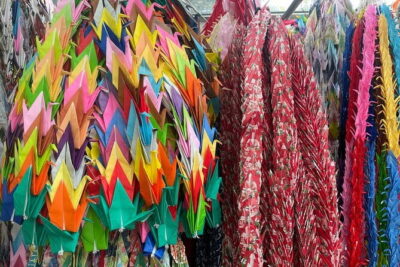
Second, you take home a handfolded origami crane. In Hiroshima, the crane is widely recognized as a symbol of peace, and the workshop gives you a direct, tangible way to carry that meaning with you after you leave the studio.
And if you’re the type who likes to keep going, there’s also an option to continue learning online later. Some participants also purchase a koto on the spot if they want to take the instrument home and keep practicing, though the workshop notes that purchasing is something you can do at your own interest.
What it costs at about $50, and where the value comes from
At $50 per person for a 90-minute class, this feels like value if you’re the kind of traveler who likes hands-on cultural activities.
Here’s what you’re paying for, beyond the basics:
- A full 90 minutes with a guided beginner lesson
- A small group of limited size, so you get actual attention
- English instruction throughout
- The chance to learn and play a complete piece, not just try the instrument
- A video recording of your performance
- A peace crane you can take home
- Coffee, tea, and juice after the session, plus a free soft drink service
So the value isn’t only the instrument learning. It’s also the way the experience ends, with a performance and real-world keepsakes.
One small practical note: people sometimes wish lessons were longer to get more comfortable. That feedback usually makes sense, because learning hand positions and timing takes repetition. Still, the format is designed to finish strong.
Who should take it, and who might want a different activity
This workshop is a great match for:
- Families with kids age 10 and up
- Couples or friends looking for a shared activity that feels meaningful
- Solo travelers who want guided learning and an end-of-class group performance
- Anyone who wants Hiroshima culture that goes beyond history panels
It’s also ideal if you don’t read Japanese music. The lesson is described as beginner-friendly, and all instruction is in English.
You might reconsider if:
- You’re bringing a child under 10 years old
- You want a deeper mastery session focused on technique and performance skills over multiple days
- You’re looking for an activity that is mostly sightseeing rather than participation
Also note the rules for a smooth session: pets are not allowed (assistance dogs are allowed), and alcohol and drugs are not permitted.
FAQ
How long is the koto workshop?
It lasts 90 minutes.
What age is the workshop suitable for?
The workshop is for ages 10 and up.
Do I need to know Japanese to take the class?
No. All instruction is conducted in English.
What will I learn and be able to play by the end?
You’ll learn koto basics and, with guidance, work toward playing a complete piece by the end of the session.
Where do I meet for the workshop?
You meet at 石田第2ビル, and the class happens on the second floor.
If I take the streetcar, where should I get off?
Get off at Tatemachi station, then follow the walking directions toward Tully’s coffee shop, YMCA, and the okonomiyaki restaurant Gokku 悟空, and then look for the sign on the building.
How big is the group?
The group is limited to 6 participants.
Is there anything included besides the lesson itself?
Yes. You’ll have coffee, tea, and juice provided, plus a free soft drink service after the session. You also receive a video recording of your final performance and a handfolded origami crane. You can also purchase a koto on the spot if you want.
Can I cancel if my plans change?
Yes. Free cancellation is offered up to 24 hours in advance for a full refund.
Should you book this Hiroshima koto workshop
Book it if you want an activity that’s both calm and hands-on, and you like the idea of playing a peace-themed piece near Peace Memorial Park. The small group size, English instruction, and end-of-class video and crane make it feel worth the money, even if you are totally new to music.
Skip it only if you need a longer class to feel confident, or if your group includes someone under 10. Otherwise, this is one of those rare Hiroshima experiences where the city’s message becomes something you can actually make with your own hands.
Made by Hand, and Yours to Keep
Hiroshima and Miyajima Together

Newest Hiroshima write-ups from the Loving Japan desk
Hiroshima and Miyajima Day Trips, side by side.
 ★ 5.0Peaceful Hiroshima & Miyajima UNESCO 1 Day Bus TourFrom $1295,309 reviews
 ★ 4.9Hiroshima and Miyajima UNESCO Sites 1-Day TourFrom $1222,330 reviews
 ★ 5.0Hiroshima / Miyajima Full-day Private Tour with Government Licensed GuideFrom $2021,298 reviews
 ★ 4.7Osaka/Kyoto: Hiroshima Miyajima Bus Tour & Shinkansen TicketFrom $277919 reviews
 ★ 4.8Hiroshima Historical Walking Tour – Why A-Bomb was DroppedFrom $35893 reviews
 ★ 5.0Hiroshima Peace (Heiwa) Walking Tour at World Heritage SitesFrom $94872 reviews
 ★ 5.0Hiroshima in a Nutshell: Morning Bike AdventureFrom $72524 reviews
 ★ 5.0Hiroshima City 4hr Private Walking Tour with Licensed GuideFrom $122437 reviews