
REVIEW · SUMO WRESTLING EXPERIENCES
Experience the Sumo World in Tokyo
Sumo practice in a real stable, not a show. This half-day Sumo World tour takes you into a sumo training stable that most people never see, so you can watch the work up close and in real time. I like that it is interactive too, not just sitting and watching, plus you finish with photos.
My other favorite part is the food: lunch is included, and they offer vegetarian options if you request them at least 3 days ahead. They serve chanko nabe, the hearty stew built for wrestlers’ energy, so you get the cultural side of sumo, not only the sport.
One thing to consider is timing. You meet at 7:45 AM at Ueno Station, and if you are late or miss key messages, you may lose part of the training, since the session runs on schedule.
In This Review
- Key points before you go
- Why a real sumo training stable feels different than a tournament day
- Getting to the stable: Ueno, Matsudo, and Kunugiyama by JR
- Asahiyama beya practice: chairs, intensity, and photos at the end
- Lunch and chanko nabe: included fuel, plus a vegetarian option
- The guide makes the history click on the train
- Price and value: what you get for about $105
- Timing and communication: the one risk with early stable mornings
- Who should book this half-day sumo stable tour
- Should you book Sumo World in Tokyo?
- FAQ
- What time do I need to meet at Ueno Station?
- How long does the tour last?
- Is lunch included, and can I request vegetarian food?
- Where do I visit for the sumo training?
- Is the stable practice ticket included?
- Can I take photos during the experience?
- How much is the round-trip JR train cost?
- How big is the group?
Key points before you go
- Exclusive stable access to a sumo training beya that you cannot just wander into
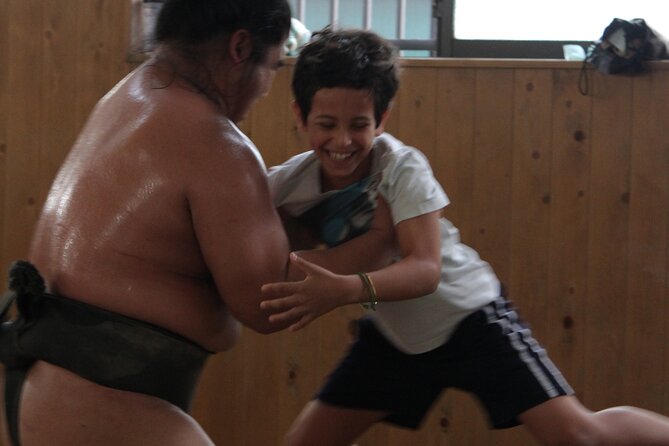
- Hands-on interaction where you can try pushing or wrestling in a fun, respectful way
- Front-row viewing from chairs for a comfortable, close look at training
- Lunch included (chanko nabe) with vegetarian service available if requested in advance
- Small group size with a maximum of 26 people
Morning practice or an evening show. Both reviewed
- Tokyo: Sumo Show and Dining Experience
★ 4.8 · 2,742 reviews - the SUMO show
★ 5.0 · 1,960 reviews - Tokyo Shinjuku Sumo Show & Experience with Photo
★ 5.0 · 1,750 reviews - Tokyo: Sumo Show and Experience in Shinjuku
★ 4.8 · 1,001 reviews
Why a real sumo training stable feels different than a tournament day
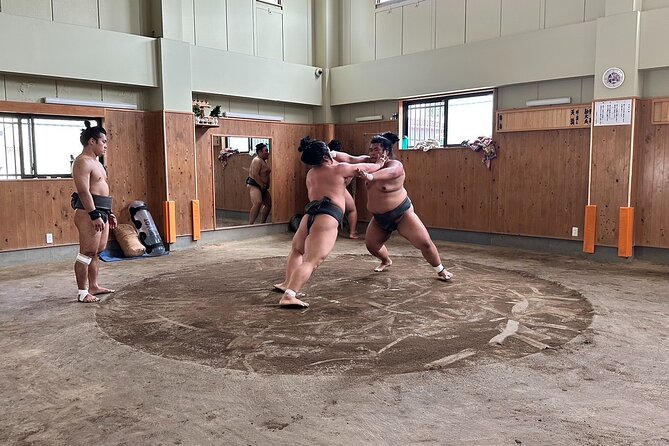
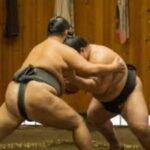
A tournament day is loud. A stable morning is focused. On this tour, you trade stadium spectacle for the kind of training you usually only see if you are part of the world of rikishi. You watch daily practice right where it happens, then you get a chance to participate at the end of the session.
That mix is what makes this tour such good value for people who care about Japanese sport and culture. You do not just learn facts from a guide. You see what strength, speed, and technique look like when nobody is trying to entertain an audience. Then you get to test your own balance, grip, and stamina against wrestlers who are basically walking physics problems.
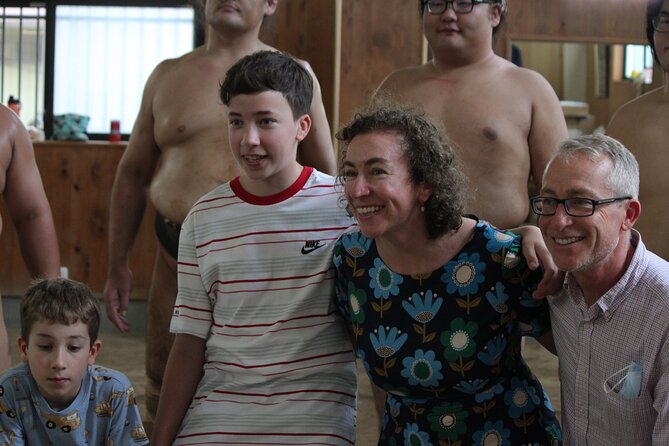
The other big win is the access and warmth. The stable and the wrestlers are described as friendly and welcoming, and you also get time for photos at the end. In other words, it feels like a cultural exchange, not a drive-by photo stop.
Getting to the stable: Ueno, Matsudo, and Kunugiyama by JR
The tour starts at Ueno Station at 7:45 AM, meeting at the JR Information area. This matters because Ueno is a major hub, and the meeting point is simple to locate if you arrive a bit early and get oriented.
From there, the group rides JR trains to Matsudo Station (about 19 minutes) and then to Kunugiyama Station (about 15 minutes). Those train segments are part of the experience flow, and they can help you avoid the stress of figuring out how to get to a lesser-known area on your own.
Two practical money notes:
- The tour price does not include round-trip JR train costs. Budget about ¥1060 (roughly $7) for the round trip by train.
- Admission tickets are included for the practice session at the stable, not for the station-to-station travel segments.
Also, since the tour runs in the early morning, build in a buffer. You are not just catching a show time. You are trying to be in place for a training window.
Asahiyama beya practice: chairs, intensity, and photos at the end
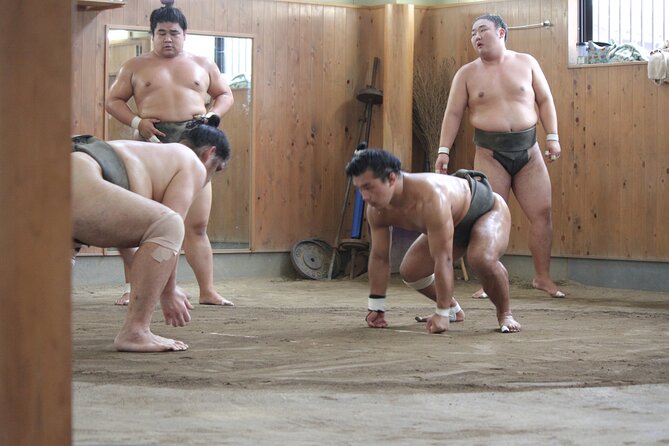
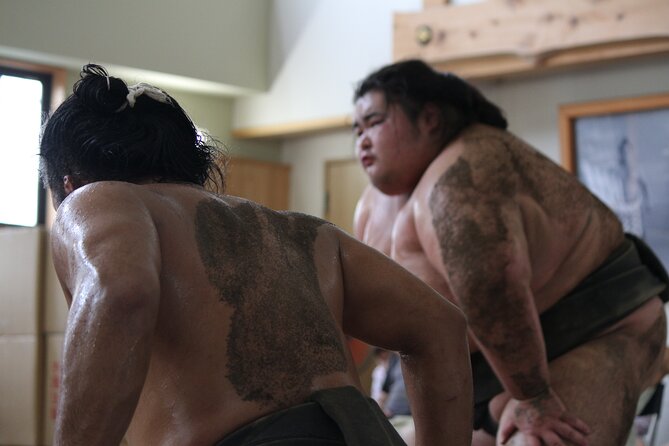
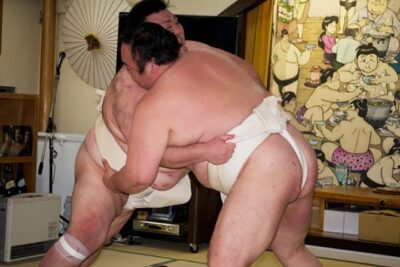
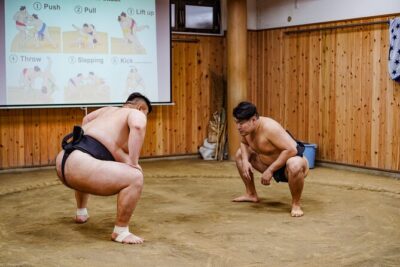
The main event happens at 朝日山部屋 (Asahiyama beya), where you get up-close access to training. The scheduled time at the stable is about 2 hours, and you watch from seats rather than standing for long stretches.
In the real world, sumo training is intense but also methodical. You see how the wrestlers work, you get context around what you are watching, and you can often ask questions after the training portion. The photo part is not a rushed “one shot and out” moment either. Photography is allowed at the end of the session, which gives the experience time to build before you freeze it on camera.
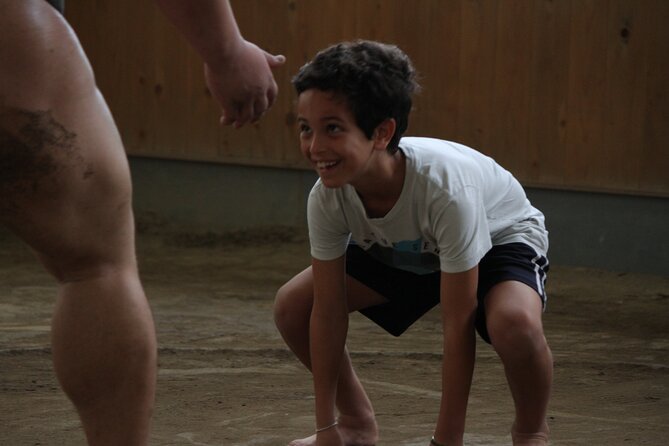
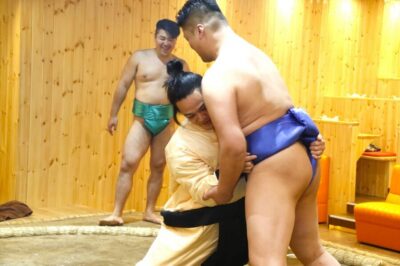
Then comes the interactive portion. You can try pushing or wrestling firsthand against the rikishi. This is one of the most praised parts of the day, and for a reason. You realize fast that this is not just about being big. Technique, leverage, and timing matter. Even when the pushing is playful, the wrestlers’ control is the lesson.
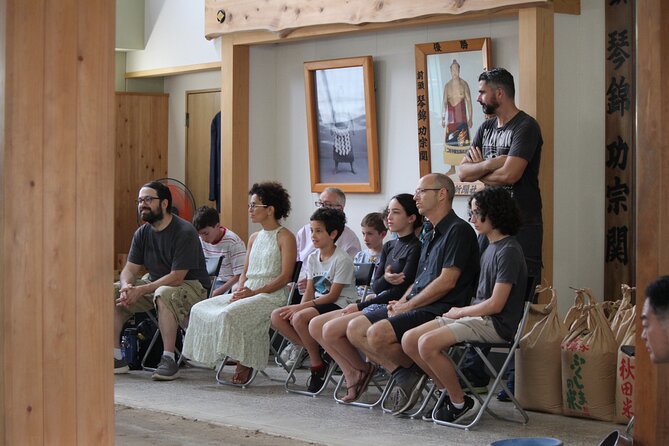
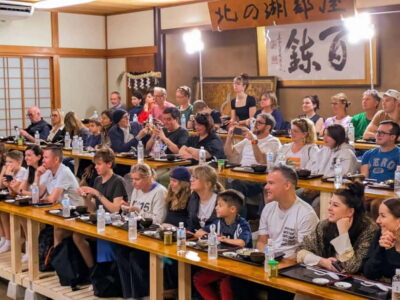
One more detail I think is worth calling out: the training setup is designed so you can watch comfortably. People mention sitting on chairs right next to the action, which makes it easier for families, older kids, and anyone who does not want their morning ruined by standing too long.
- Mt Fuji and Hakone 1-Day Bus Tour Return by Bullet Train★ 5.0 · 26,383 reviews
- 1-Day Tokyo Bus Tour★ 5.0 · 14,250 reviews
- Tokyo: teamLab Planets TOKYO Digital Art Museum Entry Ticket★ 4.6 · 9,779 reviews
- Mt Fuji & Hakone Cruise, Drum Show Bullet Train 1 Day from Tokyo★ 4.0 · 7,413 reviews
- Tokyo: Shinjuku Food Tour (13 Dishes at 4 Local Eateries)★ 5.0 · 6,603 reviews
Lunch and chanko nabe: included fuel, plus a vegetarian option
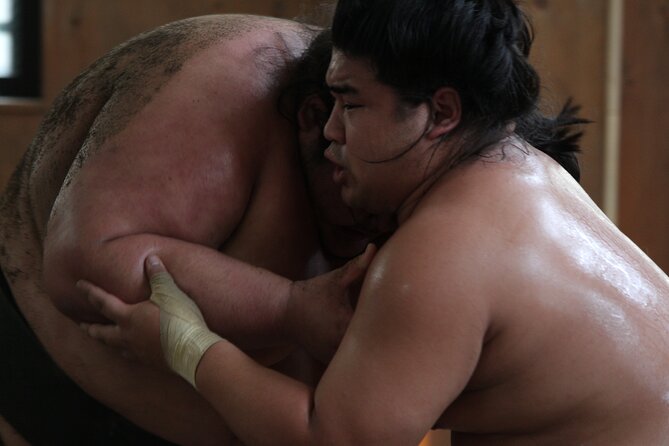
You get lunch included after the practice. The star here is chanko nabe, the traditional hot pot dish associated with sumo wrestlers. The idea is simple: it is designed to provide energy and sustenance for training days, so it fits the rhythm of the stable.
Vegetarian service is available, but you need to plan ahead. They ask you to notify them at least 3 days in advance for vegetarian options. If you are traveling with specific dietary needs and you want to avoid last-minute stress, this is the one request you should handle early.
From a practical point of view, lunch inclusion makes this tour easier to value. You are not hunting for food near a train stop after training. You are fed as part of the experience, and you get a taste of what “sumo daily life” feels like beyond the ring.
The guide makes the history click on the train
The tour is guide-led, and the best moments often happen before you even reach the stable. Guides frequently explain sumo history, rules, and key terms during the train ride. That setup changes how you watch training once you arrive.
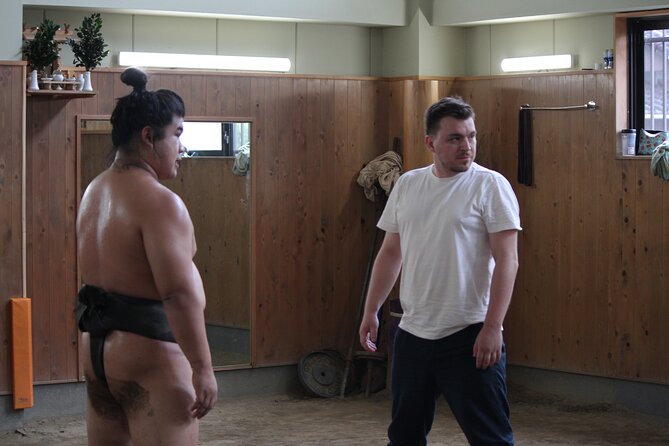
Across different days, guides have included Ryoko, Haruko, Haru, Tomer, and Tammy. The common thread is that they do more than list facts. They help you connect what you see to how sumo works, why certain rituals matter, and what daily training looks like from the athletes’ perspective.
You also get help with translation and communication when needed. Some groups note the wrestlers and stable owner are friendly and willing to interact, and the guides help bridge gaps so you can ask questions and understand the answers.
One small but real bonus from the guide style: some groups report the guide offered directions for the rest of their day after the tour. That is a genuine quality-of-life win in a city where trains are great but navigation can eat time.
Price and value: what you get for about $105
The listed price is $105.71 per person, and the tour runs about 4 hours total. You also get a mobile ticket, which helps reduce last-minute paperwork.
Here is what that price covers based on the experience details:
- Entry to the sumo training session at the stable
- Lunch (including vegetarian option if requested 3 days ahead)
- Time to watch training comfortably seated on chairs
- Photography allowed at the end
- An interactive sumo experience where you can try pushing or wrestling
What is not included:
- Round-trip JR train cost of about ¥1060 (about $7)
Add it up and your true budget is closer to the tour price plus roughly a small extra for the train. For a rare behind-the-scenes stable access, plus lunch, plus hands-on interaction, this often works out as strong value, especially because the group size max is 26.
And if you like “small-group, real-life Japan,” this fits. You are not on a giant bus tour chasing quick photos. You are in a controlled group that can actually interact and ask questions.
Timing and communication: the one risk with early stable mornings
The schedule is tight, and that is not the tour operator’s fault, it is just how training runs. Meeting is at 7:45 AM, and one reported problem came from arriving after the meeting time and missing a large portion of training. The guide and wrestlers were still friendly, but the day felt rushed for the late-arrival group.
So here is my advice: treat the meeting time like an airplane departure. Get there early enough to sort your spot and confirm where the group is gathering. Also, make sure you are set to receive updates. In at least one case, the operator referenced using WhatsApp for day-of messages, so if you do not use it, you may want to double-check how you will get instructions.
One more note: the route can undergo minor changes for weather, transport, or scheduling. That is normal for a half-day that depends on train timing and a stable schedule.
Who should book this half-day sumo stable tour
This is a great match if you want:
- An authentic look at sumo culture, not just a tourist show
- A morning activity that is active and hands-on
- The chance to see training up close, then try your own version of sumo pushing
- A guide-led explanation that covers history, rules, and what you are watching
It is also family-friendly in many cases. One family with three kids under 15 described it as fun for everyone, with chairs right by the training area and a supportive atmosphere around the interaction. If you are traveling with children, the fact that you get seated viewing helps a lot.
I would rethink it if:
- You hate early starts and long train days
- You are worried about following day-of communication
- You want a slow, flexible sightseeing pace rather than a structured training window
Should you book Sumo World in Tokyo?
If your travel style includes genuine access and real interaction, I think this tour is an easy yes. The biggest selling points are the stable visit itself, the hands-on pushing at the end, and lunch included with chanko nabe. You also get a guide who helps you understand what you are seeing, which turns “watching big men wrestle” into “understanding a whole sport system.”
Just be honest about the one potential downside: the day is paced like training, not like sightseeing. Show up on time, watch for updates, and you will get the full arc of the experience.
If you want to spend a half-day in Tokyo that feels truly different from the usual temple, neighborhood, and photo list, this is a strong choice.
FAQ
What time do I need to meet at Ueno Station?
You meet at Ueno Station at 7:45 AM.
How long does the tour last?
The tour is about 4 hours.
Is lunch included, and can I request vegetarian food?
Lunch is included. Vegetarian service is available if you notify the operator at least 3 days in advance.
Where do I visit for the sumo training?
You visit Asahiyama beya (朝日山部屋) for the up-close sumo training session.
Is the stable practice ticket included?
Yes, the admission ticket for the training session at the beya is included.
Can I take photos during the experience?
Photography is allowed at the end of the session.
How much is the round-trip JR train cost?
Round-trip JR train costs are about ¥1060 (about $7) and are not included in the tour price.
How big is the group?
The experience has a maximum of 26 travelers.
Practice Rooms and Show Nights

Newest Tokyo write-ups from the Loving Japan desk

Sumo Wrestling Experiences, side by side.
 ★ 4.8Sumo Show Experience with Chicken Hot Pot and a PhotoFrom $1036,678 reviews
 ★ 4.8Sumo Show and Dining ExperienceFrom $792,742 reviews
 ★ 5.0the SUMO showFrom $891,960 reviews
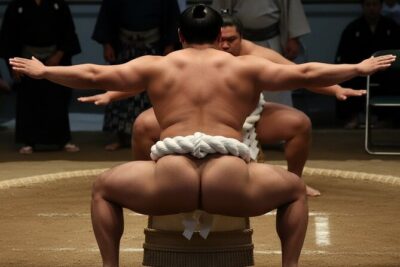 ★ 5.0Tokyo Shinjuku Sumo Show & Experience with PhotoFrom $791,750 reviews
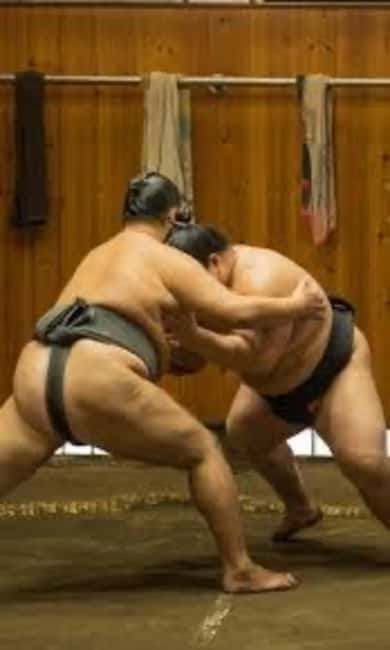 ★ 4.8Sumo Show and Experience in ShinjukuFrom $691,001 reviews
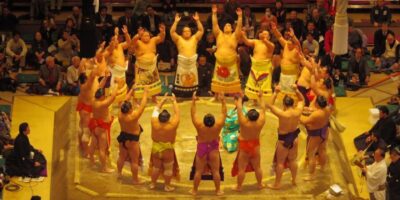 ★ 4.6Sumo Tournament Tour with Chair Seat TicketsFrom $141753 reviews
 ★ 4.5Sumo Show & Experience w/ Optional Kimono & Hot PotFrom $77609 reviews
 ★ 5.0Authentic Sumo Experience in Tokyo: Enter the SanctuaryFrom $171603 reviews
Filed on these lists too