
REVIEW · NAGOYA AND CENTRAL JAPAN
Ise’s Sacred Shrines and Captivating Coastlines – From Nagoya
Ise feels calmer than most big-city days. You get a focused look at Ise-Jingu Geku and the Shinto rhythm of prayer, plus a coast and photo stop at Meotoiwa. I also like that this runs with a small cap and pickup right at Nagoya Station. One thing to plan for: lunch is not included, so you’ll need to use your free time in Okage Yokocho to eat.
This is set up as a smooth, full-day loop (about 9 hours total) with transportation, shrine entry fees, and a guide in English, Spanish, French, or Chinese. If you land with a guide like Shoko-san, expect more than facts, you get playful check-ins like quizzes to help the rules and meaning stick.
Key highlights to know before you go
- Small group (up to 14), so your guide can actually explain and keep things moving at a human pace
- Ise-Jingu Geku first, which helps you understand Shinto etiquette before you hit the other sights
- Okage Yokocho includes time for lunch and shopping, so you can choose what fits your taste and budget
- Meotoiwa + Futami-Okitama Shrine gives you both a photo moment and a chance to draw an omikuji
- Entry fees are included at all tour locations, which removes a common day-trip headache
- Meeting and return back at Nagoya Station keeps logistics simple
In This Review
- A Day Trip to Ise-Jingu From Nagoya, Without the Stress
- Price and Inclusions: What’s Covered and What Isn’t
- Stop 1, Ise-Jingu Geku: Cypress Groves and Shinto Etiquette
- Stop 2, Okage Yokocho: A Scenic Break for Lunch and Souvenirs
- Stop 3, Meotoiwa Rocks and Futami-Okitama: Omikuji and Photo Spots
- The Small-Group Guide Style: Learn the Meaning, Not Just the Sights
- Time in the Van: Planning for a 9-Hour Day
- Who This Tour Fits Best (and When to Skip It)
- Should You Book This Ise Sacred Shrines and Coastlines Tour?
- FAQ
- How long is the Ise sacred shrines and coastlines tour from Nagoya?
- What time does the tour start and where is the meeting point?
- How many people are in the group?
- What languages are available for the guide?
- Which sites are included in the itinerary?
- Is admission included for the shrine stops?
- Is lunch included in the price?
- Do I get anything at Futami-Okitama Shrine?
- Is transportation provided during the tour?
- Can I cancel for a full refund?
A Day Trip to Ise-Jingu From Nagoya, Without the Stress
If you want a Japan day that feels spiritual and scenic, Ise is a smart target. It’s not just about pretty grounds, it’s about how people move through a sacred space, with clear etiquette and meaning. This tour is designed to get you there in a single, organized loop from Nagoya, so you are not burning time figuring out transit and transfers.
I love the practical flow. You start at Nagoya Station at 9:00 am, then you’re guided from shrine grounds to a food street, and finally to the coast-side rocks. You end back where you started, which matters when you have dinner plans later and you do not want to scramble.
A small-group cap of 14 makes the experience feel personal. You can ask questions during the walk-through, and your guide can pace the group without constant stopping and re-starting.
Central Japan, beyond the obvious stop
- From Nagoya: Gujo, Hida Takayama, and Shirakawa-go Day Tour
★ 4.4 · 398 reviews - Ghibli Park 1-Day Bus Tour from Nagoya
★ 4.5 · 277 reviews - From Nagoya: Hida Takayama & Shirakawa-go Tour w/Opt. Lunch
★ 4.5 · 256 reviews - Hiking the Historic Nakasendo Trail [1 Day Tour from Nagoya]
★ 5.0 · 104 reviews
Price and Inclusions: What’s Covered and What Isn’t
At $210.87 per person, the real question is what you get for that money. Here’s the value angle: the tour includes the guide (English, Spanish, French, or Chinese), transportation during the day, and entry fees at all tour stops. It also includes the omikuji lucky fortune at Futami-Okitama Shrine, which is part of the shrine experience, not just a souvenir add-on.
What’s not included is simple. Lunch is not provided, and you handle transportation to and from Nagoya Station on your own. Since the tour lasts around 9 hours total, plan to eat well once you reach Okage Yokocho, because the day is structured and you won’t have an open-ended schedule.
If you compare this to piecing together trains, taxi rides, and separate tickets, the cost starts to make sense. You are paying for a guided route, smooth transit between the specific Ise sites, and the time savings of having everything lined up.
Stop 1, Ise-Jingu Geku: Cypress Groves and Shinto Etiquette
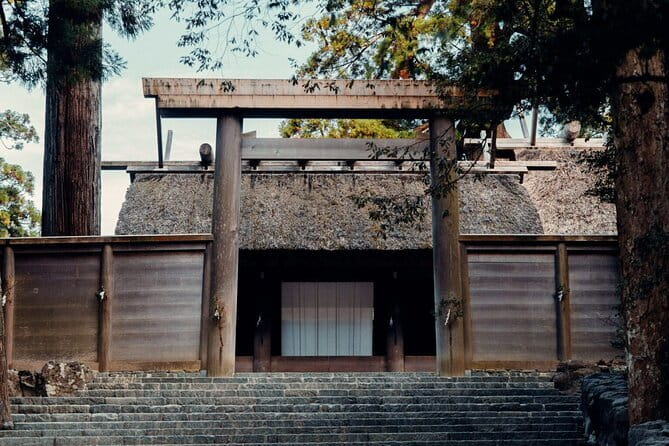
The first stop is Ise Shrine Geku, and it sets the tone for the whole day. Your guide leads you through expansive grounds and towering cypress groves, with explanations of Shinto and what to do as you move through the shrine space. That matters because shrines can feel confusing if you do not know where to stand, when to bow, and how to behave respectfully.
The best part of starting here is that your guide can teach the logic early. Once you understand basic Shinto etiquette in this first sacred area, the later stops feel less like checklist tourism and more like you’re following a cultural rhythm.
Practical tip: wear comfortable shoes. You will be walking shrine grounds, and cypress groves usually mean you’re moving through paths that can be uneven or busy. If the weather turns, you’ll also appreciate having a jacket you can keep on without fuss.
Time-wise, you get about 1 hour 30 minutes here. That’s long enough for the guide’s key explanations, but short enough that you still have energy for the next two stops.
Stop 2, Okage Yokocho: A Scenic Break for Lunch and Souvenirs
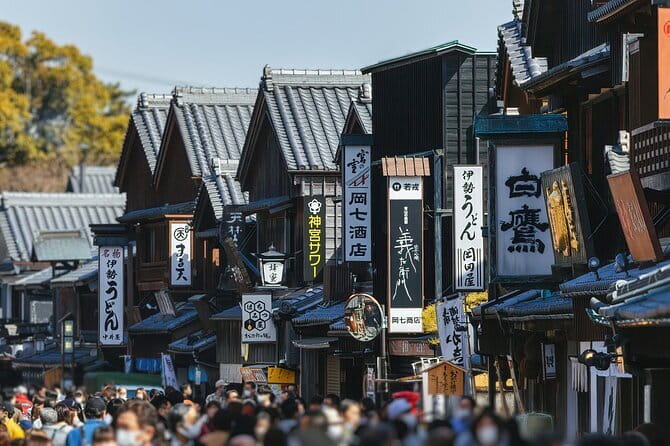
Okage Yokocho is where the day becomes more relaxed and human. You get about 2 hours here, and the pace shifts from shrine etiquette to street wandering. Your guide walks you through the area, then you have time for lunch and free time to shop.
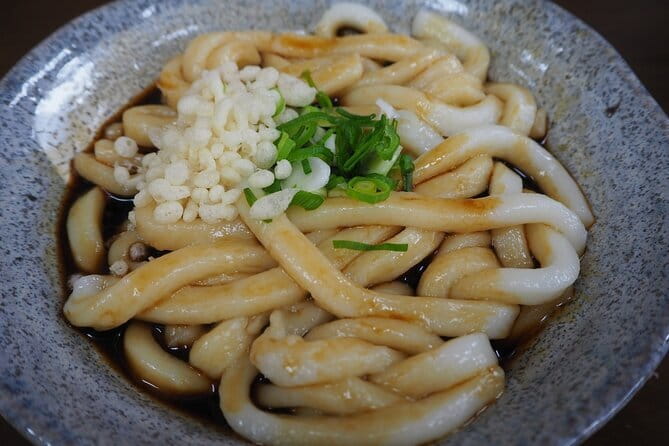
This is also where you can tailor the day. The street is known for local dishes and craft beer, so if you like food browsing, this stop gives you room to choose what you want rather than eating a pre-selected meal. It’s also your easiest chance to pick up small souvenirs without turning the day into a shopping marathon.
One consideration: two hours is enough to browse and eat, but it can feel tight if you stop for lots of snacks or you get delayed by rain. If you want a slower pace, eat earlier in the window. If you want to shop more, decide first whether you’ll treat lunch as a full sit-down meal or a lighter bite.
- Nagoya: Japanese Traditional Sweets making and Tea Ceremony★ 4.9 · 76 reviews
- Magome-juku, Tsumago-juku & Ena-kyo 1d Bus Tour from Nagoya★ 4.6 · 75 reviews
- Ise’s Sacred Shrines and Captivating Coastlines – From Nagoya★ 5.0 · 45 reviews
- Nagoya: Grand Sumo Tournament Tour★ 4.8 · 44 reviews
- Shirakawago & Takayama Bus Tour from Nagoya w/Optional Lunch★ 4.5 · 37 reviews
Stop 3, Meotoiwa Rocks and Futami-Okitama: Omikuji and Photo Spots
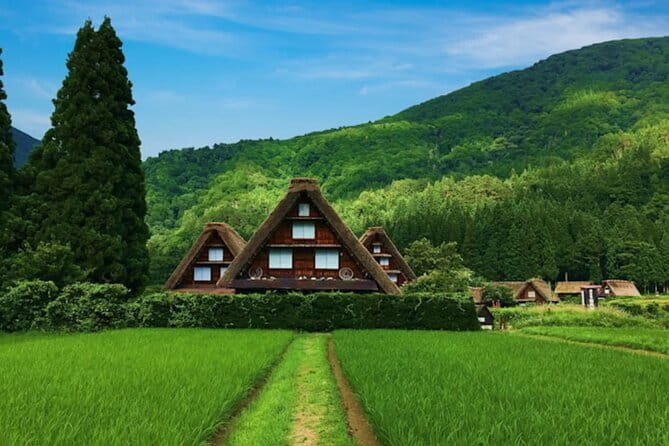
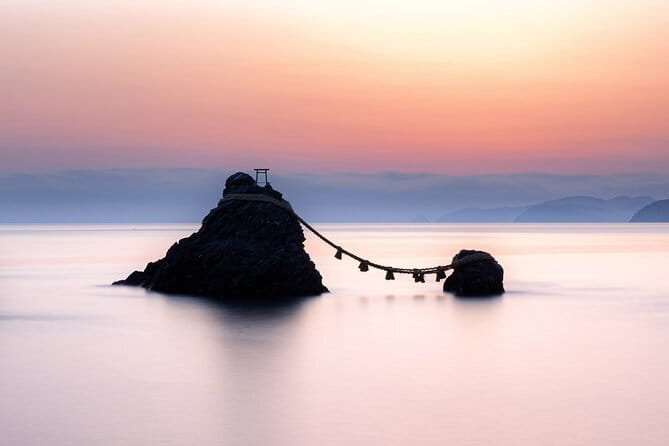
The final stop is where Ise turns photographic. You go to Meoto Iwa (the wedded rocks) and then to Futami-Okitama Shrine. The rocks are an iconic Shinto-related sight, and your guide brings you to the right areas for photos and perspective.
You also get a shrine moment beyond sightseeing: an omikuji lucky fortune at Futami-Okitama. Even if you only care about the cultural side, drawing one is a quick way to participate in the ritual. It gives you a small, tangible souvenir that isn’t just bought, it’s earned through the shrine tradition.
Timing is about 45 minutes at this last stretch. That’s short, but it’s a good use of time because it keeps you from feeling rushed while still finishing the day at a reasonable hour.
Photo tip: if the weather is misty or rainy, the area can look dramatic. You’ll still be able to see the rocks and take pictures, but you might want waterproof outerwear and shoes with grip.
The Small-Group Guide Style: Learn the Meaning, Not Just the Sights
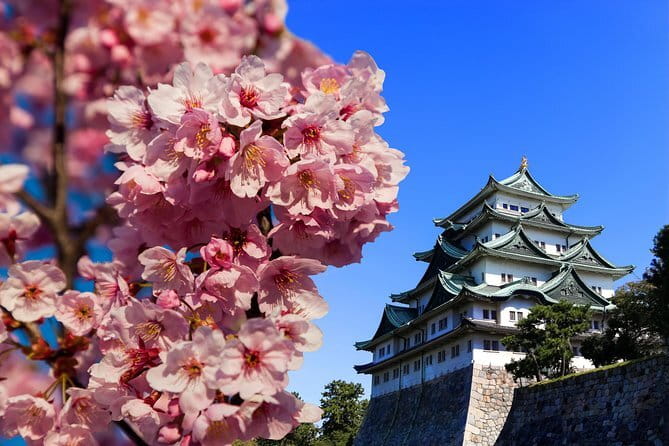
The guide is the difference between seeing temples and understanding what you’re looking at. This tour is led by an experienced guide from Nagoya, with language options in English, Spanish, French, or Chinese. That’s a big deal in Shinto spaces, because the etiquette is not always intuitive.
From the experience feedback, a guide like Shoko-san is especially strong at making the information stick through humor and quizzes. That sounds small, but it actually helps you remember the key points while you’re standing in the real setting. When you’re in the moment, it’s hard to absorb a lecture, but quick prompts and interactive explanations make the walk-through easier to follow.
Also, the pacing is described as not rushed. That usually means your guide gives you time to ask questions, and you are not constantly herded from one photo spot to the next. In sacred places, this kind of tempo matters.
Time in the Van: Planning for a 9-Hour Day
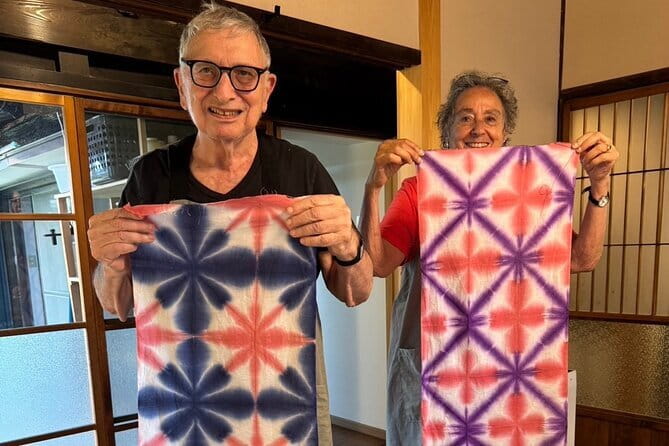
This is a full-day outing, around 9 hours including travel time between stops. That’s normal for Ise from Nagoya, but it’s still a long stretch, so you’ll enjoy it more if you treat it like a single day mission rather than fitting it around tight plans.
You start at 9:00 am and you return to the meeting point at the end. That round-trip structure is practical if you plan dinner in Nagoya later, or if you want to avoid late-night transit.
Bring a water bottle if you like. Lunch is not included, and Okage Yokocho will be your main food window. Also, because shrine grounds and coastal areas can be weather-dependent, pack a light layer and consider a compact umbrella.
One more practical note: this is a small group with a maximum of 14. That tends to reduce waiting around, but it also means you’ll want to be ready when the guide calls the group back together.
Who This Tour Fits Best (and When to Skip It)
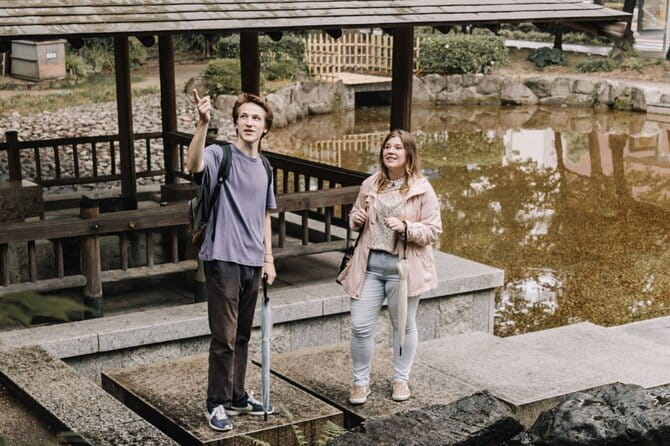
This tour fits best if you want a structured day that covers the core Ise sights without you doing the logistics homework. If you care about Shinto etiquette and context, the guided walk at Ise-Jingu Geku is a strong reason to choose this plan.
It also works well if you’re short on time. From Nagoya, it’s a straightforward full-day option that still feels meaningful, because you have actual guided time at each stop instead of quick photo sprints.
Skip it if you want total independence. Okage Yokocho has free time, but you’re still on a set schedule for the shrine stops and transportation between them. And if you hate group settings, the day can feel guided and scheduled even with the small size.
If you’re traveling solo or with friends, the small group can be a nice way to learn without feeling like you’re on a crowded bus. The tour is described as having a limited number of people, which is exactly what you want for places where respectful behavior and attention to detail are part of the experience.
Should You Book This Ise Sacred Shrines and Coastlines Tour?
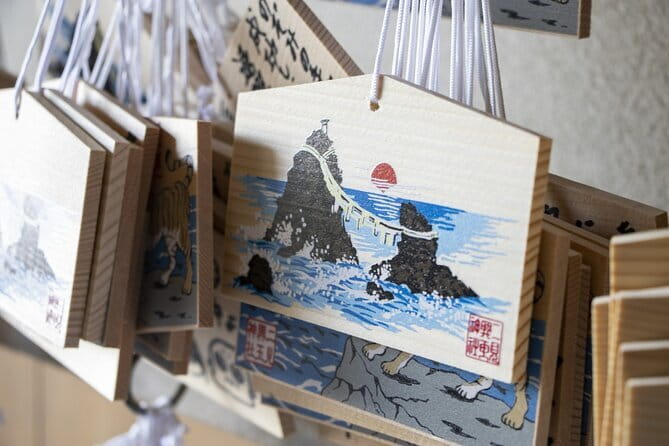
Yes, I’d book it if your goal is a calm, well-organized day that connects Shinto etiquette with meaningful sights. The biggest reasons are the included guide, included entry fees, and the way the route makes sense: start with Ise-Jingu Geku to understand the rules, then move to Okage Yokocho for food and shopping, and finish with Meotoiwa and Futami-Okitama for the photo and omikuji ritual.
I’d think twice if lunch planning is a dealbreaker for you. You will need to manage meals on your own during the Okage Yokocho free time. And because it’s a full-day plan (about 9 hours), it’s not for people who want a quick half-day experiment.
If you like guided context, small groups, and a day that feels more thoughtful than rushed, this is a strong pick for your Ise day from Nagoya.
FAQ
How long is the Ise sacred shrines and coastlines tour from Nagoya?
The tour is approximately 9 hours, including travel time between activities.
What time does the tour start and where is the meeting point?
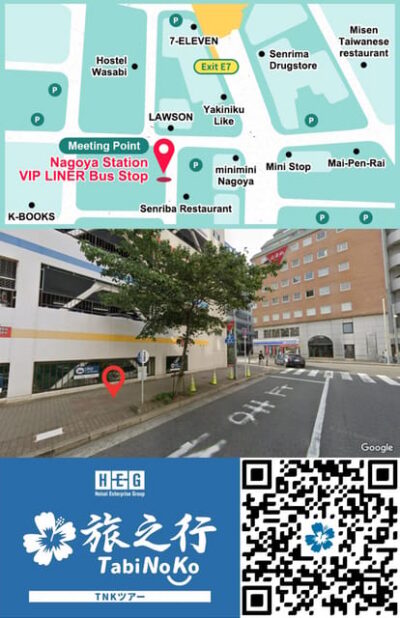
It starts at 9:00 am. The meeting point is Nagoya Station, 1-chōme-1-4 Meieki, Nakamura Ward, Nagoya, Aichi 450-0002, Japan.
How many people are in the group?
The tour has a maximum of 14 travelers.
What languages are available for the guide?
You can choose English, Spanish, French, or Chinese speaking guides.
Which sites are included in the itinerary?
The stops are Ise Shrine Geku, Okage Yokocho, and Meotoiwa Rocks with Futami-Okitama Shrine.
Is admission included for the shrine stops?
Yes. Entry fees at all tour locations are included.
Is lunch included in the price?
No. Lunch is not included, but there is time for lunch during the Okage Yokocho stop.
Do I get anything at Futami-Okitama Shrine?
Yes. You receive an omikuji (lucky fortune) at Futami-Okitama Shrine.
Is transportation provided during the tour?
Yes. Transportation is included during the tour, and the experience ends back at the meeting point.
Can I cancel for a full refund?
Yes. You can cancel for free up to 24 hours in advance of the experience start time for a full refund.
Central Japan Beyond the Obvious


Newest Nagoya write-ups from the Loving Japan desk

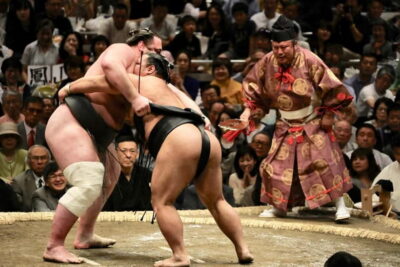
Nagoya and Central Japan, side by side.
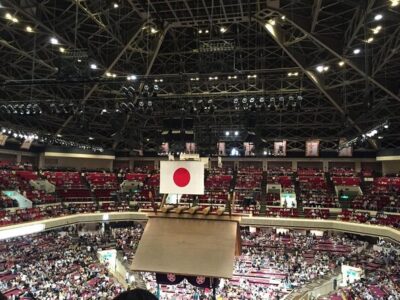 ★ 5.0Ultimate Sumo Tournament: Tokyo, Osaka, Nagoya, FukuokaFrom $184468 reviews
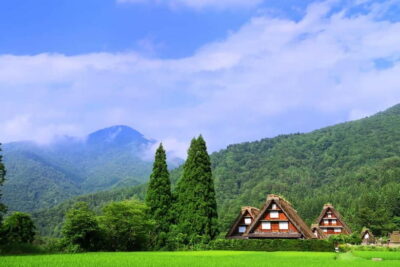 ★ 4.4From Nagoya: Gujo, Hida Takayama, and Shirakawa-go Day TourFrom $61398 reviews
 ★ 4.5Ghibli Park 1-Day Bus Tour from NagoyaFrom $179277 reviews
 ★ 4.5From Nagoya: Hida Takayama & Shirakawa-go Tour w/Opt. LunchFrom $61256 reviews
 ★ 5.0Hiking the Historic Nakasendo Trail [1 Day Tour from Nagoya]From $210104 reviews
 ★ 5.0Nagoya Highlight Tour guided by a friendly localFrom $11286 reviews
 ★ 4.9Japanese Traditional Sweets making and Tea CeremonyFrom $1876 reviews
 ★ 4.6Magome-juku, Tsumago-juku & Ena-kyo 1d Bus Tour from NagoyaFrom $6175 reviews
Filed on these lists too