
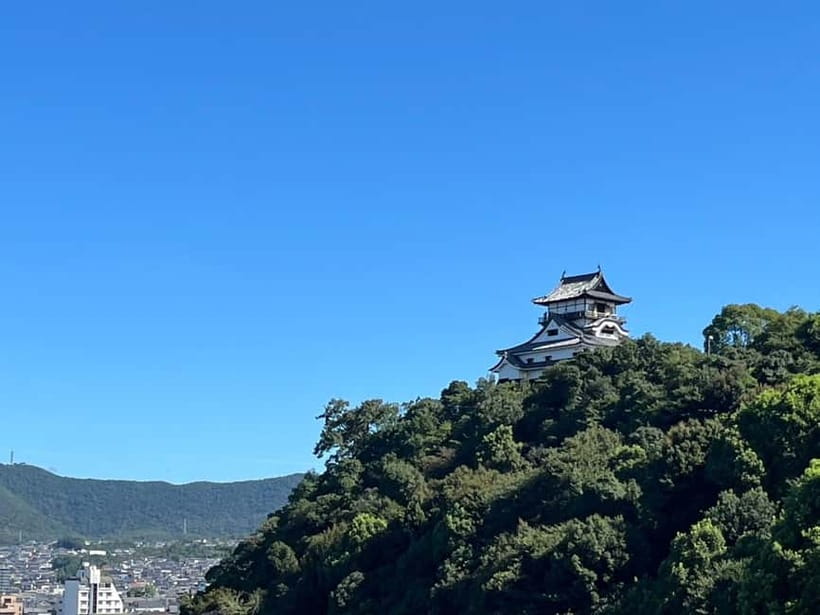
REVIEW · NAGOYA AND CENTRAL JAPAN
From Nagoya: Inuyama Castle, Ena Gorge, Magome, Tsumago Tour
One day, four big scenes, and zero train stress. I especially like Inuyama Castle for its old-school toughness and Ena Gorge for the way it looks man-made but feels wild. I do think the only real drawback is the walking and the fact you will need cash for small shops along the post towns.
What makes this tour practical is the setup: you meet at Nagoya Station West Exit, get round-trip bus transport, and have a live guide moving you between stops. I also like that you get guided time at each major site, plus actual breathing room in Magome-juku and Tsumago-juku, so you can linger for snacks or photos.
The day runs about 10 hours, so it is not a slow stroll. If you dislike steep stone streets or canyon viewpoints, wear grippy shoes and expect to be on your feet.
In This Review
- Key highlights you should care about
- Starting at Nagoya Station West Exit, and why the meet-up matters
- Inuyama Castle: one of Japan’s oldest surviving castles
- Ena Gorge: a dam-made lake that changes with the seasons
- Magome-juku on the Nakasendo: stone streets, wells, and snack time
- Tsumago-juku: preserved post-town streets plus the walking route between
- Pace, timing, and how the 10 hours feel on the ground
- Price and value for about $60 per person
- What to bring for a smoother day (and fewer regrets)
- Should you book this Nagoya to Inuyama, Ena Gorge, Magome, and Tsumago day tour?
- FAQ
- Where do I meet for the tour in Nagoya?
- How long is the tour?
- What does the price include?
- Is Inuyama Castle admission included?
- What costs are not included?
- What languages does the tour guide or driver use?
- How much walking should I expect?
- What should I bring?
- What is the cancellation and payment flexibility?
Key highlights you should care about
- Inuyama Castle’s rare structure: 3 floors outside, 4 inside, and 2 underground floors
- Ena Gorge’s season-shift views: cherry blossoms, maple color, and even winter bird spotting
- Magome-juku’s Nakasendo street life: stone-paved lanes, preserved wells, waterwheels, and plenty of small eats
- Tsumago-juku with hiking access: the post road between towns is popular for walking
- Nagoya round-trip bus convenience: fewer logistics headaches once you board
Central Japan, beyond the obvious stop
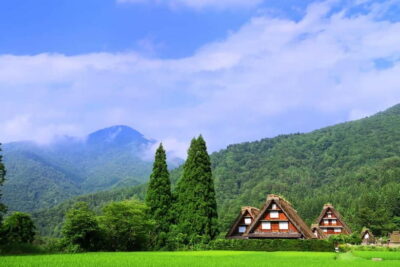
- From Nagoya: Gujo, Hida Takayama, and Shirakawa-go Day Tour
★ 4.4 · 398 reviews - Ghibli Park 1-Day Bus Tour from Nagoya
★ 4.5 · 277 reviews - From Nagoya: Hida Takayama & Shirakawa-go Tour w/Opt. Lunch
★ 4.5 · 256 reviews - Hiking the Historic Nakasendo Trail [1 Day Tour from Nagoya]
★ 5.0 · 104 reviews
Starting at Nagoya Station West Exit, and why the meet-up matters
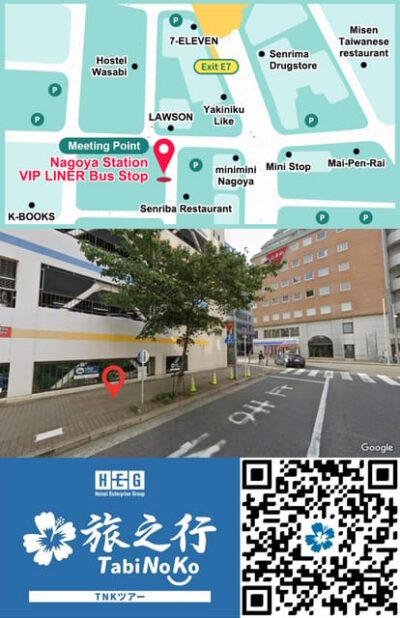
Your day begins near Nagoya Station West Exit at the BIC CAMERA. Behind it, you will find a Ministop, which is where you line up for departure. The timing matters here: arrive about 10 minutes before the bus leaves, so you are not rushing while others are already loading up.
This is the kind of start that works well for first-timers. You do not need to plan transfers, tickets, or platform changes across multiple legs. You simply get on, ride, and switch locations as a group.
One small consideration: seating can affect comfort on a long ride. If you care about where you sit, it is worth paying attention to any seat assignment rules your operator uses. A little comfort helps when you have multiple walking blocks later.
Inuyama Castle: one of Japan’s oldest surviving castles
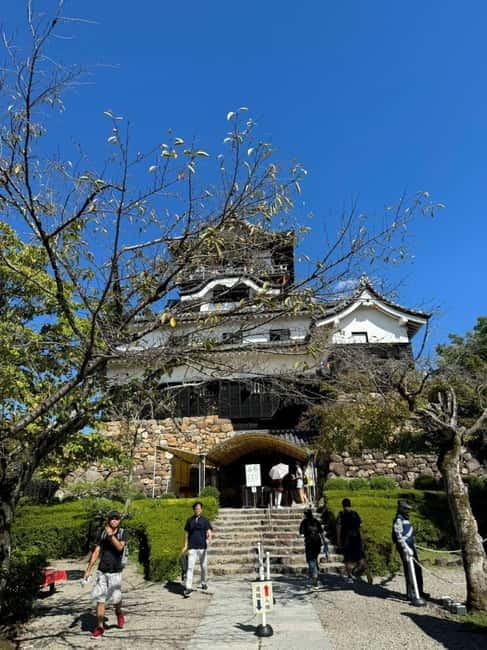
Inuyama Castle is the first major stop, and it is a big deal for a few reasons. Built during the Muromachi shogunate period, it sits on a hill beside the Kiso River, and it is also known as Baidi Castle. The name connects to a poem by Li Bai about early departure from Baidi Castle, which gives you a fun cultural hook as you look at the fortress perched above the water.
This is also one of Japan’s “twelve ancient castles,” and it is recognized as one of the Four National Treasure Castles, grouped alongside Himeji, Matsumoto, and Hikone. What you will notice on site is the age and the layout. It has 3 floors on the outside, 4 inside, and 2 underground, which is rare compared with typical Japanese castle structures.
If you want the best photos, go slow on the approach and pause where you can get river-and-hill angles. The castle walk is guided and paced, so wear shoes that handle uneven ground.
Ena Gorge: a dam-made lake that changes with the seasons
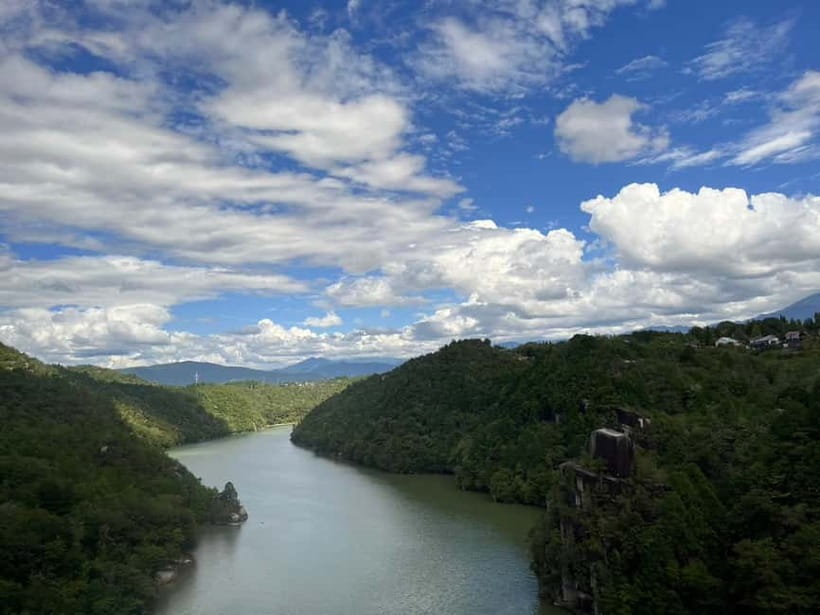
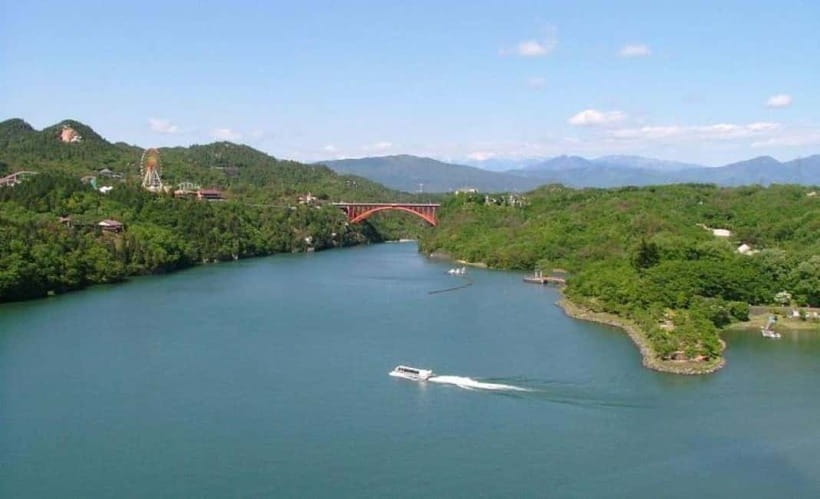
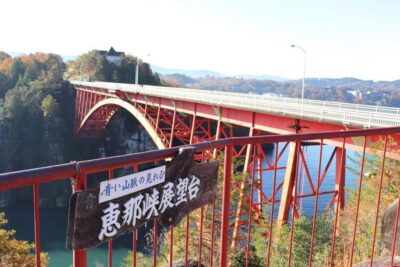
After Inuyama, the tour moves to Ena Gorge, a man-made lake formed when the Kiso River was intercepted to build the Oi Dam about 80 years ago. The name Ena Gorge was given by geographer Shige Subaru in 1920, and the canyon look comes from erosion patterns that continue upstream from the lake area into the Nakatsu River.
Two rock features are key. One is Umbrella Rock, shaped like something piercing downward into the ground. The other is a red rock covered with brown moss, both considered representative formations in the protected canyon area.
This is a stop I would pick for atmosphere, not just views. The charm shifts a lot by season:
- Spring: Ren Park has around 200 cherry blossom trees, and azaleas also show up.
- Summer: the red Einakyo Bridge pops against deep green trees.
- Autumn: red leaves and maples tint the lake surface.
- Winter: mandarin ducks and starlings make it good for bird observation.
Even if your visit is not in peak season, you still get that canyon rhythm: rocks, water, and bridge views in a single compact area.
- Nagoya Highlight Tour guided by a friendly local★ 5.0 · 86 reviews
- Nagoya: Japanese Traditional Sweets making and Tea Ceremony★ 4.9 · 76 reviews
- Magome-juku, Tsumago-juku & Ena-kyo 1d Bus Tour from Nagoya★ 4.6 · 75 reviews
- Ise’s Sacred Shrines and Captivating Coastlines – From Nagoya★ 5.0 · 45 reviews
- Nagoya: Grand Sumo Tournament Tour★ 4.8 · 44 reviews
Magome-juku on the Nakasendo: stone streets, wells, and snack time
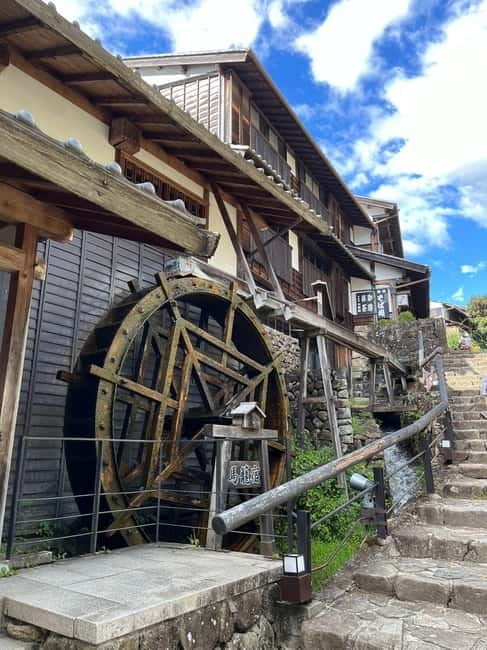
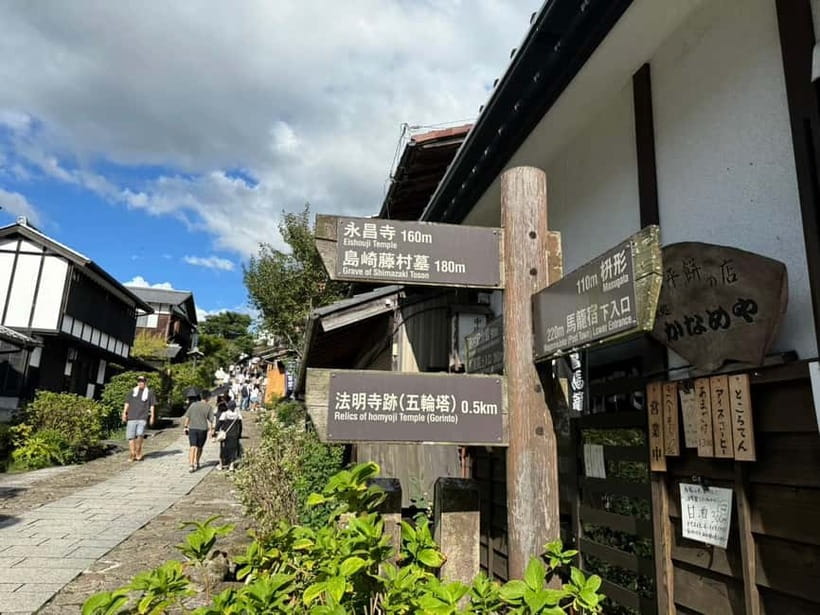
Next comes Magome-juku, one of the famous post towns on the Nakasendo road. It is the 43rd of the 69 official stations, and it sits about 332 kilometers from Edo Nihonbashi, the start of the Nakasendo route. The setting is a steep mountain approach built with stone on both sides, so you feel like you are walking the old travel route instead of just visiting a museum.
The historical context is useful here. After Tokugawa Ieyasu unified the country, roads were repaired to support movement and trade. The Nakasendo became the 540-kilometer route merchants used, because it was the main travel way linking the east and west inland.
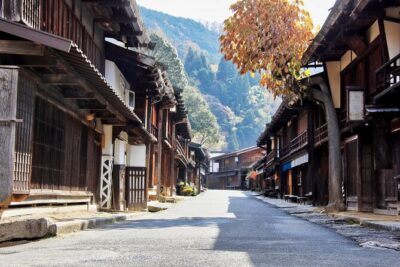
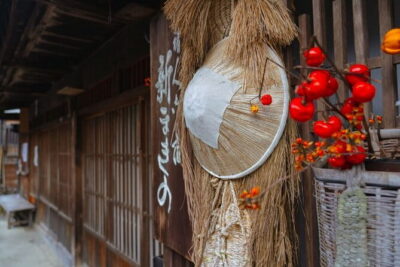
On your walk through Magome-juku, look for the details that keep it from feeling staged: streets still paved with stone, wooden houses lined with shops, and preserved wells and waterwheels that hint at daily life. You can expect small businesses clustered along the lane, including tea shops, izakayas, art shops, and places to stay. Colorful flowers in front of homes also help you read the town layout fast.
Practical tip: use some of your free time to grab an early snack before you wander far. The charm is in the stop-and-look rhythm.
Tsumago-juku: preserved post-town streets plus the walking route between
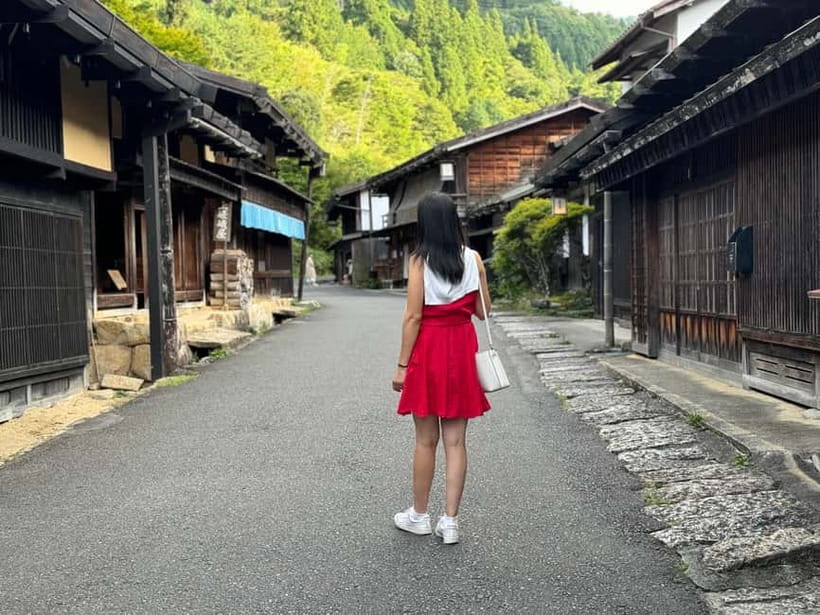
Tsumago-juku is the final town stop, and it keeps the Nakasendo atmosphere going. It is smaller and quieter in feel compared with a major city, but that is exactly what makes it relaxing. You get guided time plus free time for photos, browsing, and slow strolling.
A big reason this place matters is what surrounds it. The post road between Magome-juku and Tsumago-juku has become a popular hiking route, and it received one star in the Michelin Green Guide. Even if you do not tackle a long segment, just walking a bit on the preserved route gives you a better sense of distance and travel conditions back then.
What I like most is how the town functions as a place, not just a backdrop. You can observe older-style buildings, linger in the lane, and let the pace slow down after castles and canyon views.
If you want photos, come prepared to shoot from different heights. Some angles are better when you pause rather than rushing to the next corner.
Pace, timing, and how the 10 hours feel on the ground
This is a full-day loop, and the timing is built around short visits plus real town free time. The ride to the first stop is about 1 hour, then you get a guided visit and walk at Inuyama for around 1 hour. Transfers between stops are spaced to avoid long waits, with roughly 1.5 hours heading toward the next big area.
At Ena Gorge, your time is shorter, about 30 minutes for sightseeing and walking. That is not a problem if you treat Ena as a viewpoint-and-photos stop. You will see the core rock features and get a sense of the canyon system without getting exhausted.
Magome-juku is where you slow down. You get about 1.5 hours, including lunch and street food time, plus guided context and free time. Then Tsumago-juku follows for about 1 hour, with guidance and space to explore.
Back to Nagoya is around 2 hours by bus. The whole day is long enough that comfortable shoes are not optional. Bring water, and use every break, even short ones, to reset.
Price and value for about $60 per person
At around $60 per person, the value comes from what you are not paying for separately. Your price covers round-trip bus transportation from Nagoya, the live guide, and admission for Inuyama Castle (First Avenue ticket). That is a solid bundle for a day that would otherwise require multiple train rides and separate tickets.
Meals are the one cost you should plan for. Dining expenses are not included, and you will likely want to spend some money on street food in Magome-juku and snacks as you wander. The tour also does not cover personal purchases, so bring enough cash for little purchases where credit cards might not work.
For this price, I think the main tradeoff is time. You are getting breadth, not depth. You will not spend all day inside a single site, and Ena is quick. If you want slow, museum-level immersion, you might prefer a different style tour. If you want a great sampler day from Nagoya, this hits the sweet spot.
What to bring for a smoother day (and fewer regrets)
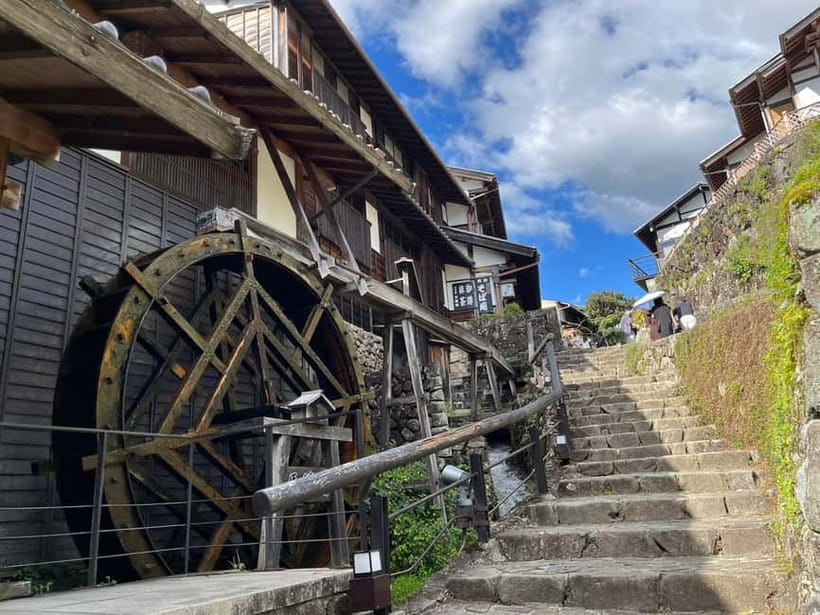
You will walk more than you expect for a bus tour, and the ground can be uneven, especially around old post-town streets and castle areas. Wear comfortable shoes with good grip. Add a layer you can adjust because weather changes can happen across the day.
Bring:
- A camera, since you will want photos at the castle, canyon rocks, and old streets
- Water, because you are on your feet for hours
- Cash, for meals and small purchases along the route
- Weather-appropriate clothing, based on the day you book
If you are someone who hates carrying a bag all day, keep it light. A small daypack is usually easier than a large tote when you squeeze between buildings in narrow lanes.
Also, since languages on the tour are Japanese and Chinese, do not assume every explanation will be in your exact language. The guide setup can include audio support, but the safest plan is to be ready with basic curiosity and photo notes.
Should you book this Nagoya to Inuyama, Ena Gorge, Magome, and Tsumago day tour?
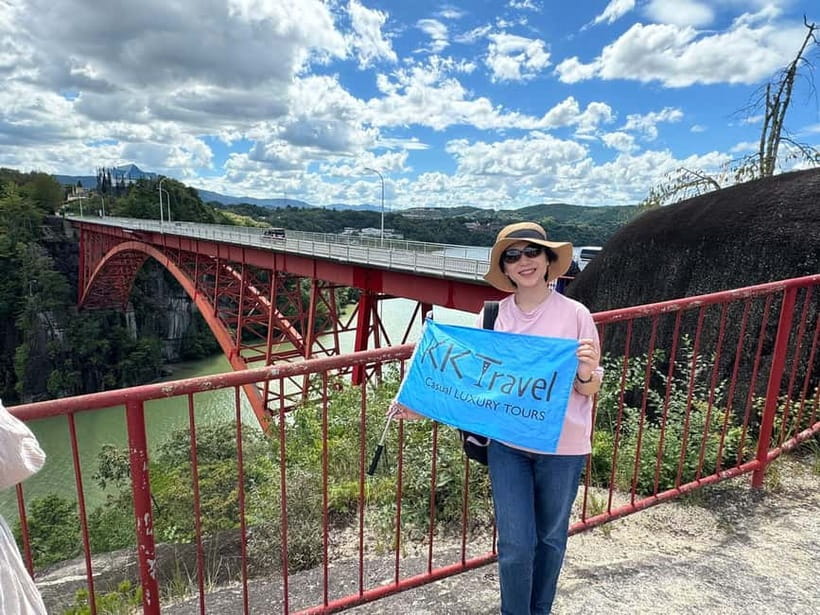
Book it if you want a clean, efficient day that mixes major sights with real old-town atmosphere. This route is a smart choice when you are based in Nagoya and want to hit castle views, canyon rock formations, and the Nakasendo post towns without figuring out transfers.
Pass or consider another option if you:
- hate walking and uneven stone streets
- want long stays at a single site (this is a sampler day)
- do not plan to buy meals and small snacks in the towns
One more decision tip: match the season to Ena Gorge. If you are visiting in spring or autumn, you get the strongest natural show. In winter, bring your birdwatching mindset.
If you like well-paced touring, classic Japan visuals, and easy logistics, this day trip is a very practical way to spend your time.
FAQ
Where do I meet for the tour in Nagoya?
You meet at the Ministop behind BIC CAMERA at Nagoya Station West Exit.
How long is the tour?
The tour duration is 10 hours.
What does the price include?
It includes round-trip bus transportation from Nagoya, Inuyama Castle First Avenue admission, and a live tour guide.
Is Inuyama Castle admission included?
Yes, Inuyama Castle First Avenue admission is included.
What costs are not included?
Dining expenses and personal expenses are not included, along with any other expenses not mentioned.
What languages does the tour guide or driver use?
The guide and driver languages are Japanese and Chinese.
How much walking should I expect?
There is guided walking at multiple stops, including about 1 hour at Inuyama Castle, about 30 minutes at Ena Gorge, about 1.5 hours at Magome-juku, and about 1 hour at Tsumago-juku, so comfortable shoes are important.
What should I bring?
Bring comfortable shoes, a camera, water, cash, and weather-appropriate clothing.
What is the cancellation and payment flexibility?
You can cancel up to 24 hours in advance for a full refund. You can also reserve now and pay later, keeping travel plans flexible.
Central Japan Beyond the Obvious



Newest Nagoya write-ups from the Loving Japan desk


Nagoya and Central Japan, side by side.
 ★ 5.0Ultimate Sumo Tournament: Tokyo, Osaka, Nagoya, FukuokaFrom $184468 reviews
 ★ 4.4From Nagoya: Gujo, Hida Takayama, and Shirakawa-go Day TourFrom $61398 reviews
 ★ 4.5Ghibli Park 1-Day Bus Tour from NagoyaFrom $179277 reviews
 ★ 4.5From Nagoya: Hida Takayama & Shirakawa-go Tour w/Opt. LunchFrom $61256 reviews
 ★ 5.0Hiking the Historic Nakasendo Trail [1 Day Tour from Nagoya]From $210104 reviews
 ★ 5.0Nagoya Highlight Tour guided by a friendly localFrom $11286 reviews
 ★ 4.9Japanese Traditional Sweets making and Tea CeremonyFrom $1876 reviews
 ★ 4.6Magome-juku, Tsumago-juku & Ena-kyo 1d Bus Tour from NagoyaFrom $6175 reviews
Filed on these lists too