
REVIEW · NARA DEER PARK AND TODAI-JI
From Osaka: Kyoto, Nara, Fushimi Inari & Arashiyama Day Tour
A day trip that hits Kyoto’s top sights fast. This Osaka to Kyoto tour strings together Nara Park deer, Fushimi Inari’s torii gates, and Arashiyama’s bamboo forest in one well-paced day. I especially like the way the tour guide explains what you are seeing and helps keep the timing sane.
My other big like is the Arashiyama stop, because you get a real block of free time plus small “extra” moments like the footbath and the Kimono Forest light poles near Arashiyama Station. One possible drawback: there is a fair amount of walking in multiple areas, so if your feet are sensitive, bring proper shoes and expect a long day.
Key details at a glance
- Price and format: $56 per person, round-trip air-conditioned bus, shared group tour with a live guide
- Top stops: Nara Park, Fushimi Inari Taisha, Arashiyama (bamboo grove, optional train route, footbath, Kimono Forest light poles)
- Time on the ground: Designed for photos plus guided highlights, with free time in Arashiyama
- Best for: First-timers who want the “greatest hits” without juggling train connections all day
In This Review
- Five things that make this day tour work (and where it shines)
- From Osaka to Kyoto, why this route saves you time
- Meeting up at Nipponbashi, the part that can make or break the day
- Nara Park deer feeding, the moment everyone remembers
- Fushimi Inari Taisha and the thousand torii gates
- Arashiyama basics, how to use your free time wisely
- The footbath reset and why it is not just a gimmick
- Kimono Forest near Arashiyama Station, the last photos before you head back
- Optional Sagano Romantic Train, when it’s worth the extra cost
- How long it really feels, and how to pace yourself
- Guides and group vibe, what the experience feels like in practice
- Who should book this tour, and who should skip it
- Price and value: is $56 a good deal for this many stops?
- Small details that will save you stress
- Should you book this Osaka to Kyoto, Nara, Fushimi Inari and Arashiyama day tour?
- FAQ
- What is the meeting point for the tour in Osaka?
- What stops are included in the tour?
- Is the Sagano Romantic Train included?
- How long does the tour take?
- What languages are available for the guide?
- What should I bring, and is there anything not allowed?
- Who should avoid this tour?
Five things that make this day tour work (and where it shines)
- Three icons, one schedule: Deer at Nara, torii gates at Fushimi Inari, bamboo at Arashiyama. You do not have to pick just one.
- A guide who helps you move: In past tours, guides like Yang and Jack helped with facts and meet-up clarity, and they even offered photo help.
- Arashiyama gives you breathing room: You get a 2.5-hour window to explore on your own, not just a quick stop.
- Optional Sagano Romantic Train ride: If you want river and countryside views along the route, you can add it at your own expense.
- Feet matter here: The Arashiyama Station hot spring style footbath is a smart reset before you head back to Osaka.
Still in Arashiyama? Keep going west
- Sagano Romantic Train & Arashiyama, Kiyomizudera, Fushimi Inari Taisha Day Tour
★ 4.5 · 171 reviews - Full Day Kyoto Tour : Bamboo Forest, Golden Temple, Fushimi Inari
★ 5.0 · 84 reviews - Katsuo-ji Temple, Arashiyama Forest, & Nara Park
★ 4.0 · 37 reviews - Kyoto Highlights: Arashiyama & Fushimi Inari by Private Car
★ 5.0 · 35 reviews
From Osaka to Kyoto, why this route saves you time
If you are based in Osaka, getting to Kyoto’s big sights can feel like a coordination puzzle. This tour reduces the stress by bundling the transport into a single round-trip bus ride, with expressway tolls, fuel costs, parking fees, and a professional driver handled for you.
The day is built around getting you to three “must-visit” areas without burning hours on transfers. It also helps that the tour includes a multilingual guide (English, Japanese, Chinese), so you are not stuck translating signage all day long.
Meeting up at Nipponbashi, the part that can make or break the day
The meeting point is at Nipponbashi Exit 2 in the Namba Shinsaibashi area, at 1-chōme-3-6 Nipponbashi, Chuo Ward, Osaka. You meet at 7:50AM and the bus departs at 8:00AM, so plan to arrive early and avoid the usual crowd confusion.
Bring comfortable shoes and expect that “a little walking” will add up. Also, they ask you not to eat food in the vehicle, and you will want water for the outdoor stops.
One practical tip: the guide will be holding a yellow flag, and the tour notes that late arrivals may not be refunded. That is rare, but it is worth respecting because so many groups gather in the same area.
Nara Park deer feeding, the moment everyone remembers
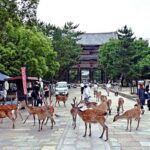
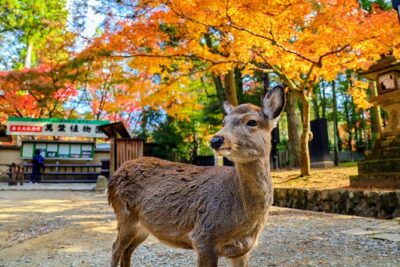
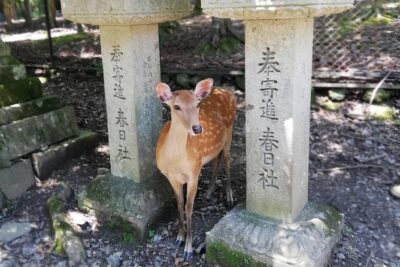
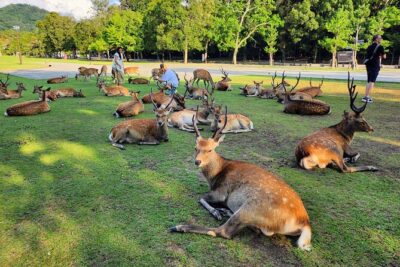
Nara Park is the kind of place where you feel like you stepped into a living postcard. You start with a photo stop and a walk for about 1 hour, surrounded by greenery and deer that roam freely.
The deer here are famous for being friendly and interactive, including bowing in exchange for deer crackers. That simple ritual is usually what makes the stop feel special, even if you have seen deer in zoos back home.
The trade-off is that Nara can be busy, and the time you get is intentionally limited. In one real-world example from a New Year period, the schedule still managed to hit the other stops, but the group ended up with a bit more time in Nara than some people would prefer. If you are trying to move quickly, bring patience and keep your focus on photos and the best deer-view areas near the main paths.
Which temple to give the morning to, reviewed
- Kyoto: Immersive Arashiyama & Fushimi Inari by Private Car★ 5.0 · 35 reviews
- From Osaka: Kyoto, Nara, Fushimi Inari & Arashiyama Day Tour★ 4.4 · 19 reviews
- From Osaka: Nara, Kiyomizu-dera & Fushimi Inari Trip★ 4.4 · 18 reviews
Fushimi Inari Taisha and the thousand torii gates
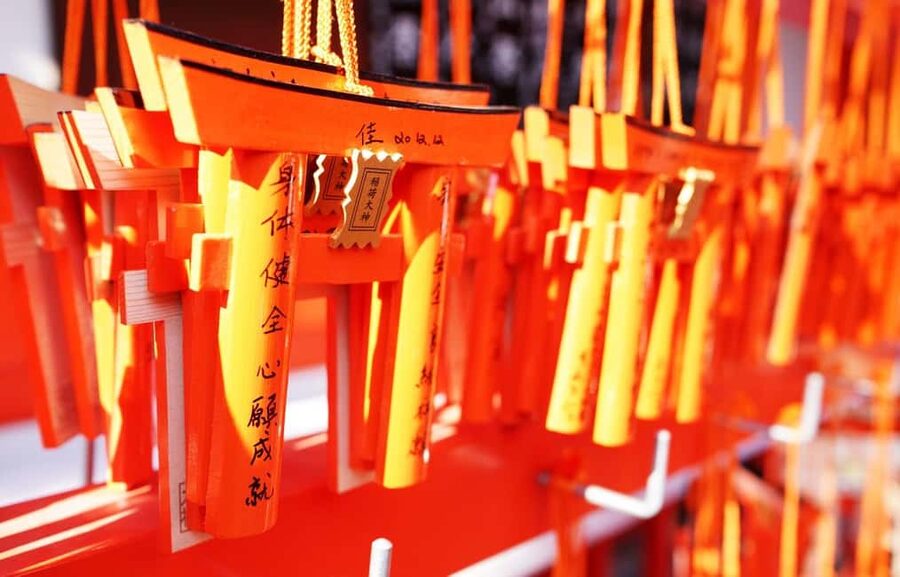
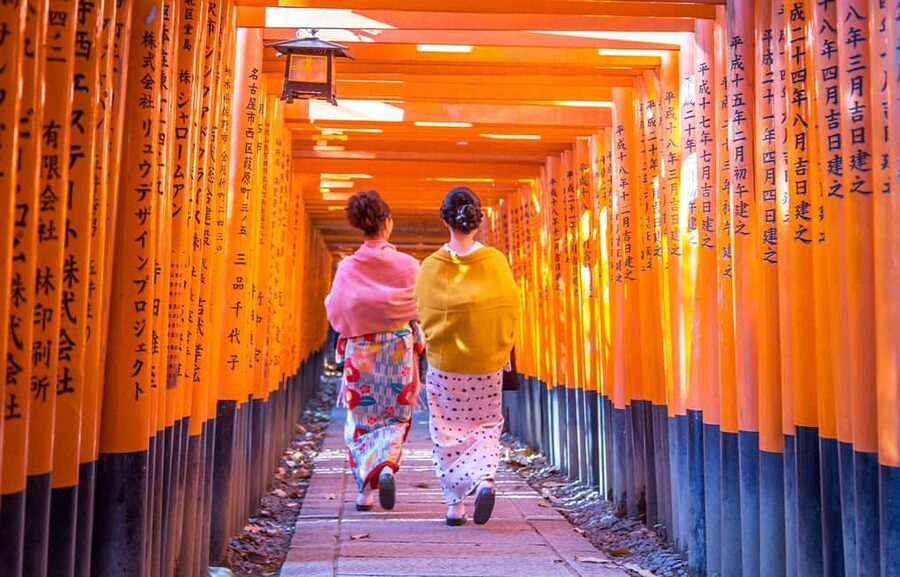
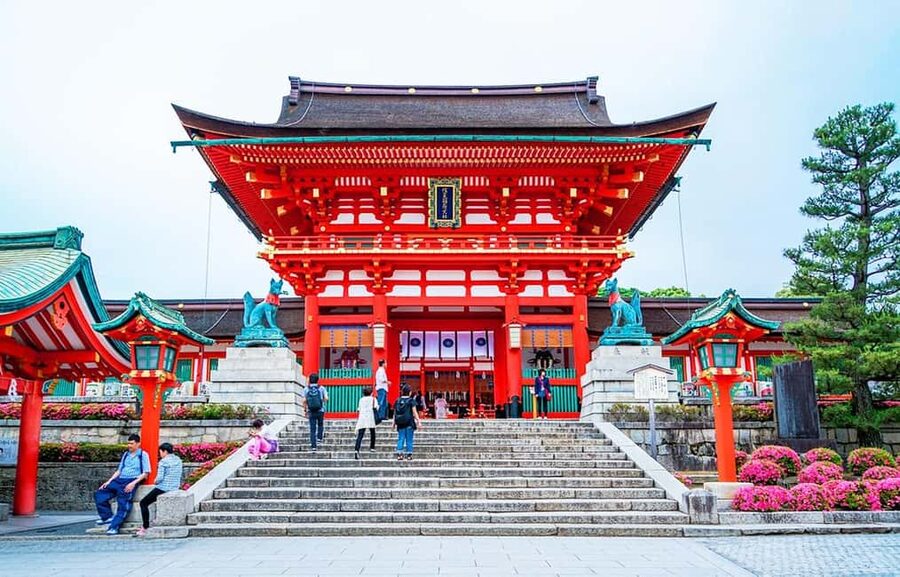
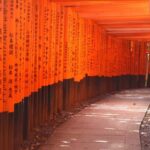
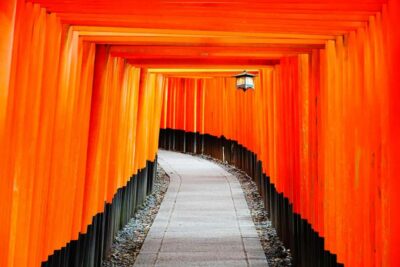
Next comes one of Japan’s most recognizable sights: Fushimi Inari Taisha and its “thousand torii gates” path up Mount Inari. You get about 80 minutes with a guided visit plus time to sightseeing and absorb the atmosphere.
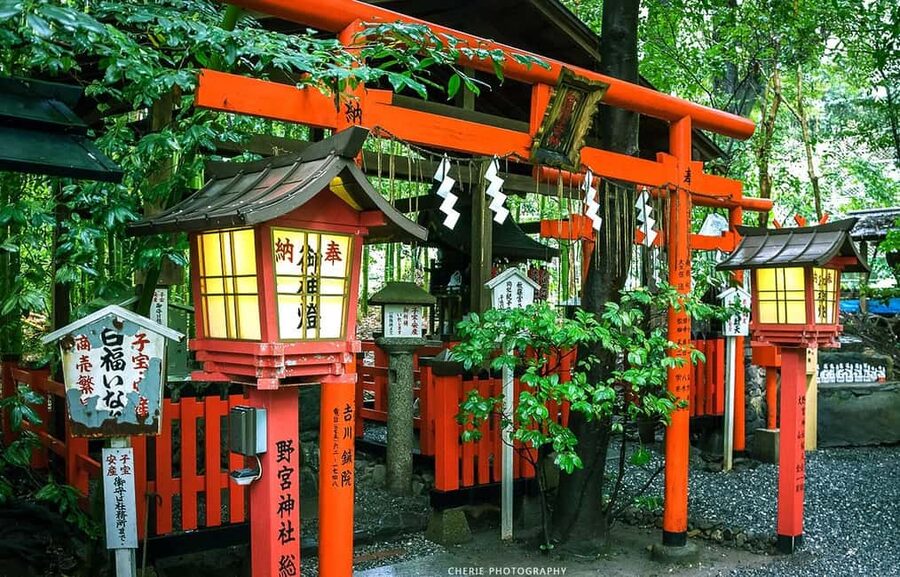
This is not a place where you can rush through and “check it off.” The torii stretch upward in long, red lines, and even when the crowds are thick, the visual rhythm pulls you forward. I like that the guide helps you make sense of what you are looking at, including the wish-making ritual at the main shrine where you can draw a fox-shaped ema (prayer plaque).
A small but useful way to think about this stop: decide your goal before you get distracted by photos. You can go as far uphill as you want, but at peak times, it is smarter to pick a point you are happy reaching rather than trying to conquer every stair.
Arashiyama basics, how to use your free time wisely
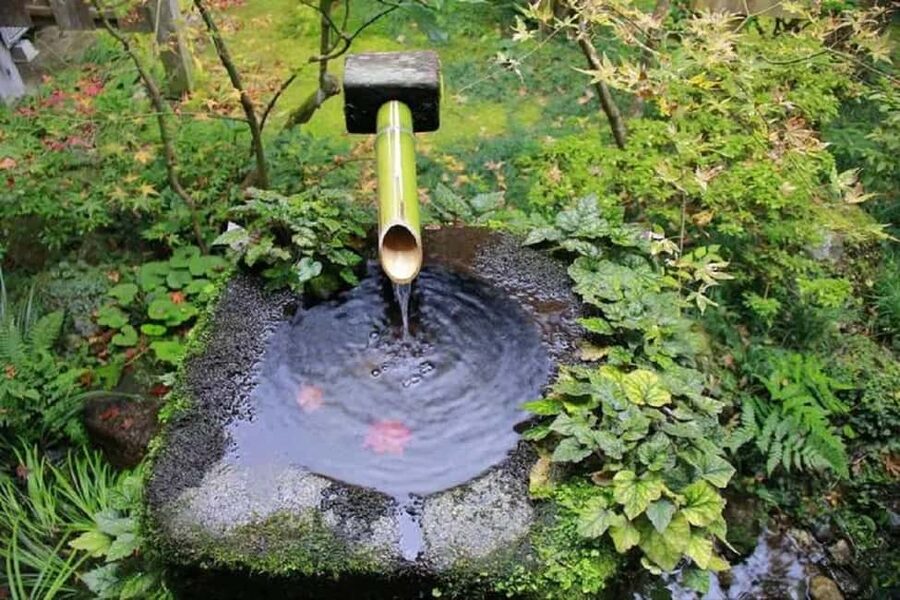
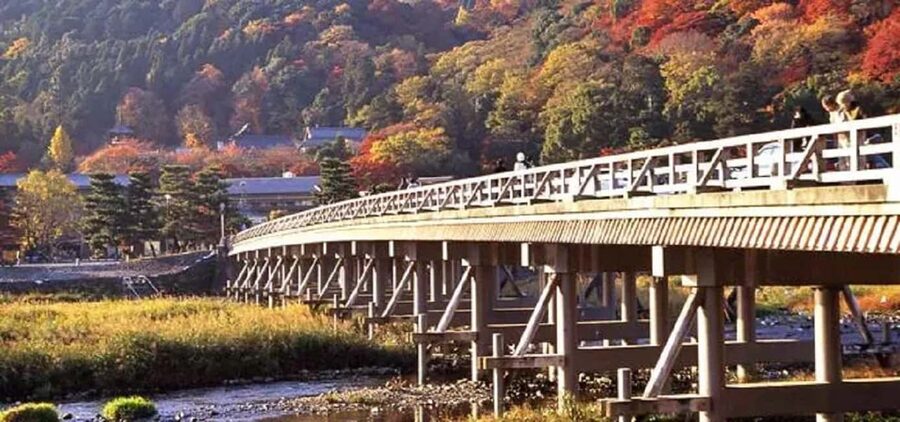
After the second bus ride, you arrive in Arashiyama, and you get about 2.5 hours to explore. That free time is the heart of this day tour, because Arashiyama is not only temples and scenery. It is also a neighborhood vibe with shops, small lanes, and lots of seasonal mood.
The highlight you will hear most often is the Arashiyama bamboo grove, a top “sounds of nature” style spot known for its distinct atmosphere when you walk inside. If you can, go early during your group’s window or plan your photo route so you are not stuck waiting in the densest cluster for every shot.
Arashiyama is also a seasonal “choose-your-own-mood” area. You can get cherry blossom feelings, fresh green views, autumn color, or winter light atmosphere, depending on when you go. The tour gives you enough time to enjoy that seasonal character without feeling like you are sprinting.
The footbath reset and why it is not just a gimmick
One stop that is easy to overlook is the Arashiyama Station hot spring style footbath. It is essentially a quick recovery moment, and that matters because you have already walked in Nara and spent time climbing and standing around at Fushimi Inari.
This is a low-effort win. You get to sit, take the pressure off your feet, and cool down a bit before the final photo stops. If your day is heavy on walking, you will appreciate it more than you expect.
Kimono Forest near Arashiyama Station, the last photos before you head back
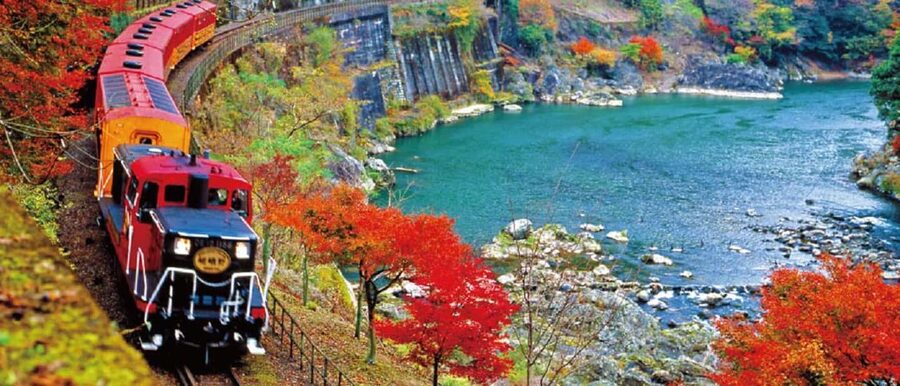
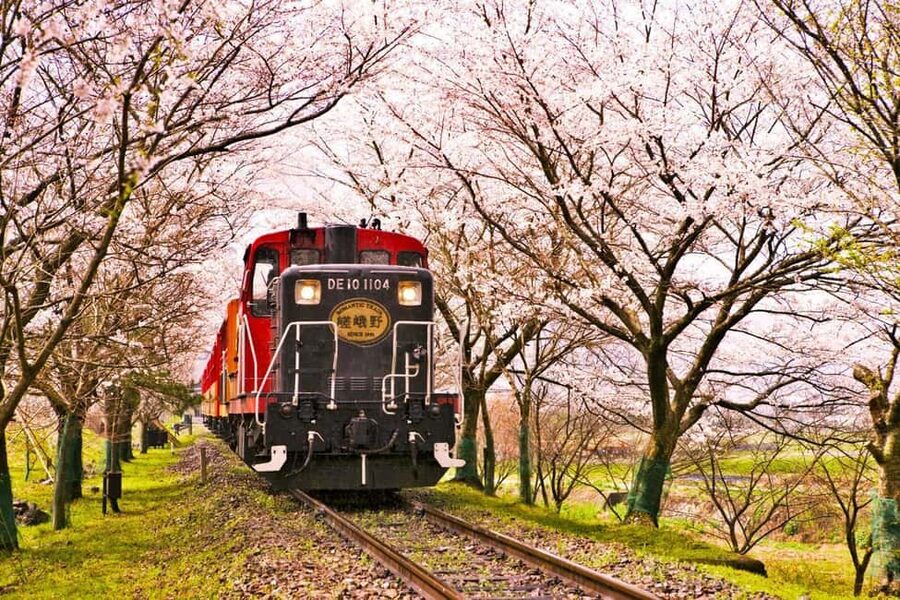
After your footbath time, the tour stops for photos around Kimono Forest, also known as Yuzenn light poles. This is the kind of visual installation that works in daylight and at night, with around 600 kimono-textile patterned pillars around the station area.
If you like evening lighting, plan your timing so you are not rushing through it at the wrong moment. Even if you are there during the day, it is a fun way to end the day with something colorful that is easy to photograph without more walking.
Optional Sagano Romantic Train, when it’s worth the extra cost
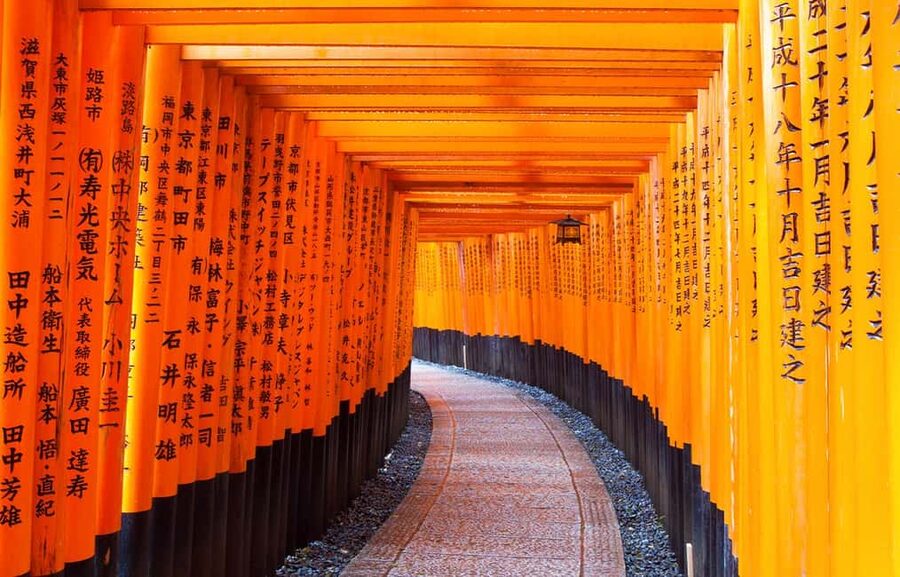
There is also an optional add-on: the Sagano Romantic Train along the route that passes views of the Hozugawa River Gorge and countryside toward Kameoka and back into the Arashiyama area. The train segment is especially popular during cherry blossom season in spring and autumn foliage, but it is also a nice change of pace during a very full day.
Here is the key planning idea: decide if you want a slow, scenic break. If you are the type who enjoys rail views and would rather sit than keep walking, the train can be worth considering. If you want to stick strictly to the included pacing and keep energy for Arashiyama walking, you can skip it.
How long it really feels, and how to pace yourself
On paper, it looks like a straightforward schedule. In real life, it is a packed day: bus rides between areas, guided time at Fushimi Inari, walking in Nara, then free time in Arashiyama plus multiple photo stops.
That is why your shoe choice matters. Comfortable shoes are not a suggestion here, because you are combining outdoors time with standing and stair climbs. Bring water and sunscreen, because you may not have many chances to slow down outside the scheduled breaks.
Also keep in mind the tour can adjust if conditions change. On weekends, public holidays, or during busy travel periods, traffic can impact timing, and the guide may modify the order of attractions, visit durations, or reduce stops based on real-time conditions. Do not plan another activity immediately after the tour ends in Osaka, since return time can vary.
Guides and group vibe, what the experience feels like in practice
This is a shared tour, so you will be with other people, sometimes speaking different languages. The upside is that you get a live guide for context and meet-up help, and the tour is set up with a structure that keeps the group moving.
In reviews, guides like Yang stood out for engaging small talk, sharing lots of location facts, and even offering to take photos for the group. Another guide, Jack, was praised for clear explanations and professional guidance, including where to meet. That kind of practical support makes the difference between getting lost in crowds and getting good results quickly.
One note from the tour’s own structure: if the tourist number is under 13, the driver may serve as a guide with simple explanation. That can still be helpful, just expect a more straightforward style if the group is smaller.
Who should book this tour, and who should skip it
This day trip is ideal if you want Kyoto highlights without managing train schedules. It is also a strong pick for first-timers in Japan who want to see Nara Park, Fushimi Inari, and Arashiyama in a single shot from Osaka.
It is not a great match if you need wheelchair access, because it is not listed as suitable for wheelchair users. If you have animal allergies, keep in mind Nara Park is a deer area with free-roaming deer.
Price and value: is $56 a good deal for this many stops?
$56 per person can feel surprisingly fair for a full-day hit list, especially with round-trip transportation by air-conditioned bus included, plus expressway tolls, fuel costs, parking fees, and a professional driver. You are also paying for a multilingual guide and the guided time at Fushimi Inari.
Where the value lands for you depends on what you would otherwise spend. If you are figuring out train tickets, separate tours, and multiple transfers, the bus day-trip format can be a lot simpler. And because the schedule is built to include multiple distinct areas, you get more “big moments” than you might if you did only one region on your own.
The only real extra costs to plan for are meals and any optional activity like the Sagano Romantic Train at your own expense. Also note cash may be needed because credit cards are not accepted at certain locations.
Small details that will save you stress
Here are a few things I would treat as must-dos based on the tour guidance:
- Bring cash, since some spots may not take cards.
- No food in the vehicle, so plan snacks for before or after ride segments, not during.
- Bring sunscreen and water, because outdoor stops are a real part of the day.
- Camera ready for deer interactions, torii gates, bamboo photos, and the Kimono Forest lights.
If you want to make the most of photos, aim to be ready before you arrive at each site. In these places, the best shots happen at moments, and you do not want to be fumbling with your gear while the group moves.
Should you book this Osaka to Kyoto, Nara, Fushimi Inari and Arashiyama day tour?
Yes, if your goal is a high-impact day with three major sightseeing areas that are otherwise a hassle to connect. The tour is set up for pace, with guided context at Fushimi Inari, a focused Nara Park stop, and the best part, Arashiyama free time plus practical recovery in the footbath.
I would hold off if you hate walking, need full accessibility support, or you are sensitive to animals due to the deer at Nara.
If you book, do it with the right mindset: this is a greatest-hits day. You will trade some flexibility for convenience, but the payoff is seeing a lot of iconic Japan without spending your day on logistics.
FAQ
What is the meeting point for the tour in Osaka?
You meet at Nipponbashi Exit 2 in the Namba Shinsaibashi area, at 1-chōme-3-6 Nipponbashi, Chuo Ward, Osaka, 542-0073. The meeting time is 7:50AM and departure is 8:00AM.
What stops are included in the tour?
The tour includes Nara Park, Fushimi Inari Taisha, and Arashiyama, with photo stops and sightseeing. Arashiyama time includes options for the bamboo grove area, a hot spring style footbath experience, and Kimono Forest photo time. There is also a photo stop at Torokko Saga Sta. with an optional panoramic train ride.
Is the Sagano Romantic Train included?
No, the Sagano Romantic Train is listed as an optional experience and is at your own expense.
How long does the tour take?
The tour duration is 1 day. The exact starting times depend on availability for the date you choose.
What languages are available for the guide?
The live tour guide is available in English, Japanese, and Chinese.
What should I bring, and is there anything not allowed?
Bring comfortable shoes, a camera, sunscreen, water, and cash. Food is not allowed in the vehicle.
Who should avoid this tour?
It is not suitable for wheelchair users. It is also not recommended for people with animal allergies due to the deer at Nara Park.
Which Kyoto Temple Gets Your Morning
Further Into Arashiyama
Newest Osaka write-ups from the Loving Japan desk



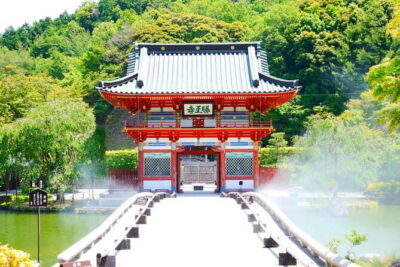
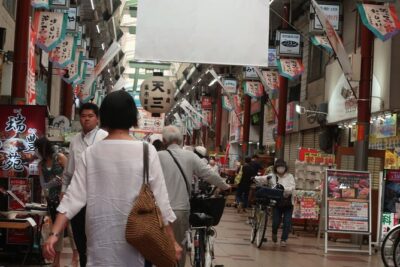
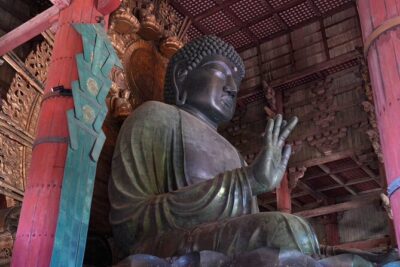
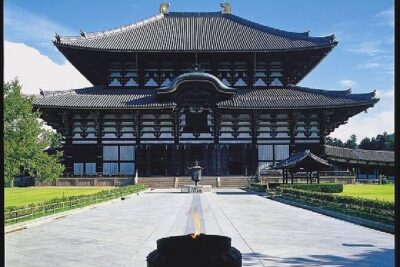
Nara Deer Park and Todai-ji, side by side.
 ★ 5.0World Heritage Kyoto & Nara Uji Authentic Matcha ExperienceFrom $1291,573 reviews
 ★ 4.7Kyoto/Osaka: Nara, Fushimi Inari Taisha, Arashiyama Bus TourFrom $521,275 reviews
 ★ 5.0Nara Half Day Trip Walking Tour (Private Option Available)From $105937 reviews
 ★ 4.4Osaka/Kyoto: Arashiyama, Nara & Fushimi Inari Shrine w/LunchFrom $61754 reviews
 ★ 5.0Nara Early Morning Tour (Kyoto or Osaka Departure Available)From $61676 reviews
 ★ 4.5Kyoto and Nara Day Trip from KyotoFrom $194445 reviews
 ★ 5.0Full Day Guided Tour to Kyoto and Nara from Osaka by VanFrom $106420 reviews
 ★ 4.5Nara Afternoon Tour from Kyoto or OsakaFrom $102390 reviews