
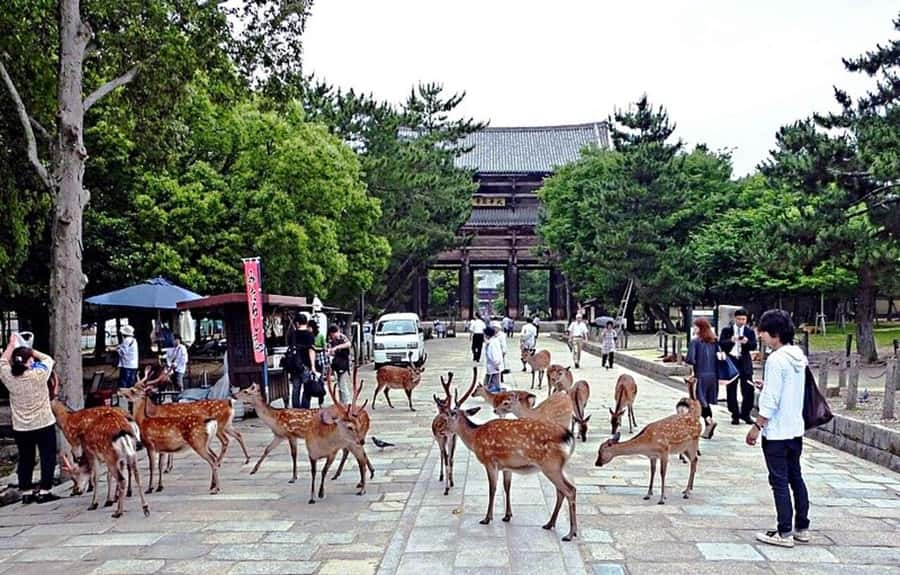
REVIEW · NARA DEER PARK AND TODAI-JI
From Osaka: Nara, Kiyomizu-dera & Fushimi Inari Trip
A day that hits Kyoto highlights fast. This Osaka area day trip strings together three big-name stops, with Nara deer and Kyoto’s temples plus the red torii climb at Fushimi Inari. I like that it is guided throughout, so you do not just see sights, you also get the story behind them.
I especially like two things: the chance to feed and interact with free-roaming deer in Nara Park, and the time spent at Kiyomizu-dera with its wooden stage views and the Otowa Waterfall area. The walk through older Kyoto streets (think Sannenzaka and preserved wooden-town atmosphere) also makes the day feel like more than just photo stops.
One consideration: you are dealing with long distances and bus time, and the sequence can shift with traffic or weather. If you are strict about time windows at a single temple, plan for some schedule wobble, even though the tour aims to complete everything when possible.
In This Review
- Key things I’d plan around
- The big-picture value of this Osaka to Kyoto day
- Meeting point, what to bring, and how to make the day smoother
- Nara Park and the deer that steal the show
- Traveling on bus time, and why schedule order can shift
- Kiyomizu-dera: UNESCO views plus Otowa Waterfall wishes
- Sannenzaka streets: the Kyoto you can actually walk through
- Fushimi Inari Taisha: the torii climb you will feel in your legs
- Guides and explanations: what makes the day click
- Who this tour is a good fit for
- Price and value: is $49 a smart deal
- Should you book this day trip?
- FAQ
- Where is the meeting point in Osaka?
- What time should I arrive for check-in?
- Does the tour include transportation?
- Is Kiyomizu-dera entry included?
- Is food or drinks included?
- Does the tour include hotel pickup or drop-off?
- What languages are available?
- Is the tour suitable for wheelchair users?
- How much walking should I expect?
- What should I bring?
- Can I cancel and get a refund?
- Is there a pay-later option?
Key things I’d plan around

- Nara Park deer time: you can feed and interact, but wear comfy shoes because you will be standing and walking.
- Kiyomizu-dera focus: UNESCO sights plus the Otowa Waterfall area are a major anchor for the day.
- Sannenzaka streets: narrow cobbled lanes, preserved buildings, shops, and tea-house vibes.
- Fushimi Inari torii path: a long red-gate stroll up the slopes of Mount Inari.
- Bus time is real: expect travel time between Osaka, Nara, and Kyoto.
Which temple to give the morning to, reviewed
- Sagano Romantic Train & Arashiyama, Kiyomizudera, Fushimi Inari Taisha Day Tour
★ 4.5 · 171 reviews - Full Day Kyoto Tour : Bamboo Forest, Golden Temple, Fushimi Inari
★ 5.0 · 84 reviews - Kyoto Highlights: Arashiyama & Fushimi Inari by Private Car
★ 5.0 · 35 reviews - Kyoto: Immersive Arashiyama & Fushimi Inari by Private Car
★ 5.0 · 35 reviews
The big-picture value of this Osaka to Kyoto day
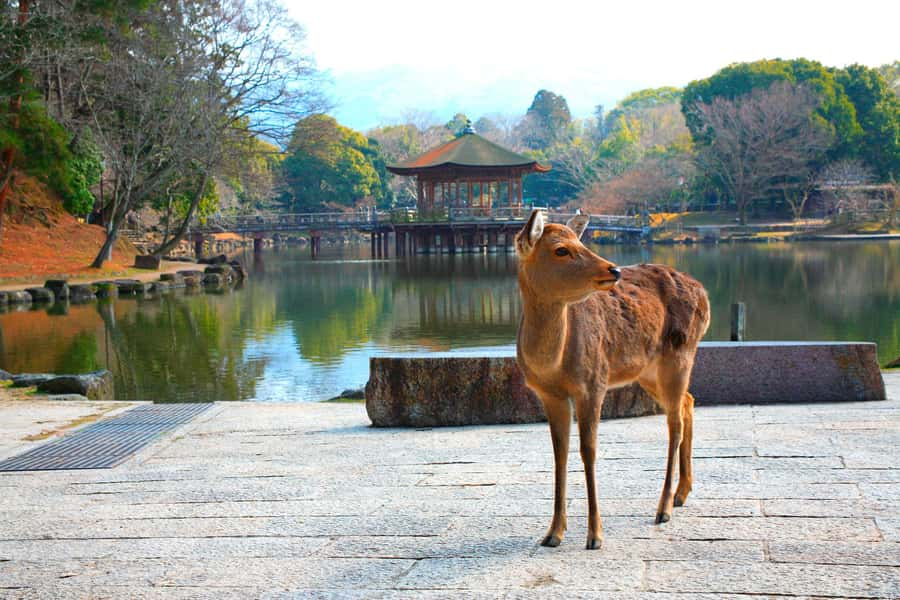
This is the kind of day trip that works if you want maximum payoff with minimum planning. From one departure point in Osaka, you get transported to the main highlights, you have a bilingual guide (English and Spanish), and you have temple access included for Kiyomizu-dera.
At $49 per person, the value comes from what you are not doing yourself: you are not coordinating separate tickets, rail connections, and timing between Nara and Kyoto’s most famous spots. Food is not included, so you should budget for meals on your own, but you do get the core sightseeing logistics handled with a guide and transport from the meeting point.
The trade-off is time. This is a long day with a lot of transit, so it is best for travelers who enjoy moving from place to place and watching the day unfold.
Meeting point, what to bring, and how to make the day smoother
Your day starts with a clear instruction: meet at the corner of the building Osaka Mode Gakuen, where the guide waits with a sign for Amigo Tours. Arrive at least 10 minutes early for check-in, because once buses are loaded, there is not much patience for late arrivals.
Bring comfortable shoes first. Second, pack water and sunscreen. You will be outside for extended walking, especially at Fushimi Inari and around Nara Park. A camera helps, but I would also think about how you will hold it while you are on uneven paths and stairs.
One more practical note: the tour is listed as not suitable for wheelchair users. If mobility is an issue, you will likely struggle with the amount of walking and the terrain at temples and the torii route.
Nara Park and the deer that steal the show
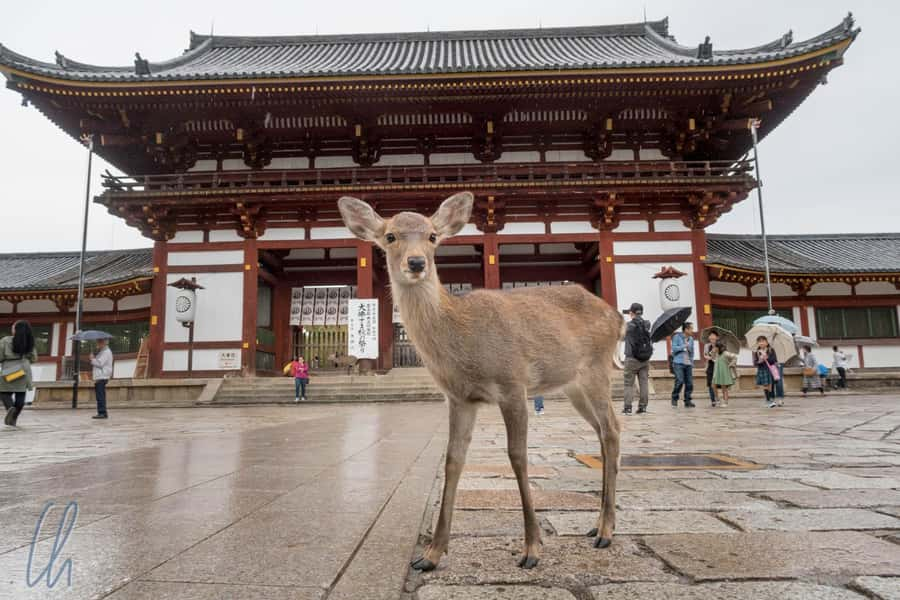
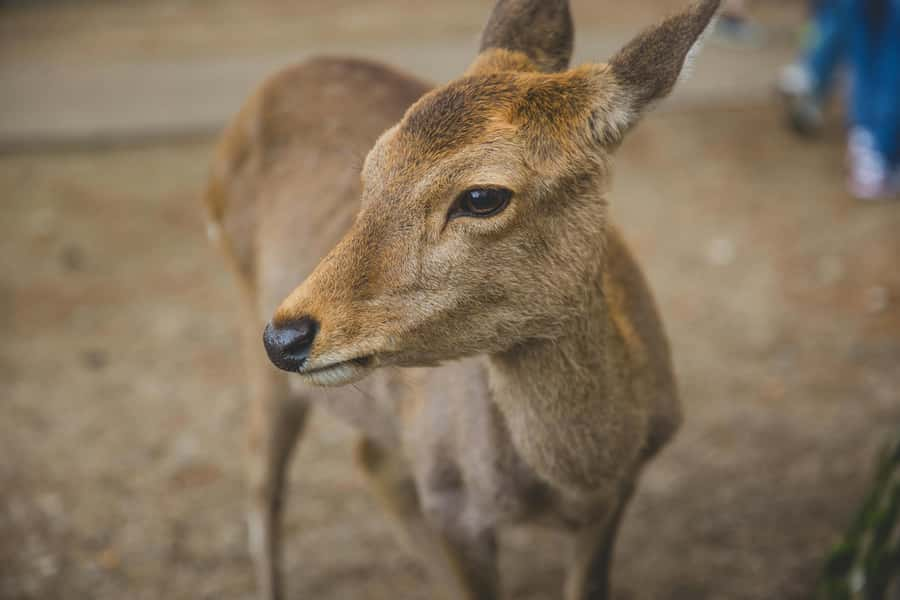
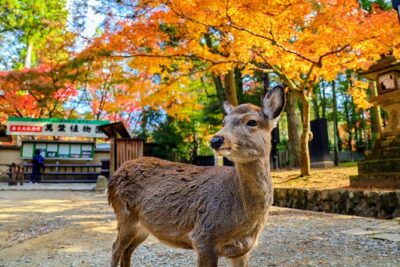
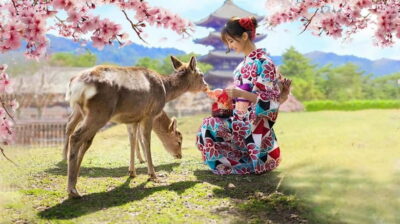
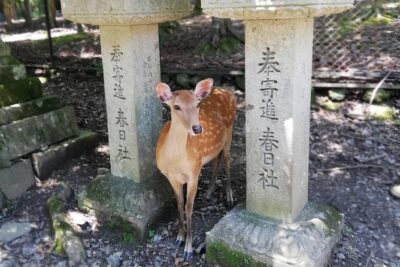
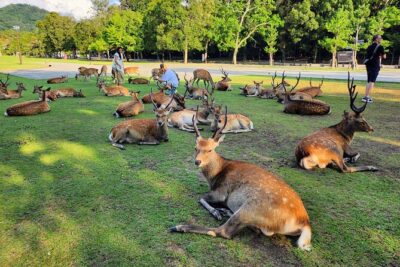
Nara Park is why many people say yes to this tour. You are not just watching wildlife in a distant enclosure. You are in a park full of hundreds of free-roaming deer, and the experience includes time to feed and interact.
Here is the mindset I recommend: treat deer like park residents, not attraction props. They are calm, but they are still animals with their own habits. Keep your movements steady, and follow your guide’s lead on where to stand and how to handle the feed.
What you will enjoy most is the feel of the place. Nara Park is a blend of open green space and sacred atmosphere, so even when the deer gather, it does not feel like a theme-park jam. It feels like a place with routines, paths, and history.
The only drawback is simple timing. Because this is a day trip with multiple stops, the deer time can vary depending on traffic and schedule order. If you are hoping for a long, slow stroll, know that the day’s pacing is not fully under your control.
A half day in Nara goes several ways
- Ancient Capital Tour: Kyoto and Nara Highlights from Kyoto/Osaka★ 4.5 · 332 reviews
- Kyoto and Nara Day Trip from Osaka★ 4.0 · 175 reviews
- Discover Himeji, Kobe and Nara from Osaka★ 5.0 · 101 reviews
- Kyoto & Nara Private customized tour with English speaking Guide★ 4.5 · 99 reviews
- Kyoto and Nara UNESCO Highlights Full-day Tour From Osaka★ 4.5 · 50 reviews
Traveling on bus time, and why schedule order can shift
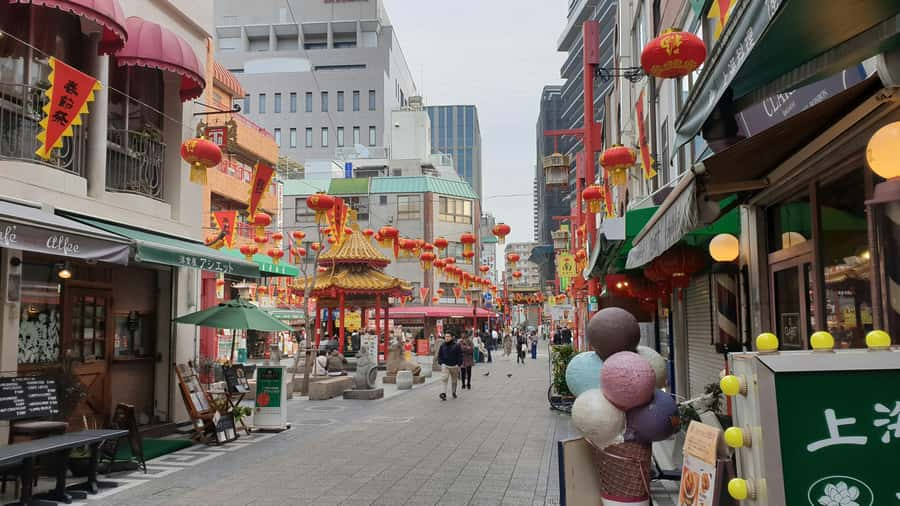
Between Osaka, Nara, and Kyoto, you will spend time on the bus. That matters because it changes how you experience each stop. If you get more bus time, you might have less room to wander slowly on foot.
The tour also notes that the order of visits may change due to things like traffic, weather, or local events. In practice, that means you might see different distribution of time across stops. One possible pattern is more time at Kiyomizu-dera and less time in Nara, or the reverse. Either way, the day’s intent stays the same: deer in Nara, temple highlights in Kyoto, and the torii gates by the end.
My advice is to keep your expectations flexible. Focus on the big blocks you cannot easily replicate in one day. That way, even if the morning or afternoon shifts, you still get the emotional payoff.
Kiyomizu-dera: UNESCO views plus Otowa Waterfall wishes
Kiyomizu-dera is the star for many visitors for one reason: it is dramatic in both structure and setting. You get access to Kiyomizu-dera, and the main highlights include the temple’s wooden stage views over Kyoto and the Otowa Waterfall area.
The wooden stage is not just a photo point. It is where the temple’s design meets the landscape around it. When you stand there, you get a sense of why this site became famous. You are literally standing in a place built for looking out.
Then there is Otowa Waterfall. The site is known for sacred waters, traditionally believed to grant wishes. You will feel the area’s significance as people move through with intention. Even if you do not treat it as a personal wish ritual, it adds meaning to the visit because it connects the physical site to a spiritual practice.
One timing note worth planning around: if the day runs with Kiyomizu-dera taking a longer slot, you may feel satisfied. If it runs shorter, the experience is still worth it, but you should prioritize what you want most: stage views versus waterfall time versus time for nearby streets afterward.
Sannenzaka streets: the Kyoto you can actually walk through
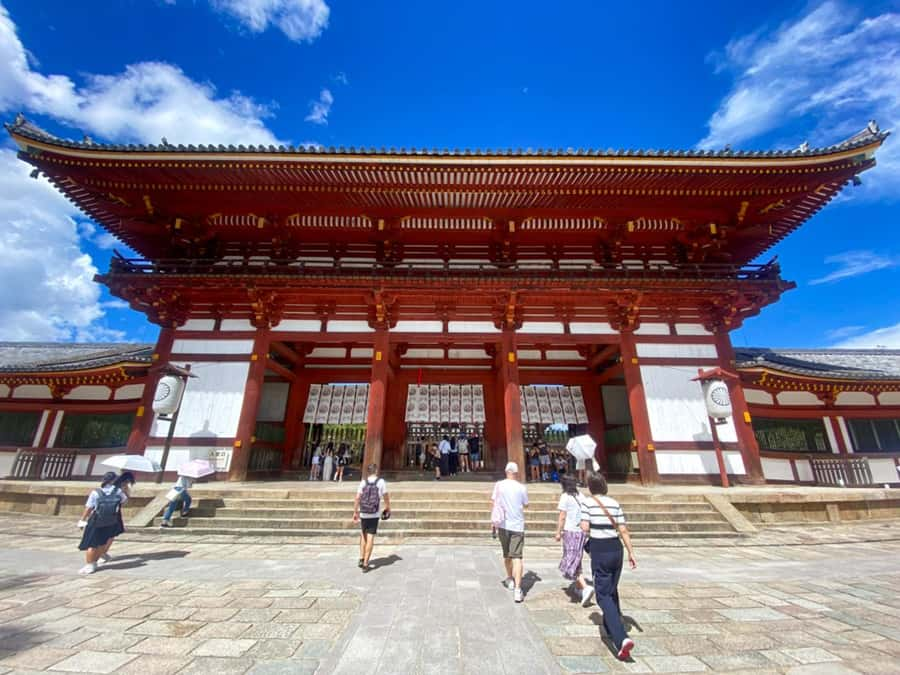
After Kiyomizu-dera, the day turns toward atmosphere. You get to walk through Kyoto’s older lanes, including Sannenzaka, with narrow streets, cobbled footing, and traditional wooden buildings.
This is where the day trip feels more authentic. Temples are the headline, but Sannenzaka is where you slow down a little. You will pass shops and tea houses, and you get that preserved-street feeling that many first-timers crave.
Practical tip: wear shoes you trust. The sidewalks can be uneven, and the route is often packed with people. If you want clear photos, move a few steps off the densest lines and let crowds pass through before you shoot.
Also, remember that food is not included. If you want a snack or a tea stop, build that into your planning so you are not stuck deciding while you are hungry.
Fushimi Inari Taisha: the torii climb you will feel in your legs
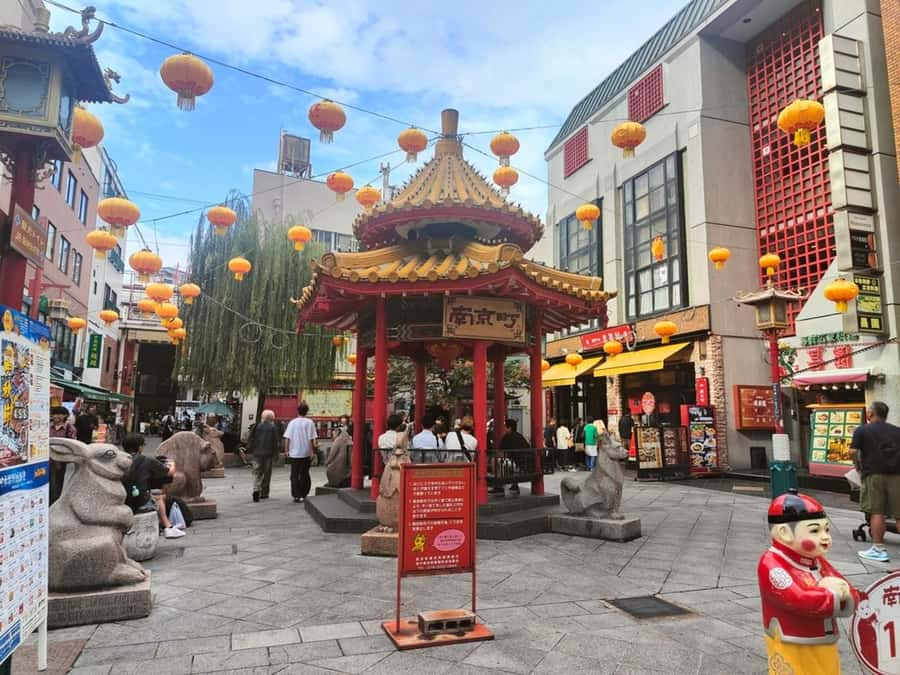
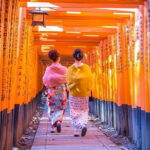
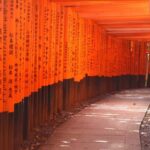
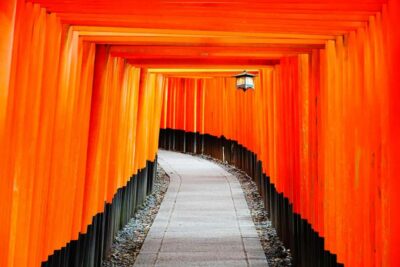
The last big highlight is Fushimi Inari Taisha, famous for its countless red torii gates winding up Mount Inari. This is not a quick look-and-go. Even when you do not go all the way up, you will walk enough to feel it.
The best way to enjoy it is to treat it like a slow changing scene. The gates create repeating patterns, and the perspective keeps shifting as you move. You will feel the spiritual mood people talk about, even if you approach it with a simple tourist mindset. It is one of those places where attention matters.
Wear the shoes you packed. Stairs and slopes can be unavoidable depending on how far you choose to go. Bring water too, because walking time stacks up. If you rush, you will miss the rhythm of the path.
Guides and explanations: what makes the day click
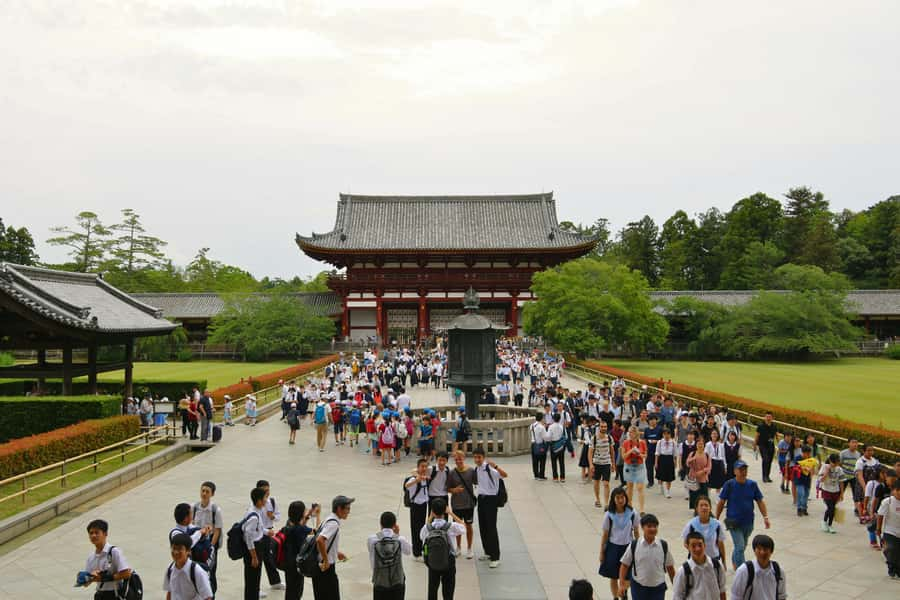
A day trip lives or dies by the guide. In some recent groups, guides such as Angeles and Alejandro stood out for the kind of detail they offered: explanations of religion, architecture styles, and even construction choices behind what you see.
That matters because it changes your relationship to the sights. A temple stop becomes less like scenery and more like something you understand. You start noticing design logic, not just dramatic buildings.
If you care about context, pay attention during the introductions and mid-walk comments. You will walk through the same space everyone sees, but you will notice different things when you know what the guide is pointing to.
Who this tour is a good fit for
This trip is a strong match if:
- You want the Nara, Kiyomizu-dera, and Fushimi Inari hit in one day.
- You like a guided pace that saves planning time.
- You are comfortable with walking and stairs, plus long bus rides between stops.
- You prefer a structured route over building your own itinerary.
It is probably not ideal if:
- You need wheelchair accessibility.
- You get stressed by schedule changes and prefer tightly fixed time blocks.
- You hate long days with outdoor walking.
Price and value: is $49 a smart deal
At $49 per person, the pricing makes sense when you break down what you get. Included items are a bilingual English/Spanish guide, transportation from the meeting point, and access to Kiyomizu-dera.
What is not included is also important: food and drinks. That means you should plan for at least one meal or snacks during the day. The real value question is whether you would be able to replicate the same convenience yourself without spending extra time and energy.
If you are traveling without your own rail plan for Nara and Kyoto, the bundled format is the point. You spend less time figuring out connections and more time inside the places you came for.
Should you book this day trip?
I would book it if you want a solid, guided highlights day with built-in transport and you are okay with a long schedule. The combination of deer in Nara Park, Kiyomizu-dera with Otowa Waterfall, and Fushimi Inari’s torii gates is exactly the kind of lineup that is hard to match smoothly on your own in just one day.
Skip it if you want a leisurely, unhurried Kyoto day, or if you strongly need strict timing at one specific stop. The day can run on shifting order, and bus time is part of the deal.
FAQ
Where is the meeting point in Osaka?
Meet at the corner of the building Osaka Mode Gakuen. The guide will be waiting with a sign of Amigo Tours.
What time should I arrive for check-in?
Please arrive at least 10 minutes before departure time for check-in.
Does the tour include transportation?
Yes. Transportation from the meeting point is included.
Is Kiyomizu-dera entry included?
Access to Kiyomizu-dera is included.
Is food or drinks included?
No. Food and drinks are not included.
Does the tour include hotel pickup or drop-off?
No. Pickup and drop-off at your hotel are not included. The tour ends back at the meeting point.
What languages are available?
The guide offers English and Spanish.
Is the tour suitable for wheelchair users?
No. It is listed as not suitable for wheelchair users.
How much walking should I expect?
Distances are long and you will spend time on the bus, and you will also walk through the temple areas and torii-gate route. Comfortable shoes are recommended.
What should I bring?
Bring comfortable shoes, a camera, sunscreen, and water.
Can I cancel and get a refund?
Yes. You can cancel up to 24 hours in advance for a full refund.
Is there a pay-later option?
Yes. You can reserve and pay later, booking your spot and paying nothing today.
Half a Day in Nara

Which Kyoto Temple Gets Your Morning
Newest Osaka write-ups from the Loving Japan desk
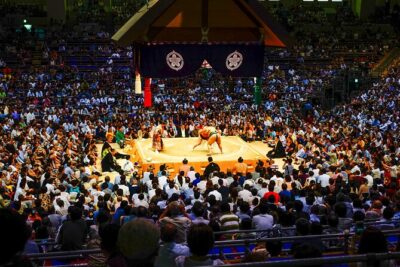



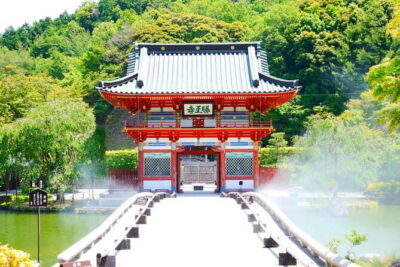
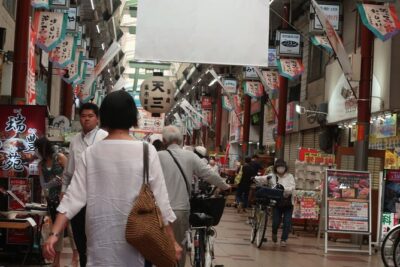
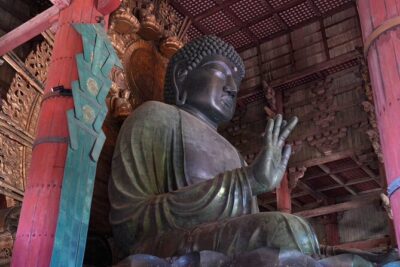
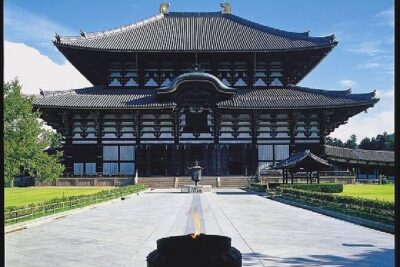
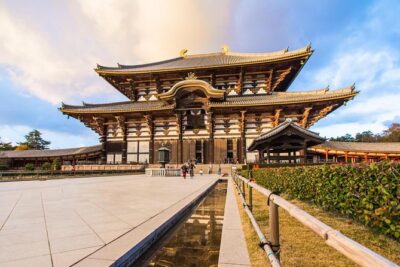
Nara Deer Park and Todai-ji, side by side.
 ★ 5.0World Heritage Kyoto & Nara Uji Authentic Matcha ExperienceFrom $1291,573 reviews
 ★ 4.7Kyoto/Osaka: Nara, Fushimi Inari Taisha, Arashiyama Bus TourFrom $521,275 reviews
 ★ 5.0Nara Half Day Trip Walking Tour (Private Option Available)From $105937 reviews
 ★ 4.4Osaka/Kyoto: Arashiyama, Nara & Fushimi Inari Shrine w/LunchFrom $61754 reviews
 ★ 5.0Nara Early Morning Tour (Kyoto or Osaka Departure Available)From $61676 reviews
 ★ 4.5Kyoto and Nara Day Trip from KyotoFrom $194445 reviews
 ★ 5.0Full Day Guided Tour to Kyoto and Nara from Osaka by VanFrom $106420 reviews
 ★ 4.5Nara Afternoon Tour from Kyoto or OsakaFrom $102390 reviews
Filed on these lists too